

Tested Applications
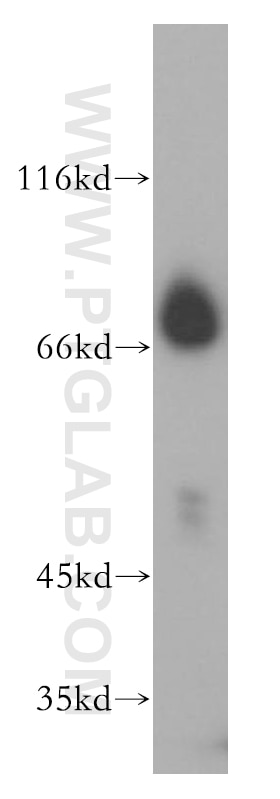
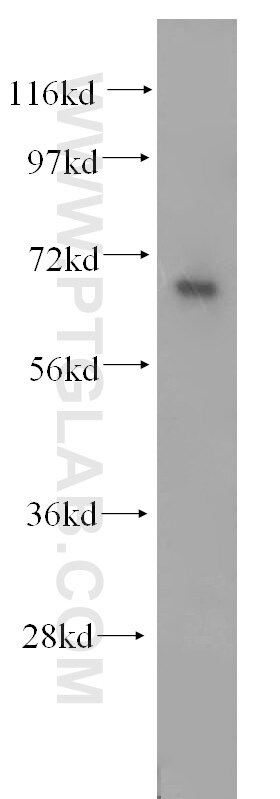
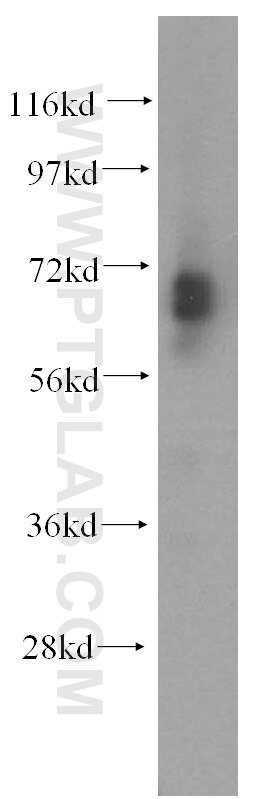
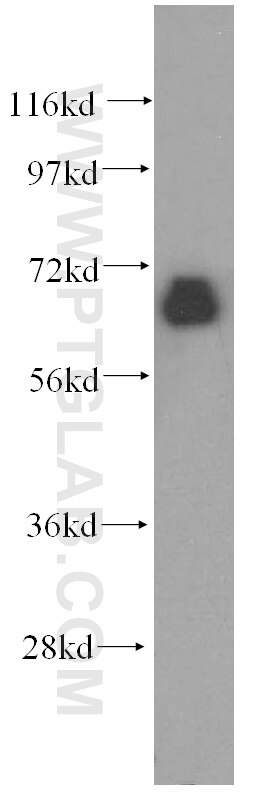
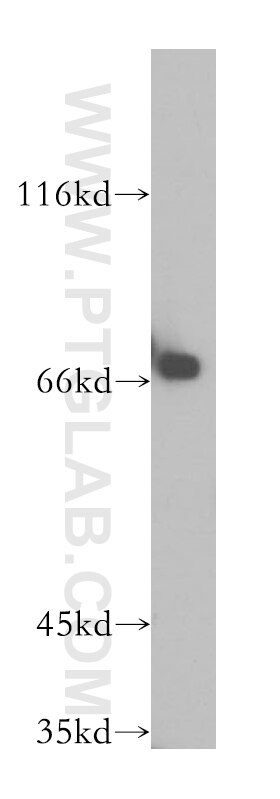
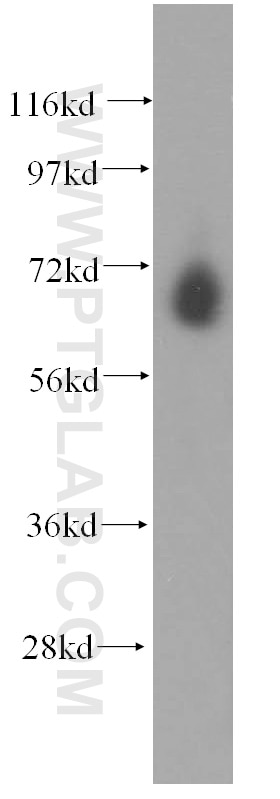
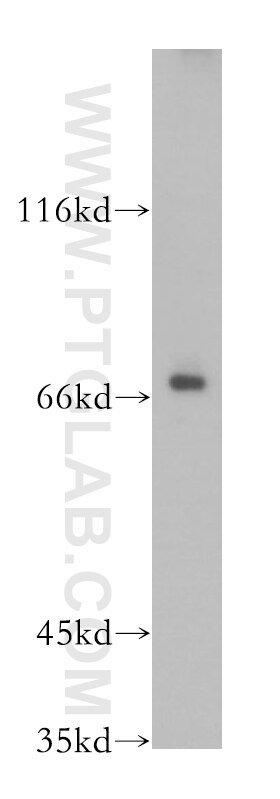
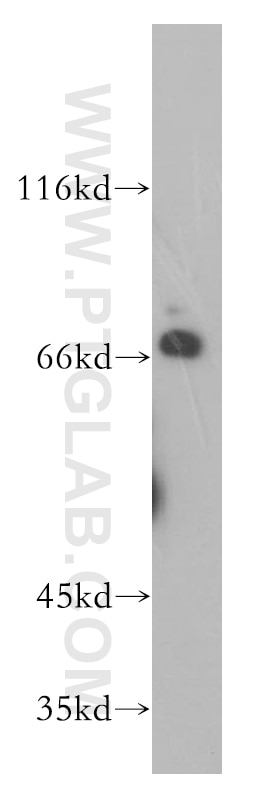
| Positive WB detected in | MCF7 cells, HeLa cells, HepG2 cells, human brain tissue, mouse eye tissue, mouse testis tissue, Y79 cells |
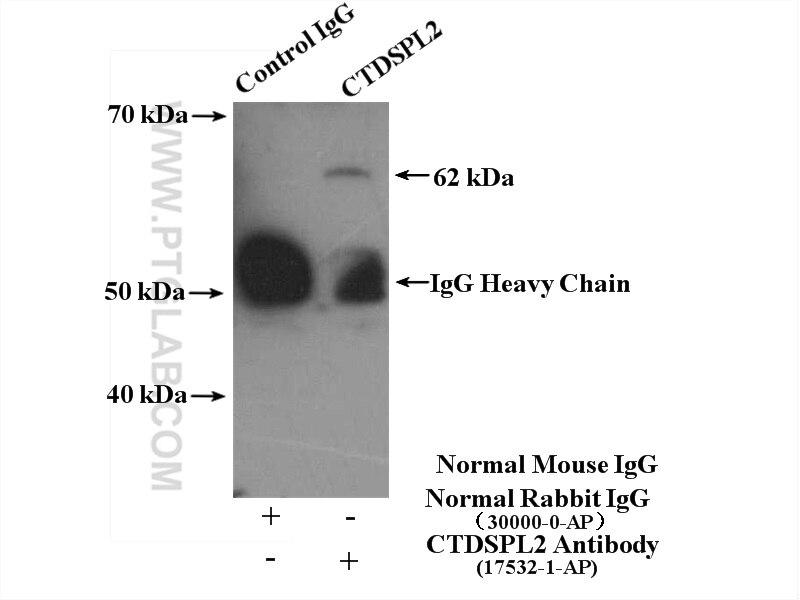
| Positive IP detected in | mouse testis tissue |
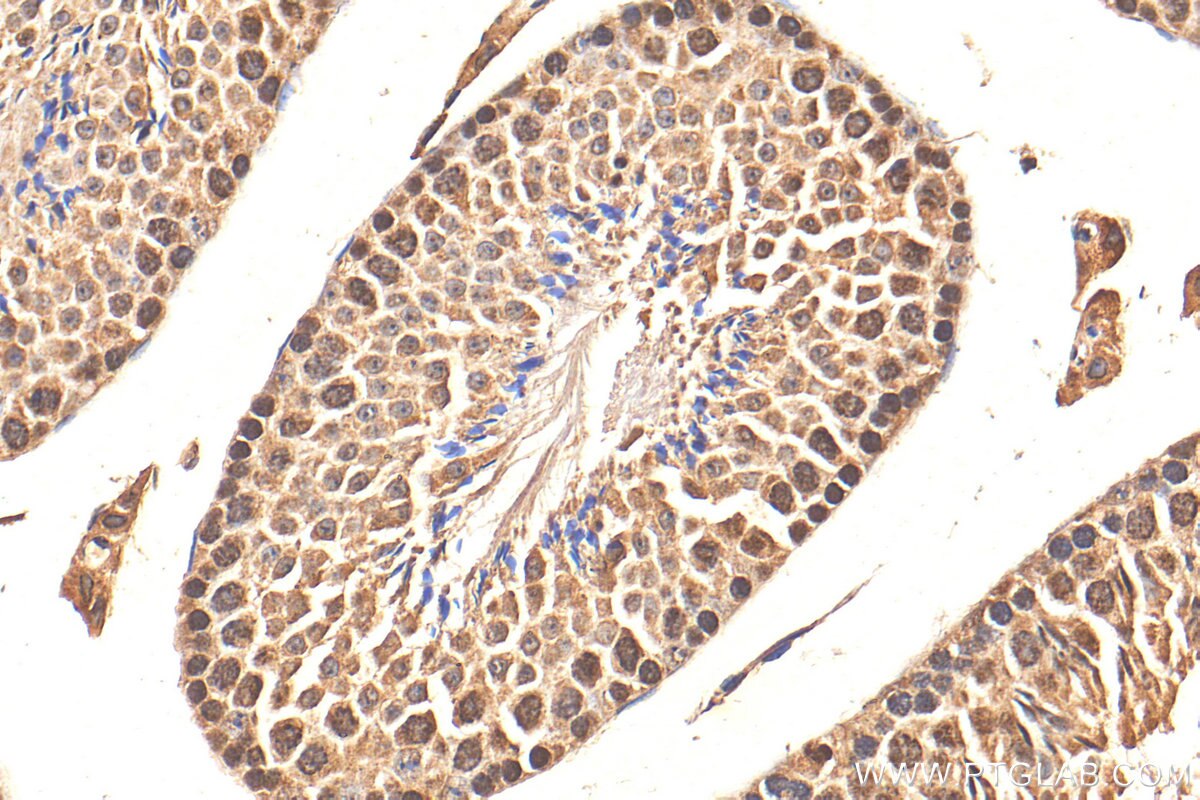
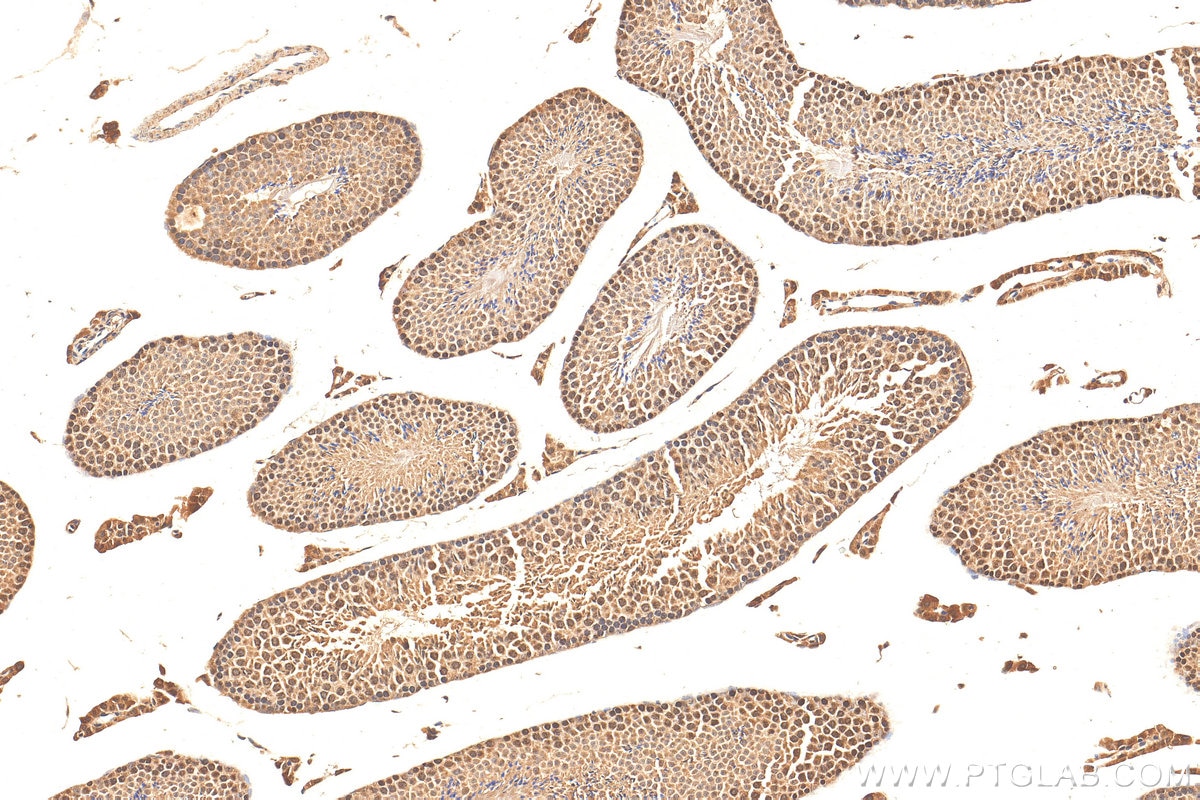
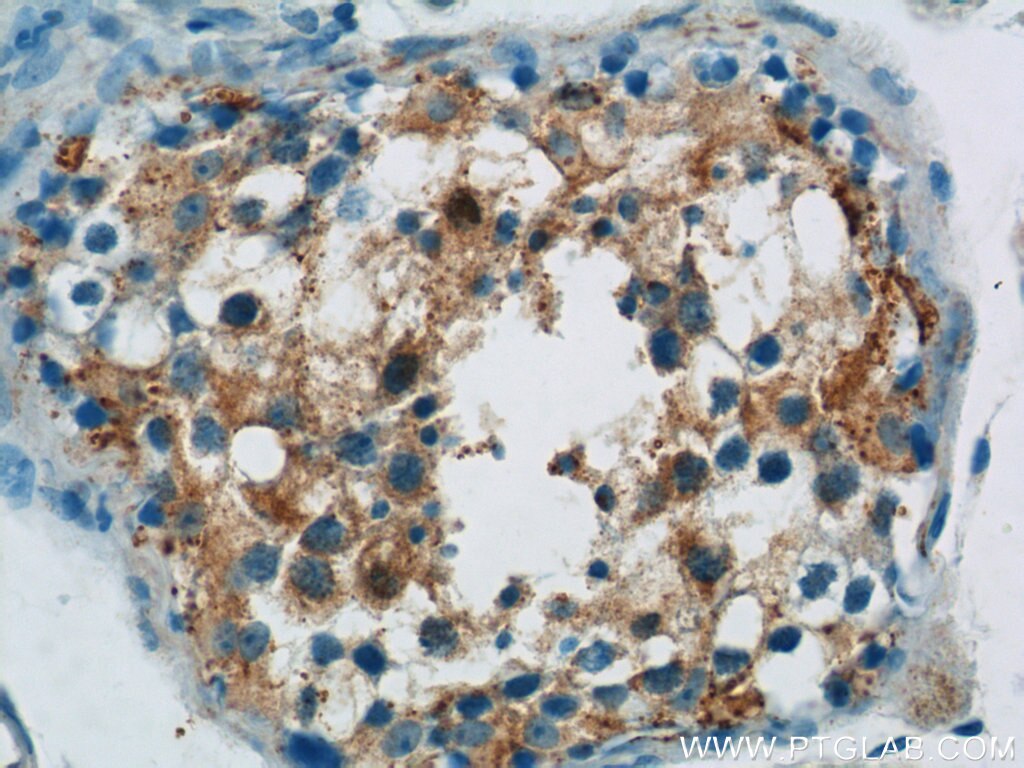
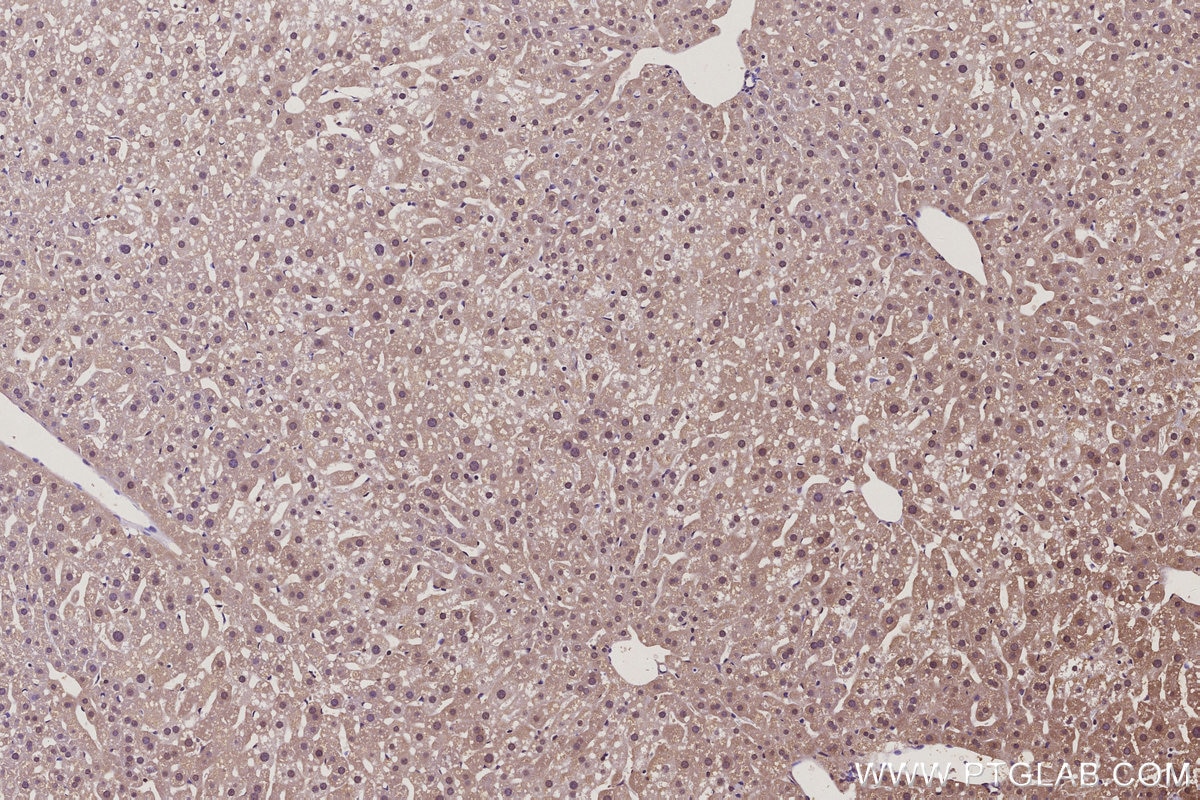
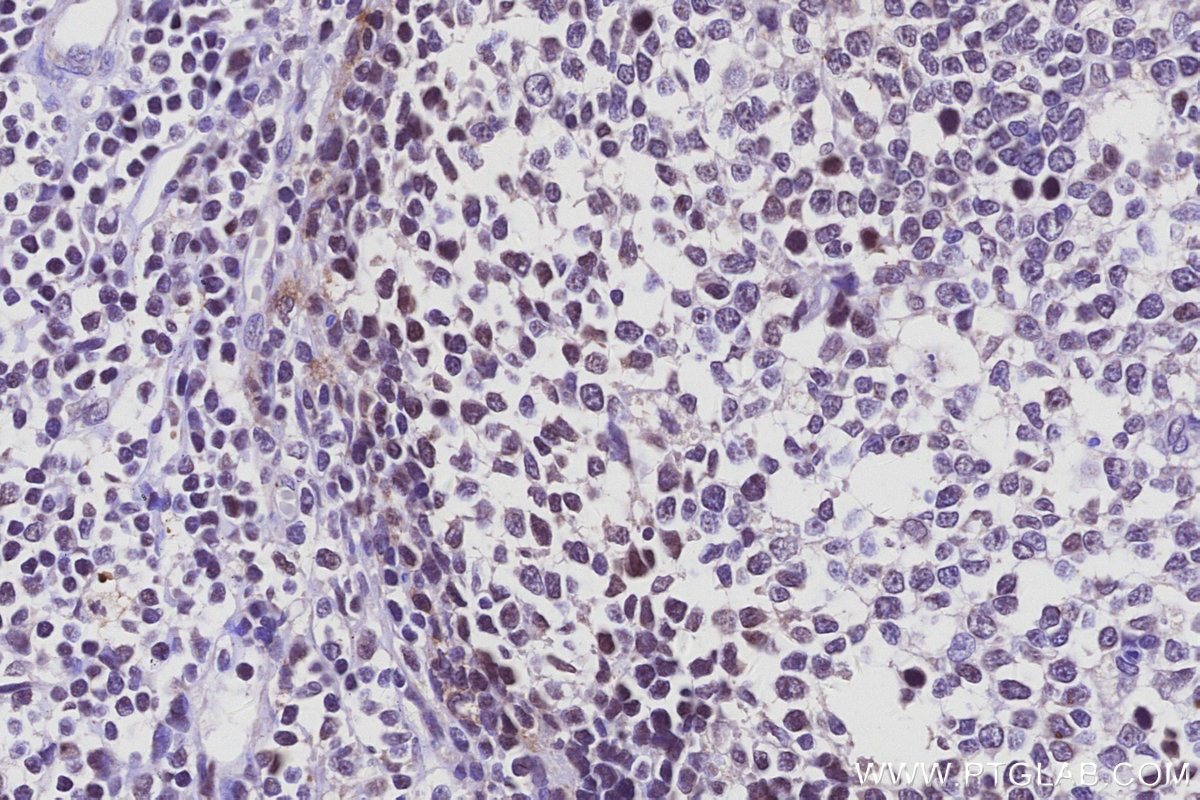
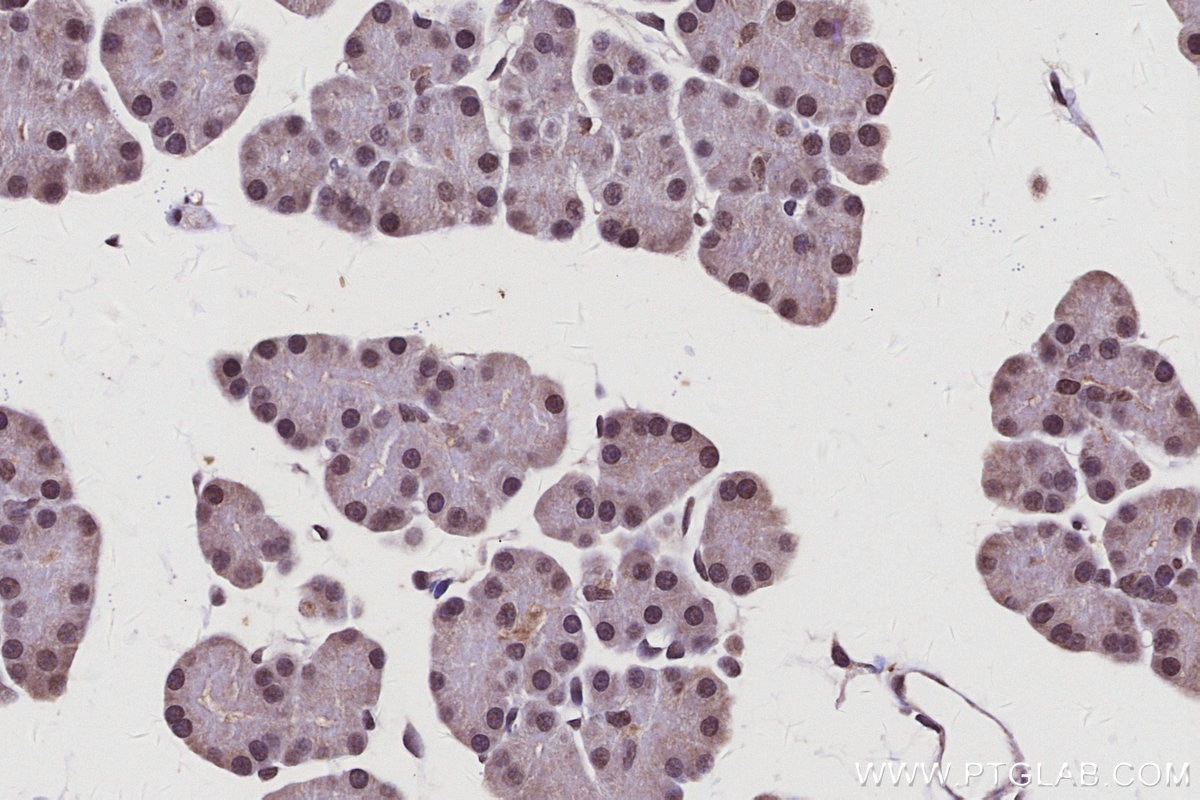
| Positive IHC detected in | mouse testis tissue, rat pancreas tissue, human testis tissue, mouse liver tissue, human tonsillitis tissue Note: suggested antigen retrieval with TE buffer pH 9.0; (*) Alternatively, antigen retrieval may be performed with citrate buffer pH 6.0 |
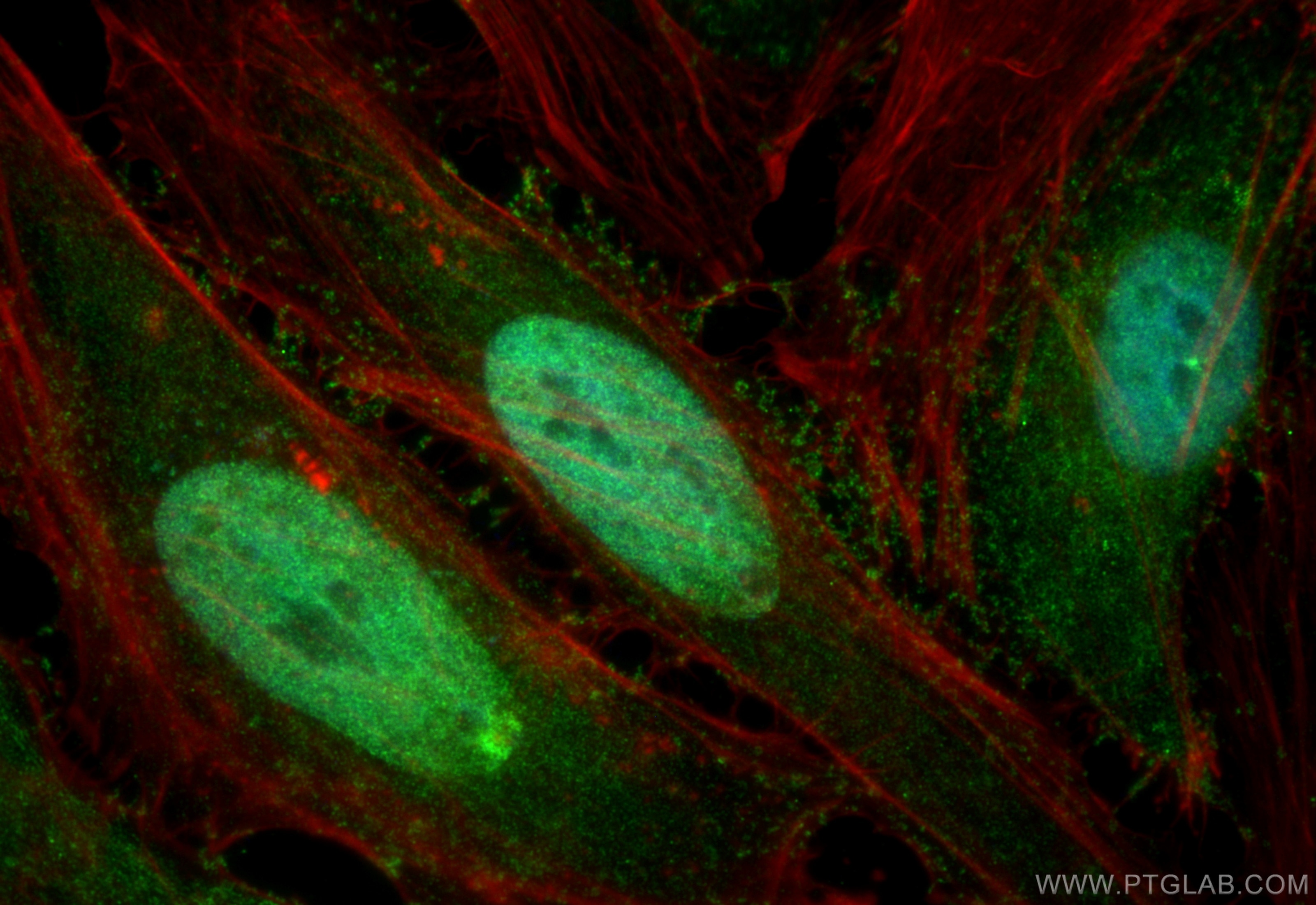
| Positive IF/ICC detected in | HeLa cells |
Recommended dilution
| Application | Dilution |
|---|---|
| Western Blot (WB) | WB : 1:500-1:2400 |
| Immunoprecipitation (IP) | IP : 0.5-4.0 ug for 1.0-3.0 mg of total protein lysate |
| Immunohistochemistry (IHC) | IHC : 1:50-1:500 |
| Immunofluorescence (IF)/ICC | IF/ICC : 1:50-1:500 |
| It is recommended that this reagent should be titrated in each testing system to obtain optimal results. | |
| Sample-dependent, Check data in validation data gallery. | |
Product Information
17532-1-AP targets CTDSPL2 in WB, IHC, IF/ICC, IP, CoIP, ELISA applications and shows reactivity with human, mouse, rat samples.
| Tested Reactivity | human, mouse, rat |
| Cited Reactivity | human, mouse |
| Host / Isotype | Rabbit / IgG |
| Class | Polyclonal |
| Type | Antibody |
| Immunogen |
CatNo: Ag11581 Product name: Recombinant human CTDSPL2 protein Source: e coli.-derived, PGEX-4T Tag: GST Domain: 114-466 aa of BC035744 Sequence: EMTNQHVKQNGKLEDNPSSGSPPRTTLLGTIFSPVFNFFSPANKNGTSGSDSPGQAVEAEEIVKQLDMEQVDEITTSTTTSTNGAAYSNQAVQVRPSLNNGLEEAEETVNRDIPPLTAPVTPDSGYSSAHAEATYEEDWEVFDPYYFIKHVPPLTEEQLNRKPALPLKTRSTPEFSLVLDLDETLVHCSLNELEDAALTFPVLFQDVIYQVYVRLRPFFREFLERMSQMYEIILFTASKKVYADKLLNILDPKKQLVRHRLFREHCVCVQGNYIKDLNILGRDLSKTIIIDNSPQAFAYQLSNGIPIESWFMDKNDNELLKLIPFLEKLVELNEDVRPHIRDRFRLHDLLPPD Predict reactive species |
| Full Name | CTD (carboxy-terminal domain, RNA polymerase II, polypeptide A) small phosphatase like 2 |
| Calculated Molecular Weight | 466 aa, 53 kDa |
| Observed Molecular Weight | 67 kDa |
| GenBank Accession Number | BC035744 |
| Gene Symbol | CTDSPL2 |
| Gene ID (NCBI) | 51496 |
| RRID | AB_2087204 |
| Conjugate | Unconjugated |
| Form | Liquid |
| Purification Method | Antigen affinity purification |
| UNIPROT ID | Q05D32 |
| Storage Buffer | PBS with 0.02% sodium azide and 50% glycerol, pH 7.3. |
| Storage Conditions | Store at -20°C. Stable for one year after shipment. Aliquoting is unnecessary for -20oC storage. 20ul sizes contain 0.1% BSA. |
Background Information
CTD small phosphatase-like protein 2 (CTDSPL2) is also named as HSPC058 and HSPC129, belongs to the CTDSPL2 family. It is a putative RNA-polymerase II carboxy-terminal domain (CTD) phosphatase, whose specific CTD phosphatase activity was verified in vitro, and may regulate the dynamic phosphorylation of RNAP II CTD.( PMID: 17487459) It can obviously improve the expression of ε- and γ-globin genes in K562 cells and CD34+ cells derived from UCB.( PMID: 20932329) This antibody is a rabbit polyclonal antibody raised against a region of human CTDSPL2.
Protocols
| Product Specific Protocols | |
|---|---|
| IF protocol for CTDSPL2 antibody 17532-1-AP | Download protocol |
| IHC protocol for CTDSPL2 antibody 17532-1-AP | Download protocol |
| IP protocol for CTDSPL2 antibody 17532-1-AP | Download protocol |
| WB protocol for CTDSPL2 antibody 17532-1-AP | Download protocol |
| Standard Protocols | |
|---|---|
| Click here to view our Standard Protocols |
Publications
What published studies show
The CTDSPL2 Polyclonal antibody (Cat# 17532-1-AP) has 6 total citations published in Cell Death & Disease, Cell Death Discovery, Life Sciences, Cell Cycle, Journal of Bone and Oncology, and BMC Cell Biology. Research fields span oncology (non-small lung cancer, breast cancer paclitaxel resistance, osteosarcoma), oral pathology (oral lichen planus), cartilage development, and hematology (globin gene expression). Applications include WB, IHC, IP, and CoIP in human and mouse samples.
| Species | Application | Title |
|---|---|---|
Cell Death Discov CTDSPL2 promotes the progression of non-small lung cancer through PI3K/AKT signaling via JAK1
| ||
Life Sci Protein phosphatase SCP4 regulates temporomandibular joint cartilage development via glucose metabolism | ||
Cell Cycle CTDSPL2 facilitates resistance to paclitaxel in breast cancer cells by suppressing SCYL1 phosphorylation.
| ||
J Bone Oncol The phosphatase CTDSPL2 promotes proliferation, invasion, metastasis and regorafenib resistance in osteosarcoma | ||
BMC Cell Biol CTD small phosphatase like 2 (CTDSPL2) can increase ε- and γ-globin gene expression in K562 cells and CD34+ cells derived from umbilical cord blood. |

