

Tested Applications
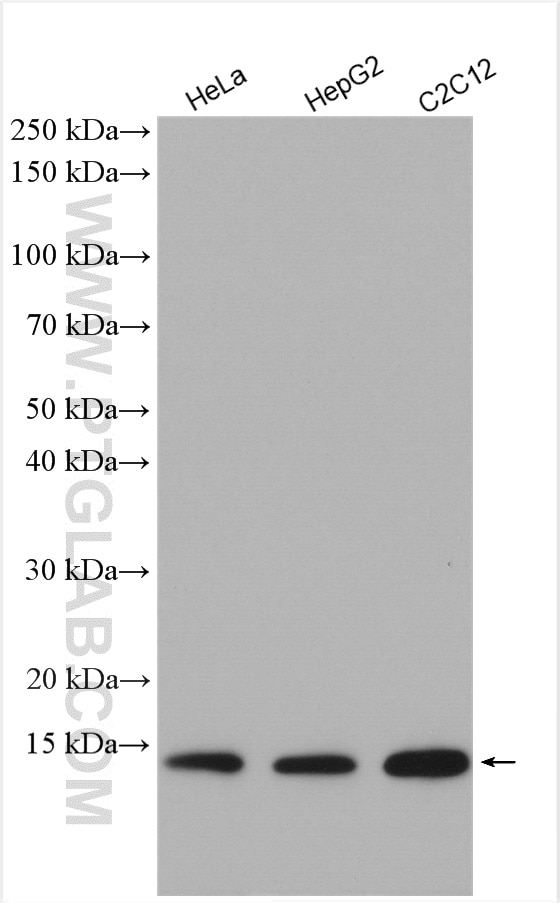
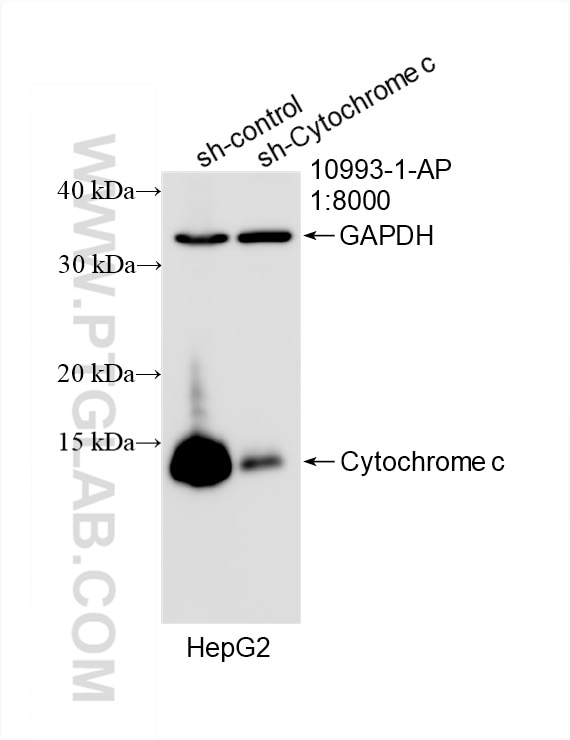
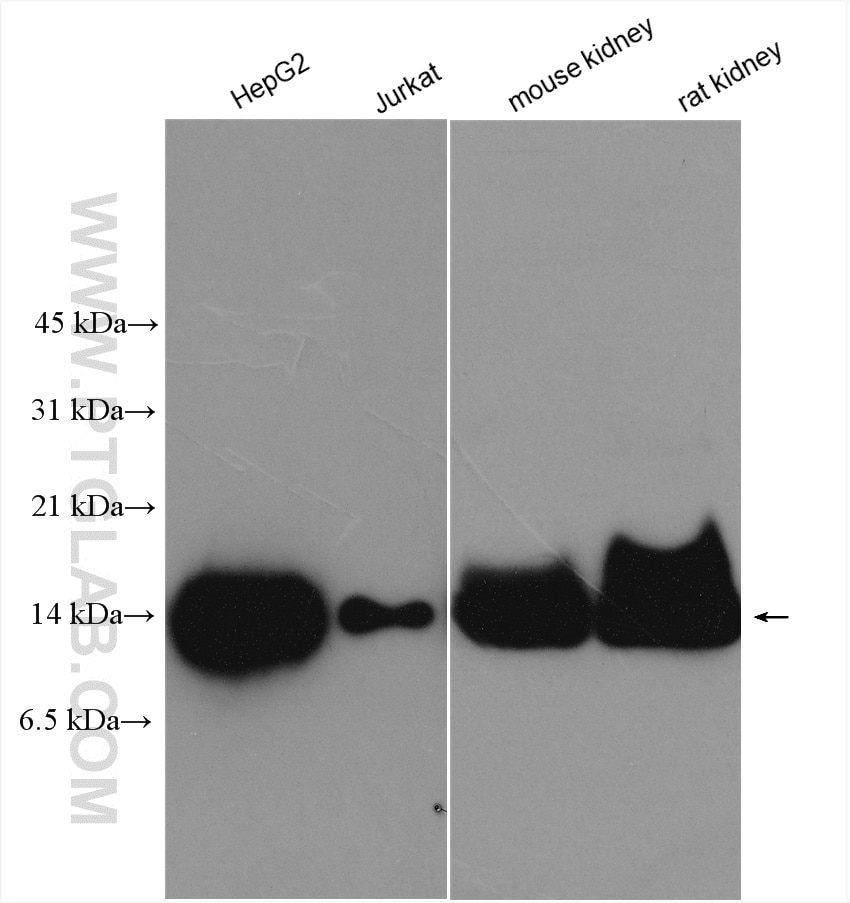
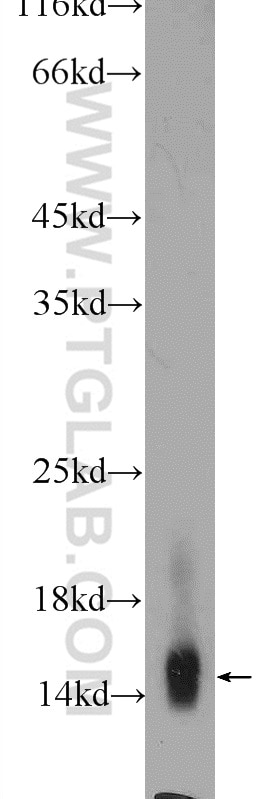
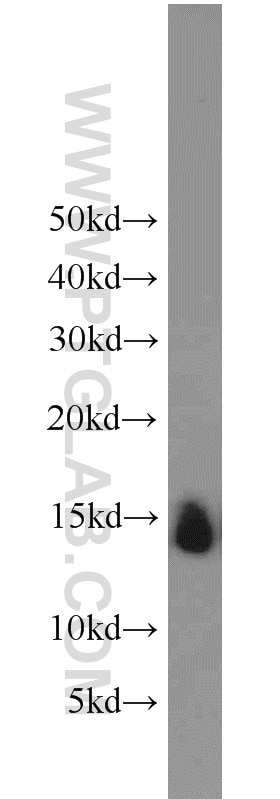
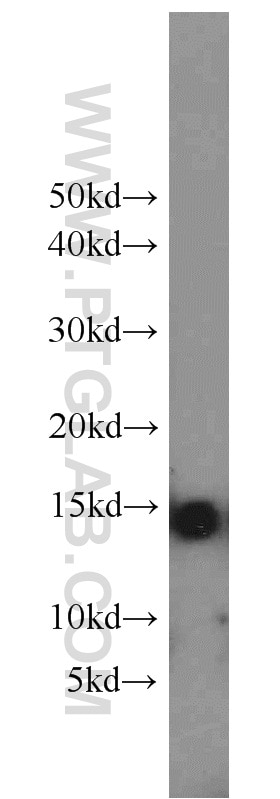
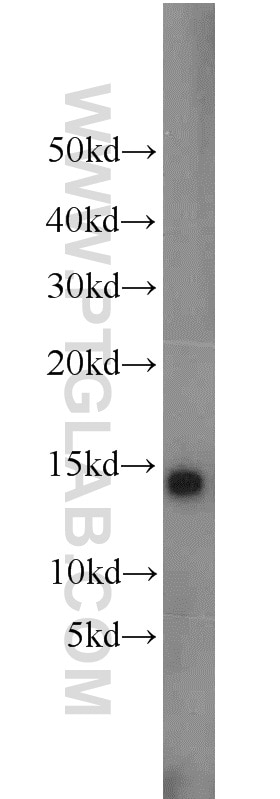
| Positive WB detected in | HeLa cells, mouse skeletal muscle tissue, rat skeletal muscle tissue, NIH/3T3 cells, rat liver tissue, HEK-293 cells, HepG2 cells, C2C12 cells, Jurkat cells, mouse kidney tissue, rat kidney tissue |
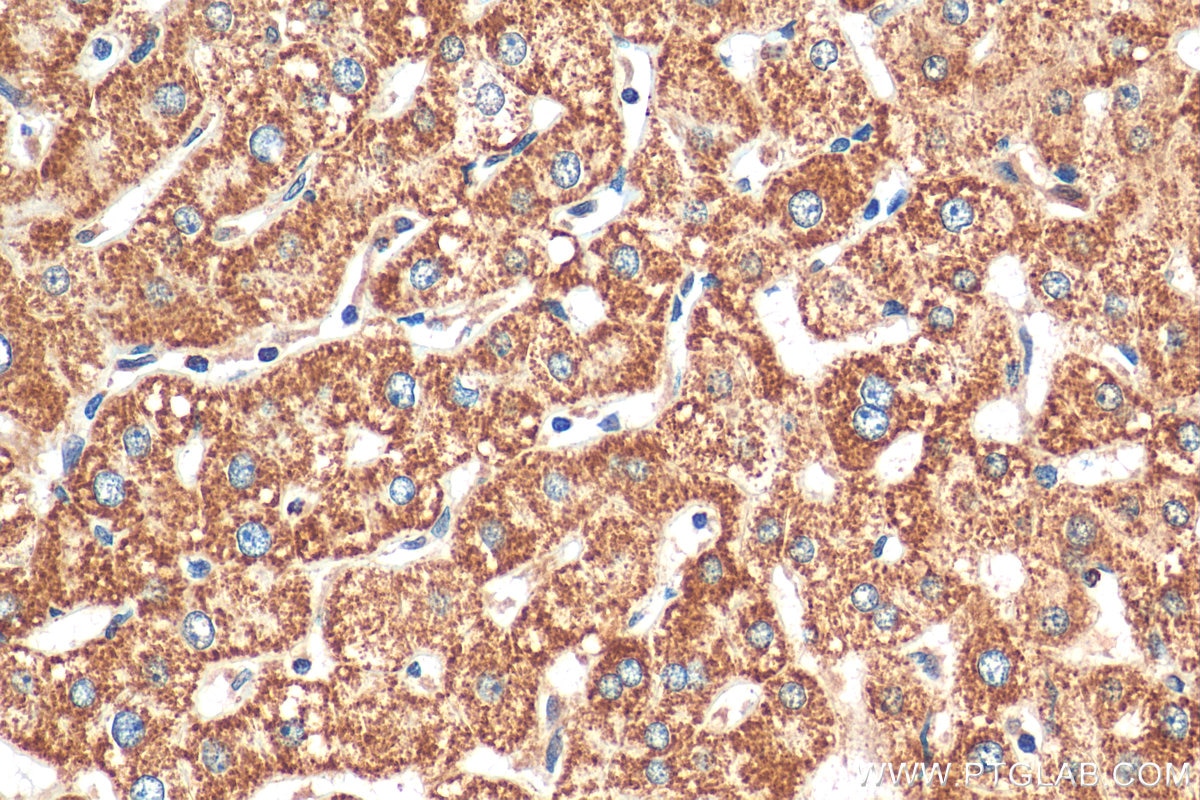
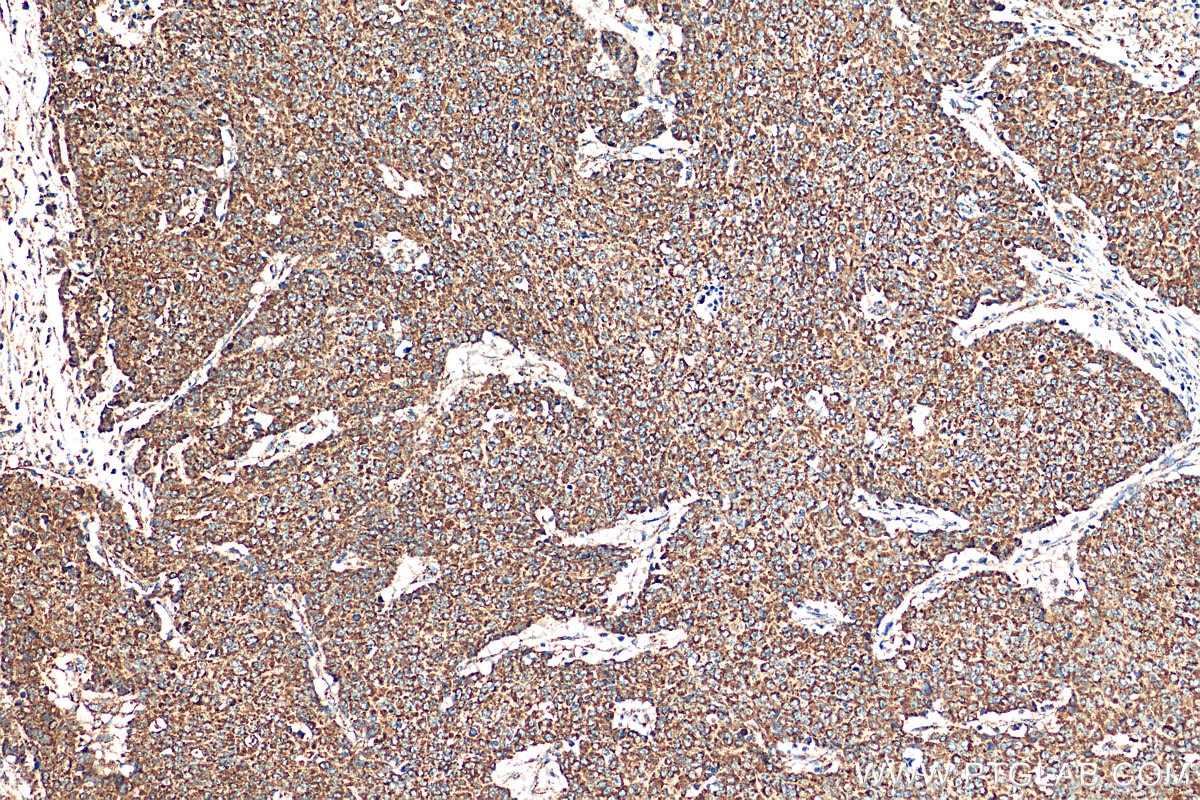
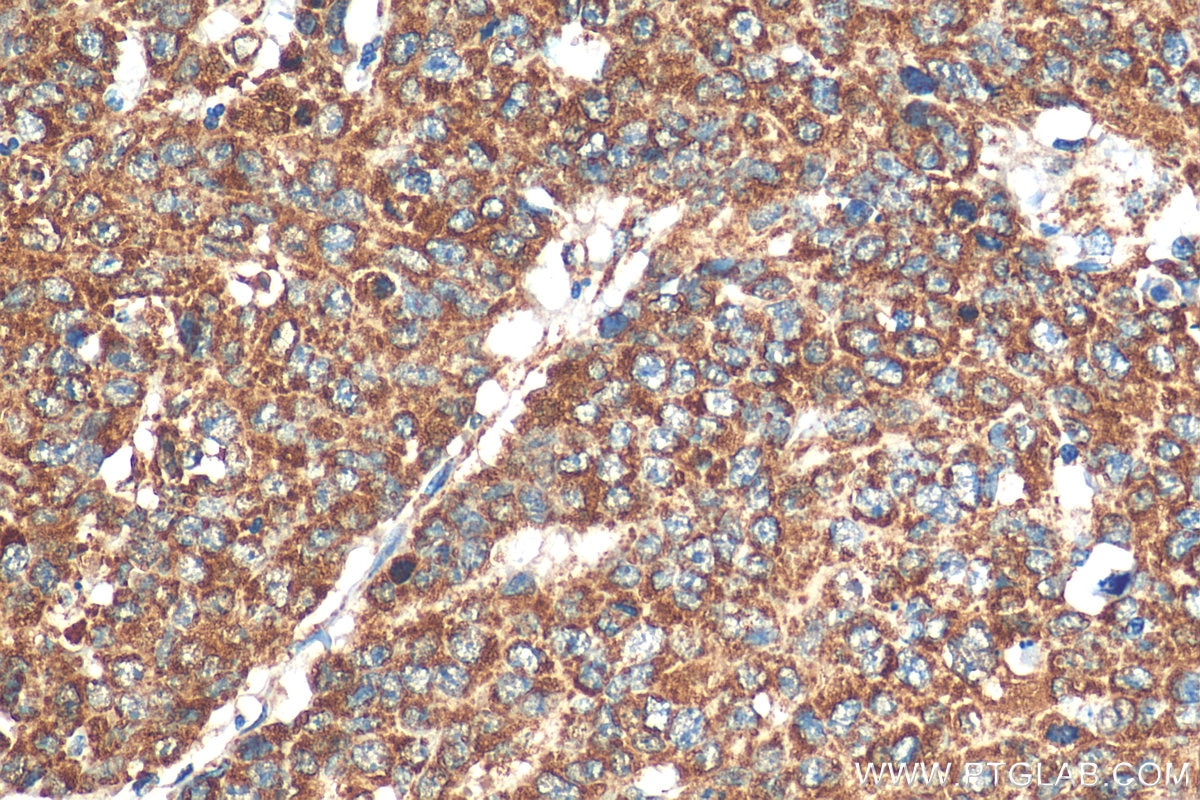
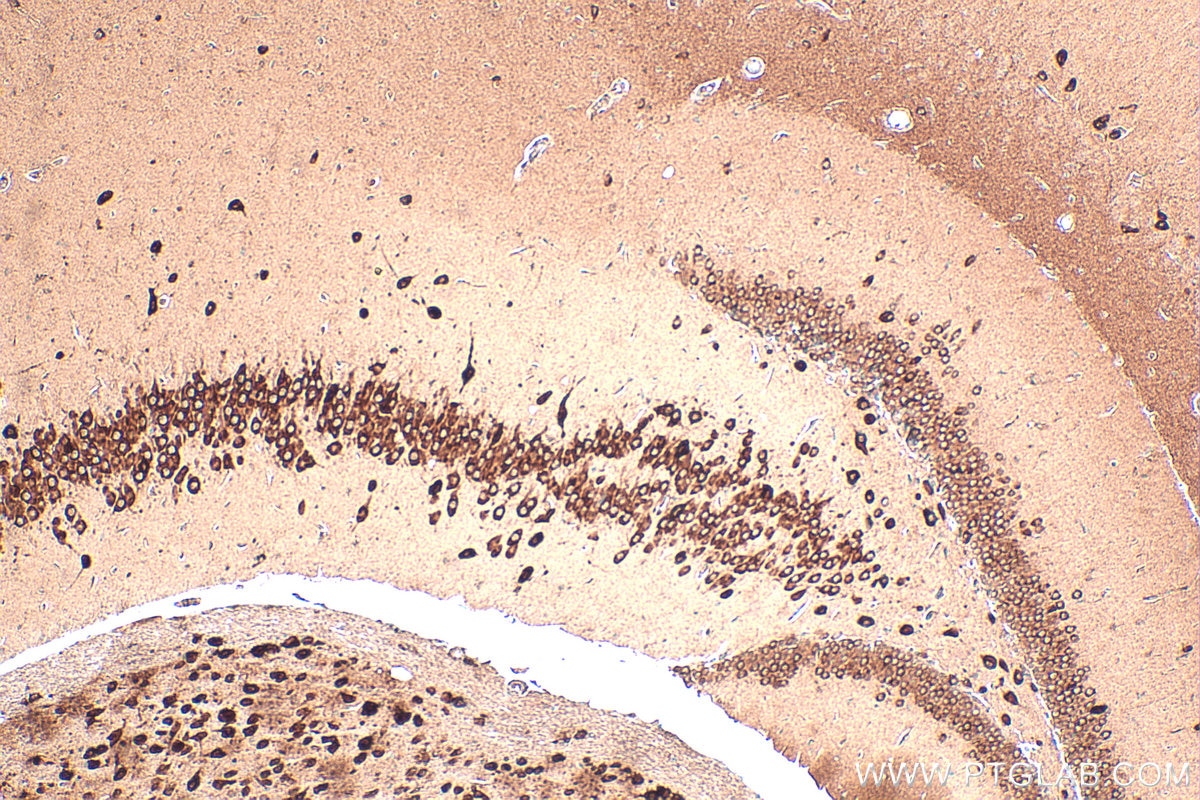
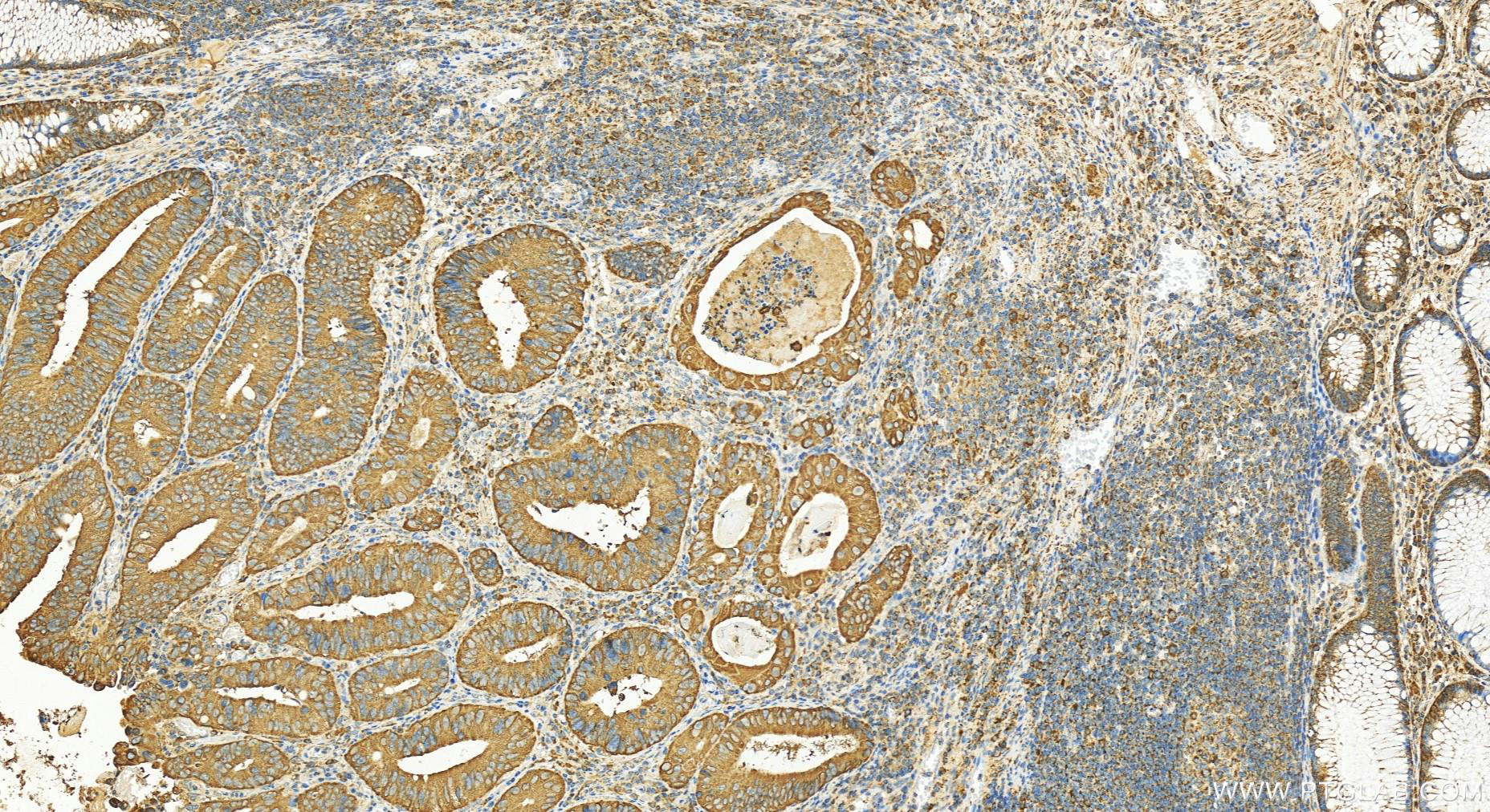
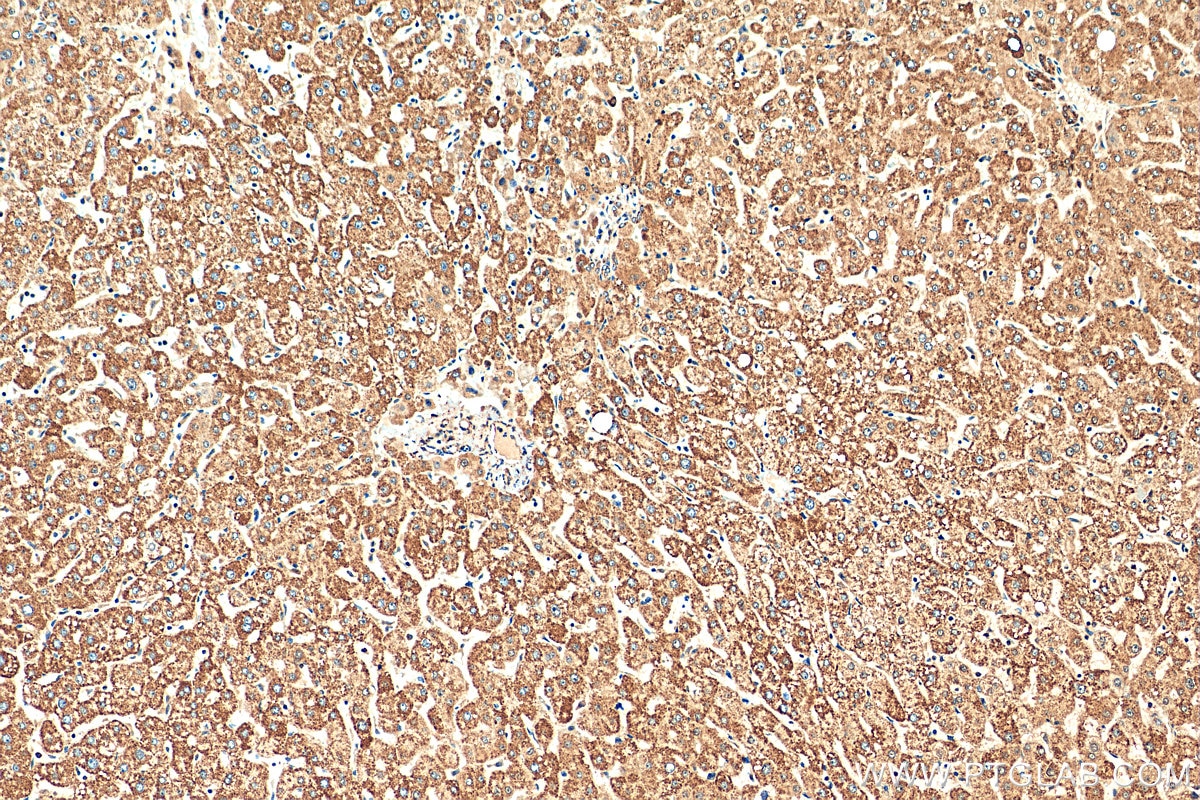
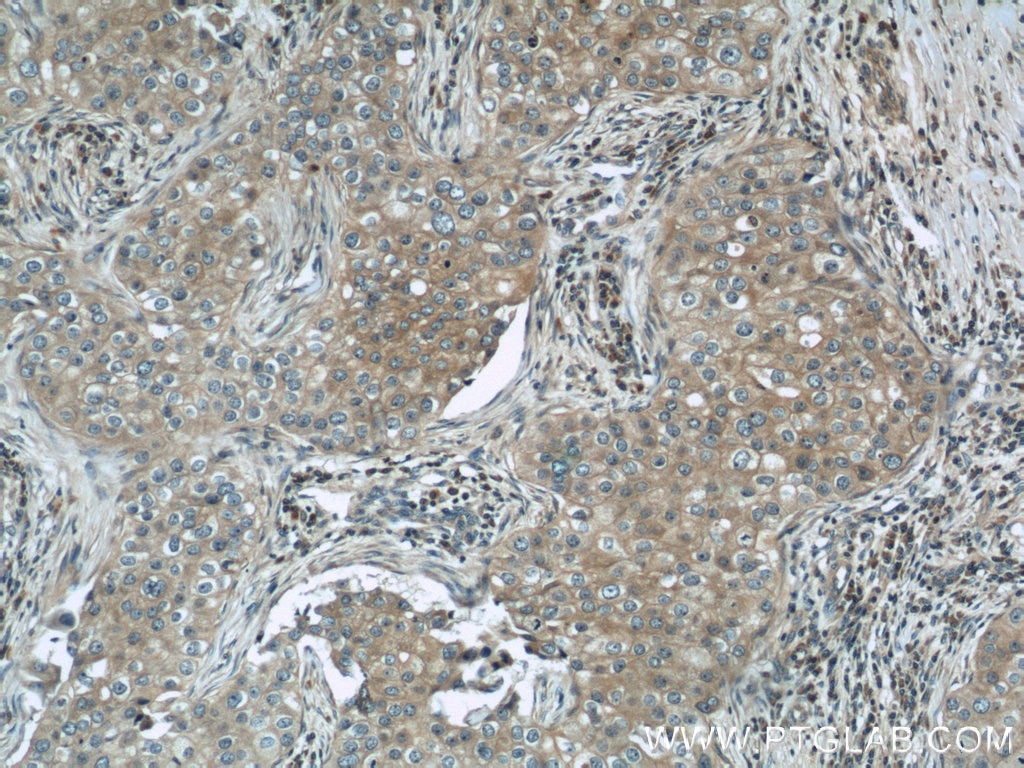
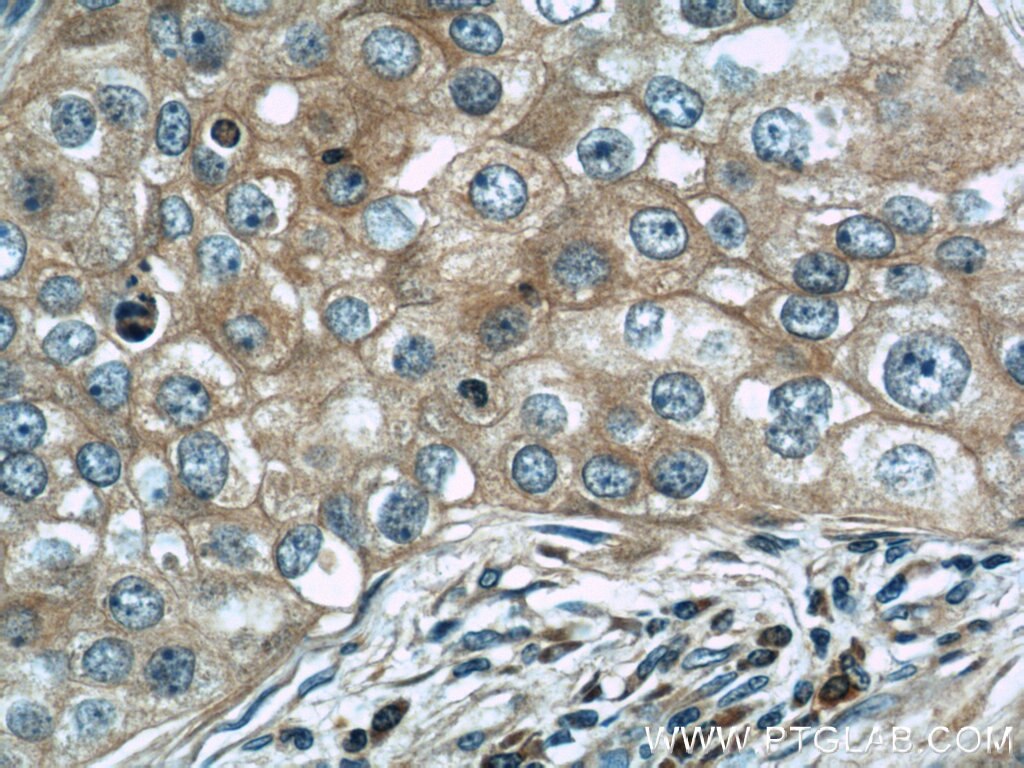
| Positive IHC detected in | human liver tissue, human breast cancer tissue, human colon cancer tissue, mouse brain tissue Note: suggested antigen retrieval with TE buffer pH 9.0; (*) Alternatively, antigen retrieval may be performed with citrate buffer pH 6.0 |
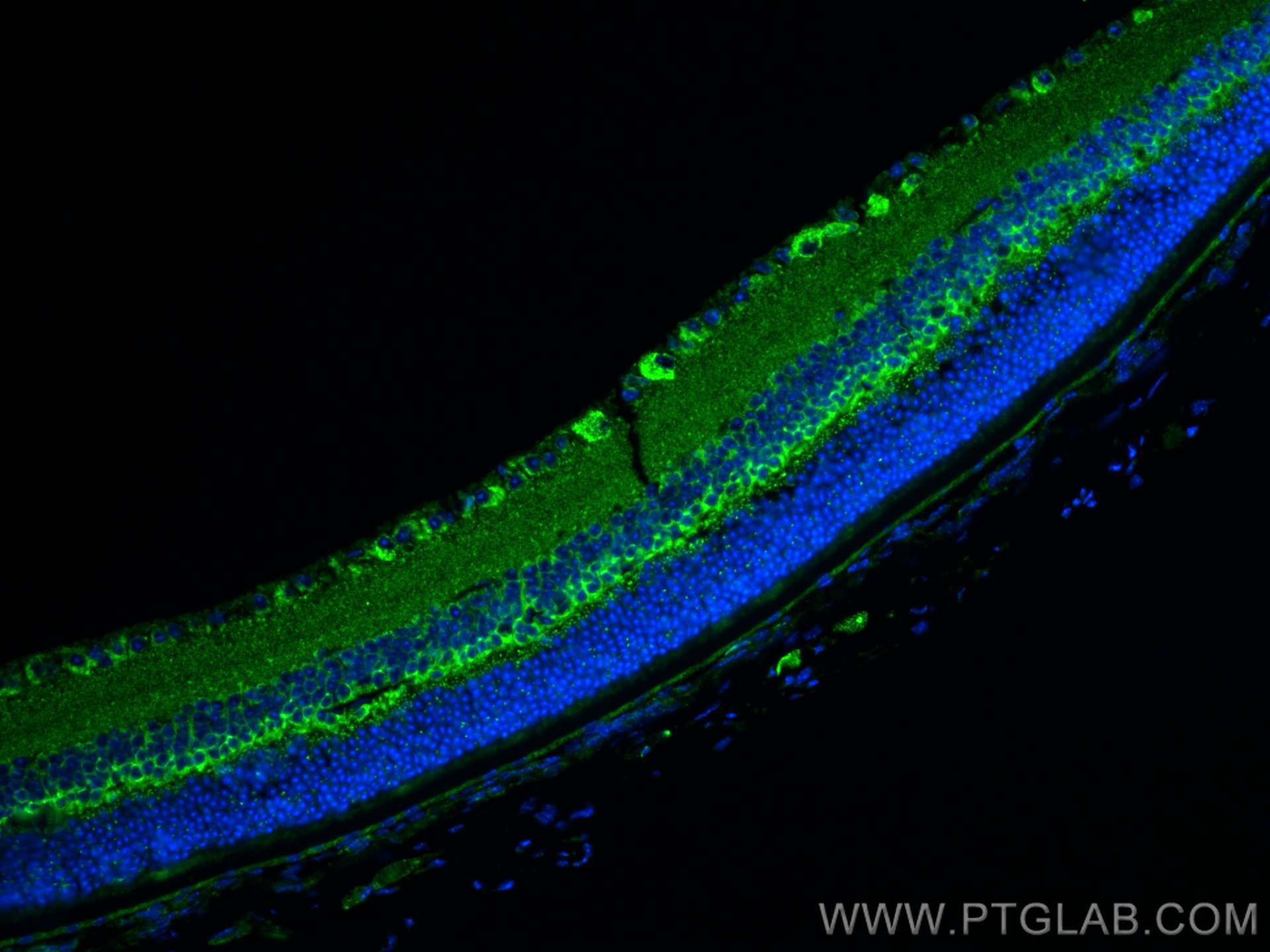
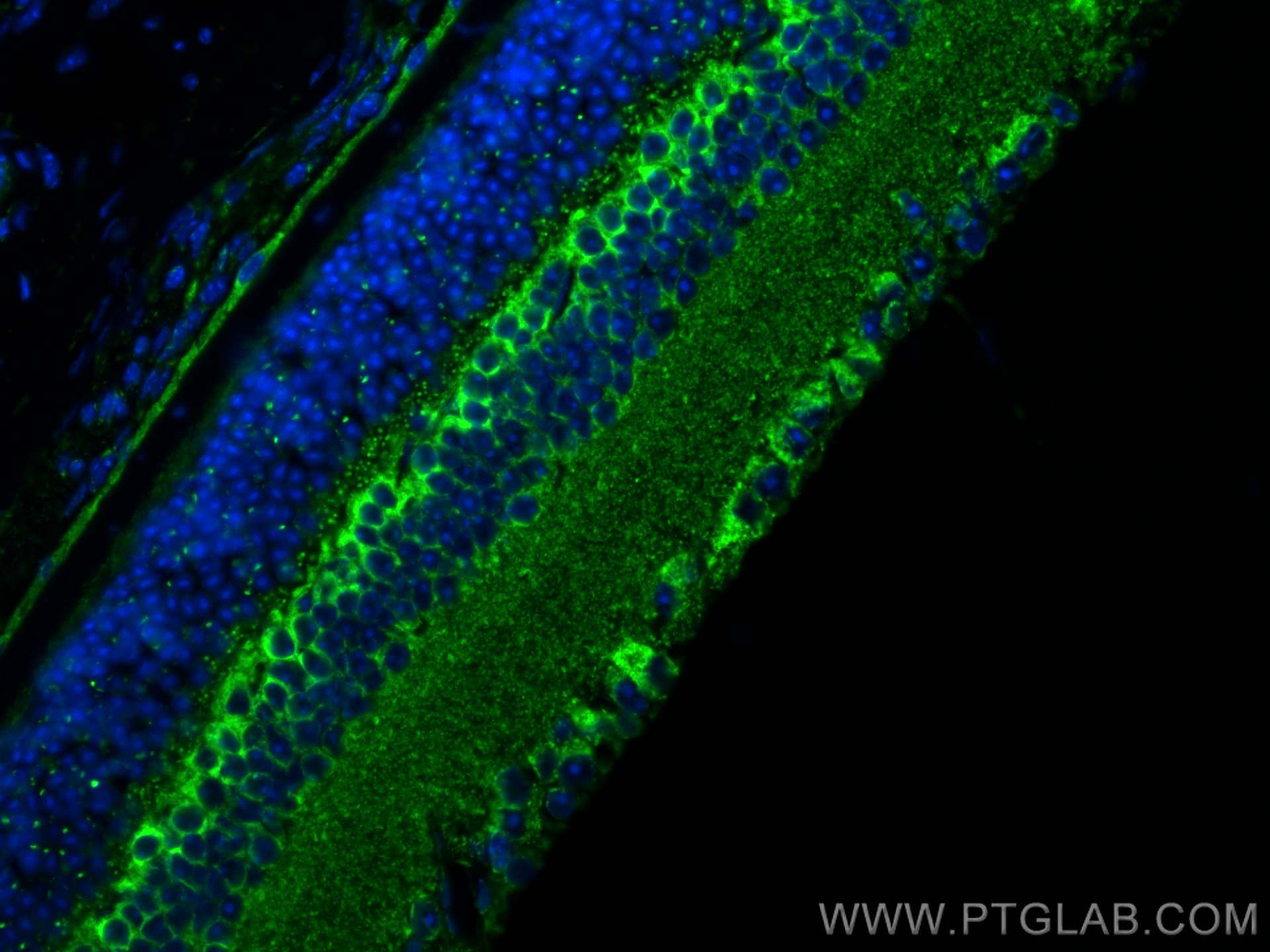
| Positive IF-P detected in | mouse eye tissue |
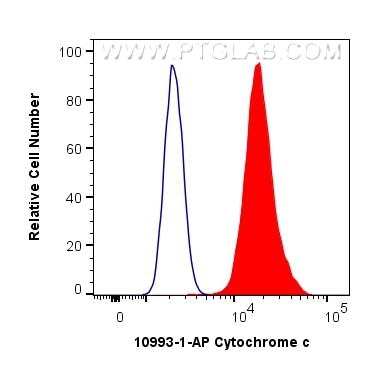
| Positive FC (Intra) detected in | HepG2 cells |
This antibody is not recommended for immunocytofluorescent assays.
Recommended dilution
| Application | Dilution |
|---|---|
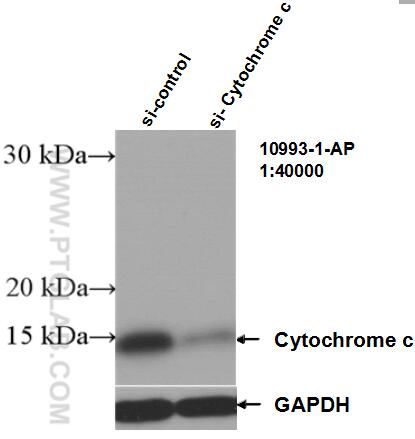
| Western Blot (WB) | WB : 1:1000-1:8000 |
| Immunohistochemistry (IHC) | IHC : 1:500-1:2000 |
| Immunofluorescence (IF)-P | IF-P : 1:50-1:500 |
| Flow Cytometry (FC) (INTRA) | FC (INTRA) : 0.40 ug per 10^6 cells in a 100 ul suspension |
| It is recommended that this reagent should be titrated in each testing system to obtain optimal results. | |
| Sample-dependent, Check data in validation data gallery. | |
Product Information
10993-1-AP targets Cytochrome c in WB, IHC, IF-P, FC (Intra), IP, ELISA applications and shows reactivity with human, mouse, rat samples.
| Tested Reactivity | human, mouse, rat |
| Cited Reactivity | human, mouse, rat, monkey, chicken, hamster, sheep, goat, hippospongia |
| Host / Isotype | Rabbit / IgG |
| Class | Polyclonal |
| Type | Antibody |
| Immunogen |
CatNo: Ag1455 Product name: Recombinant human Cytochrome c protein Source: e coli.-derived, PGEX-4T Tag: GST Domain: 1-105 aa of BC009578 Sequence: MGDVEKGKKIFIMKCSQCHTVEKGGKHKTGPNLHGLFGRKTGQAPGYSYTAANKNKGIIWGEDTLMEYLENPKKYIPGTKMIFVGIKKKEERADLIAYLKKATNE Predict reactive species |
| Full Name | cytochrome c, somatic |
| Calculated Molecular Weight | 12 kDa |
| Observed Molecular Weight | 12-15 kDa |
| GenBank Accession Number | BC009578 |
| Gene Symbol | Cytochrome c |
| Gene ID (NCBI) | 54205 |
| RRID | AB_2090467 |
| Conjugate | Unconjugated |
| Form | Liquid |
| Purification Method | Antigen affinity purification |
| UNIPROT ID | P99999 |
| Storage Buffer | PBS with 0.02% sodium azide and 50% glycerol, pH 7.3. |
| Storage Conditions | Store at -20°C. Stable for one year after shipment. Aliquoting is unnecessary for -20oC storage. 20ul sizes contain 0.1% BSA. |
Background Information
Cytochrome c is a 12-15 kDa electron transporting protein located in the inner mitochondrial membrane. As a part of respiratory chain, cytochrome c plays a critical role in the process of oxidative phosphorylation and ATP producing. Besides, cytochrome c also gets implicated in apoptosis process. Upon apoptotic stimulation, cytochrome c ca99n be released from mitochondria into cytoplasm, which is required for caspase-3 activation and the occurrence of apoptosis.
Protocols
| Product Specific Protocols | |
|---|---|
| FC protocol for Cytochrome c antibody 10993-1-AP | Download protocol |
| IF protocol for Cytochrome c antibody 10993-1-AP | Download protocol |
| IHC protocol for Cytochrome c antibody 10993-1-AP | Download protocol |
| WB protocol for Cytochrome c antibody 10993-1-AP | Download protocol |
| Standard Protocols | |
|---|---|
| Click here to view our Standard Protocols |
Publications
What published studies show
Able is busy answering your previous question. Please try again later.
| Species | Application | Title |
|---|---|---|
Signal Transduct Target Ther DUSP6 ablation restores CAR T-cell fitness impaired by tumor CD58 loss through invigoration of AP-1 signaling. | ||
Signal Transduct Target Ther Increased mtDNA copy number promotes cancer progression by enhancing mitochondrial oxidative phosphorylation in microsatellite-stable colorectal cancer. | ||
Signal Transduct Target Ther FGF1ΔHBS prevents diabetic cardiomyopathy by maintaining mitochondrial homeostasis and reducing oxidative stress via AMPK/Nur77 suppression. | ||
Cell Tau interactome maps synaptic and mitochondrial processes associated with neurodegeneration. | ||
Cell Metab Ultrasensitive sensors reveal the spatiotemporal landscape of lactate metabolism in physiology and disease |
Reviews
What customers say
Six users reviewed 10993-1-AP (Cytochrome c polyclonal antibody), all giving 5-star ratings. It performed well in Western blot on mouse muscle mitochondrial fractions, NSC34 cells, and fibroblasts at 1:1000–1:4000 dilutions, producing strong, specific bands around 10–15 kDa with low background. It also worked in immunofluorescence on PFA-fixed mouse optic nerve at 1:200 with little background. Reviewers consistently praised the good signal and low background for mouse samples.
The reviews below have been submitted by verified Proteintech customers who received an incentive for providing their feedback.
Lucas (Verified Customer) (10-31-2025) | Successfully used in Western blot on mitochondrial fractions from mouse muscle. Produced strong and specific bands at a 1:1000 dilution.
|
Kazu (Verified Customer) (12-14-2022) | Worked well for 4% PFA fixed mouse optic nerve using this antibody at dilution of 1:200. Little background observed.
|
Azita (Verified Customer) (06-02-2021) | Western blot analysis using Cytochrome c polyclonal antibody in NSC34 cell line at dilution of 1:1000.
|
Ying (Verified Customer) (04-22-2021) | good antibody. work well with mouse cells
 |
Chi (Verified Customer) (09-26-2019) | The antibody works very well with good signal and low background.
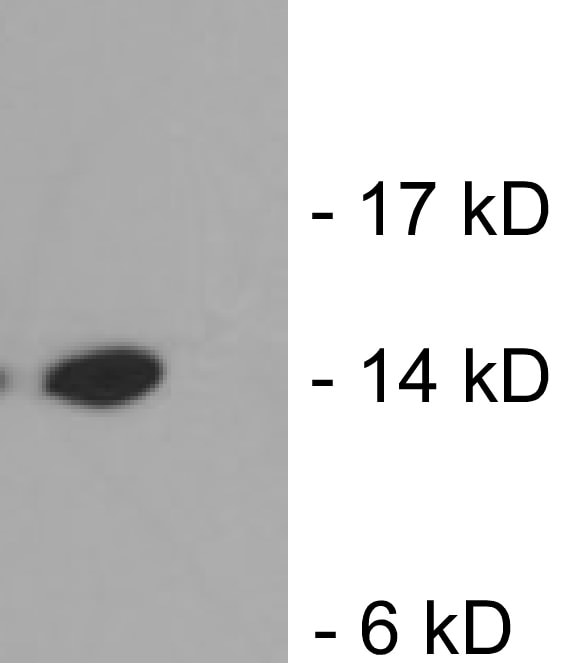 |
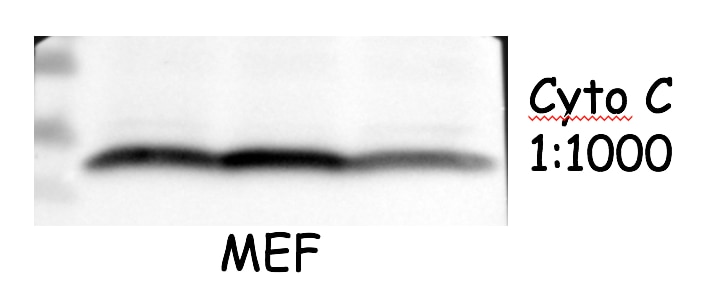
Xiaoping (Verified Customer) (10-22-2018) | The signal is good and the size is between 10-15kDa.
 |

