
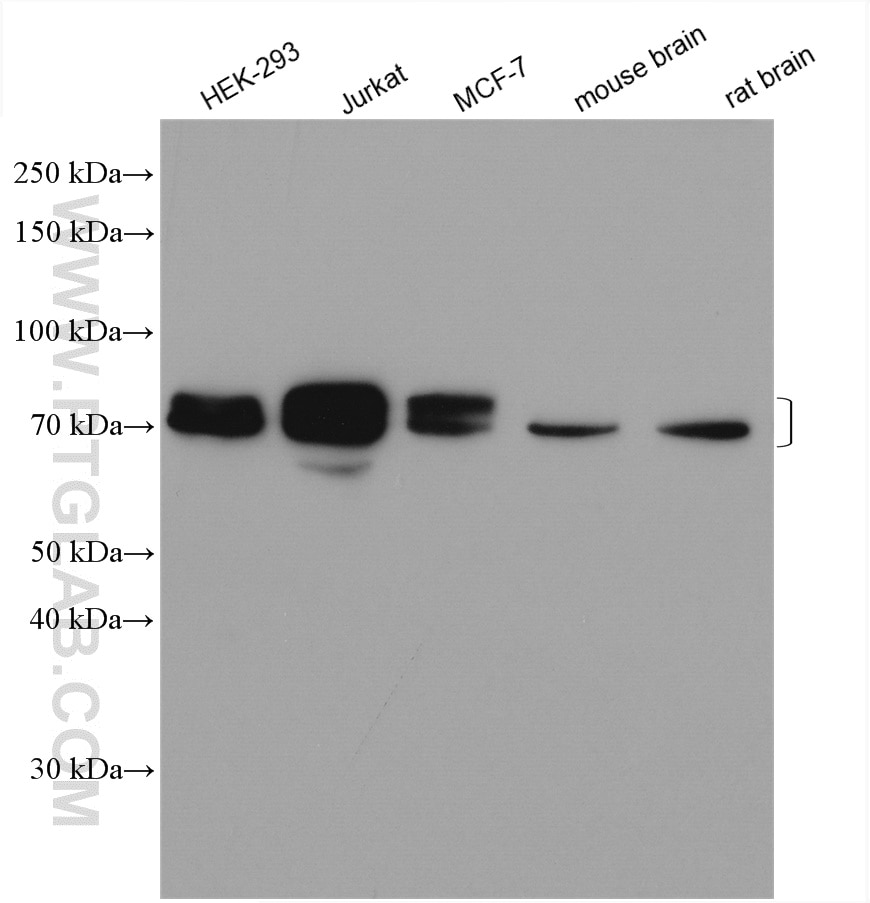
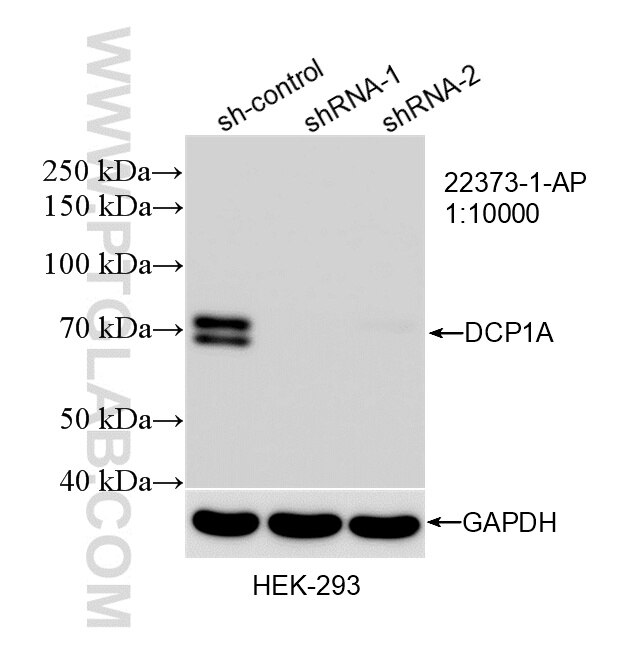
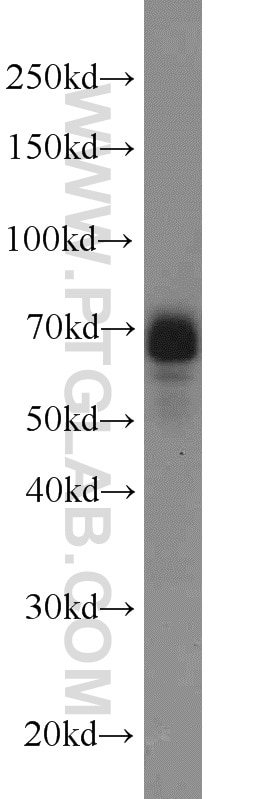
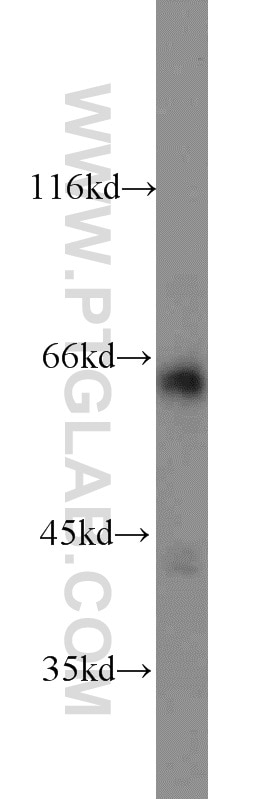

Tested Applications
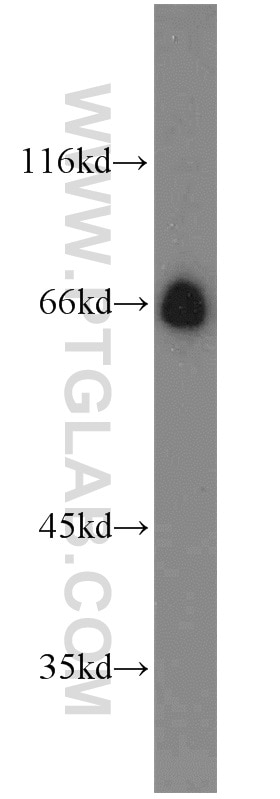
| Positive WB detected in | HEK-293 cells, Jurkat cells, mouse brain tissue, mouse lung tissue, MCF-7 cells, rat brain tissue |
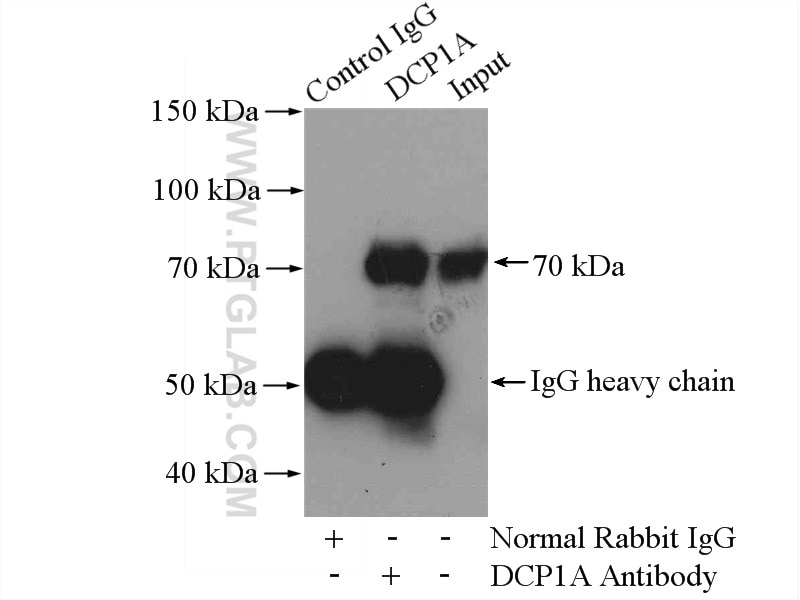
| Positive IP detected in | mouse brain tissue |
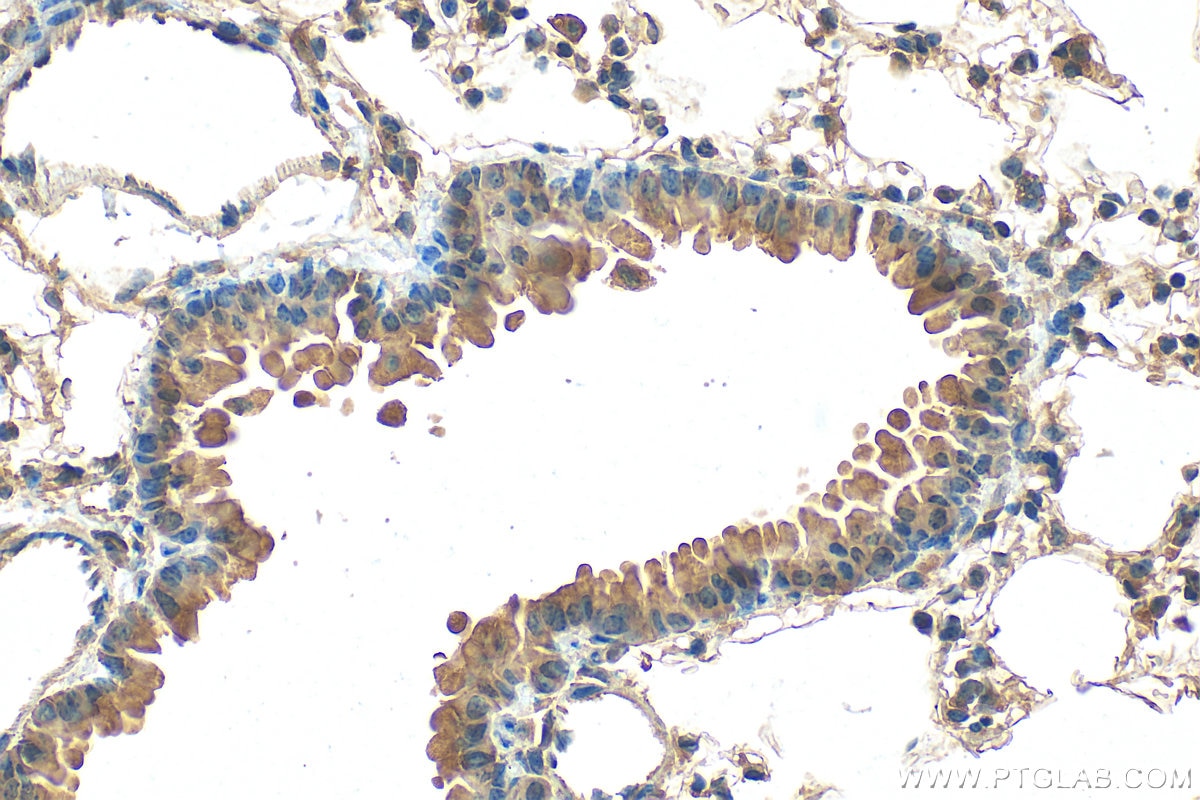
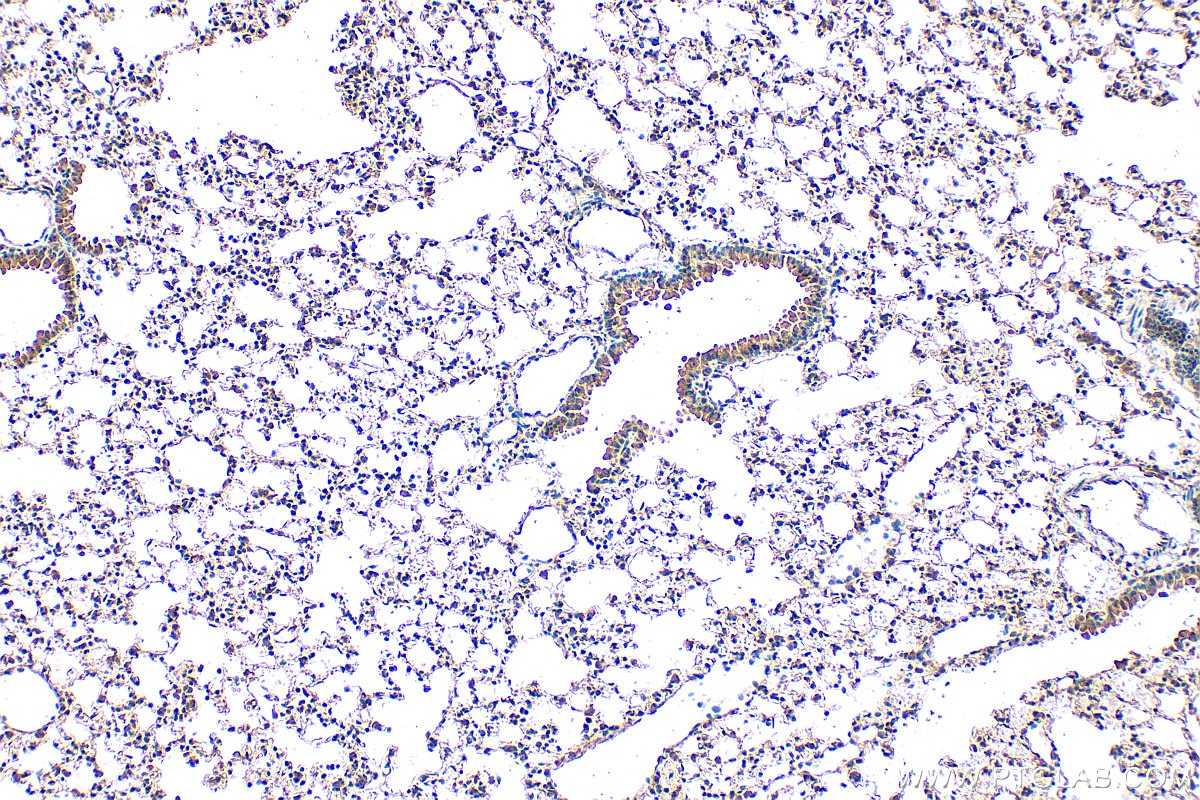
| Positive IHC detected in | mouse lung tissue Note: suggested antigen retrieval with TE buffer pH 9.0; (*) Alternatively, antigen retrieval may be performed with citrate buffer pH 6.0 |
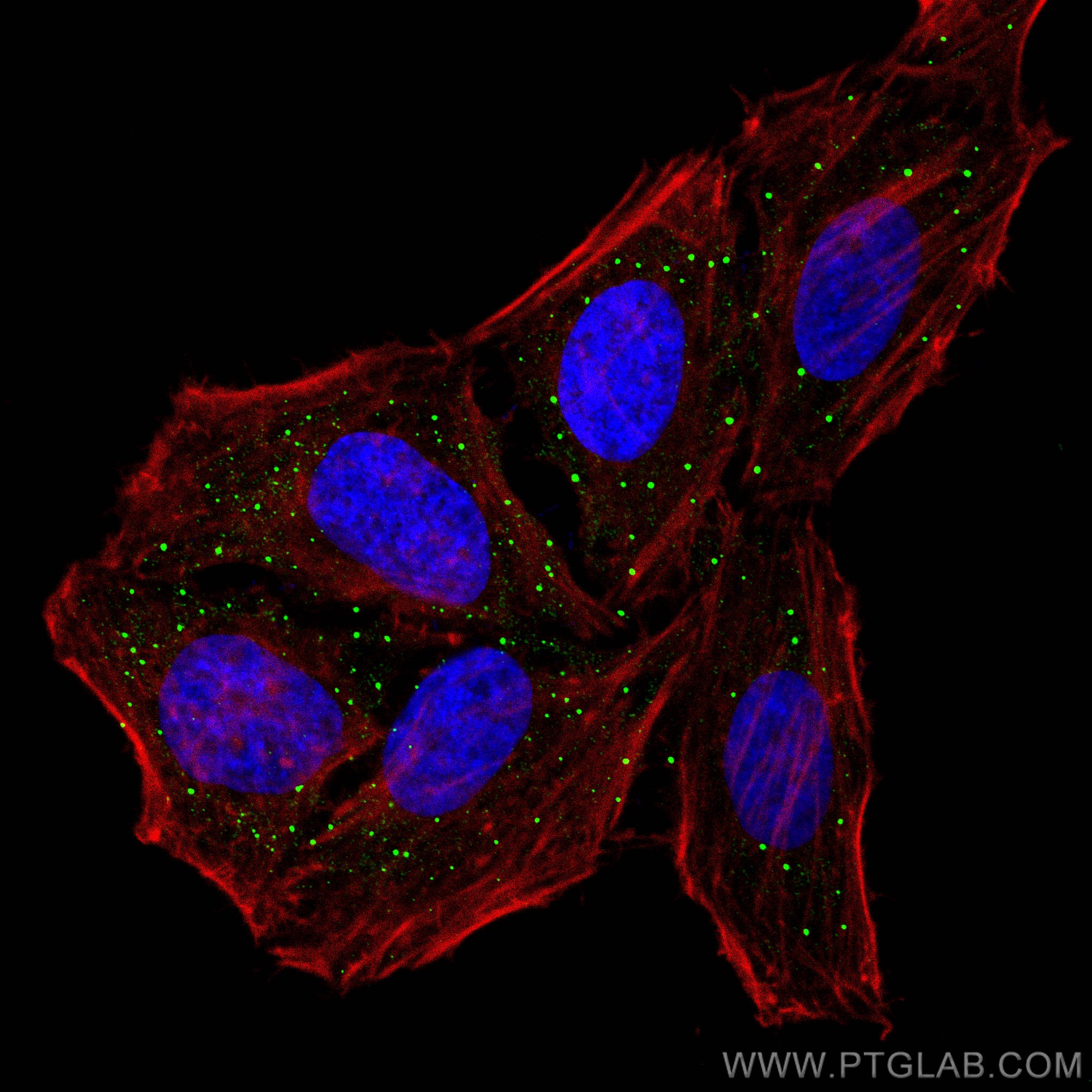
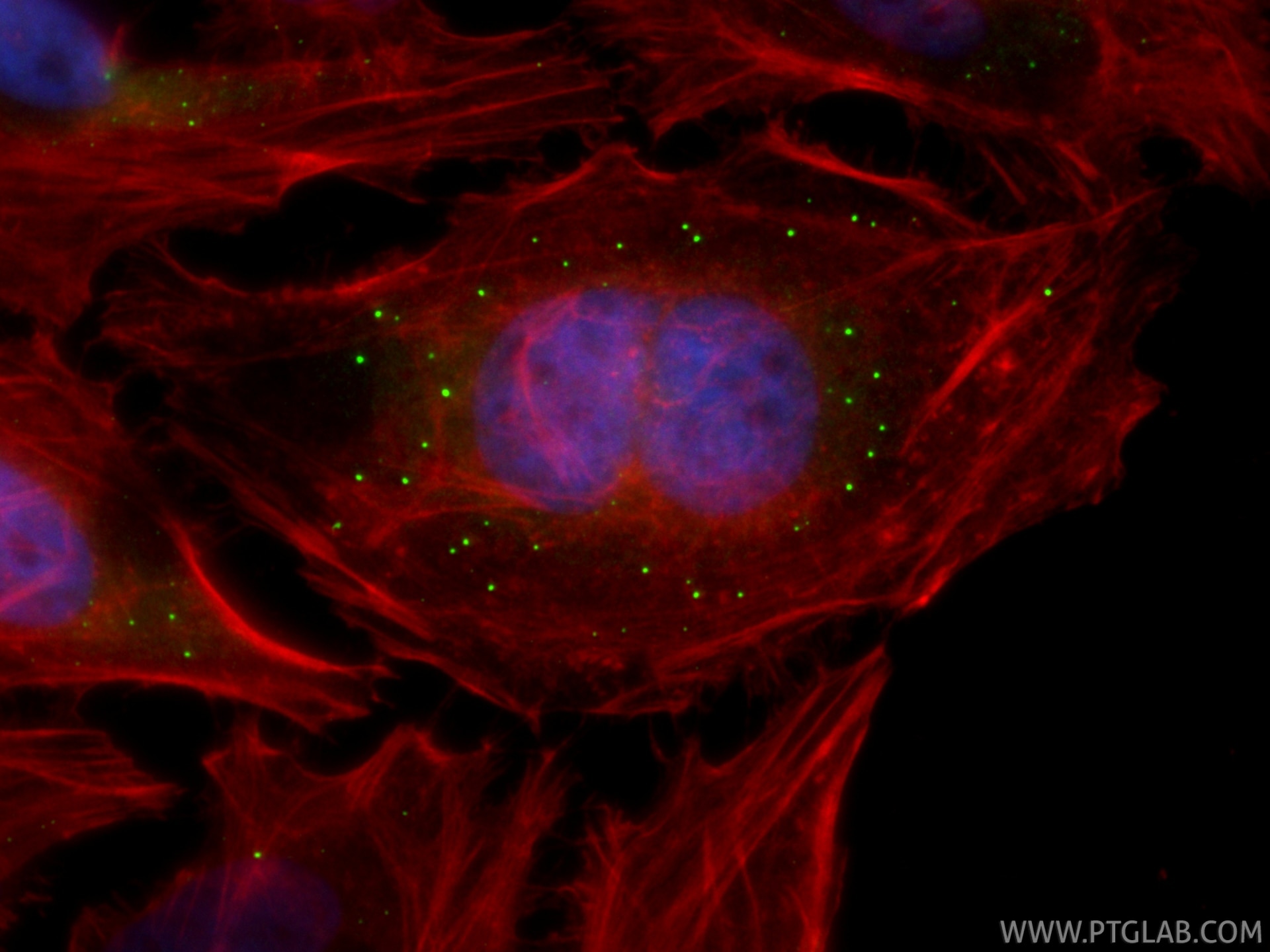
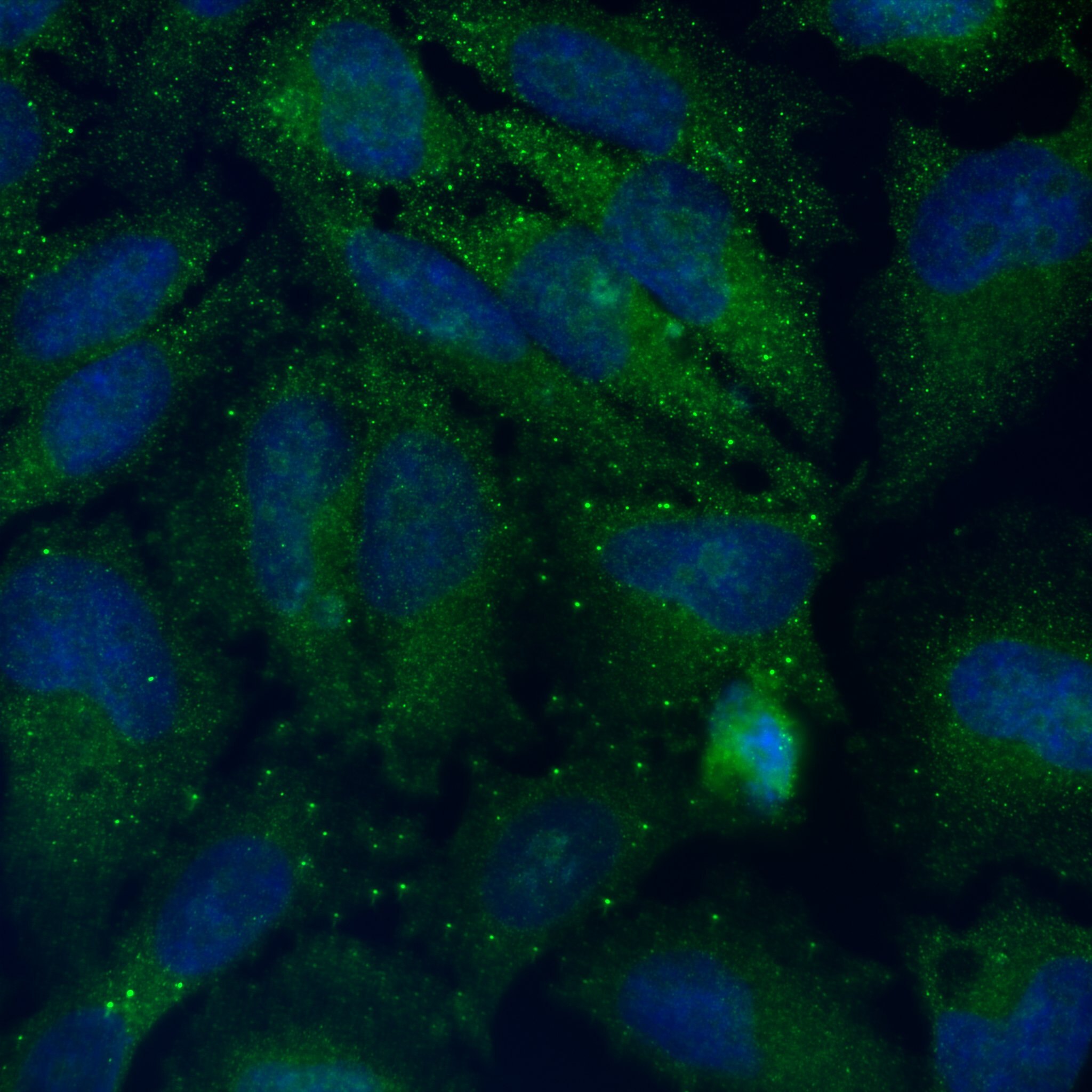
| Positive IF/ICC detected in | HepG2 cells, HeLa cells |
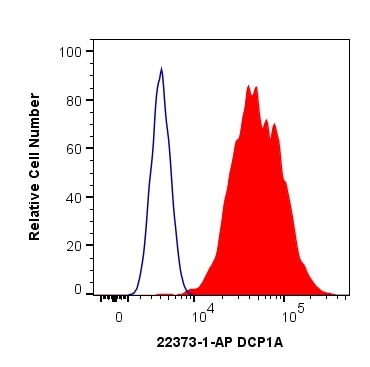
| Positive FC (Intra) detected in | HeLa cells |
Recommended dilution
| Application | Dilution |
|---|---|
| Western Blot (WB) | WB : 1:2000-1:10000 |
| Immunoprecipitation (IP) | IP : 0.5-4.0 ug for 1.0-3.0 mg of total protein lysate |
| Immunohistochemistry (IHC) | IHC : 1:50-1:500 |
| Immunofluorescence (IF)/ICC | IF/ICC : 1:200-1:800 |
| Flow Cytometry (FC) (INTRA) | FC (INTRA) : 0.40 ug per 10^6 cells in a 100 µl suspension |
| It is recommended that this reagent should be titrated in each testing system to obtain optimal results. | |
| Sample-dependent, Check data in validation data gallery. | |
Product Information
22373-1-AP targets DCP1A in WB, IHC, IF/ICC, FC (Intra), IP, RIP, ELISA applications and shows reactivity with human, mouse, rat samples.
| Tested Reactivity | human, mouse, rat |
| Cited Reactivity | human, mouse, rat |
| Host / Isotype | Rabbit / IgG |
| Class | Polyclonal |
| Type | Antibody |
| Immunogen |
CatNo: Ag18027 Product name: Recombinant human DCP1A protein Source: e coli.-derived, PGEX-4T Tag: GST Domain: 1-350 aa of BC007439 Sequence: MEALSRAGQEMSLAALKQHDPYITSIADLTGQVALYTFCPKANQWEKTDIEGTLFVYRRSASPYHGFTIVNRLNMHNLVEPVNKDLEFQLHEPFLLYRNASLSIYSIWFYDKNDCHRIAKLMADVVEEETRRSQQAARDKQSPSQANGCSDHRPIDILEMLSRAKDEYERNQMGDSNISSPGLQPSTQLSNLGSTETLEEMPSGSQDKSAPSGHKHLTVEELFGTSLPKEQPAVVGLDSEEMERLPGDASQKEPNSFLPFPFEQLGGAPQSETLGVPSAAHHSVQPEITTPVLITPASITQSNEKHAPTYTIPLSPVLSPTLPAEAPTAQVPPSLPRNSTMMQAVKTTPR Predict reactive species |
| Full Name | DCP1 decapping enzyme homolog A (S. cerevisiae) |
| Calculated Molecular Weight | 582 aa, 63 kDa |
| Observed Molecular Weight | 70 kDa |
| GenBank Accession Number | BC007439 |
| Gene Symbol | DCP1A |
| Gene ID (NCBI) | 55802 |
| RRID | AB_2879092 |
| Conjugate | Unconjugated |
| Form | Liquid |
| Purification Method | Antigen Affinity purified |
| UNIPROT ID | Q9NPI6 |
| Storage Buffer | PBS with 0.02% sodium azide and 50% glycerol, pH 7.3. |
| Storage Conditions | Store at -20°C. Stable for one year after shipment. Aliquoting is unnecessary for -20oC storage. 20ul sizes contain 0.1% BSA. |
Background Information
DCP1 decapping enzyme homolog A (S. cerevisiae), known as mRNA-decapping enzyme 1A (DCP1A),is necessary for the degradation of mRNAs, both in normal mRNA turnover and in nonsense-mediated mRNA decay. Removes the 7-methyl guanine cap structure from mRNA molecules, yielding a 5'-phosphorylated mRNA fragment and 7m-GDP. Contributes to the transactivation of target genes after stimulation by TGFB1. This antibody specifically react with the 70kd DCP1A protein.
Protocols
| Product Specific Protocols | |
|---|---|
| FC protocol for DCP1A antibody 22373-1-AP | Download protocol |
| IF protocol for DCP1A antibody 22373-1-AP | Download protocol |
| IHC protocol for DCP1A antibody 22373-1-AP | Download protocol |
| IP protocol for DCP1A antibody 22373-1-AP | Download protocol |
| WB protocol for DCP1A antibody 22373-1-AP | Download protocol |
| Standard Protocols | |
|---|---|
| Click here to view our Standard Protocols |
Publications
What published studies show
The DCP1A antibody (Cat# 22373-1-AP) has 17 citations across 15 journals, including Nature Communications, Molecular Cell, Advanced Science, Developmental Cell, EMBO Journal, Cell Reports, Journal of Cell Biology, and FEBS Letters. Associated research fields span RNA metabolism (m6A modification, P-bodies, stress granules), neurobiology and memory, cancer biology, virology, reproductive biology, phase separation, and autophagy.
| Species | Application | Title |
|---|---|---|
Nat Commun Targeted stress granule regulation by engineering a non-catalytic O-GlcNAc transferase. | ||
Mol Cell The RNA-stability-independent role of the RNA m6A reader YTHDF2 in promoting protein translation to confer tumor chemotherapy resistance | ||
Adv Sci (Weinh) Enhanced Protein Synthesis and Hippocampus-Dependent Memory via Inhibition of YTHDF2-Mediated m(6)A mRNA Degradation. | ||
Cell Mol Biol Lett CCHCR1 links P-body proteins to the centrosome and is required for ciliogenesis through interacting with OFD1 and PCM1 | ||
Dev Cell A lineage-specific selective autophagy receptor module mediates P-body turnover. | ||
EMBO J Annexin A7 enhances TIA1 axonal trafficking to counteract pathological aggregation in neurons. |
Reviews
What customers say
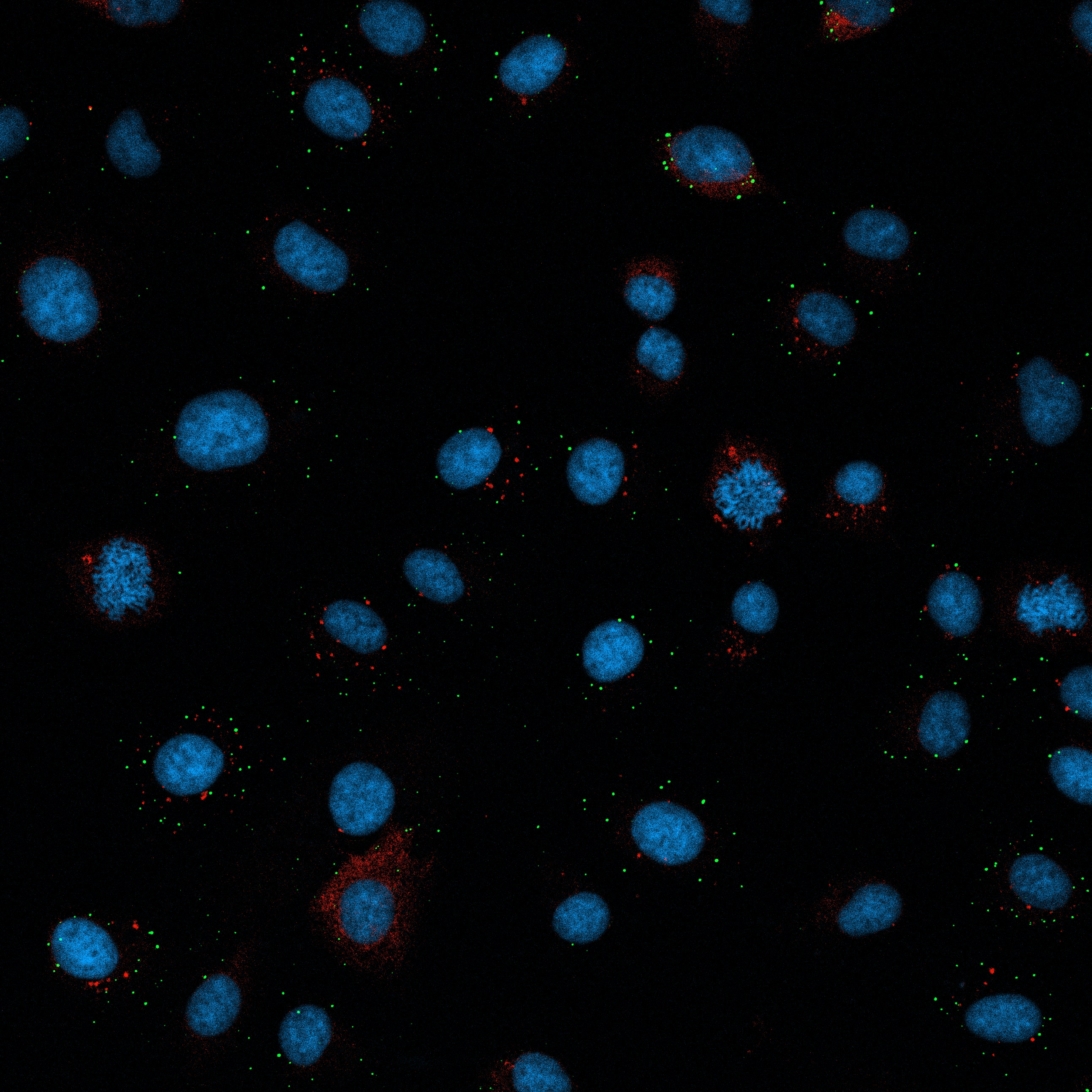
Both reviewers gave 5-star ratings for immunofluorescence applications. One user (at 1:500 dilution) reported bright staining with no background in A549, U2OS, and HEK293 cells. The other (at 1:1000 dilution) confirmed clear detection of P-bodies in HeLa cells with good signal. Overall, users find this antibody reliable for ICC with strong, clean results across multiple human cell lines.
The reviews below have been submitted by verified Proteintech customers who received an incentive for providing their feedback.
Laurens (Verified Customer) (02-02-2024) | Works well for ICC with bright stain and no background, shown with green channel in image.
 |
Tatyana (Verified Customer) (12-04-2023) | Detects P-bodies in ICC, good signal
 |

