

Tested Applications
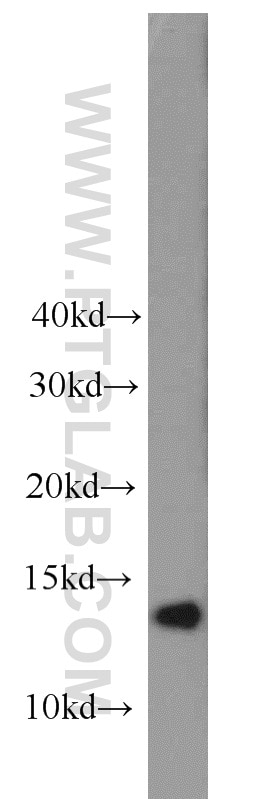
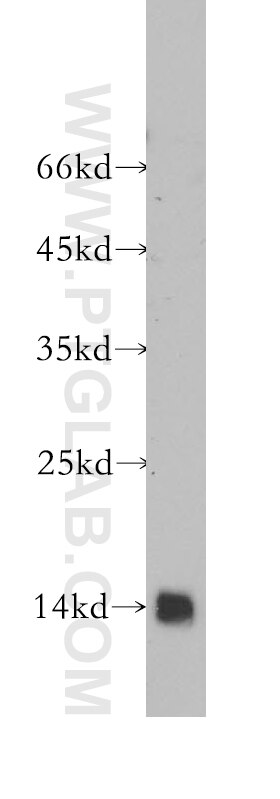
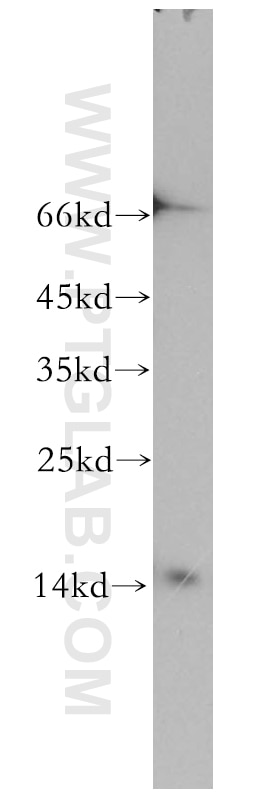
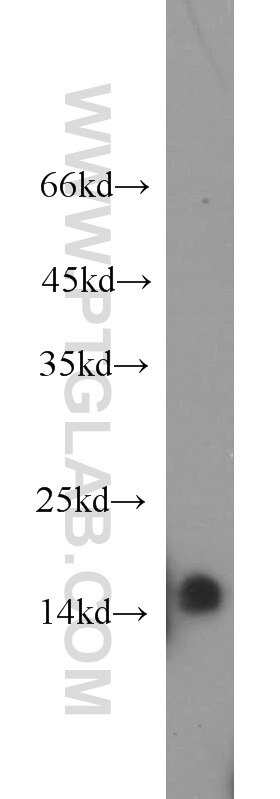
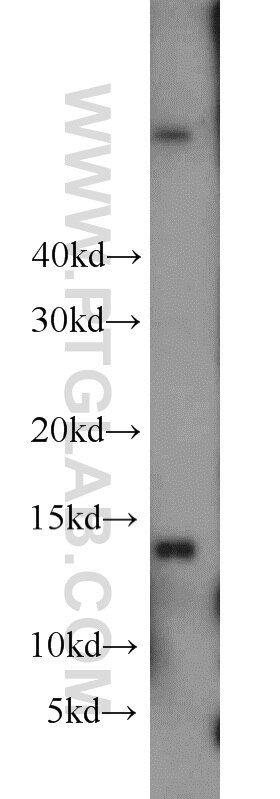
| Positive WB detected in | COLO 320 cells, human brain tissue, mouse brain tissue, mouse spleen tissue, PC-3 cells |
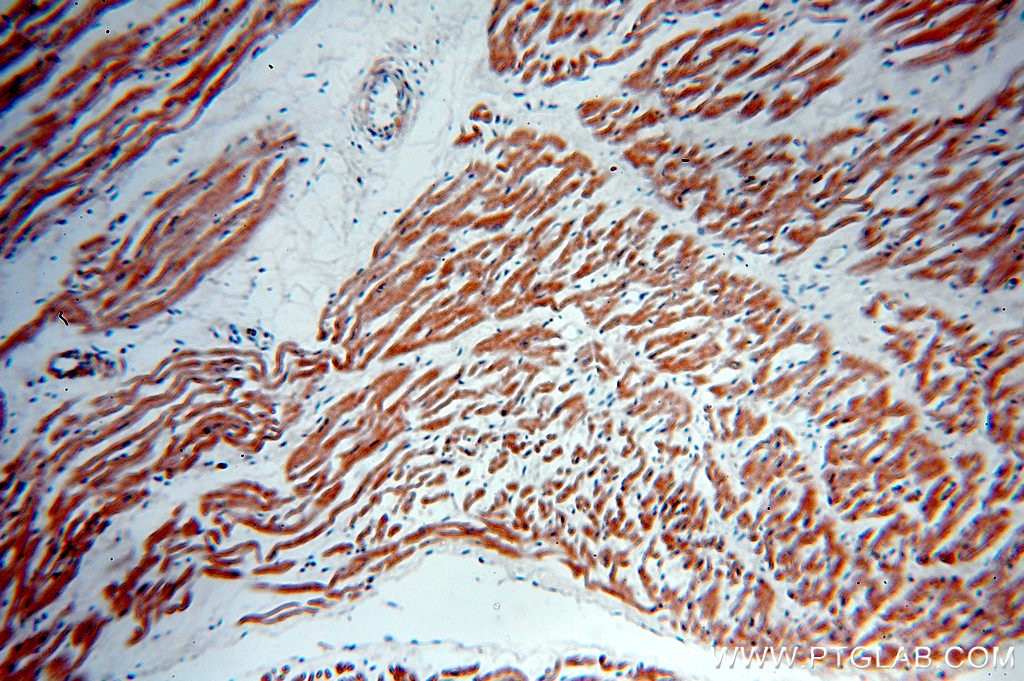
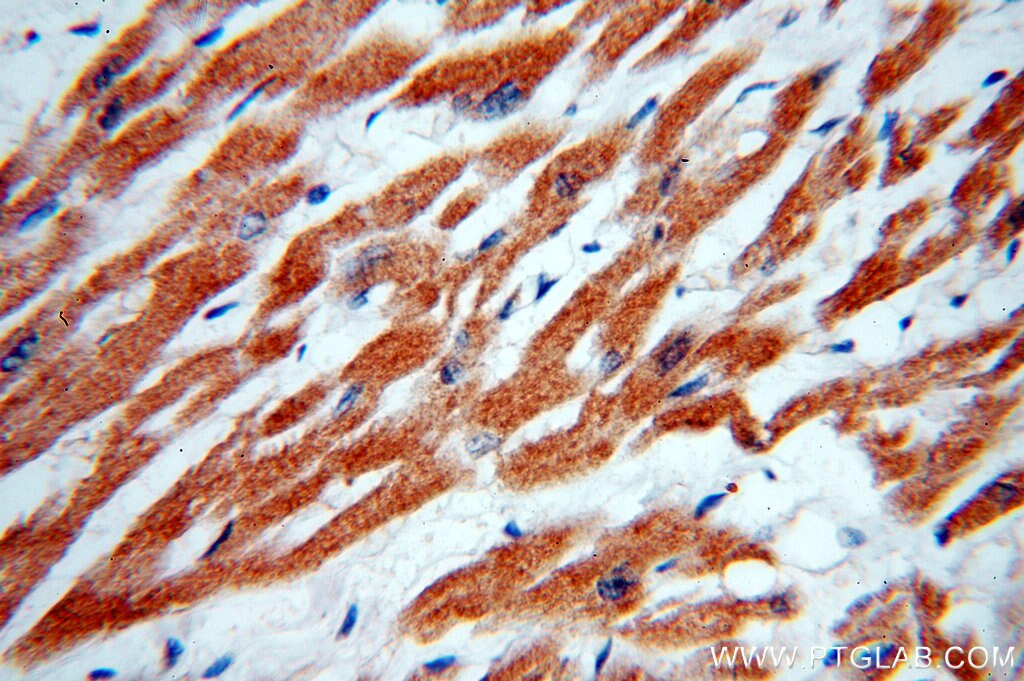
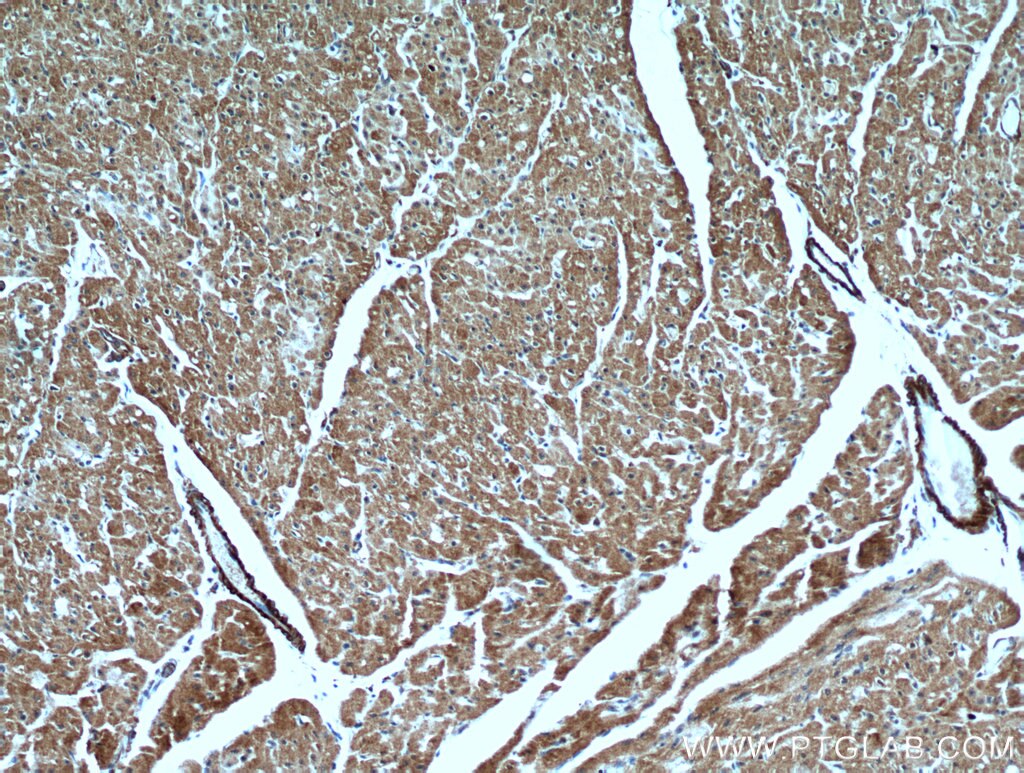
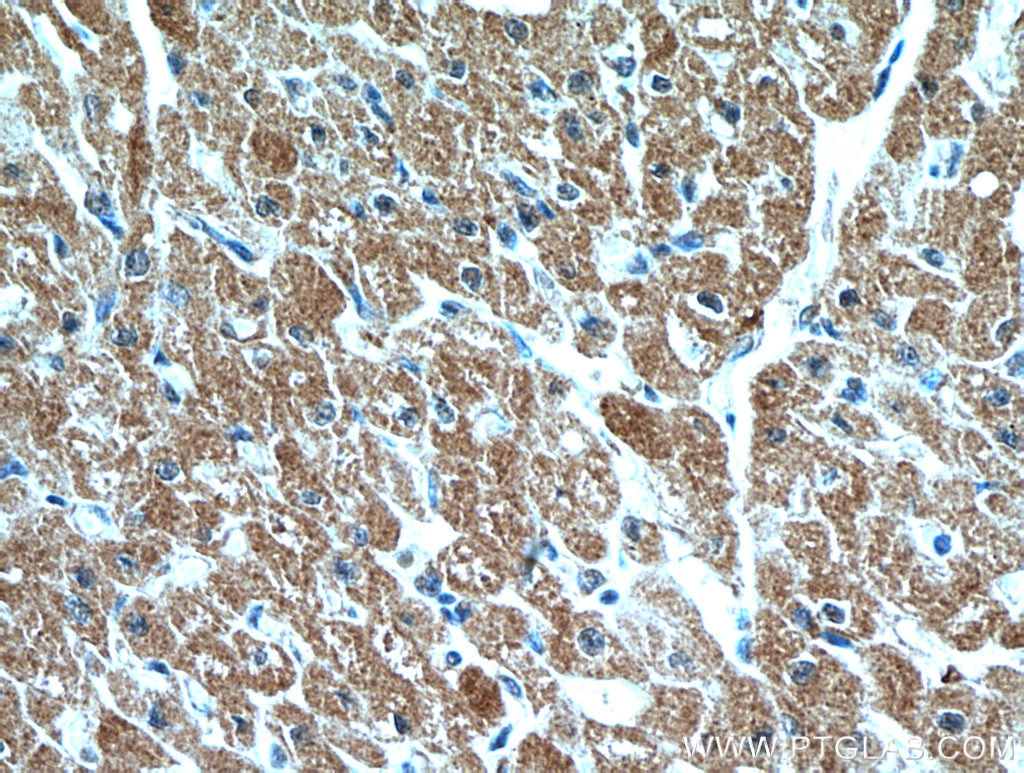
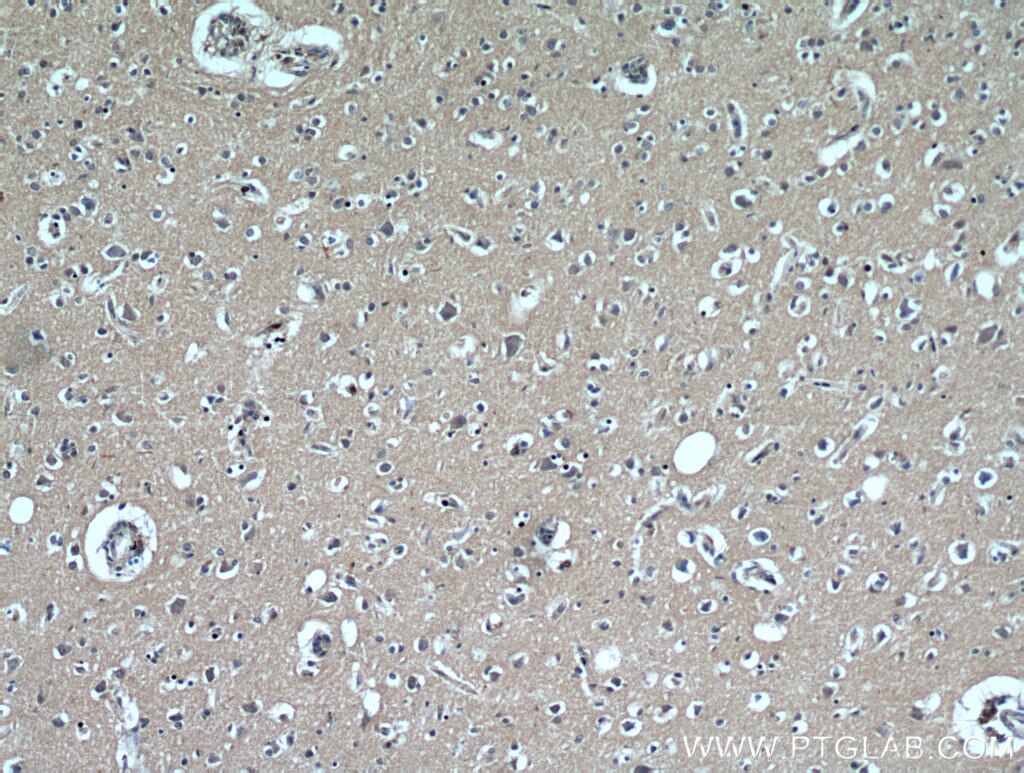
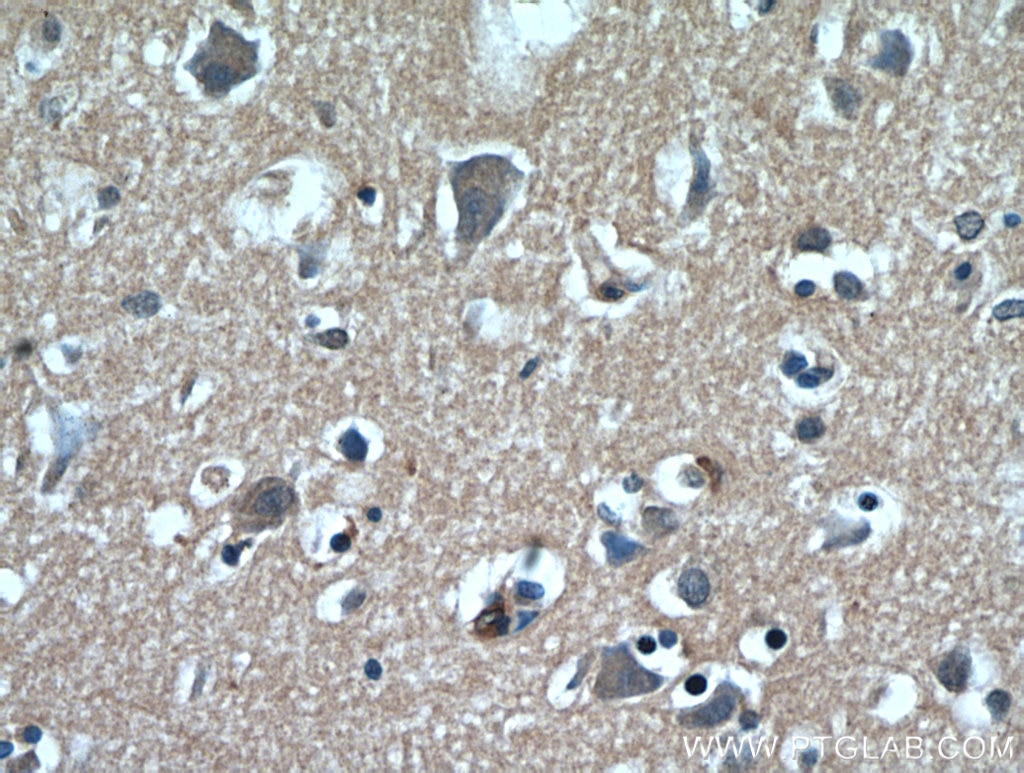
| Positive IHC detected in | human heart tissue, human brain tissue Note: suggested antigen retrieval with TE buffer pH 9.0; (*) Alternatively, antigen retrieval may be performed with citrate buffer pH 6.0 |
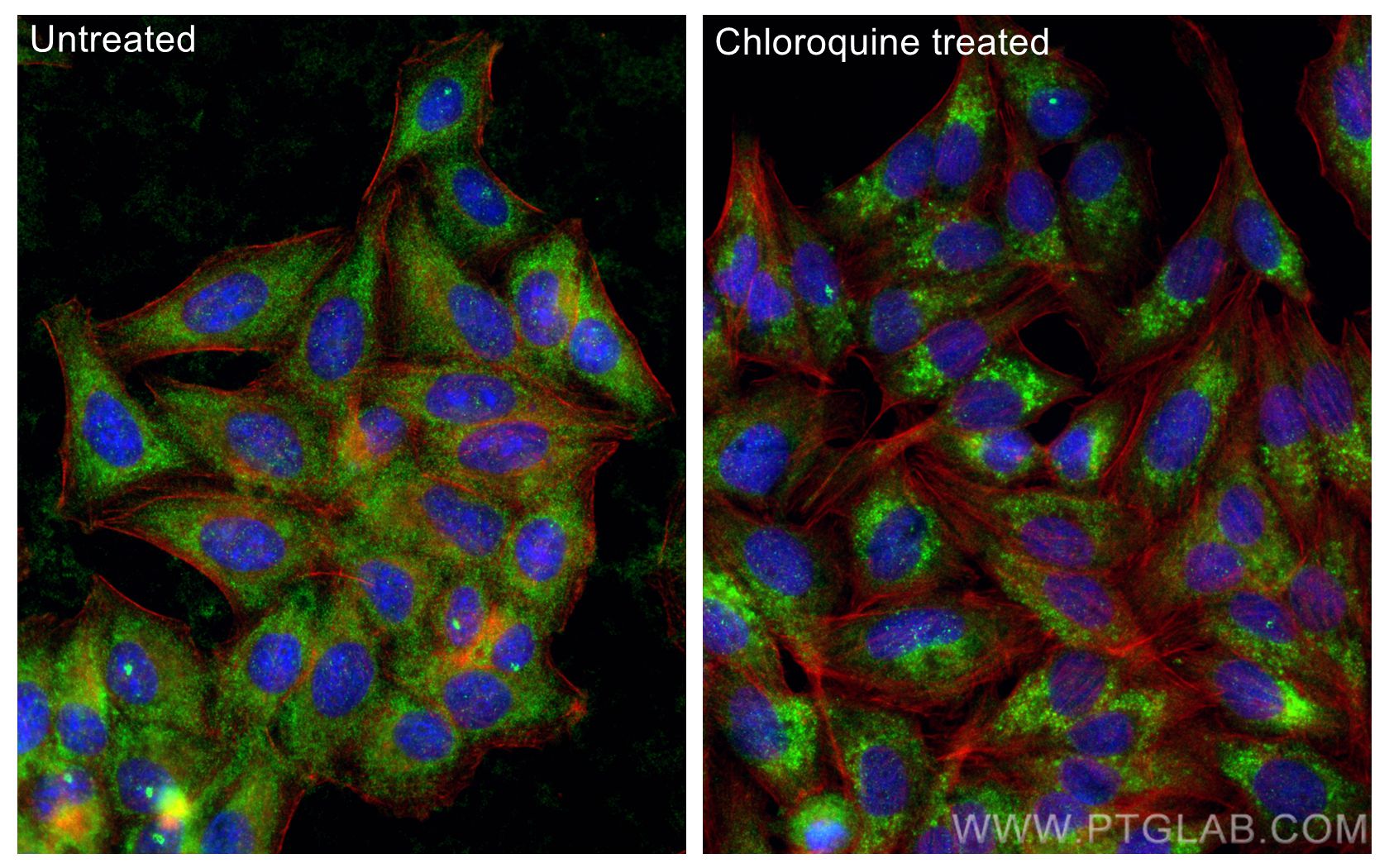
| Positive IF/ICC detected in | Chloroquine treated HepG2 cells |
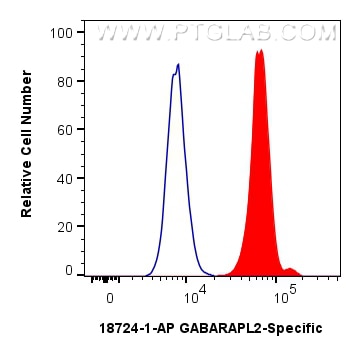
| Positive FC (Intra) detected in | HepG2 cells |
Recommended dilution
| Application | Dilution |
|---|---|
| Western Blot (WB) | WB : 1:500-1:1000 |
| Immunohistochemistry (IHC) | IHC : 1:20-1:200 |
| Immunofluorescence (IF)/ICC | IF/ICC : 1:50-1:500 |
| Flow Cytometry (FC) (INTRA) | FC (INTRA) : 0.25 ug per 10^6 cells in a 100 µl suspension |
| It is recommended that this reagent should be titrated in each testing system to obtain optimal results. | |
| Sample-dependent, Check data in validation data gallery. | |
Product Information
18724-1-AP targets GABARAPL2-Specific in WB, IHC, IF/ICC, FC (Intra), ELISA applications and shows reactivity with human, mouse, rat samples.
| Tested Reactivity | human, mouse, rat |
| Cited Reactivity | human, mouse, rat |
| Host / Isotype | Rabbit / IgG |
| Class | Polyclonal |
| Type | Antibody |
| Immunogen |
Peptide Predict reactive species |
| Full Name | GABA(A) receptor-associated protein-like 2 |
| Calculated Molecular Weight | 14 kDa |
| Observed Molecular Weight | 14 kDa |
| GenBank Accession Number | BC005985 |
| Gene Symbol | GABARAPL2 |
| Gene ID (NCBI) | 11345 |
| RRID | AB_2232116 |
| Conjugate | Unconjugated |
| Form | Liquid |
| Purification Method | Antigen affinity purification |
| UNIPROT ID | P60520 |
| Storage Buffer | PBS with 0.02% sodium azide and 50% glycerol, pH 7.3. |
| Storage Conditions | Store at -20°C. Stable for one year after shipment. Aliquoting is unnecessary for -20oC storage. 20ul sizes contain 0.1% BSA. |
Background Information
GABARAPL2 (also known as Golgi-associated ATPase enhancer of 16 kDa; GATE-16) was originally characterized as a factor essential for intra-Golgi protein transport. Later GABARAPL2 along with LC3 and GABARAP, were identified as the homologs of yeast ATG8 which is a unique ubiquitin-like protein essential for autophagy. When induced GABARAPL2 is first digested by ATG4 family enzymes to become its mature form: GABARAPL2-I, later conjugated to PE lipid as lipidated form: GABARAPL2-II. The lipidated form migrates faster than its mature form on SDS-PAGE gel. GABARAPL2 is strongly expressed in the brain. This antibody is specific to GABARAPL2. It has no cross-reaction to other GABARAP protein.
Protocols
| Product Specific Protocols | |
|---|---|
| FC protocol for GABARAPL2-Specific antibody 18724-1-AP | Download protocol |
| IF protocol for GABARAPL2-Specific antibody 18724-1-AP | Download protocol |
| IHC protocol for GABARAPL2-Specific antibody 18724-1-AP | Download protocol |
| WB protocol for GABARAPL2-Specific antibody 18724-1-AP | Download protocol |
| Standard Protocols | |
|---|---|
| Click here to view our Standard Protocols |
Publications
What published studies show
The GABARAPL2-Specific Polyclonal antibody (Cat# 18724-1-AP) has 17 citations published across 12 journals, including Nature Immunology, Autophagy, Developmental Cell, Cell Death & Disease, Experimental Molecular Medicine, Computational Biology and Medicine, Frontiers in Immunology, Neurobiology of Disease, Scientific Reports, FASEB Journal, Journal of Immunology, and Molecular Cell Biology. Research fields span autophagy, innate immunity, tumor immune evasion, metabolic regulation, neurodegeneration, viral infection, lysosomal dysfunction, antigen cross-presentation, and mitochondrial function.
| Species | Application | Title |
|---|---|---|
Nat Immunol Essential role for GABARAP autophagy proteins in interferon-inducible GTPase-mediated host defense.
| ||
Autophagy CASP9 (caspase 9) is essential for autophagosome maturation through regulation of mitochondrial homeostasis. | ||
Autophagy Mass spectrometry proteomics reveals a function for mammalian CALCOCO1 in MTOR-regulated selective autophagy. | ||
Autophagy A fetus with severe developmental defects caused by dominant-negative and hypomorphic ATG7 alleles. | ||

