

Tested Applications
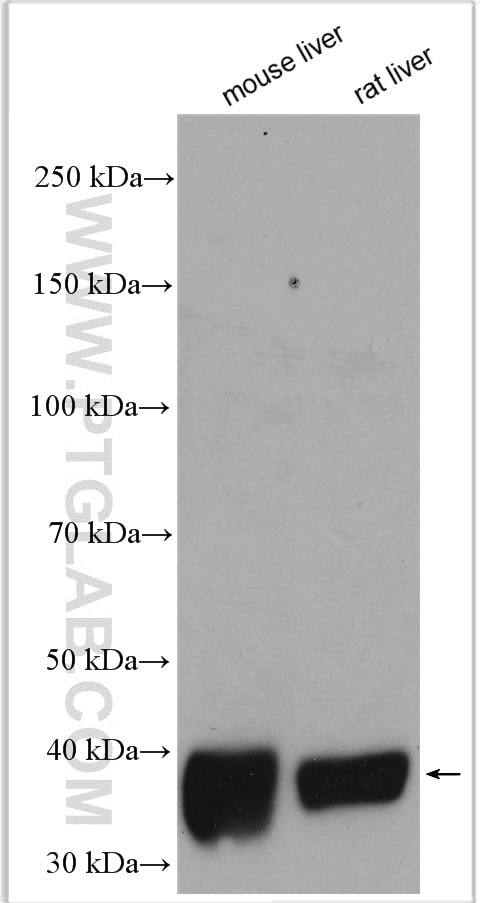
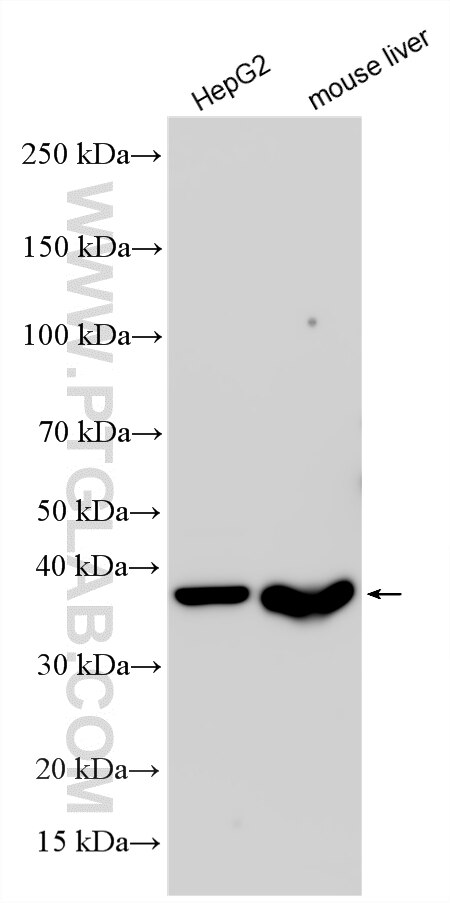
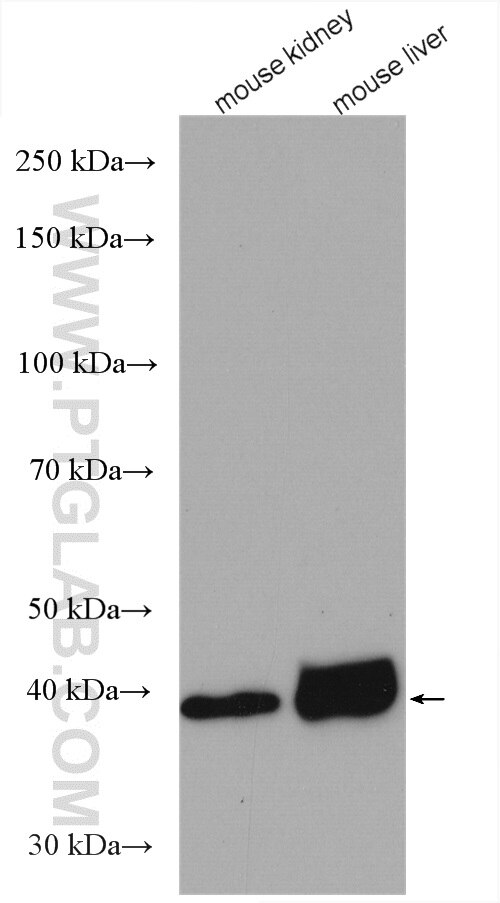
| Positive WB detected in | HepG2 cells, mouse liver tissue, rat liver tissue, mouse kidney tissue |
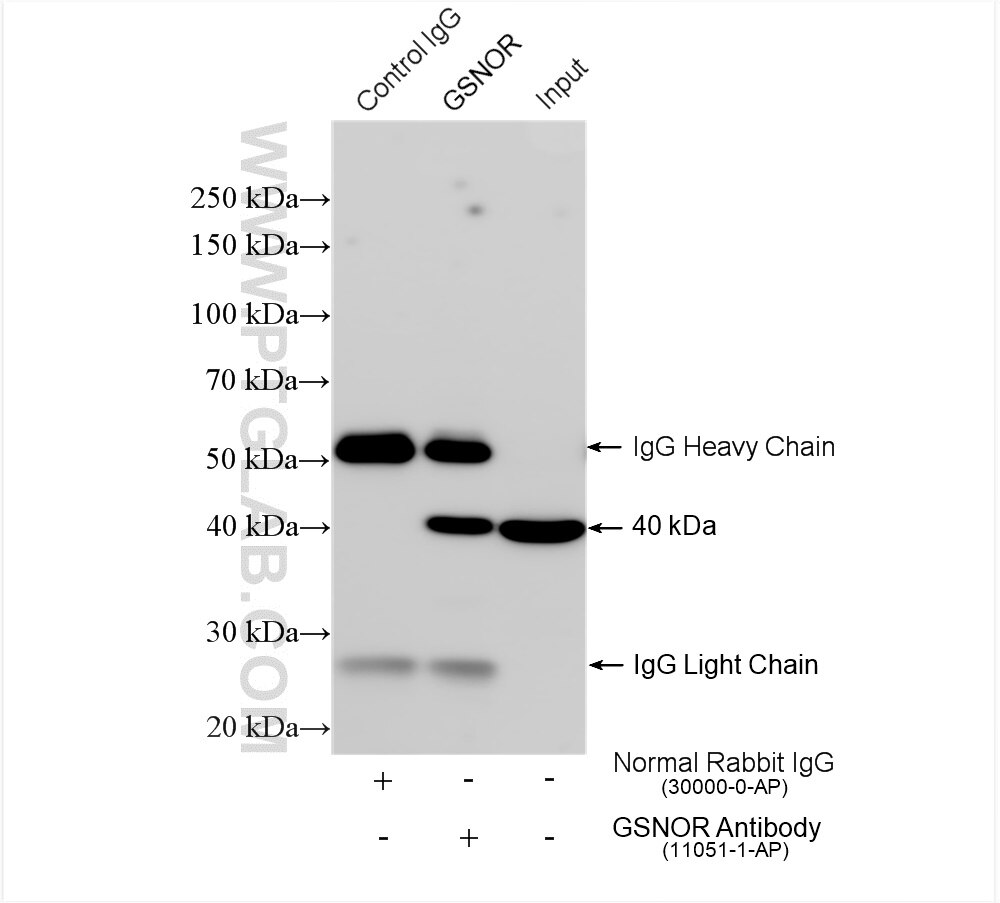
| Positive IP detected in | mouse liver tissue |
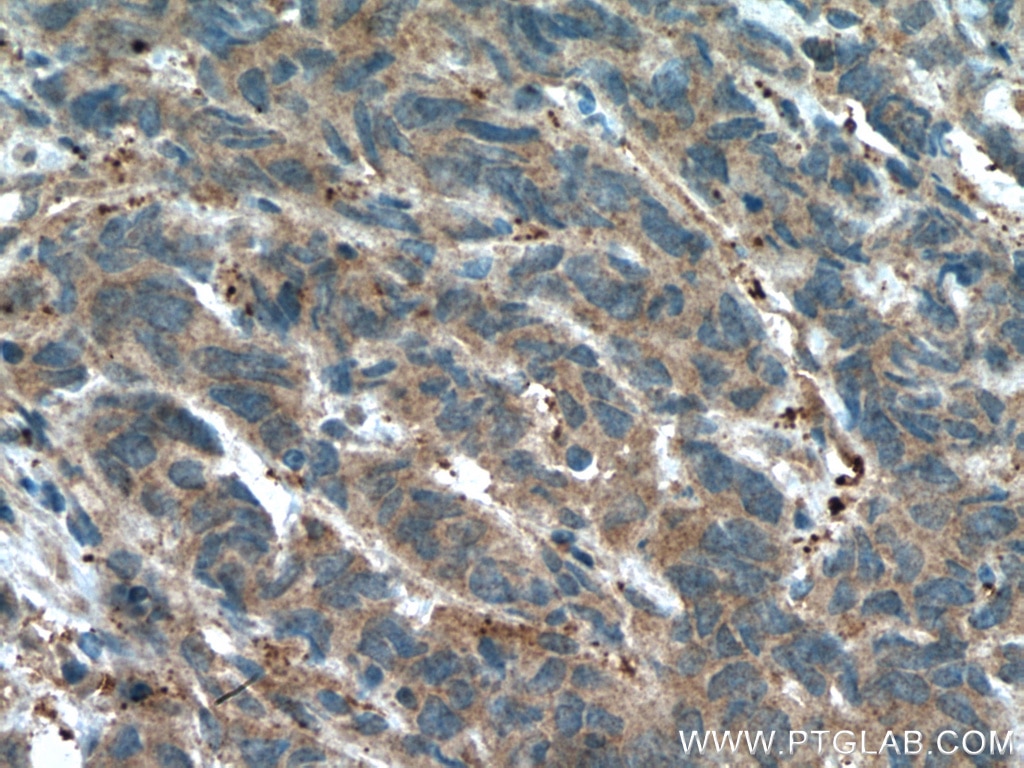
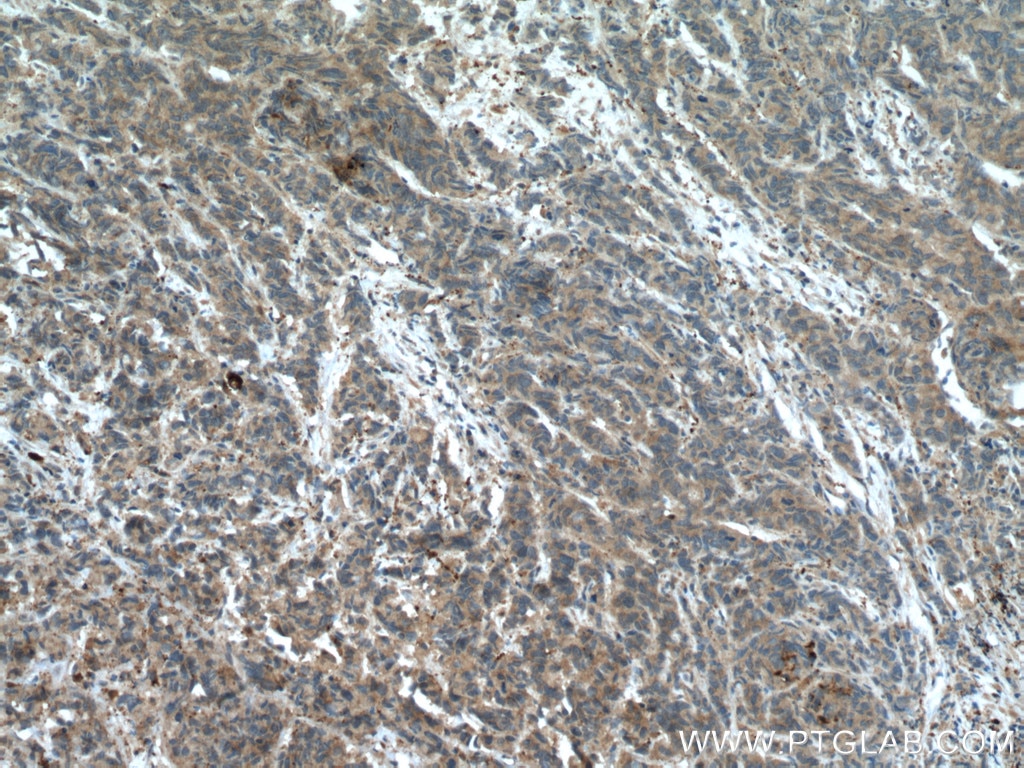
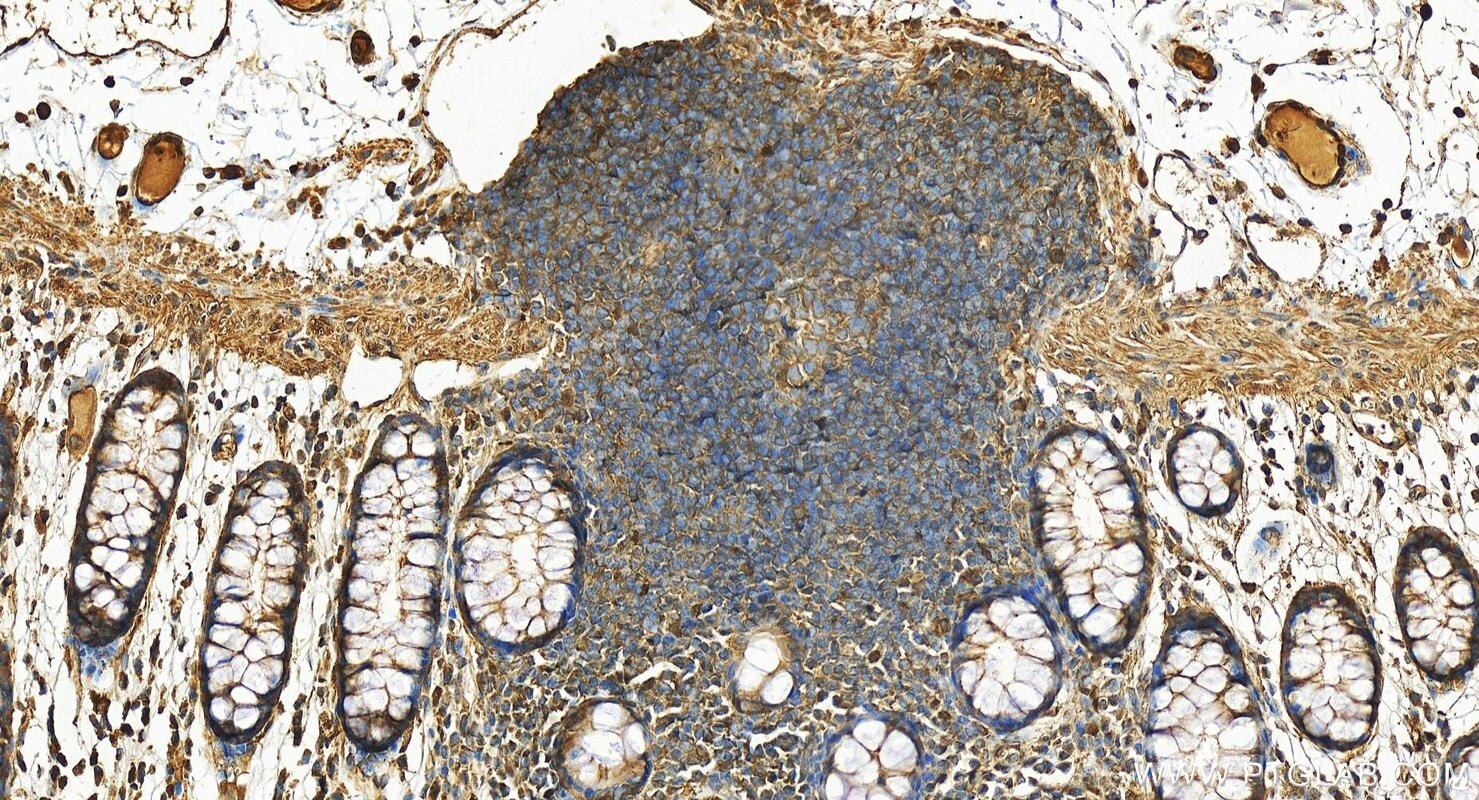
| Positive IHC detected in | human prostate cancer tissue, human colon tissue Note: suggested antigen retrieval with TE buffer pH 9.0; (*) Alternatively, antigen retrieval may be performed with citrate buffer pH 6.0 |
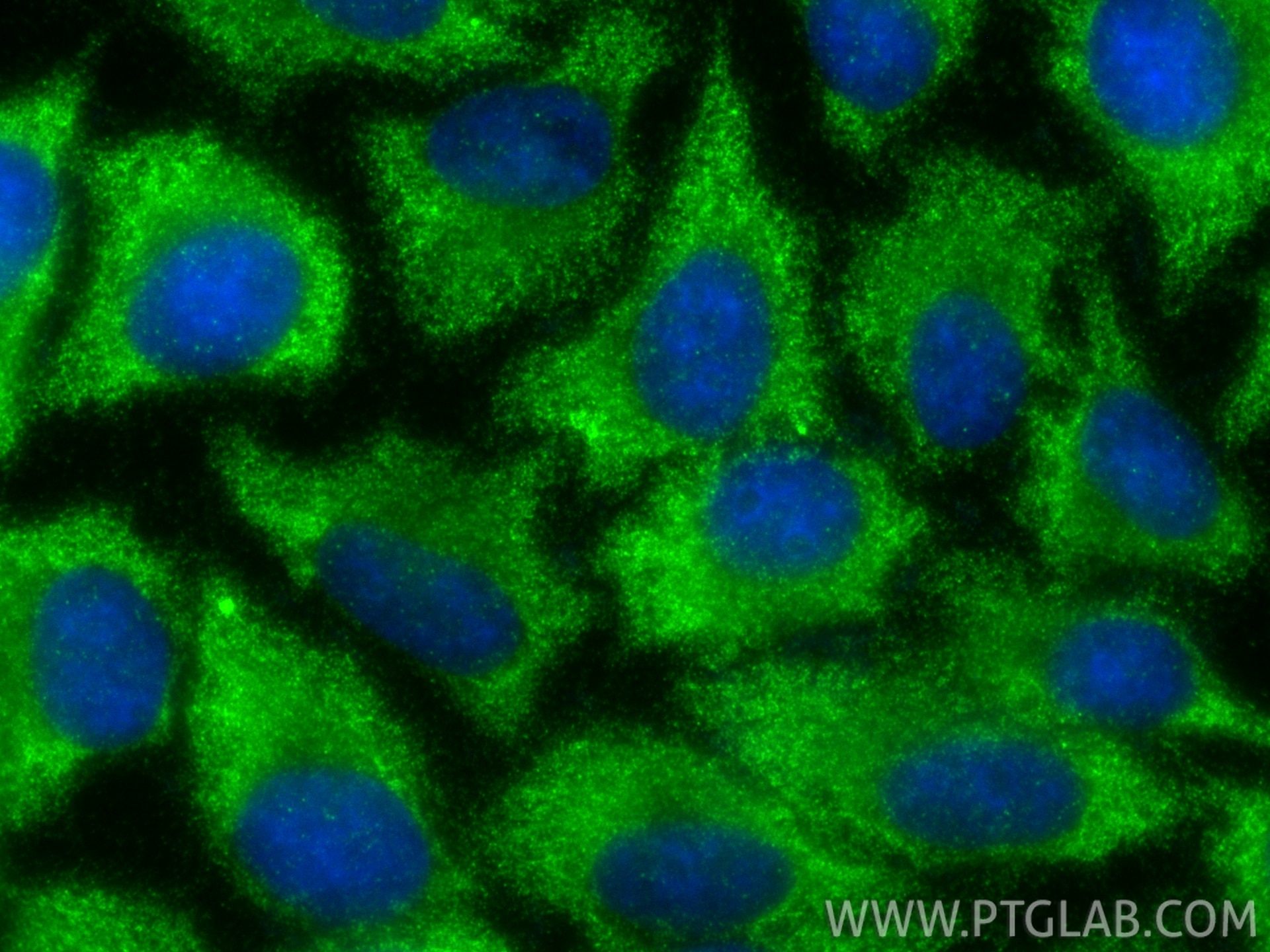
| Positive IF/ICC detected in | HepG2 cells |
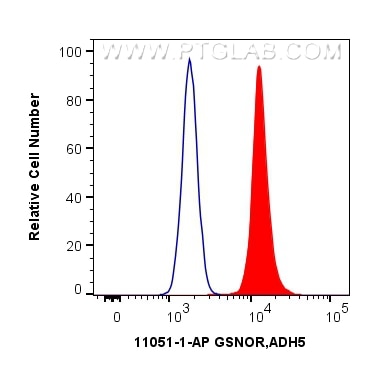
| Positive FC (Intra) detected in | K-562 cells |
Recommended dilution
| Application | Dilution |
|---|---|
| Western Blot (WB) | WB : 1:1000-1:6000 |
| Immunoprecipitation (IP) | IP : 0.5-4.0 ug for 1.0-3.0 mg of total protein lysate |
| Immunohistochemistry (IHC) | IHC : 1:50-1:500 |
| Immunofluorescence (IF)/ICC | IF/ICC : 1:50-1:500 |
| Flow Cytometry (FC) (INTRA) | FC (INTRA) : 0.40 ug per 10^6 cells in a 100 ul suspension |
| It is recommended that this reagent should be titrated in each testing system to obtain optimal results. | |
| Sample-dependent, Check data in validation data gallery. | |
Product Information
11051-1-AP targets GSNOR,ADH5 in WB, IHC, IF/ICC, FC (Intra), IP, ELISA applications and shows reactivity with human, mouse, rat samples.
| Tested Reactivity | human, mouse, rat |
| Cited Reactivity | human, mouse, rat, pig, chicken, zebrafish |
| Host / Isotype | Rabbit / IgG |
| Class | Polyclonal |
| Type | Antibody |
| Immunogen |
CatNo: Ag1533 Product name: Recombinant human GSNOR,ADH5 protein Source: e coli.-derived, Unknow Tag: N/A Domain: C16020 of BC070491 Sequence: Predict reactive species |
| Full Name | alcohol dehydrogenase 5 (class III), chi polypeptide |
| Calculated Molecular Weight | 40 kDa |
| Observed Molecular Weight | 40 kDa |
| GenBank Accession Number | BC070491 |
| Gene Symbol | ADH5 |
| Gene ID (NCBI) | 128 |
| RRID | AB_593422 |
| Conjugate | Unconjugated |
| Form | Liquid |
| Purification Method | Antigen affinity purification |
| UNIPROT ID | P11766 |
| Storage Buffer | PBS with 0.02% sodium azide and 50% glycerol, pH 7.3. |
| Storage Conditions | Store at -20°C. Stable for one year after shipment. Aliquoting is unnecessary for -20oC storage. 20ul sizes contain 0.1% BSA. |
Background Information
ADH5, also named as ADHX, FDH FALDH GSH-FDH ADH3 and GSNOR, belongs to the zinc-containing alcohol dehydrogenase family and Class-III subfamily. It is remarkably ineffective in oxidizing ethanol, but it readily catalyzes the oxidation of long-chain primary alcohols and the oxidation of S-(hydroxymethyl) glutathione. ADH5 mediates multiple cardiovascular functions. It plays in regulating heterocellular communication in the artery wall. (PMID:21071693). ADH5 immunostaining is distributed in both the nucleus and cytoplasm of the retinal ganglion cells(PMID:22117533).
Protocols
| Product Specific Protocols | |
|---|---|
| FC protocol for GSNOR,ADH5 antibody 11051-1-AP | Download protocol |
| IF protocol for GSNOR,ADH5 antibody 11051-1-AP | Download protocol |
| IHC protocol for GSNOR,ADH5 antibody 11051-1-AP | Download protocol |
| IP protocol for GSNOR,ADH5 antibody 11051-1-AP | Download protocol |
| WB protocol for GSNOR,ADH5 antibody 11051-1-AP | Download protocol |
| Standard Protocols | |
|---|---|
| Click here to view our Standard Protocols |
Publications
What published studies show
The GSNOR,ADH5 Polyclonal antibody (catalog number 11051-1-AP) has 47 citations. These appear in journals including Blood, European Respiratory Journal, Cancer Research, Nature Communications, Circulation Research, Redox Biology, Molecular Cell, Free Radical Biology and Medicine, Journal of Biological Chemistry, and American Journal of Respiratory Cell and Molecular Biology. Research fields span S-nitrosylation/redox biology, cardiovascular disease, cancer, atherosclerosis, pulmonary disorders, neurology, alcohol metabolism, and ferroptosis.
| Species | Application | Title |
|---|---|---|
Blood Analysis of disease model iPSCs derived from patients with a novel Fanconi anemia-like IBMFS ADH5/ALDH2 deficiency.
| ||
Eur Respir J Phenotype of asthmatics with increased airway S-nitrosoglutathione reductase activity. | ||
Cancer Res S-nitrosylation of the Mitochondrial Chaperone TRAP1 Sensitizes Hepatocellular Carcinoma Cells to Inhibitors of Succinate Dehydrogenase.
| ||
Nat Commun Inducing multiple nicks promotes interhomolog homologous recombination to correct heterozygous mutations in somatic cells | ||
Circ Res Dysregulated Protein s-Nitrosylation Promotes Nitrosative Stress and Disease Progression in Heart Failure With Preserved Ejection Fraction. | ||
Redox Biol GSNOR modulates hyperhomocysteinemia-induced T cell activation and atherosclerosis by switching Akt S-nitrosylation to phosphorylation.
|

