
Tested Applications
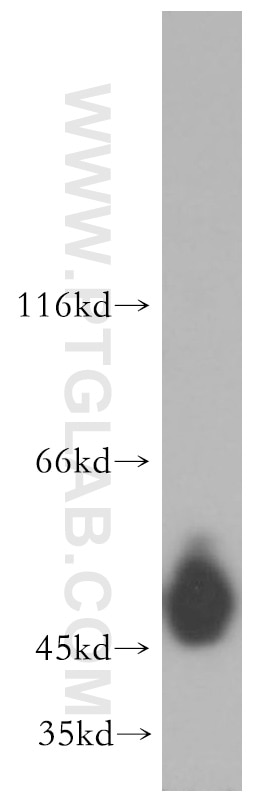
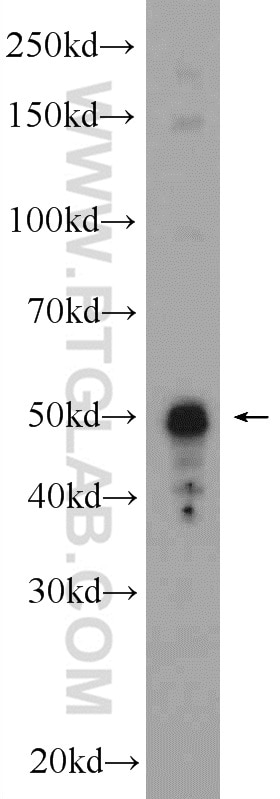
| Positive WB detected in | A431 cells, rat skin tissue |
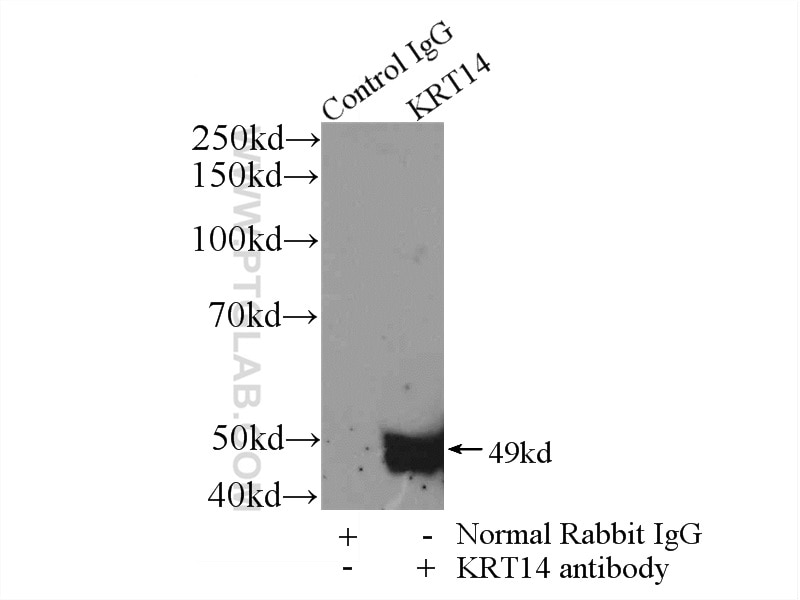
| Positive IP detected in | A431 cells |
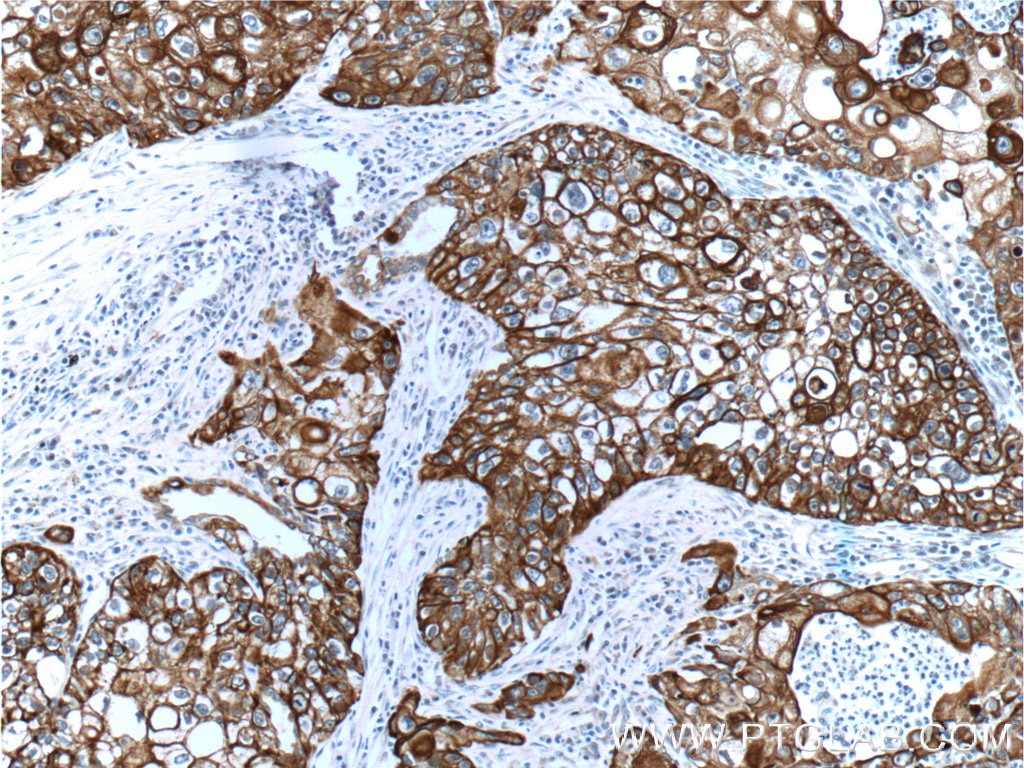
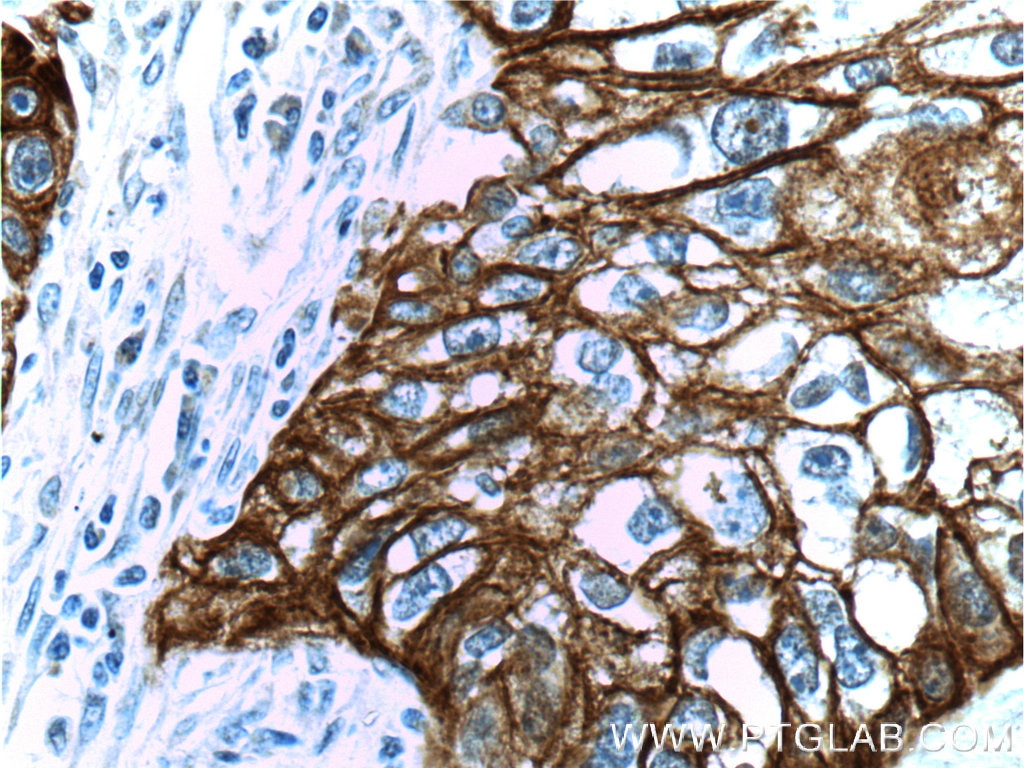
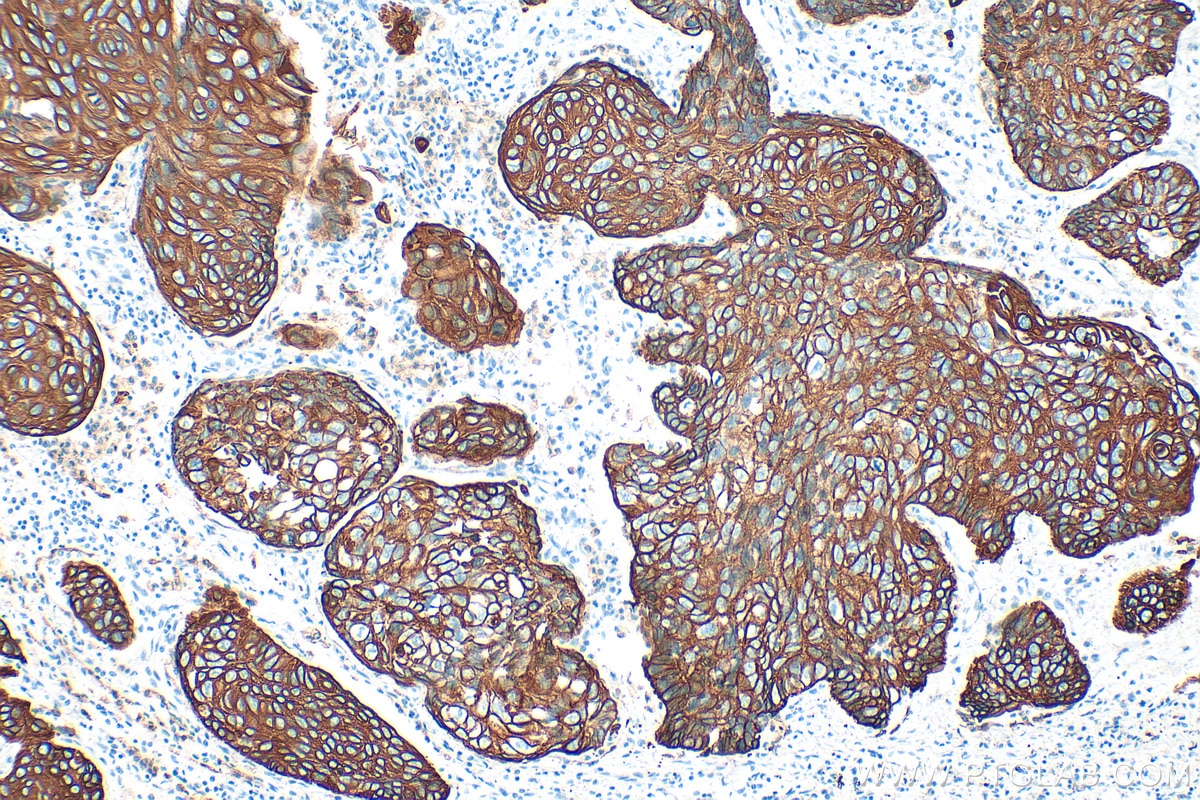
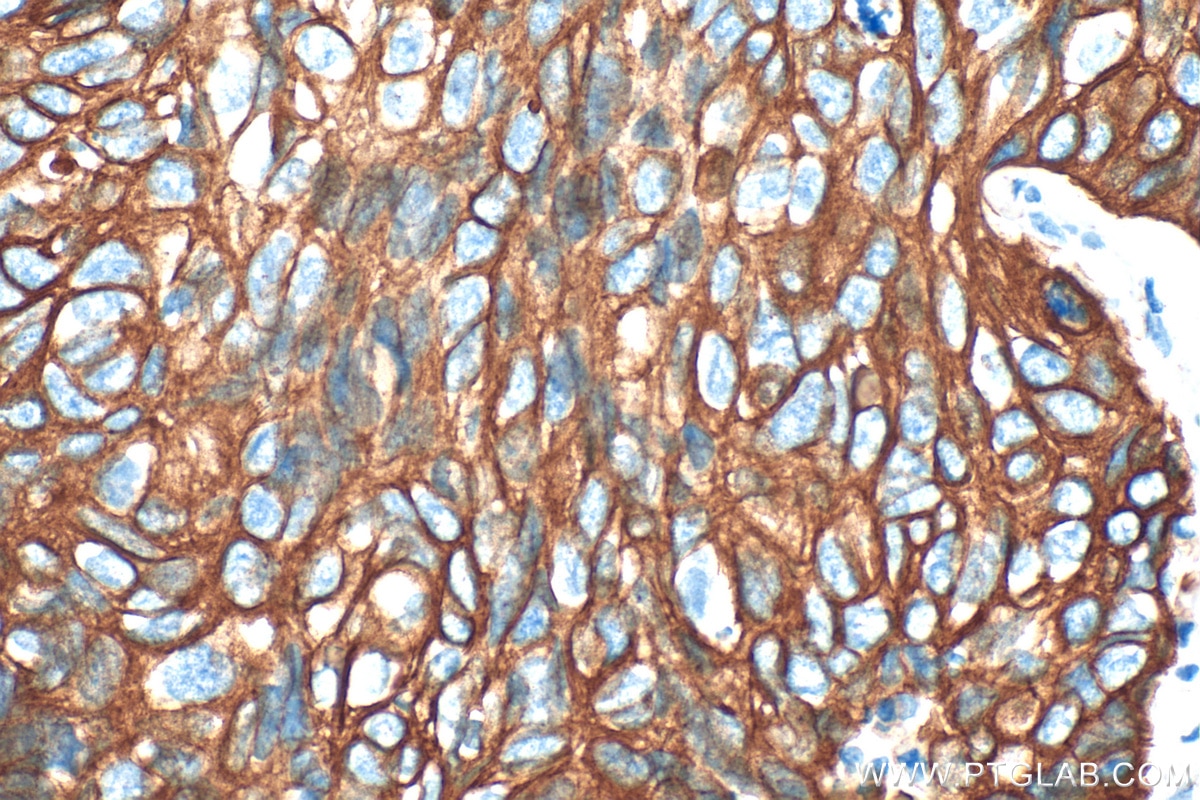
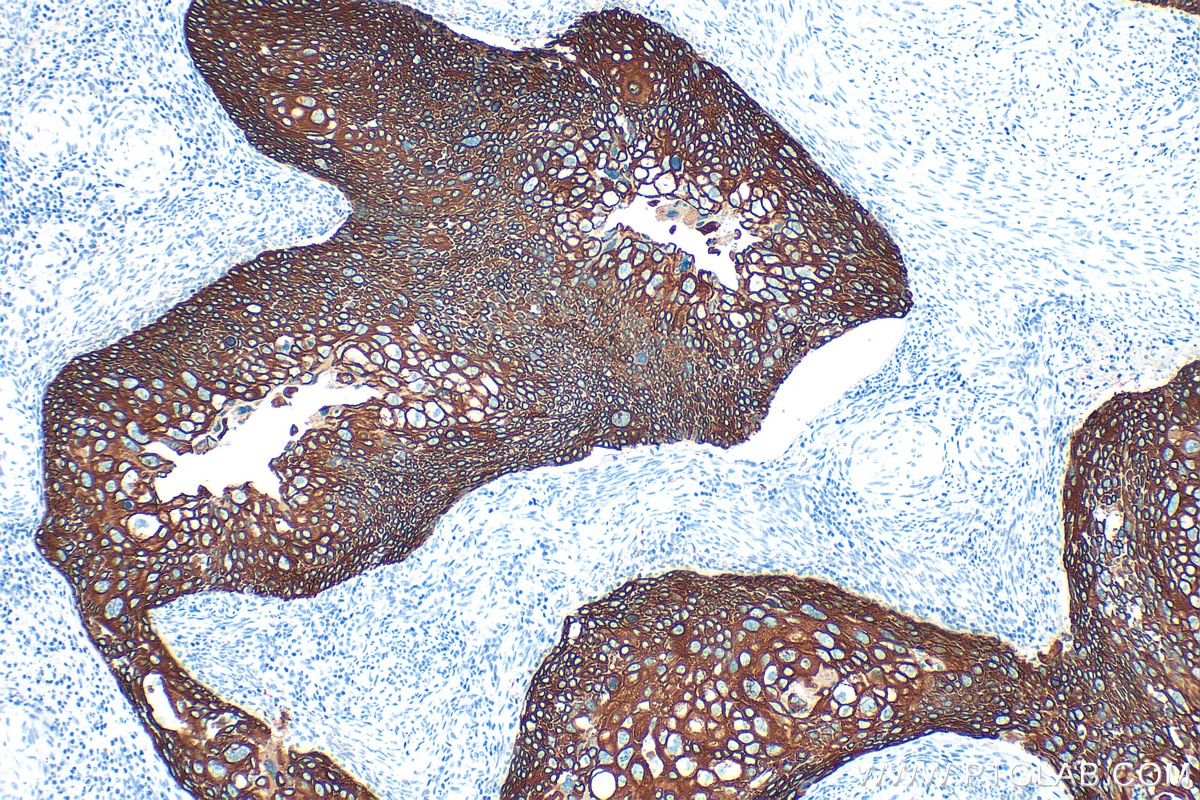
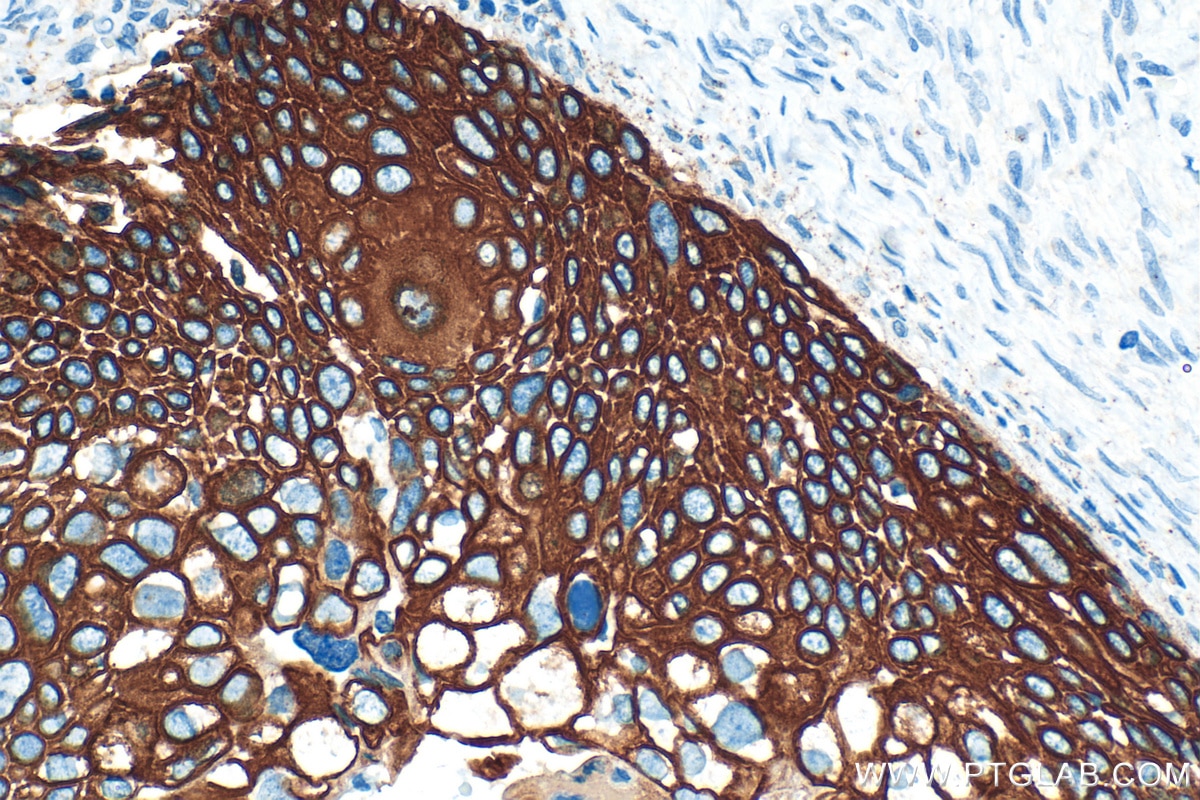
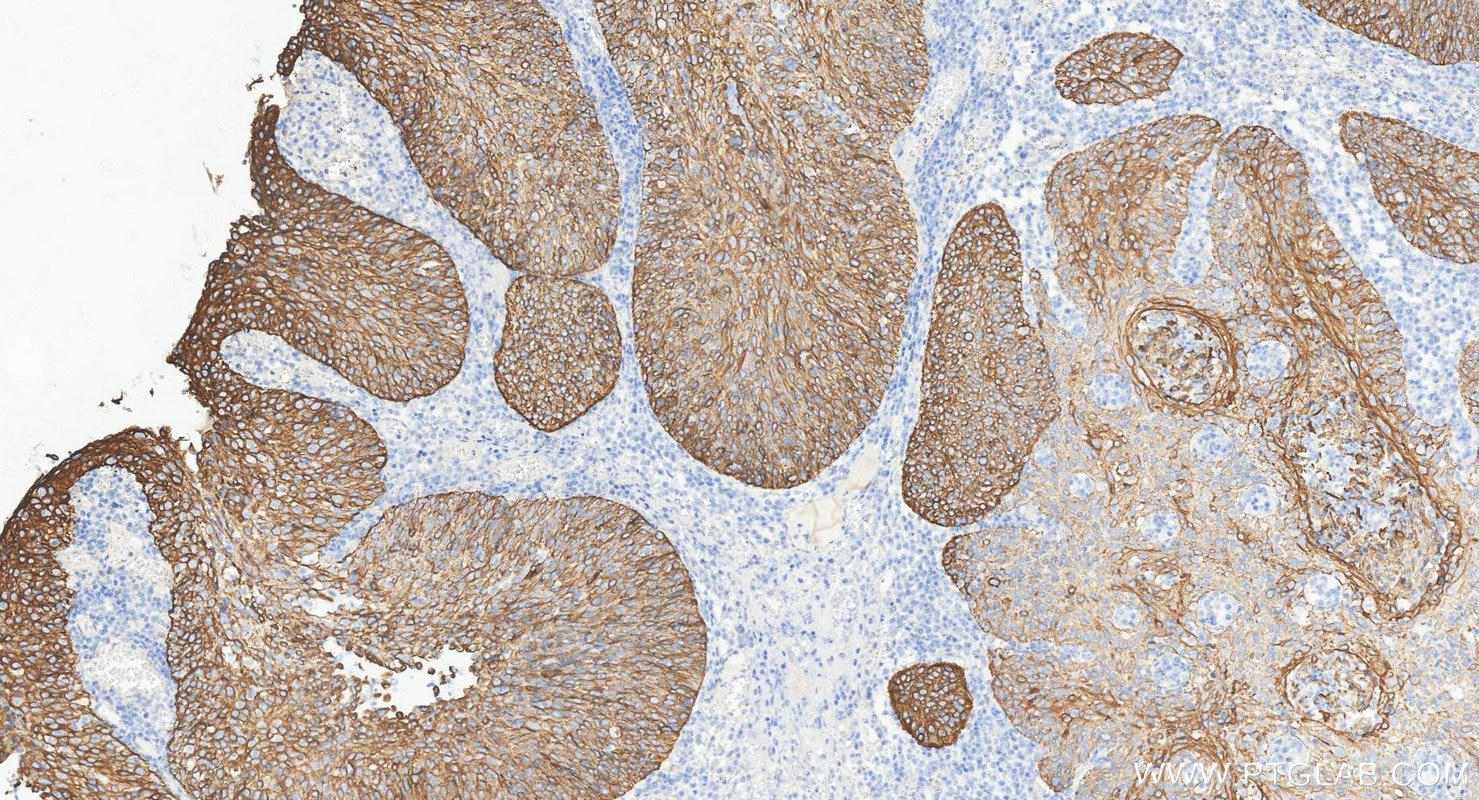
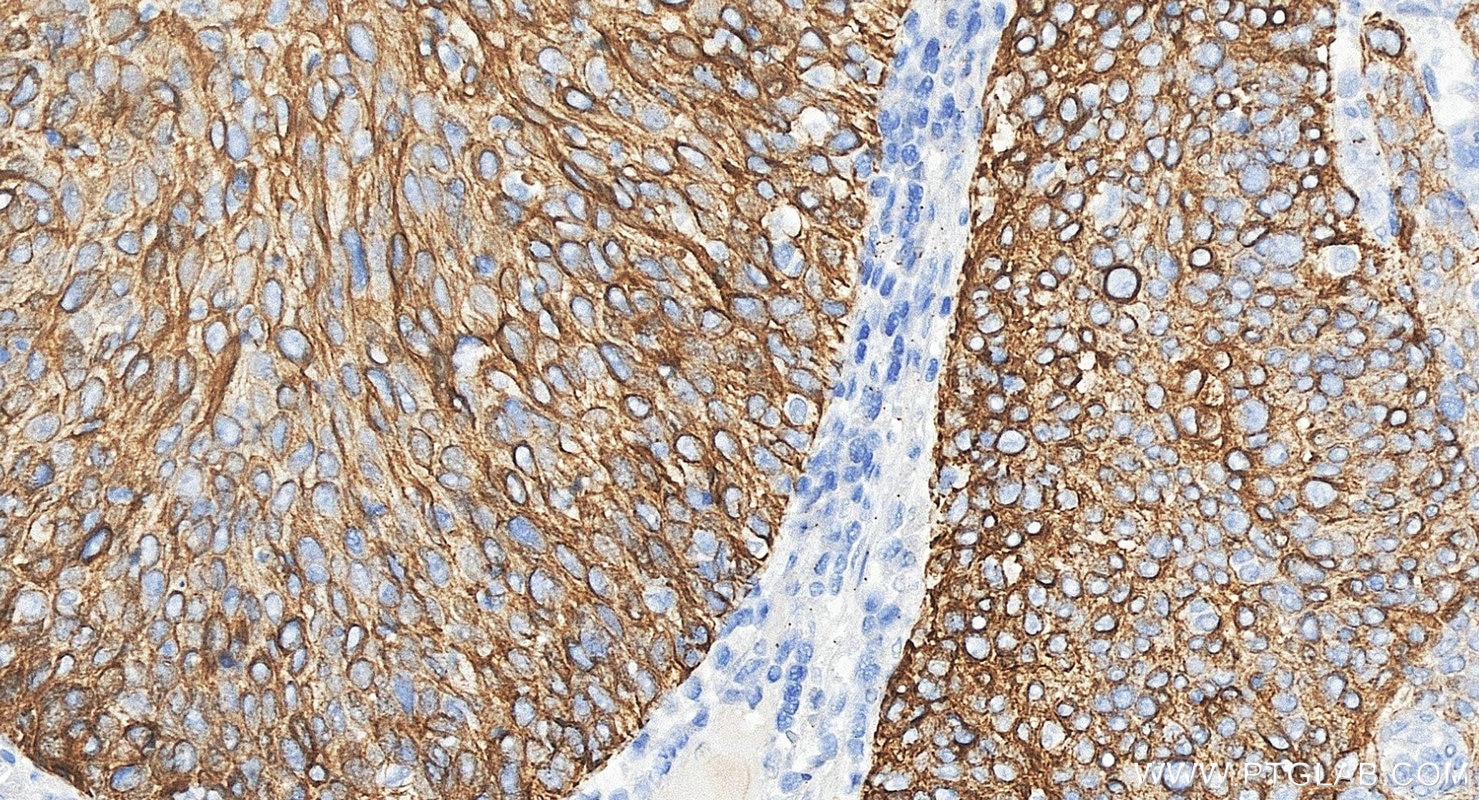
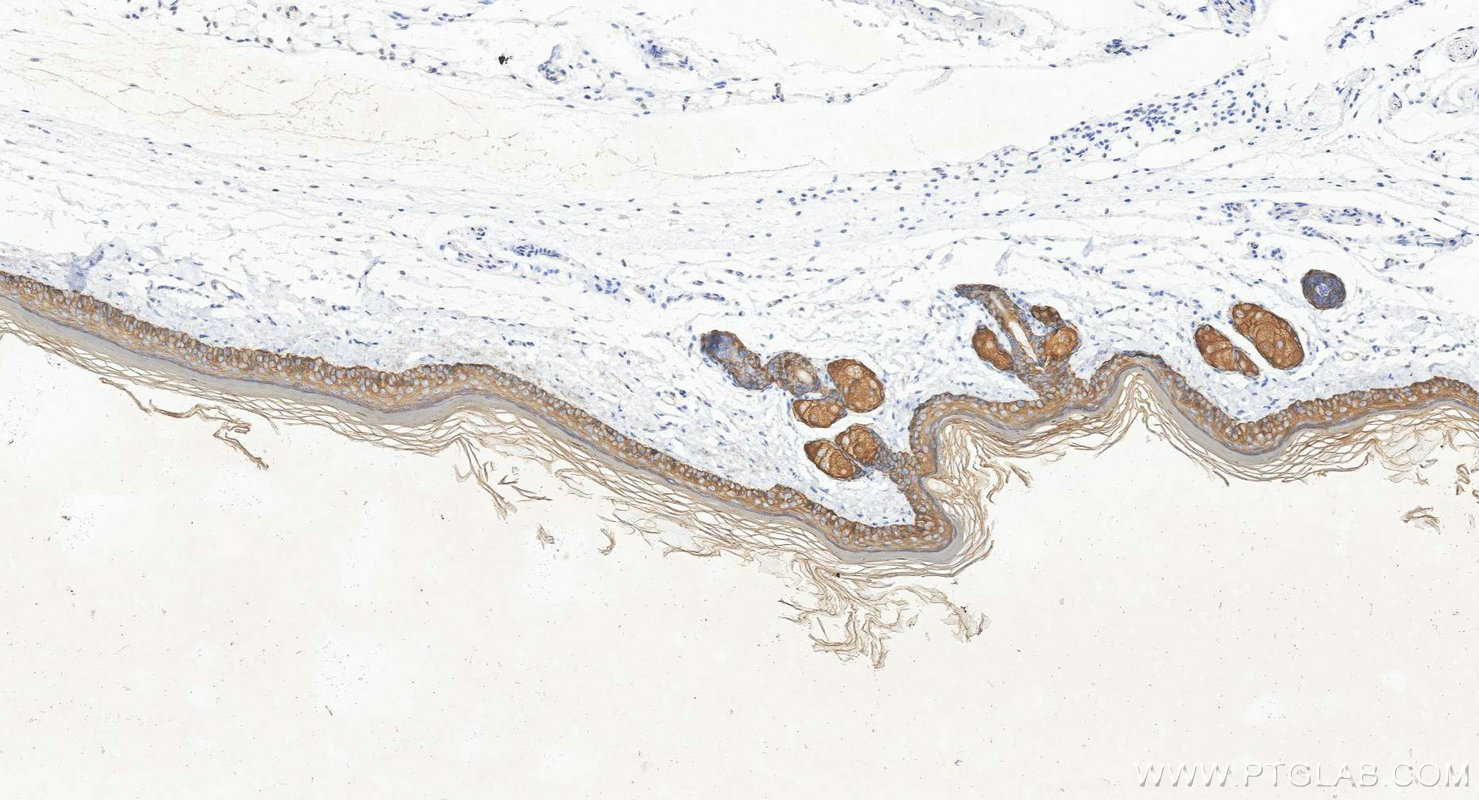
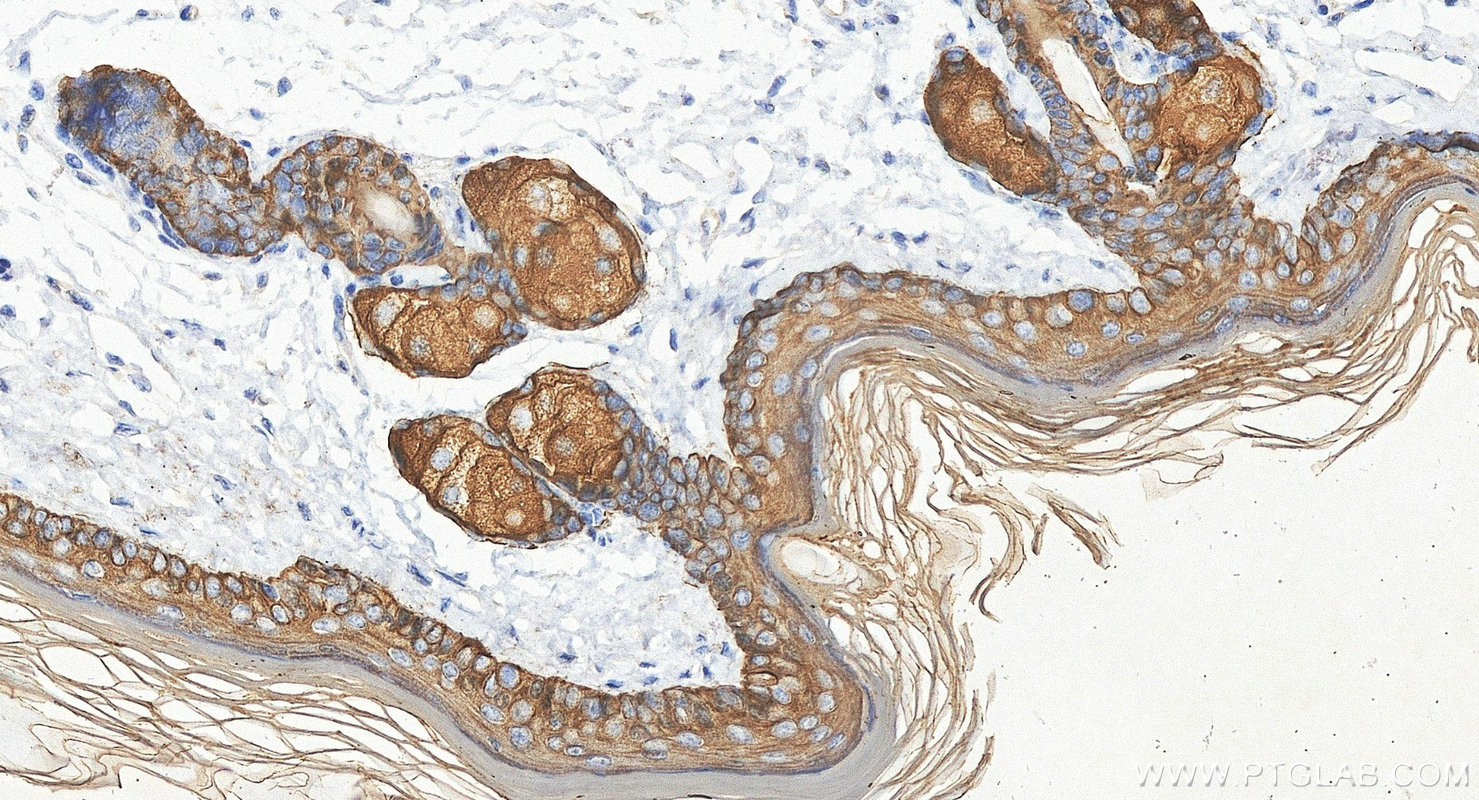
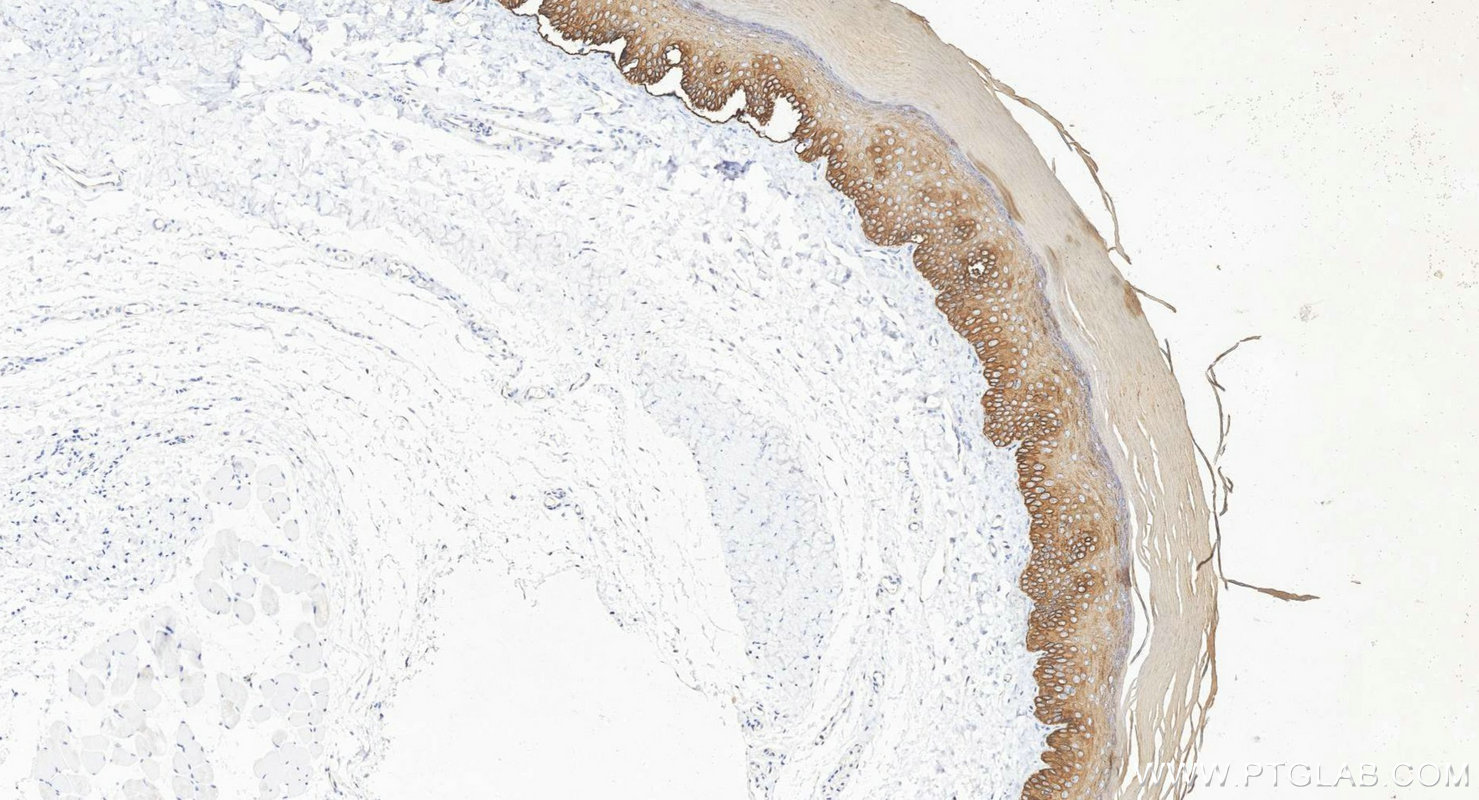
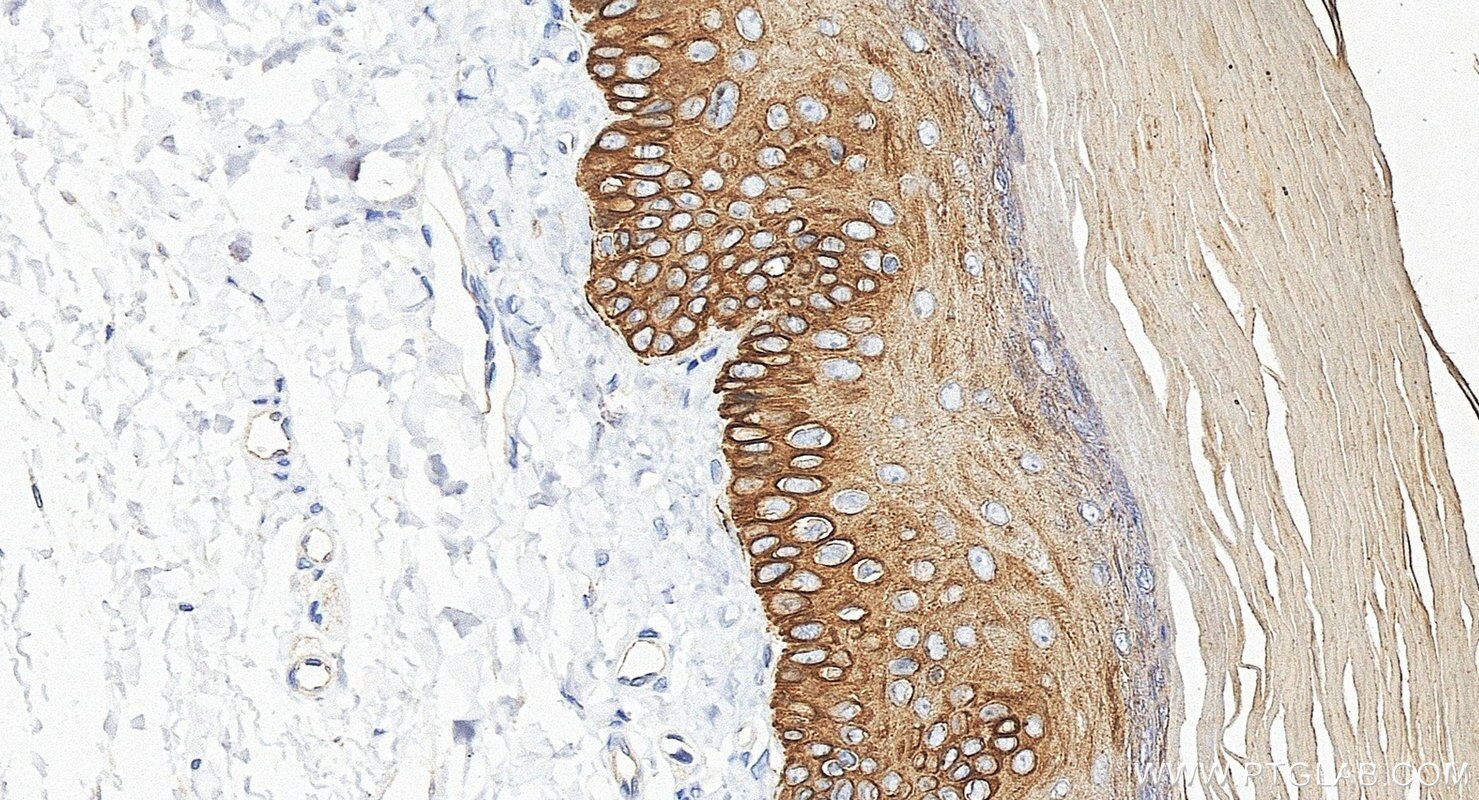
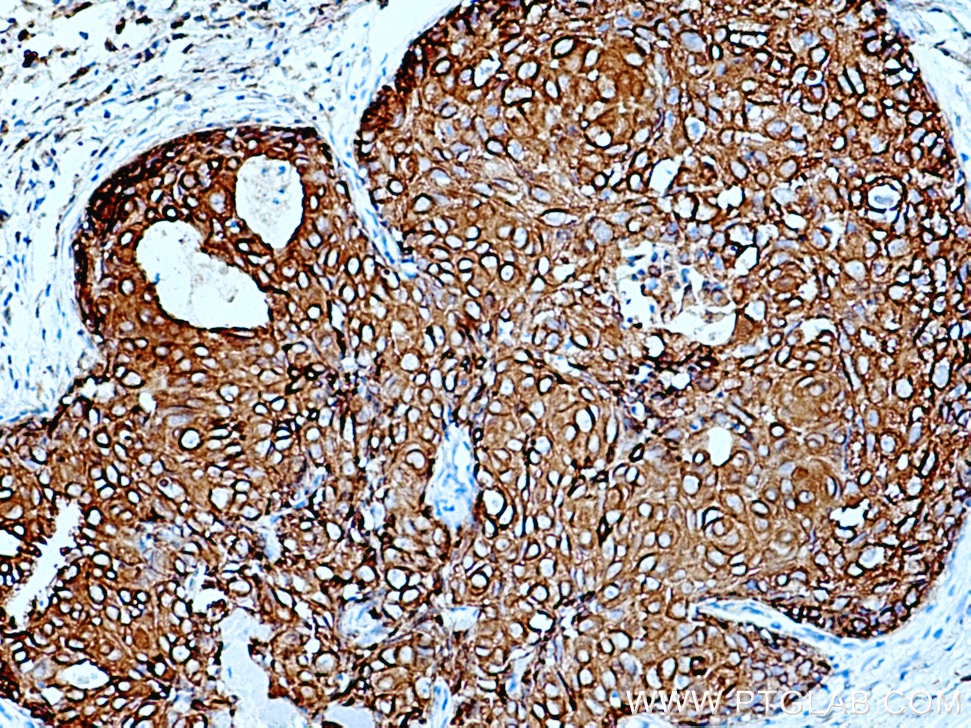
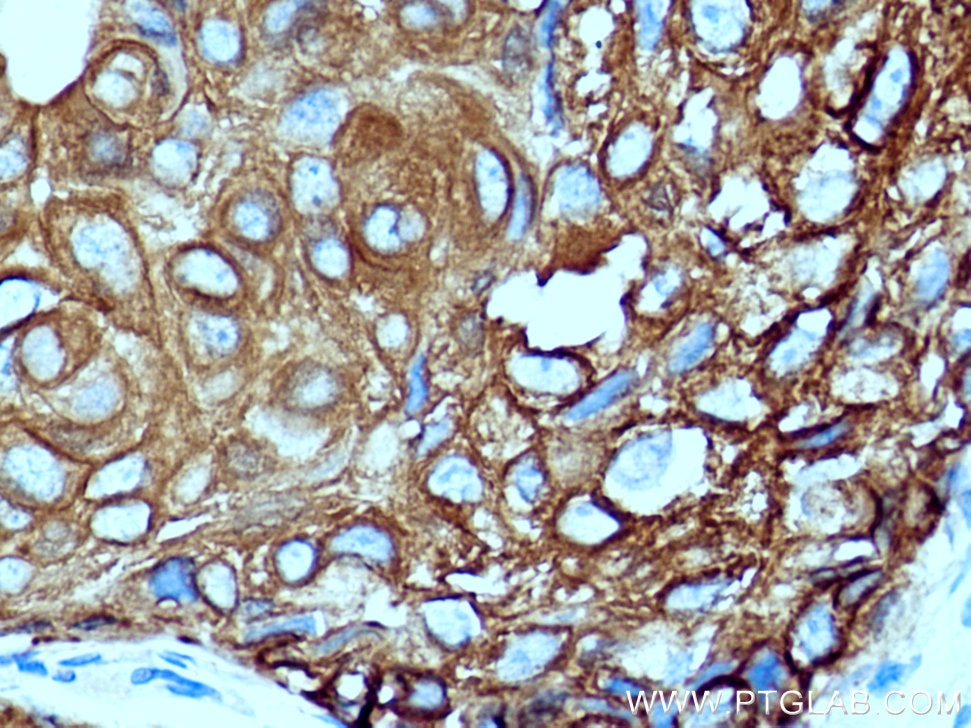
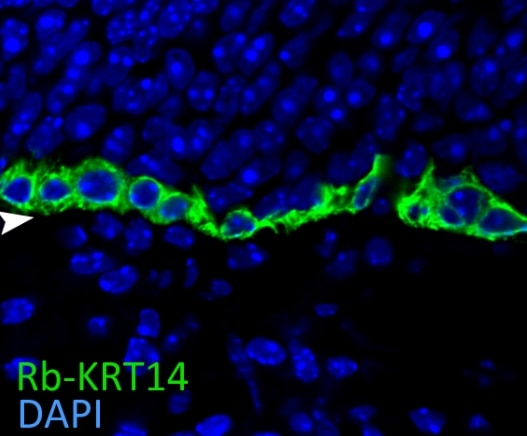
| Positive IHC detected in | human lung cancer tissue, human breast cancer tissue, human cervical cancer tissue, mouse skin tissue, rat skin tissue Note: suggested antigen retrieval with TE buffer pH 9.0; (*) Alternatively, antigen retrieval may be performed with citrate buffer pH 6.0 |
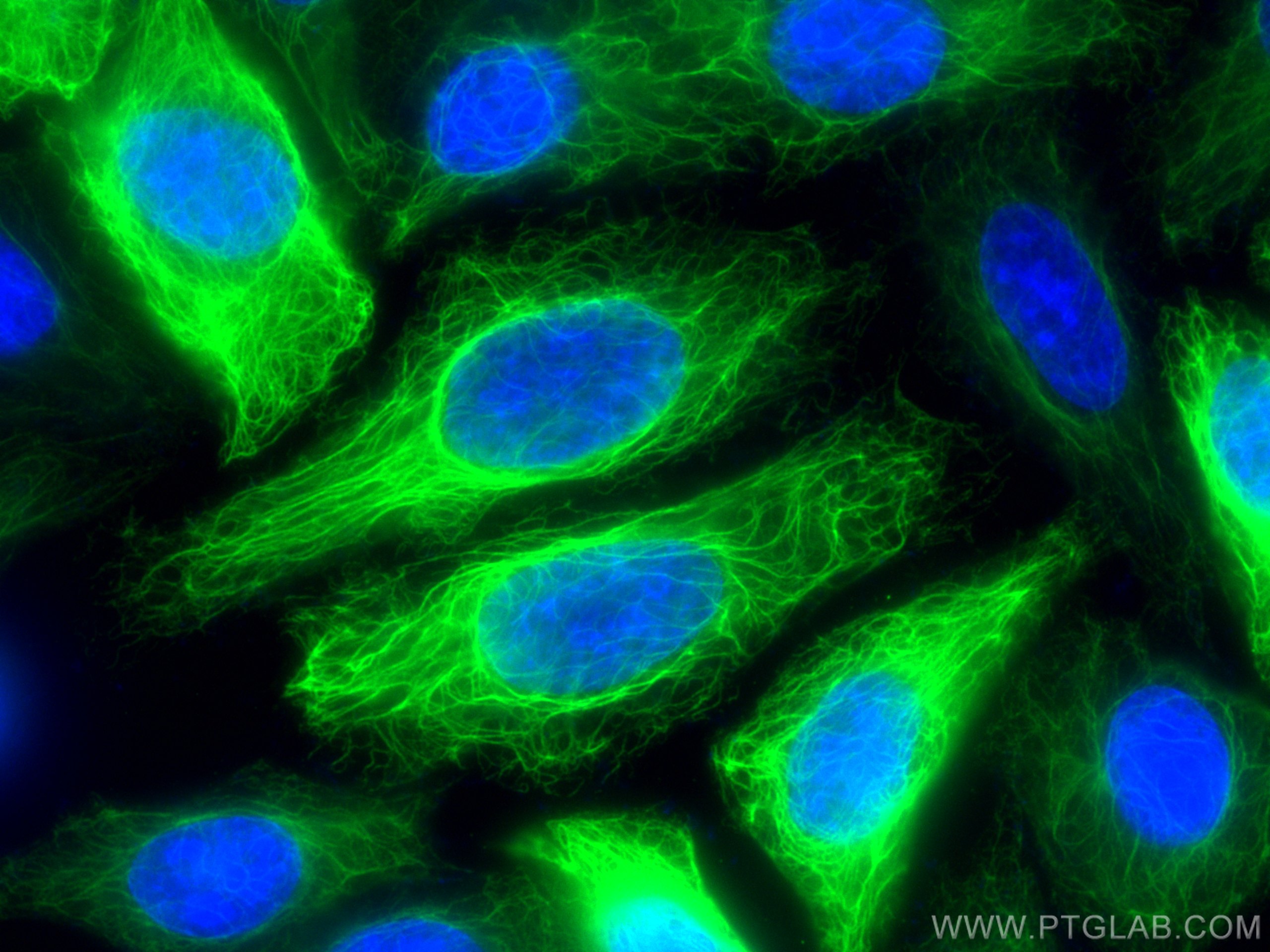
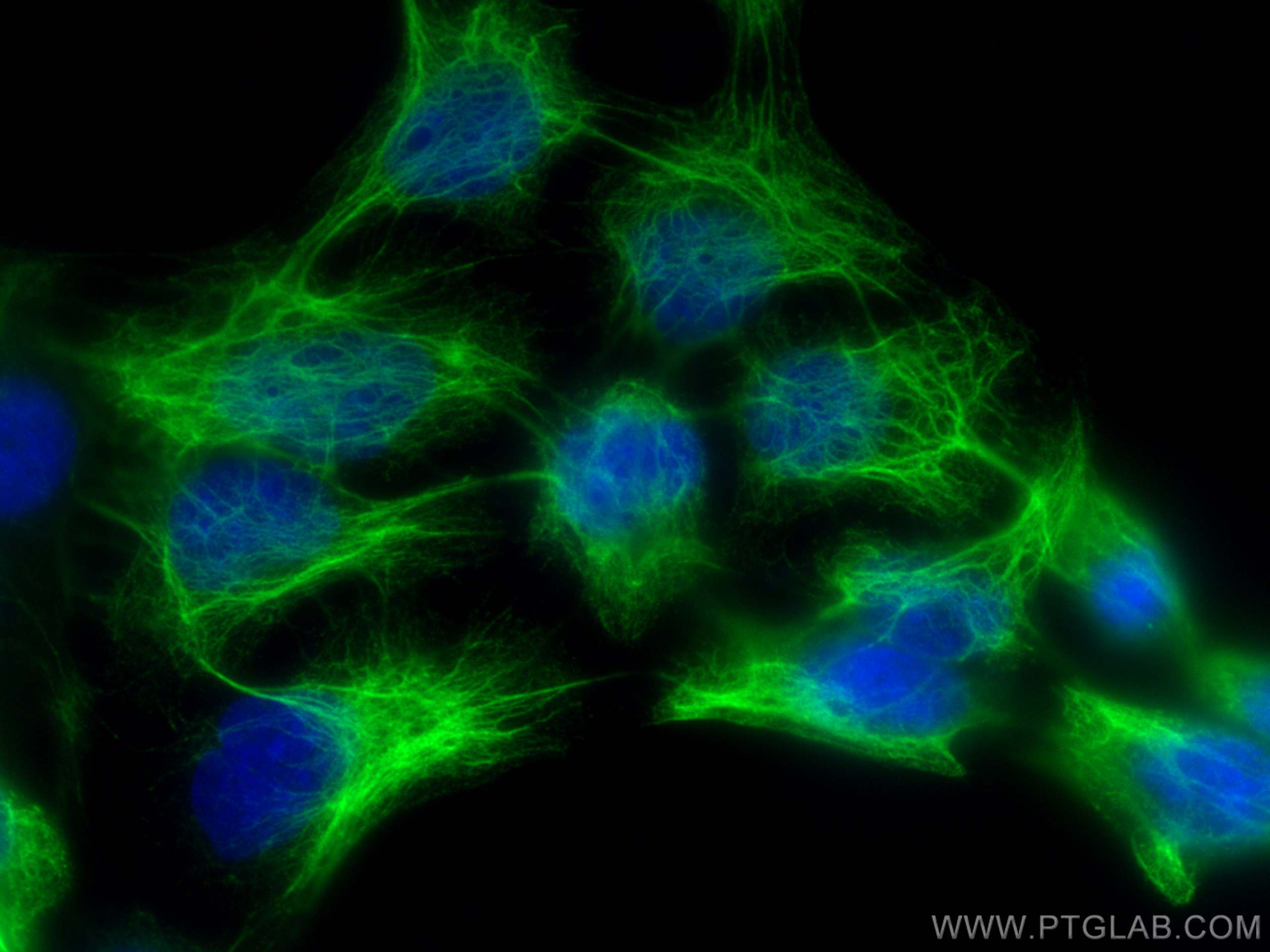
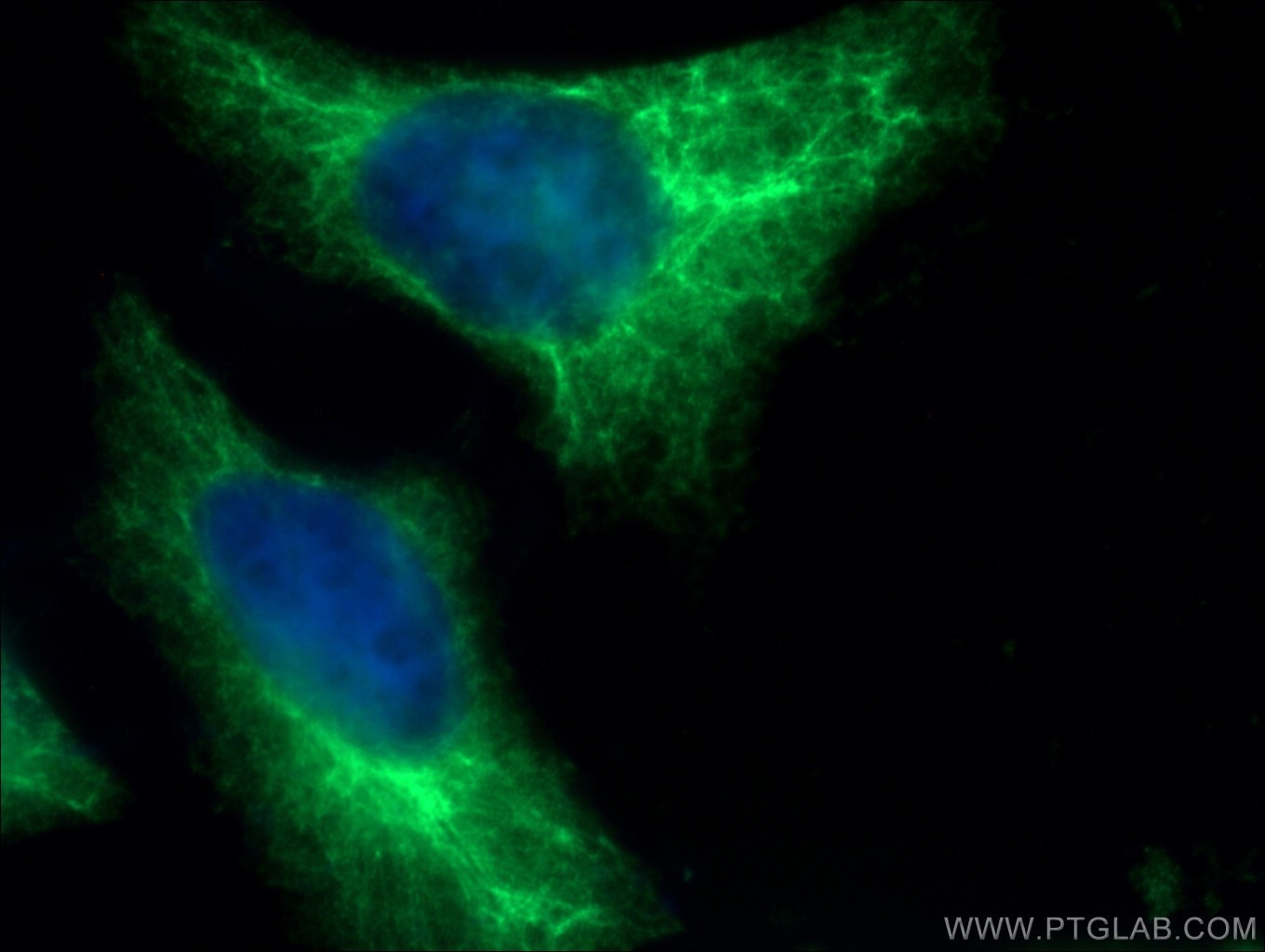
| Positive IF/ICC detected in | HaCaT cells, HeLa cells, HepG2 cells |
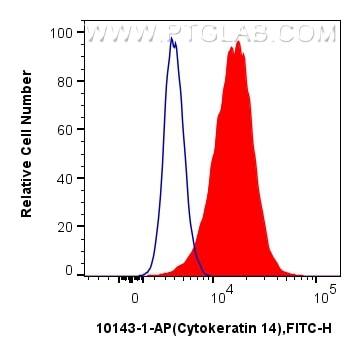
| Positive FC (Intra) detected in | A431 cells |
Recommended dilution
| Application | Dilution |
|---|---|
| Western Blot (WB) | WB : 1:500-1:2000 |
| Immunoprecipitation (IP) | IP : 0.5-4.0 ug for 1.0-3.0 mg of total protein lysate |
| Immunohistochemistry (IHC) | IHC : 1:200-1:8000 |
| Immunofluorescence (IF)/ICC | IF/ICC : 1:200-1:800 |
| Flow Cytometry (FC) (INTRA) | FC (INTRA) : 0.40 ug per 10^6 cells in a 100 µl suspension |
| It is recommended that this reagent should be titrated in each testing system to obtain optimal results. | |
| Sample-dependent, Check data in validation data gallery. | |
Product Information
10143-1-AP targets Cytokeratin 14 in WB, IHC, IF/ICC, FC (Intra), IP, ELISA applications and shows reactivity with human, mouse, rat samples.
| Tested Reactivity | human, mouse, rat |
| Cited Reactivity | human, mouse, rat |
| Host / Isotype | Rabbit / IgG |
| Class | Polyclonal |
| Type | Antibody |
| Immunogen |
CatNo: Ag0188 Product name: Recombinant human KRT14 protein Source: e coli.-derived, PGEX-4T Tag: GST Domain: 262-472 aa of BC002690 Sequence: GQVGGDVNVEMDAAPGVDLSRILNEMRDQYEKMAEKNRKDAEEWFFTKTEELNREVATNSELVQSGKSEISELRRTMQNLEIELQSQLSMKASLENSLEETKGRYCMQLAQIQEMIGSVEEQLAQLRCEMEQQNQEYKILLDVKTRLEQEIATYRRLLEGEDAHLSSSQFSSGSQSSRDVTSSSRQIRTKVMDVHDGKVVSTHEQVLRTKN Predict reactive species |
| Full Name | keratin 14 |
| Calculated Molecular Weight | 472 aa, 52 kDa |
| Observed Molecular Weight | 47-50 kDa |
| GenBank Accession Number | BC002690 |
| Gene Symbol | Cytokeratin 14 |
| Gene ID (NCBI) | 3861 |
| RRID | AB_2134831 |
| Conjugate | Unconjugated |
| Form | Liquid |
| Purification Method | Antigen affinity purification |
| UNIPROT ID | P02533 |
| Storage Buffer | PBS with 0.02% sodium azide and 50% glycerol, pH 7.3. |
| Storage Conditions | Store at -20°C. Stable for one year after shipment. Aliquoting is unnecessary for -20oC storage. 20ul sizes contain 0.1% BSA. |
Background Information
Keratins are a large family of proteins that form the intermediate filament cytoskeleton of epithelial cells, which are classified into two major sequence types. Type I keratins are a group of acidic intermediate filament proteins, including K9-K23, and the hair keratins Ha1-Ha8. Type II keratins are the basic or neutral courterparts to the acidic type I keratins, including K1-K8, and the hair keratins, Hb1-Hb6. Keratin 14 is a type I cytokeratin. It is usually found as a heterotetramer with keratin 5. Keratins K14 and K5 have long been considered to be biochemical markers of the stratified squamous epithelia, including epidermis.
Protocols
| Product Specific Protocols | |
|---|---|
| FC protocol for Cytokeratin 14 antibody 10143-1-AP | Download protocol |
| IF protocol for Cytokeratin 14 antibody 10143-1-AP | Download protocol |
| IHC protocol for Cytokeratin 14 antibody 10143-1-AP | Download protocol |
| IP protocol for Cytokeratin 14 antibody 10143-1-AP | Download protocol |
| WB protocol for Cytokeratin 14 antibody 10143-1-AP | Download protocol |
| Standard Protocols | |
|---|---|
| Click here to view our Standard Protocols |
Publications
What published studies show
| Species | Application | Title |
|---|---|---|
Cell Stem Cell Injury Induces Endogenous Reprogramming and Dedifferentiation of Neuronal Progenitors to Multipotency. | ||
Bioact Mater Biomimetic gender-specific human skin model based on gonads/epidermis-on-a-chip | ||
Adv Sci (Weinh) Photothermal-Responsive Soluble Microneedle Patches for Meibomian Gland Dysfunction Therapy | ||
Nat Commun Malfunction of airway basal stem cells plays a crucial role in pathophysiology of tracheobronchopathia osteoplastica. | ||
Nat Commun Human induced pluripotent stem cell-derived vocal fold mucosa mimics development and responses to smoke exposure. | ||
Biomaterials MSC-derived exosomes protect against oxidative stress-induced skin injury via adaptive regulation of the NRF2 defense system. |
Reviews
What customers say
The reviews below have been submitted by verified Proteintech customers who received an incentive for providing their feedback.
Nikolett (Verified Customer) (03-31-2026) | This antibody is ideal to human lung cancer tissue as a 1:100 dilution, utilized for IHC DAB staining with pH9 TE buffer.
|
Rachel (Verified Customer) (03-19-2024) | Excellent antibody, got the tester but will be purchasing more for future work.
 |
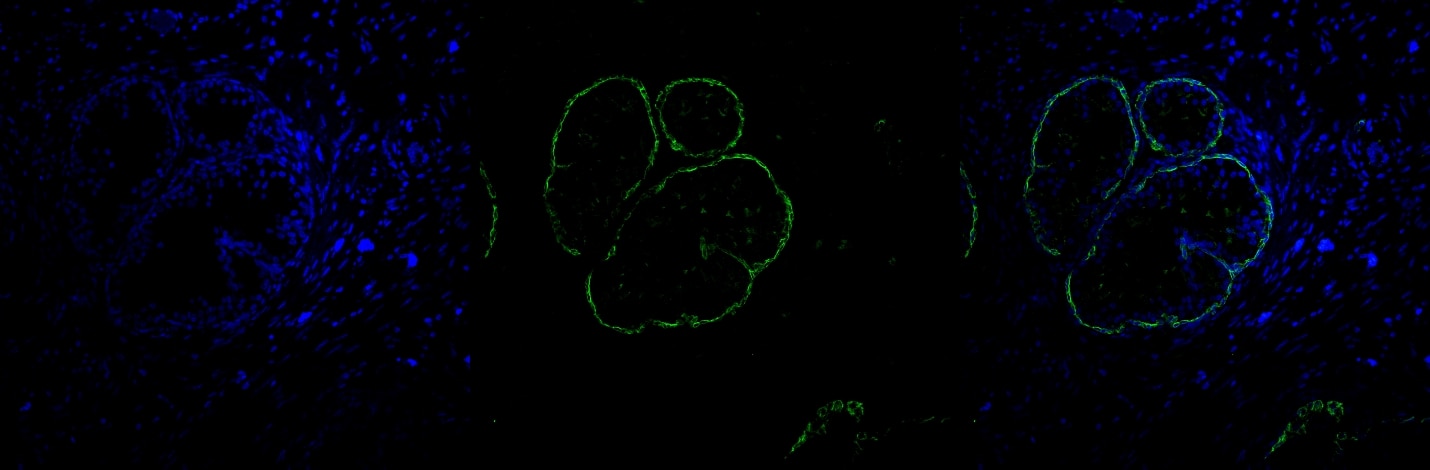
Parmveer (Verified Customer) (10-20-2019) | Worked well to detect basal cells around the prostate gland of formalin fixed tissue
 |
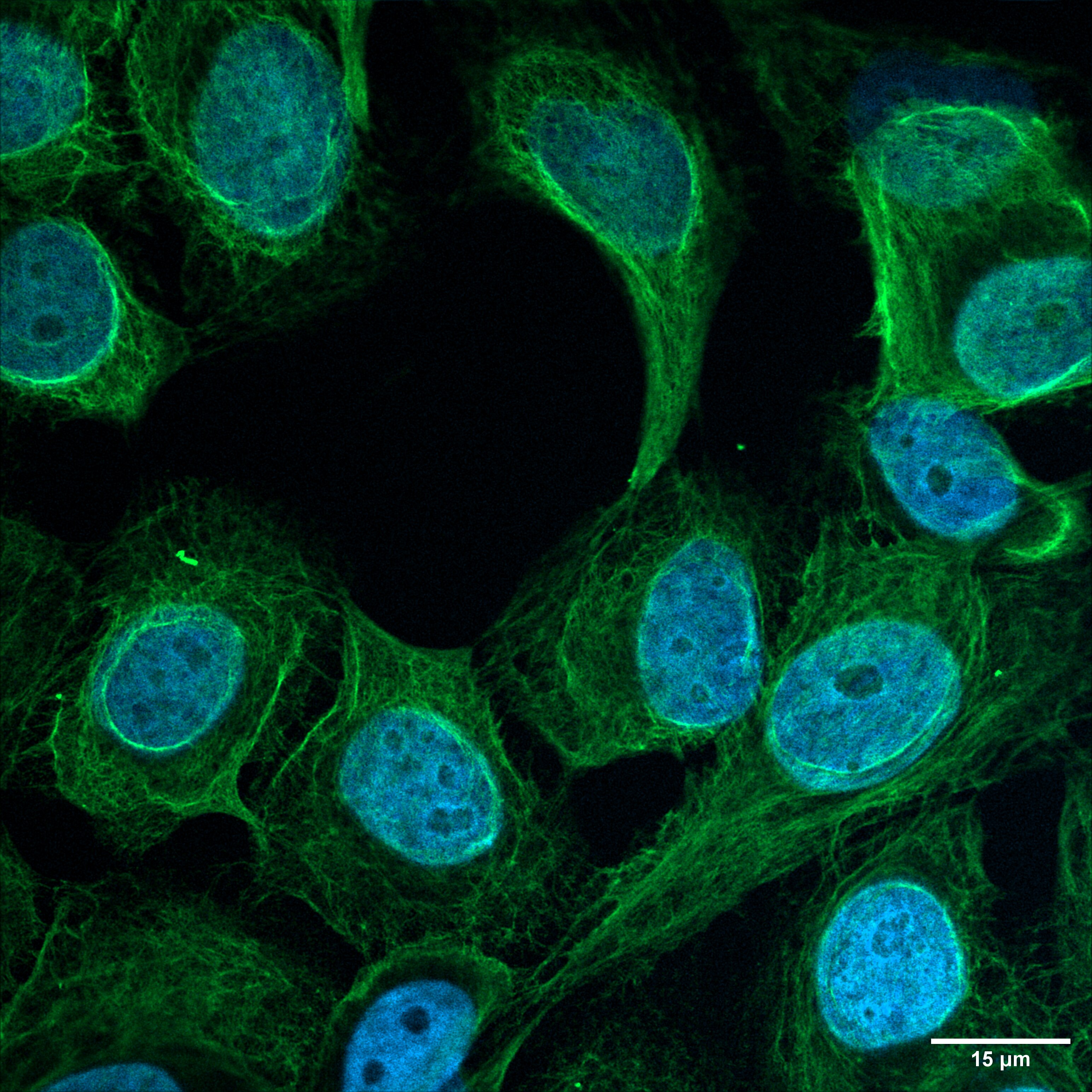
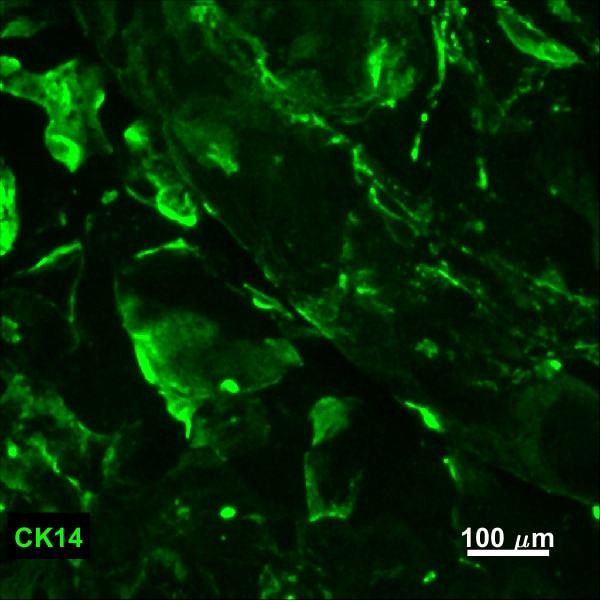
Joshua (Verified Customer) (05-10-2019) | Human Keratinocytes fixed in 4% paraformaldehyde and stained for KRT14. Goat anti-rabbit 488. Bright, specific staining observed.
 |

