
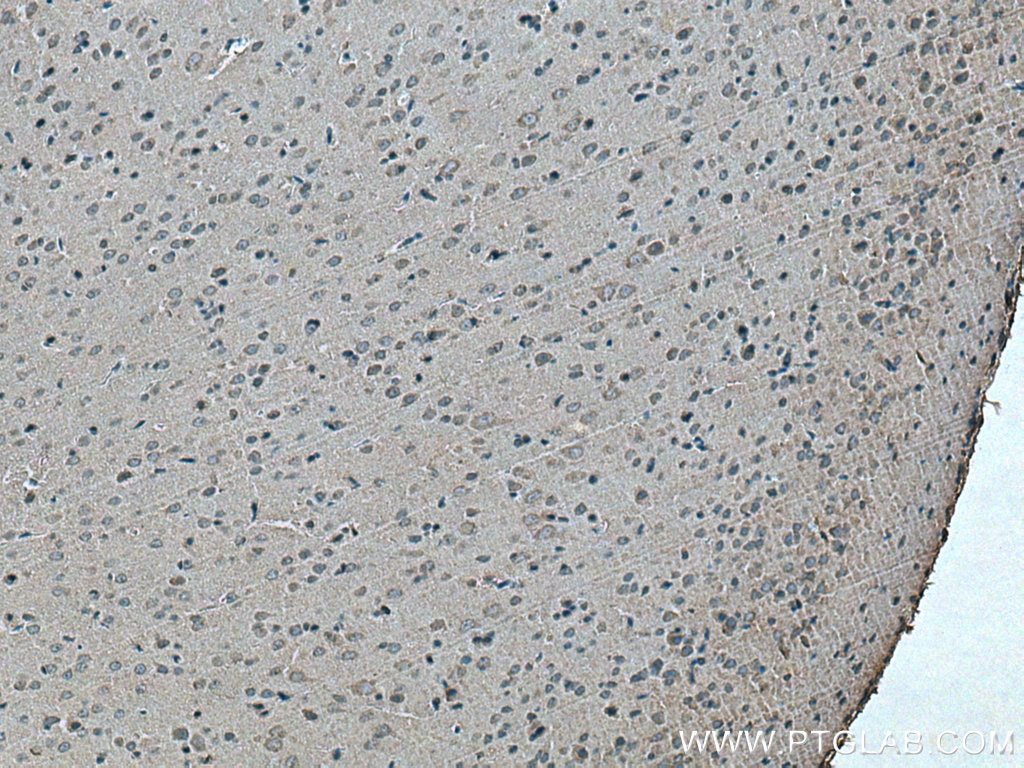
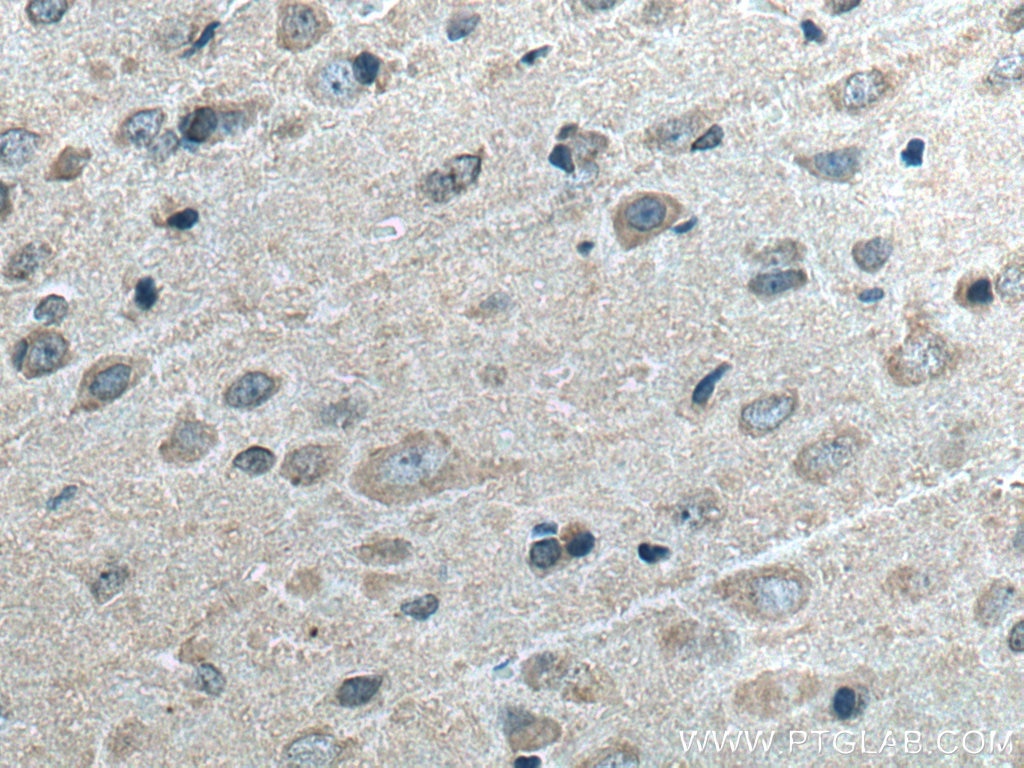
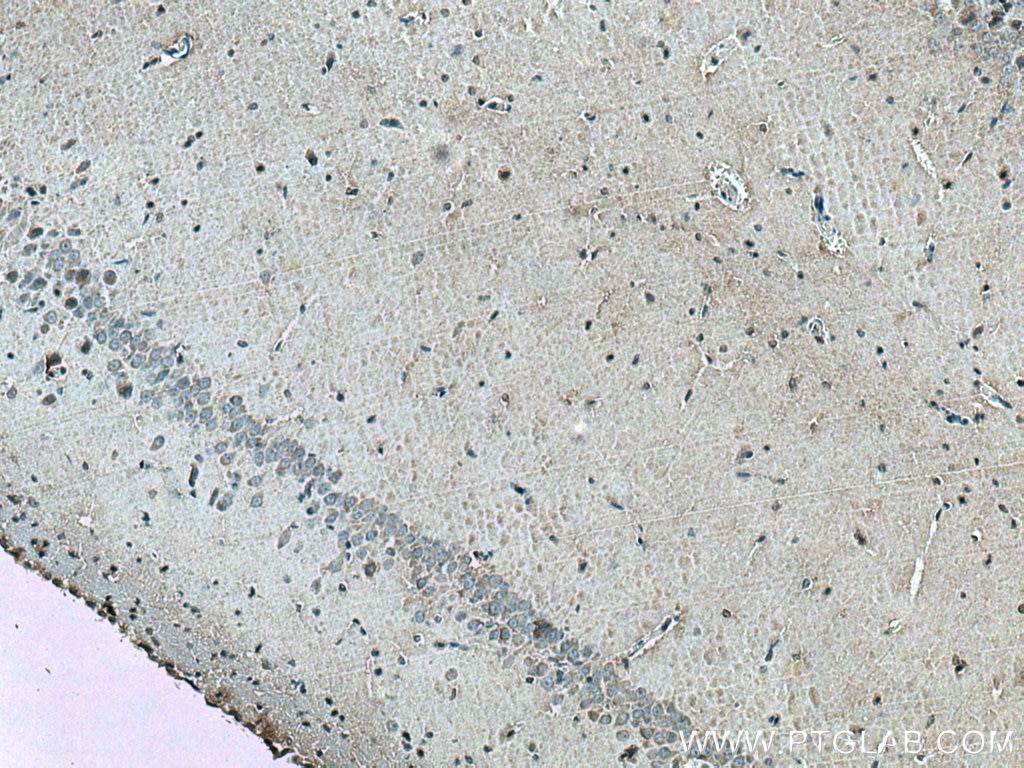
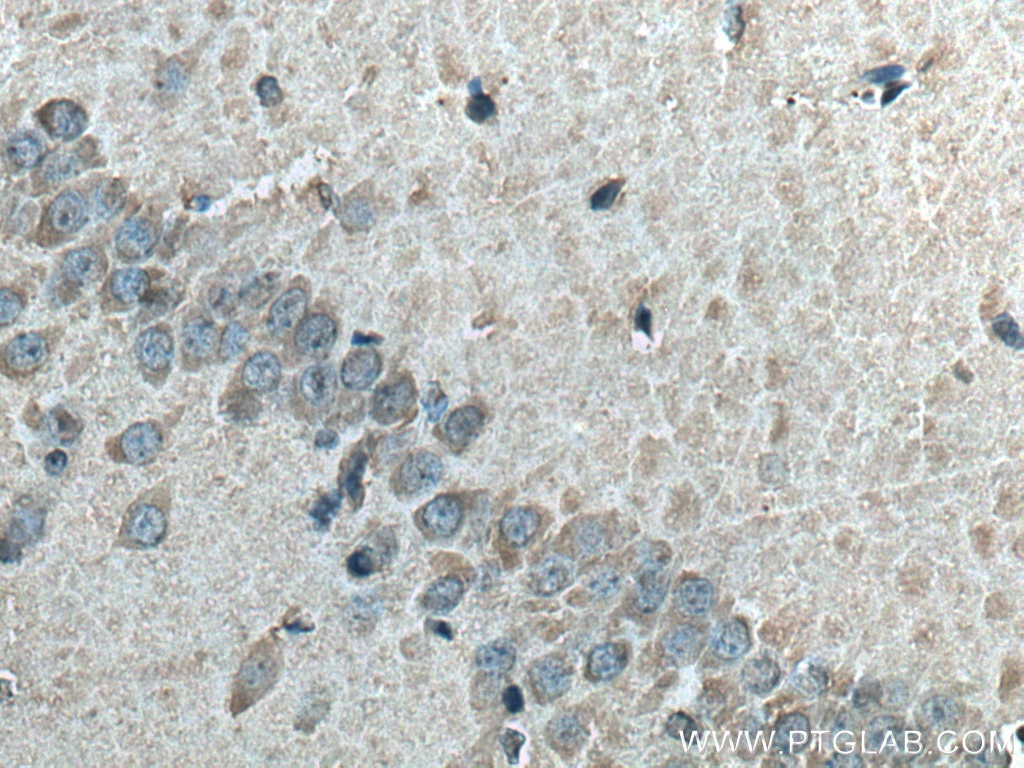

Tested Applications
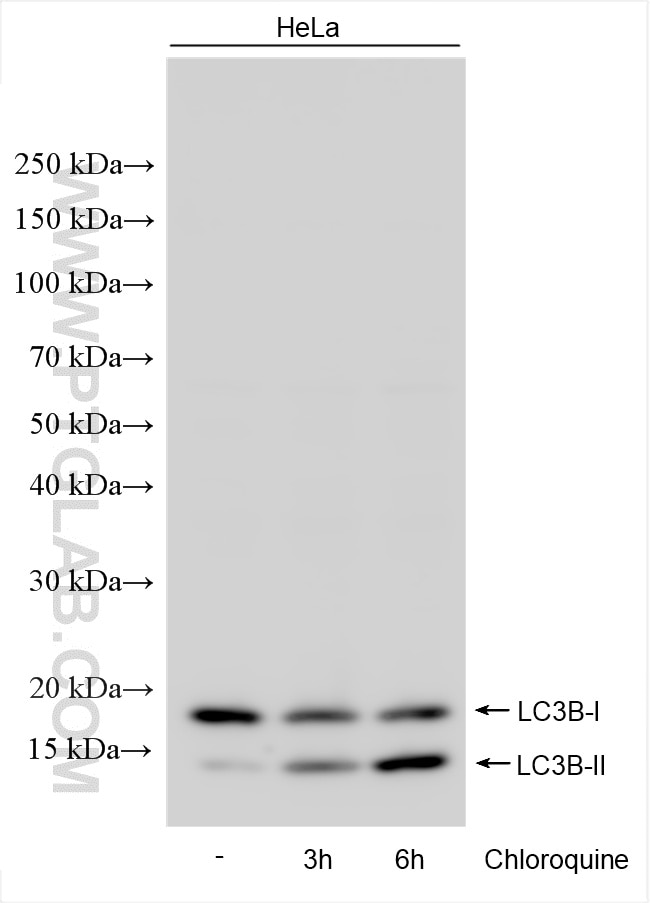
| Positive WB detected in | HeLa cells, Chloroquine treated HeLa cells |
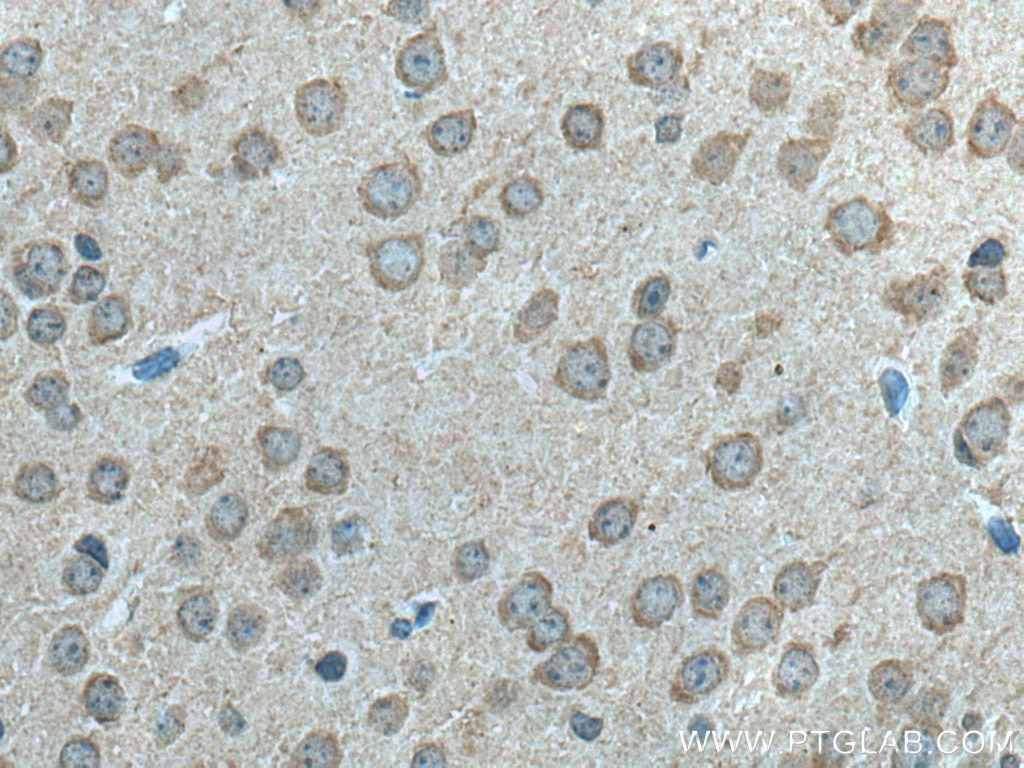
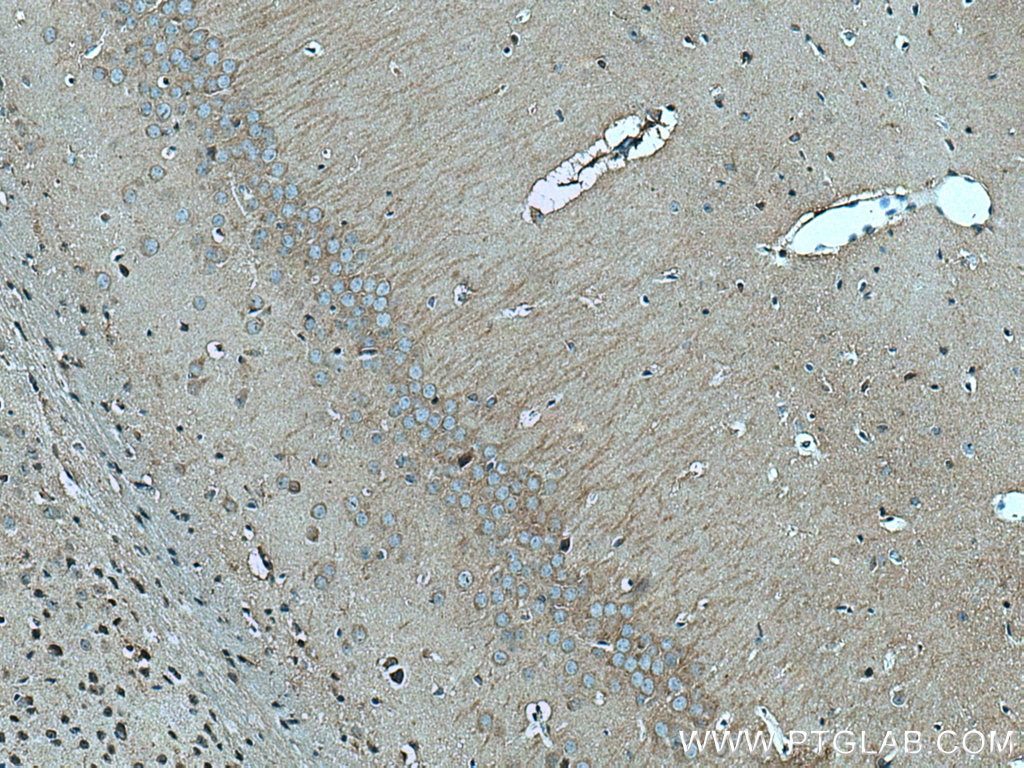
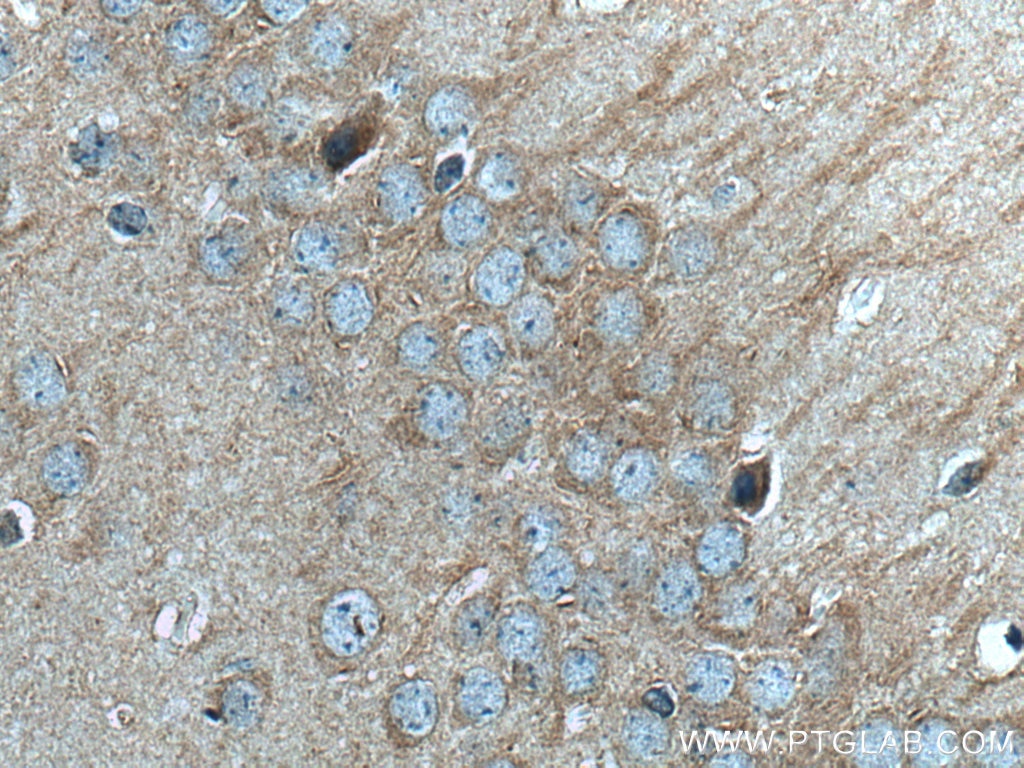
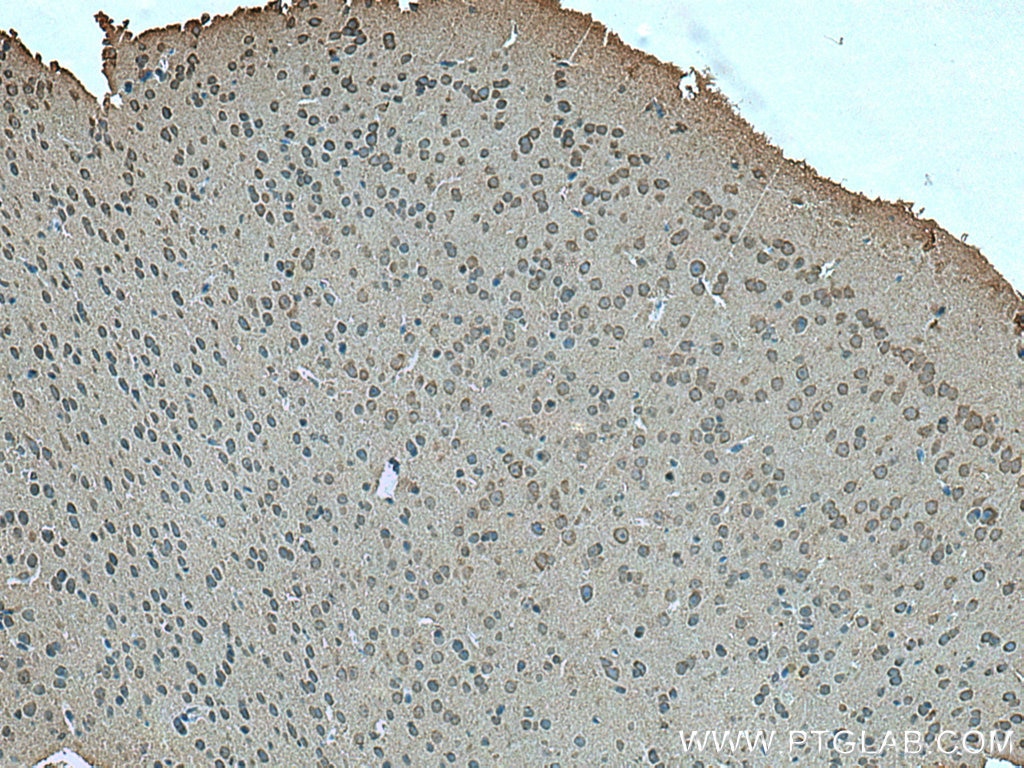
| Positive IHC detected in | mouse brain tissue, rat brain tissue Note: suggested antigen retrieval with TE buffer pH 9.0; (*) Alternatively, antigen retrieval may be performed with citrate buffer pH 6.0 |
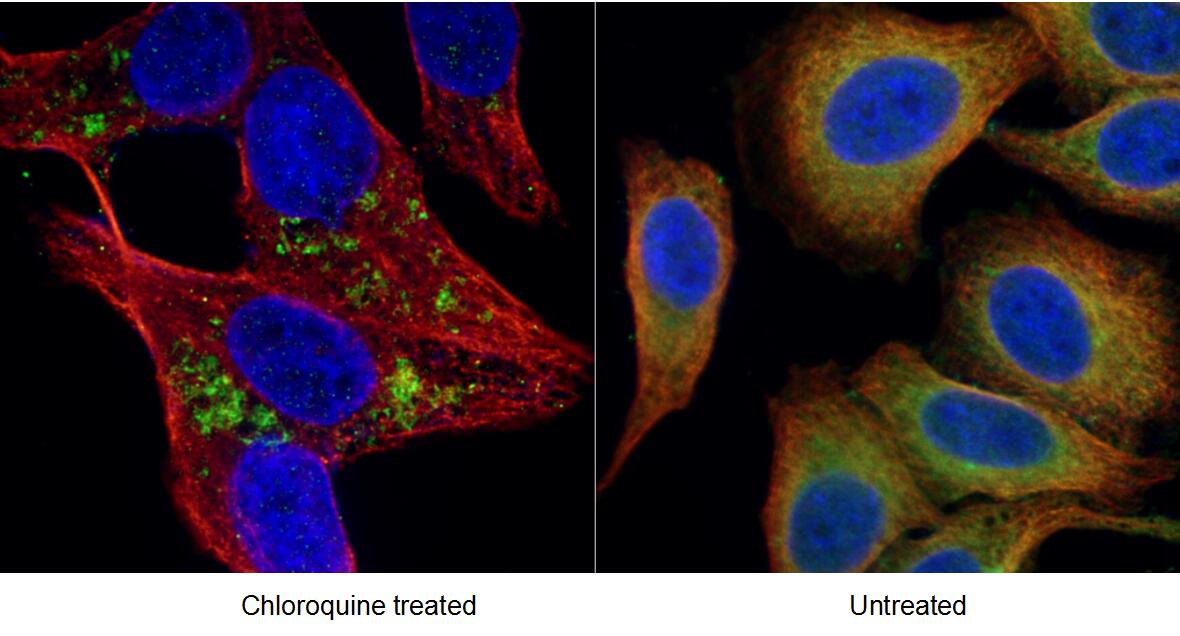
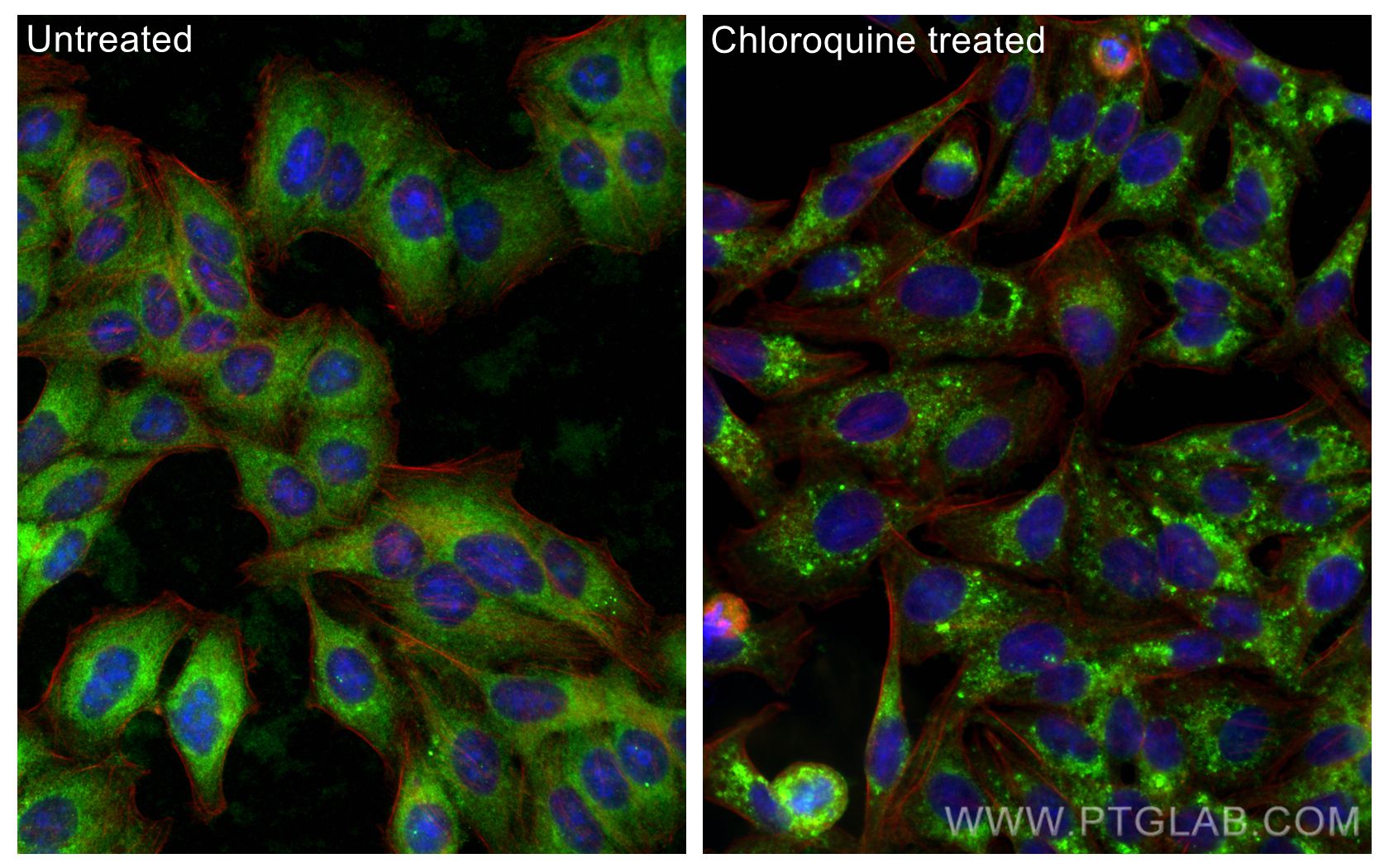
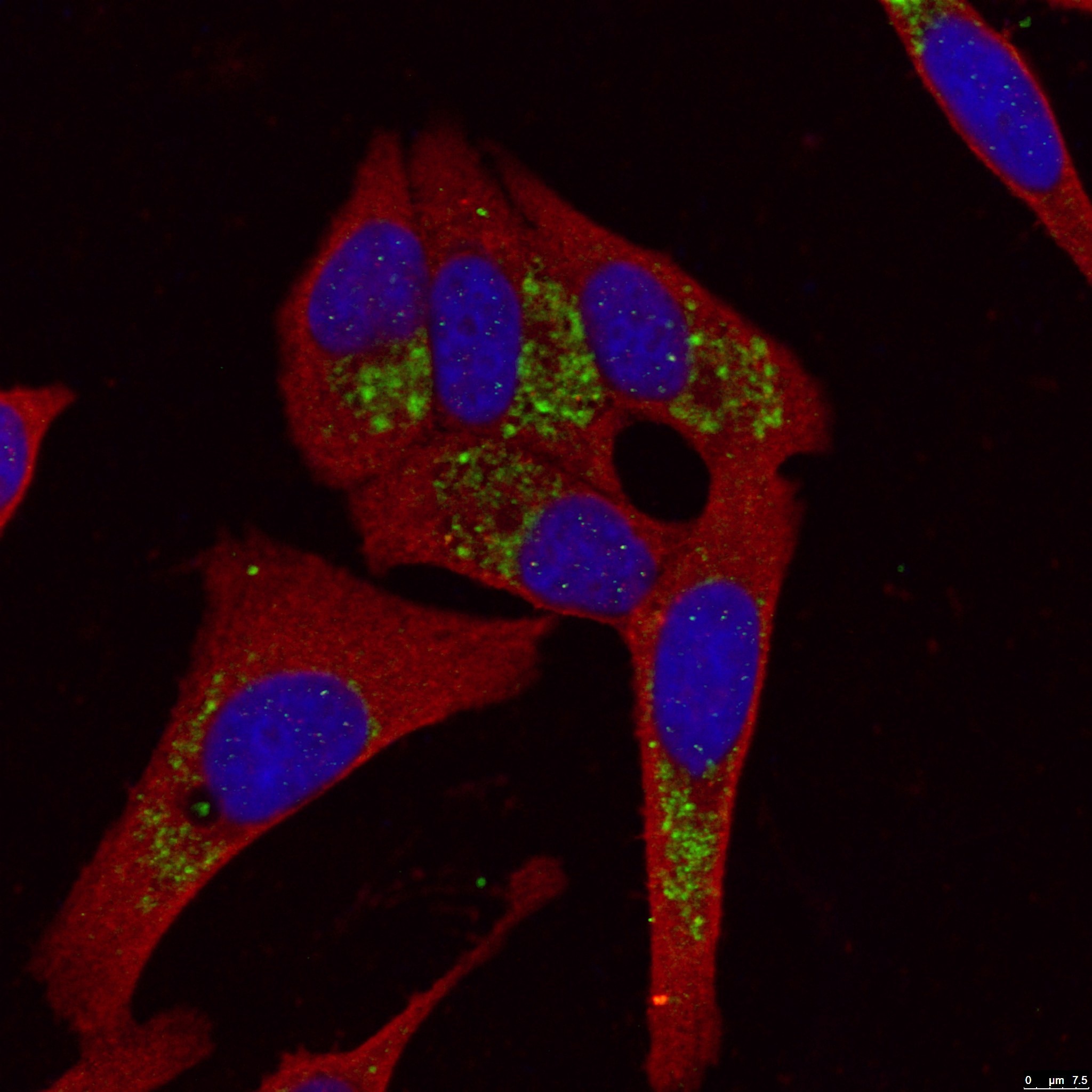
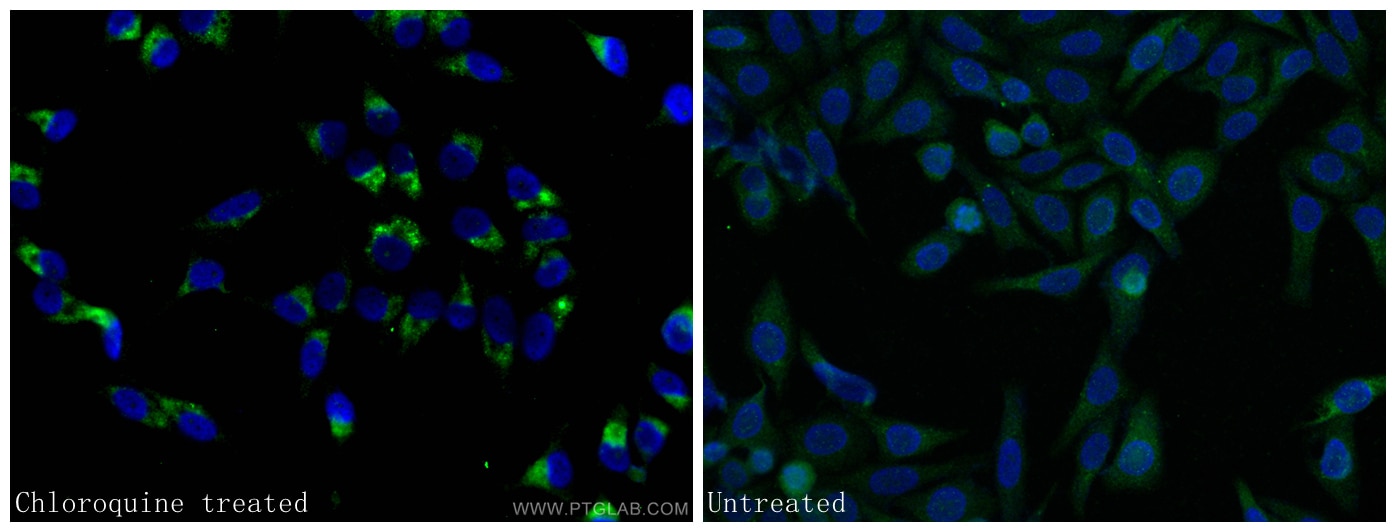
| Positive IF/ICC detected in | Chloroquine treated HepG2 cells, HepG2 cells |
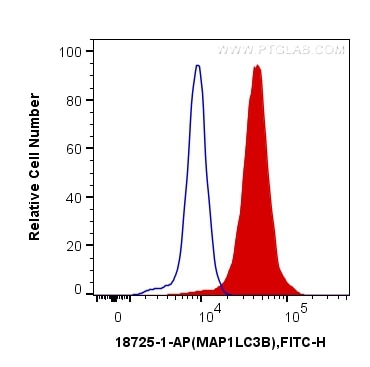
| Positive FC (Intra) detected in | HeLa cells |
Recommended dilution
| Application | Dilution |
|---|---|
| Western Blot (WB) | WB : 1:500-1:3000 |
| Immunohistochemistry (IHC) | IHC : 1:50-1:500 |
| Immunofluorescence (IF)/ICC | IF/ICC : 1:50-1:500 |
| Flow Cytometry (FC) (INTRA) | FC (INTRA) : 0.40 ug per 10^6 cells in a 100 µl suspension |
| It is recommended that this reagent should be titrated in each testing system to obtain optimal results. | |
| Sample-dependent, Check data in validation data gallery. | |
Product Information
18725-1-AP targets LC3B-Specific in WB, IHC, IF/ICC, FC (Intra), IP, CoIP, ELISA applications and shows reactivity with human, mouse, rat samples.
| Tested Reactivity | human, mouse, rat |
| Cited Reactivity | human, mouse, rat, pig, chicken, zebrafish, bovine |
| Host / Isotype | Rabbit / IgG |
| Class | Polyclonal |
| Type | Antibody |
| Immunogen |
Peptide Predict reactive species |
| Full Name | microtubule-associated protein 1 light chain 3 beta |
| Calculated Molecular Weight | 15 kDa |
| Observed Molecular Weight | 15 kDa, 18 kDa |
| GenBank Accession Number | NM_022818 |
| Gene Symbol | LC3B |
| Gene ID (NCBI) | 81631 |
| ENSEMBL Gene ID | ENSG00000140941 |
| RRID | AB_2137745 |
| Conjugate | Unconjugated |
| Form | Liquid |
| Purification Method | Antigen affinity purification |
| UNIPROT ID | Q9GZQ8 |
| Storage Buffer | PBS with 0.02% sodium azide and 50% glycerol, pH 7.3. |
| Storage Conditions | Store at -20°C. Stable for one year after shipment. Aliquoting is unnecessary for -20oC storage. 20ul sizes contain 0.1% BSA. |
Background Information
䍌䈳污潳渠浡摥愠䅍ㅐ䍌䈳䅍ㅐ⽁䈱䍌ⰳ戠汥湯獧琠桴䅍ㅐ䰠㍃映浡汩䤠⁴獩愠猠扵湵瑩漠敮牵湯污洠捩潲畴畢敬愭獳捯慩整䅍ㅐ⁁湡䅍ㅐ⁂牰瑯楥獮桷捩牡湩潶癬摥椠業牣瑯扵汵獡敳扭祬愠摮椠灭牯慴瑮映牯渠略潲敧敮楳䤠散汬戠潩潬祧畡潴桰条ⱹ漠畡潴桰条捯瑹獯獩獩愠挠瑡扡汯捩瀠潲散獳椠癮汯楶杮琠敨搠来慲慤楴湯漠散汬猧漠湷挠浯潰敮瑮桴潲杵桴祬潳潳慭浬捡楨敮祲瑉椠慭潪敭档湡獩祢眠楨档愠猠慴癲湩散汬爠慥汬捯瑡獥渠瑵楲湥獴映潲湵敮散獳牡⁹牰捯獥敳潴洠牯ⵥ獥敳瑮慩牰捯獥敳吠潷映牯獭漠䍌ⰳ挠污敬䍌ⴳ⁉ㄨⴷ㤱摫 湡䤭⡉㐱ㄭ欶⥤敷敲瀠潲畤散潰瑳琭慲獮慬楴湯污祬椠慶楲畯散汬䰠㍃䤭椠祣潴潳楬Ᵽ眠敨敲獡䰠㍃䤭⁉獩洠浥牢湡潢湵吠敨瀠敲畣獲牯洠汯捥汵獩挠敬癡摥戠⁹偁㑇⽂呁㑇⁂潴映牯桴祣潴潳楬潦浲䍌ⴳ⹉吠楨獩愠瑣癩瑡摥戠⁹偁㝇⽌呁㝇牴湡晳牥敲潴䄠䝔″湡潣橮杵瑡摥琠桰獯桰汯灩摩琠潦浲琠敨洠浥牢湡ⵥ潢湵潦浲䍌ⴳ䥉桔浡畯瑮漠䍌ⴳ䥉椠潣牲汥瑡摥眠瑩桴硥整瑮漠畡潴桰条獯浯潦浲瑡潩䰠㍃䤭⁉獩琠敨映物瑳洠浡慭楬湡瀠潲整湩椠敤瑮晩敩桴瑡猠数楣楦慣汬⁹獡潳楣瑡獥眠瑩畡潴桰条獯浯敭扭慲敮䴠偁䰱㍃栠獡㌠椠潳潦浲䅍ㅐ䍌䄳䅍ㅐ䍌䈳愠摮䴠偁䰱㍃⹃䴠偁䰱㍃⁁湡䅍ㅐ䍌䌳愠敲瀠潲畤散祢琠敨瀠潲整汯瑹捩挠敬癡条晡整桴潣獮牥敶ⵃ整浲湩污䜠祬爠獥摩敵楬敫琠敨物爠瑡挠畯瑮牥慰瑲䅍ㅐ䍌䈳搠敯潮⁴湵敤杲ⵃ整浲湩污挠敬癡条湡硥獩獴椠楳杮敬洠摯晩敩潦浲桔獩愠瑮扩摯⁹獩猠数楣楦潴䰠㍃⹂
Protocols
| Product Specific Protocols | |
|---|---|
| FC protocol for LC3B-Specific antibody 18725-1-AP | Download protocol |
| IF protocol for LC3B-Specific antibody 18725-1-AP | Download protocol |
| IHC protocol for LC3B-Specific antibody 18725-1-AP | Download protocol |
| WB protocol for LC3B-Specific antibody 18725-1-AP | Download protocol |
| Standard Protocols | |
|---|---|
| Click here to view our Standard Protocols |
Publications
What published studies show
The LC3B-Specific Polyclonal antibody (Cat# 18725-1-AP) has 493 total citations spanning journals including Nature, Autophagy, Cell Death & Disease, Advanced Science, Biomaterials, and International Journal of Molecular Sciences. Research fields encompass autophagy and mitophagy, cancer biology, neurodegenerative diseases, cardiovascular disorders, diabetes, ferroptosis, mitochondrial biology, inflammation, and environmental toxicology.
| Species | Application | Title |
|---|---|---|
Cell Res Suppression of MAPK11 or HIPK3 reduces mutant Huntingtin levels in Huntington's disease models. | ||
J Extracell Vesicles Hepatitis A virus structural protein pX interacts with ALIX and promotes the secretion of virions and foreign proteins through exosome-like vesicles. | ||
Am J Respir Crit Care Med Acid Sphingomyelinase Inhibition Attenuates Cell Death in Mechanically-Ventilated Newborn Rat Lung. | ||
Nat Neurosci The mitochondrial unfolded protein response in human microglia disrupts neuronal-glial communication and promotes senescence. | ||
Autophagy An integrative multi-omics approach uncovers the regulatory role of CDK7 and CDK4 in autophagy activation induced by silica nanoparticles. |
Reviews
What customers say
Users report mixed results. Several reviewers found the antibody effective for Western blotting in cell lines and mouse brain tissue, with one noting strong IHC labeling in primary rat cortical neurons. However, others experienced issues: one reported strong non-specific bands above 20 kDa that obscured the LC3B signal, and another found only weak detection in cell lysates and nearly no signal in extracellular vesicles. Overall, performance appears sample-dependent, working well in some contexts but showing limitations in others.
The reviews below have been submitted by verified Proteintech customers who received an incentive for providing their feedback.
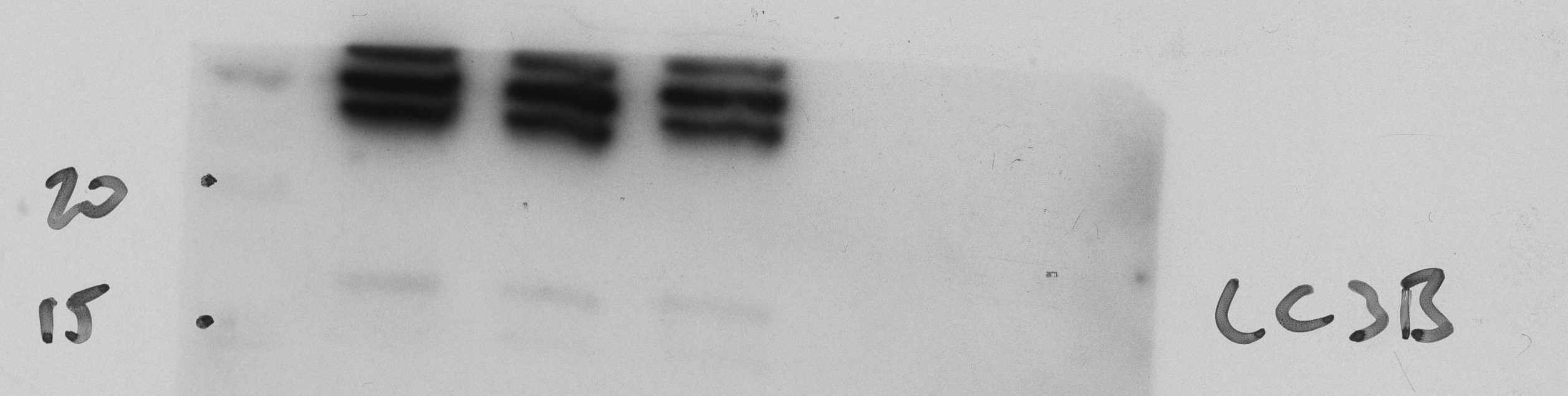
Jacob (Verified Customer) (07-23-2026) | Has a very strong non-specific banding pattern above 20kDa, so the LC3B was faint. 2*
 |
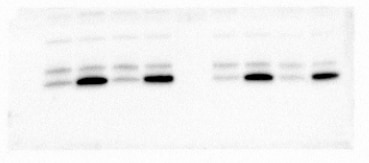
Alicia (Verified Customer) (09-30-2025) | Control microglia derived from iPSC with and without bafilomycin. Drug treated microglia derived from iPSC with and without bafilomycin.
 |
Allegra (Verified Customer) (09-30-2025) | Work for cell lysates only in concentration 1:500 and this is only slightly detectable. In extracellular vesicles nearly no signal.
|
Azita (Verified Customer) (06-02-2021) | Western blot analysis using LC3B-Specific Polyclonal antibody in NSC34 cell line at dilution of 1:300. Immunohistochemistry labelling of primary rat cortical neurons using LC3B-Specific Polyclonal antibody at dilution of 1:500 showed strong labelling.
|
Tanusree (Verified Customer) (12-03-2019) | The antibody works great in Western blotting analysis.
|

