


Tested Applications
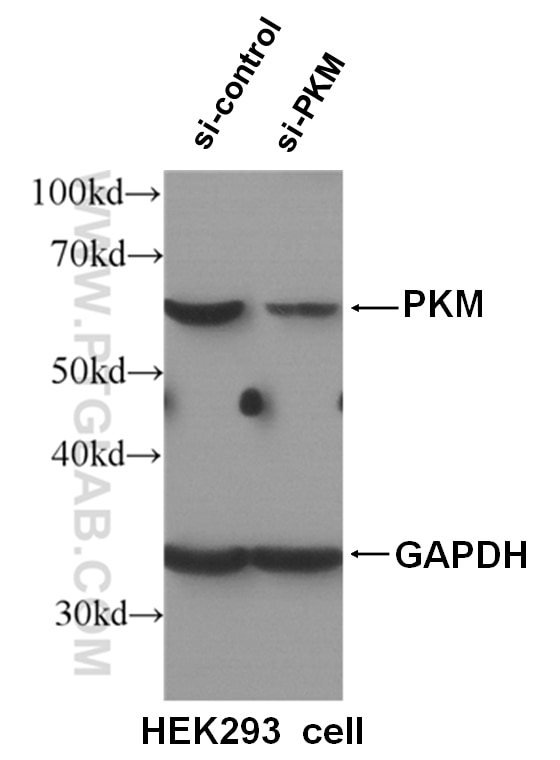
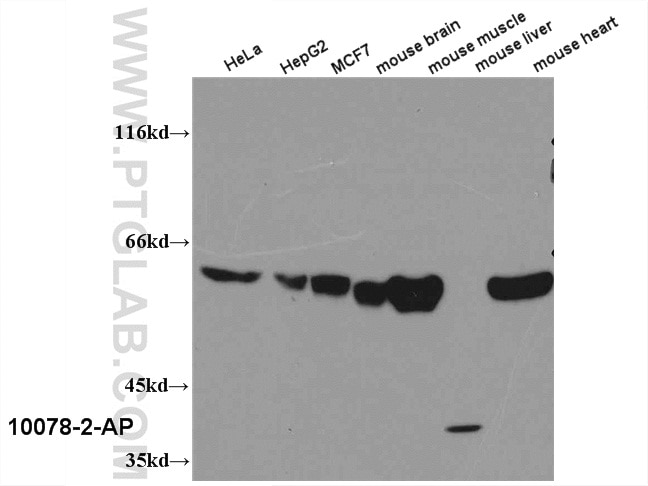
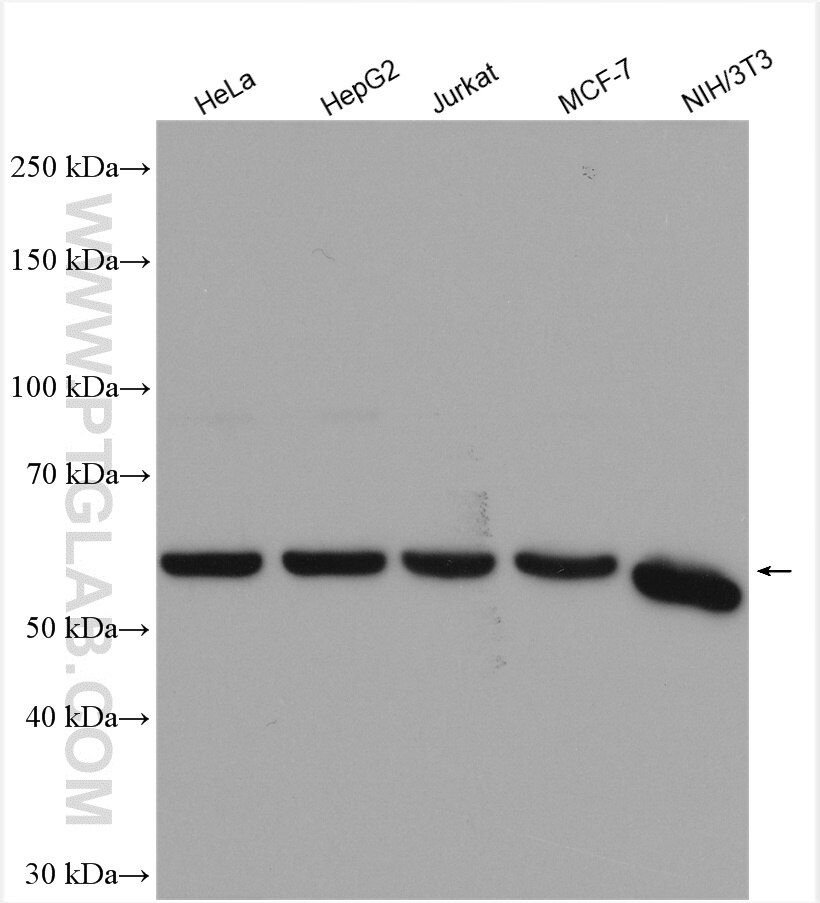
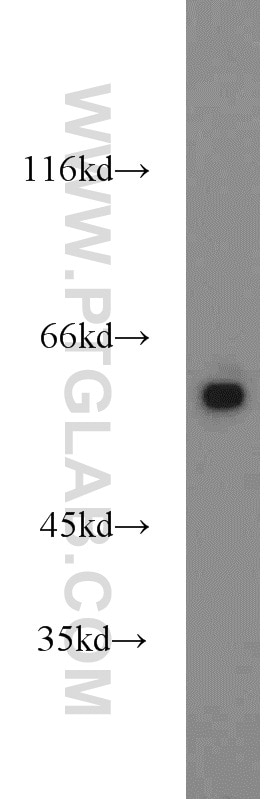
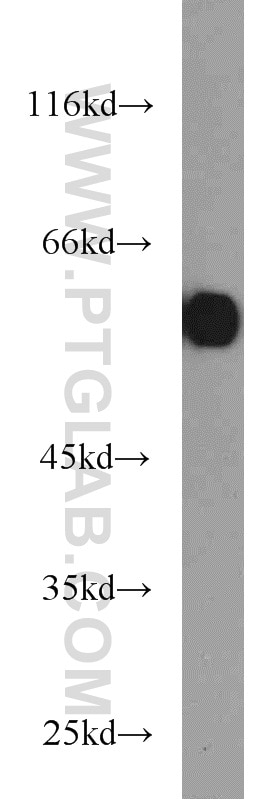
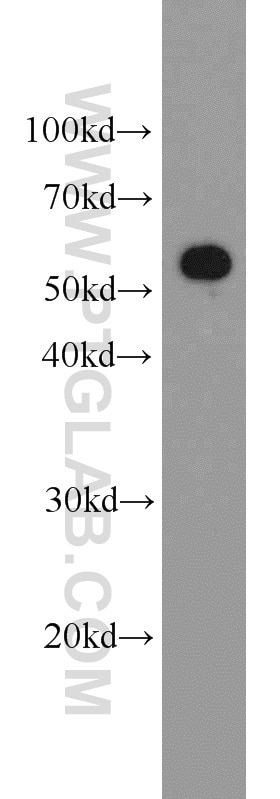
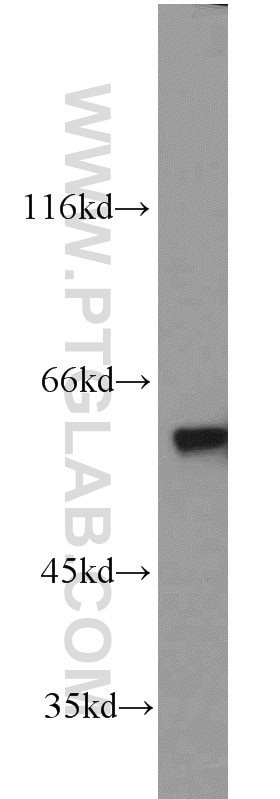
| Positive WB detected in | HeLa cells, HEK-293 cells, mouse brain tissue, multi-cells/tissue, Raji cells, SH-SY5Y cells, SKOV-3 cells, HepG2 cells, Jurkat cells, MCF-7 cells, NIH/3T3 cells, mouse skeletal muscle tissue, rat skeletal muscle tissue, mouse muscle tissue, mouse heart tissue |
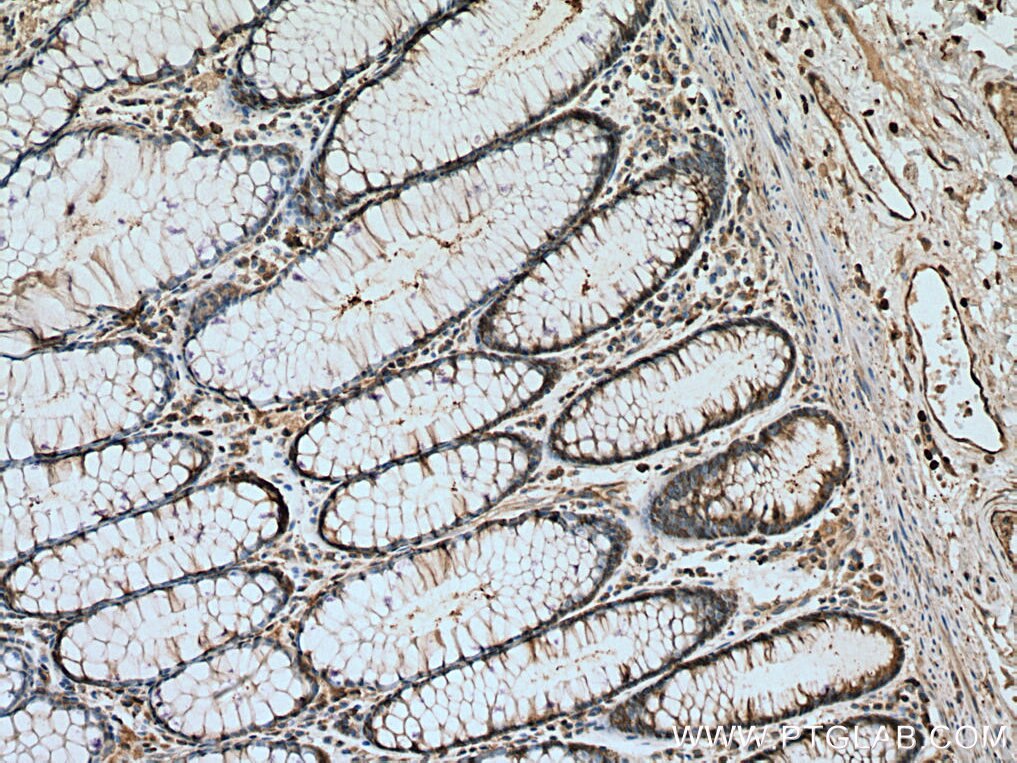
| Positive IHC detected in | human colon cancer tissue Note: suggested antigen retrieval with TE buffer pH 9.0; (*) Alternatively, antigen retrieval may be performed with citrate buffer pH 6.0 |
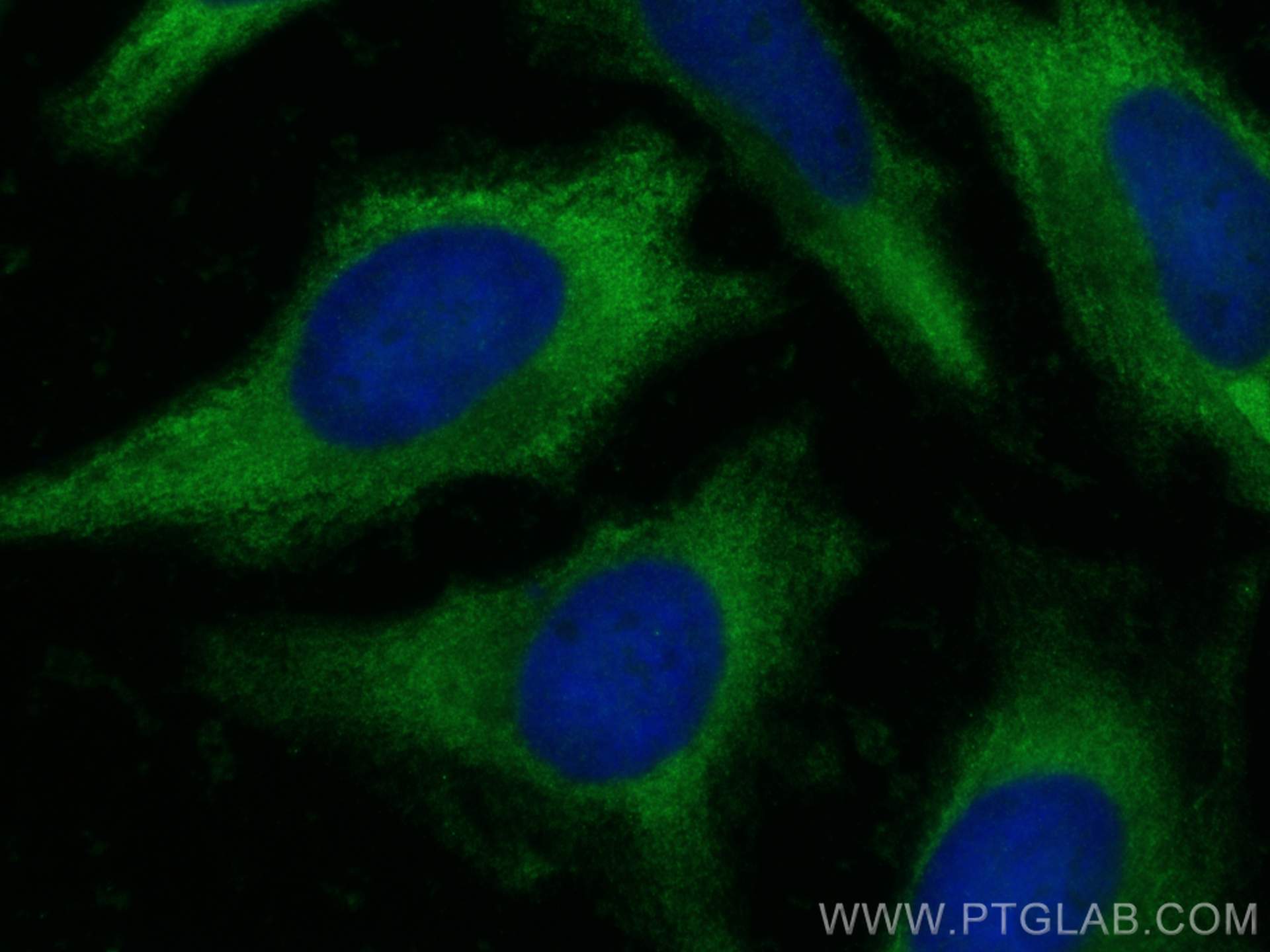
| Positive IF/ICC detected in | HeLa cells |
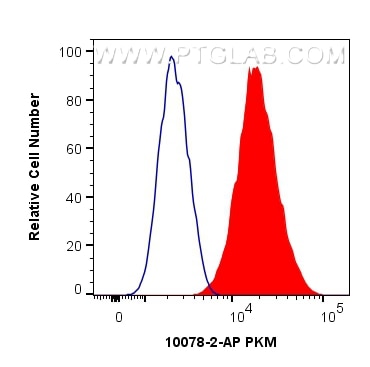
| Positive FC (Intra) detected in | HepG2 cells |
Recommended dilution
| Application | Dilution |
|---|---|
| Western Blot (WB) | WB : 1:1000-1:4000 |
| Immunohistochemistry (IHC) | IHC : 1:250-1:1000 |
| Immunofluorescence (IF)/ICC | IF/ICC : 1:200-1:800 |
| Flow Cytometry (FC) (INTRA) | FC (INTRA) : 0.40 ug per 10^6 cells in a 100 ul suspension |
| It is recommended that this reagent should be titrated in each testing system to obtain optimal results. | |
| Sample-dependent, Check data in validation data gallery. | |
Product Information
10078-2-AP targets PKM in WB, IHC, IF/ICC, FC (Intra), IP, ELISA applications and shows reactivity with human, mouse, rat samples.
| Tested Reactivity | human, mouse, rat |
| Cited Reactivity | human, mouse, rat, pig |
| Host / Isotype | Rabbit / IgG |
| Class | Polyclonal |
| Type | Antibody |
| Immunogen |
CatNo: Ag0110 Product name: Recombinant human PKM protein Source: e coli.-derived, PGEX-4T Tag: GST Domain: 11-221 aa of BC000481 Sequence: AFIQTQQLHAAMADTFLEHMCRLDIDSPPITARNTGIICTIGPASRSVETLKEMIKSGMNVARLNFSHGTHEYHAETIKNVRTATESFASDPILYRPVAVALDTKGPEIRTGLIKGSGTAEVELKKGATLKITLDNAYMEKCDENILWLDYKNICKVVEVGSKIYVDDGLISLQVKQKGADFLVTEVENGGSLGSKKGVNLPGAAVDLPAV Predict reactive species |
| Full Name | PKM pyruvate kinase, muscle |
| Calculated Molecular Weight | 58 kDa |
| Observed Molecular Weight | 58 kDa |
| GenBank Accession Number | BC000481 |
| Gene Symbol | PKM |
| Gene ID (NCBI) | 5315 |
| RRID | AB_2283775 |
| Conjugate | Unconjugated |
| Form | Liquid |
| Purification Method | Antigen affinity purification |
| UNIPROT ID | P14618 |
| Storage Buffer | PBS with 0.02% sodium azide and 50% glycerol, pH 7.3. |
| Storage Conditions | Store at -20°C. Stable for one year after shipment. Aliquoting is unnecessary for -20oC storage. 20ul sizes contain 0.1% BSA. |
Background Information
PKM, also named as OIP3, PK2, PK3, PKM1/2, p58, THBP1, CTHBP and Tumor M2-PK, belongs to the pyruvate kinase family. It is glycolytic enzyme that catalyzes the transfer of a phosphoryl group from phosphoenolpyruvate (PEP) to ADP, generating ATP. It stimulates POU5F1-mediated transcriptional activation. PKM plays a general role in caspase independent cell death of tumor cells. PKM has 2 isoforms named as PKM1/M2. The activity of the M2 isoform can be inhibited by tyrosine kinase signalling in tumourcells. The primary pyruvate kinase isoform before tumour development is PKM1; however, the primary isoform from four independent tumours is PKM2.(PMID:18337823). This antibody can recognize both PKM1 and PKM2.
Protocols
| Product Specific Protocols | |
|---|---|
| FC protocol for PKM antibody 10078-2-AP | Download protocol |
| IF protocol for PKM antibody 10078-2-AP | Download protocol |
| IHC protocol for PKM antibody 10078-2-AP | Download protocol |
| WB protocol for PKM antibody 10078-2-AP | Download protocol |
| Standard Protocols | |
|---|---|
| Click here to view our Standard Protocols |
Publications
What published studies show
PKM Polyclonal antibody (10078-2-AP) has 43 total citations. These appear in journals including Autophagy, Science Advances, Advanced Science, Journal of Nanobiotechnology, Journal of Controlled Release, Molecular Psychiatry, British Journal of Pharmacology, Cancer Science, and many others. The research fields span cancer biology (hepatocellular, breast, colorectal, pancreatic, glioblastoma, melanoma, and osteosarcoma, frequently involving glycolysis and metabolic reprogramming), cellular metabolism, neurobiology (traumatic brain injury, myopia, antidepressant mechanisms), nephrology, cardiovascular disease, and reproductive disorders. Applications cited are predominantly WB, along with IHC, IF, and IP.
| Species | Application | Title |
|---|---|---|
Autophagy Histone lactylation stimulated upregulation of PSMD14 alleviates neuron PANoptosis through deubiquitinating PKM/PKM2 to activate PINK1-mediated mitophagy after traumatic brain injury | ||
J Nanobiotechnology Iron-based MOF with Catalase-like activity improves the synergistic therapeutic effect of PDT/ferroptosis/starvation therapy by reversing the tumor hypoxic microenvironment | ||
Adv Sci (Weinh) G6PC Downregulation Promotes Renal Calcium Oxalate Stone Formation via Lactate-Induced SNAIL1 K206 Lactylation and Epithelial-Mesenchymal Transition. | ||
Sci Adv CGG repeat RNA G-quadruplexes interact with FMRpolyG to cause neuronal dysfunction in fragile X-related tremor/ataxia syndrome. | ||
Smart Med TP53 mutation-related senescence is an indicator of hepatocellular carcinoma patient outcomes from multiomics profiles | ||
J Control Release Biomimetic gold nanocages incorporating copper-human serum albumin for tumor immunotherapy via cuproptosis-lactate regulation |


