


Tested Applications
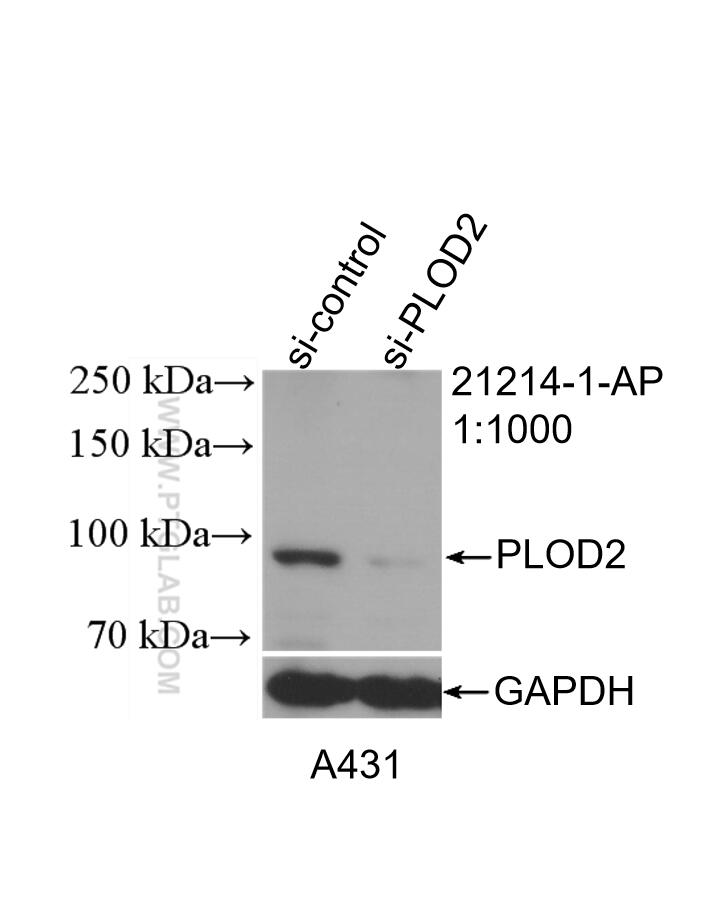
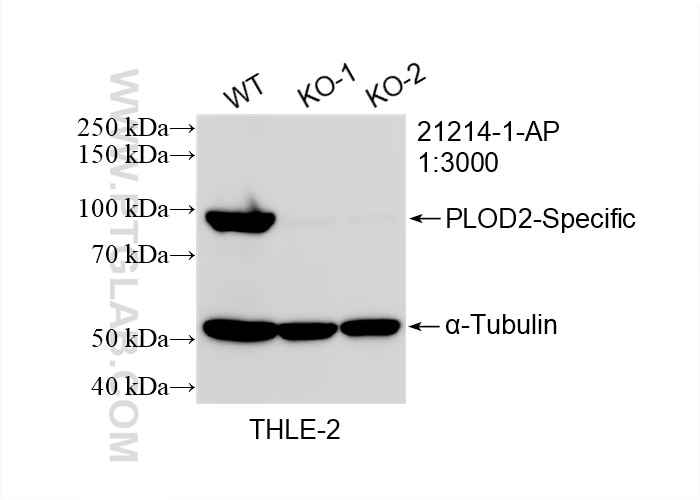
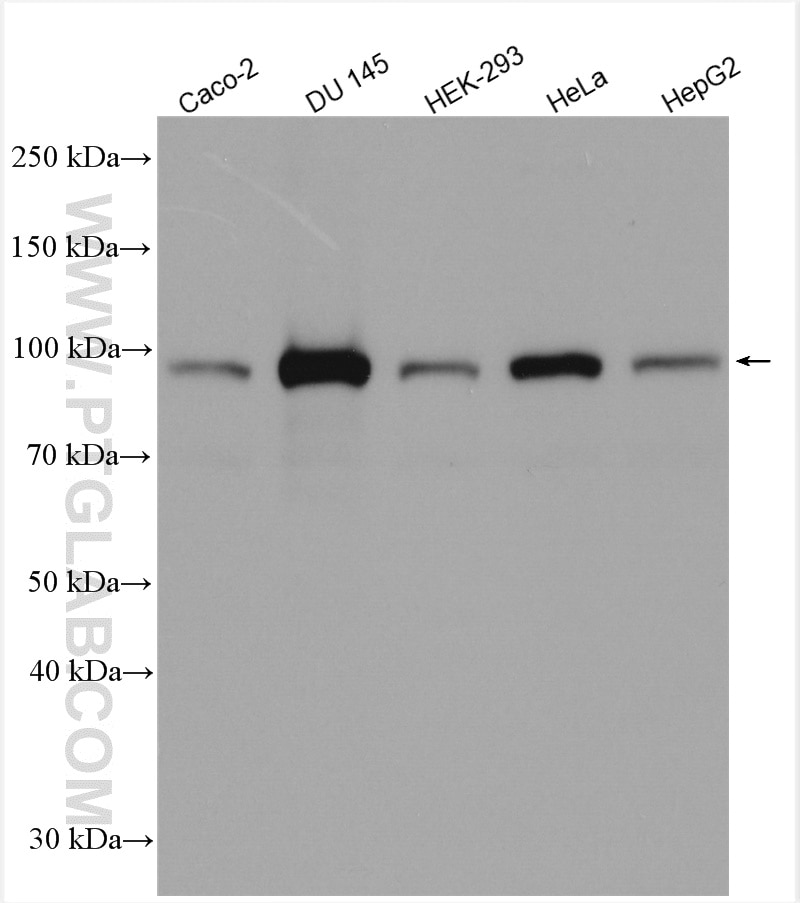
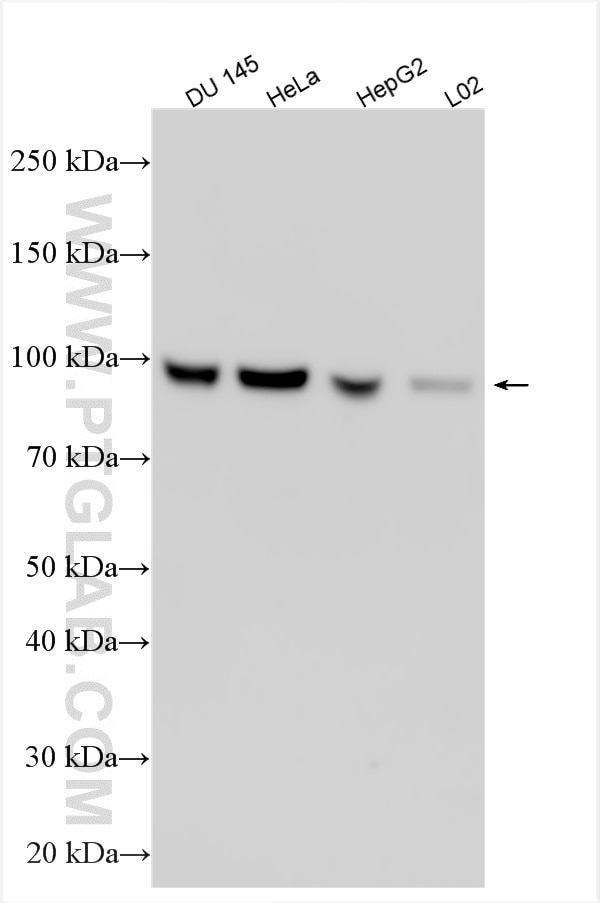
| Positive WB detected in | DU 145 cells, A431 cells, Caco-2 cells, THLE-2 cells, HEK-293 cells, HeLa cells, HepG2 cells, L02 cells |
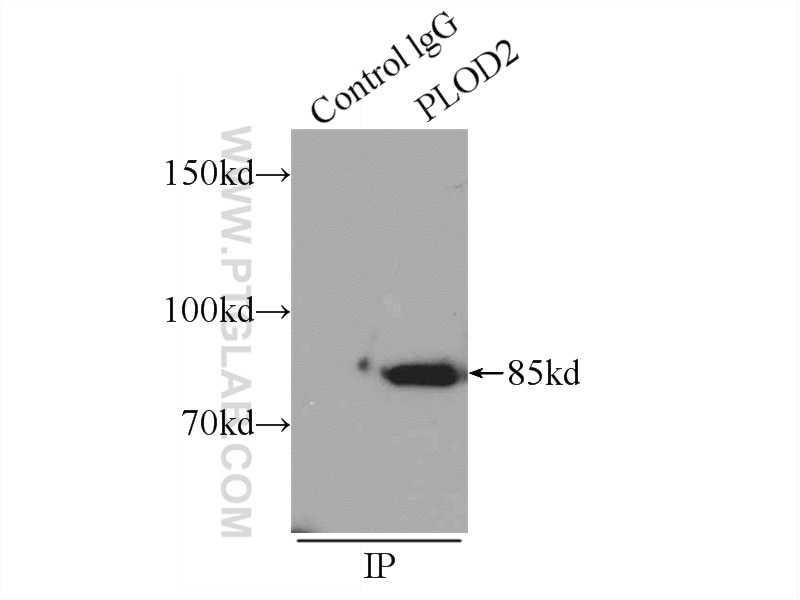
| Positive IP detected in | mouse testis tissue |
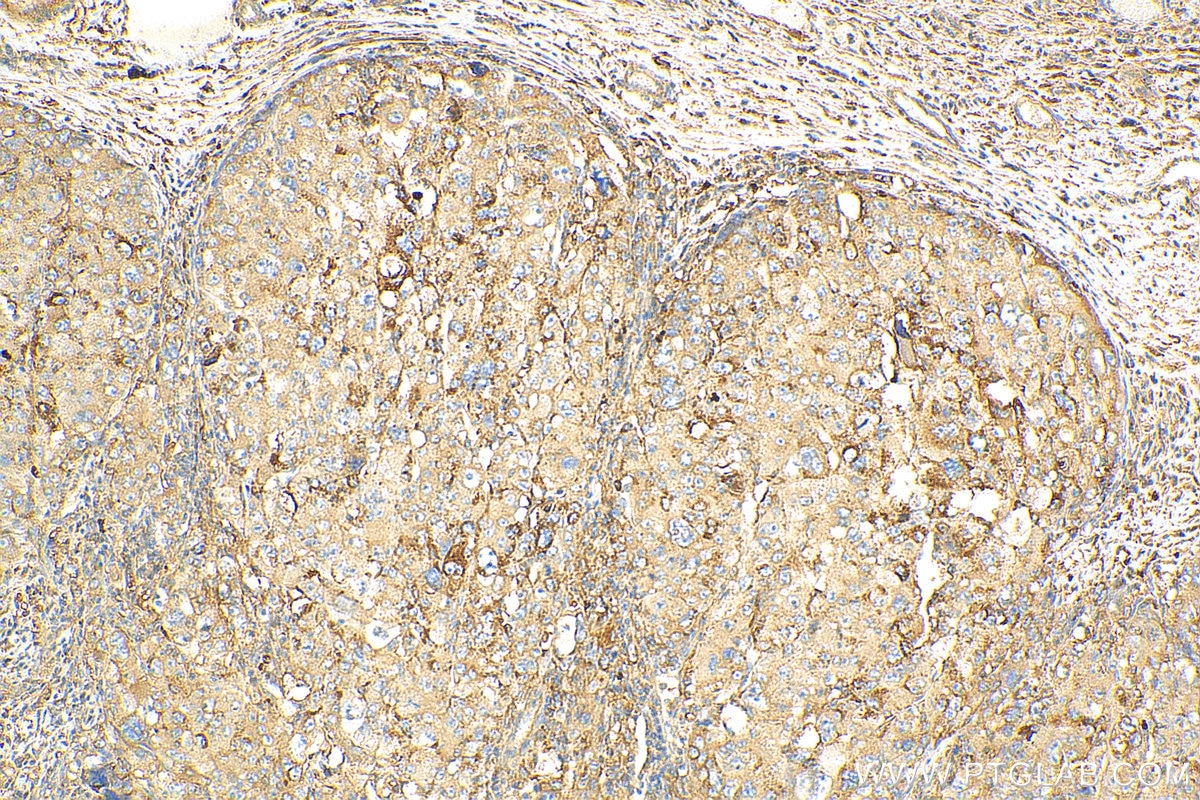
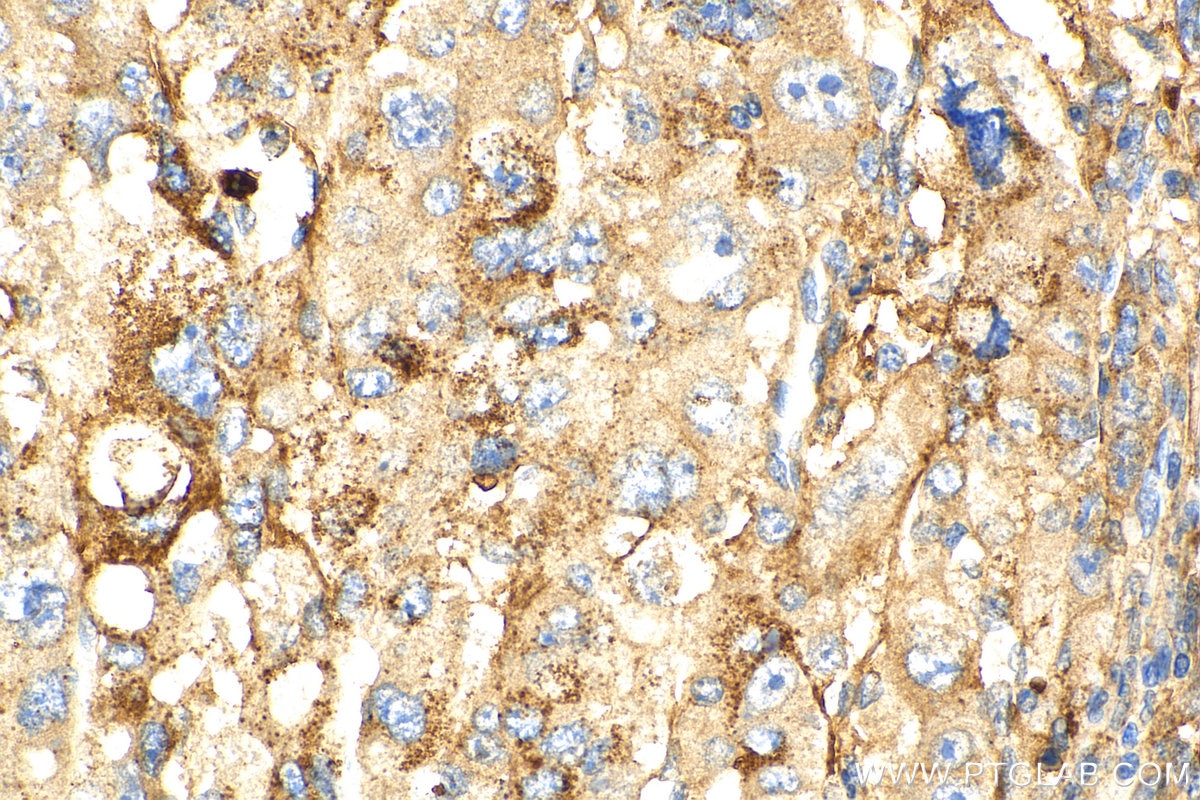
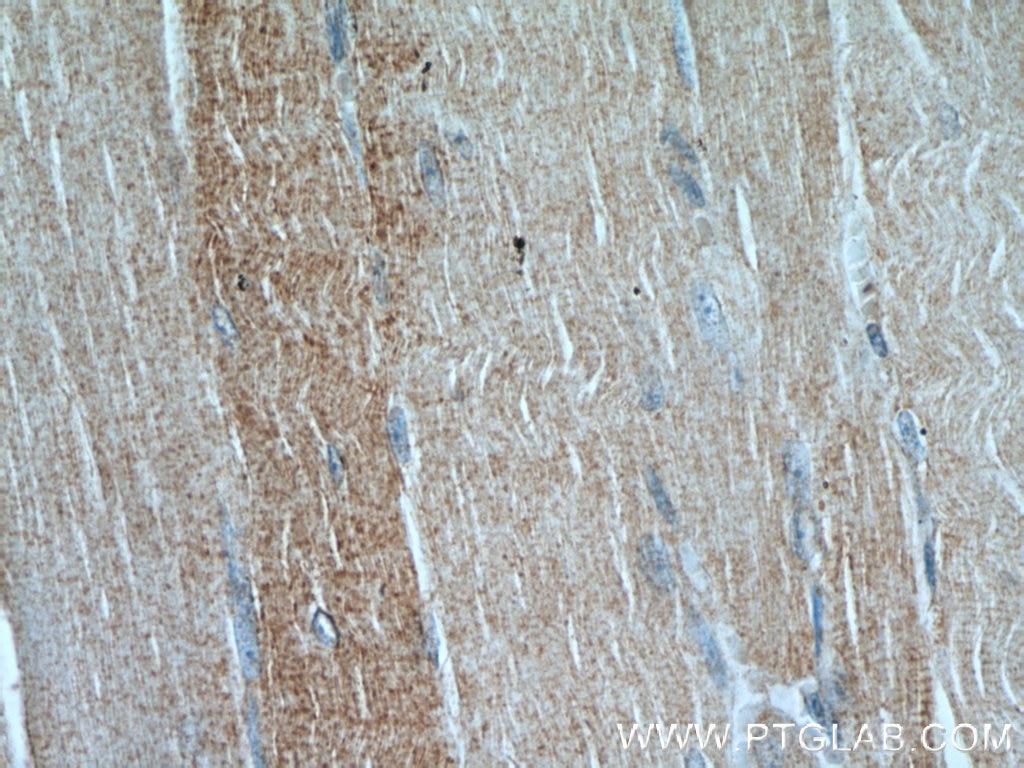
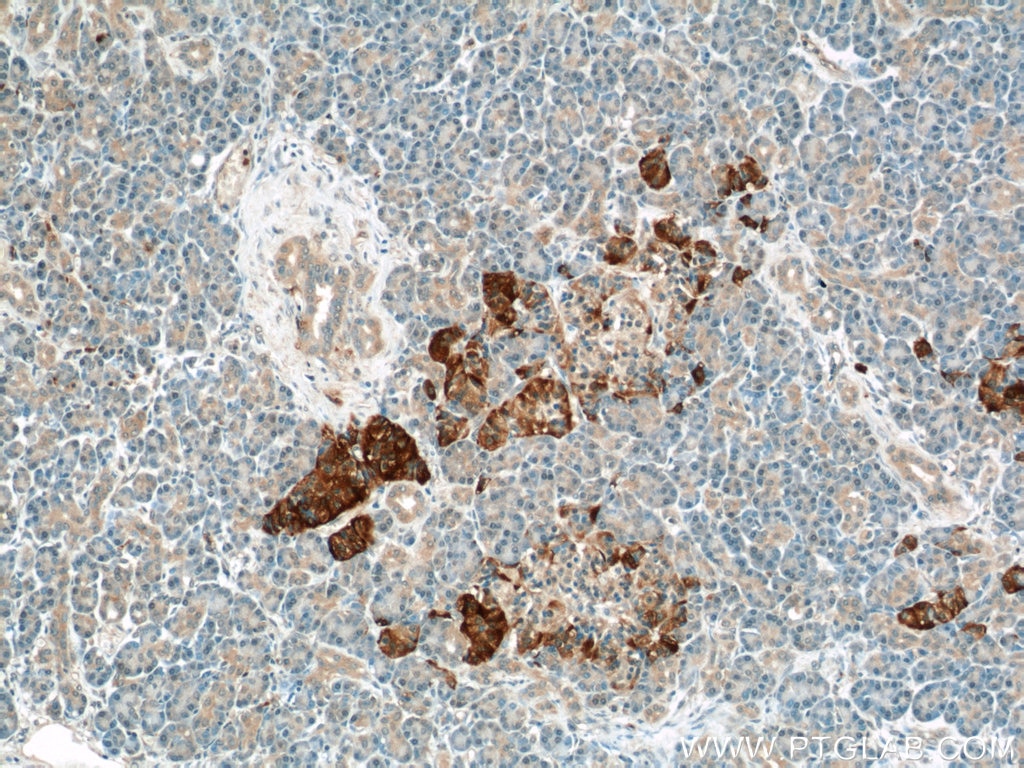
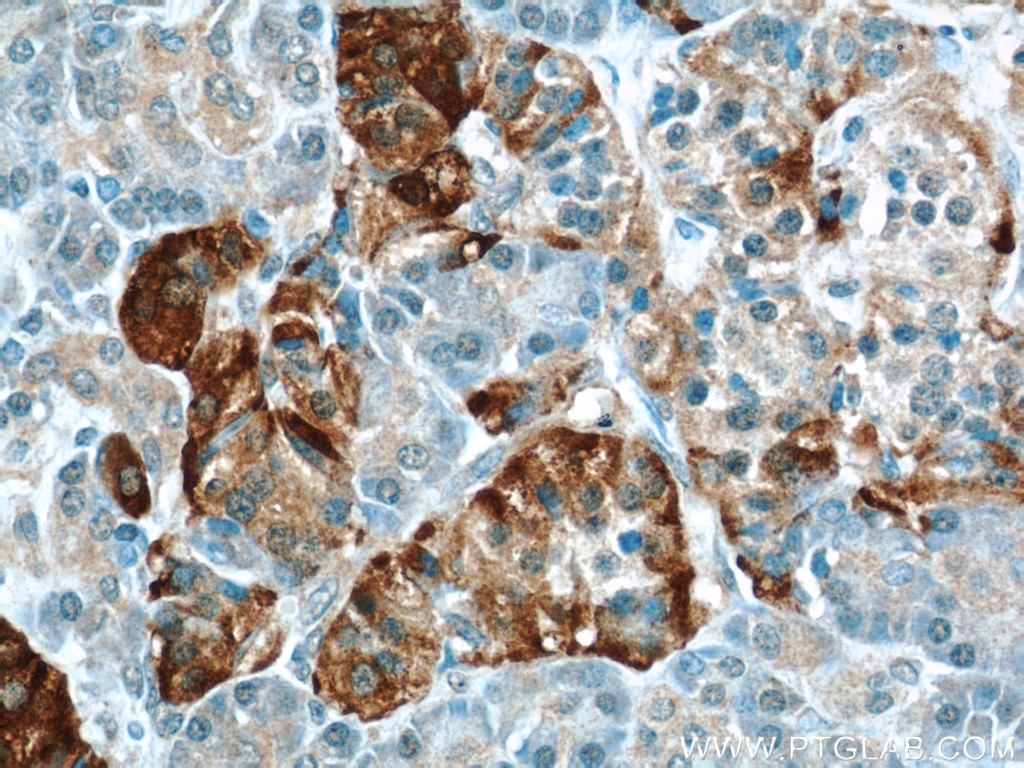
| Positive IHC detected in | human liver cancer tissue, human pancreas tissue, human skeletal muscle tissue Note: suggested antigen retrieval with TE buffer pH 9.0; (*) Alternatively, antigen retrieval may be performed with citrate buffer pH 6.0 |
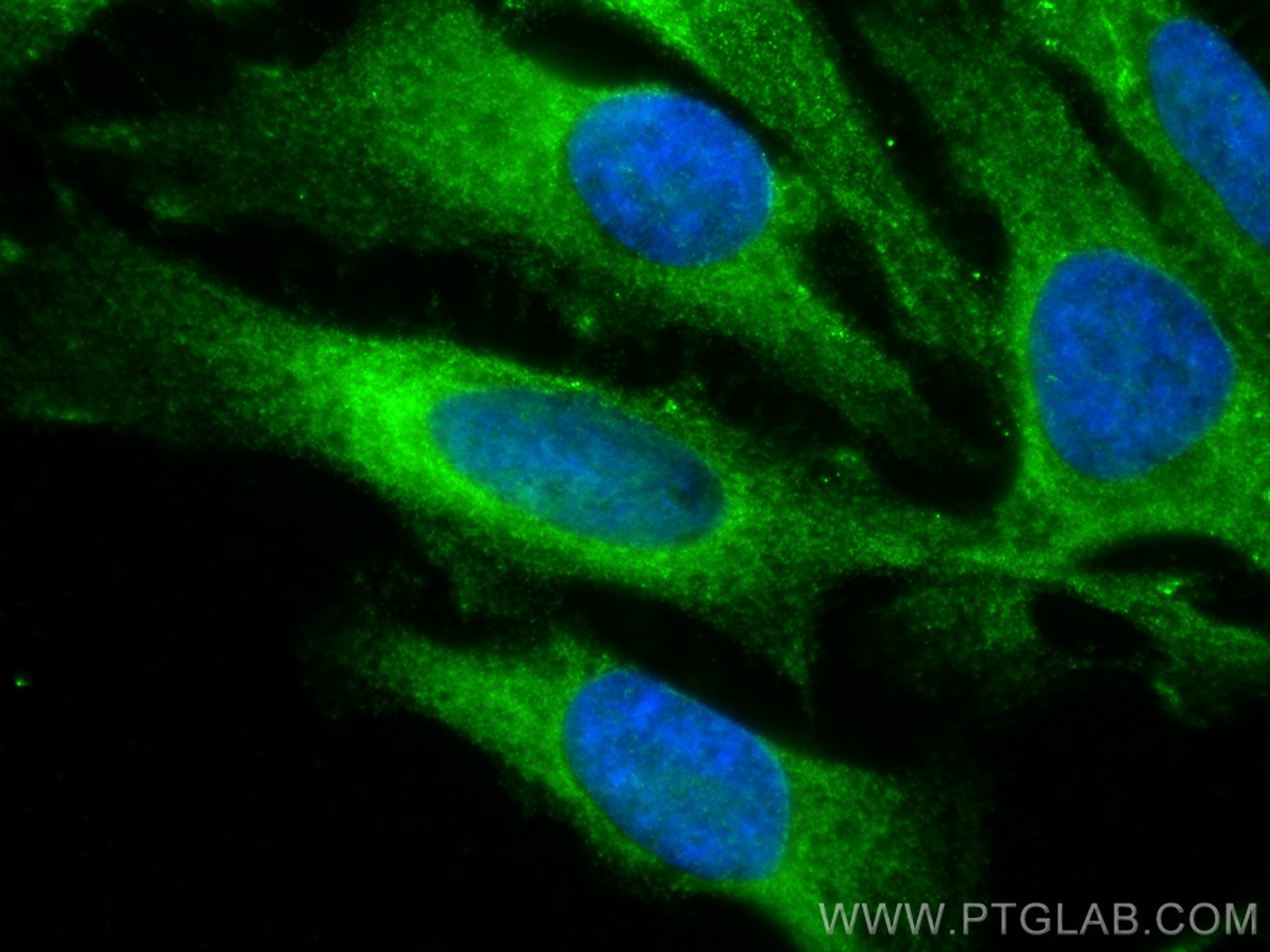
| Positive IF/ICC detected in | HeLa cells |
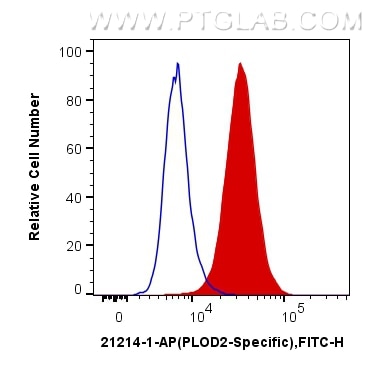
| Positive FC (Intra) detected in | HeLa cells |
Recommended dilution
| Application | Dilution |
|---|---|
| Western Blot (WB) | WB : 1:2000-1:10000 |
| Immunoprecipitation (IP) | IP : 0.5-4.0 ug for 1.0-3.0 mg of total protein lysate |
| Immunohistochemistry (IHC) | IHC : 1:50-1:500 |
| Immunofluorescence (IF)/ICC | IF/ICC : 1:50-1:500 |
| Flow Cytometry (FC) (INTRA) | FC (INTRA) : 0.40 ug per 10^6 cells in a 100 ul suspension |
| It is recommended that this reagent should be titrated in each testing system to obtain optimal results. | |
| Sample-dependent, Check data in validation data gallery. | |
Product Information
21214-1-AP targets PLOD2 in WB, IHC, IF/ICC, FC (Intra), IP, ELISA applications and shows reactivity with human, mouse, rat samples.
| Tested Reactivity | human, mouse, rat |
| Cited Reactivity | human, mouse, rabbit, zebrafish |
| Host / Isotype | Rabbit / IgG |
| Class | Polyclonal |
| Type | Antibody |
| Immunogen |
CatNo: Ag15614 Product name: Recombinant human PLOD2 protein Source: e coli.-derived, PGEX-4T Tag: GST Domain: 459-540 aa of BC037169 Sequence: PYMANVYLIKGKTLRSEMNERNYFVRDKLDPDMALCRNAREMTLQREKDSPTPETFQMLSPPKGVFMYISNRHEFGRLLSTA Predict reactive species |
| Full Name | procollagen-lysine, 2-oxoglutarate 5-dioxygenase 2 |
| Calculated Molecular Weight | 758 aa, 85 kDa |
| Observed Molecular Weight | 87 kDa |
| GenBank Accession Number | BC037169 |
| Gene Symbol | PLOD2 |
| Gene ID (NCBI) | 5352 |
| RRID | AB_10733347 |
| Conjugate | Unconjugated |
| Form | Liquid |
| Purification Method | Antigen affinity purification |
| UNIPROT ID | O00469 |
| Storage Buffer | PBS with 0.02% sodium azide and 50% glycerol, pH 7.3. |
| Storage Conditions | Store at -20°C. Stable for one year after shipment. Aliquoting is unnecessary for -20oC storage. 20ul sizes contain 0.1% BSA. |
Background Information
PLOD2,also named as LH2, forms hydroxylysine residues in -Xaa-Lys-Gly- sequences in collagens. It is a potential novel prognostic factor for HCC patients following surgery. Among the PLOD genes, PLOD2 contributes to cancer prognosis and angiogenesis. Several authors have reported that PLOD2 expression might provide prognostic information about malignant tumours such as glioblastoma. PLOD2 expression is a useful biomarker for the effects of antiangiogenic treatment for malignancy. (PMID:22098155). It has 2 isoforms produced by alternative splicing and seven glycosylation sites.This antibody is specific to PLOD2.
Protocols
| Product Specific Protocols | |
|---|---|
| FC protocol for PLOD2 antibody 21214-1-AP | Download protocol |
| IF protocol for PLOD2 antibody 21214-1-AP | Download protocol |
| IHC protocol for PLOD2 antibody 21214-1-AP | Download protocol |
| IP protocol for PLOD2 antibody 21214-1-AP | Download protocol |
| WB protocol for PLOD2 antibody 21214-1-AP | Download protocol |
| Standard Protocols | |
|---|---|
| Click here to view our Standard Protocols |
Publications
What published studies show
The PLOD2 Polyclonal antibody (Cat# 21214-1-AP) has 62 citations. These appear in journals including Cancer Discovery, Cancer Research, Journal of Clinical Investigation, PNAS, Cell Reports, Arthritis & Rheumatology, Oncotarget, Scientific Reports, PLoS Genetics, and International Journal of Molecular Sciences. Research fields span cancer biology (sarcoma, renal, gastric, colorectal, glioma, and squamous cell carcinomas), collagen cross-linking and extracellular matrix biology, fibrosis, osteoarthritis, bone mineralization, hypoxia signaling, and post-translational modification studies.
| Species | Application | Title |
|---|---|---|
Cancer Discov Hypoxia-Dependent Modification of Collagen Networks Promotes Sarcoma Metastasis. | ||
Cancer Res A feedback loop between hypoxia and matrix stress relaxation increases oxygen-axis migration and metastasis in sarcoma.
| ||
Cancer Res Sarcoma Cells Secrete Hypoxia-Modified Collagen VI to Weaken the Lung Endothelial Barrier and Promote Metastasis | ||
J Adv Res Targeting PLOD2 induces epithelioid differentiation and improves therapeutic response in sarcomatoid renal cell carcinoma.
| ||
Cell Rep Med Glutathione dynamics is a potential predictive and therapeutic trait for neoadjuvant chemotherapy response in bladder cancer |
Reviews
What customers say
Able is busy answering your previous question. Please try again later.
The reviews below have been submitted by verified Proteintech customers who received an incentive for providing their feedback.
RICHA (Verified Customer) (12-02-2019) | Excellent
|

