


Tested Applications
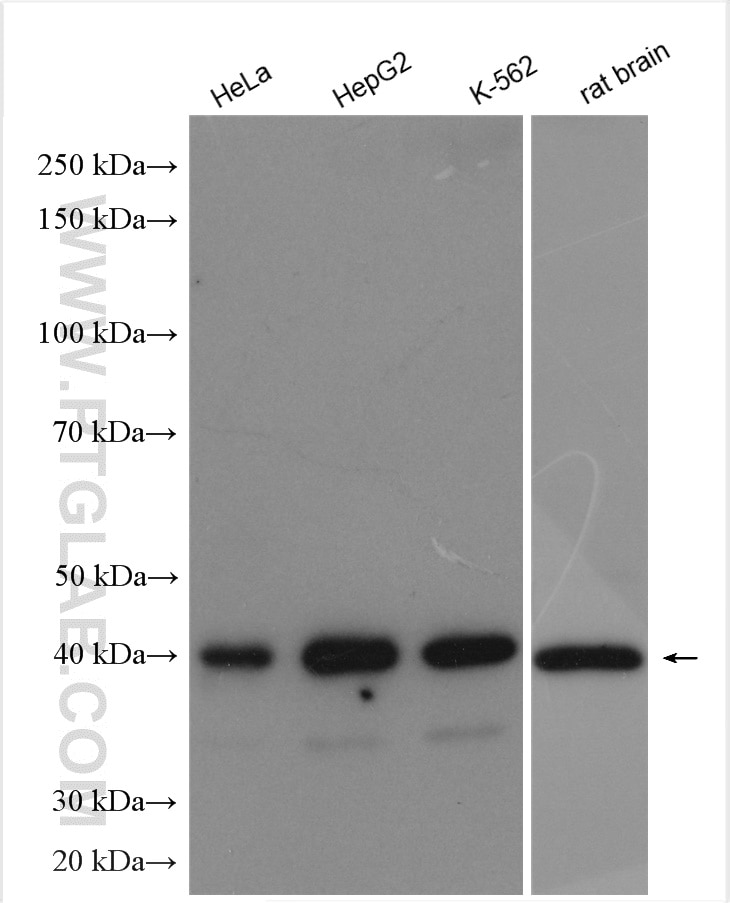
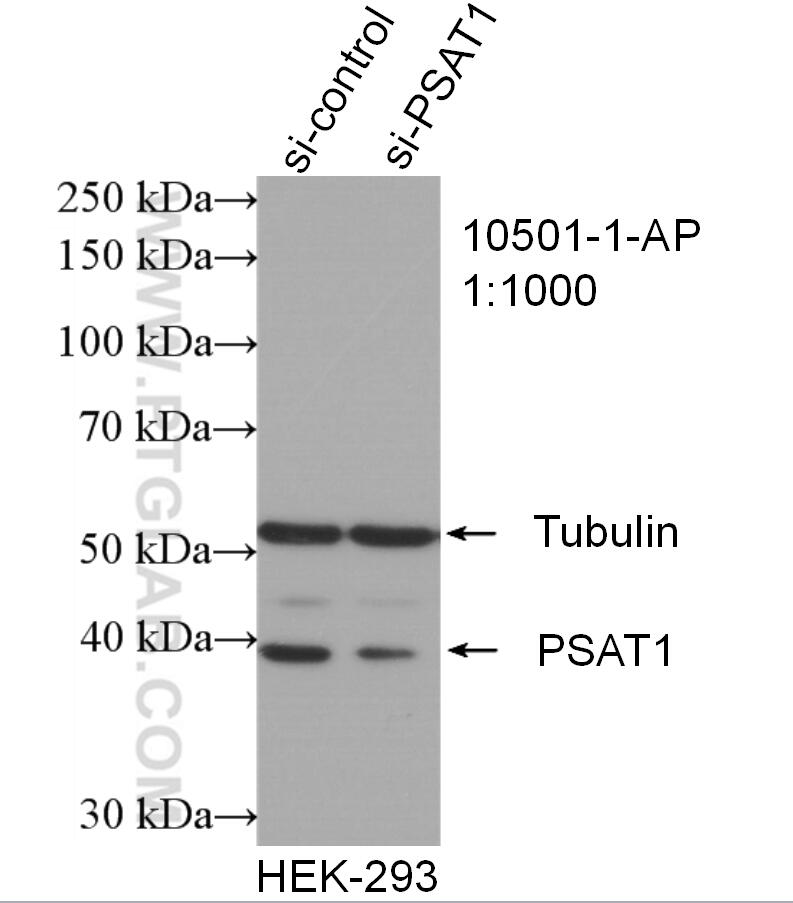
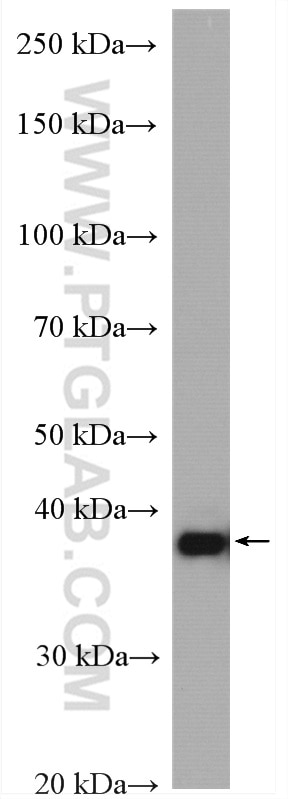
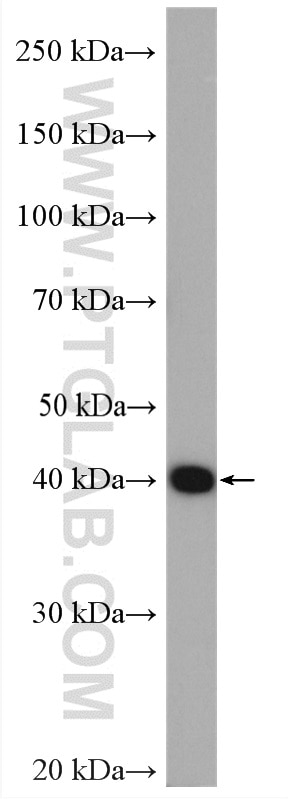
| Positive WB detected in | HeLa cells, Jurkat cells, HEK-293 cells, HepG2 cells, K-562 cells, rat brain tissue |
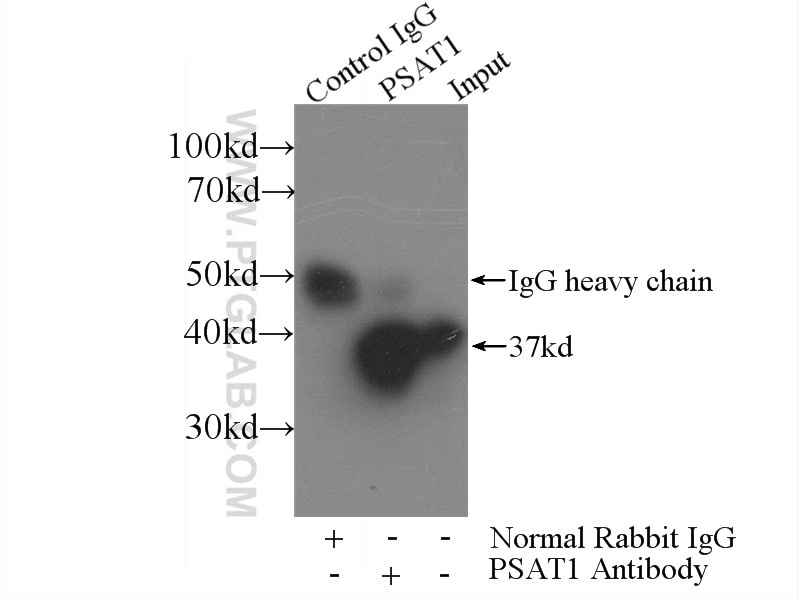
| Positive IP detected in | HeLa cells |
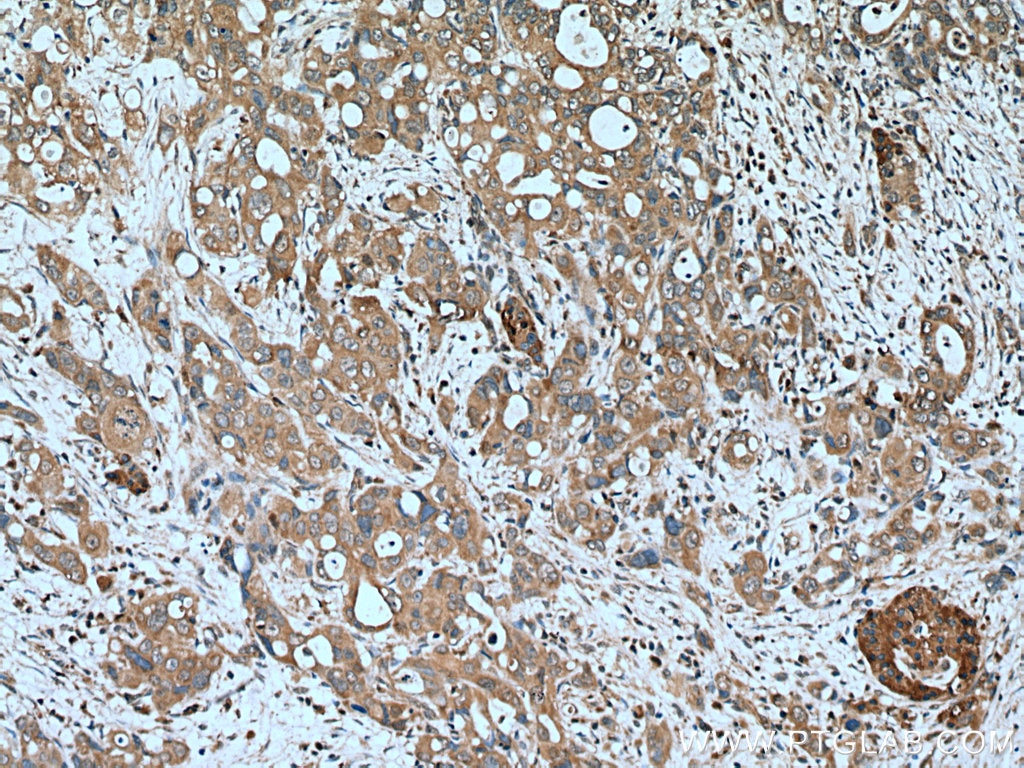
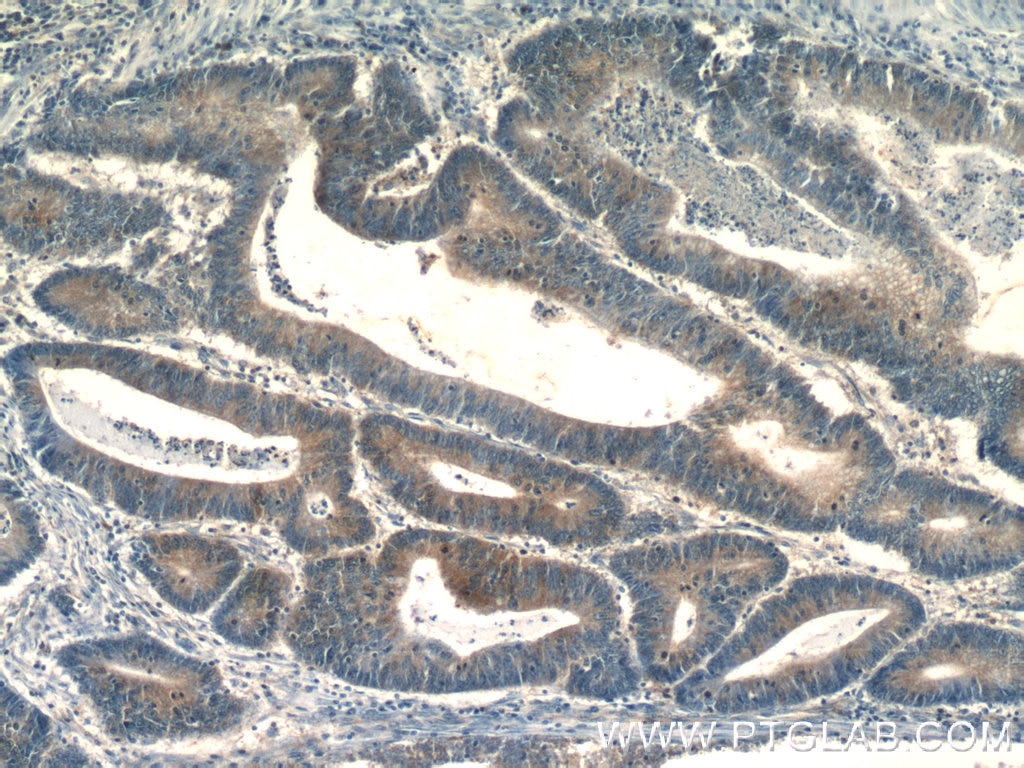
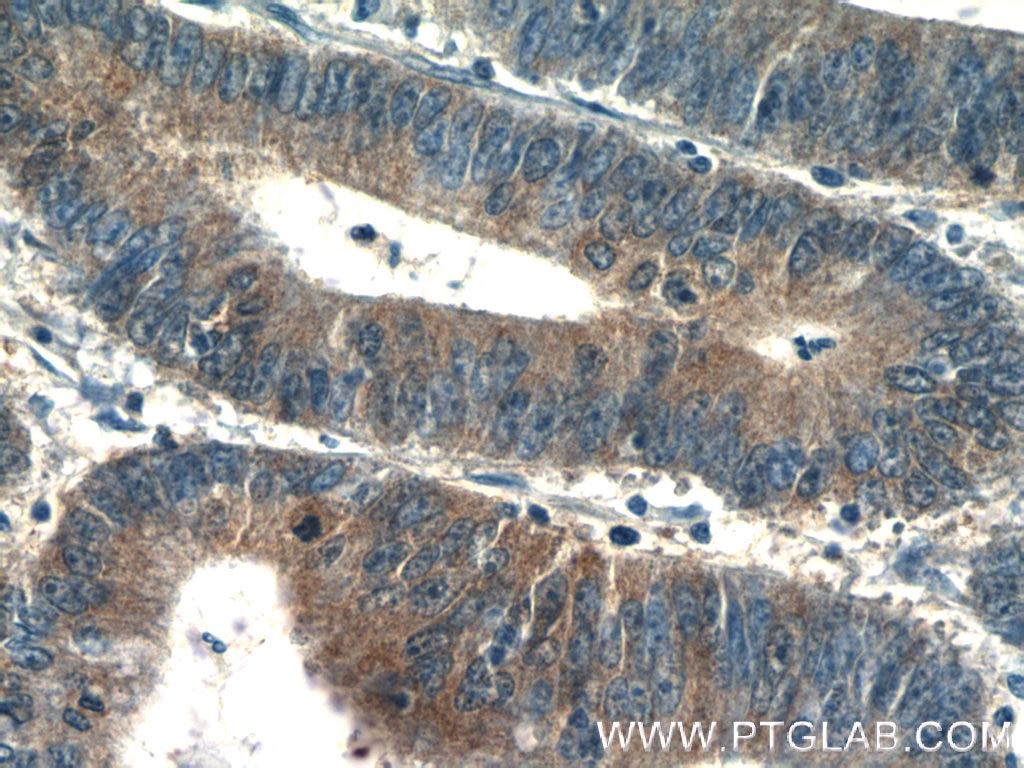
| Positive IHC detected in | human pancreas cancer tissue, human colon cancer tissue Note: suggested antigen retrieval with TE buffer pH 9.0; (*) Alternatively, antigen retrieval may be performed with citrate buffer pH 6.0 |
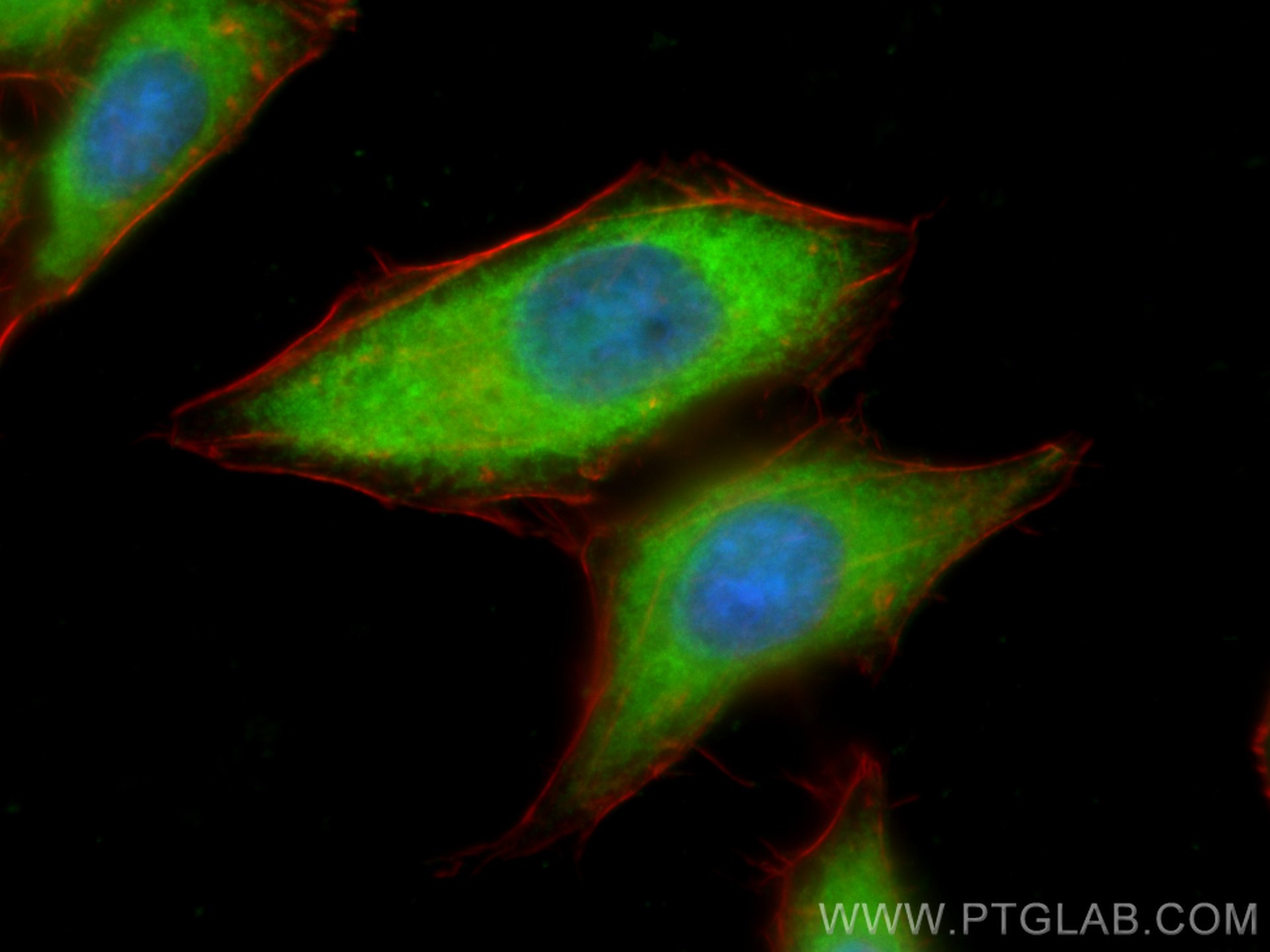
| Positive IF/ICC detected in | HepG2 cells |
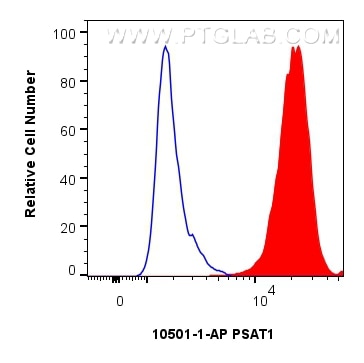
| Positive FC (Intra) detected in | HepG2 cells |
Recommended dilution
| Application | Dilution |
|---|---|
| Western Blot (WB) | WB : 1:5000-1:50000 |
| Immunoprecipitation (IP) | IP : 0.5-4.0 ug for 1.0-3.0 mg of total protein lysate |
| Immunohistochemistry (IHC) | IHC : 1:200-1:800 |
| Immunofluorescence (IF)/ICC | IF/ICC : 1:200-1:800 |
| Flow Cytometry (FC) (INTRA) | FC (INTRA) : 0.25 ug per 10^6 cells in a 100 µl suspension |
| It is recommended that this reagent should be titrated in each testing system to obtain optimal results. | |
| Sample-dependent, Check data in validation data gallery. | |
Product Information
10501-1-AP targets PSAT1 in WB, IHC, IF/ICC, IP, CoIP, ELISA applications and shows reactivity with human, rat samples.
| Tested Reactivity | human, rat |
| Cited Reactivity | human, mouse, pig |
| Host / Isotype | Rabbit / IgG |
| Class | Polyclonal |
| Type | Antibody |
| Immunogen |
CatNo: Ag0776 Product name: Recombinant human PSAT1 protein Source: e coli.-derived, PGEX-4T Tag: GST Domain: 1-370 aa of BC004863 Sequence: MDAPRQVVNFGPGPAKLPHSVLLEIQKELLDYKGVGISVLEMSHRSSDFAKIINNTENLVRELLAVPDNYKVIFLQGGGCGQFSAVPLNLIGLKAGRCADYVVTGAWSAKAAEEAKKFGTINIVHPKLGSYTKIPDPSTWNLNPDASYVYYCANETVHGVEFDFIPDVKGAVLVCDMSSNFLSKPVDVSKFGVIFAGAQKNVGSAGVTVVIVRDDLLGFALRECPSVLEYKVQAGNSSLYNTPPCFSIYVMGLVLEWIKNNGGAAAMEKLSSIKSQTIYEIIDNSQGFYVCPVEPQNRSKMNIPFRIGNAKGDDALEKRFLDKALELNMLSLKGHRSVGGIRASLYNAVTIEDVQKLAAFMKKFLEMHQL Predict reactive species |
| Full Name | phosphoserine aminotransferase 1 |
| Calculated Molecular Weight | 40 kDa |
| Observed Molecular Weight | 37-40 kDa |
| GenBank Accession Number | BC004863 |
| Gene Symbol | PSAT1 |
| Gene ID (NCBI) | 29968 |
| RRID | AB_2172597 |
| Conjugate | Unconjugated |
| Form | Liquid |
| Purification Method | Antigen affinity purification |
| UNIPROT ID | Q9Y617 |
| Storage Buffer | PBS with 0.02% sodium azide and 50% glycerol, pH 7.3. |
| Storage Conditions | Store at -20°C. Stable for one year after shipment. Aliquoting is unnecessary for -20oC storage. 20ul sizes contain 0.1% BSA. |
Background Information
PSAT1, also named PSA and PSAT, belongs to the class-V pyridoxal-phosphate-dependent aminotransferase family and SerC subfamily. It catalyzes the reversible conversion of 3-phosphohydroxypyruvate to phosphoserine and of 3-hydroxy-2-oxo-4-phosphonooxybutanoate to phosphohydroxythreonine. PSAT1 represents a new interesting target for CRC therapy. (PMID:18221502) It may be implicated in altered serine metabolism and schizophrenia spectrum conditions. (PMID:20955740)
Protocols
| Product Specific Protocols | |
|---|---|
| FC protocol for PSAT1 antibody 10501-1-AP | Download protocol |
| IF protocol for PSAT1 antibody 10501-1-AP | Download protocol |
| IHC protocol for PSAT1 antibody 10501-1-AP | Download protocol |
| IP protocol for PSAT1 antibody 10501-1-AP | Download protocol |
| WB protocol for PSAT1 antibody 10501-1-AP | Download protocol |
| Standard Protocols | |
|---|---|
| Click here to view our Standard Protocols |
Publications
What published studies show
Anti-PSAT1 antibody (Cat# 10501-1-AP) has 114 citations across high-impact journals including Nature, Cell Metabolism, Nature Communications, Nature Immunology, Nature Chemical Biology, Cell Research, Cancer Research, Journal of Clinical Investigation, and Science Advances. Key research fields include serine synthesis pathway, metabolic reprogramming in cancer (lung, breast, ovarian, colorectal, prostate, renal), stem cell biology, immune metabolism, ferroptosis, glutamine metabolism, and one-carbon metabolism.
| Species | Application | Title |
|---|---|---|
Cell Metab Serine metabolism antagonizes antiviral innate immunity by preventing ATP6V0d2-mediated YAP lysosomal degradation. | ||
Cell Metab The integrated stress response fine-tunes stem cell fate decisions upon serine deprivation and tissue injury | ||
Cell Res cMyc-mediated activation of serine biosynthesis pathway is critical for cancer progression under nutrient deprivation conditions. | ||
Cancer Commun (Lond) Unfolded protein response kinase PERK supports survival and metastasis of circulating tumor cell clusters via SAM synthesis and H3K4me3-dependent PDGFB signaling. |


