

Tested Applications
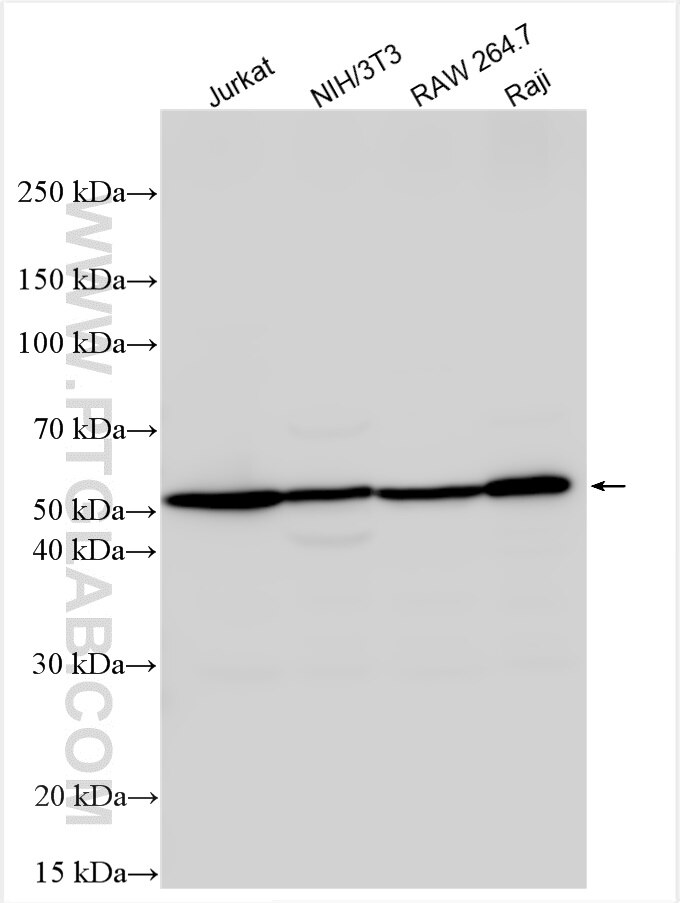
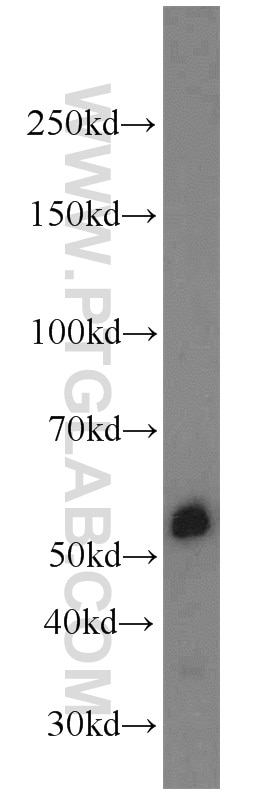
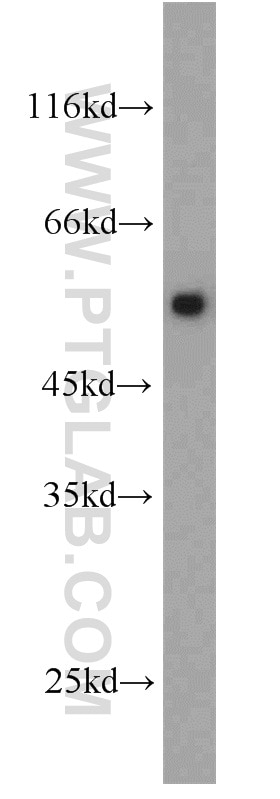
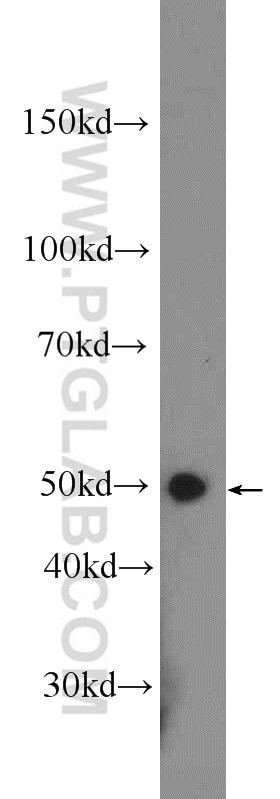
| Positive WB detected in | Jurkat cells, rat spleen tissue, K-562 cells, HeLa cells, NIH/3T3 cells, RAW264.7 cells, Raji cells |
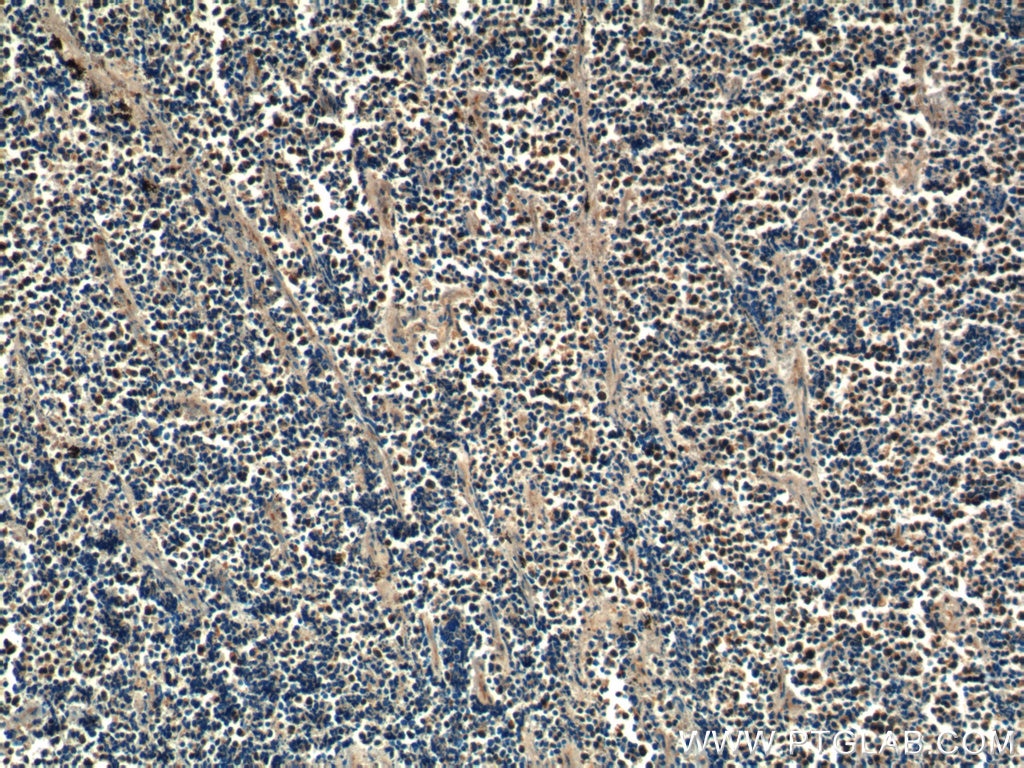
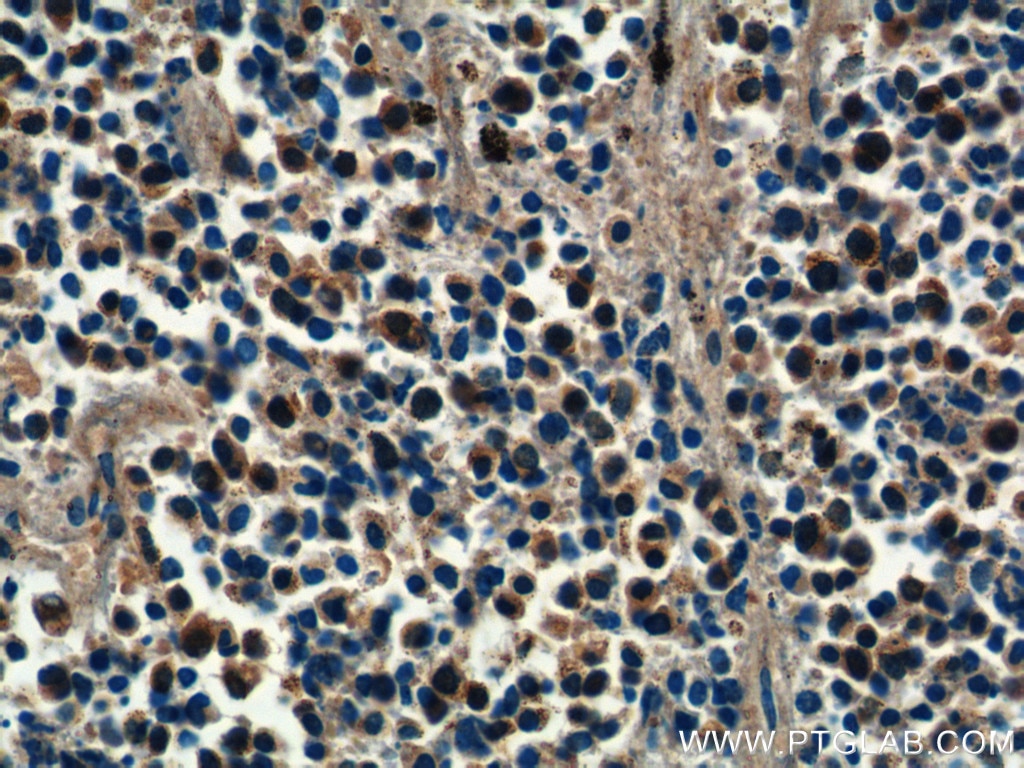
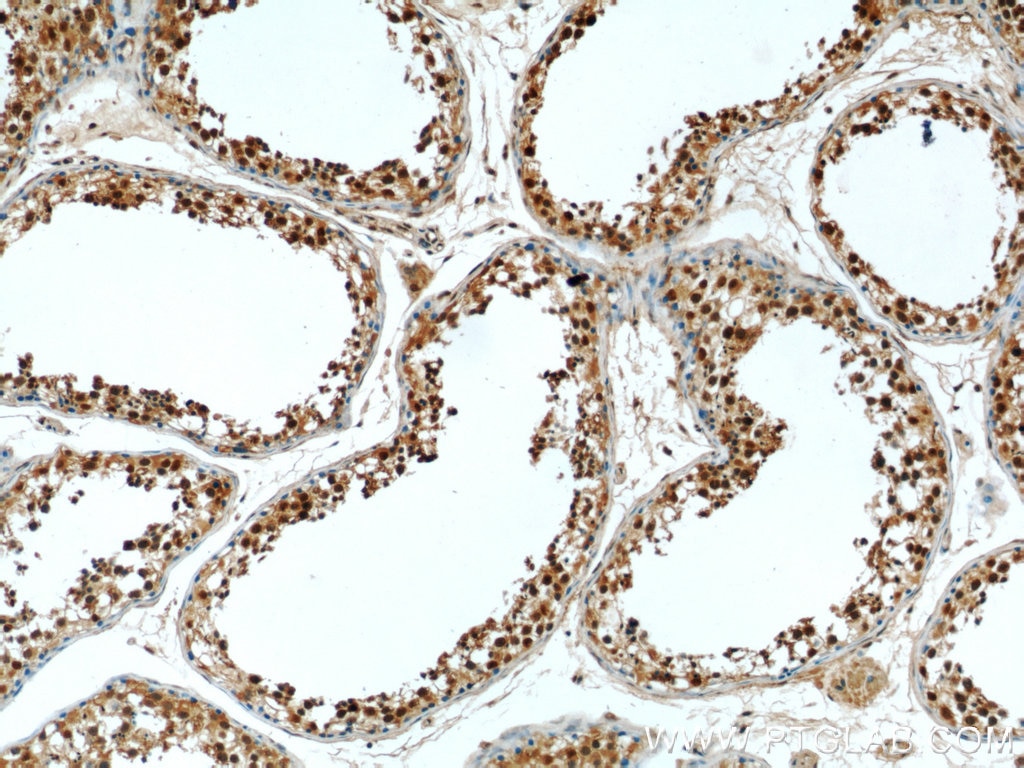
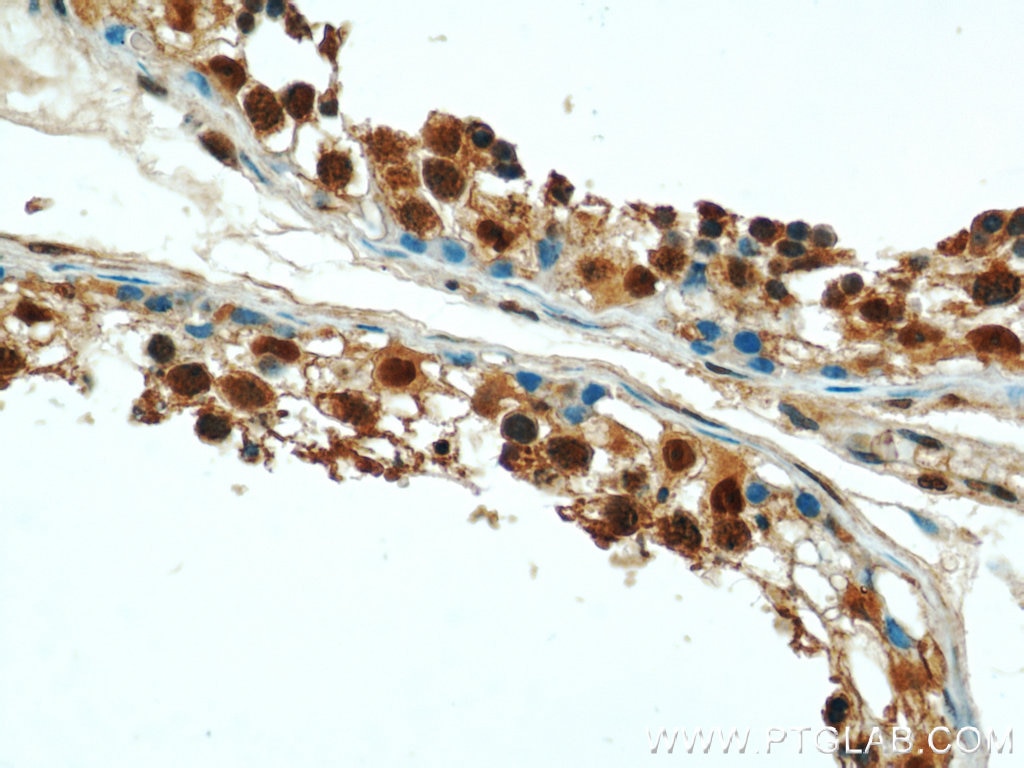
| Positive IHC detected in | human lung cancer tissue, human testis tissue Note: suggested antigen retrieval with TE buffer pH 9.0; (*) Alternatively, antigen retrieval may be performed with citrate buffer pH 6.0 |
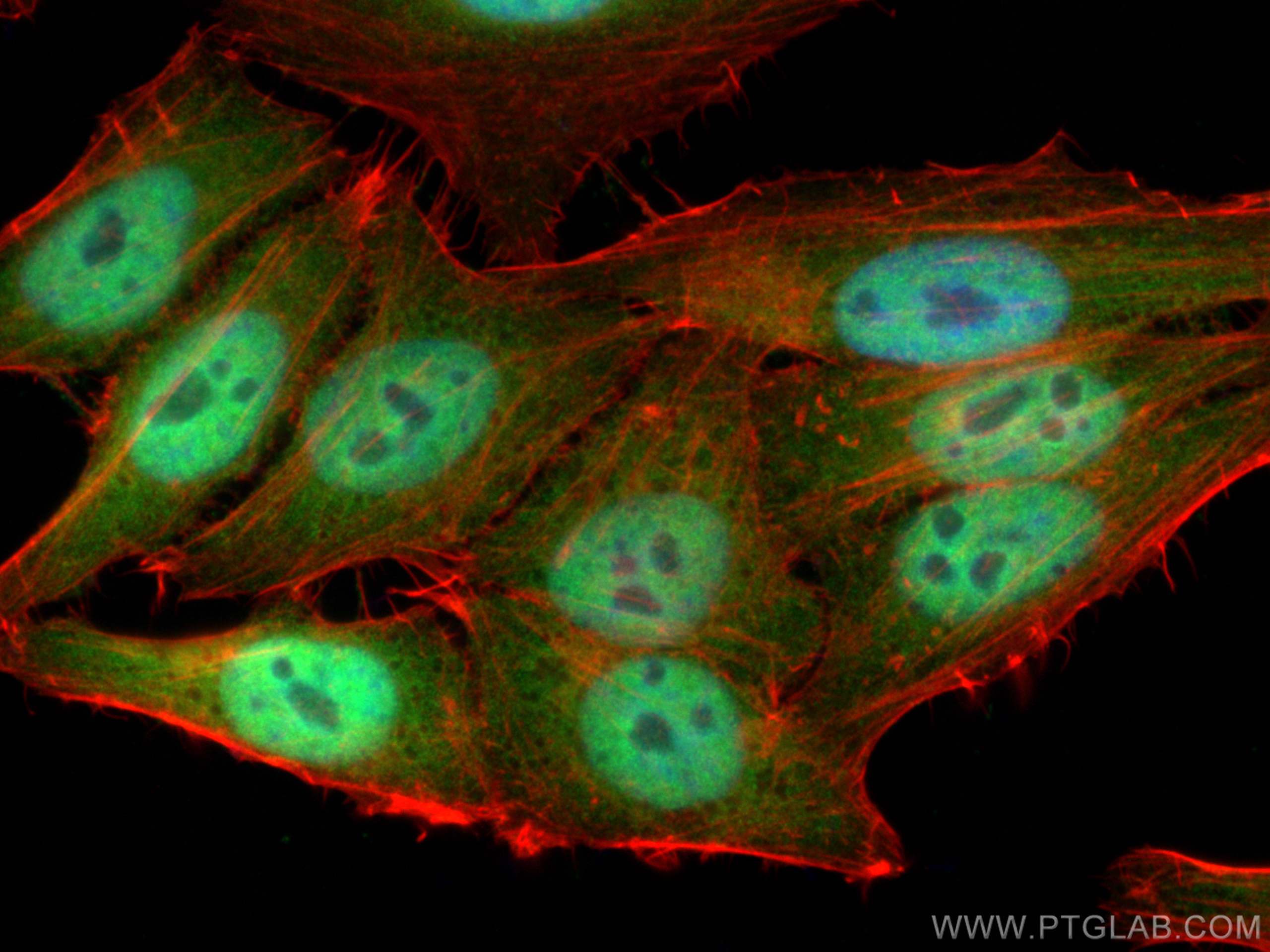
| Positive IF/ICC detected in | HepG2 cells |
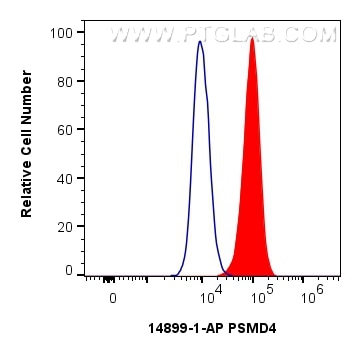
| Positive FC (Intra) detected in | HepG2 cells |
Recommended dilution
| Application | Dilution |
|---|---|
| Western Blot (WB) | WB : 1:5000-1:50000 |
| Immunohistochemistry (IHC) | IHC : 1:50-1:500 |
| Immunofluorescence (IF)/ICC | IF/ICC : 1:50-1:500 |
| Flow Cytometry (FC) (INTRA) | FC (INTRA) : 0.80 ug per 10^6 cells in a 100 µl suspension |
| It is recommended that this reagent should be titrated in each testing system to obtain optimal results. | |
| Sample-dependent, Check data in validation data gallery. | |
Product Information
14899-1-AP targets PSMD4 in WB, IHC, IF/ICC, FC (Intra), ELISA applications and shows reactivity with human, mouse, rat samples.
| Tested Reactivity | human, mouse, rat |
| Cited Reactivity | human, mouse |
| Host / Isotype | Rabbit / IgG |
| Class | Polyclonal |
| Type | Antibody |
| Immunogen |
CatNo: Ag6691 Product name: Recombinant human PSMD4 protein Source: e coli.-derived, PGEX-4T Tag: GST Domain: 1-377 aa of BC002365 Sequence: MVLESTMVCVDNSEYMRNGDFLPTRLQAQQDAVNIVCHSKTRSNPENNVGLITLANDCEVLTTLTPDTGRILSKLHTVQPKGKITFCTGIRVAHLALKHRQGKNHKMRIIAFVGSPVEDNEKDLVKLAKRLKKEKVNVDIINFGEEEVNTEKLTAFVNTLNGKDGTGSHLVTVPPGPSLADALISSPILAGEGGAMLGLGASDFEFGVDPSADPELALALRVSMEEQRQRQEEEARRAAAASAAEAGIATTGTEDSDDALLKMTISQQEFGRTGLPDLSSMTEEEQIAYAMQMSLQGAEFGQAESADIDASSAMDTSEPAKEEDDYDVMQDPEFLQSVLENLPGVDPNNEAIRNAMGSLASQATKDGKKDKKEEDKK Predict reactive species |
| Full Name | proteasome (prosome, macropain) 26S subunit, non-ATPase, 4 |
| Calculated Molecular Weight | 41 kDa |
| Observed Molecular Weight | 50 kDa |
| GenBank Accession Number | BC002365 |
| Gene Symbol | PSMD4 |
| Gene ID (NCBI) | 5710 |
| RRID | AB_2170627 |
| Conjugate | Unconjugated |
| Form | Liquid |
| Purification Method | Antigen affinity purification |
| UNIPROT ID | P55036 |
| Storage Buffer | PBS with 0.02% sodium azide and 50% glycerol, pH 7.3. |
| Storage Conditions | Store at -20°C. Stable for one year after shipment. Aliquoting is unnecessary for -20oC storage. 20ul sizes contain 0.1% BSA. |
Background Information
PSMD4, also named as MCB1, AF or ASF, belongs to the proteasome subunit S5A family. PSMD4 is a 50-kD subunit of the regulatory complex of the 26S proteasome. It binds and presumably selects ubiquitin-conjugates for destruction. PSMD4 displays selectivity for longer polyubiquitin chains. It modulates intestinal fluid secretion. PSMD4 is exposed on the sperm acrosomal surface, a notion that was further supported by the binding of non-cell permeant, biotinylated proteasomal inhibitor ZL3VS to the sperm acrosome. It is involved in the sperm-ZP penetration during fertilization. (PMID: 20526895) This antibody is specific to PSMD4.
Protocols
| Product Specific Protocols | |
|---|---|
| FC protocol for PSMD4 antibody 14899-1-AP | Download protocol |
| IF protocol for PSMD4 antibody 14899-1-AP | Download protocol |
| IHC protocol for PSMD4 antibody 14899-1-AP | Download protocol |
| WB protocol for PSMD4 antibody 14899-1-AP | Download protocol |
| Standard Protocols | |
|---|---|
| Click here to view our Standard Protocols |
Publications
What published studies show
The PSMD4 Polyclonal antibody (Cat# 14899-1-AP) has 16 citations across 16 journals including Nature Neuroscience, Nature Communications, Cancer Research, Oncogene, Journal of Biological Chemistry, and FEBS Letters. Research fields span ubiquitin-proteasome biology, tumor progression (hepatocellular carcinoma, head and neck cancer), neurodevelopmental disorders (Angelman syndrome, Rett syndrome), cell signaling pathways, virology, and developmental biology. Applications cited include WB, IHC, and IF in human and mouse models.
| Species | Application | Title |
|---|---|---|
Cancer Res The Ubiquitin-like Protein FAT10 Stabilizes eEF1A1 Expression to Promote Tumor Proliferation in a Complex Manner. | ||
Nat Neurosci Loss of nuclear UBE3A causes electrophysiological and behavioral deficits in mice and is associated with Angelman syndrome. | ||
Nat Commun Molecular basis of SAP05-mediated ubiquitin-independent proteasomal degradation of transcription factors | ||
Pharmacol Res Curcumin modulates β-catenin stabilization via targeting proteasomal deubiquitinating enzyme USP14 | ||
Oncogene The degradation of p53 and its major E3 ligase Mdm2 is differentially dependent on the proteasomal ubiquitin receptor S5a. | ||
Mol Cell Proteomics Proteaphagy in Mammalian Cells Can Function Independent of ATG5/ATG7. |

