

Tested Applications
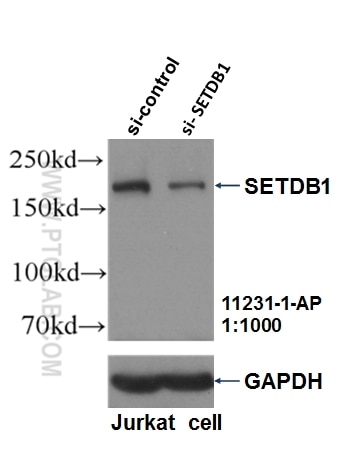
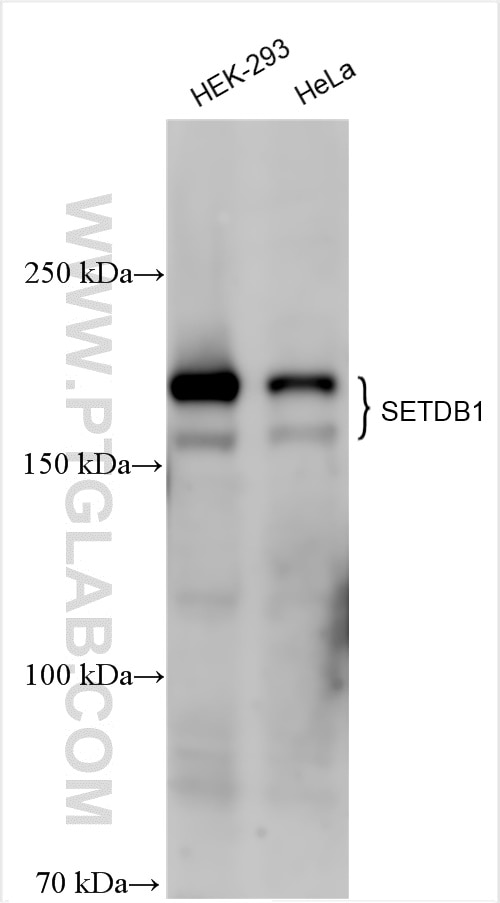
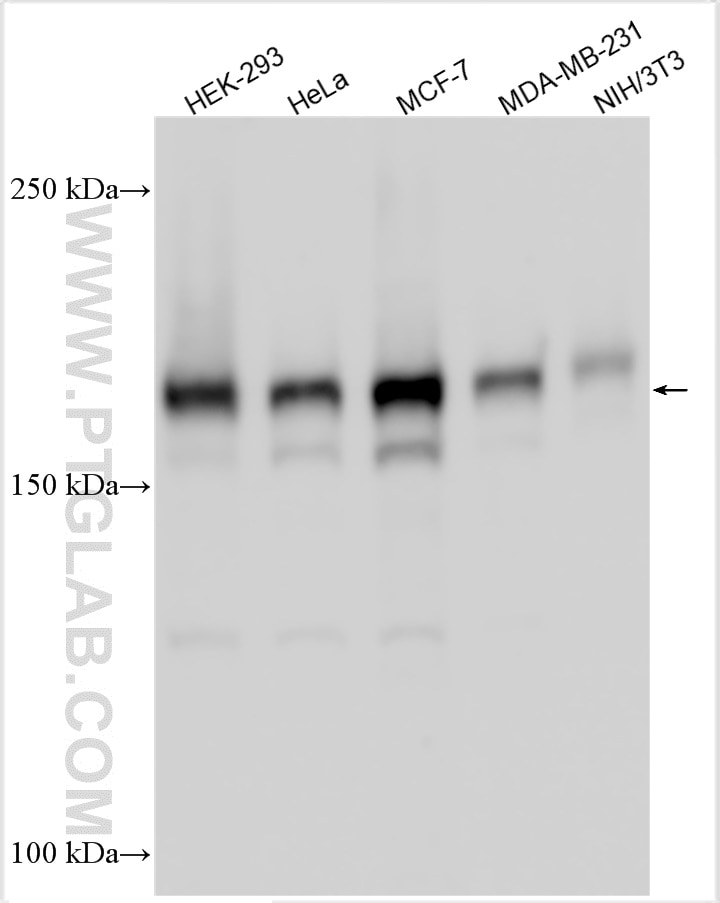
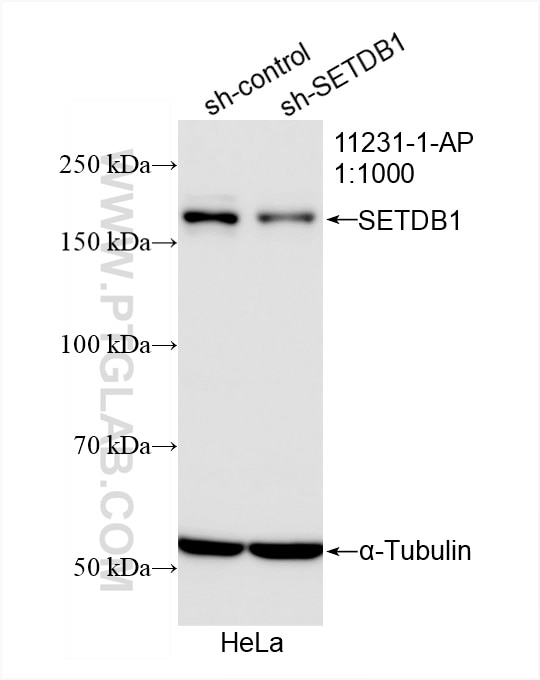
| Positive WB detected in | HEK-293 cells, Jurkat cells, HeLa cells, MCF-7 cells, MDA-MB-231 cells, NIH/3T3 cells |
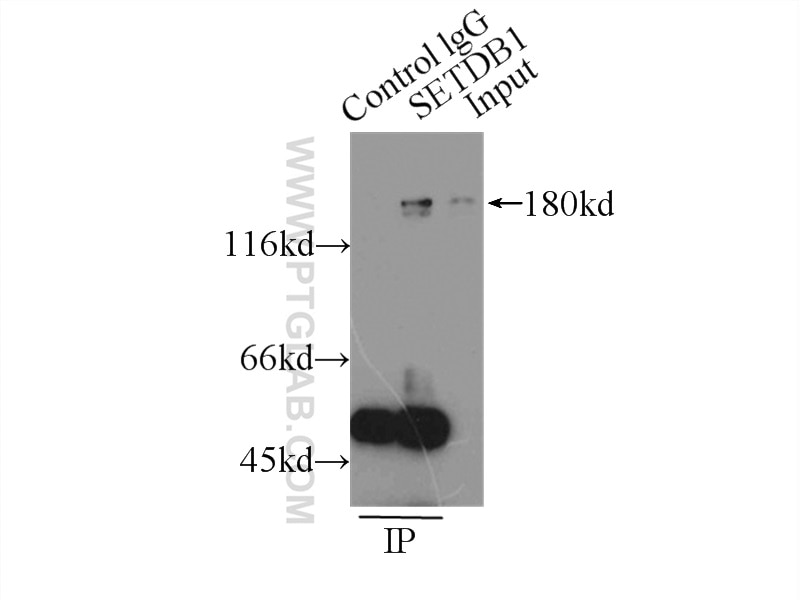
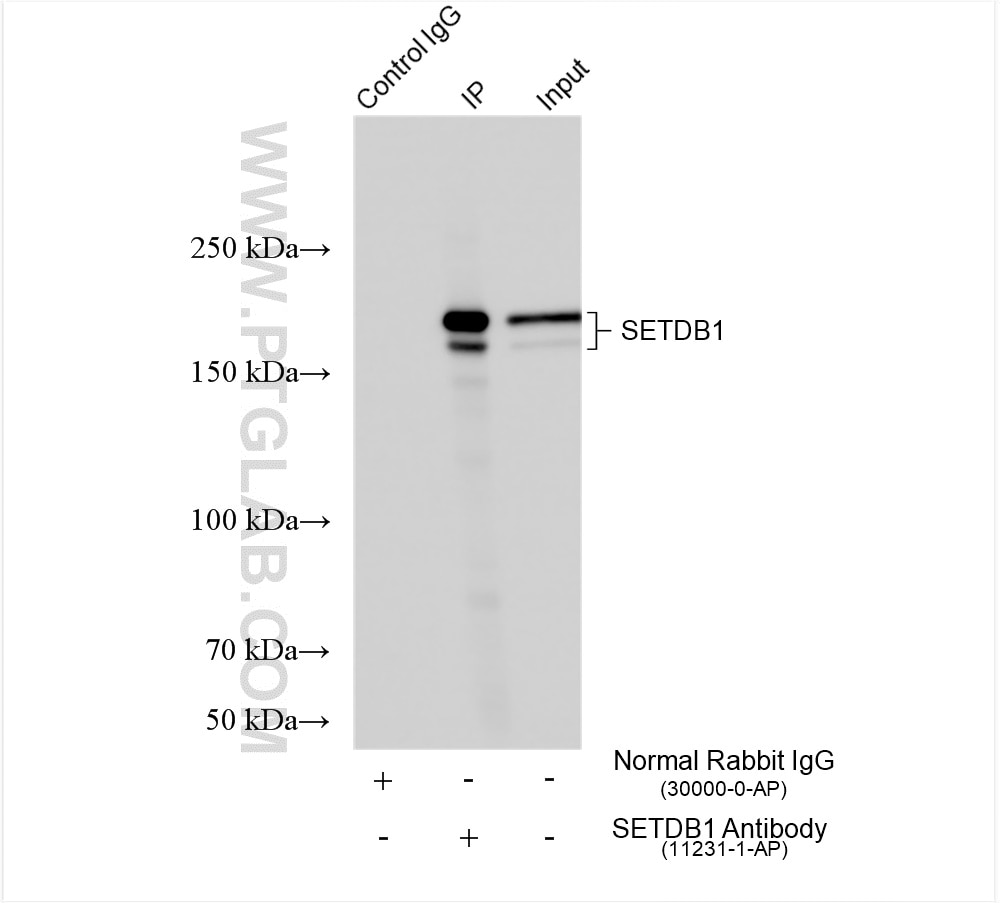
| Positive IP detected in | MCF-7 cells |
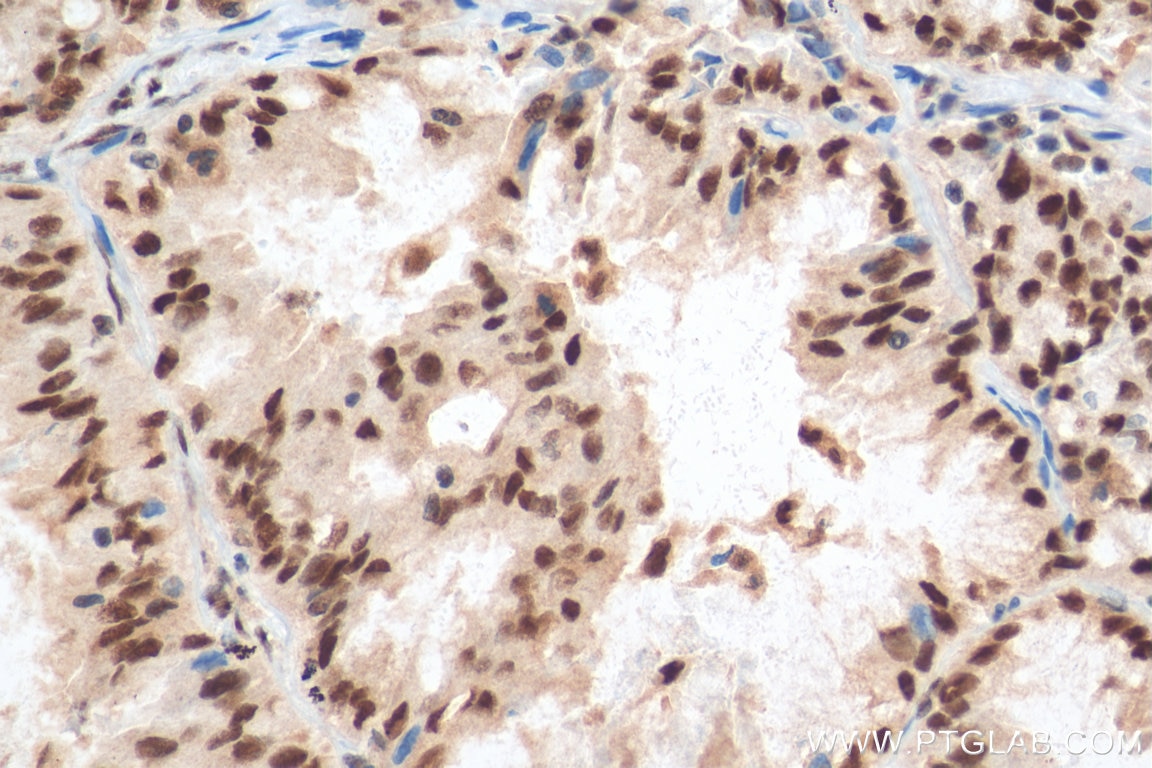
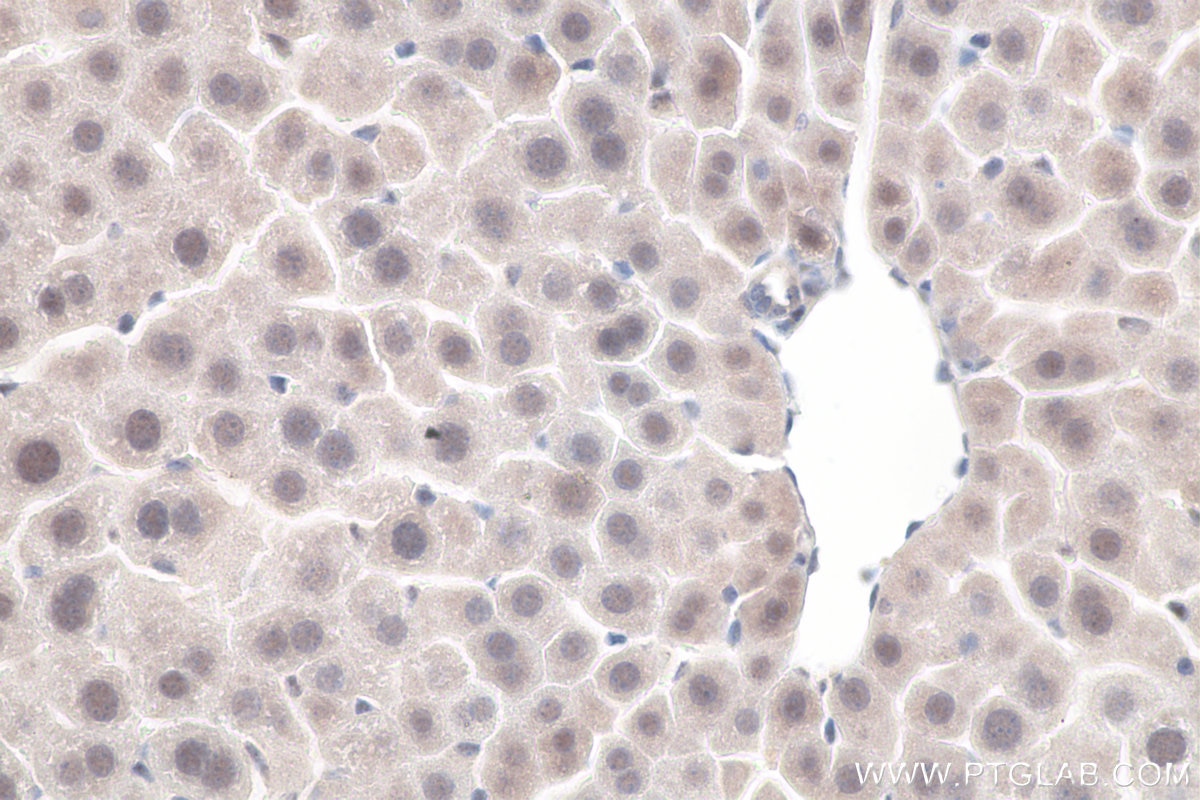
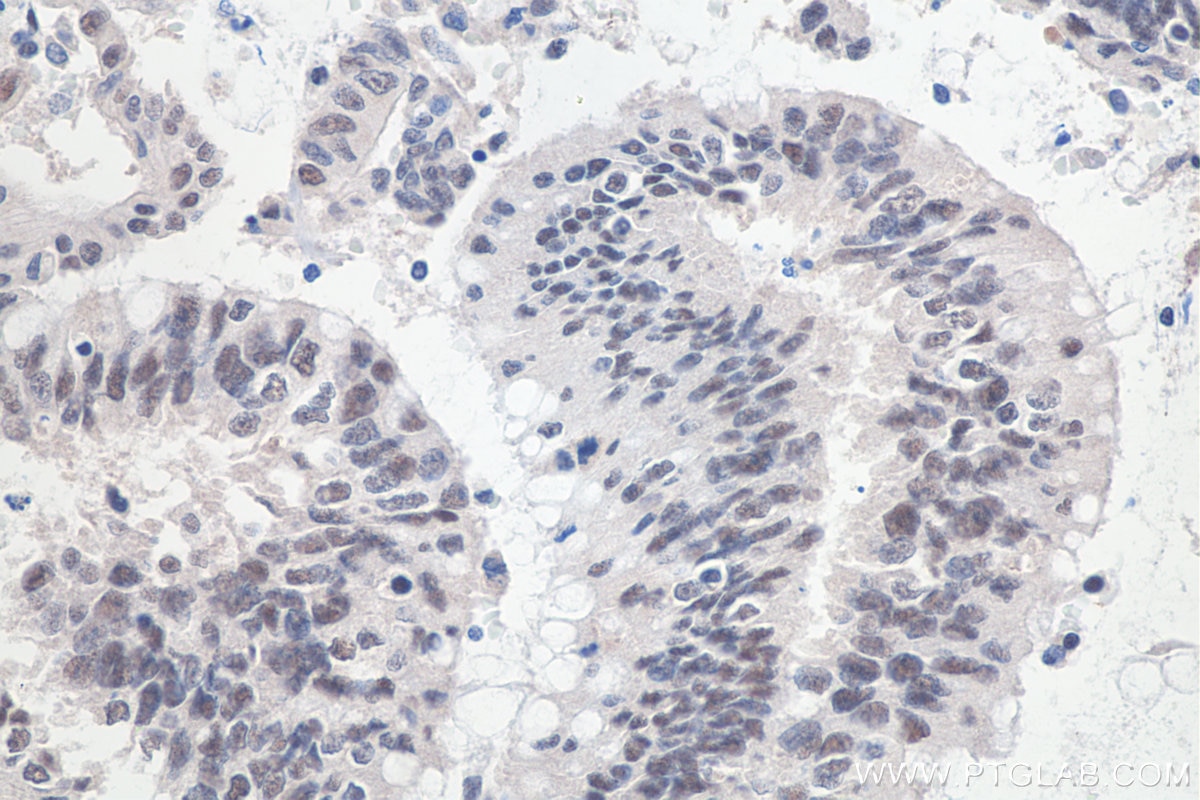
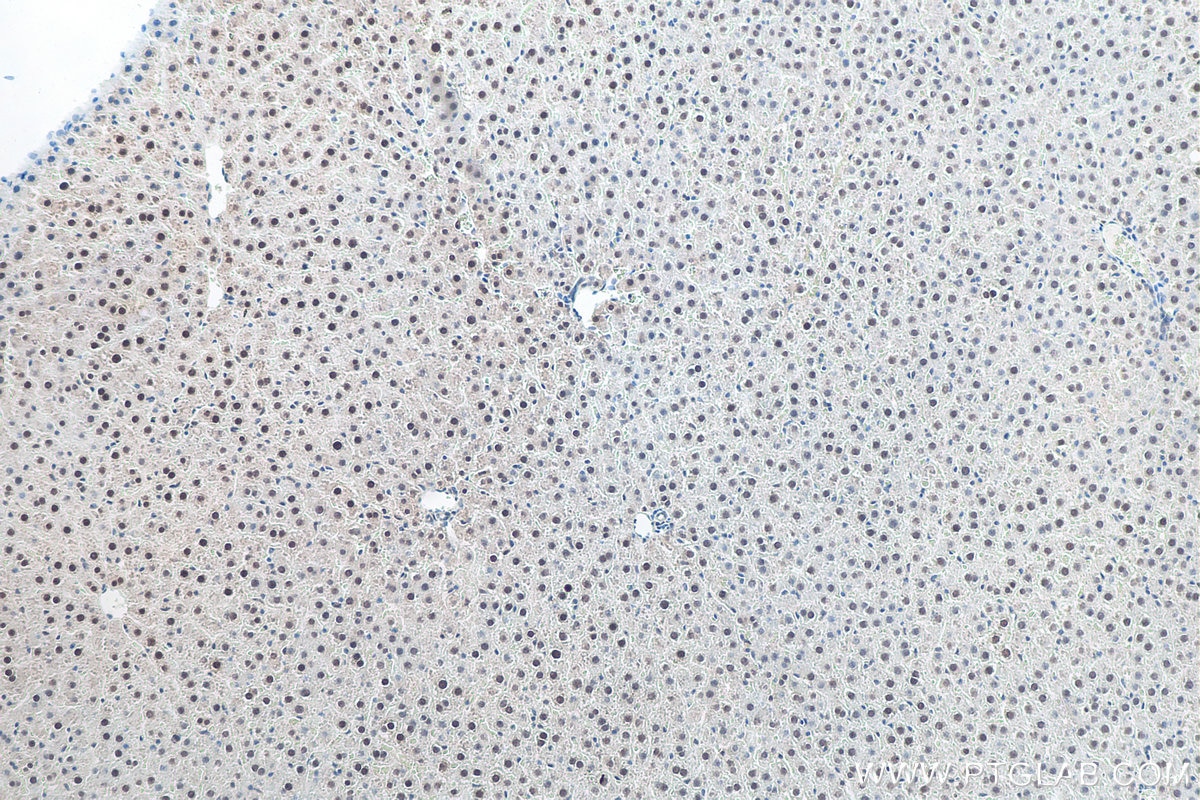
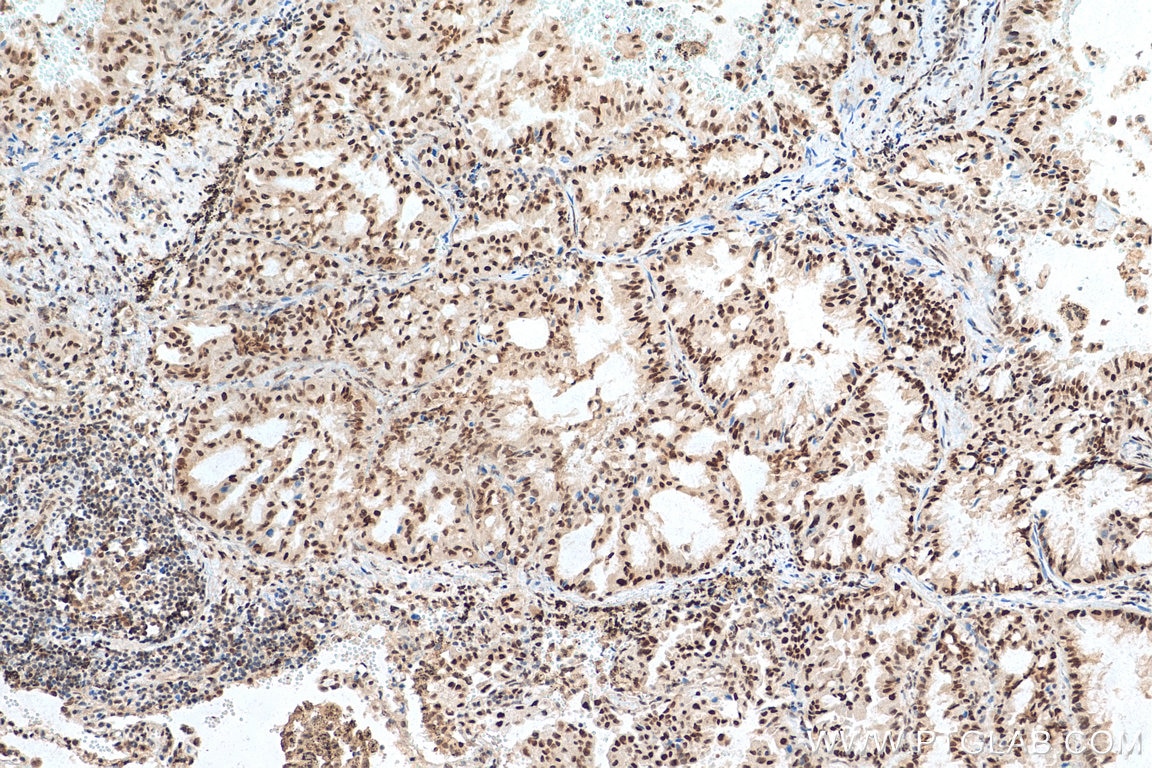
| Positive IHC detected in | human lung cancer tissue, human colon cancer tissue, rat liver tissue, mouse liver tissue Note: suggested antigen retrieval with TE buffer pH 9.0; (*) Alternatively, antigen retrieval may be performed with citrate buffer pH 6.0 |
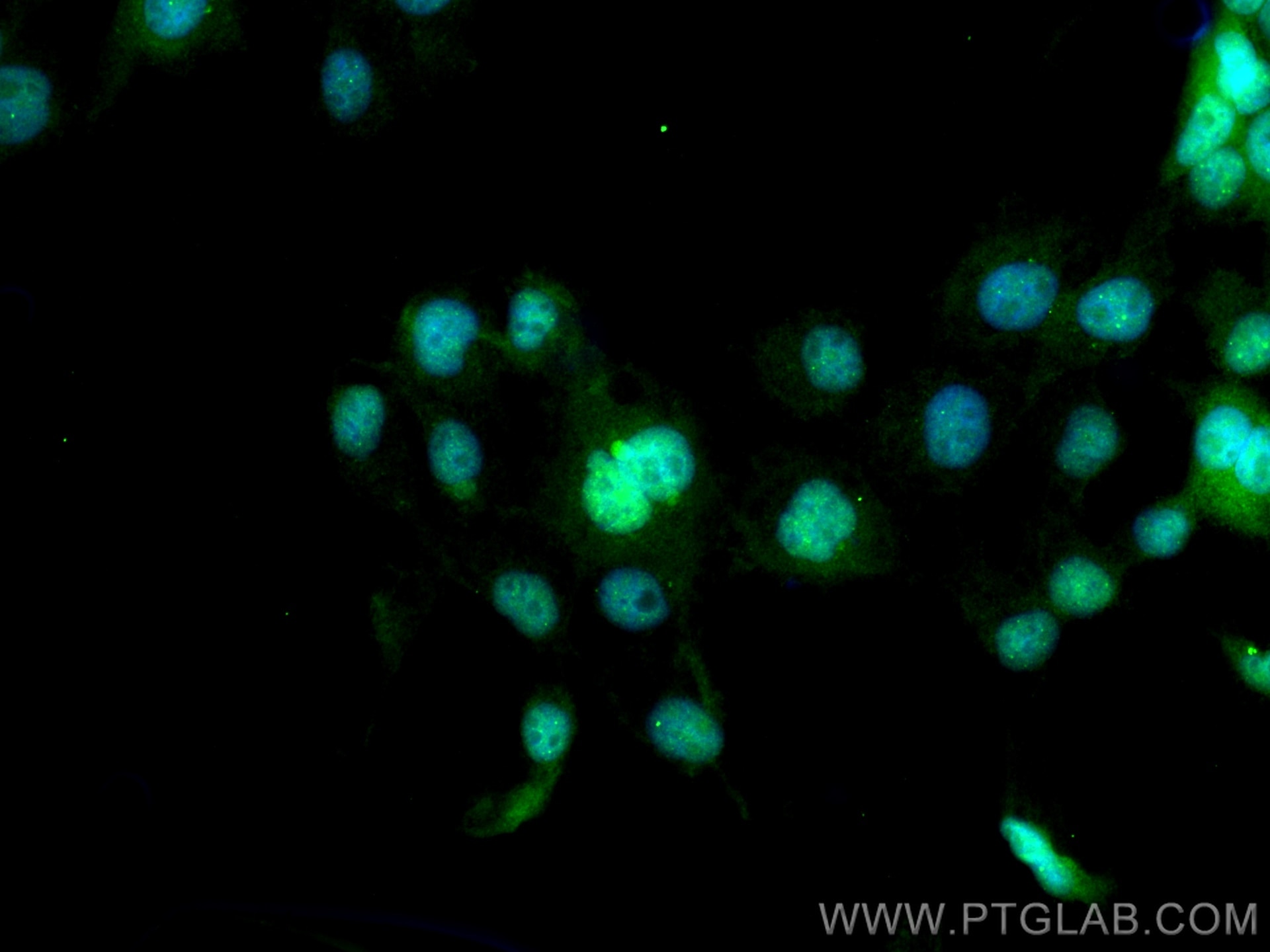
| Positive IF/ICC detected in | A431 cells |
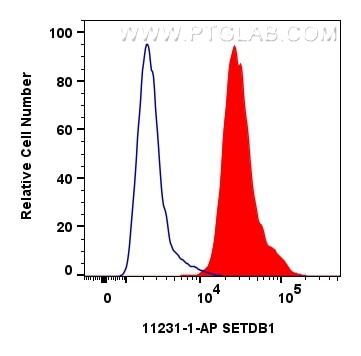
| Positive FC (Intra) detected in | A431 cells |
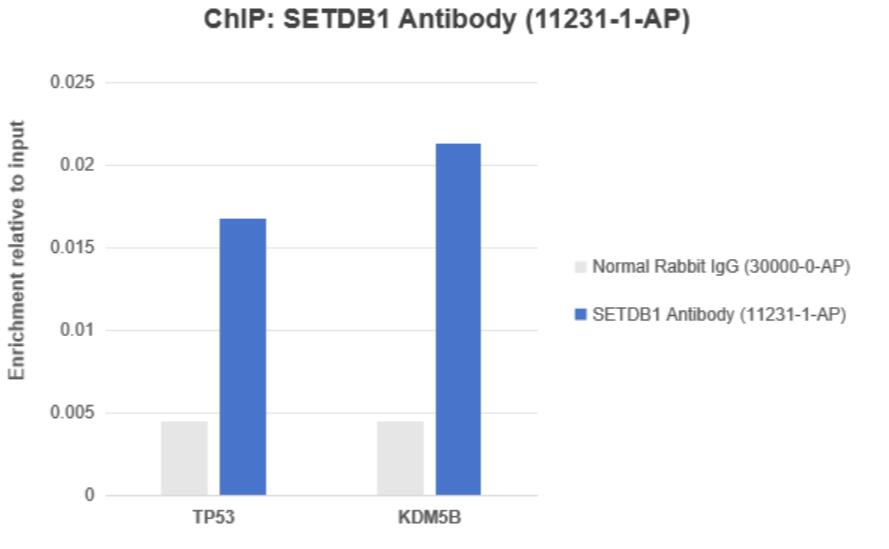
| Positive ChIP detected in | HeLa cells |
Recommended dilution
| Application | Dilution |
|---|---|
| Western Blot (WB) | WB : 1:2000-1:12000 |
| Immunoprecipitation (IP) | IP : 0.5-4.0 ug for 1.0-3.0 mg of total protein lysate |
| Immunohistochemistry (IHC) | IHC : 1:50-1:500 |
| Immunofluorescence (IF)/ICC | IF/ICC : 1:200-1:800 |
| Flow Cytometry (FC) (INTRA) | FC (INTRA) : 0.40 ug per 10^6 cells in a 100 µl suspension |
| Chromatin immunoprecipitation (ChIP) | CHIP : 1:10-1:100 |
| It is recommended that this reagent should be titrated in each testing system to obtain optimal results. | |
| Sample-dependent, Check data in validation data gallery. | |
Product Information
11231-1-AP targets SETDB1 in WB, IHC, IF/ICC, FC (Intra), IP, CoIP, ChIP, ELISA applications and shows reactivity with human, mouse, rat samples.
| Tested Reactivity | human, mouse, rat |
| Cited Reactivity | human, mouse |
| Host / Isotype | Rabbit / IgG |
| Class | Polyclonal |
| Type | Antibody |
| Immunogen |
CatNo: Ag1725 Product name: Recombinant human SETDB1 protein Source: e coli.-derived, PGEX-4T Tag: GST Domain: 1-350 aa of BC009362 Sequence: MSSLPGCIGLDAATATVESEEIAELQQAVVEELGISMEELRHFIDEELEKMDCVQQRKKQLAELETWVIQKESEVAHVDQLFDDASRAVTNCESLVKDFYSKLGLQYRDSSSEDESSRPTEIIEIPDEDDDVLSIDSGDAGSRTPKDQKLREAMAALRKSAQDVQKFMDAVNKKSSSQDLHKGTLSQMSGELSKDGDLIVSMRILGKKRTKTWHKGTLIAIQTVGPGKKYKVKFDNKGKSLLSGNHIAYDYHPPADKLYVGSRVVAKYKDGNQVWLYAGIVAETPNVKNKLRFLIFFDDGYASYVTQSELYPICRPLKKTWEDIEDISCRDFIEEYVTAYPNRPMVLLKS Predict reactive species |
| Full Name | SET domain, bifurcated 1 |
| Calculated Molecular Weight | 143 kDa |
| Observed Molecular Weight | 170 kDa |
| GenBank Accession Number | BC009362 |
| Gene Symbol | SETDB1 |
| Gene ID (NCBI) | 9869 |
| RRID | AB_2186069 |
| Conjugate | Unconjugated |
| Form | Liquid |
| Purification Method | Antigen affinity purification |
| UNIPROT ID | Q15047 |
| Storage Buffer | PBS with 0.02% sodium azide and 50% glycerol, pH 7.3. |
| Storage Conditions | Store at -20°C. Stable for one year after shipment. Aliquoting is unnecessary for -20oC storage. 20ul sizes contain 0.1% BSA. |
Background Information
SETDB1, also named as ESET, KIAA0067 and KMT1E, belongs to the histone-lysine methyltransferase family. It is a SET domain protein with histone H3-K9-specific methyltransferase activity. H3 'Lys-9' trimethylation is coordinated with DNA methylation and represents a specific tag for epigenetic transcriptional repression by recruiting HP1 (CBX1, CBX3 and/or CBX5) proteins to methylated histones. SETDB1 mainly functions in euchromatin regions, thereby playing a central role in the silencing of euchromatic genes. It probably forms a complex with MBD1 and ATF7IP that represses transcription and couples DNA methylation and histone 'Lys-9' trimethylation. Its activity is dependent on MBD1 and is heritably maintained through DNA replication by being recruited by CAF-1. SETDB1 regulates histone methylation, gene silencing, and transcriptional repression. It has been identified as a target for treatment in Huntington Disease, given that gene silencing and transcription dysfunction likely play a role in the disease pathogenesis. This antibody is a rabbit polyclonal antibody raised against residues near the N terminus of human SETDB1.The calculated molecular weight of SETDB1 is 143 kDa, but the modified SETDB1 protein is about 170 kDa (PMID: 11791185).
Protocols
| Product Specific Protocols | |
|---|---|
| FC protocol for SETDB1 antibody 11231-1-AP | Download protocol |
| IF protocol for SETDB1 antibody 11231-1-AP | Download protocol |
| IHC protocol for SETDB1 antibody 11231-1-AP | Download protocol |
| IP protocol for SETDB1 antibody 11231-1-AP | Download protocol |
| WB protocol for SETDB1 antibody 11231-1-AP | Download protocol |
| Standard Protocols | |
|---|---|
| Click here to view our Standard Protocols |
Publications
What published studies show
SETDB1 Polyclonal antibody (Cat# 11231-1-AP) has accumulated 119 citations in high-impact journals including Nature, Science, Cell, Nature Communications, Nature Cell Biology, Molecular Cell, EMBO Journal, Cancer Research, and more. Associated research fields encompass epigenetics and chromatin biology, H3K9me3-mediated transcriptional silencing, endogenous retrotransposon regulation, cancer progression and immune evasion, stem cell pluripotency, neurodevelopment, meiosis, and histone modification.
| Species | Application | Title |
|---|---|---|
Nature Genome surveillance by HUSH-mediated silencing of intronless mobile elements.
| ||
Nature Epigenetic silencing by SETDB1 suppresses tumour intrinsic immunogenicity.
|
Reviews
What customers say
Users report that this SETDB1 antibody performs well for Western Blot across multiple cell types including Jurkat, HeLa, and T cells, typically at 1:1000–1:2000 dilution with overnight incubation at 4°C. One reviewer also confirmed its utility for ChIP, noting good binding at 2 µg. Overall, the antibody produces distinct target bands with minimal nonspecific background, though some variability was observed depending on the cell type used. Average rating is 4.7 out of 5.
The reviews below have been submitted by verified Proteintech customers who received an incentive for providing their feedback.
Hilda (Verified Customer) (07-29-2024) | SETDB1 antibody works very well with human and mouse cell lines for both western blot and ChIP. It requires a short incubation period and produces distinct bands, with a few nonspecific bands observed variable to the type of cells used. CHIP outcomes are still preliminary, but it has resulted in good binding at 2ug antibody used.
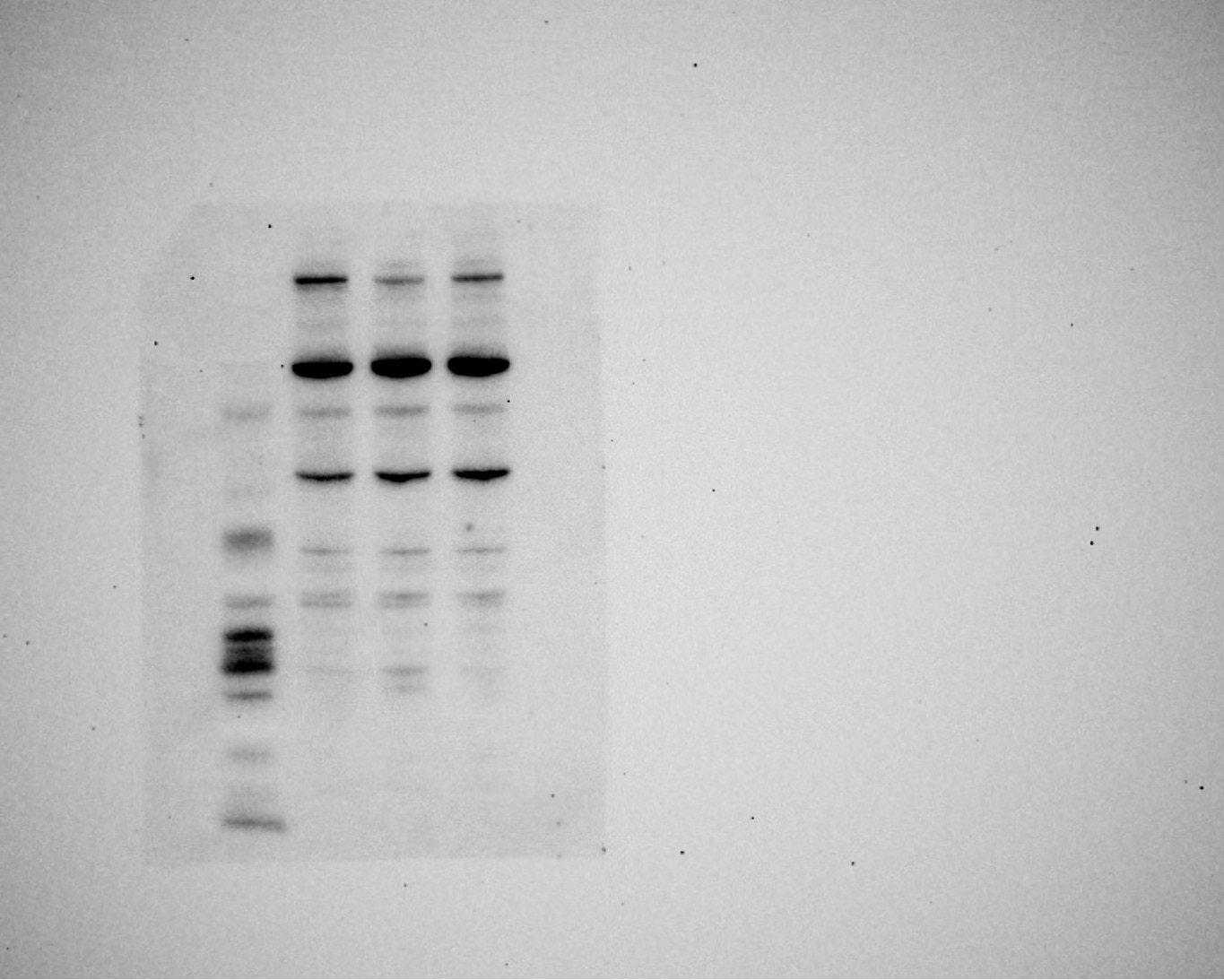 |
Roy (Verified Customer) (06-28-2024) | Does work well to detect SETDB1 in Jurkat and HeLa cells (Overnight incubation at 4°C, 1/1000 dilution)
|
Taku (Verified Customer) (06-15-2022) |
|

