

Tested Applications
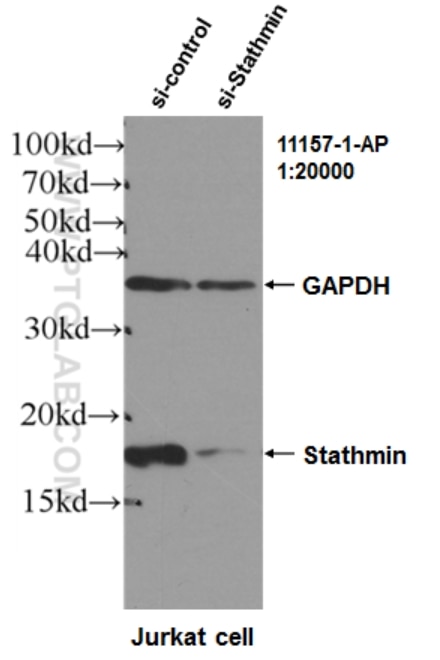
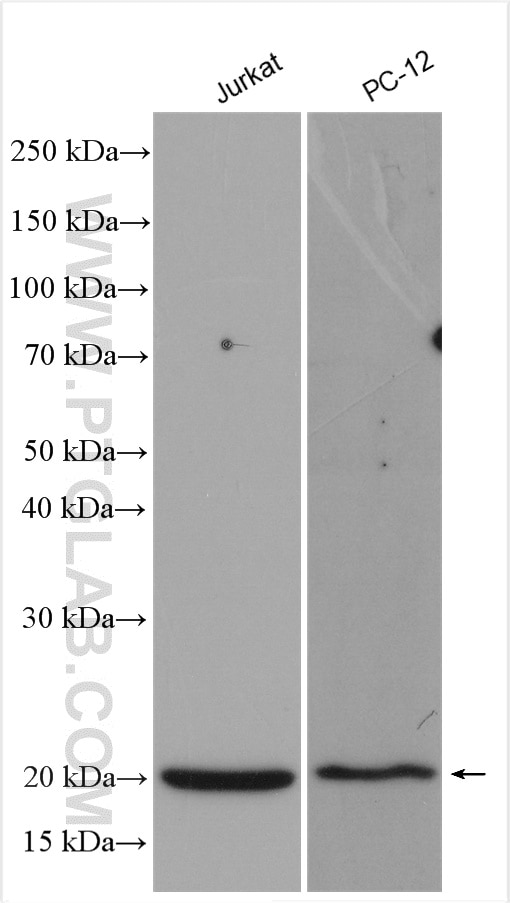
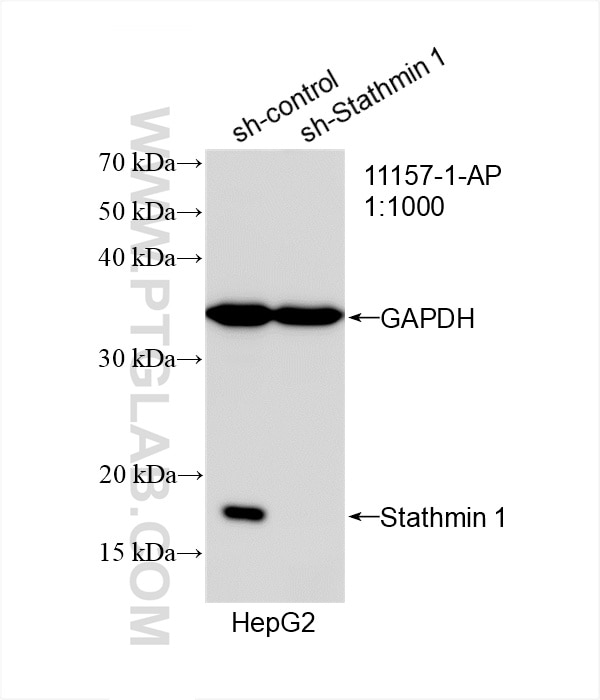
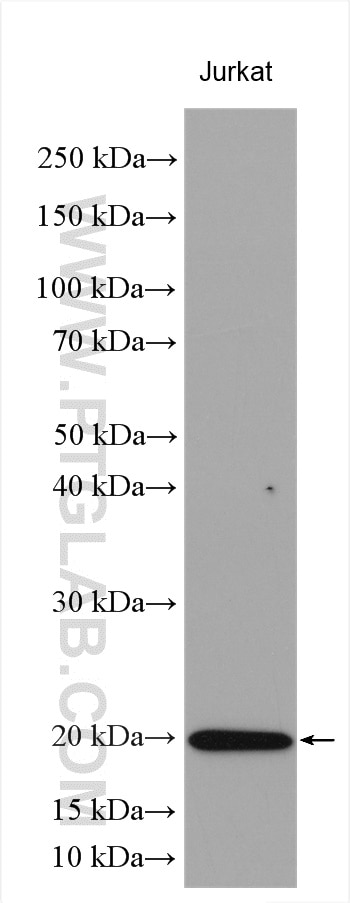
| Positive WB detected in | Jurkat cells, HepG2 cells, PC-12 cells |
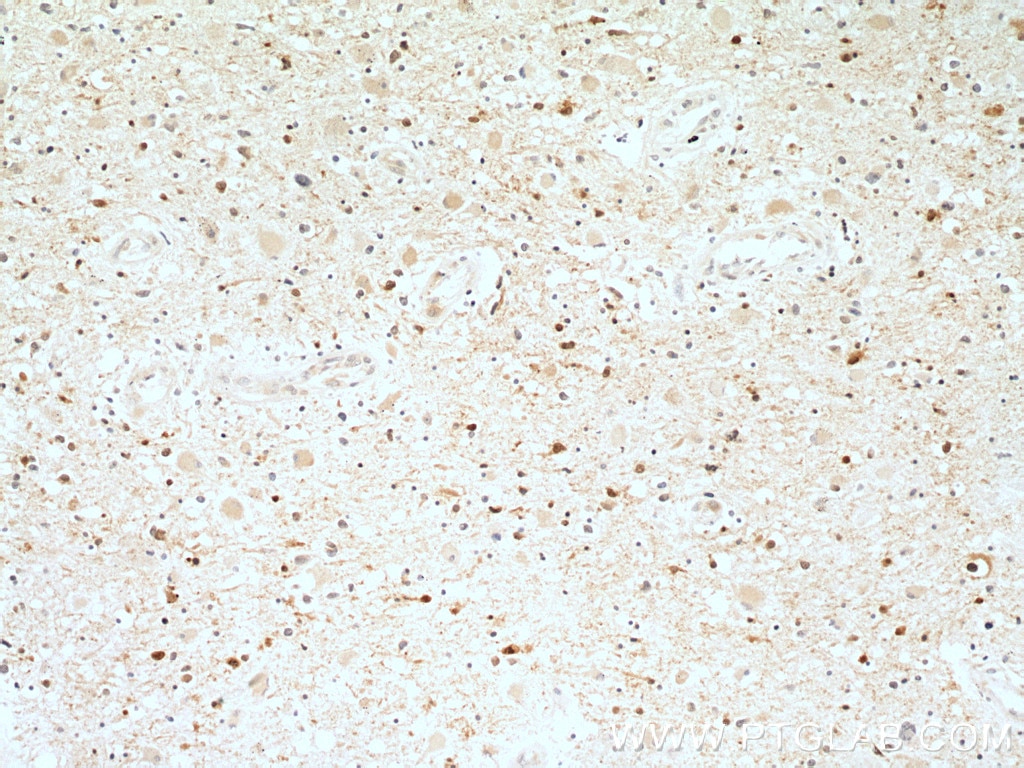
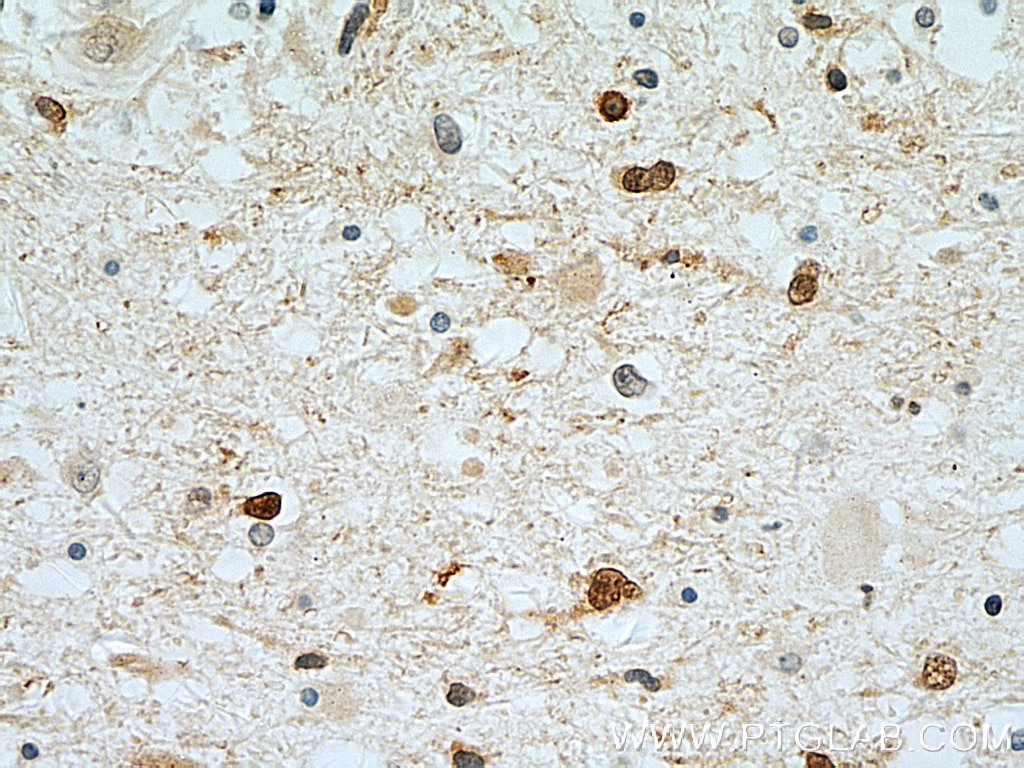
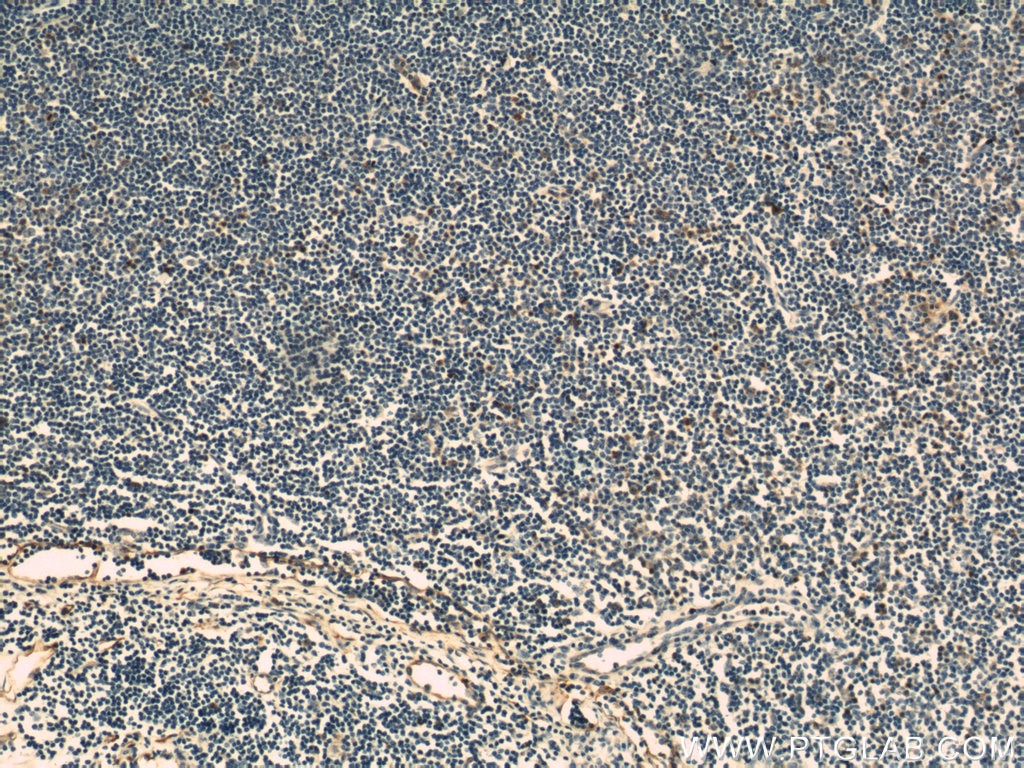
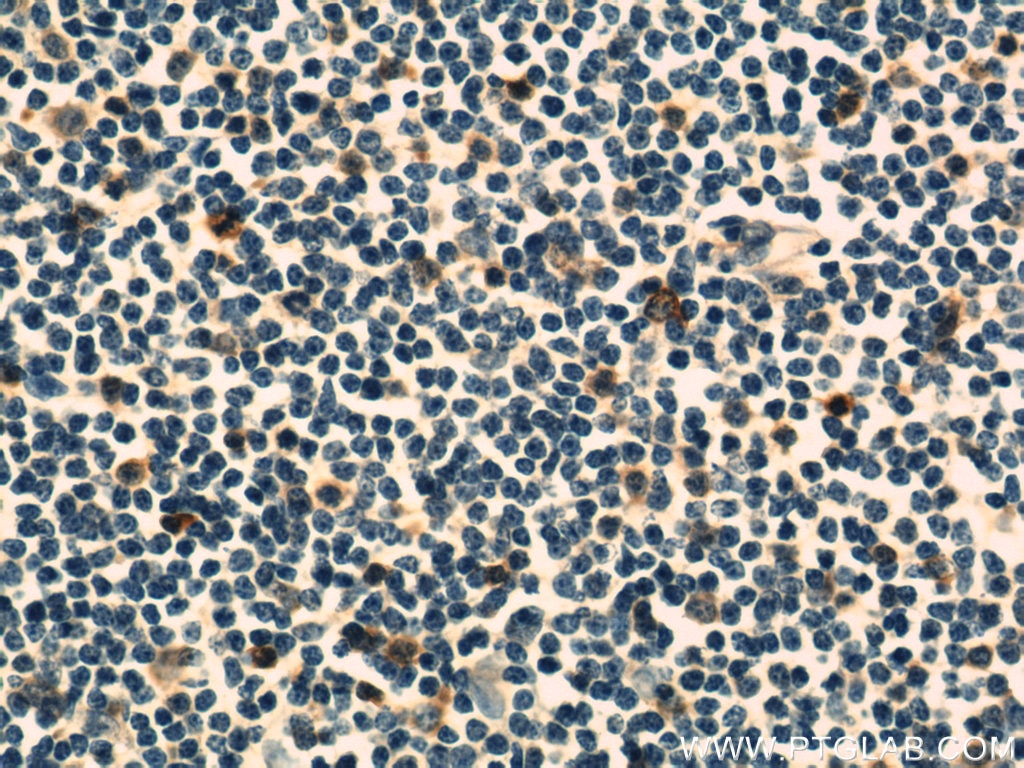
| Positive IHC detected in | human gliomas tissue, human lymphoma tissue Note: suggested antigen retrieval with TE buffer pH 9.0; (*) Alternatively, antigen retrieval may be performed with citrate buffer pH 6.0 |
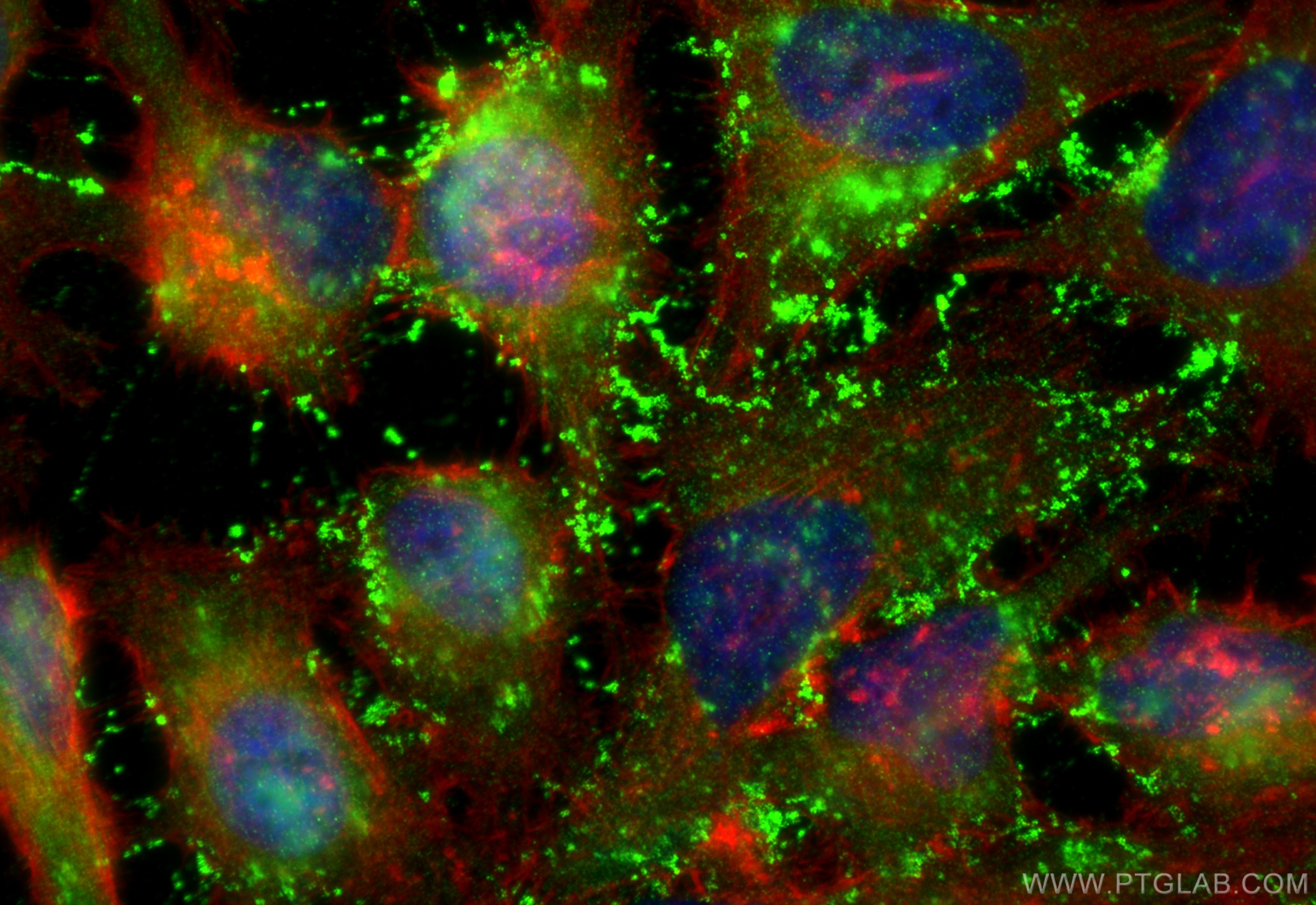
| Positive IF/ICC detected in | HeLa cells |
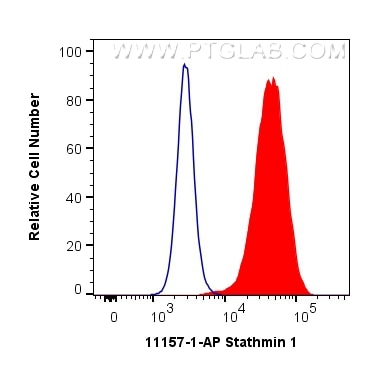
| Positive FC (Intra) detected in | HeLa cells |
Recommended dilution
| Application | Dilution |
|---|---|
| Western Blot (WB) | WB : 1:1000-1:4000 |
| Immunohistochemistry (IHC) | IHC : 1:50-1:500 |
| Immunofluorescence (IF)/ICC | IF/ICC : 1:50-1:500 |
| Flow Cytometry (FC) (INTRA) | FC (INTRA) : 0.40 ug per 10^6 cells in a 100 ul suspension |
| It is recommended that this reagent should be titrated in each testing system to obtain optimal results. | |
| Sample-dependent, Check data in validation data gallery. | |
Product Information
11157-1-AP targets Stathmin 1 in WB, IHC, IF/ICC, FC (Intra), ELISA applications and shows reactivity with human, rat samples.
| Tested Reactivity | human, rat |
| Cited Reactivity | human, mouse, rat |
| Host / Isotype | Rabbit / IgG |
| Class | Polyclonal |
| Type | Antibody |
| Immunogen |
CatNo: Ag1633 Product name: Recombinant human STMN1 protein Source: e coli.-derived, PGEX-4T Tag: GST Domain: 1-149 aa of BC014353 Sequence: MASSDIQVKELEKRASGQAFELILSPRSKESVPEFPLSPPKKKDFSLEEIQKKLEAAEERRKSHEAEVLKQLAEKREHEKEVLQKAIEENNNFSKMAEEKLTHKMEANKENREAQMAAKLERLREKDKHIEEVRKNKESKDPADETEAD Predict reactive species |
| Full Name | stathmin 1/oncoprotein 18 |
| Calculated Molecular Weight | 18 kDa |
| Observed Molecular Weight | 18 kDa |
| GenBank Accession Number | BC014353 |
| Gene Symbol | Stathmin 1 |
| Gene ID (NCBI) | 3925 |
| RRID | AB_2197114 |
| Conjugate | Unconjugated |
| Form | Liquid |
| Purification Method | Antigen affinity purification |
| UNIPROT ID | P16949 |
| Storage Buffer | PBS with 0.02% sodium azide and 50% glycerol, pH 7.3. |
| Storage Conditions | Store at -20°C. Stable for one year after shipment. Aliquoting is unnecessary for -20oC storage. 20ul sizes contain 0.1% BSA. |
Background Information
Stathmin 1 (STMN1) normally regulates microtubule dynamics either by sequestering free tubulin heterodimers or by promoting microtubule catastrophe. STMN1 is highly expressed in fetal and adult brain, spinal cord, and cerebellum. Many different phosphorylated forms are observed depending on specific combinations among the sites which can be phosphorylated. Phosphorylation of stathmin is involved in response to NGF, neuron polarization and microtubule polymerization inhibition activity. Increased expression of STMN1 has been observed in a variety of human malignancies, such as colorectal primary tumors and metastatic tissues, but its association with melanoma is so far not well known.
Protocols
| Product Specific Protocols | |
|---|---|
| FC protocol for Stathmin 1 antibody 11157-1-AP | Download protocol |
| IF protocol for Stathmin 1 antibody 11157-1-AP | Download protocol |
| IHC protocol for Stathmin 1 antibody 11157-1-AP | Download protocol |
| WB protocol for Stathmin 1 antibody 11157-1-AP | Download protocol |
| Standard Protocols | |
|---|---|
| Click here to view our Standard Protocols |
Publications
What published studies show
I'll search the citations for catalog 11157-1-AP.Stathmin 1 Polyclonal antibody (11157-1-AP) has a total of 34 citations. The antibody is cited across high-impact journals including Cell, Cell Stem Cell, Acta Pharm Sin B, Oncogene, Cell Reports, Neurobiology of Disease, Journal of Biological Chemistry, and multiple specialized journals. The research fields span cancer biology (breast cancer prognosis, colorectal cancer metastasis, hepatocellular carcinoma, esophageal carcinoma), neuroscience (axonal outgrowth, cortical pathways, epilepsy, blood-brain barrier), cell biology (microtubule dynamics, autophagy, mitophagy), developmental biology (intestinal regeneration, pancreatic progenitor labeling), and infection/toxicology studies.
| Species | Application | Title |
|---|---|---|
Cell Isthmus progenitor cells contribute to homeostatic cellular turnover and support regeneration following intestinal injury | ||
Cell Stem Cell Continuous clonal labeling reveals uniform progenitor potential in the adult exocrine pancreas. | ||
Acta Pharm Sin B Reversibly unlocking the blood-brain barrier: A study on microtubule dynamics modulation using gold nanoparticle-modified reduced graphene oxide. | ||
Oncogene KIAA1199 promotes metastasis of colorectal cancer cells via microtubule destabilization regulated by a PP2A/stathmin pathway.
| ||
Chemosphere Perinatal exposure to nonylphenol impairs dendritic outgrowth of cerebellar Purkinje cells in progeny. | ||
Int J Nanomedicine Protein Nanoparticle-Related Osmotic Pressure Modifies Nonselective Permeability of the Blood-Brain Barrier by Increasing Membrane Fluidity. |
Reviews
What customers say
Able is busy answering your previous question. Please try again later.
The reviews below have been submitted by verified Proteintech customers who received an incentive for providing their feedback.
Richard (Verified Customer) (10-08-2019) | Antibody works well at 1:4000 and gives a single band, have no issues with it.
 |

