
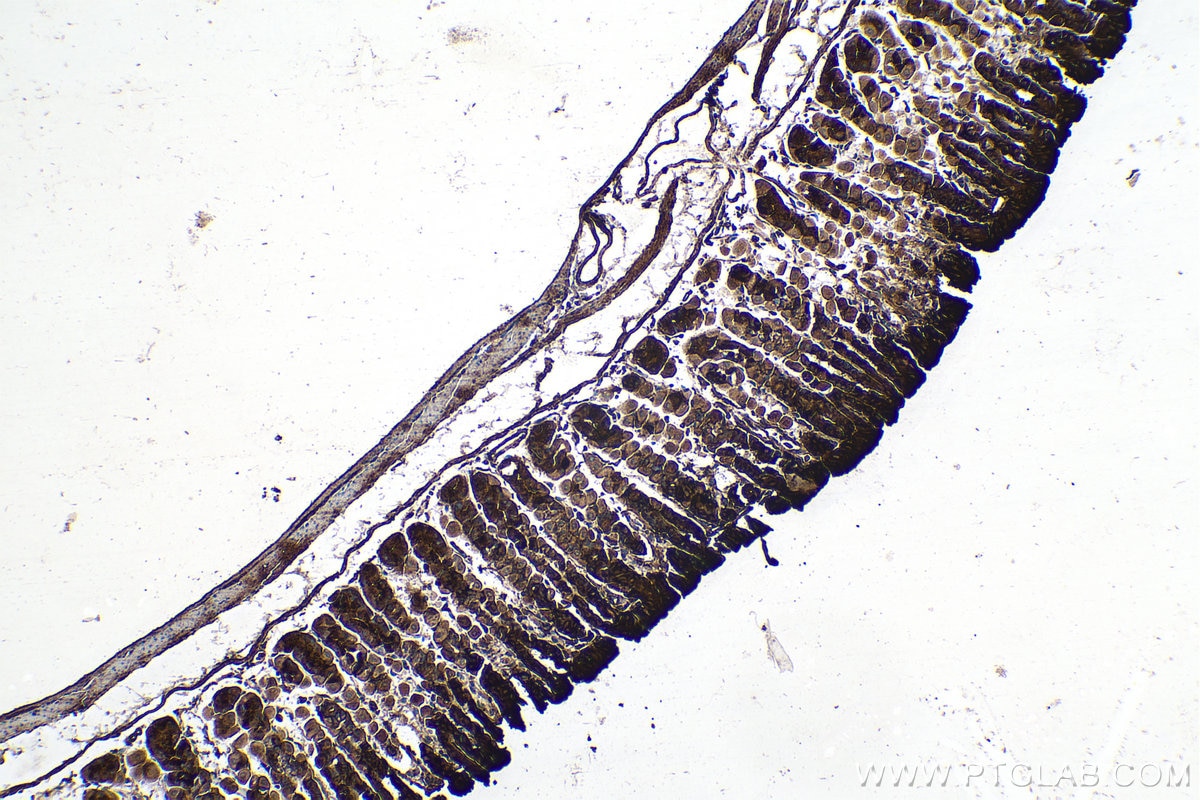
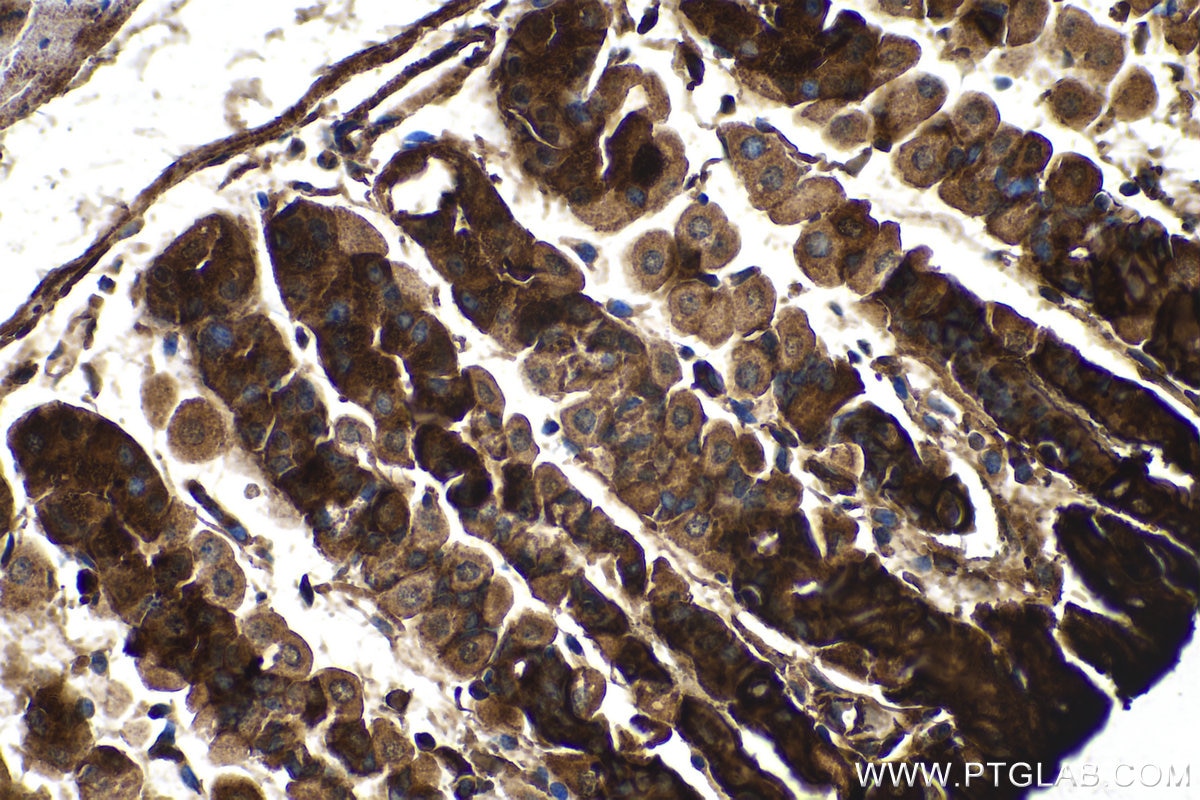
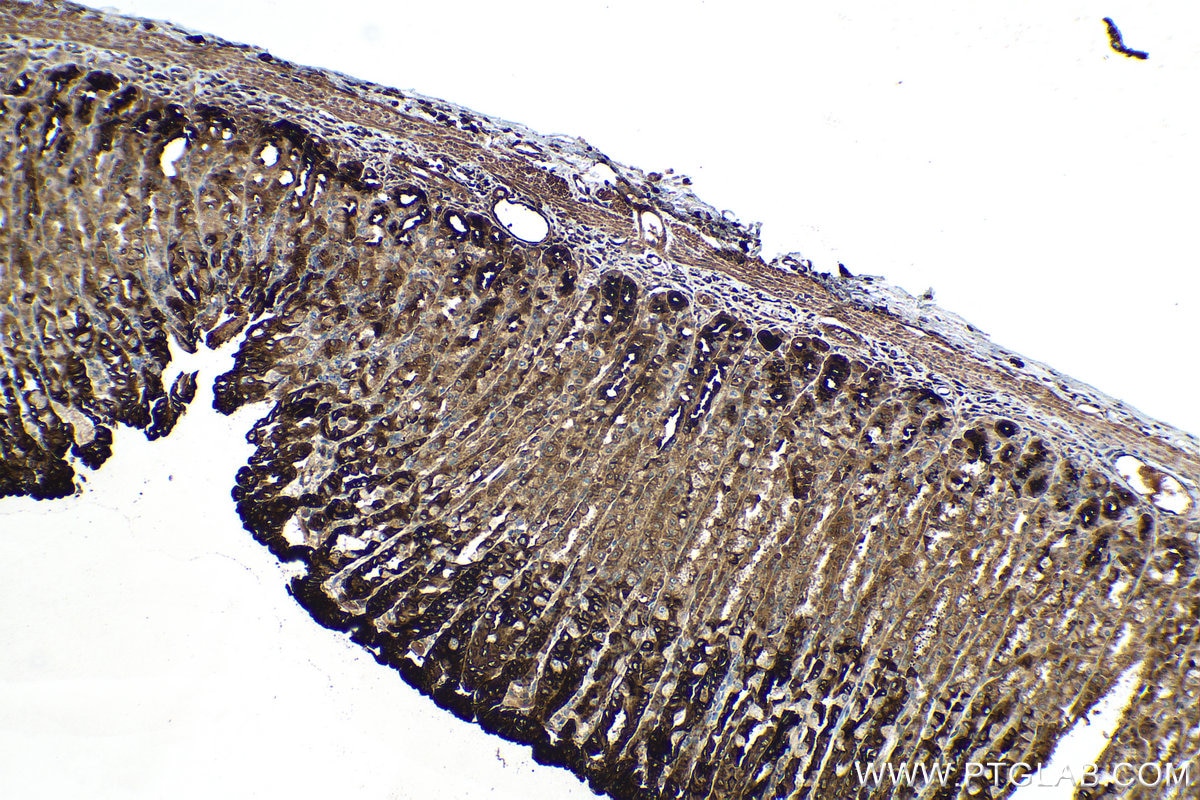
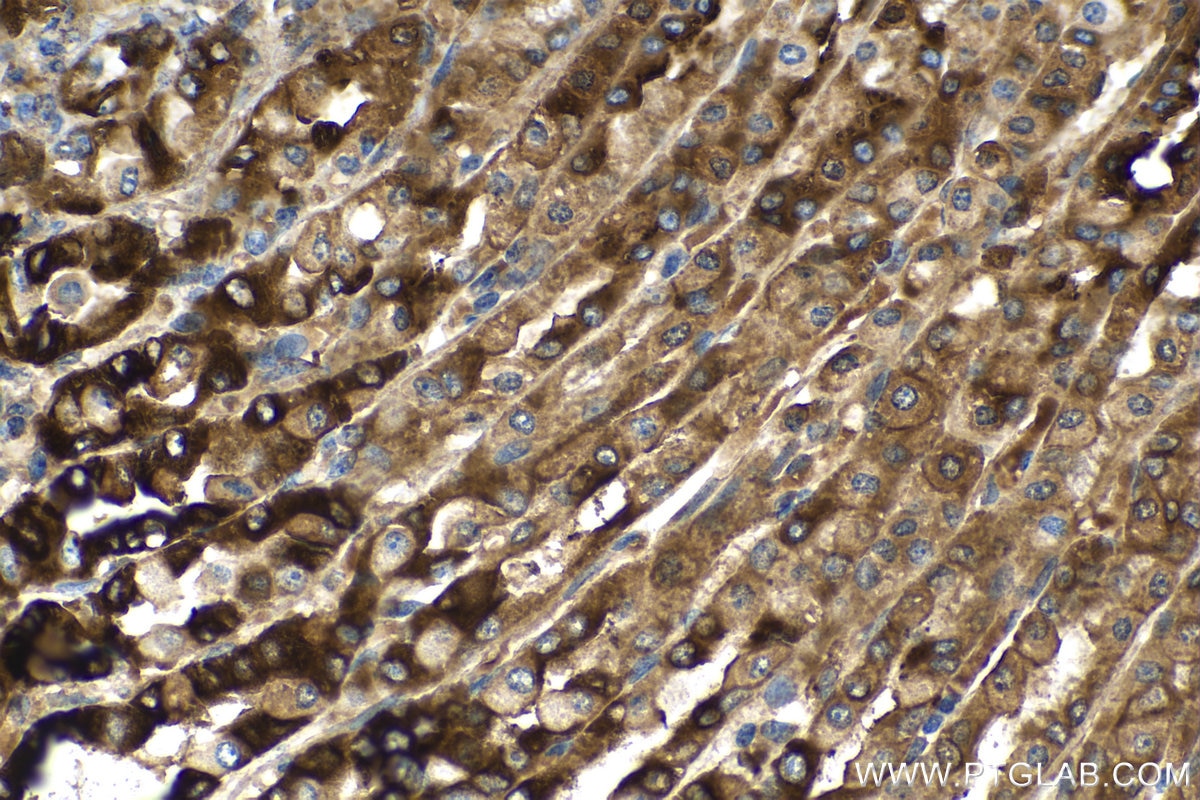

Tested Applications
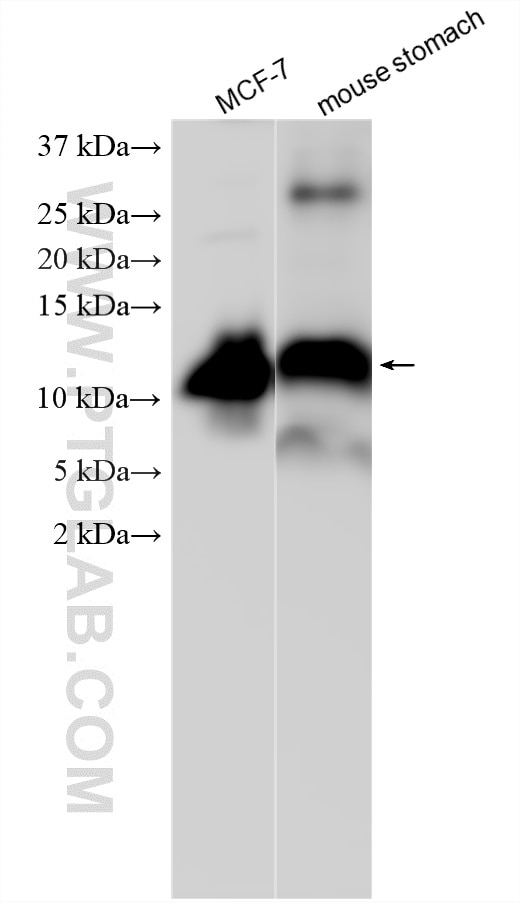
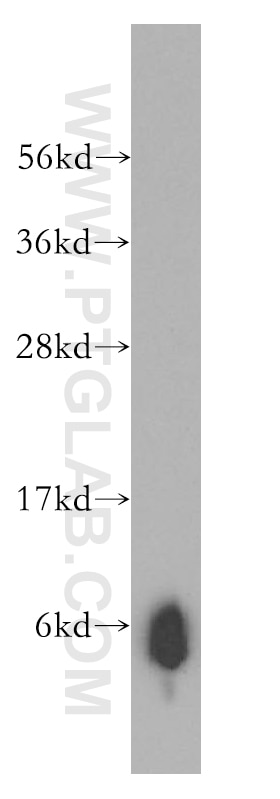
| Positive WB detected in | MCF-7 cells, human kidney tissue, mouse stomach tisssue |
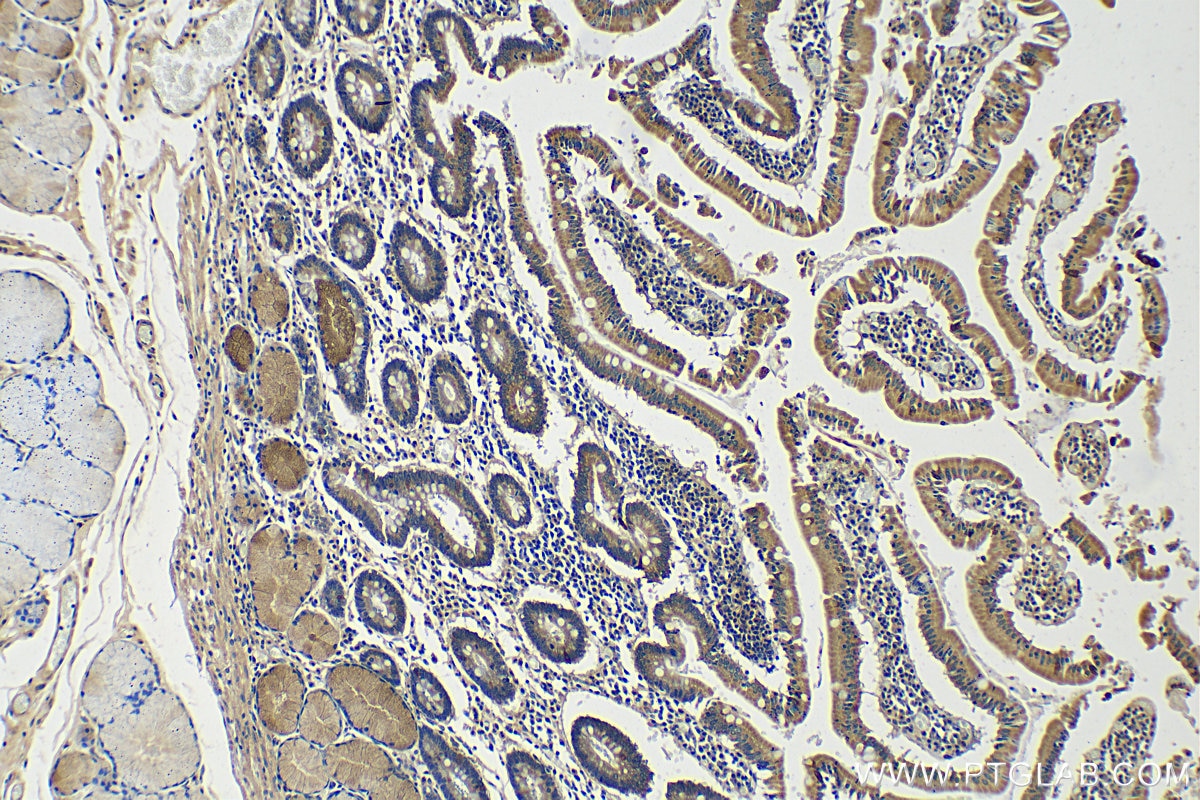
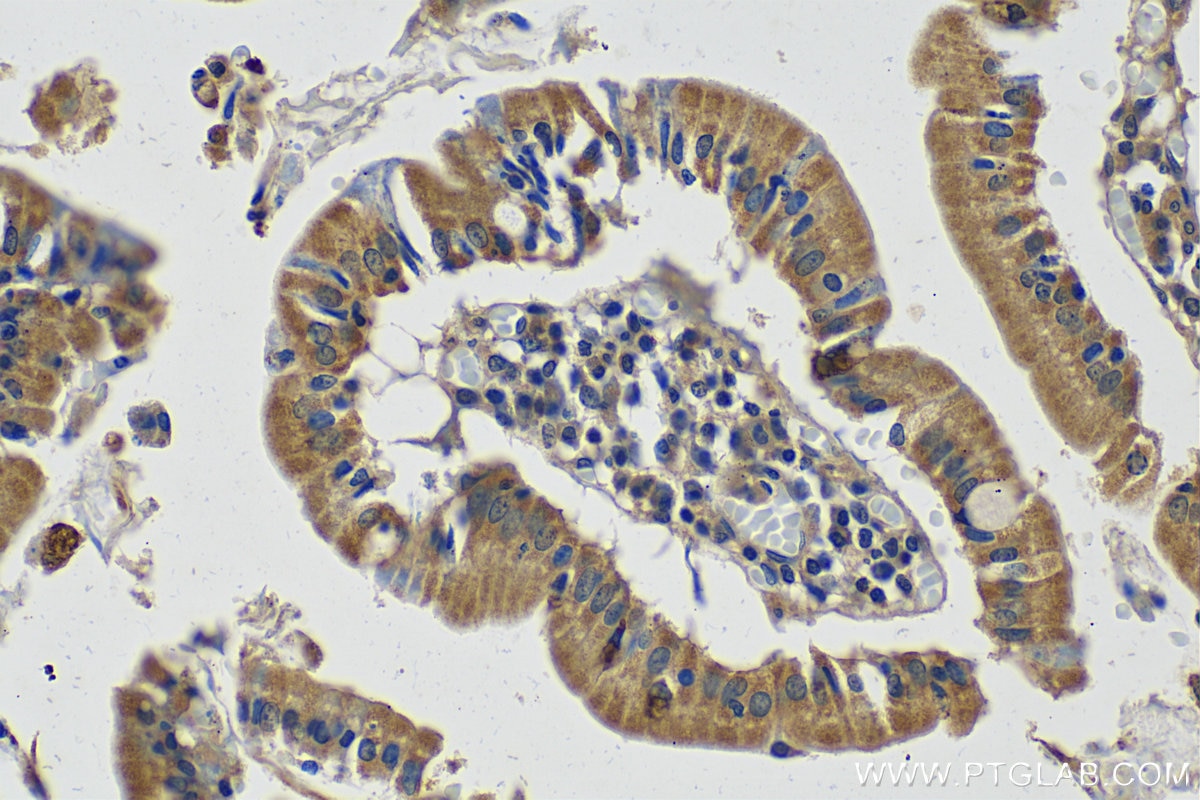
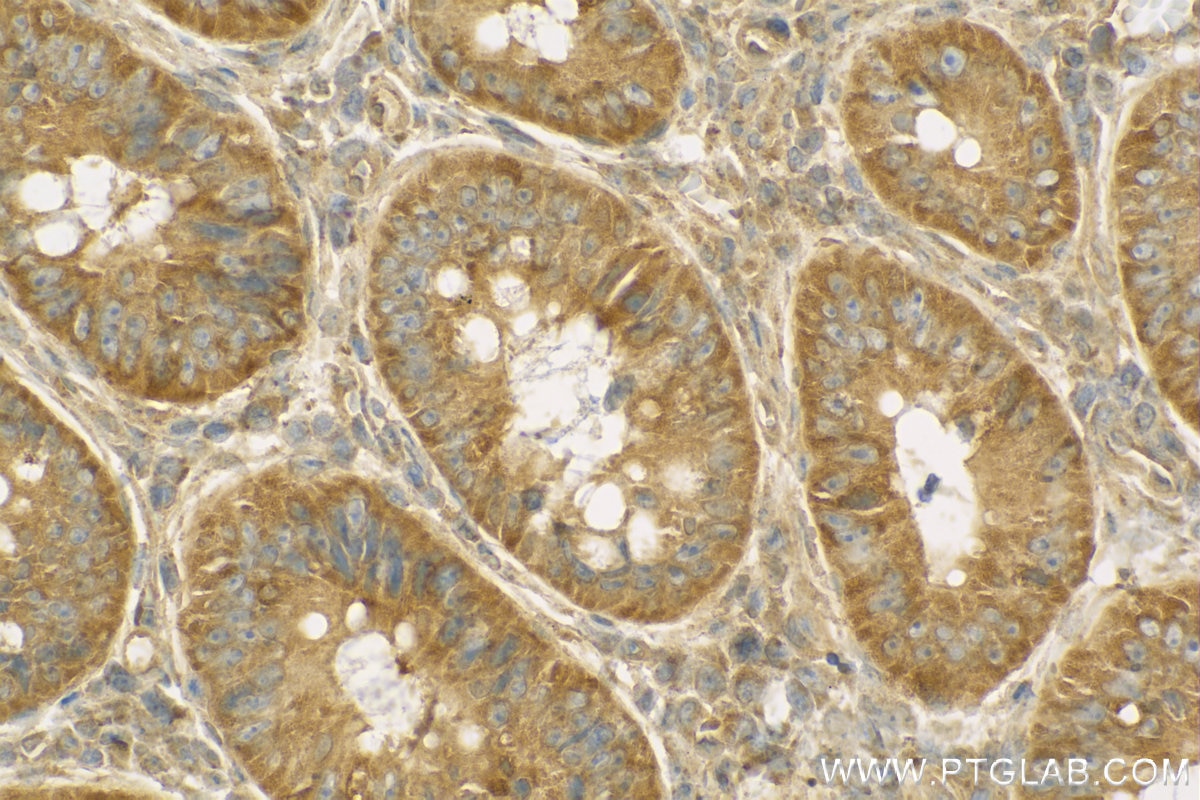
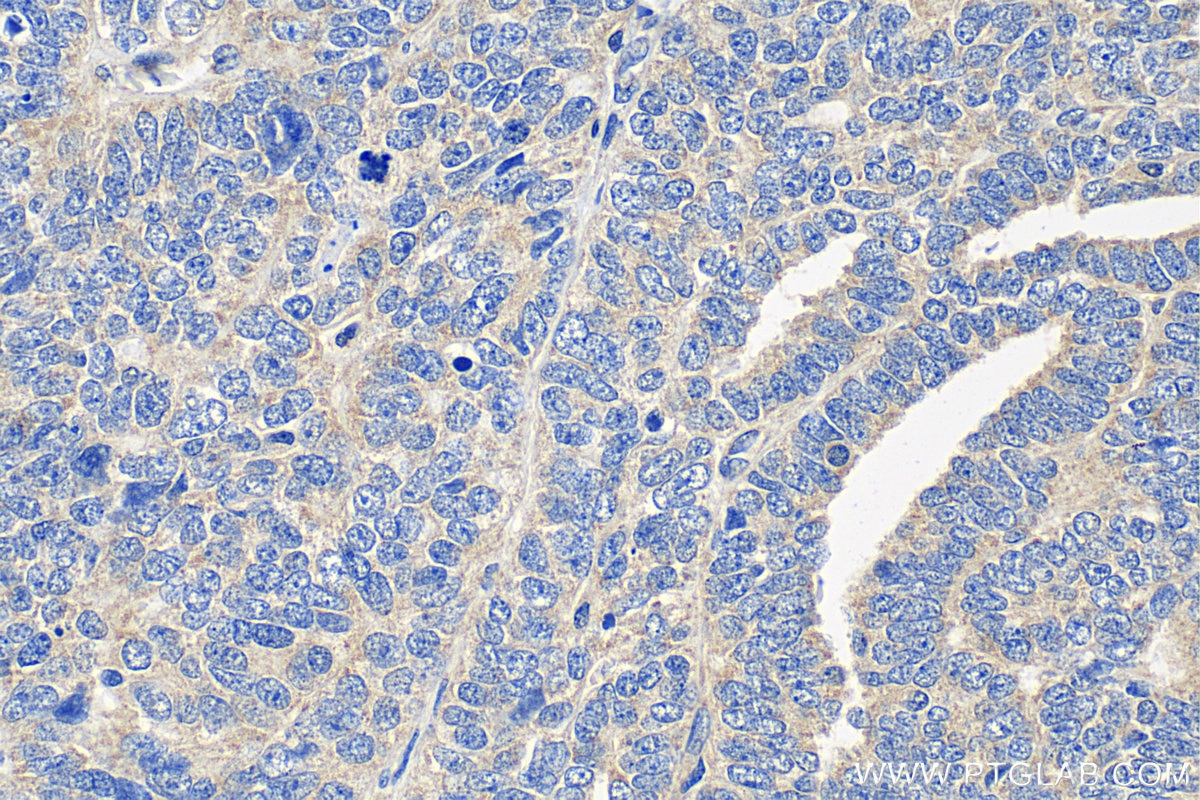
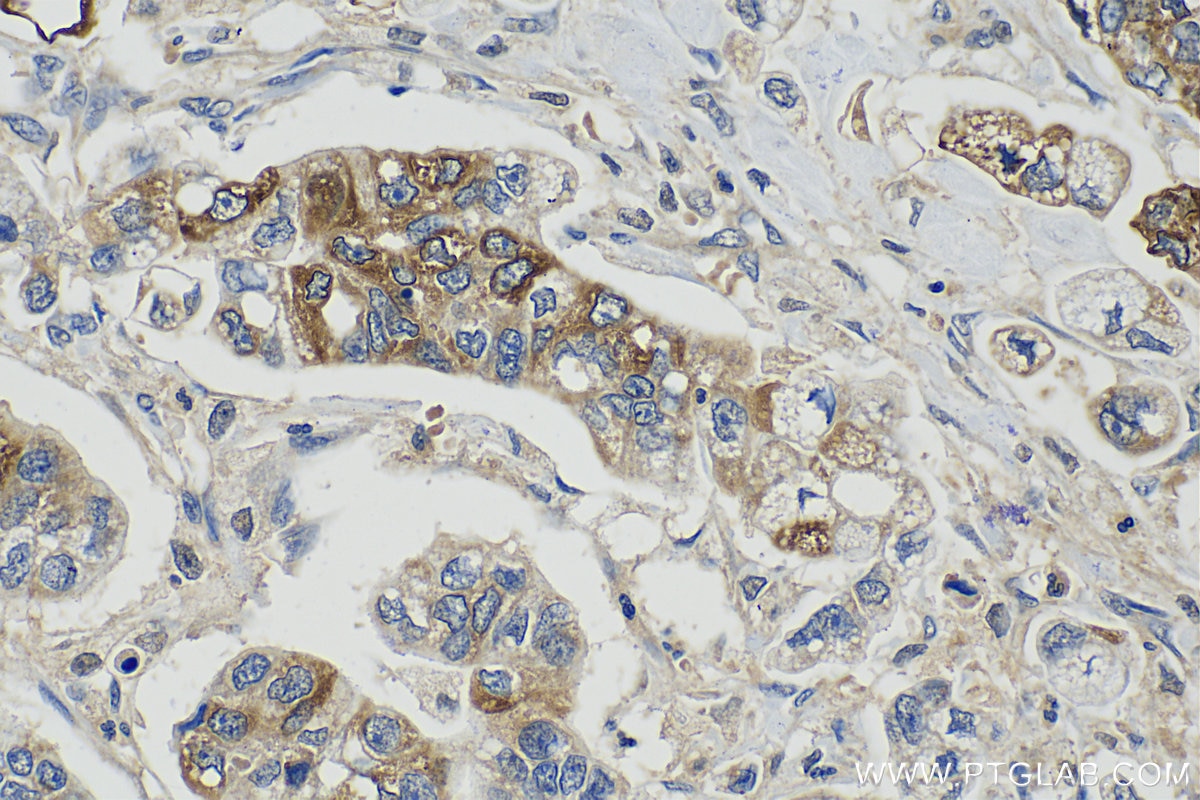
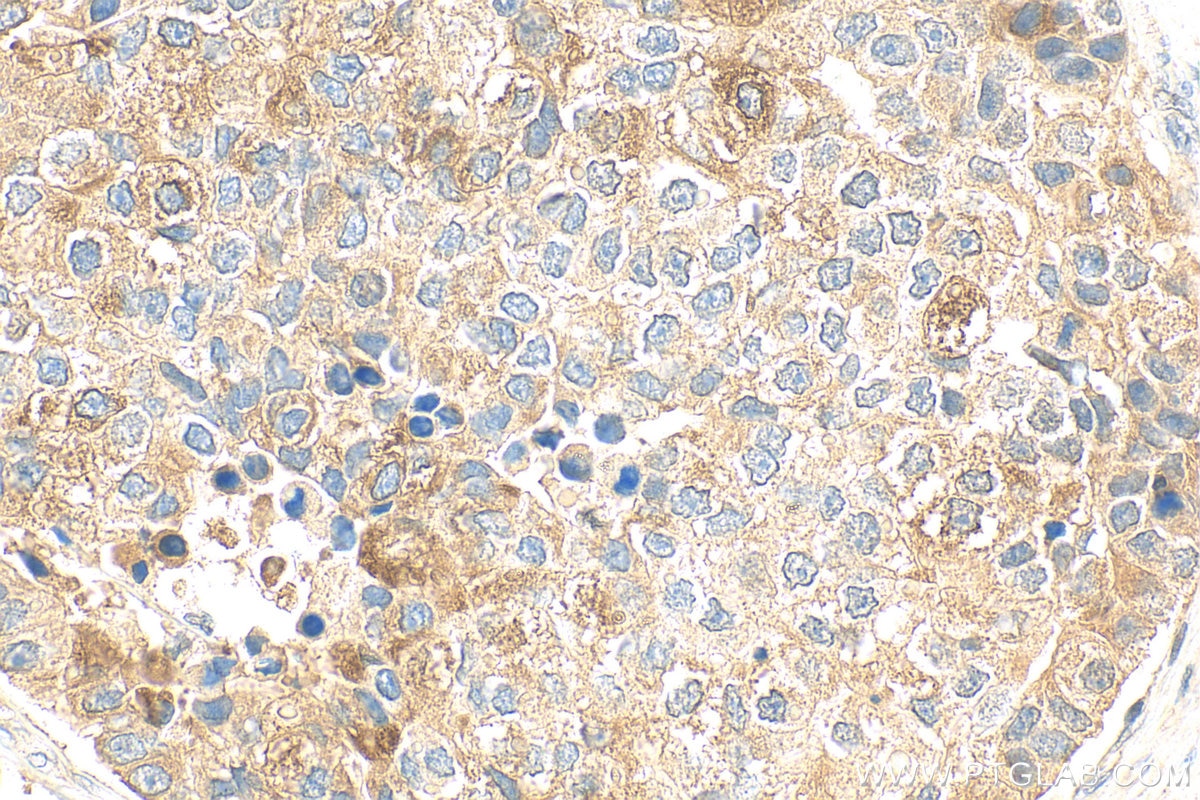
| Positive IHC detected in | human stomach cancer tissue, human colon cancer tissue, human ovary tumor tissue, human stomach tissue, mouse stomach tissue, rat stomach tissue Note: suggested antigen retrieval with TE buffer pH 9.0; (*) Alternatively, antigen retrieval may be performed with citrate buffer pH 6.0 |
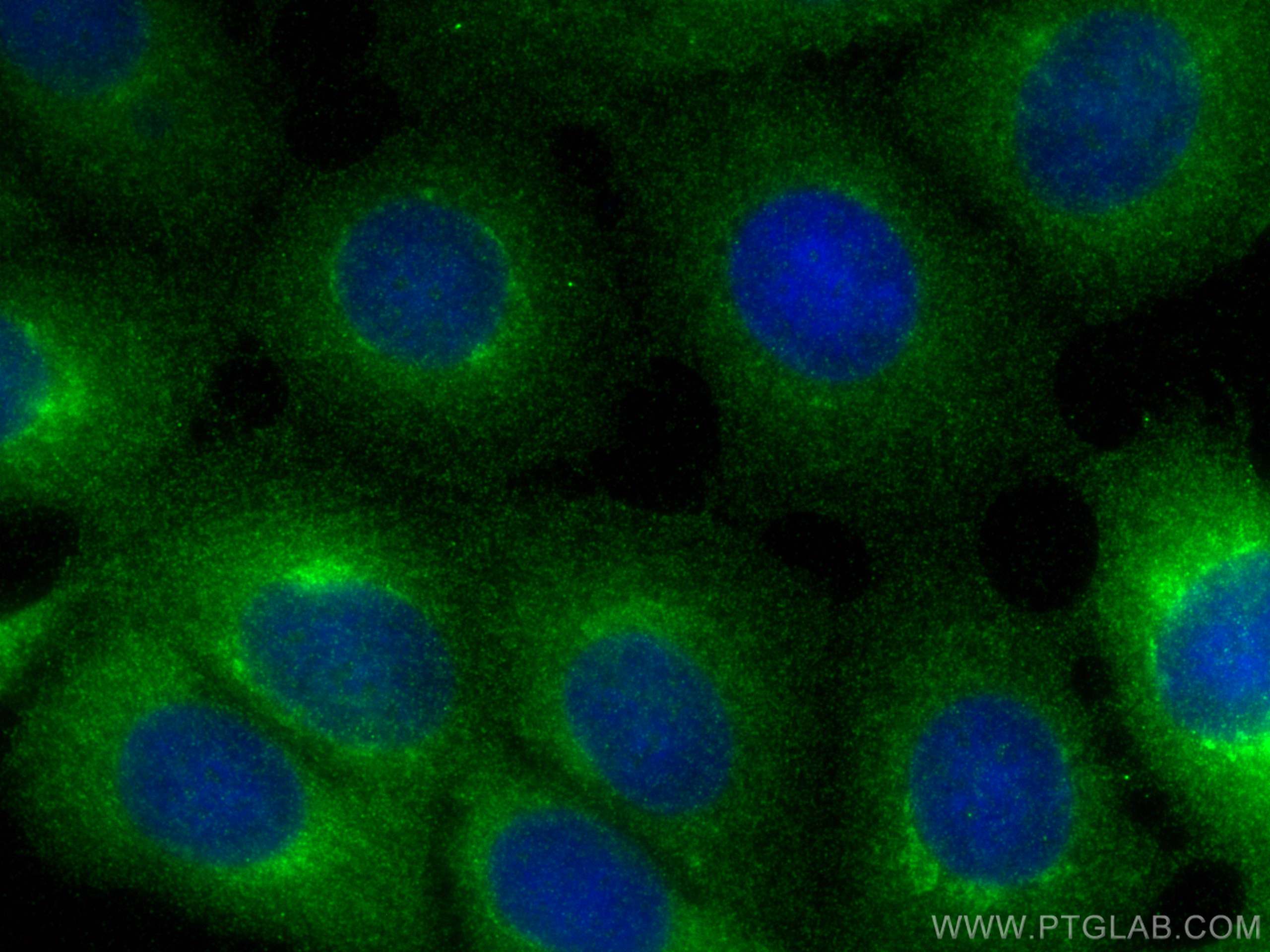
| Positive IF/ICC detected in | MCF-7 cells |
Recommended dilution
| Application | Dilution |
|---|---|
| Western Blot (WB) | WB : 1:500-1:2000 |
| Immunohistochemistry (IHC) | IHC : 1:50-1:500 |
| Immunofluorescence (IF)/ICC | IF/ICC : 1:50-1:500 |
| It is recommended that this reagent should be titrated in each testing system to obtain optimal results. | |
| Sample-dependent, Check data in validation data gallery. | |
Product Information
13734-1-AP targets TFF1 in WB, IHC, IF/ICC, ELISA applications and shows reactivity with human, mouse, rat samples.
| Tested Reactivity | human, mouse, rat |
| Cited Reactivity | human, mouse, rat |
| Host / Isotype | Rabbit / IgG |
| Class | Polyclonal |
| Type | Antibody |
| Immunogen |
CatNo: Ag4541 Product name: Recombinant human TFF1 protein Source: e coli.-derived, PGEX-4T Tag: GST Domain: 1-84 aa of BC032811 Sequence: MATMENKVICALVLVSMLALGTLAEAQTETCTVAPRERQNCGFPGVTPSQCANKGCCFDDTVRGVPWCFYPNTIDVPPEEECEF Predict reactive species |
| Full Name | trefoil factor 1 |
| Calculated Molecular Weight | 84 aa, 9 kDa |
| Observed Molecular Weight | 9-12 kDa |
| GenBank Accession Number | BC032811 |
| Gene Symbol | TFF1 |
| Gene ID (NCBI) | 7031 |
| RRID | AB_2202853 |
| Conjugate | Unconjugated |
| Form | Liquid |
| Purification Method | Antigen affinity purification |
| UNIPROT ID | P04155 |
| Storage Buffer | PBS with 0.02% sodium azide and 50% glycerol, pH 7.3. |
| Storage Conditions | Store at -20°C. Stable for one year after shipment. Aliquoting is unnecessary for -20oC storage. 20ul sizes contain 0.1% BSA. |
Background Information
TFF1 (Trefoil factor 1, formerly known as pS2) is a small-secreted protein that belongs to the family of trefoil peptides, and characterized by the presence of one to six cysteine-rich P domains. TFF1 expression is frequently lost in gastric carcinoma, probably through mechanism of DNA methylation, and it is therefore considered as a tumor suppressor gene. The function of TFF1 was first controversially considered as an oncogene in breast cancer.
Protocols
| Product Specific Protocols | |
|---|---|
| IF protocol for TFF1 antibody 13734-1-AP | Download protocol |
| IHC protocol for TFF1 antibody 13734-1-AP | Download protocol |
| WB protocol for TFF1 antibody 13734-1-AP | Download protocol |
| Standard Protocols | |
|---|---|
| Click here to view our Standard Protocols |
Publications
What published studies show
TFF1 Polyclonal Antibody (13734-1-AP) — Citation Summary
Total citations: 17.
Appearing journals include Cell Death & Differentiation, Journal of Experimental Medicine, Phytomedicine, Cell Death Discovery, Cellular and Molecular Gastroenterology and Hepatology, JCI Insight, Cells, Translational Oncology, Biomedicine & Pharmacotherapy, Aesthetic Surgery Journal, Journal of Virology, Bone, Cell Biology International, Neuropeptides, BMC Medical Genomics, and International Journal of Clinical and Experimental Pathology.
Research fields: breast cancer (prognosis, bone metastasis, EMT), gastric cancer, colorectal cancer, ovarian cancer, cell differentiation, nutrient absorption, mucosal injury/inflammation, and gastric organoid studies. Applications cited include WB, IHC, and IF.
| Species | Application | Title |
|---|---|---|
Cell Death Differ BAP18 facilitates CTCF-mediated chromatin accessible to regulate enhancer activity in breast cancer | ||
J Exp Med Single-cell transcriptome analysis reveals differential nutrient absorption functions in human intestine. | ||
Phytomedicine Yiqi Huayu Jiedu formula inhibits JAK2/STAT3-mediated partial EMT in treating chronic atrophic gastritis | ||
Cell Death Discov A novel chemical inhibitor suppresses breast cancer cell growth and metastasis through inhibiting HPIP oncoprotein. | ||
Cell Mol Gastroenterol Hepatol Novel Acinar Metaplastic States Uncovered in Exocrine Pancreas Disease. |

