

Tested Applications
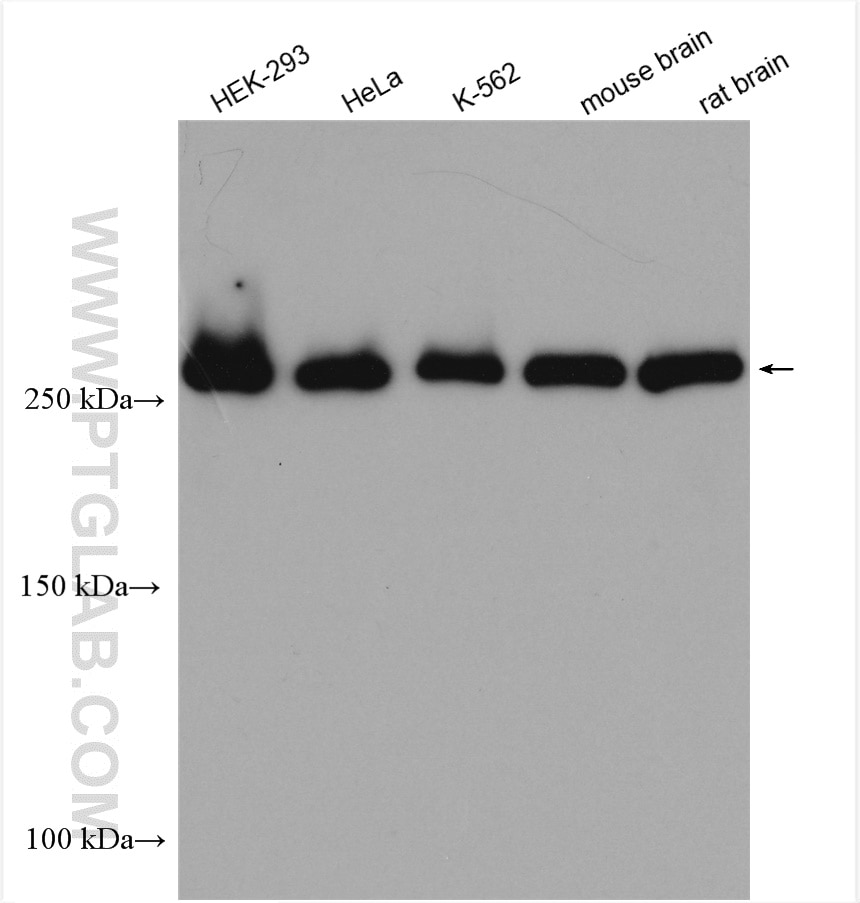
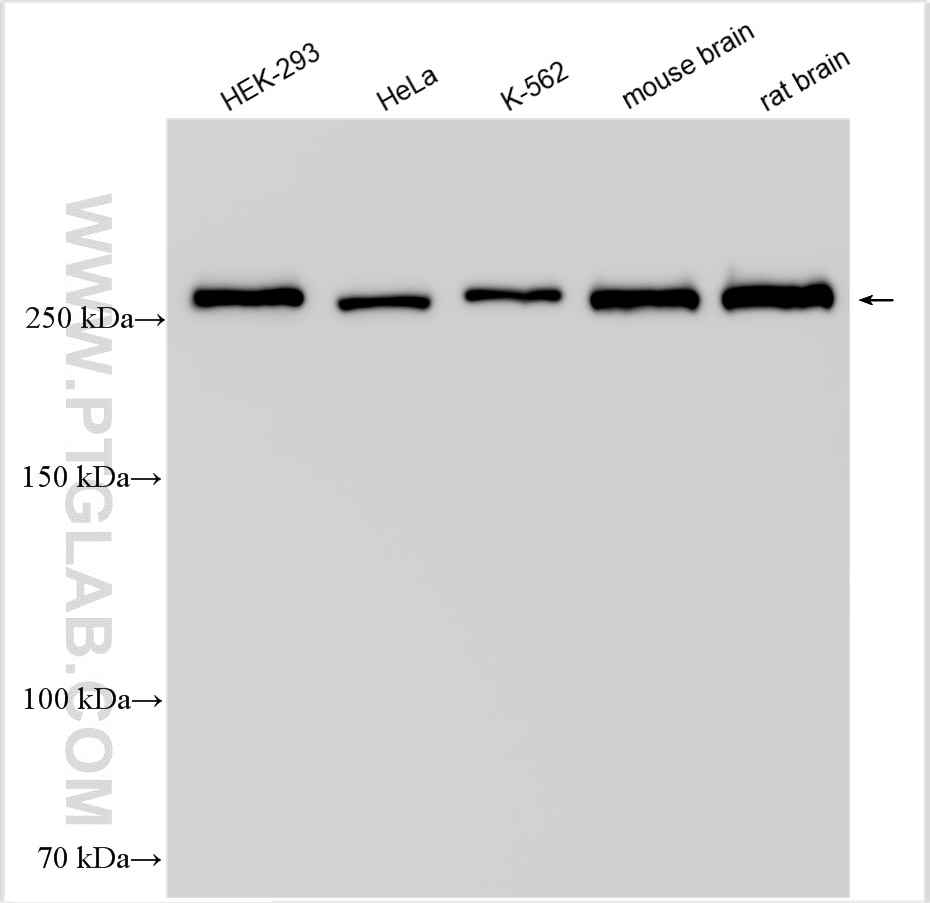
| Positive WB detected in | HEK-293 cells, HeLa cells, K-562 cells, mouse brain tissue, rat brain tissue |
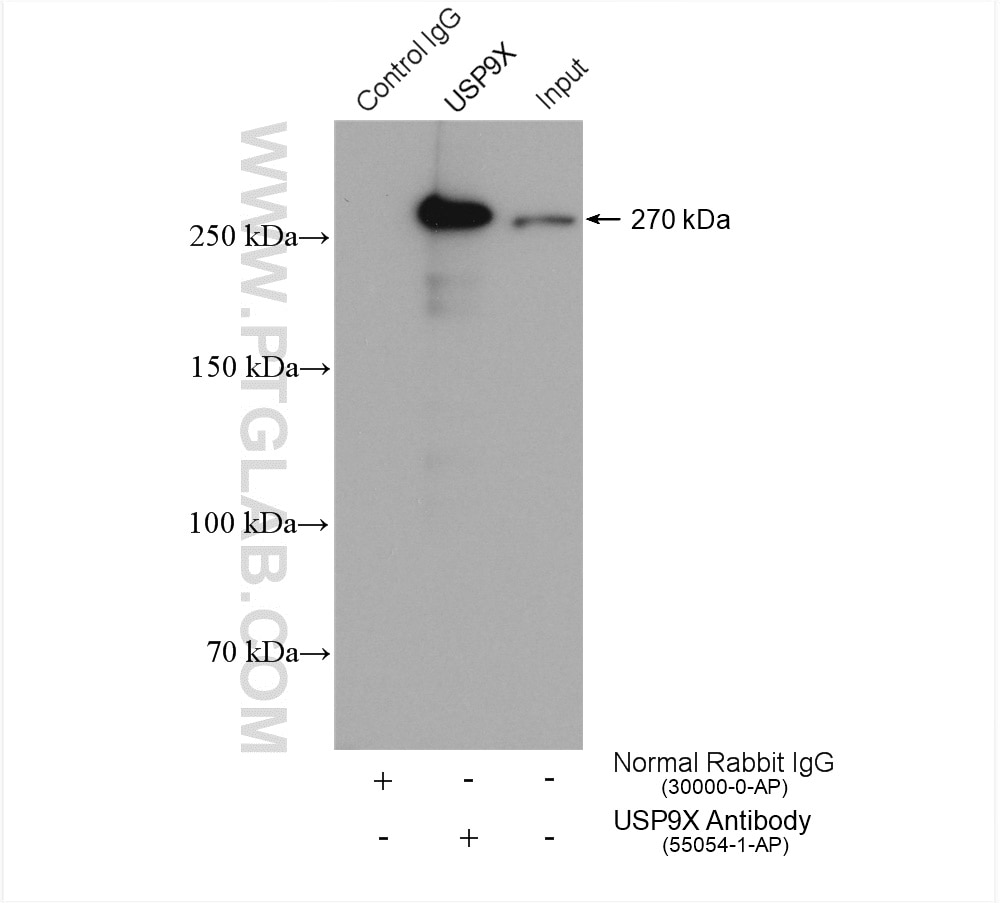
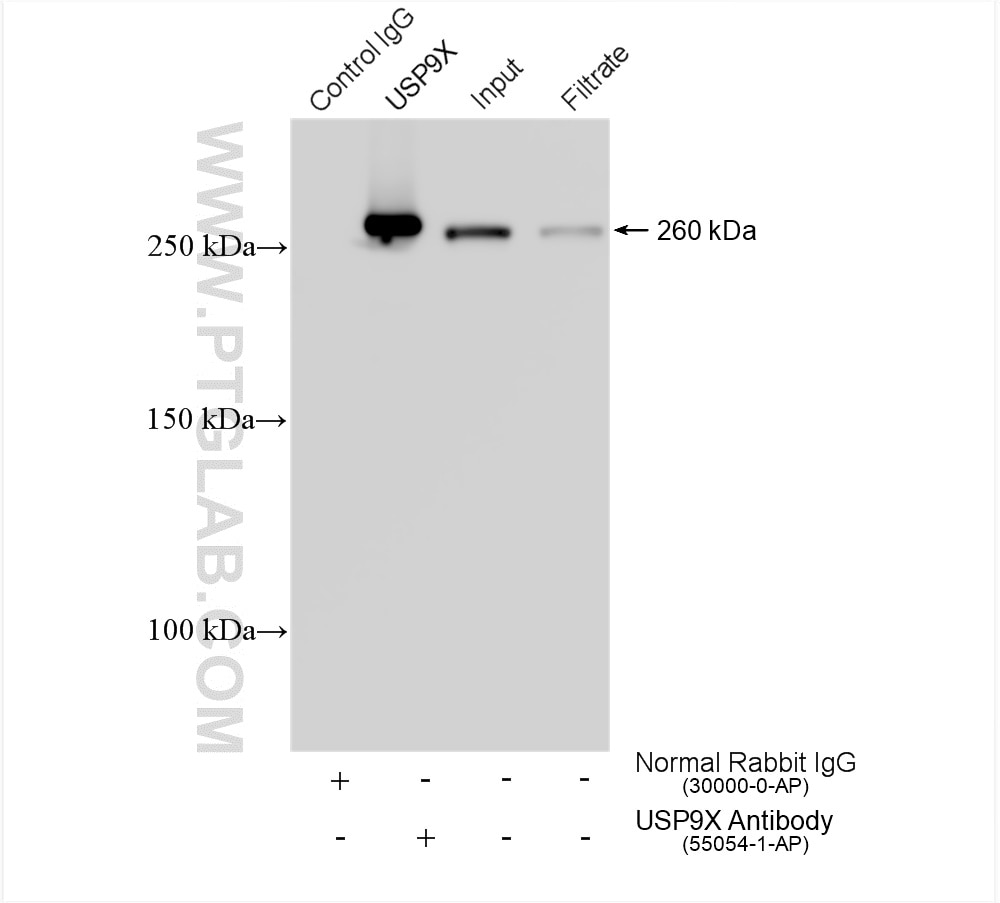
| Positive IP detected in | HeLa cells |
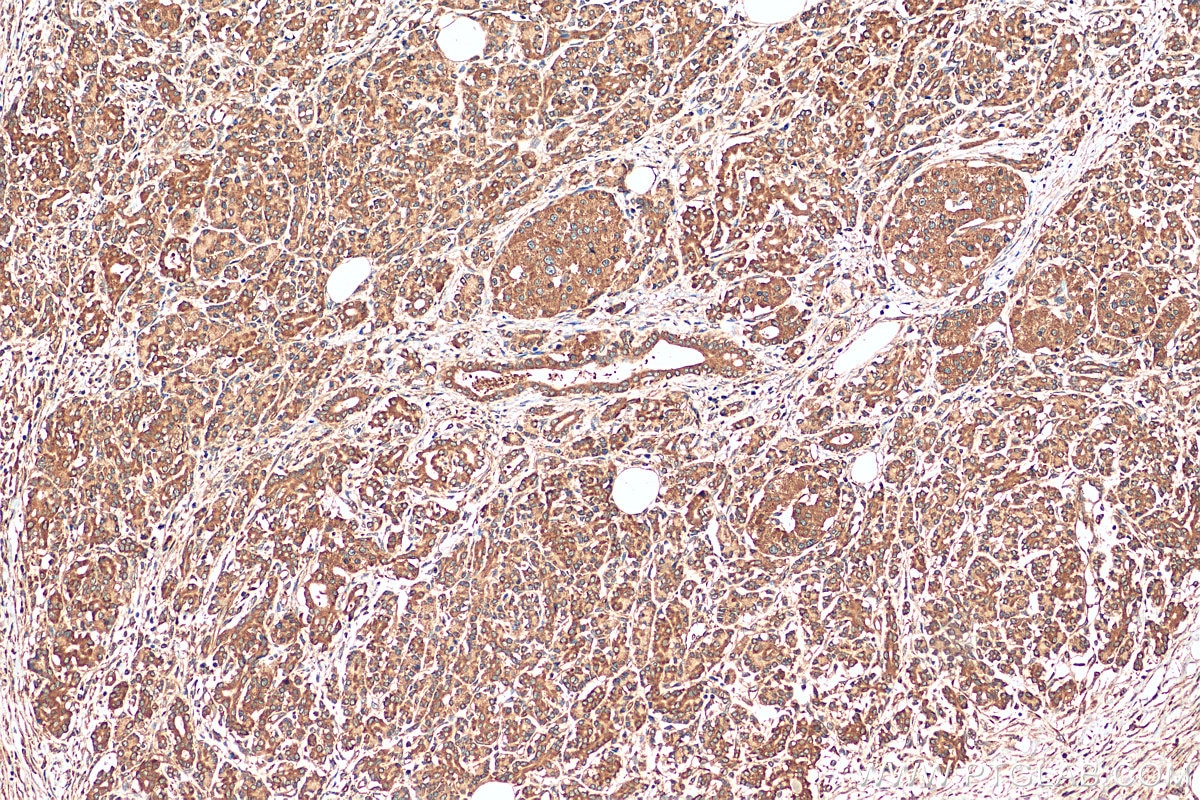
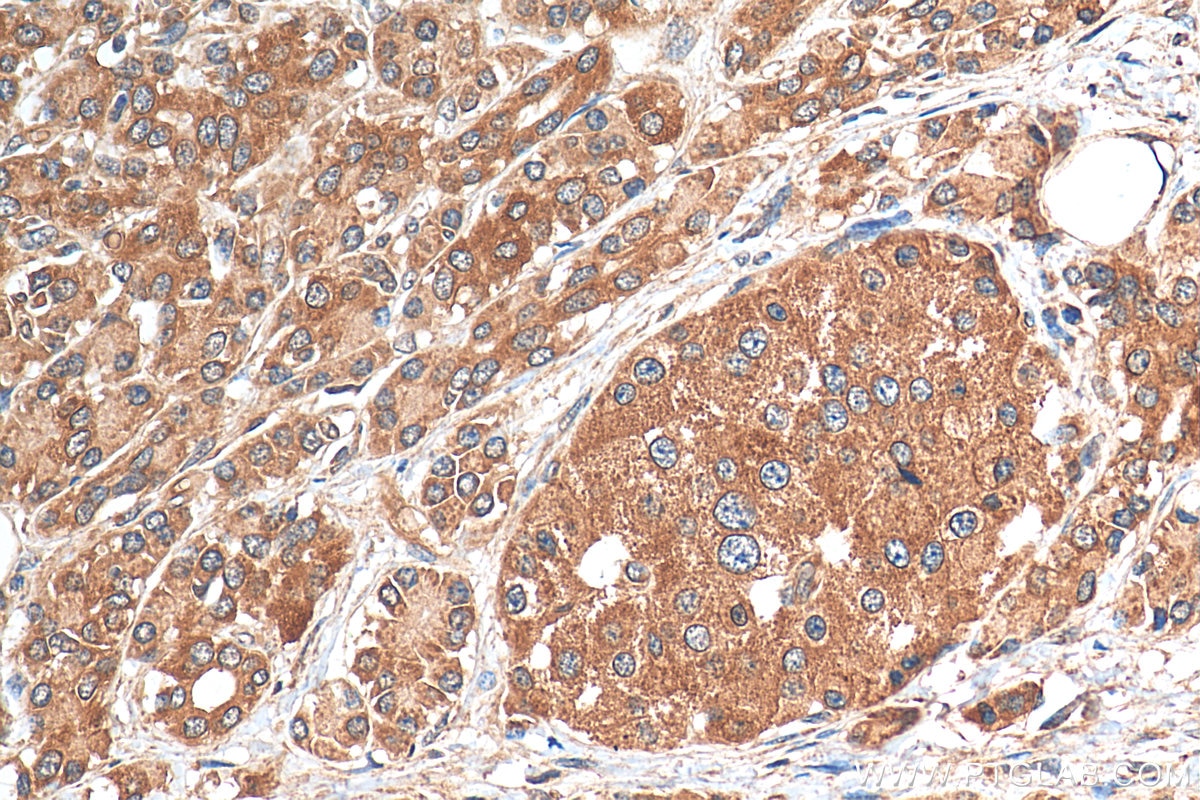
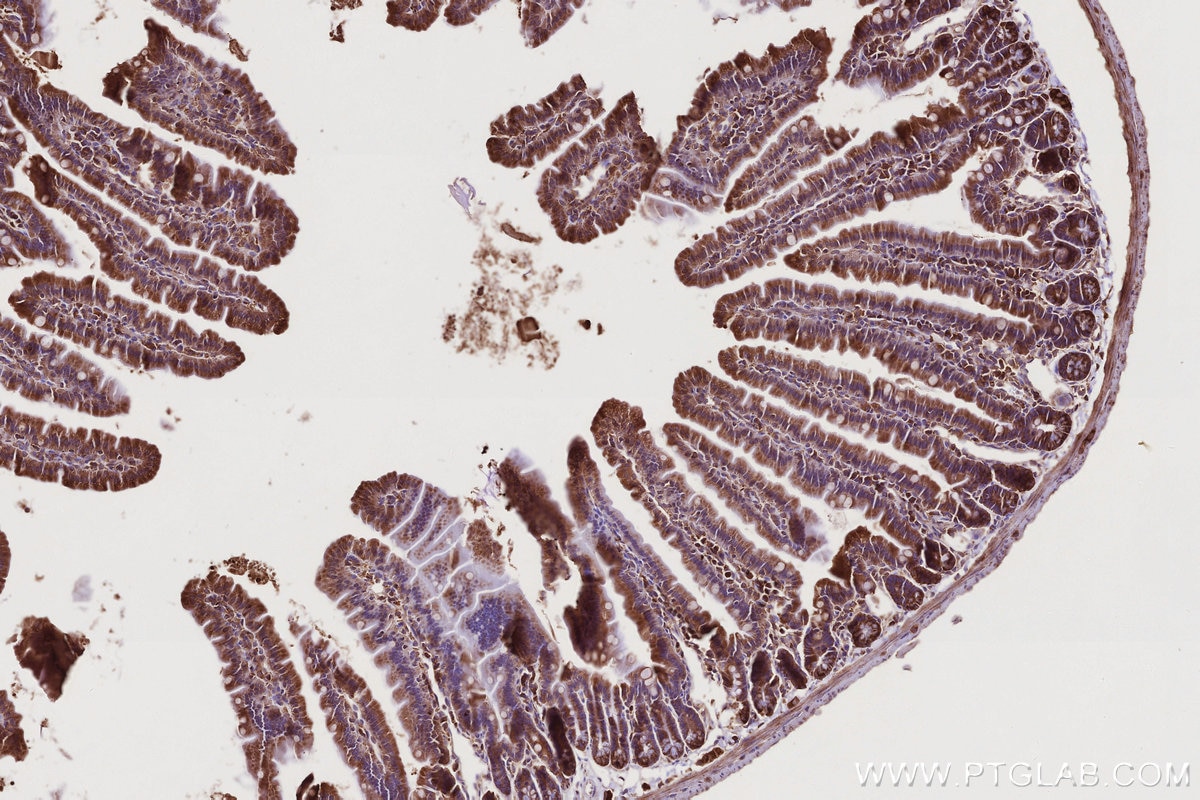
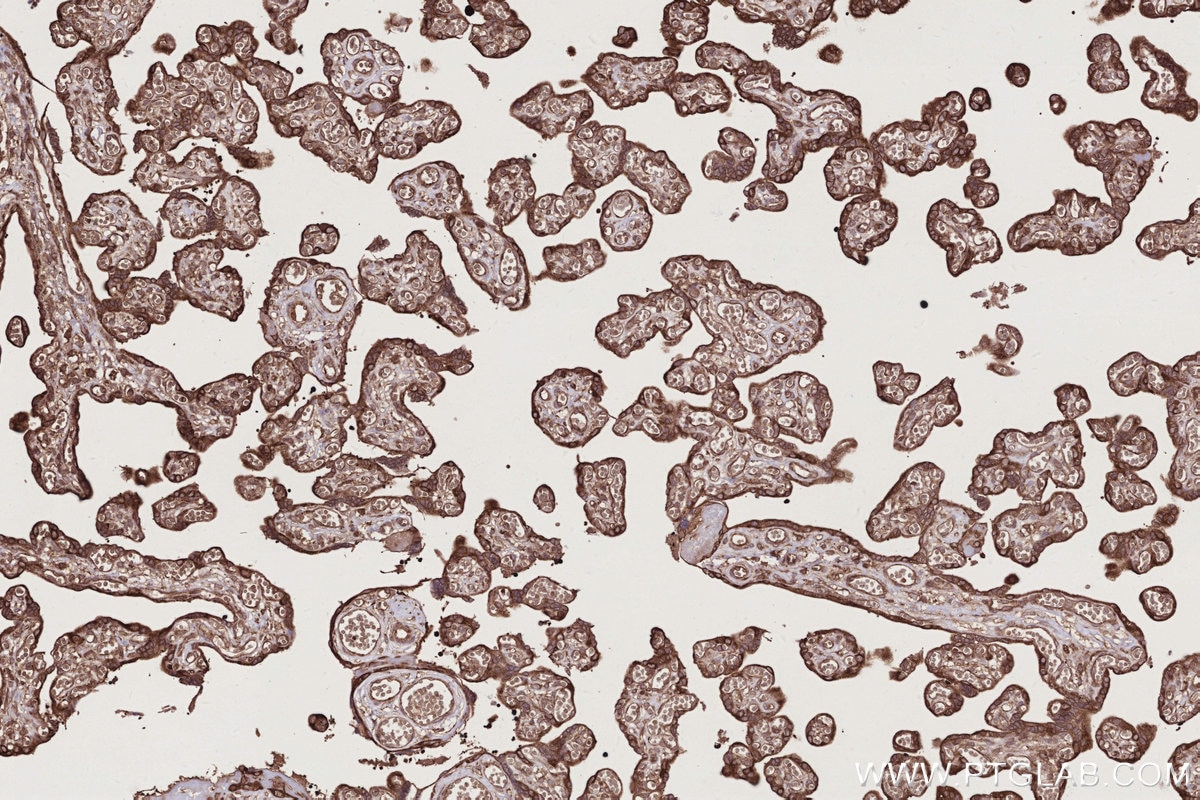
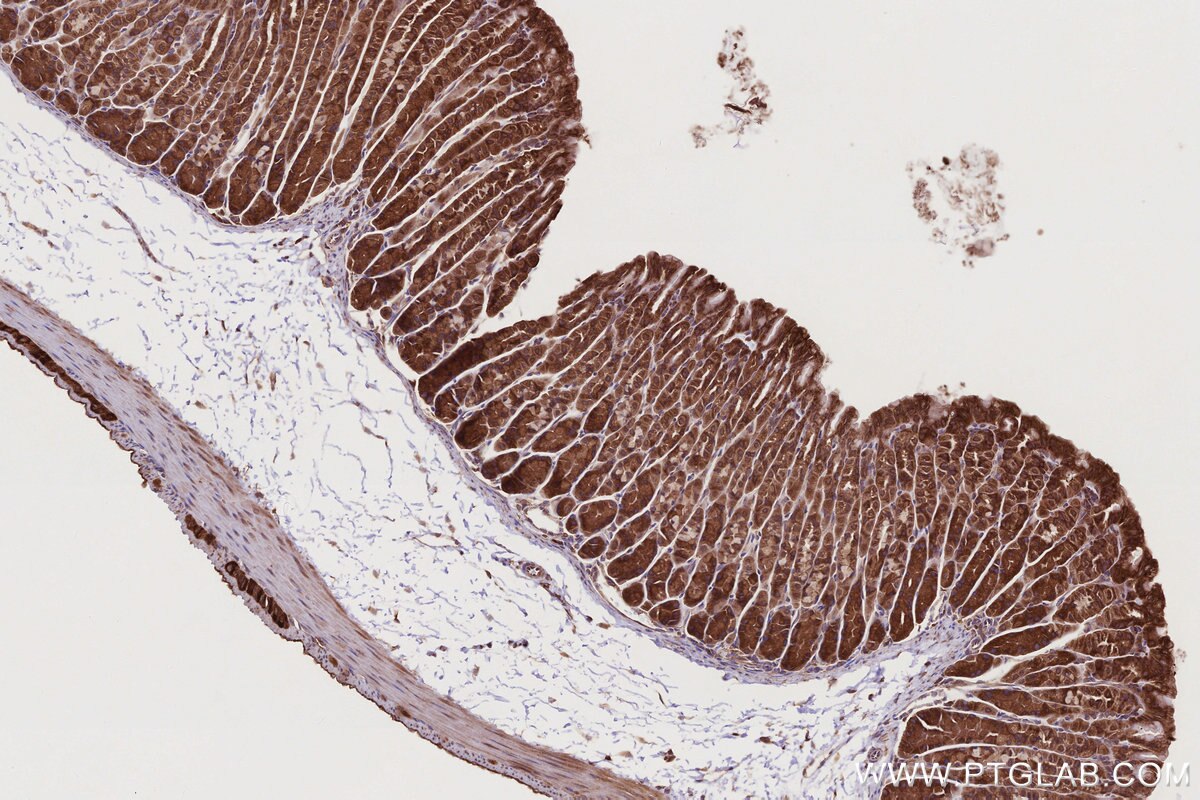
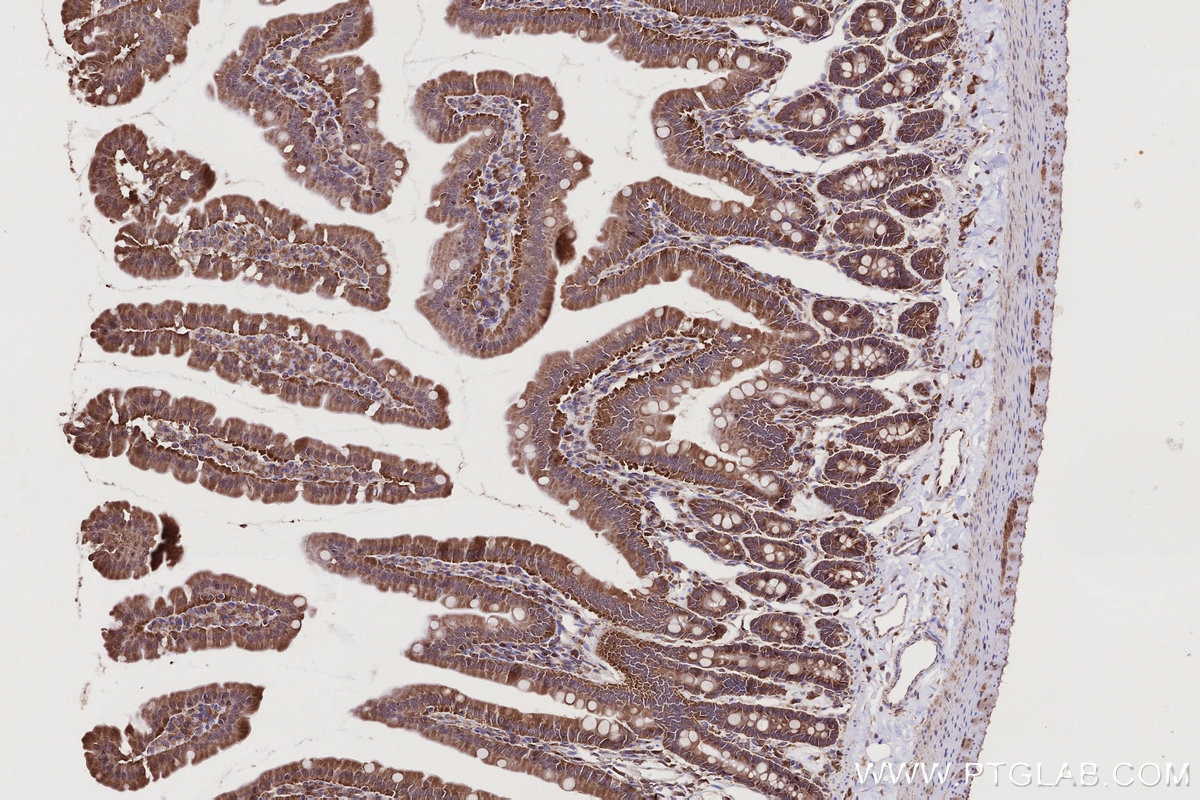
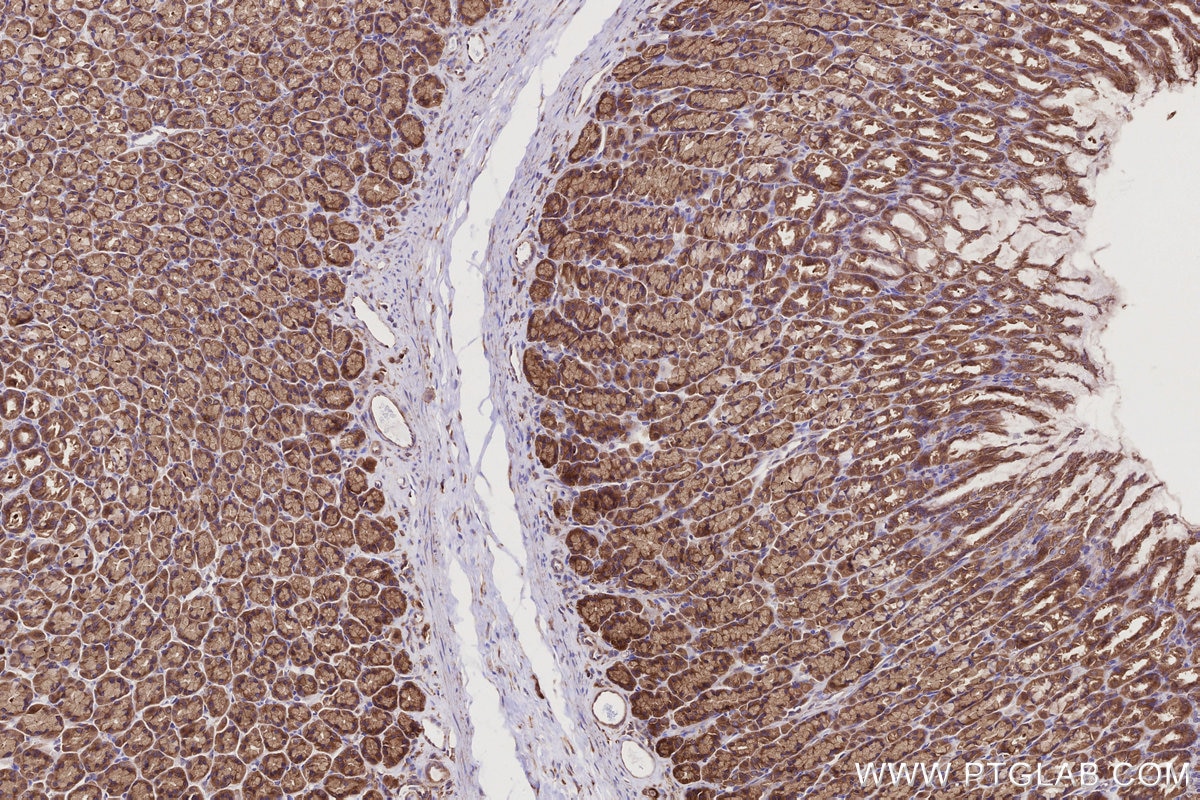
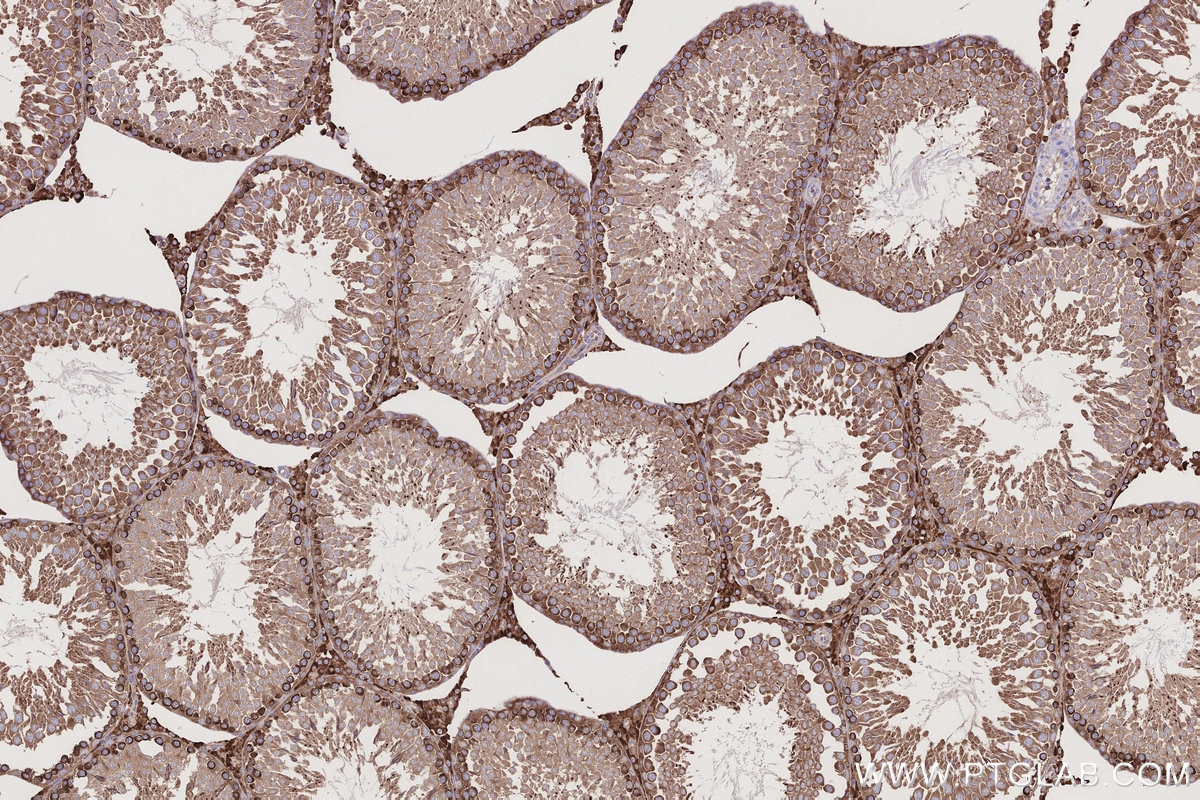
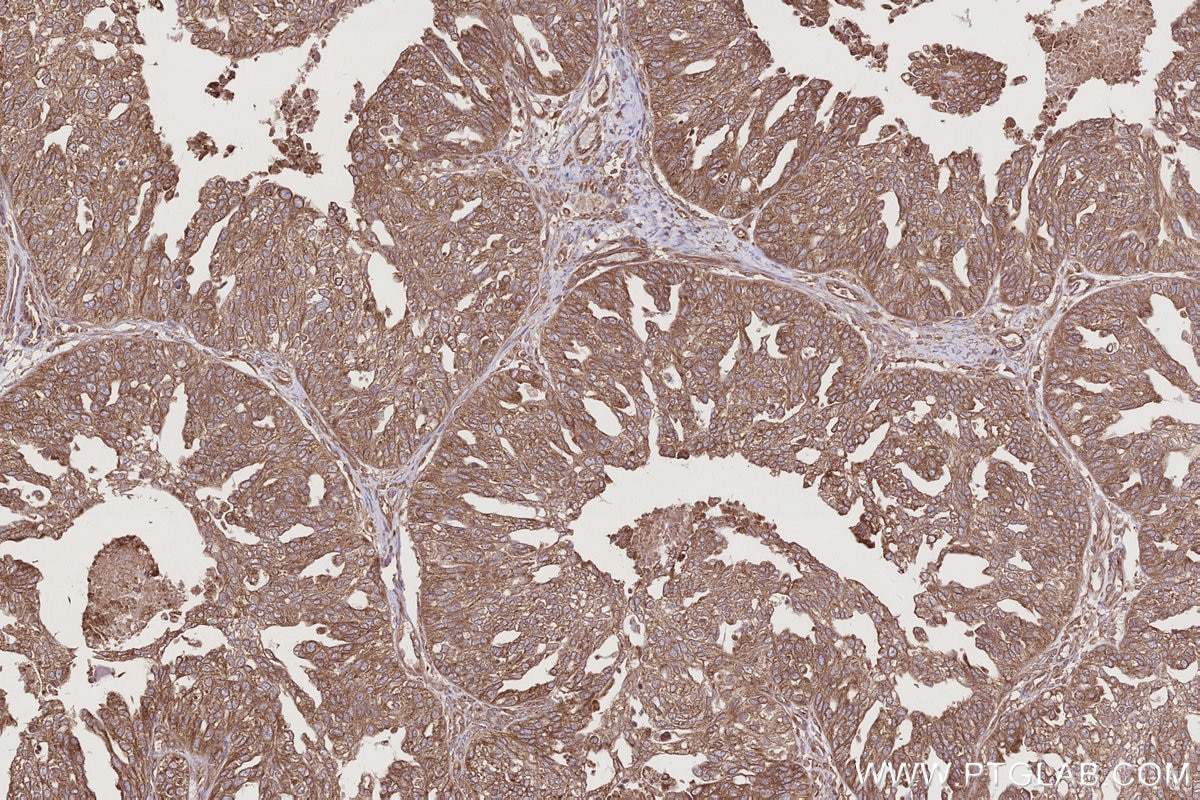
| Positive IHC detected in | human pancreas cancer tissue, mouse small intestine tissue, human placenta tissue, rat stomach tissue, rat testis tissue, mouse stomach tissue, rat small intestine tissue, human ovary cancer tissue Note: suggested antigen retrieval with TE buffer pH 9.0; (*) Alternatively, antigen retrieval may be performed with citrate buffer pH 6.0 |
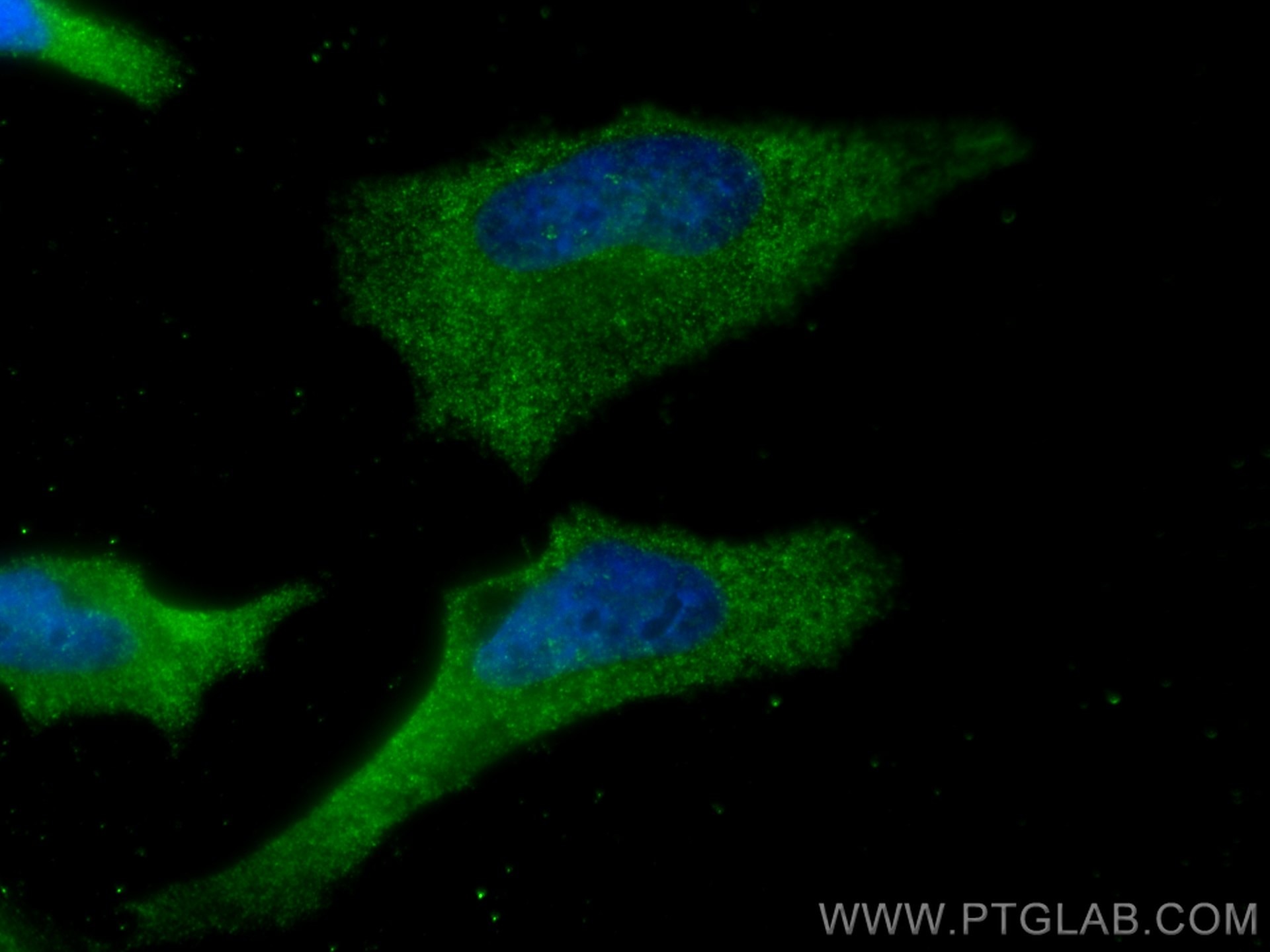
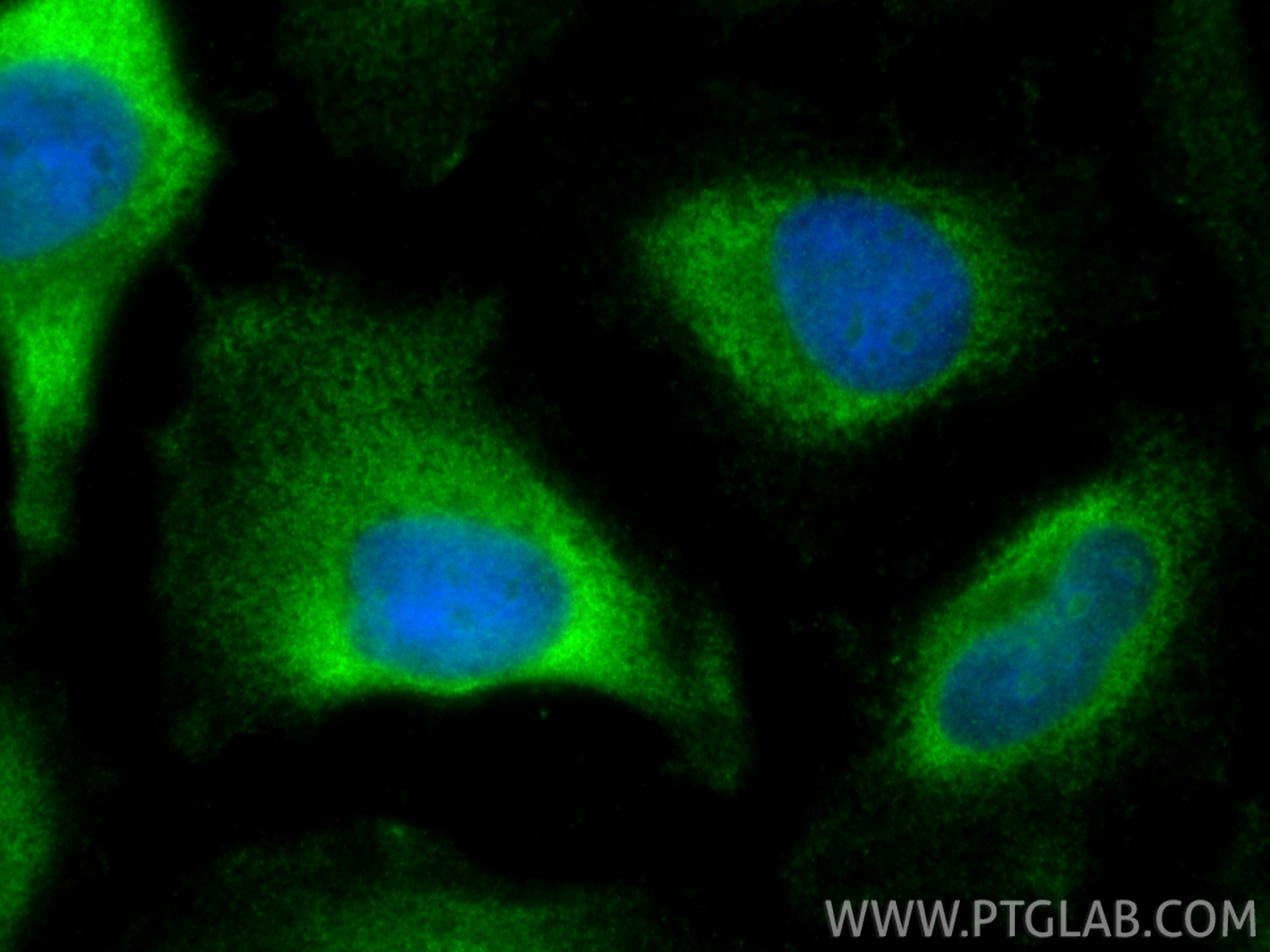
| Positive IF/ICC detected in | HeLa cells |
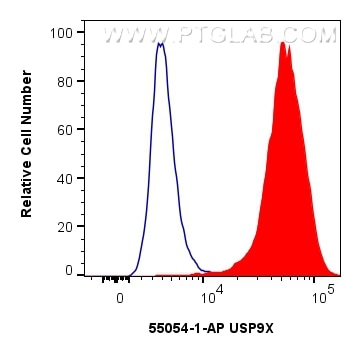
| Positive FC (Intra) detected in | HeLa cells |
Recommended dilution
| Application | Dilution |
|---|---|
| Western Blot (WB) | WB : 1:5000-1:50000 |
| Immunoprecipitation (IP) | IP : 0.5-4.0 ug for 1.0-3.0 mg of total protein lysate |
| Immunohistochemistry (IHC) | IHC : 1:50-1:500 |
| Immunofluorescence (IF)/ICC | IF/ICC : 1:200-1:800 |
| Flow Cytometry (FC) (INTRA) | FC (INTRA) : 0.40 ug per 10^6 cells in a 100 ul suspension |
| It is recommended that this reagent should be titrated in each testing system to obtain optimal results. | |
| Sample-dependent, Check data in validation data gallery. | |
Product Information
55054-1-AP targets USP9X in WB, IHC, IF/ICC, FC (Intra), IP, CoIP, ELISA applications and shows reactivity with human, mouse, rat samples.
| Tested Reactivity | human, mouse, rat |
| Cited Reactivity | human, mouse, rat, pig |
| Host / Isotype | Rabbit / IgG |
| Class | Polyclonal |
| Type | Antibody |
| Immunogen |
Peptide Predict reactive species |
| Full Name | ubiquitin specific peptidase 9, X-linked |
| Calculated Molecular Weight | 292 kDa |
| Observed Molecular Weight | 260-290 kDa |
| GenBank Accession Number | NM_001039590 |
| Gene Symbol | USP9X |
| Gene ID (NCBI) | 8239 |
| RRID | AB_10792932 |
| Conjugate | Unconjugated |
| Form | Liquid |
| Purification Method | Antigen affinity purification |
| UNIPROT ID | Q93008 |
| Storage Buffer | PBS with 0.02% sodium azide and 50% glycerol, pH 7.3. |
| Storage Conditions | Store at -20°C. Stable for one year after shipment. Aliquoting is unnecessary for -20oC storage. 20ul sizes contain 0.1% BSA. |
Background Information
USP9X, also named as DFFRX, FAM and USP9, belongs to the peptidase C19 family. It may function as a ubiquitin-protein or polyubiquitin hydrolase involved both in the processing of ubiquitin precursors and of ubiquitinated proteins. It plays an important role regulatory role at the level of protein turnover by preventing degradation of proteins through the removal of conjugated ubiquitin. USP9X is an essential component of TGF-beta/BMP signaling cascade. Deubiqitination of SMAD4 by USP9X restores its competence to mediate TGF-beta signaling. USP9X regulates chromosome alignment and segregation in mitosis by regulating the localization of BIRC5/survivin to mitotic centromeres. The antibody is specific to USP9X. It has no cross reaction to USP9Y.
Protocols
| Product Specific Protocols | |
|---|---|
| FC protocol for USP9X antibody 55054-1-AP | Download protocol |
| IF protocol for USP9X antibody 55054-1-AP | Download protocol |
| IHC protocol for USP9X antibody 55054-1-AP | Download protocol |
| IP protocol for USP9X antibody 55054-1-AP | Download protocol |
| WB protocol for USP9X antibody 55054-1-AP | Download protocol |
| Standard Protocols | |
|---|---|
| Click here to view our Standard Protocols |
Publications
What published studies show
The USP9X Polyclonal antibody (55054-1-AP) has 55 total citations. It appears in high-impact journals including Nature, Nature Communications, Cancer Research, Autophagy, Nucleic Acids Research, Cell Reports, Oncogene, Journal of Biological Chemistry, Cell Death & Differentiation, and EMBO Reports. Research fields span cancer biology (breast, lung, prostate, colorectal, liver, and leukemia), deubiquitination/proteostasis mechanisms, cell cycle and centrosome regulation, Wnt/TGF-β signaling, circadian rhythm, autophagy, and neurobiology. Applications cited include Western blot, immunoprecipitation, co-immunoprecipitation, immunofluorescence, and immunohistochemistry across human, mouse, rat, and pig samples.
| Species | Application | Title |
|---|---|---|
Cancer Res Deubiquitinating Enzyme USP9X Suppresses Tumor Growth via LATS kinase and Core Components of the Hippo pathway. | ||
Autophagy MLKL-USP7-UBA52 signaling is indispensable for autophagy in brain through maintaining ubiquitin homeostasis | ||
Nat Commun Antagonistic activities of CDC14B and CDK1 on USP9X regulate WT1-dependent mitotic transcription and survival. | ||
Nat Commun Integrative oncogene-dependency mapping identifies RIT1 vulnerabilities and synergies in lung cancer.
| ||
Nat Commun Pharmaceutical targeting of OTUB2 sensitizes tumors to cytotoxic T cells via degradation of PD-L1 |
Reviews
What customers say
Able is busy answering your previous question. Please try again later.
The reviews below have been submitted by verified Proteintech customers who received an incentive for providing their feedback.
Nicolas (Verified Customer) (03-02-2026) | verified with KO cells
|
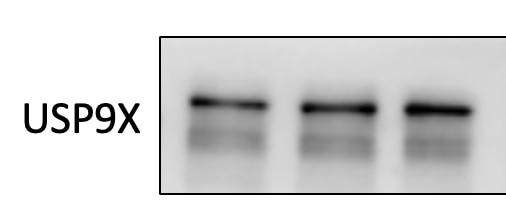
Echo (Verified Customer) (03-20-2024) | The antibody quality was pretty good. Band was clear.
 |

