

Tested Applications
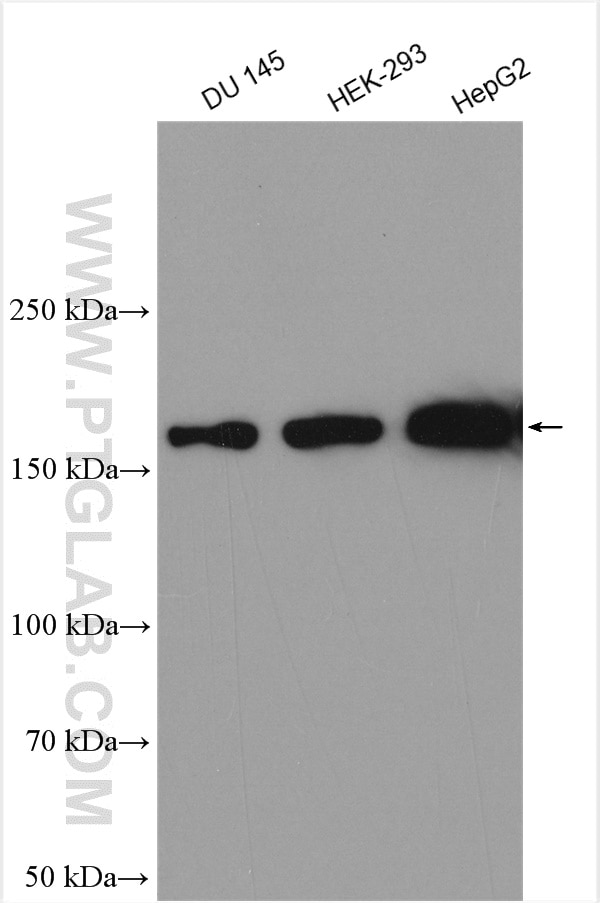
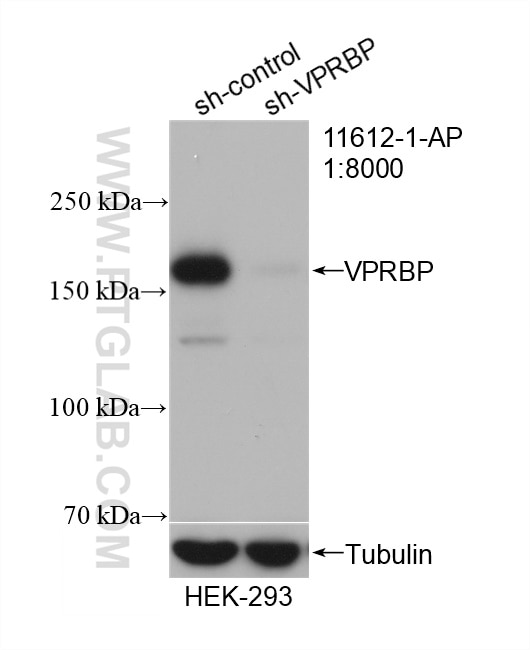
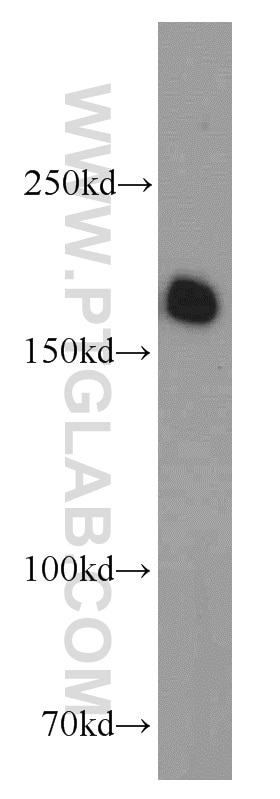
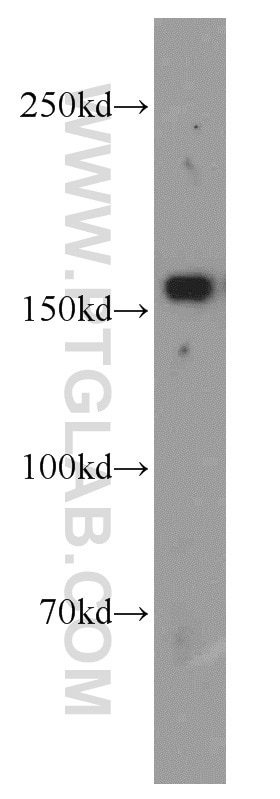
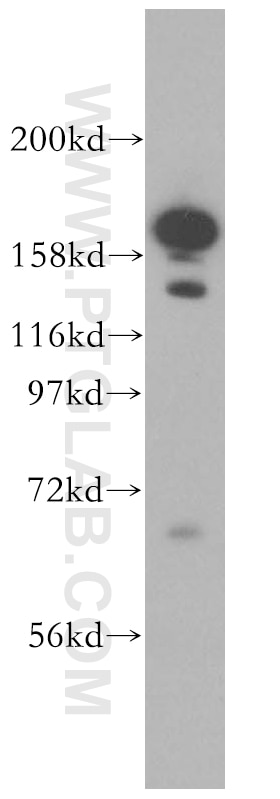
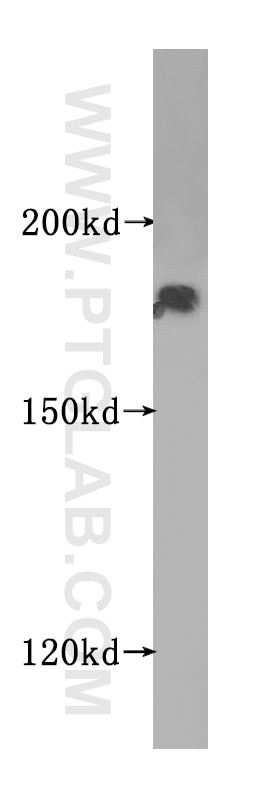
| Positive WB detected in | DU 145 cells, HeLa cells, mouse testis tissue, PC-3 cells, HEK-293 cells, K-562 cells, HepG2 cells |
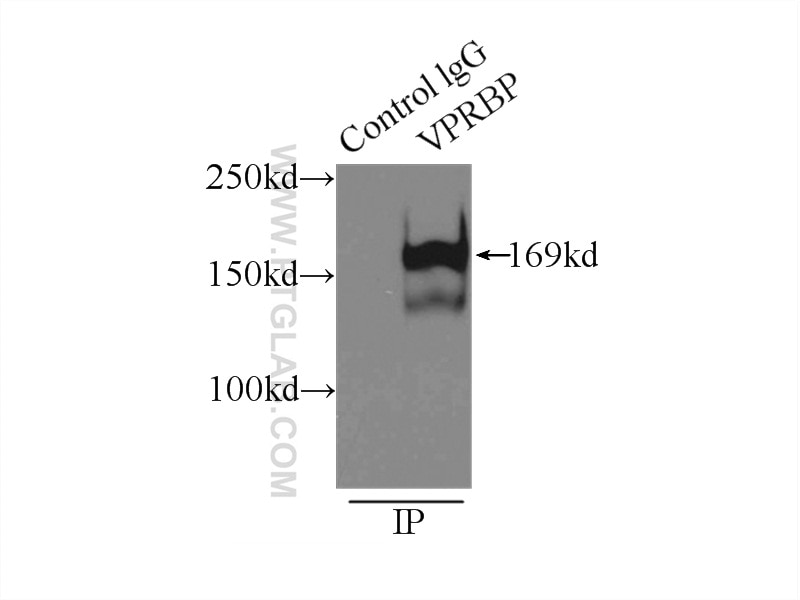
| Positive IP detected in | HeLa cells |
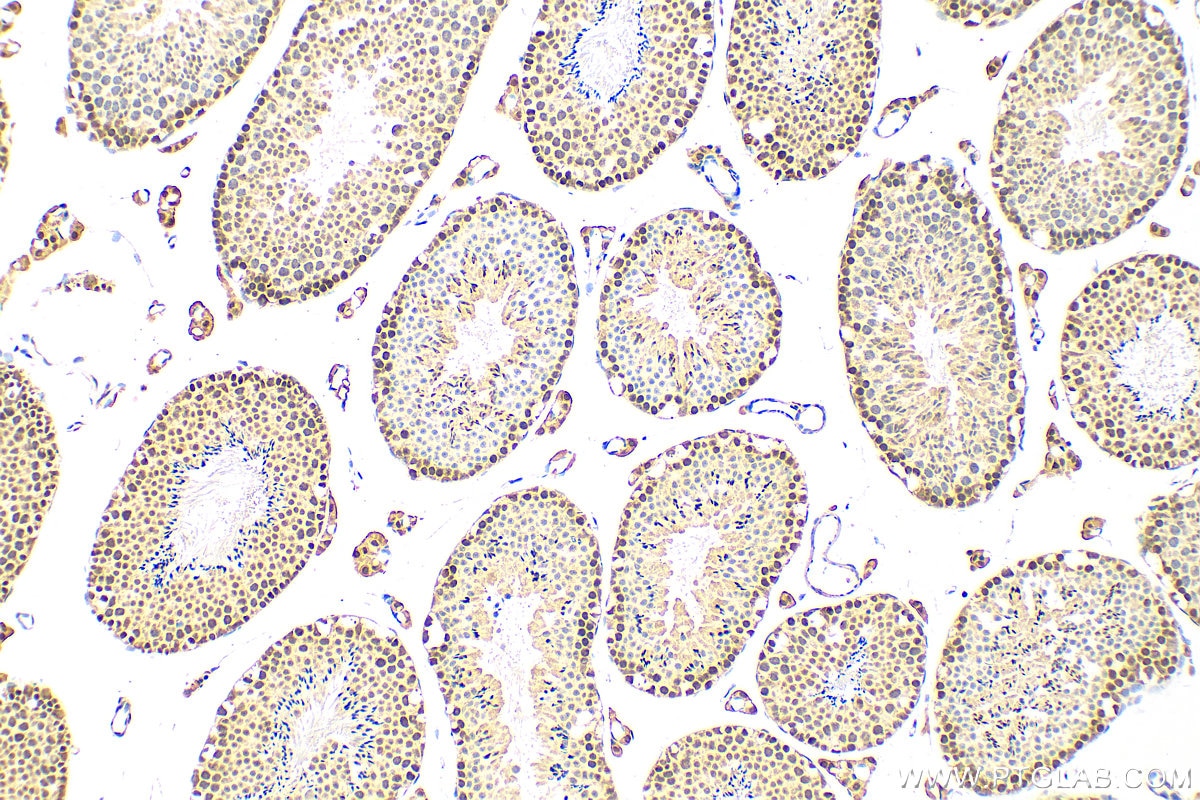
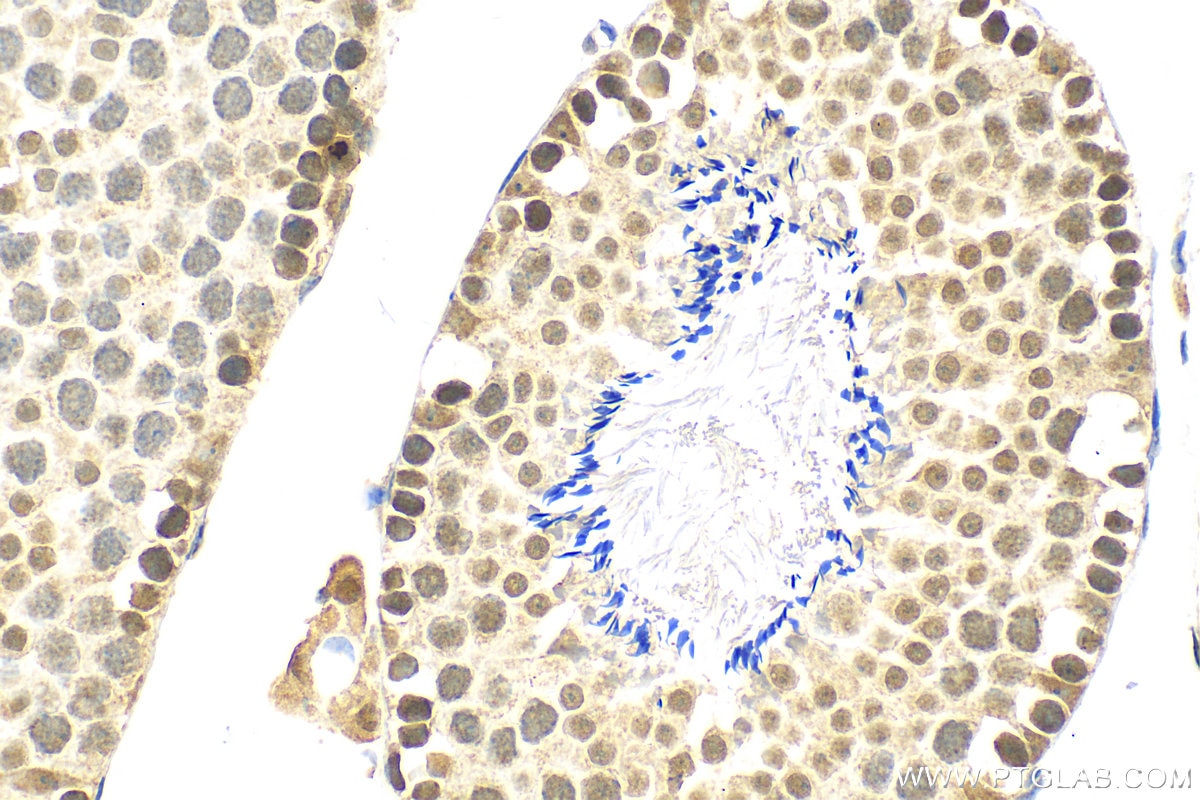
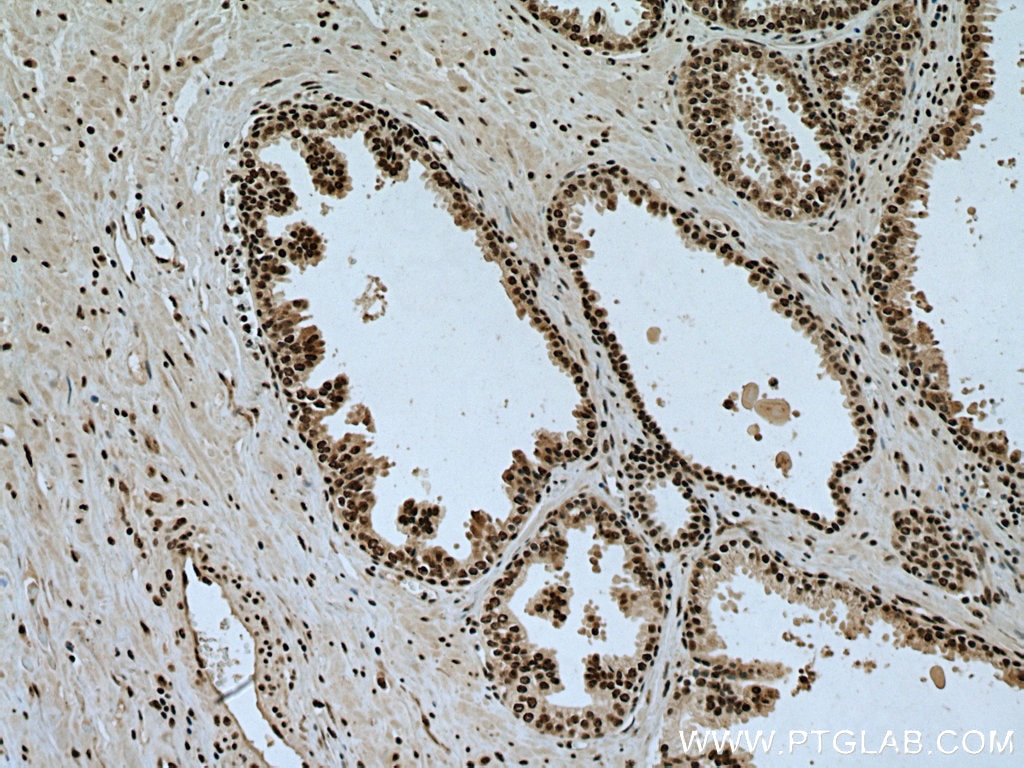
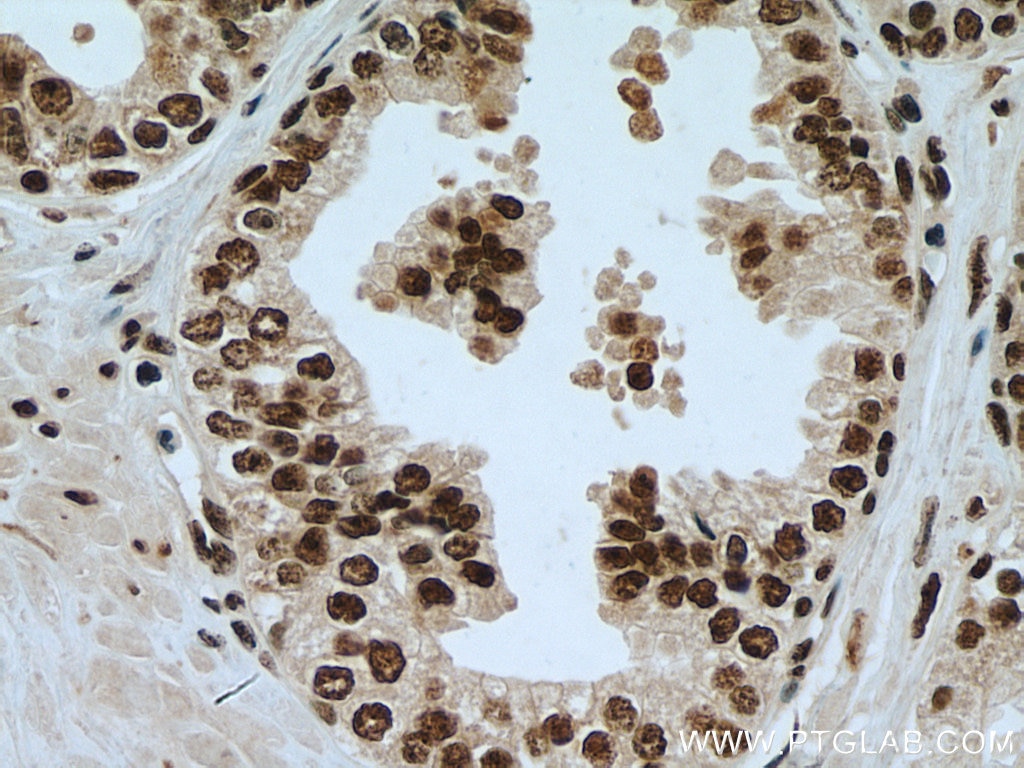
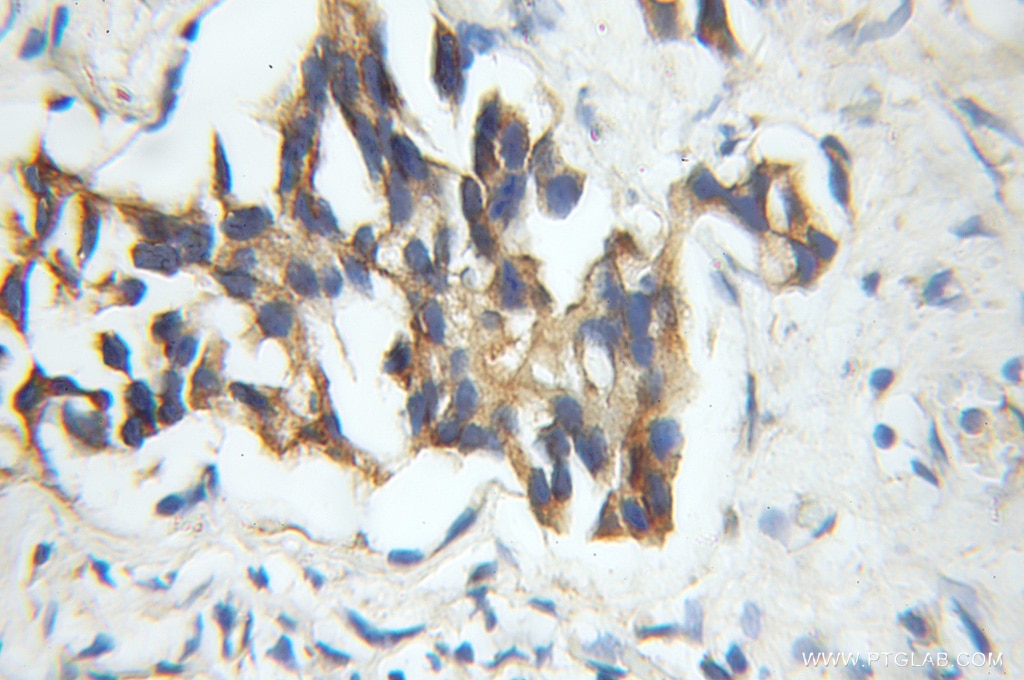
| Positive IHC detected in | human prostate cancer tissue, mouse testis tissue Note: suggested antigen retrieval with TE buffer pH 9.0; (*) Alternatively, antigen retrieval may be performed with citrate buffer pH 6.0 |
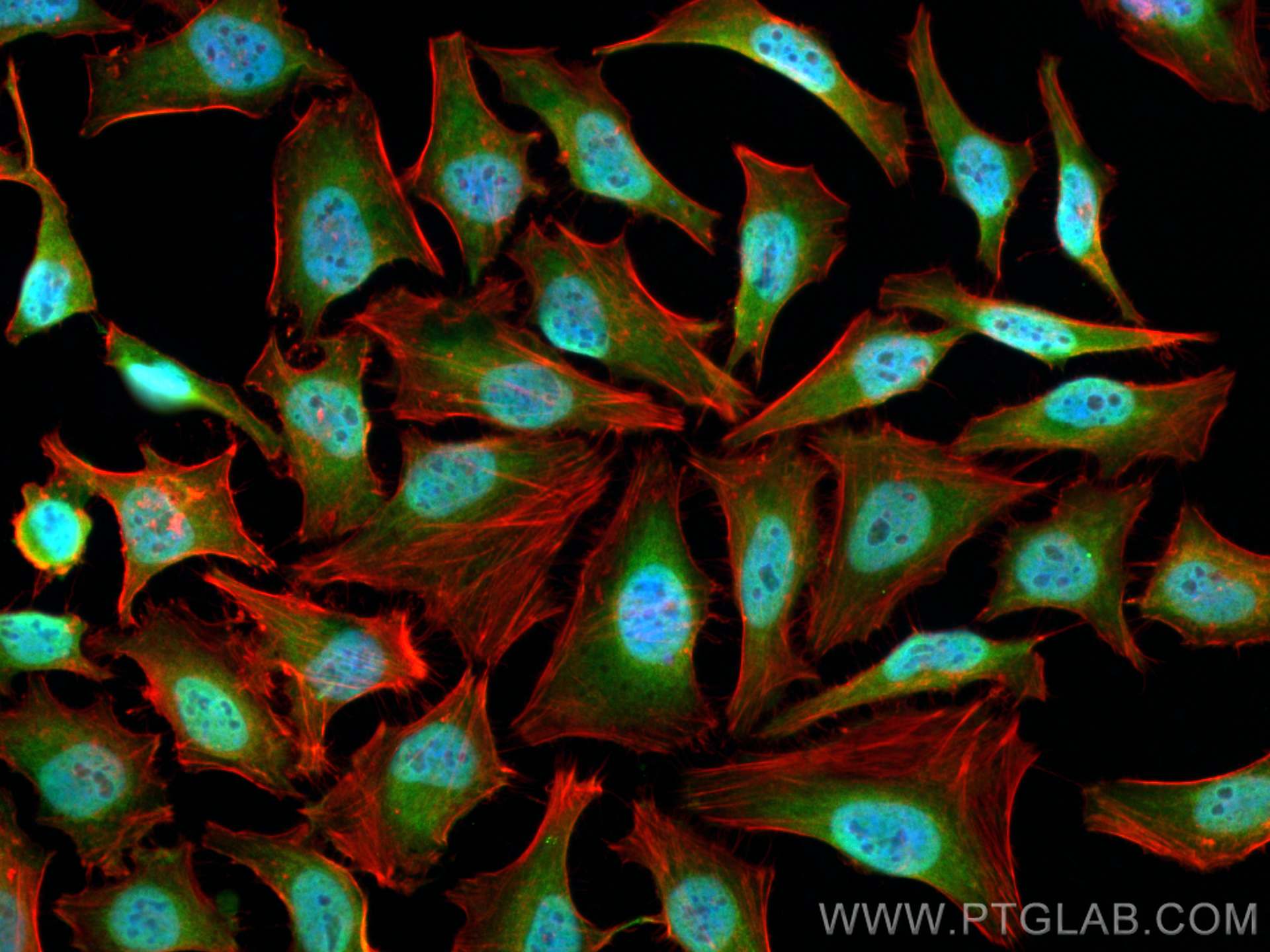
| Positive IF/ICC detected in | HeLa cells |
| Positive FC (Intra) detected in | HeLa cells |
Recommended dilution
| Application | Dilution |
|---|---|
| Western Blot (WB) | WB : 1:1000-1:8000 |
| Immunoprecipitation (IP) | IP : 0.5-4.0 ug for 1.0-3.0 mg of total protein lysate |
| Immunohistochemistry (IHC) | IHC : 1:50-1:1000 |
| Immunofluorescence (IF)/ICC | IF/ICC : 1:200-1:800 |
| Flow Cytometry (FC) (INTRA) | FC (INTRA) : 0.25 ug per 10^6 cells in a 100 µl suspension |
| It is recommended that this reagent should be titrated in each testing system to obtain optimal results. | |
| Sample-dependent, Check data in validation data gallery. | |
Product Information
11612-1-AP targets VPRBP in WB, IHC, IF/ICC, FC (Intra), IP, ELISA applications and shows reactivity with human, mouse samples.
| Tested Reactivity | human, mouse |
| Cited Reactivity | human, mouse, canine |
| Host / Isotype | Rabbit / IgG |
| Class | Polyclonal |
| Type | Antibody |
| Immunogen |
CatNo: Ag2184 Product name: Recombinant human VPRBP protein Source: e coli.-derived, PGEX-4T Tag: GST Domain: 707-1058 aa of BC022792 Sequence: WSQPLSALWGMKSVFDMKHSFTEDHYVEFSKHSQDRVIGTKGDIAHIYDIQTGNKLLTLFNPDLANNYKRNCATFNPTDDLVLNDGVLWDVRSAQAIHKFDKFNMNISGVFHPNGLEVIINTEIWDLRTFHLLHTVPALDQCRVVFNHTGTVMYGAMLQADDEDDLMEERMKSPFGSSFRTFNATDYKPIATIDVKRNIFDLCTDTKDCYLAVIENQGSMDALNMDTVCRLYEVGRQRLAEDEDEEEDQEEEEQEEEDDDEDDDDTDDLDELDTDQLLEAELEEDDNNENAGEDGDNDFSPSDEELANLLEEGEDGEDEDSDADEEVELILGDTDSSDNSDLEDDIILSLNE Predict reactive species |
| Full Name | Vpr (HIV-1) binding protein |
| Calculated Molecular Weight | 1506 aa, 169 kDa |
| Observed Molecular Weight | 169 kDa |
| GenBank Accession Number | BC022792 |
| Gene Symbol | VPRBP |
| Gene ID (NCBI) | 9730 |
| RRID | AB_2216933 |
| Conjugate | Unconjugated |
| Form | Liquid |
| Purification Method | Antigen affinity purification |
| UNIPROT ID | Q9Y4B6 |
| Storage Buffer | PBS with 0.02% sodium azide and 50% glycerol, pH 7.3. |
| Storage Conditions | Store at -20°C. Stable for one year after shipment. Aliquoting is unnecessary for -20oC storage. 20ul sizes contain 0.1% BSA. |
Background Information
VprBP was first identified as a protein that can interact with HIV-1 viral protein R (PMID: 11223251). It is a component of the CUL4A-RBX1-DDB1-VprBP/DCAF1 E3 ubiquitin-protein ligase complex that could interact with HIV-1 virus Vpr protein and HIV-2 virus Vpx protein (PMID: 18332868; 17314515; 18606781). VprBP is a 1,507-amino acid protein that contains conserved domains, including YXXY repeats, the Lis homology motif, and WD40 repeats. Through binding to Vpr, VprBP allows Vpr to modulate the catalytic activity of the CUL4-DDB1 complex, which in turn leads to the induction of G2 phase arrest in the virus-infected cells (PMID: 17630831). Recently it has been reported that VprBP is able to regulate the p53-induced transcription and apoptotic pathway (PMID: 22184063).
Protocols
| Product Specific Protocols | |
|---|---|
| FC protocol for VPRBP antibody 11612-1-AP | Download protocol |
| IF protocol for VPRBP antibody 11612-1-AP | Download protocol |
| IHC protocol for VPRBP antibody 11612-1-AP | Download protocol |
| IP protocol for VPRBP antibody 11612-1-AP | Download protocol |
| WB protocol for VPRBP antibody 11612-1-AP | Download protocol |
| Standard Protocols | |
|---|---|
| Click here to view our Standard Protocols |
Publications
What published studies show
| Species | Application | Title |
|---|---|---|
Science CRL4 complex regulates mammalian oocyte survival and reprogramming by activation of TET proteins.
| ||
Mol Cell CRL4(VprBP) E3 Ligase Promotes Monoubiquitylation and Chromatin Binding of TET Dioxygenases.
| ||
Mol Cell Vpr Targets TET2 for Degradation by CRL4VprBP E3 Ligase to Sustain IL-6 Expression and Enhance HIV-1 Replication.
| ||
Nat Microbiol Primate immunodeficiency virus proteins Vpx and Vpr counteract transcriptional repression of proviruses by the HUSH complex. | ||
Nucleic Acids Res HIV Vpr activates a nucleolar-specific ATR pathway to degrade the nucleolar stress sensor CCDC137 | ||
Cell Host Microbe Vpr overcomes macrophage-specific restriction of HIV-1 Env expression and virion production. |
Reviews
What customers say
The reviews below have been submitted by verified Proteintech customers who received an incentive for providing their feedback.
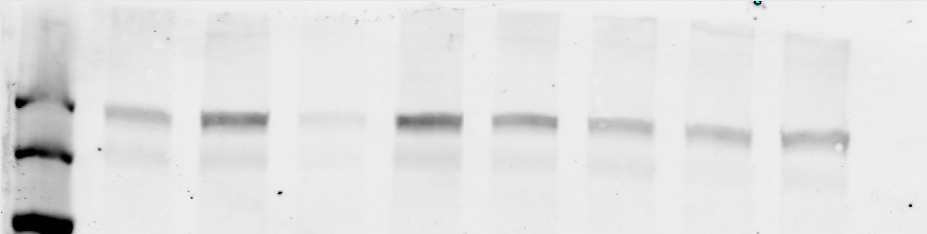
Santosh (Verified Customer) (10-24-2024) | Antibody works well with quite nice in westernblot.
|
Roy (Verified Customer) (06-13-2024) | Great antibody detecting DCAF1 (VPRBP) validated in our coIP/WB experiments (1/1000 diluation - 1h incubation at RT)
|
Nikhil (Verified Customer) (09-17-2019) | Very good for both IP and western blot.
 |


