Alpha-1-microglobulin Polyklonaler Antikörper
Alpha-1-microglobulin Polyklonal Antikörper für WB, IHC, Indirect ELISA
Wirt / Isotyp
Kaninchen / IgG
Getestete Reaktivität
human
Anwendung
WB, IHC, Indirect ELISA
Konjugation
Unkonjugiert
Kat-Nr. : 26716-1-PBS
Synonyme
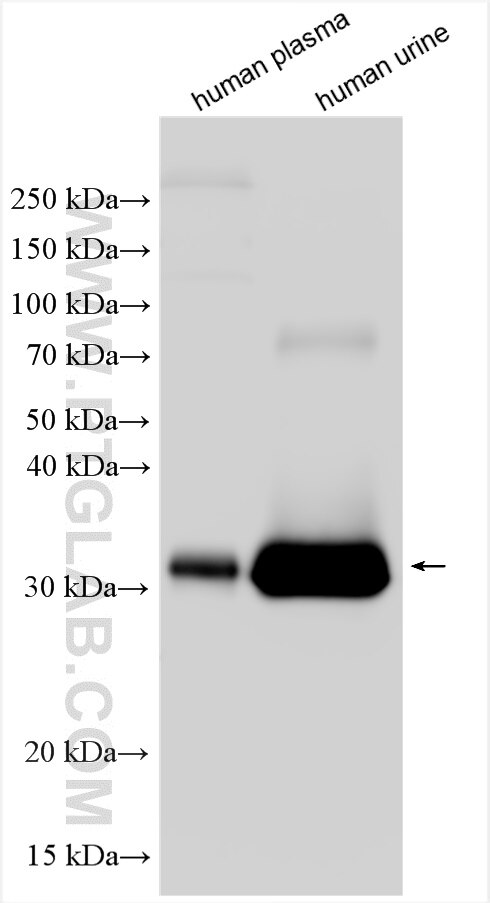
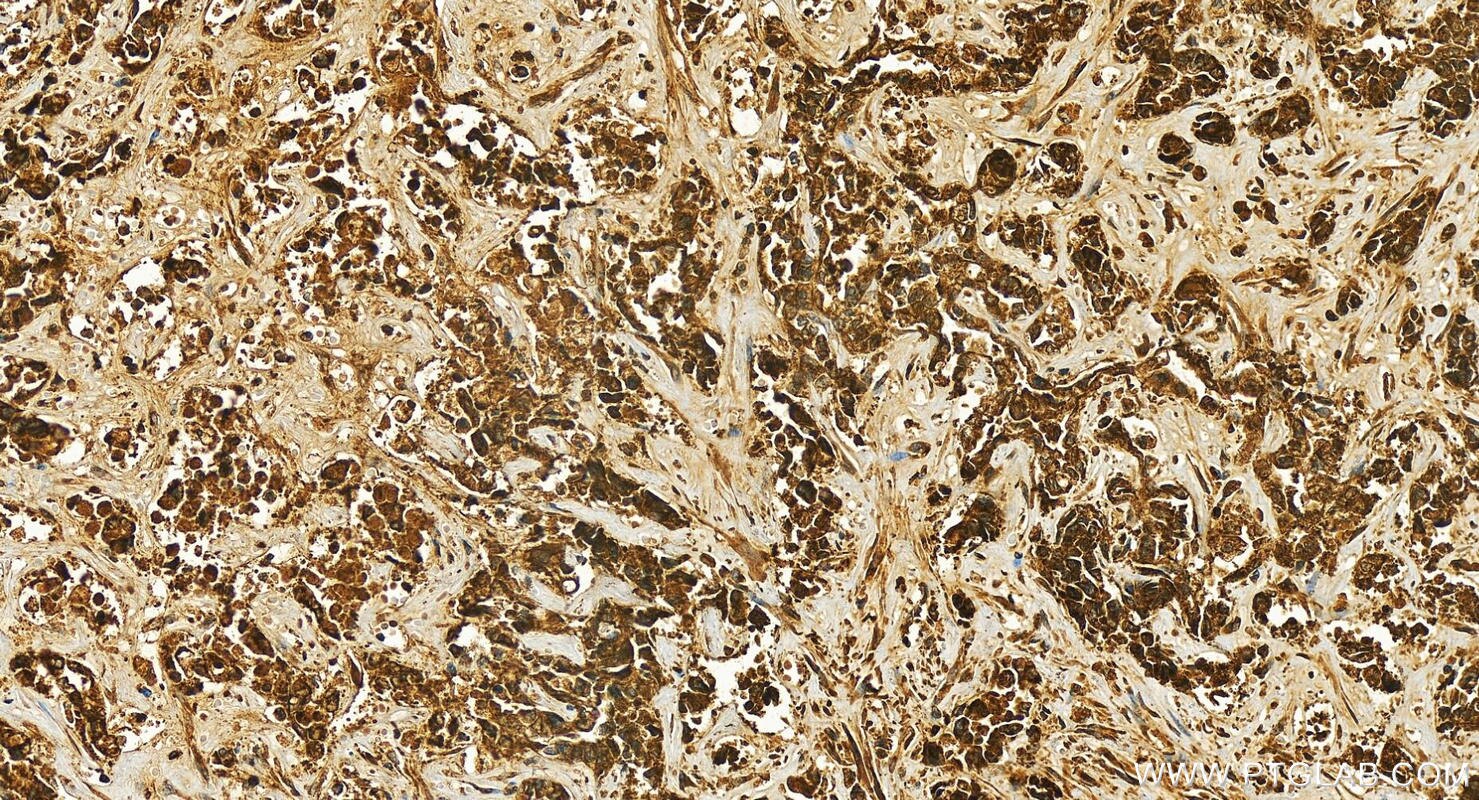
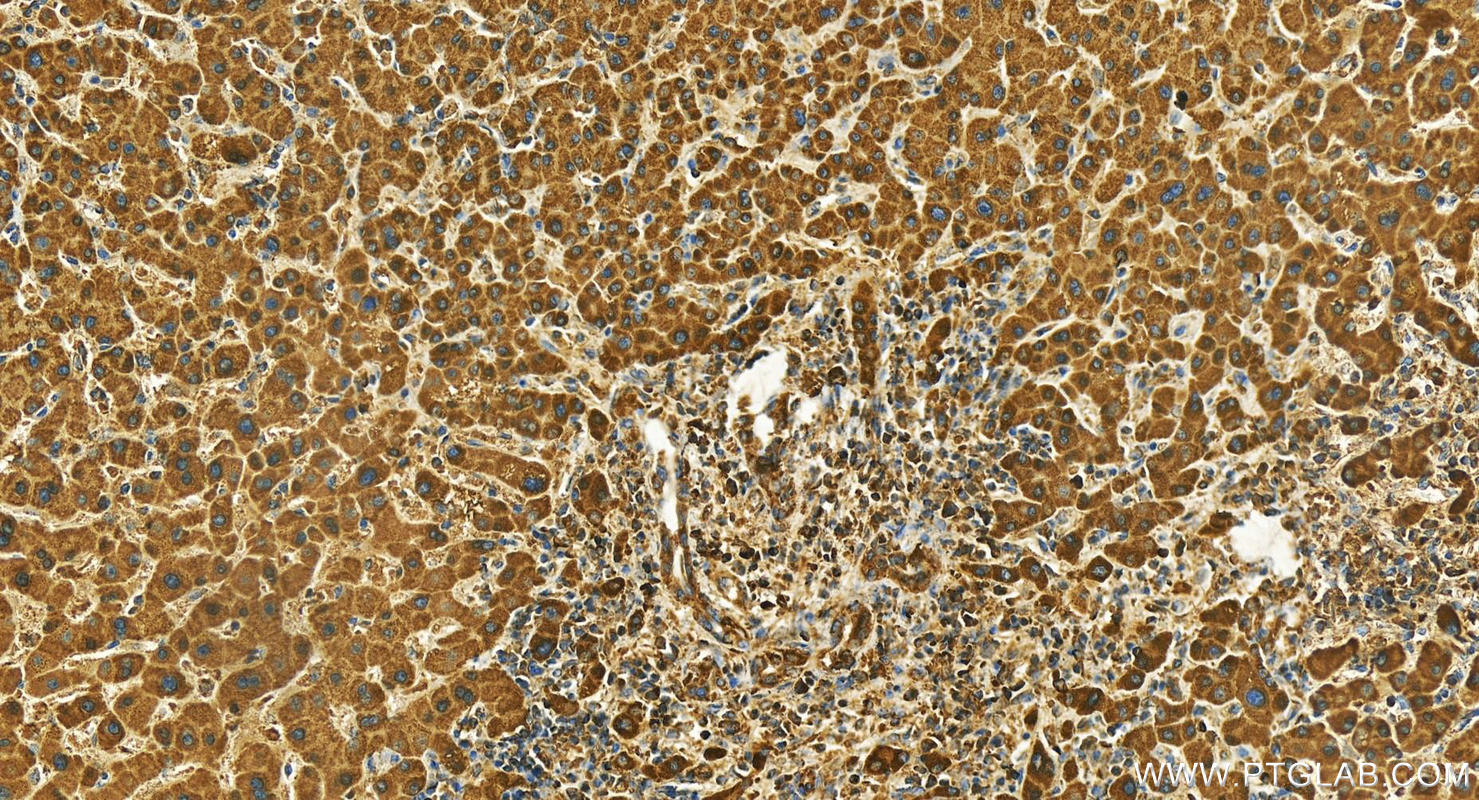
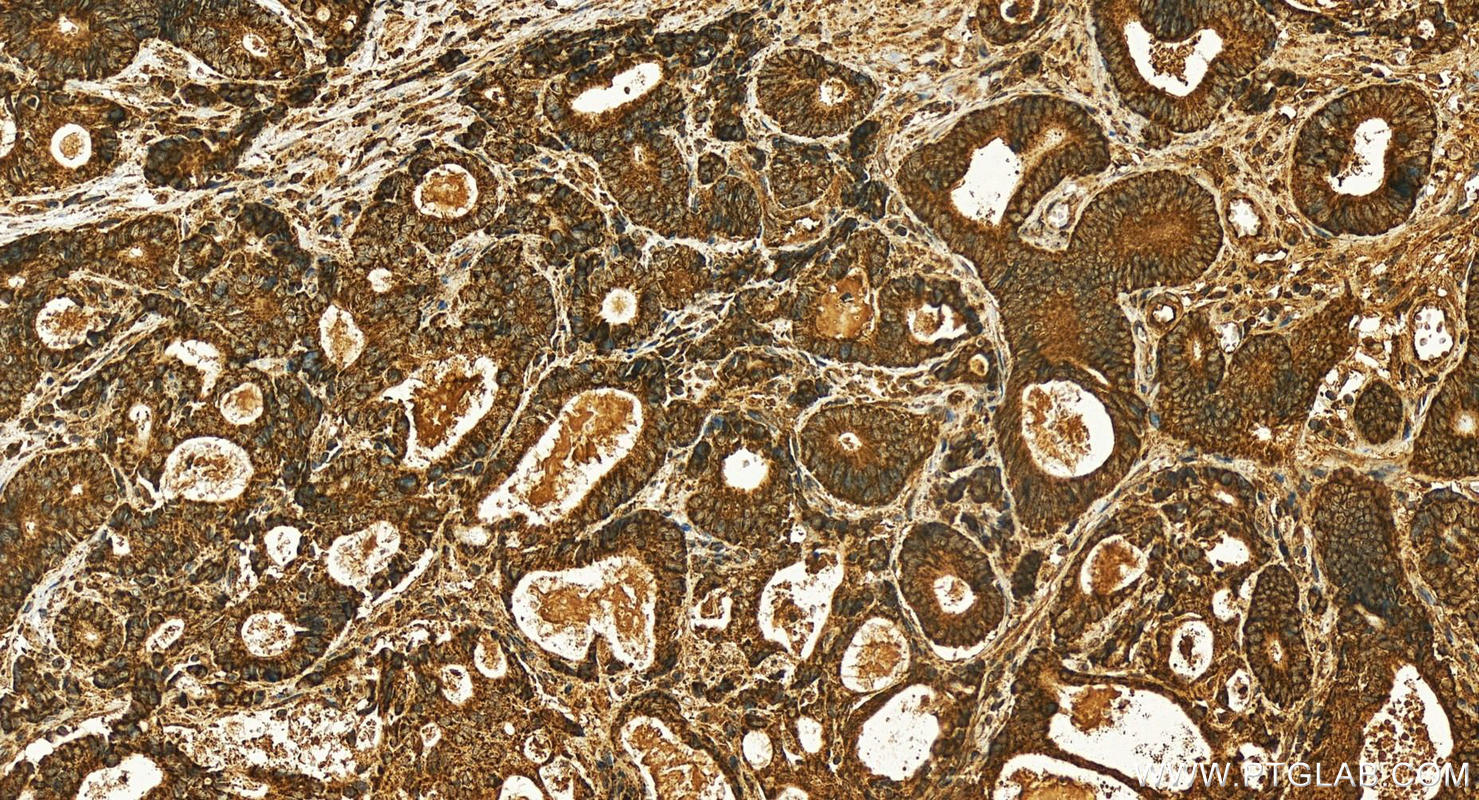
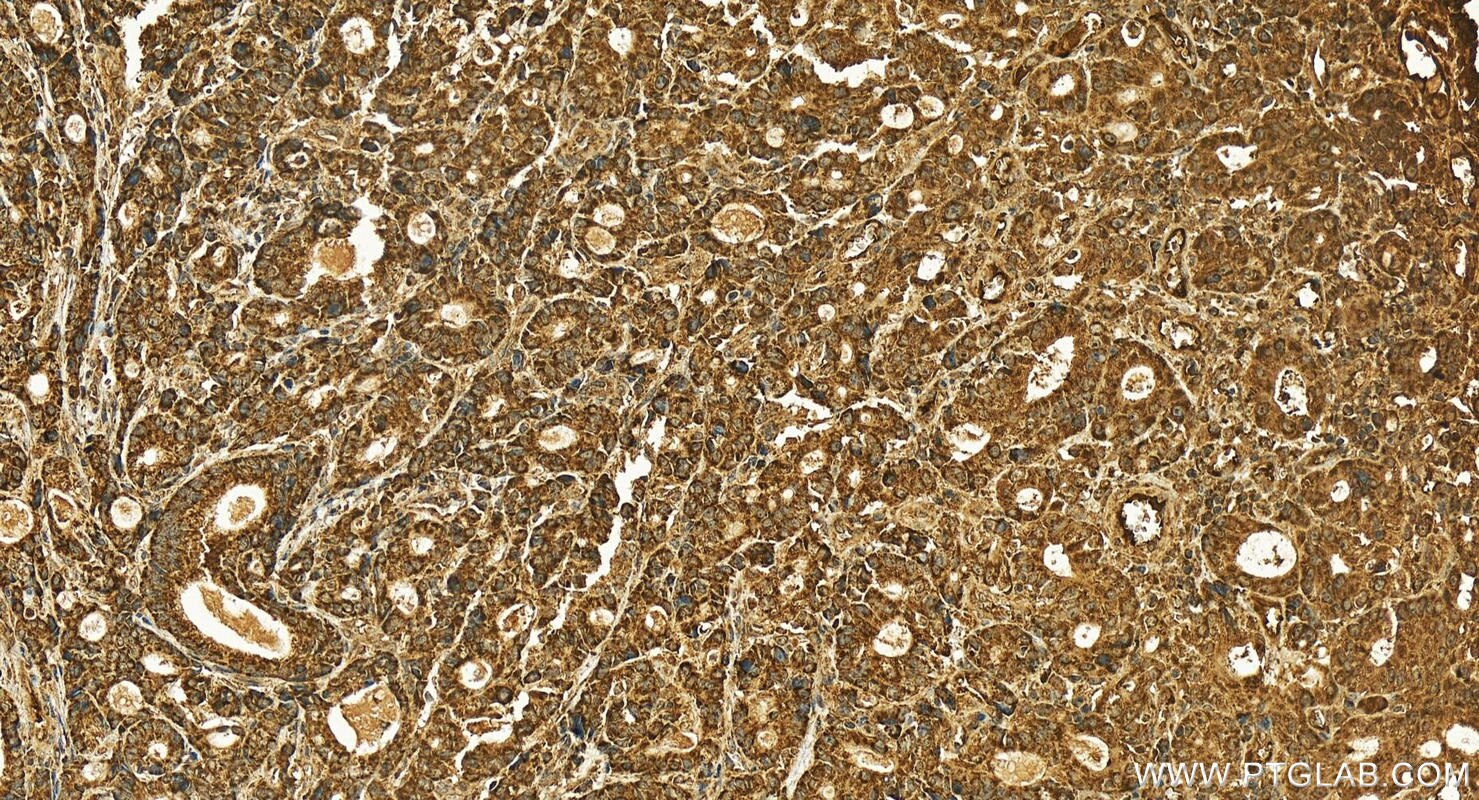
Geprüfte Anwendungen
Produktinformation
26716-1-PBS bindet in WB, IHC, Indirect ELISA Alpha-1-microglobulin und zeigt Reaktivität mit human
| Getestete Reaktivität | human |
| Wirt / Isotyp | Kaninchen / IgG |
| Klonalität | Polyklonal |
| Typ | Antikörper |
| Immunogen | Alpha-1-microglobulin fusion protein Ag25239 |
| Vollständiger Name | alpha-1-microglobulin/bikunin precursor |
| Berechnetes Molekulargewicht | 352 aa, 39 kDa |
| Beobachtetes Molekulargewicht | 30 kDa |
| GenBank-Zugangsnummer | BC041593 |
| Gene symbol | Alpha 1 microglobulin |
| Gene ID (NCBI) | 259 |
| Konjugation | Unkonjugiert |
| Form | Liquid |
| Reinigungsmethode | Antigen-Affinitätsreinigung |
| Lagerungspuffer | PBS only |
| Lagerungsbedingungen | Store at -80°C. 20ul Größen enthalten 0,1% BSA. |
Hintergrundinformationen
Alpha-1-microglobulin (A1M) is also named as Protein AMBP, Bikunin, Trypstatin and Inter-alpha-trypsin inhibitor light chain (ITI-LC). A1M belongs to the lipocalin protein family, a group of structural proteins with a similar one-domain fold that are found in bacteria, plants and animals (PMID: 2580349). A1M is recognized as a physiological antioxidant with powerful cell- and tissue-protective properties (PMID: 11877257). Whereas A1M is a heme and radical scavenger, and a reductase, bikunin is a structural component of extracellular matrix and has protease inhibitor and anti-inflammatory properties (PMID: 27988357). In humans, the majority of A1M is synthesized in the liver, but smaller quantities are also expressed in most other cells in the body. In the blood, equal quantities of two forms of A1M can be found: a free monomeric form and a covalent high-molecular weight complex bound to immunoglobulin A, albumin and prothrombin (PMID: 6196366, PMID: 9183005). Endogenous A1M has also been described to be localized ubiquitously in the dermal and epidermal layers of skin, and in syncytiothrophoblasts, monocytes/macrophages, vascular endothelium and extracellular matrix of placental tissue and extracellular matrix (PMID: 22096585,PMID: 21356557). Alpha 1 microglobulin, also known as HI30, is a 27-30 kDa glycoprotein, present in various body fluids. It belongs to the lipocalin superfamily of hydrophobic ligand-binding proteins forming an internal ligand-binding pocket. The protein acts as a mediator of bacterial adhesion to polymer surfaces and is involved in inhibiting renal lithogenesis.


