- Featured Product
- KD/KO Validated
CCDC6 Monoklonaler Antikörper
CCDC6 Monoklonal Antikörper für WB, IF/ICC, Cytometric bead array, Indirect ELISA
Wirt / Isotyp
Maus / IgG1
Getestete Reaktivität
human, Maus, Ratte
Anwendung
WB, IF/ICC, Cytometric bead array, Indirect ELISA
Konjugation
Unkonjugiert
CloneNo.
1D6A8
Kat-Nr. : 67637-1-PBS
Synonyme
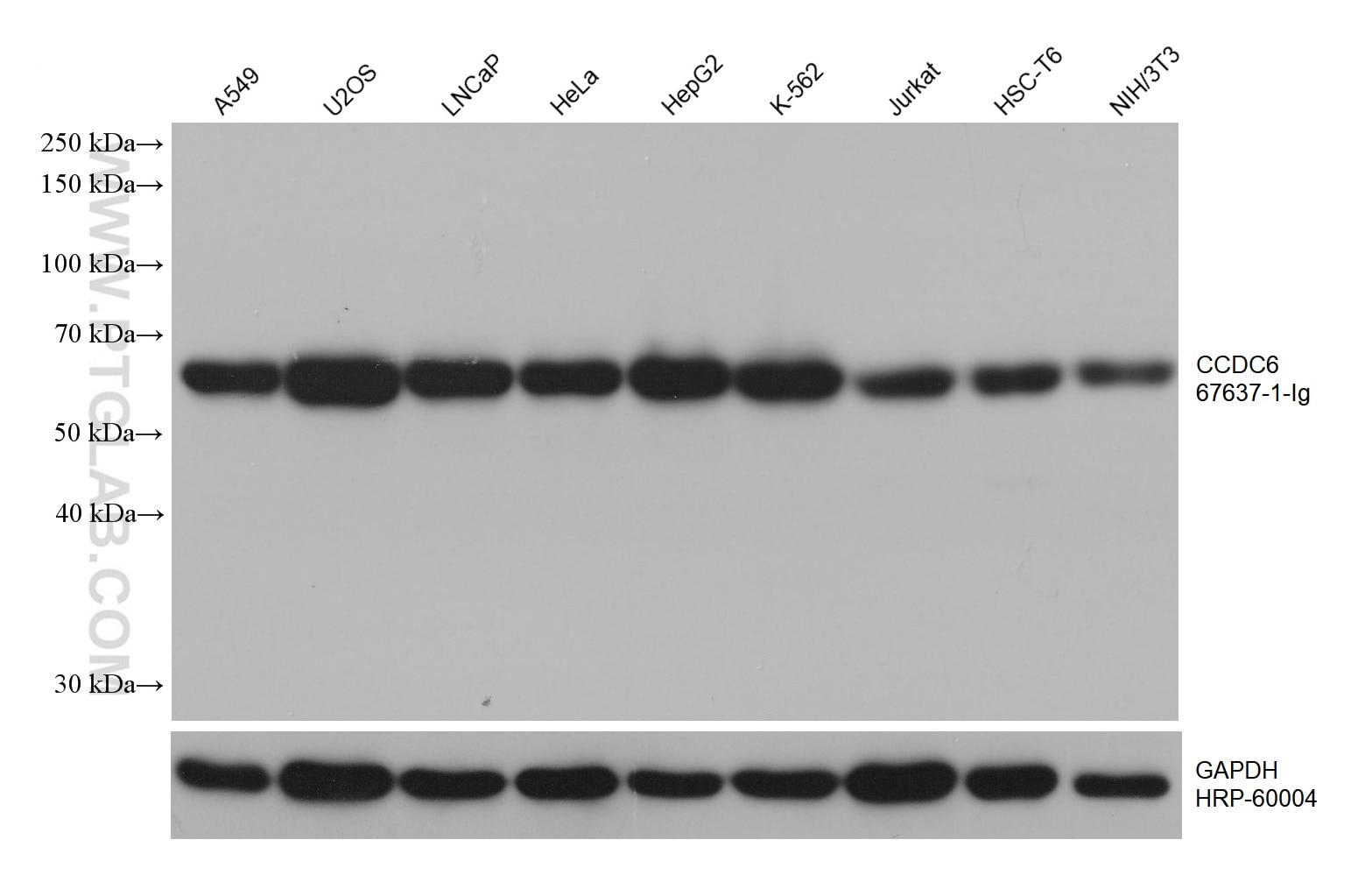
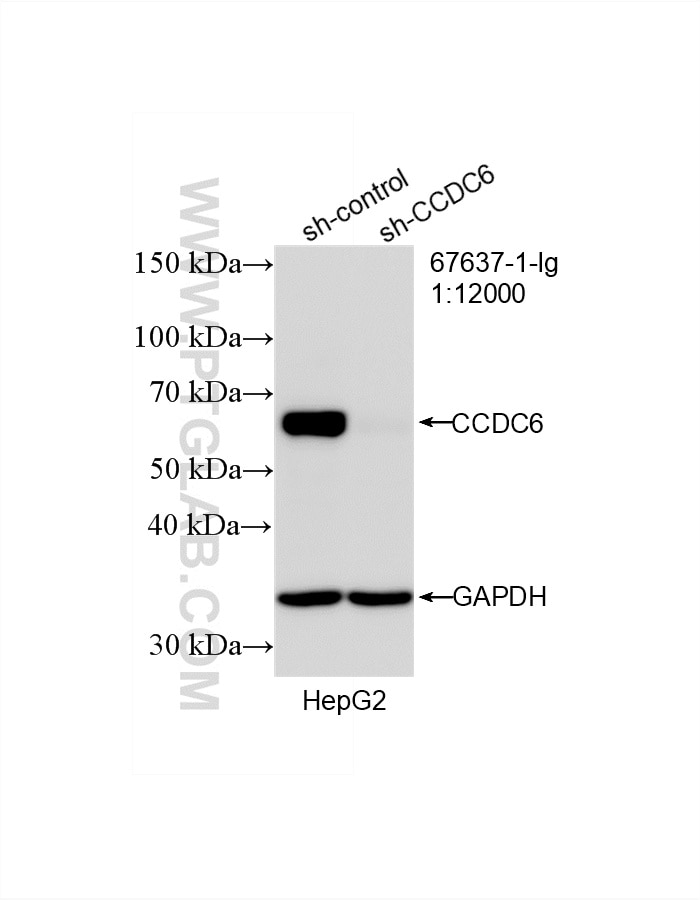
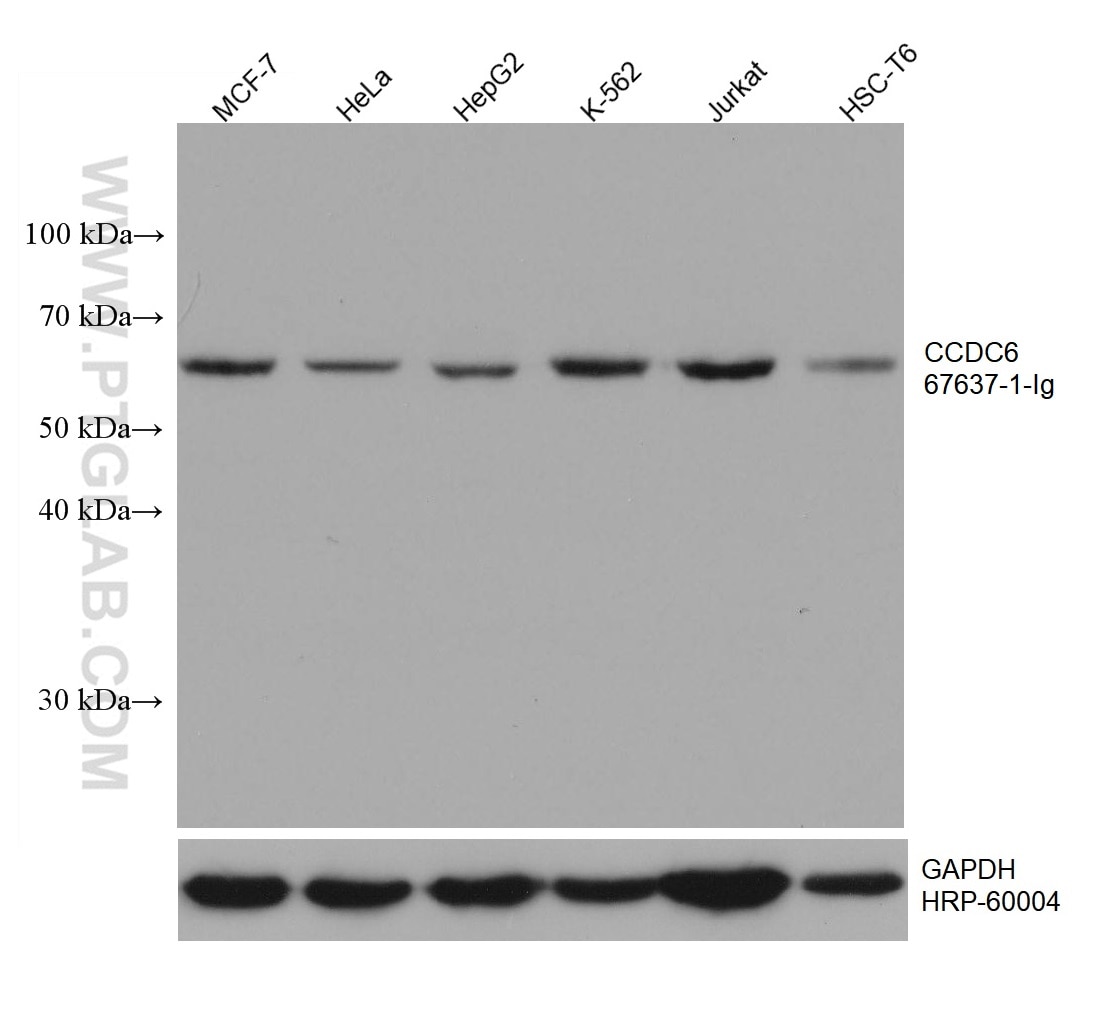
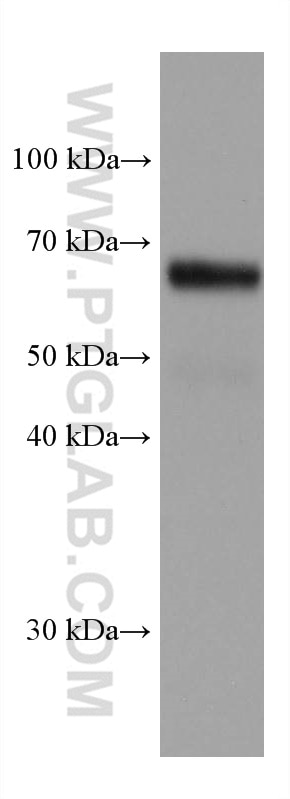
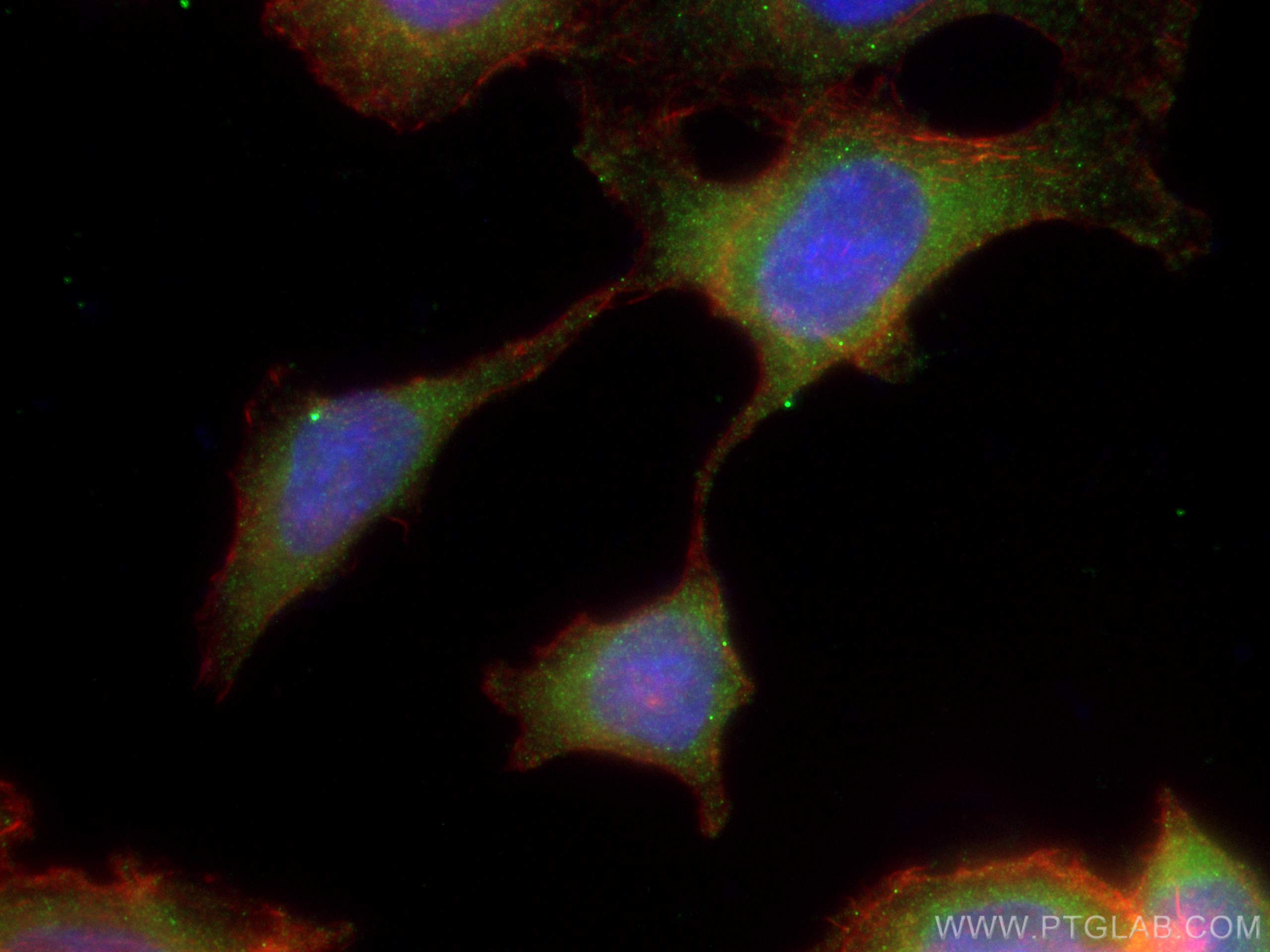
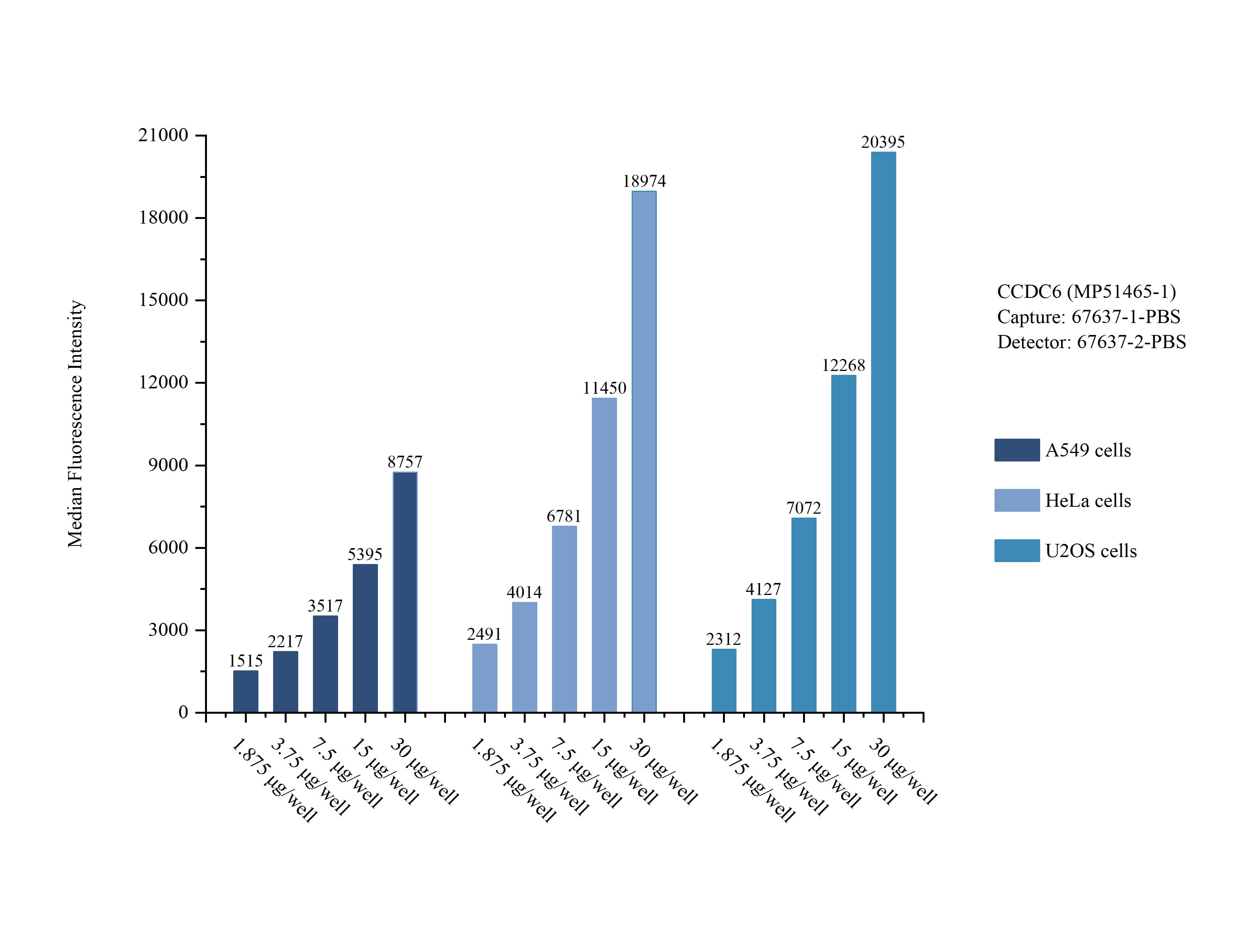
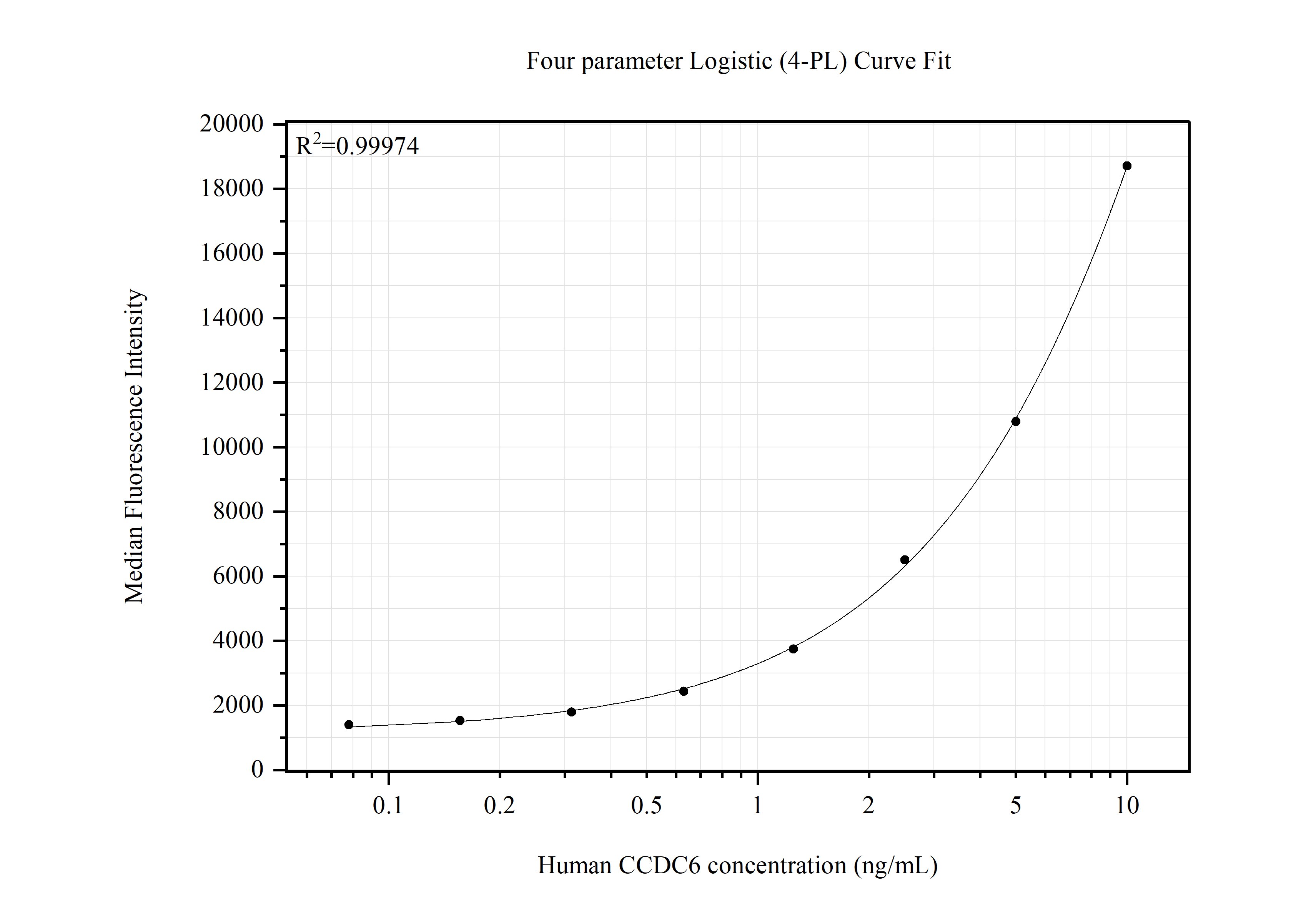
Geprüfte Anwendungen
Produktinformation
67637-1-PBS bindet in WB, IF/ICC, Cytometric bead array, Indirect ELISA CCDC6 und zeigt Reaktivität mit human, Maus, Ratten
| Getestete Reaktivität | human, Maus, Ratte |
| Wirt / Isotyp | Maus / IgG1 |
| Klonalität | Monoklonal |
| Typ | Antikörper |
| Immunogen | CCDC6 fusion protein Ag6952 |
| Vollständiger Name | coiled-coil domain containing 6 |
| Berechnetes Molekulargewicht | 474 aa, 53 kDa |
| Beobachtetes Molekulargewicht | 65 kDa |
| GenBank-Zugangsnummer | BC036757 |
| Gene symbol | CCDC6 |
| Gene ID (NCBI) | 8030 |
| Konjugation | Unkonjugiert |
| Form | Liquid |
| Reinigungsmethode | Protein-G-Reinigung |
| Lagerungspuffer | PBS only |
| Lagerungsbedingungen | Store at -80°C. 20ul Größen enthalten 0,1% BSA. |
Hintergrundinformationen
CCDC6 (Coiled-coil domain-containing protein 6) is also named as Protein H4, D10S170 and TST1. CCDC6, was initially isolated as part of a tumorigenic DNA originated by the fusion of CCDC6 with the tyrosine kinase of RET receptor. CCDC6 has been considered as an accidental partner of the RET protooncogene, providing the promoter and the first 101 aa necessary for the constitutive activation of the oncogenic Tyrosine Kinase (TK) RET in thyroid cells. The 65 kDa product of CCDC6 has a nuclear transfer sequence with no transmembrane domains and is predicted to locate in both the nucleus and the cytoplasm (PMID: 29044514). The CCDC6 is a phosphoprotein, predicted target of several S/T kinases which can modulate the protein stability and the intracellular shuttling into the nucleus upon different cellular signals mediated by ERK1/2, ATM and CDK1/2. CCDC6 is involved in cellular response to DNA damage mediated by ATM, with the final result of promoting cellular apoptosis. CCDC6 depleted cells are considered defective of DNA repair checkpoint and proceed faster than the control cells in the cell cycle upon induced DNA damage (PMID: 22655027).


