CCL9 Rekombinanter Antikörper
CCL9 Rekombinant Antikörper für FC (Intra)
Wirt / Isotyp
Kaninchen / IgG
Getestete Reaktivität
Maus
Anwendung
FC (Intra)
Konjugation
Unkonjugiert
CloneNo.
243103H5
Kat-Nr. : 98475-1-PBS
Synonyme
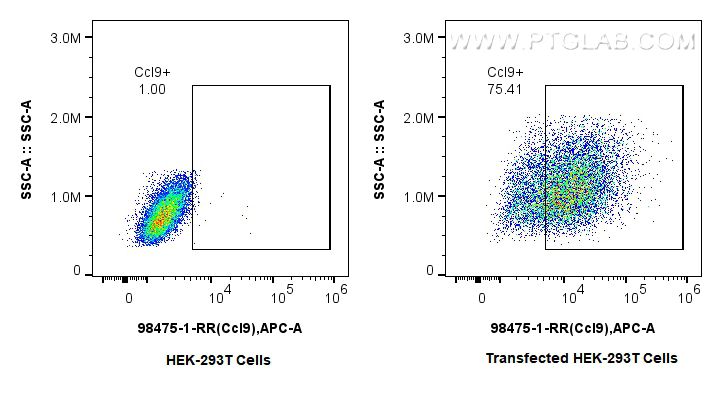
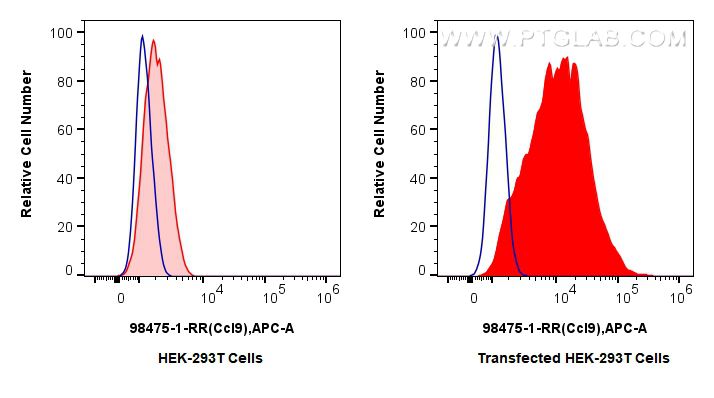
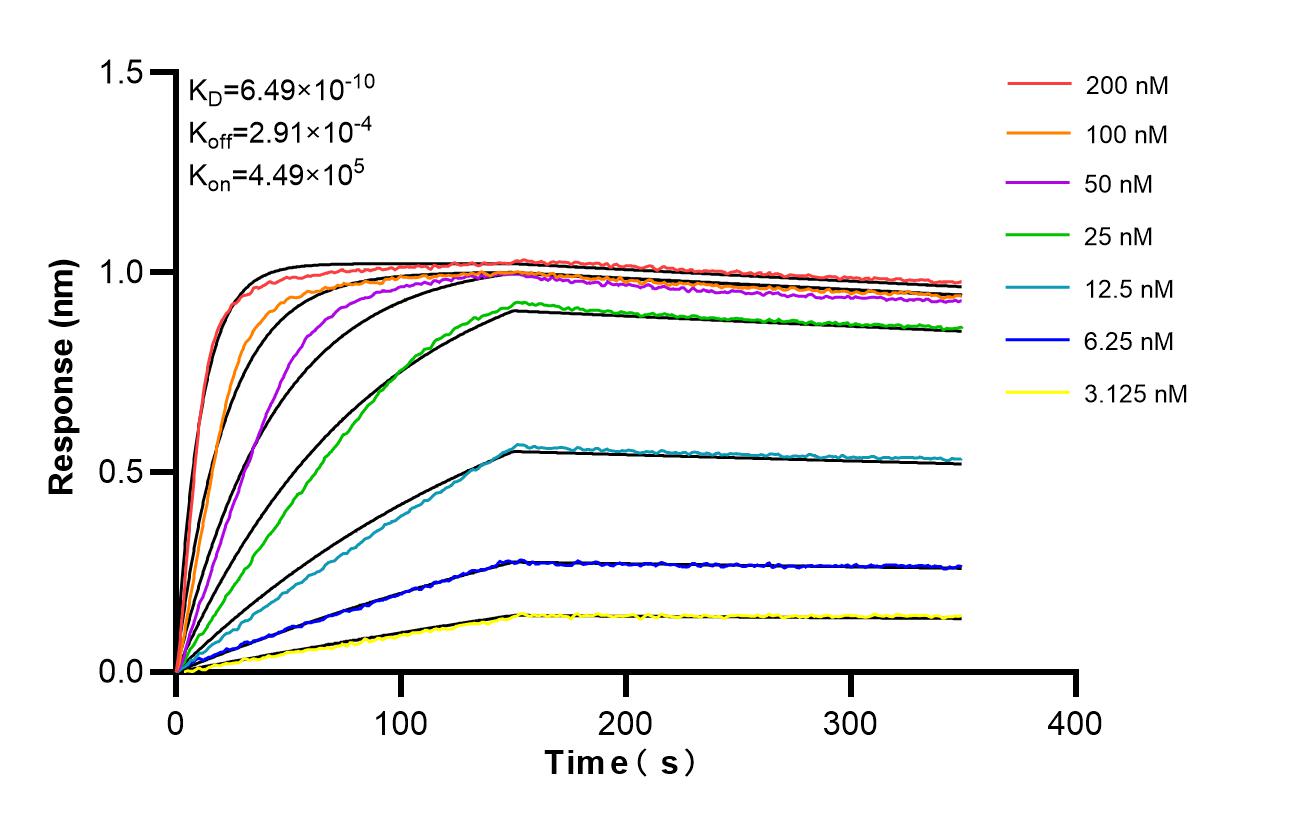
Geprüfte Anwendungen
Produktinformation
98475-1-PBS bindet in FC (Intra) CCL9 und zeigt Reaktivität mit Maus
| Getestete Reaktivität | Maus |
| Wirt / Isotyp | Kaninchen / IgG |
| Klonalität | Rekombinant |
| Typ | Antikörper |
| Immunogen | CCL9 fusion protein Eg3336 |
| Vollständiger Name | chemokine (C-C motif) ligand 9 |
| Berechnetes Molekulargewicht | 14KD |
| GenBank-Zugangsnummer | NM_011338.2 |
| Gene symbol | Ccl9 |
| Gene ID (NCBI) | 20308 |
| Konjugation | Unkonjugiert |
| Form | Liquid |
| Reinigungsmethode | Protein-A-Reinigung |
| Lagerungspuffer | PBS only |
| Lagerungsbedingungen | Store at -80°C. |
Hintergrundinformationen
Mouse C-C motif ligand 9 (CCL9), alternatively named macrophage inflammatory protein 1γ (MIP-1γ), was identified in 1995 and is homologous to the mouse CCL6, as well as human CCL23 and CCL15. It is noted that CCL9 is also known by various names such as macrophage inflammatory protein-1 gamma (MIP-1ɣ), macrophage inflammatory protein-related protein-2 (MRP-2) and CCF18 in rodents. Monocytes and myeloid cell lines produce large quantities of CCL9, as do dendritic cells and T cells, in particular Th1 type T cells. Despite high baseline levels in circulation, it has become apparent that concentrations of CCL9 vary greatly in specific tissues with profound effects on health. For example, in the bone, CCL9 is produced at even higher levels, and is critical to osteoclast versus osteoblast differentiation of macrophages. There are also indications of a timed specific induction of CCL9 in skin wound healing and follicle-associated epithelium of the gut.


