CD163 Monoklonaler Antikörper
CD163 Monoklonal Antikörper für WB, IHC, IF-P, IP, ELISA
Wirt / Isotyp
Maus / IgG1
Getestete Reaktivität
human und mehr (2)
Anwendung
WB, IHC, IF-P, IP, ELISA
Konjugation
Unkonjugiert
CloneNo.
2G7A5
Kat-Nr. : 68218-1-Ig
Synonyme
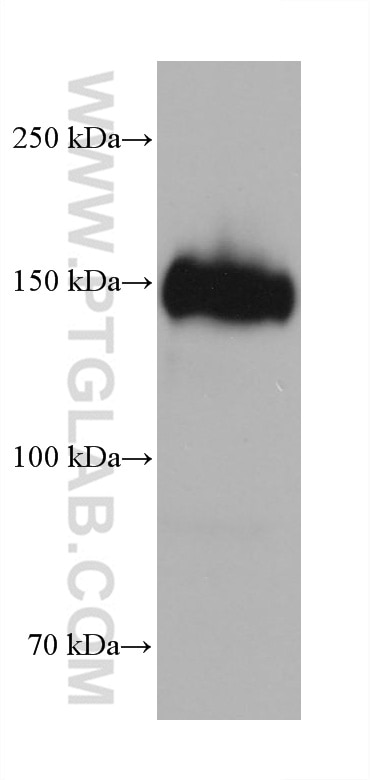
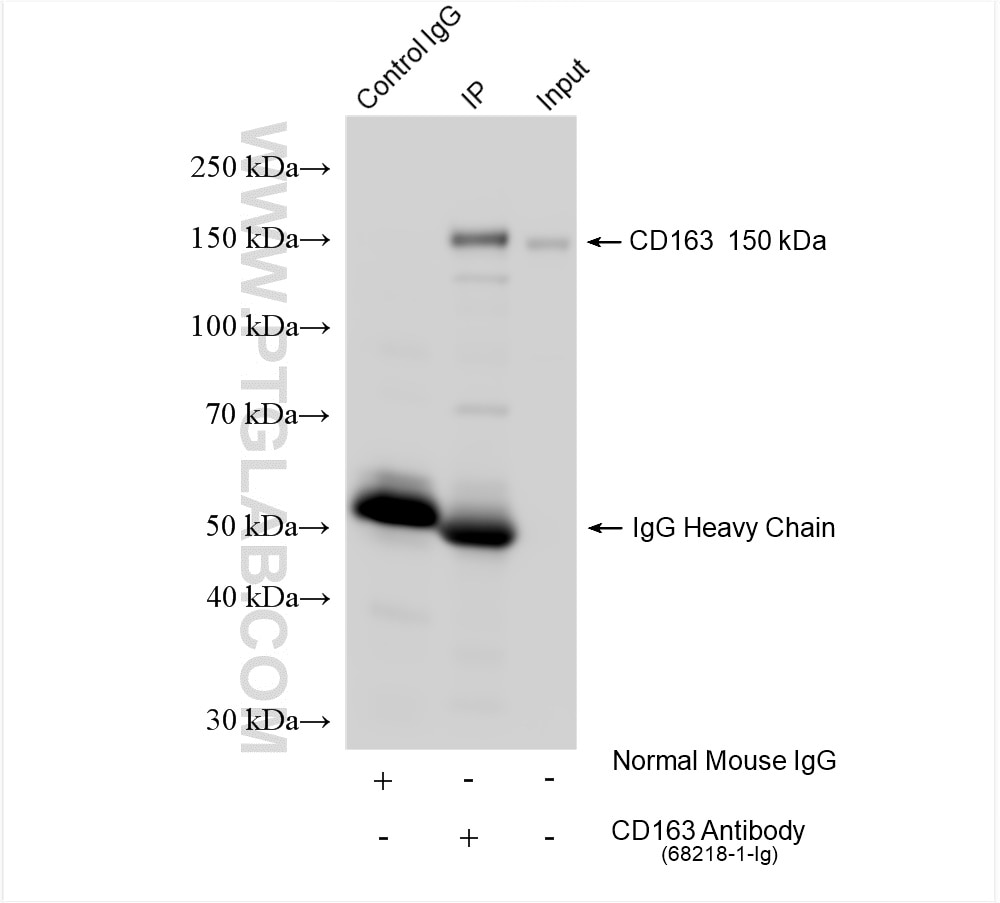
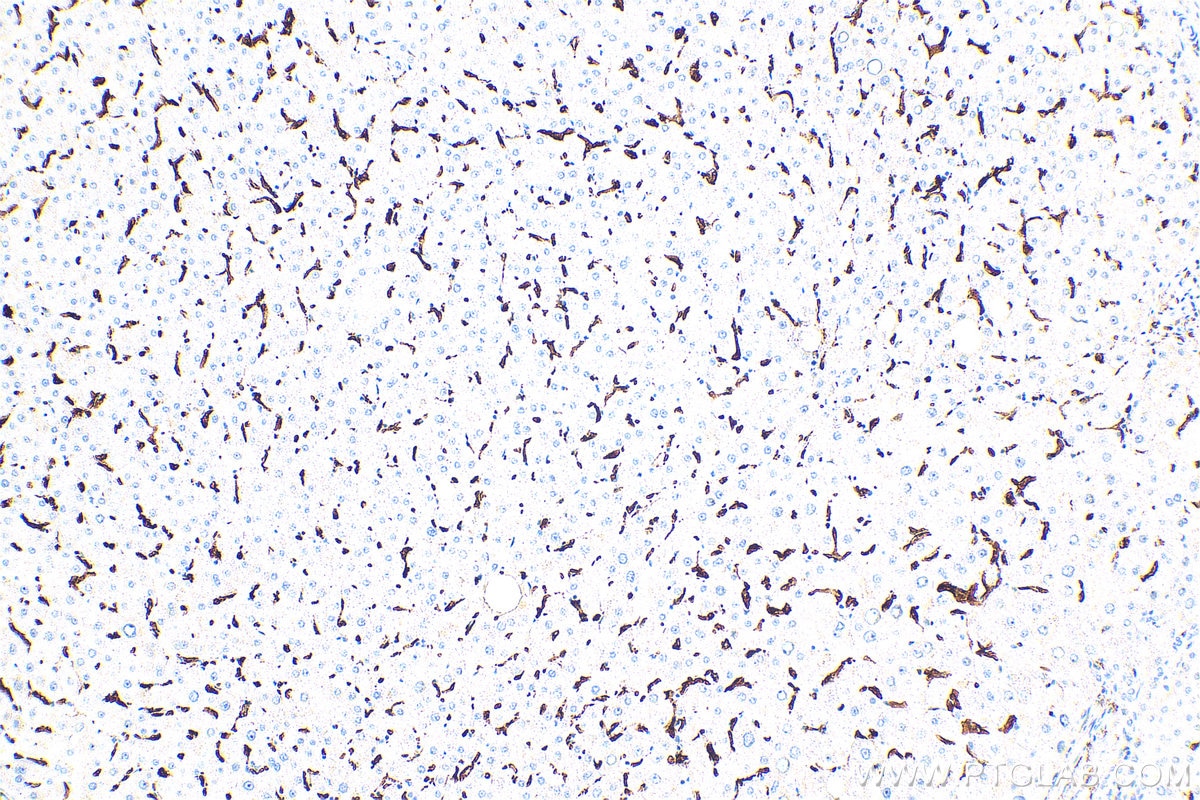
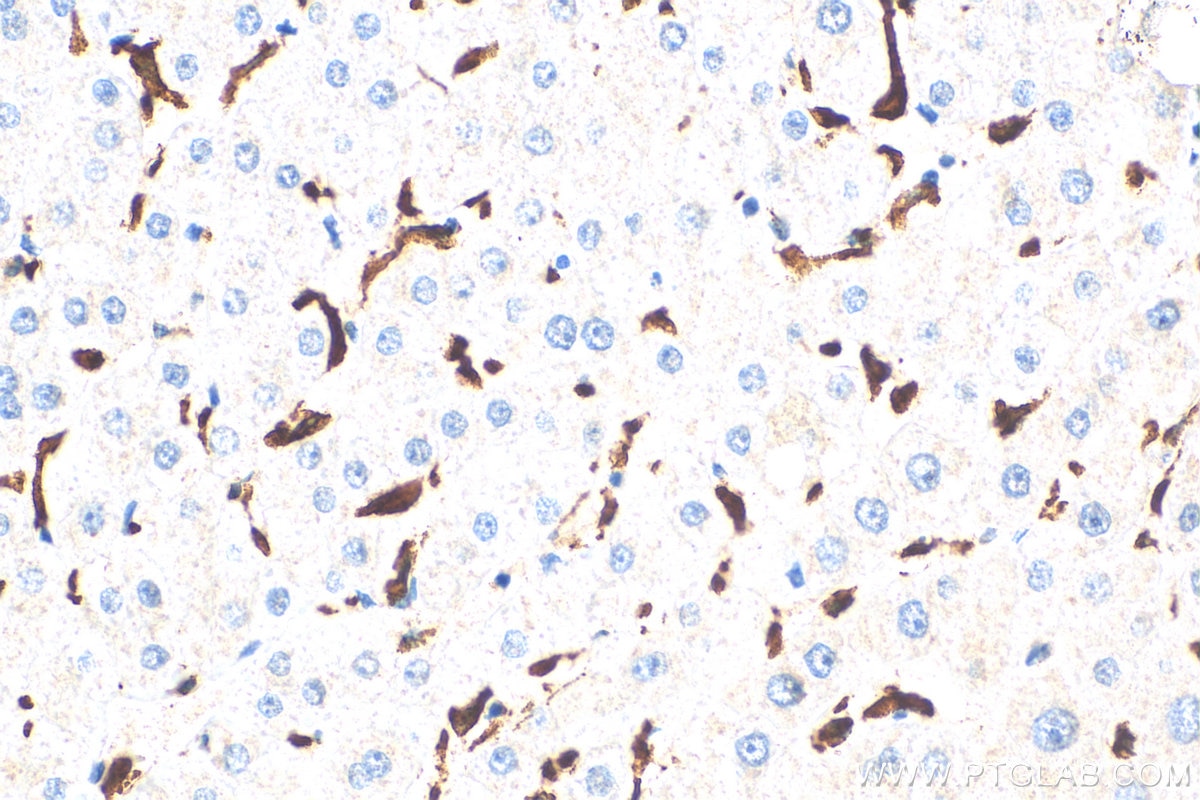
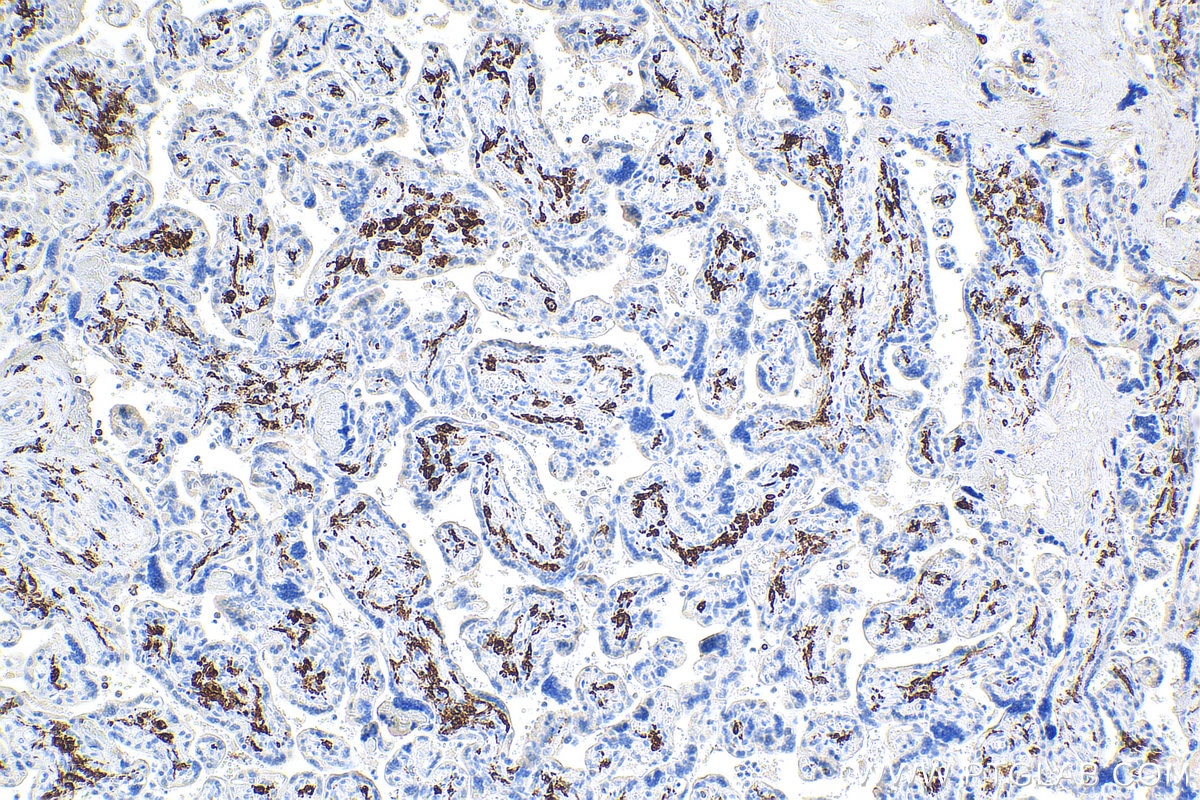
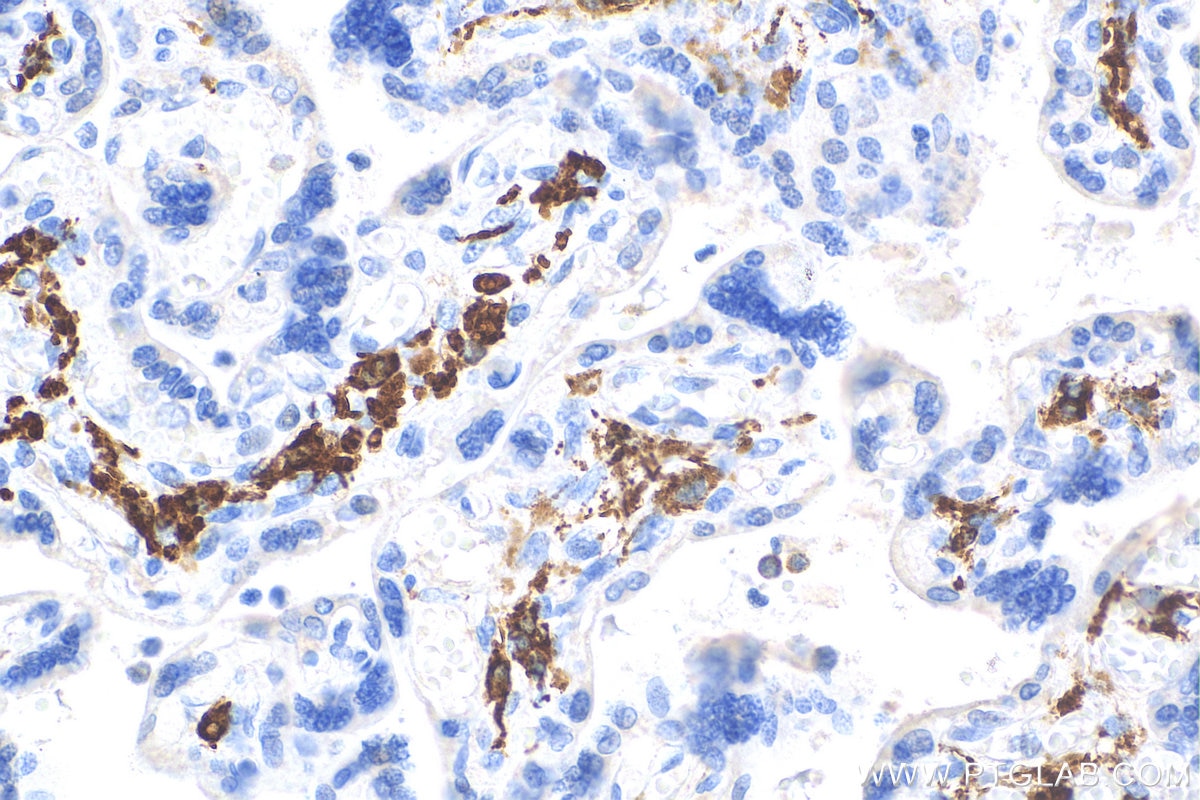
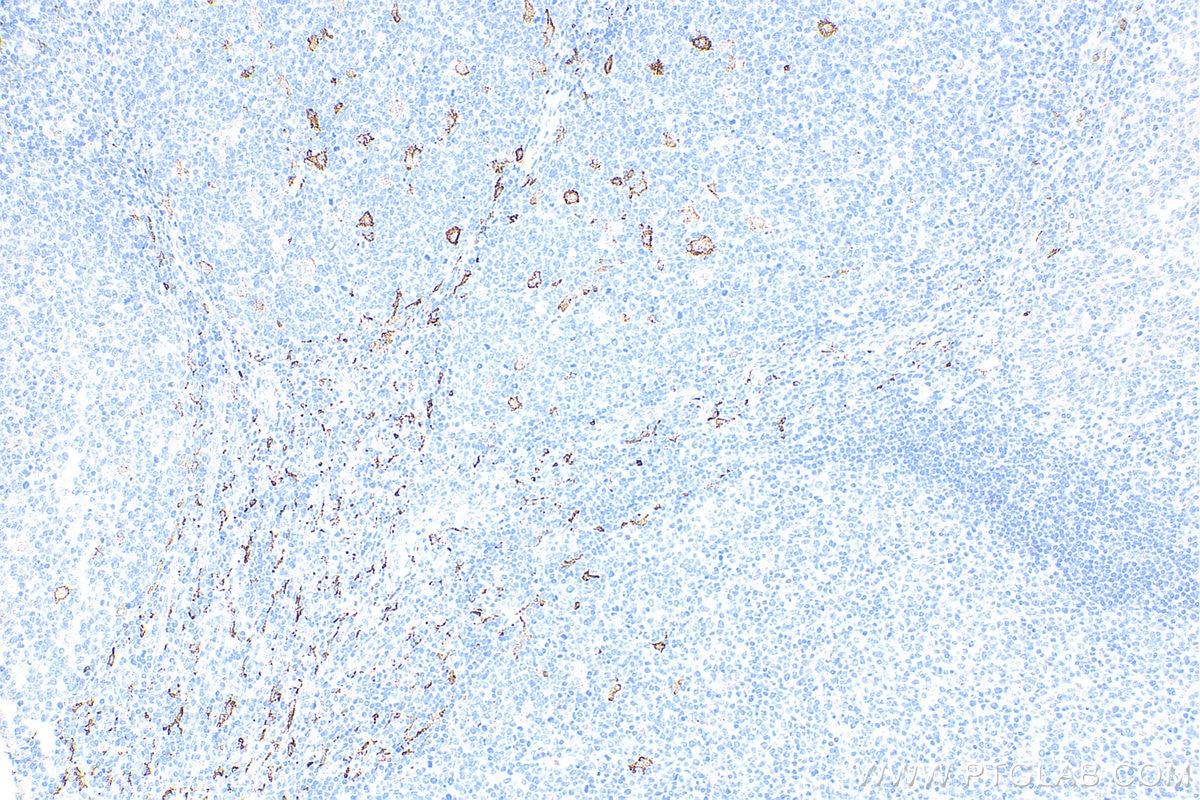
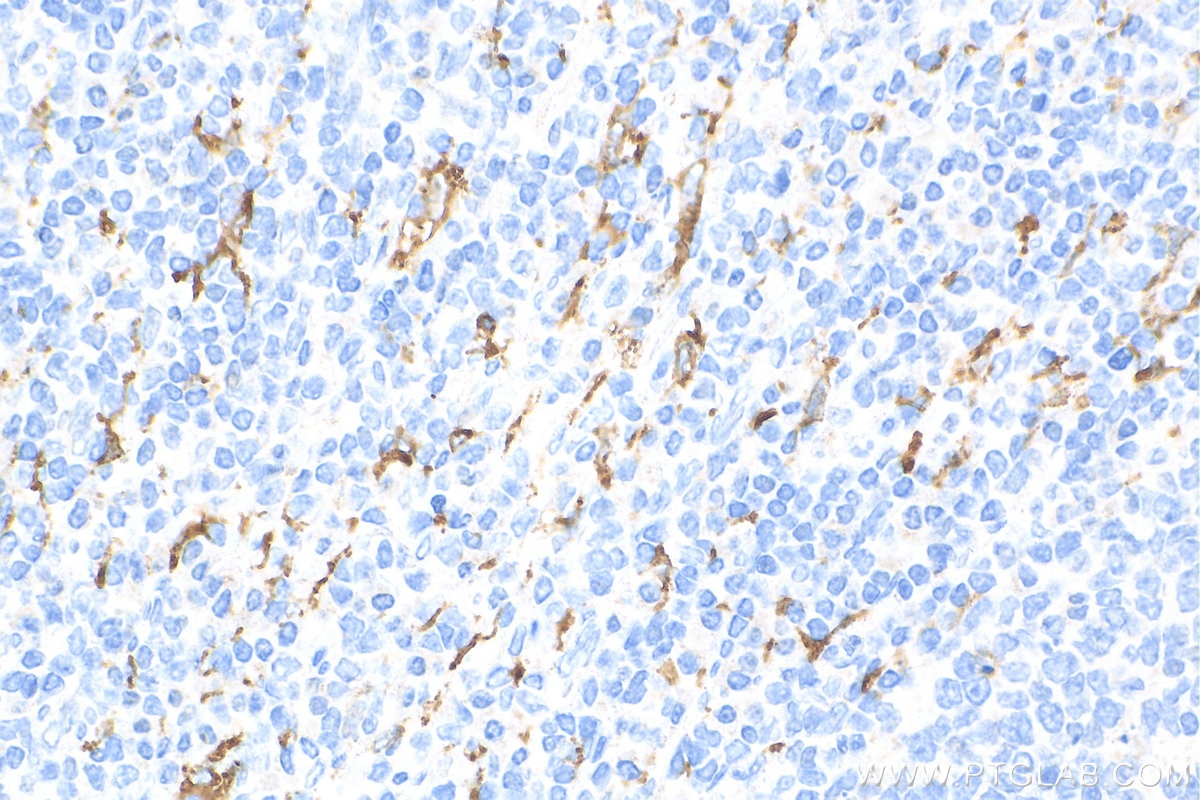
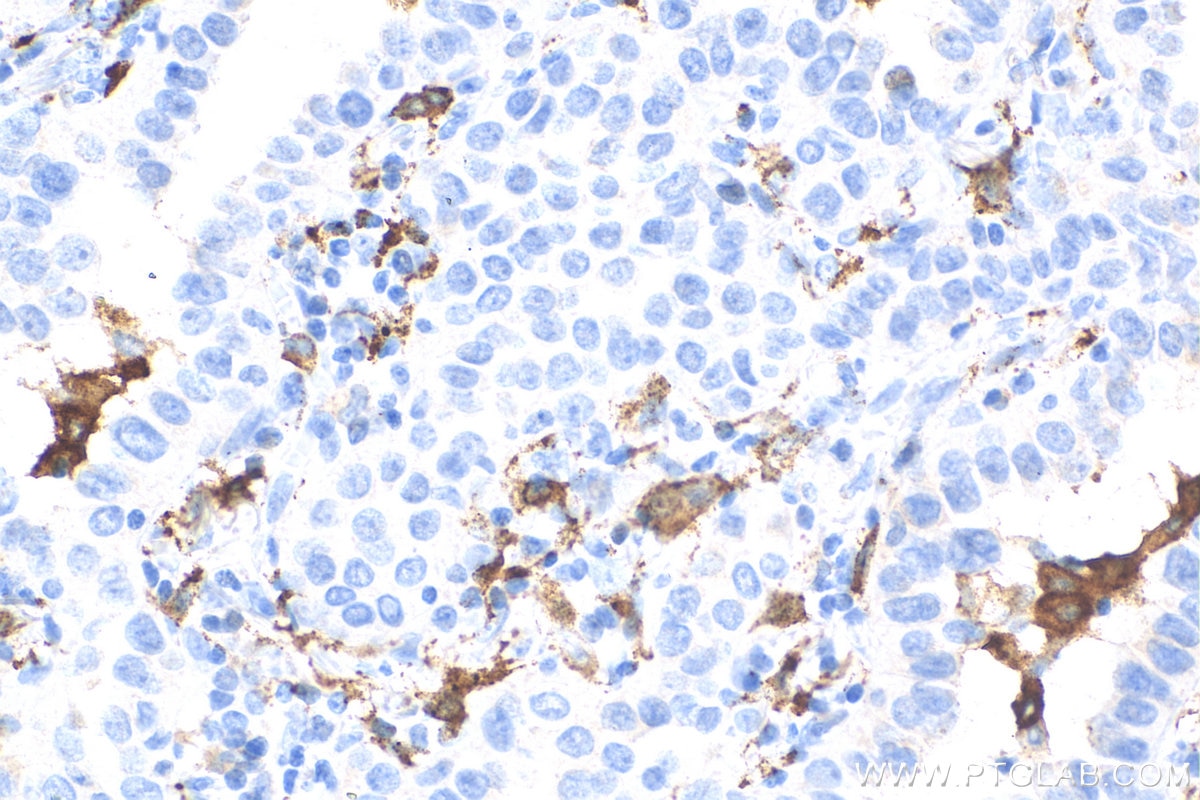
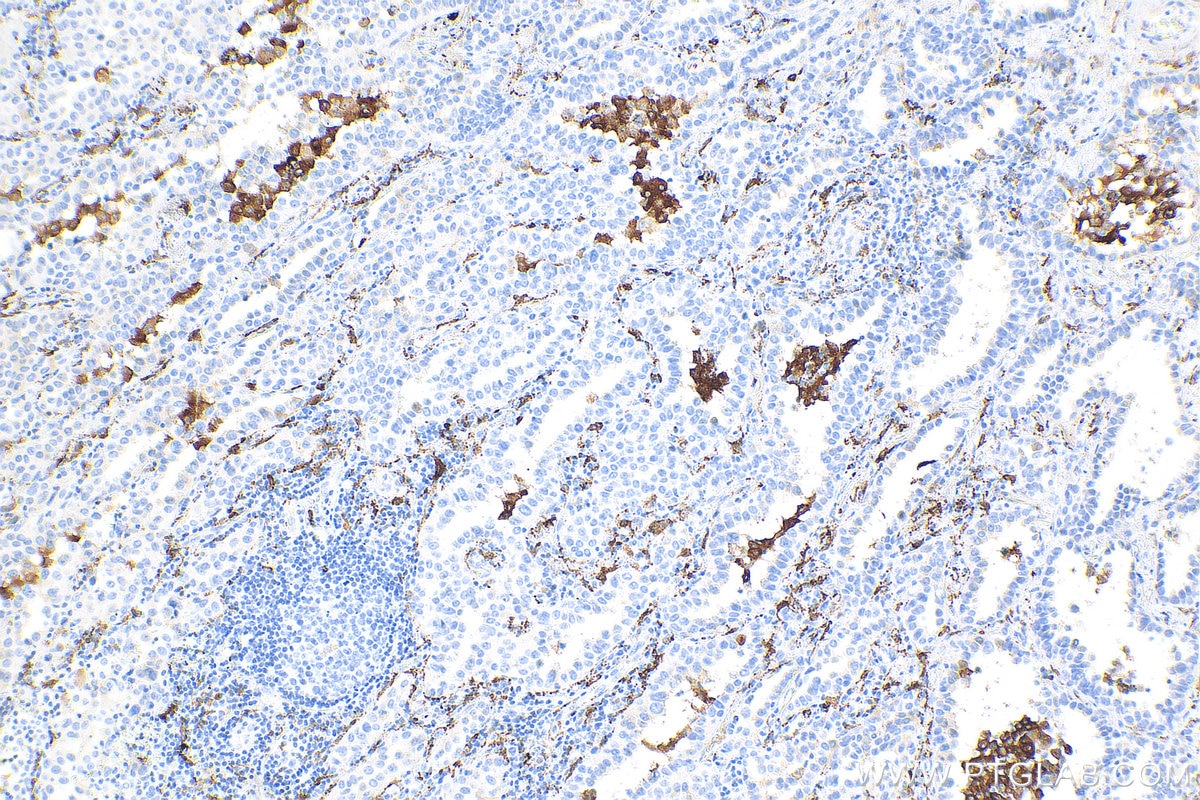
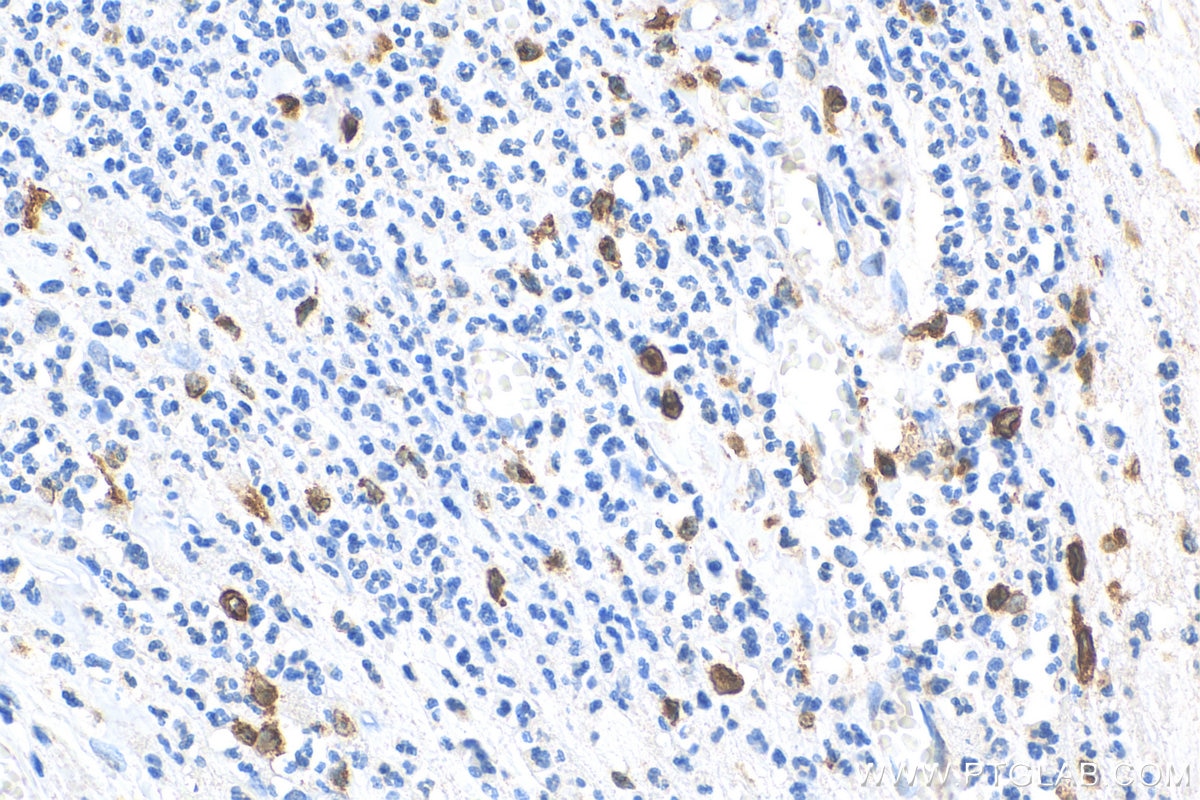
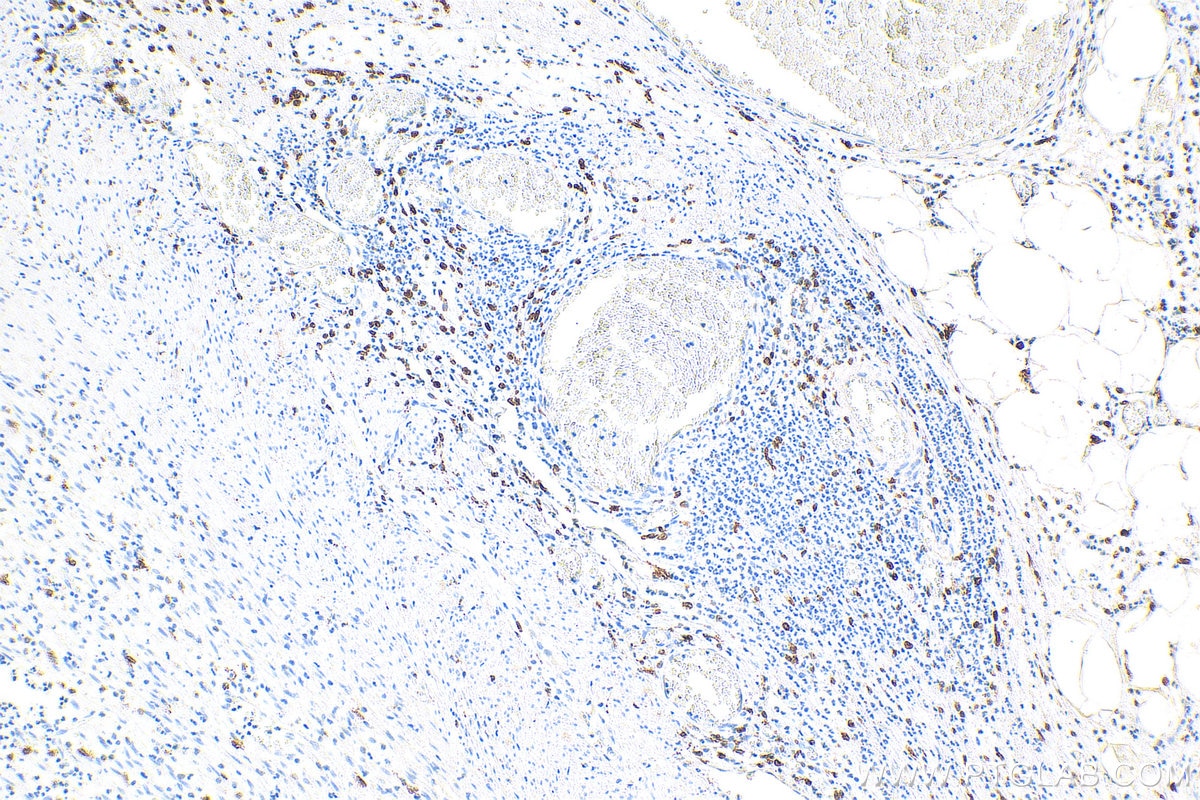
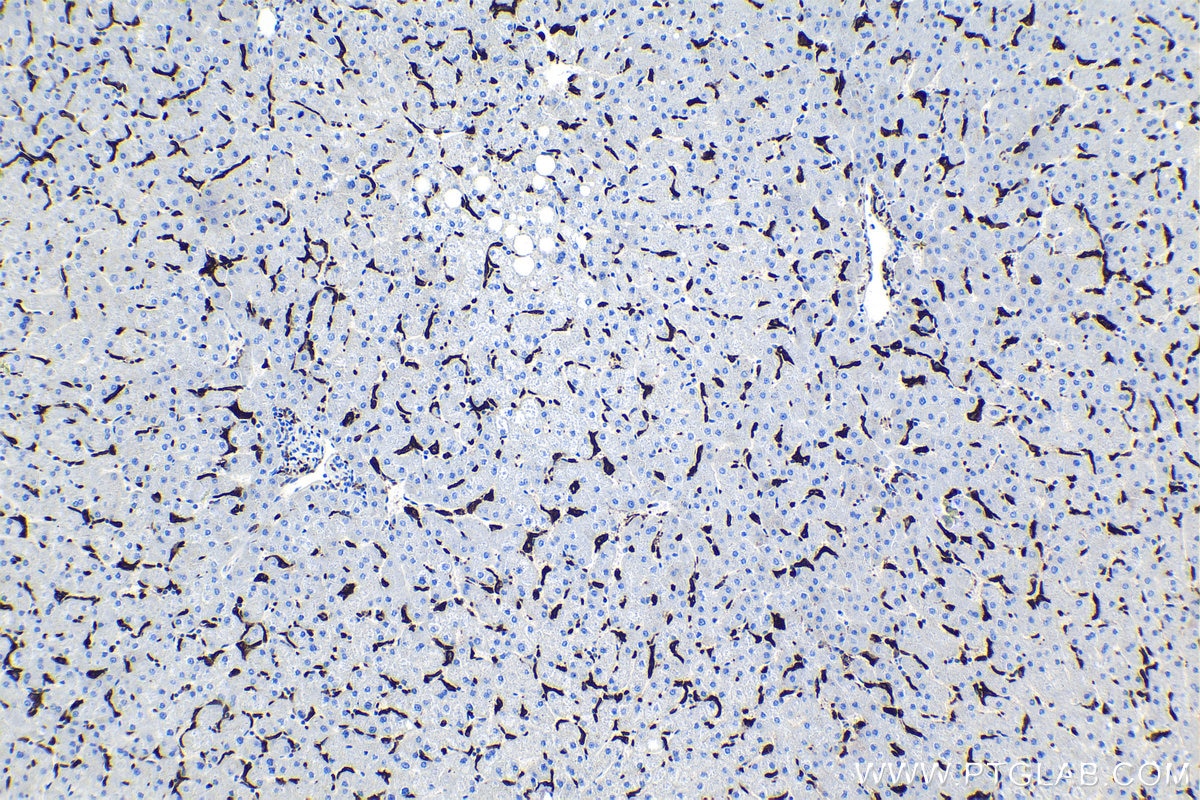
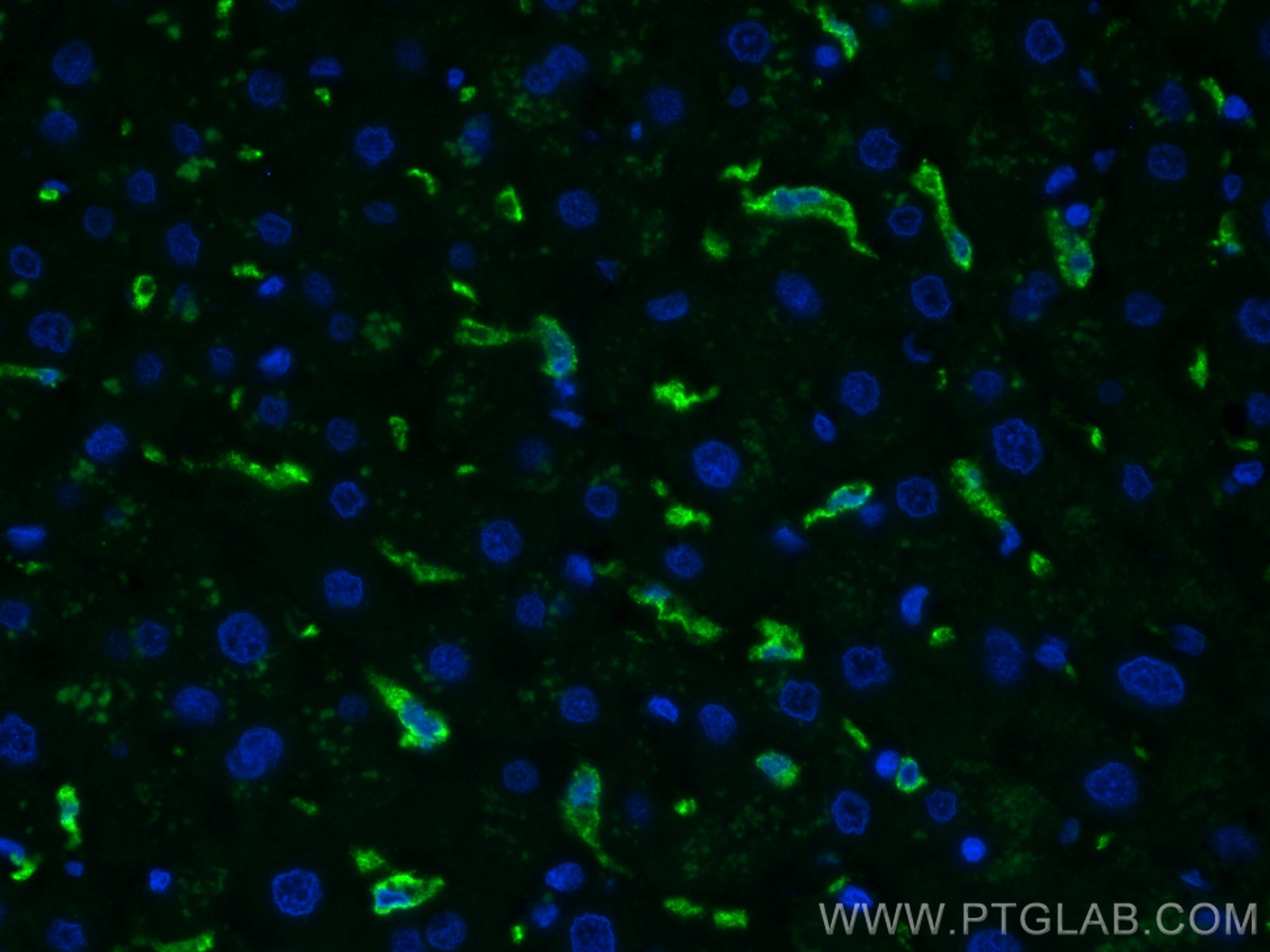
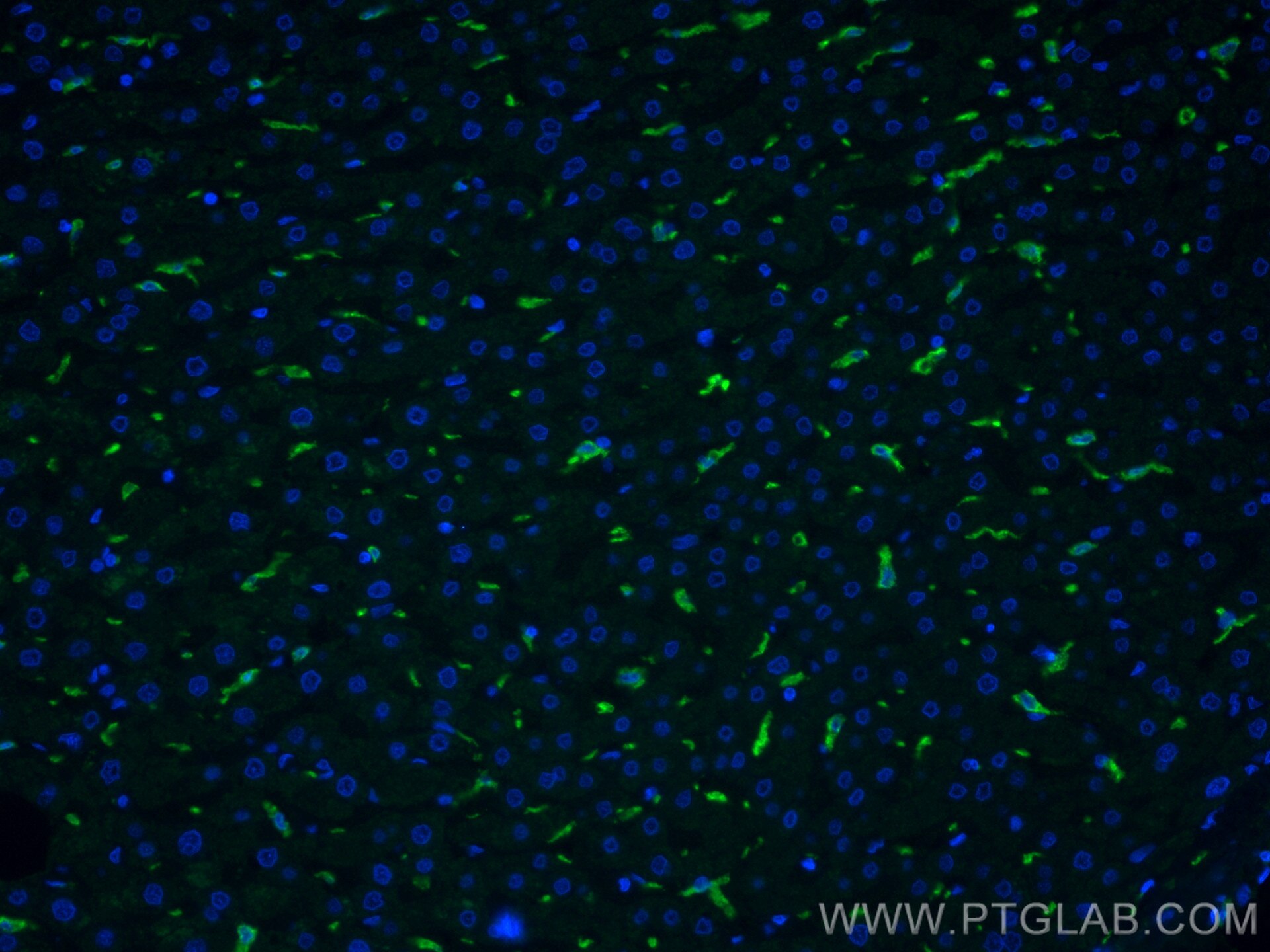
Geprüfte Anwendungen
| Erfolgreiche Detektion in WB | humanes Plazenta-Gewebe |
| Erfolgreiche IP | humanes Plazenta-Gewebe |
| Erfolgreiche Detektion in IHC | humanes Lebergewebe, humanes Appendizitis-Gewebe, humanes Lungenkarzinomgewebe, humanes Plazenta-Gewebe, humanes Tonsillitisgewebe Hinweis: Antigendemaskierung mit TE-Puffer pH 9,0 empfohlen. (*) Wahlweise kann die Antigendemaskierung auch mit Citratpuffer pH 6,0 erfolgen. |
| Erfolgreiche Detektion in IF-P | humanes Lebergewebe |
Empfohlene Verdünnung
| Anwendung | Verdünnung |
|---|---|
| Western Blot (WB) | WB : 1:5000-1:50000 |
| Immunpräzipitation (IP) | IP : 0.5-4.0 ug for 1.0-3.0 mg of total protein lysate |
| Immunhistochemie (IHC) | IHC : 1:2500-1:10000 |
| Immunfluoreszenz (IF)-P | IF-P : 1:200-1:800 |
| It is recommended that this reagent should be titrated in each testing system to obtain optimal results. | |
| Sample-dependent, check data in validation data gallery | |
Veröffentlichte Anwendungen
| WB | See 3 publications below |
| IHC | See 2 publications below |
| IF | See 7 publications below |
Produktinformation
68218-1-Ig bindet in WB, IHC, IF-P, IP, ELISA CD163 und zeigt Reaktivität mit human
| Getestete Reaktivität | human |
| In Publikationen genannte Reaktivität | human, Kaninchen, Maus |
| Wirt / Isotyp | Maus / IgG1 |
| Klonalität | Monoklonal |
| Typ | Antikörper |
| Immunogen | CD163 fusion protein Ag26721 |
| Vollständiger Name | CD163 molecule |
| Berechnetes Molekulargewicht | 1156 aa, 125 kDa |
| Beobachtetes Molekulargewicht | 145-150 kDa |
| GenBank-Zugangsnummer | BC051281 |
| Gene symbol | CD163 |
| Gene ID (NCBI) | 9332 |
| Konjugation | Unkonjugiert |
| Form | Liquid |
| Reinigungsmethode | Protein-G-Reinigung |
| Lagerungspuffer | PBS with 0.02% sodium azide and 50% glycerol |
| Lagerungsbedingungen | Bei -20°C lagern. Nach dem Versand ein Jahr lang stabil Aliquotieren ist bei -20oC Lagerung nicht notwendig. 20ul Größen enthalten 0,1% BSA. |
Hintergrundinformationen
CD163 is a transmembrane protein which belongs to the scavenger receptor cysteine-rich (SRCR) superfamily. This protein is a scavenger receptor for the hemoglobin-haptoglobin complex and is a marker for monocytes and macrophages. Soluble CD163 (sCD163), as a result of ectodomain shedding during inflammatory activation of macrophages, circulates in blood and has been suggested as a plasma/serum marker for macrophage activity.
Protokolle
| PRODUKTSPEZIFISCHE PROTOKOLLE | |
|---|---|
| WB protocol for CD163 antibody 68218-1-Ig | Protokoll herunterladen |
| IHC protocol for CD163 antibody 68218-1-Ig | Protokoll herunterladenl |
| IF protocol for CD163 antibody 68218-1-Ig | Protokoll herunterladen |
| IP protocol for CD163 antibody 68218-1-Ig | Protokoll herunterladen |
| STANDARD-PROTOKOLLE | |
|---|---|
| Klicken Sie hier, um unsere Standardprotokolle anzuzeigen |
Publikationen
| Species | Application | Title |
|---|---|---|
Cancer Immunol Immunother A comprehensive pan-cancer analysis of prognostic value and potential clinical implications of FTH1 in cancer immunotherapy | ||
iScience Independent prognostic value of CLDN6 in bladder cancer based on M2 macrophages related signature | ||
Biomaterials Multilayered hydrogel scaffold construct with native tissue matched elastic modulus: A regenerative microenvironment for urethral scar-free healing | ||
Am J Cancer Res STAC3 as a poor prognostic biomarker in renal clear cell carcinoma: relationship with immune infiltration | ||
Int J Biol Sci Tumor-associated macrophages drive heterogenetic CD10High cancer stem cells to implement tumor-associated neutrophils reprogramming in oral squamous cell carcinoma | ||
J Exp Clin Cancer Res MMP28 recruits M2-type tumor-associated macrophages through MAPK/JNK signaling pathway-dependent cytokine secretion to promote the malignant progression of pancreatic cancer |

