CEBP Alpha/CEBPA Rekombinanter Antikörper
CEBP Alpha/CEBPA Rekombinant Antikörper für IF/ICC, FC (Intra), ELISA
Wirt / Isotyp
Kaninchen / IgG
Getestete Reaktivität
human
Anwendung
IF/ICC, FC (Intra), ELISA
Konjugation
Unkonjugiert
CloneNo.
242101C9
Kat-Nr. : 84668-4-RR
Synonyme
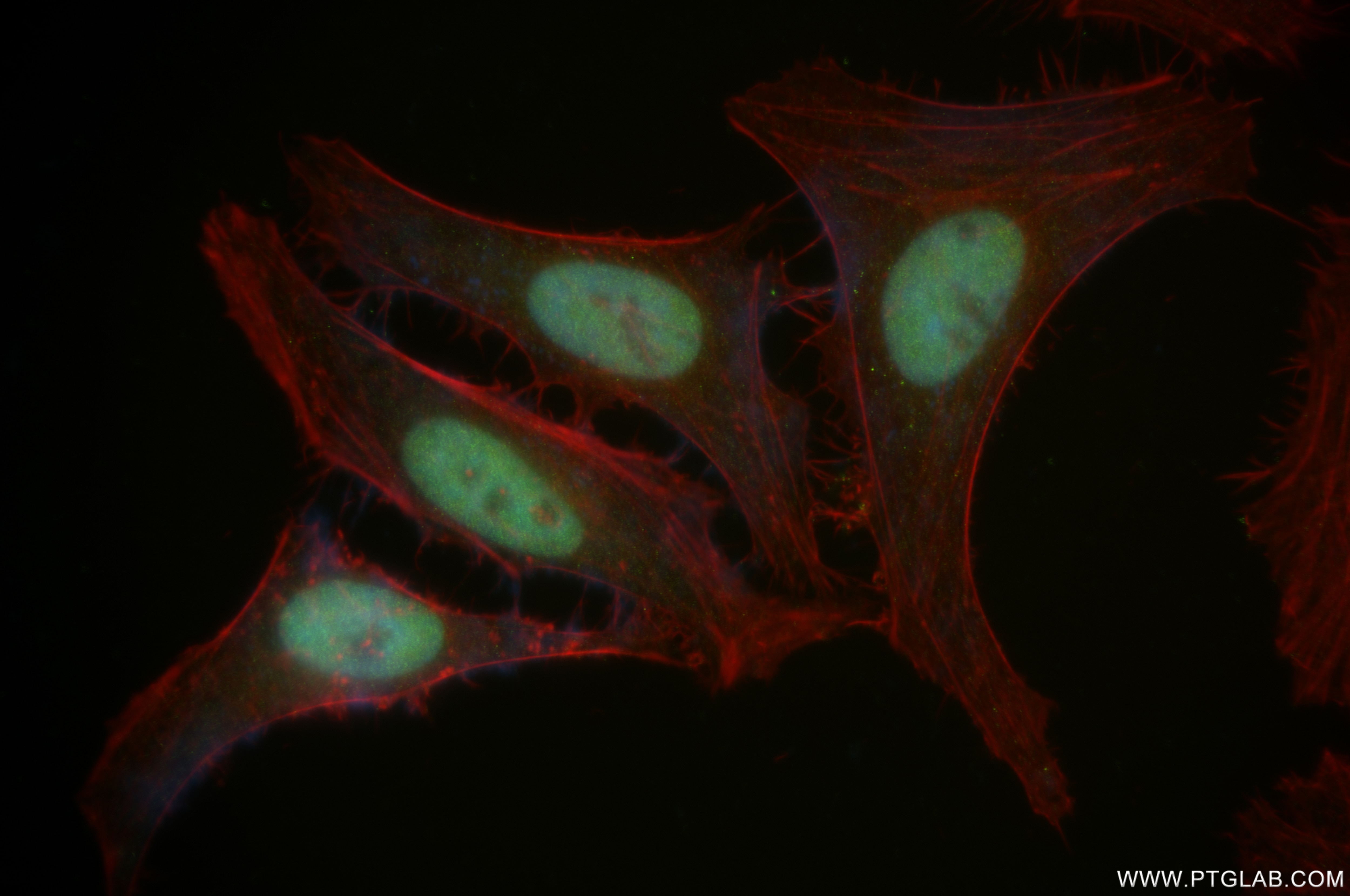
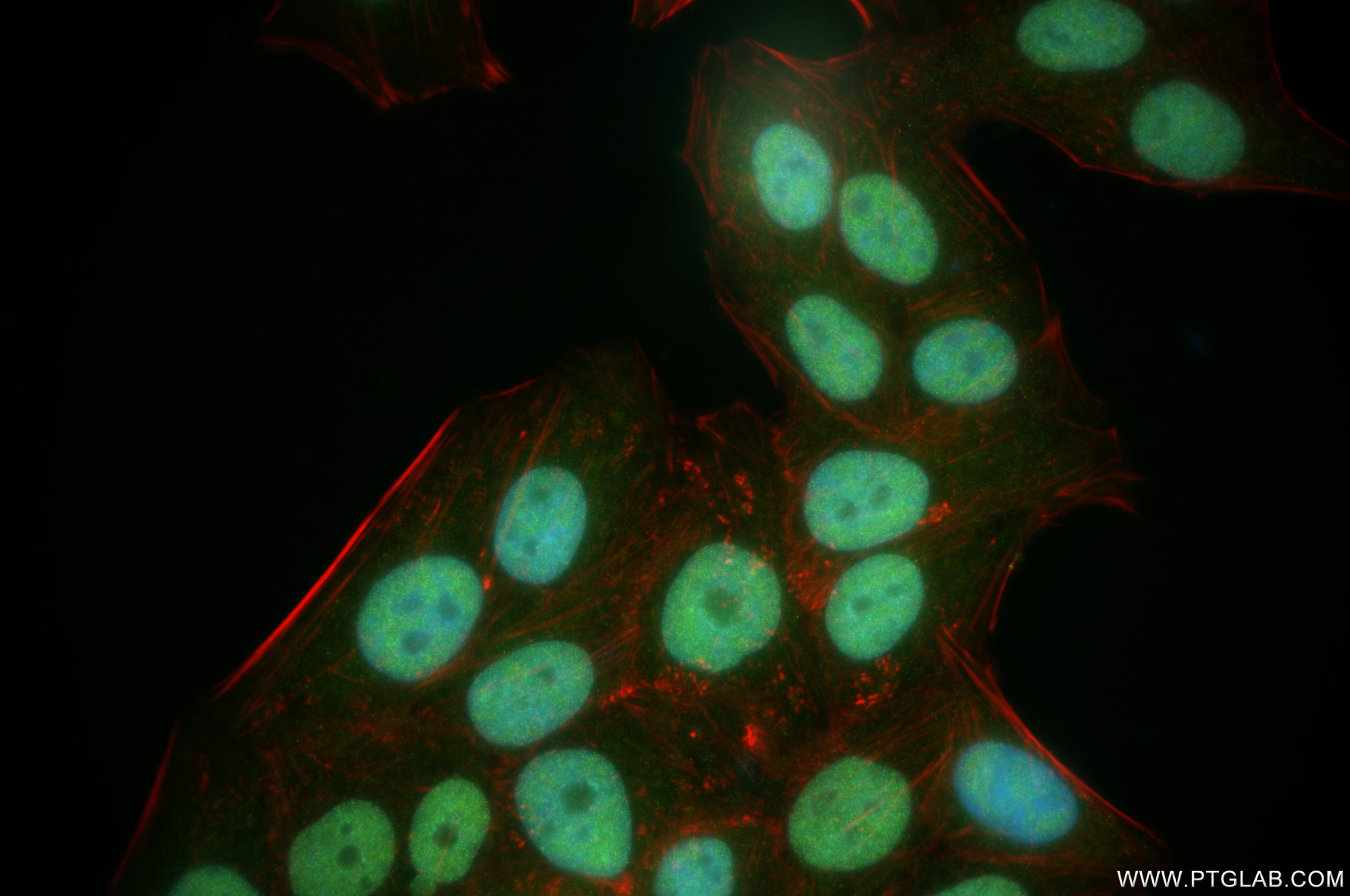
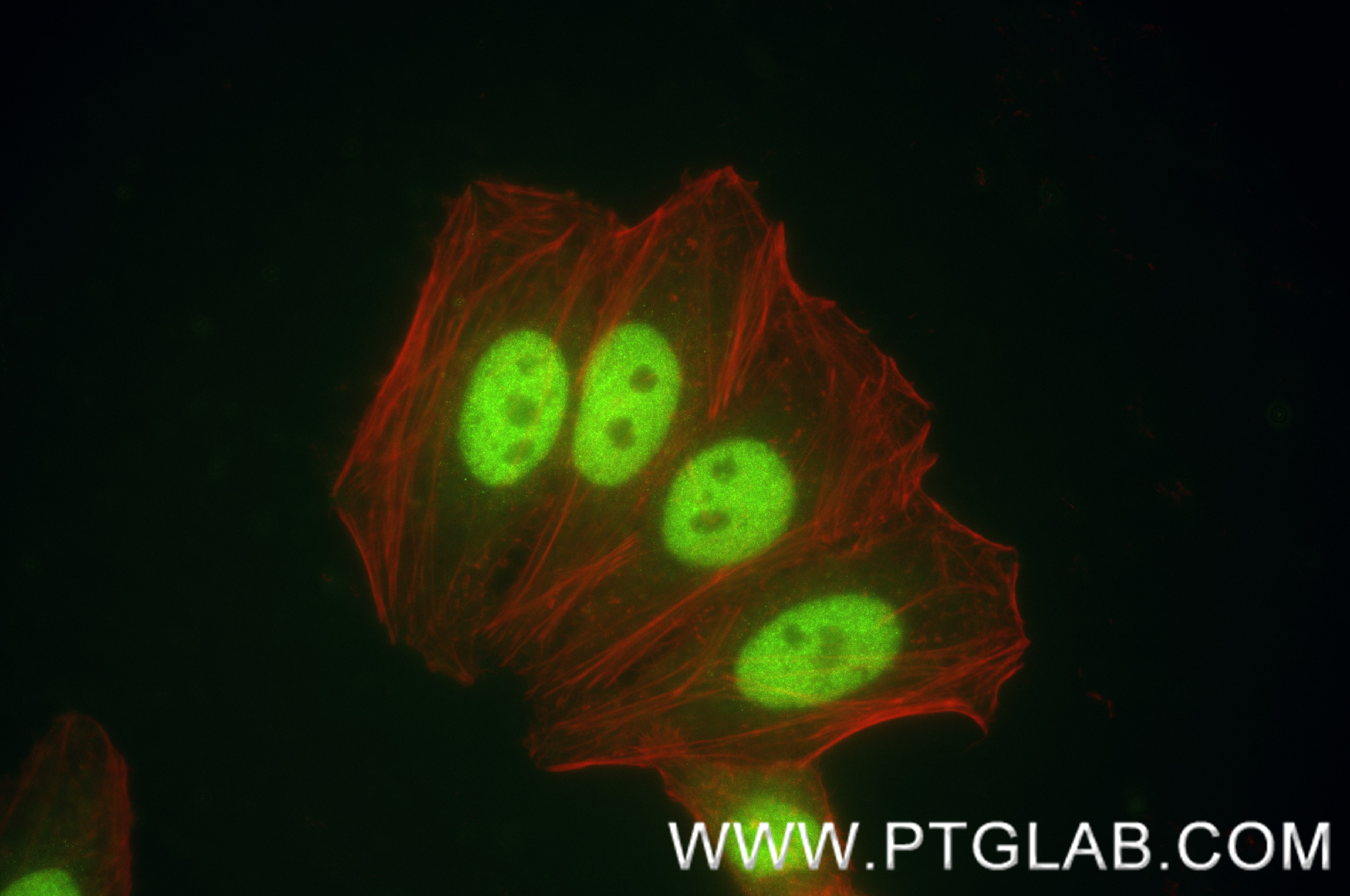
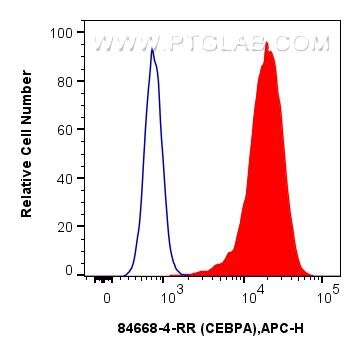
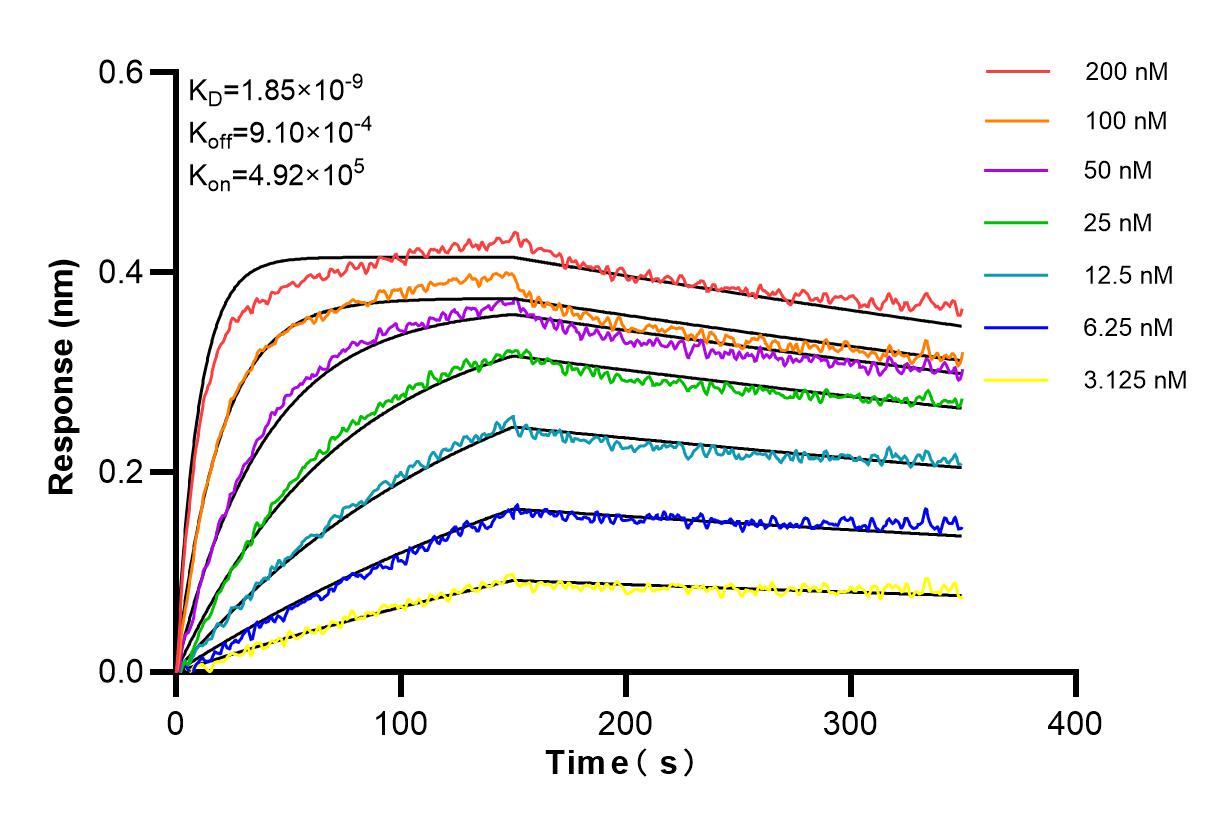
Geprüfte Anwendungen
| Erfolgreiche Detektion in IF/ICC | HepG2-Zellen, HeLa-Zellen |
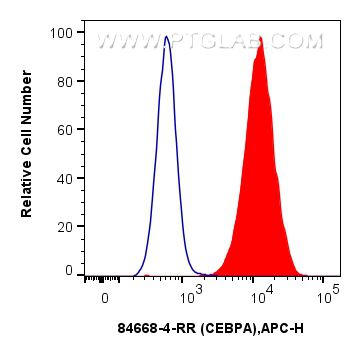
| Erfolgreiche Detektion in FC (Intra) | HeLa-Zellen, HepG2-Zellen |
Empfohlene Verdünnung
| Anwendung | Verdünnung |
|---|---|
| Immunfluoreszenz (IF)/ICC | IF/ICC : 1:1000-1:4000 |
| Durchflusszytometrie (FC) (INTRA) | FC (INTRA) : 0.25 ug per 10^6 cells in a 100 µl suspension |
| It is recommended that this reagent should be titrated in each testing system to obtain optimal results. | |
| Sample-dependent, check data in validation data gallery | |
Produktinformation
84668-4-RR bindet in IF/ICC, FC (Intra), ELISA CEBP Alpha/CEBPA und zeigt Reaktivität mit human
| Getestete Reaktivität | human |
| Wirt / Isotyp | Kaninchen / IgG |
| Klonalität | Rekombinant |
| Typ | Antikörper |
| Immunogen | CEBP Alpha/CEBPA fusion protein Ag29947 |
| Vollständiger Name | CCAAT/enhancer binding protein (C/EBP), alpha |
| Berechnetes Molekulargewicht | 38 kDa |
| Beobachtetes Molekulargewicht | 40-45 kDa |
| GenBank-Zugangsnummer | NM_004364 |
| Gene symbol | CEBPA |
| Gene ID (NCBI) | 1050 |
| Konjugation | Unkonjugiert |
| Form | Liquid |
| Reinigungsmethode | Protein A purfication |
| Lagerungspuffer | PBS with 0.02% sodium azide and 50% glycerol |
| Lagerungsbedingungen | Bei -20°C lagern. Nach dem Versand ein Jahr lang stabil Aliquotieren ist bei -20oC Lagerung nicht notwendig. 20ul Größen enthalten 0,1% BSA. |
Hintergrundinformationen
CEBPA and its isoforms play important roles in lineage determination and gene activation in a variety of cell types by activating transcription from lineage-specific promoters. CEBPA is a DNA-binding protein that recognizes two different motifs: the CCAAT homology common to many promoters and the enhanced core homology common to many enhancers. In hematopoiesis, C/EBPa is a key factor in driving the development of myeloid cells interacting with a variety of factors, including c-Myc, PU.1, and microRNAs. It can also form heterodimers with the related proteins CEBP-beta and CEBP-gamma. The encoded protein has been shown to bind to the promoter and modulate the expression of the gene encoding leptin which plays an important role in body weight homeostasis. CEBPA can interact with CDK2 and CDK4, thereby inhibiting these kinases and causing growth arrest in cultured cells. Several pathways have been implicated as the means by which CEBPA mediates cell cycle arrest and proliferation, including p21, cyclin-dependent kinases and the E2F complex via c-Myc.
Protokolle
| PRODUKTSPEZIFISCHE PROTOKOLLE | |
|---|---|
| IF protocol for CEBP Alpha/CEBPA antibody 84668-4-RR | Protokoll herunterladen |
| STANDARD-PROTOKOLLE | |
|---|---|
| Klicken Sie hier, um unsere Standardprotokolle anzuzeigen |


