CIT Polyklonaler Antikörper
CIT Polyklonal Antikörper für WB, IHC, IF/ICC, Indirect ELISA
Wirt / Isotyp
Kaninchen / IgG
Getestete Reaktivität
human, Maus, Ratte
Anwendung
WB, IHC, IF/ICC, Indirect ELISA
Konjugation
Unkonjugiert
Kat-Nr. : 20033-1-PBS
Synonyme
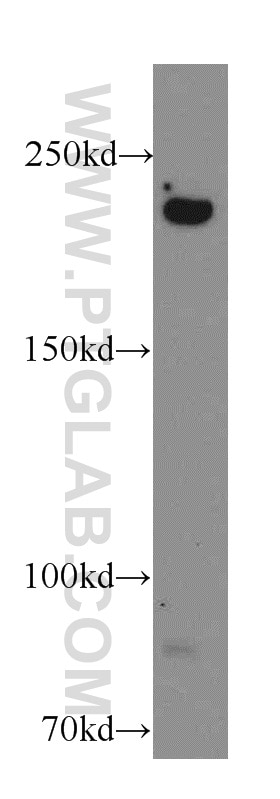
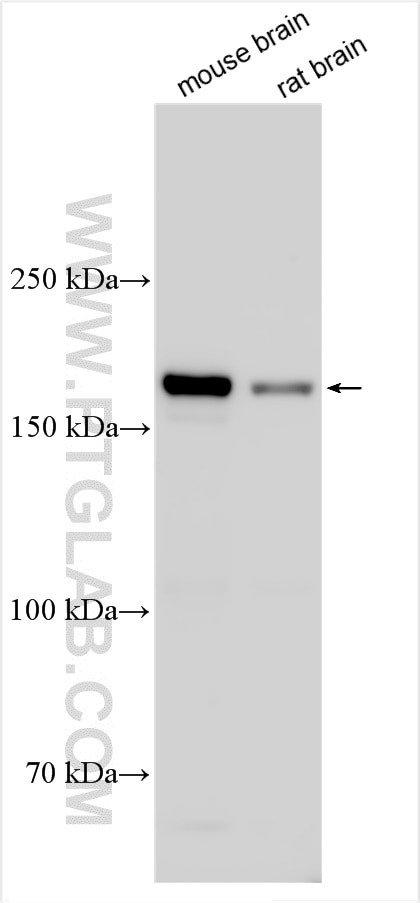
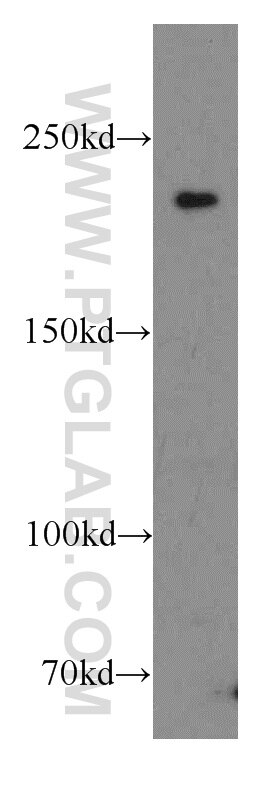
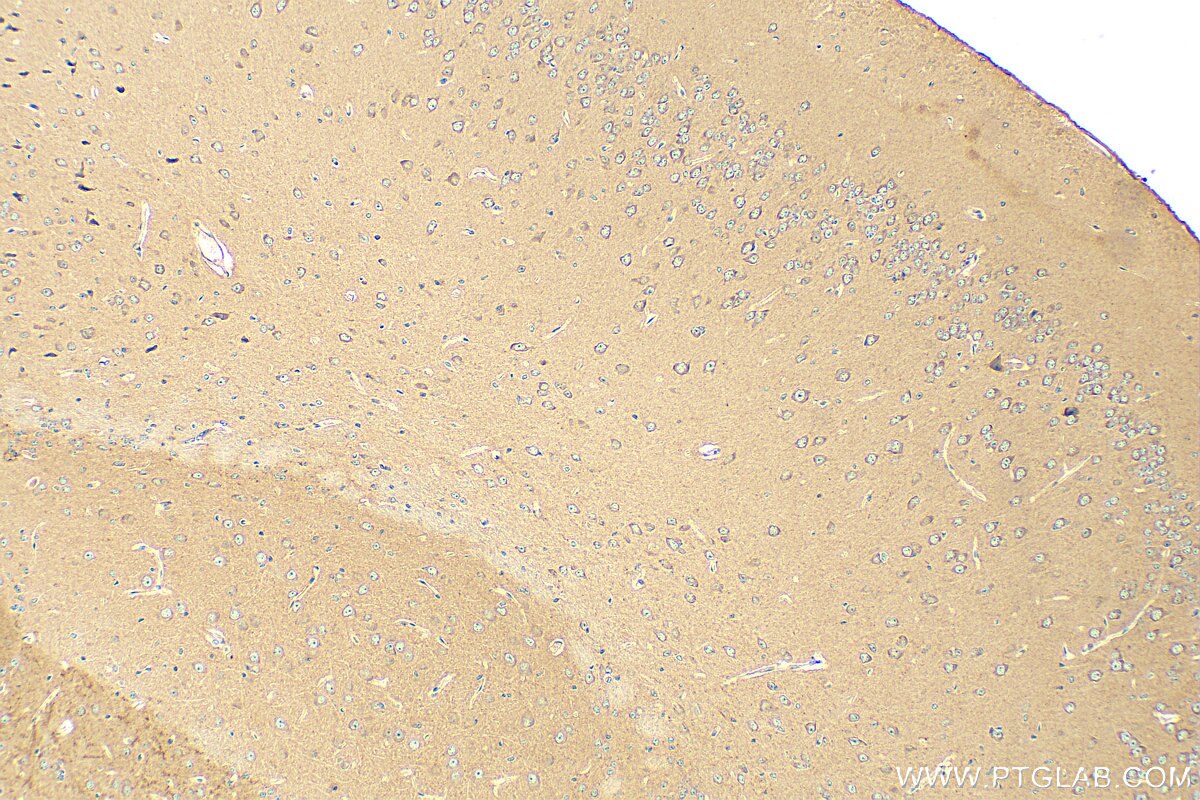
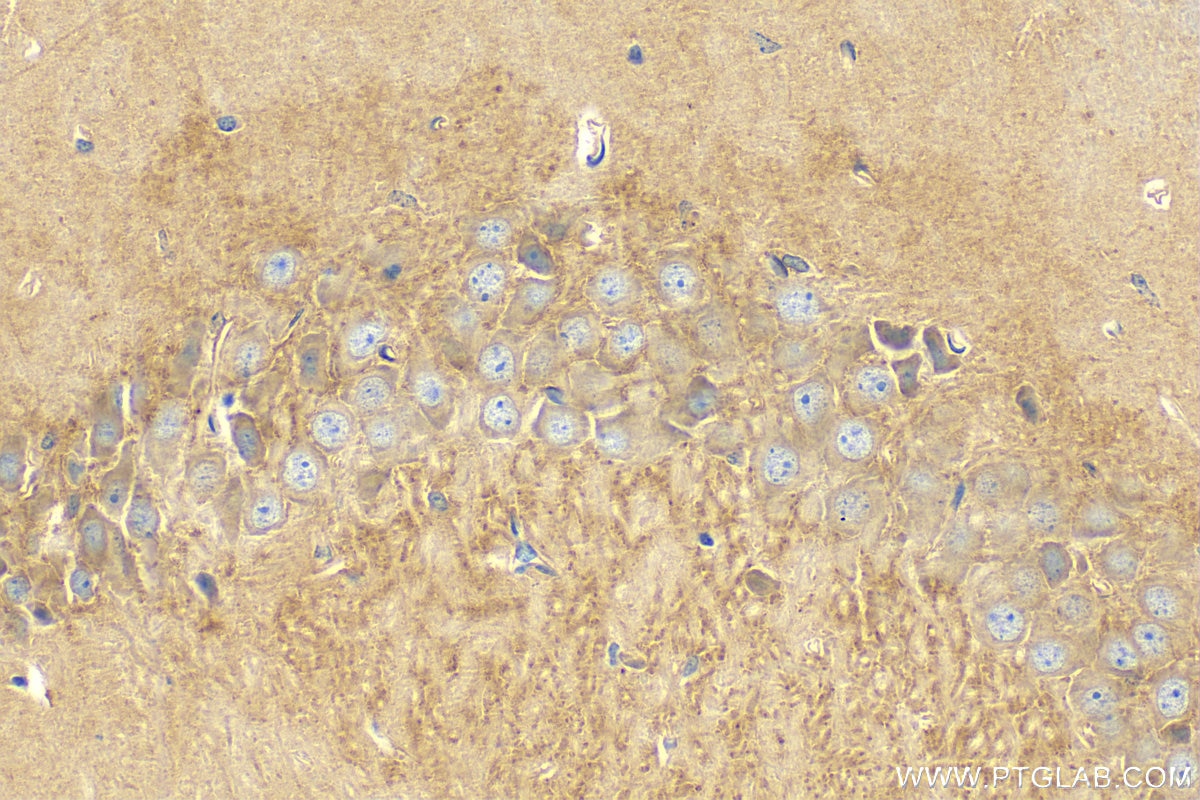
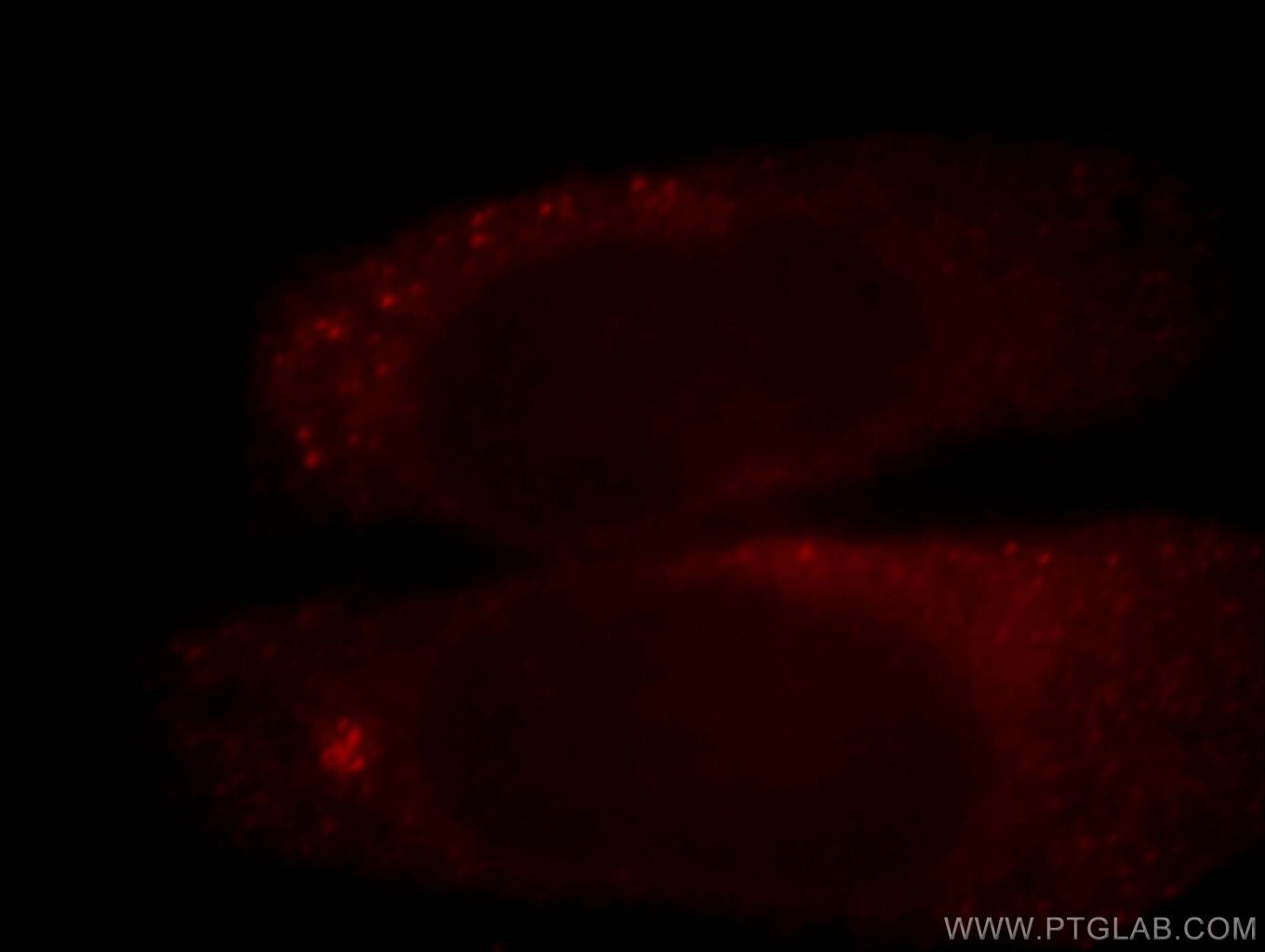
Geprüfte Anwendungen
Produktinformation
20033-1-PBS bindet in WB, IHC, IF/ICC, Indirect ELISA CIT und zeigt Reaktivität mit human, Maus, Ratten
| Getestete Reaktivität | human, Maus, Ratte |
| Wirt / Isotyp | Kaninchen / IgG |
| Klonalität | Polyklonal |
| Typ | Antikörper |
| Immunogen | Peptid |
| Vollständiger Name | citron (rho-interacting, serine/threonine kinase 21) |
| Berechnetes Molekulargewicht | 231 kDa |
| Beobachtetes Molekulargewicht | 230 kDa, 177 kDa |
| GenBank-Zugangsnummer | NM_007174 |
| Gene symbol | CIT |
| Gene ID (NCBI) | 11113 |
| Konjugation | Unkonjugiert |
| Form | Liquid |
| Reinigungsmethode | Antigen-Affinitätsreinigung |
| Lagerungspuffer | PBS only |
| Lagerungsbedingungen | Store at -80°C. 20ul Größen enthalten 0,1% BSA. |
Hintergrundinformationen
CIT, also named KIAA0949, STK21 and CRIK, belongs to the protein kinase superfamily and AGC Ser/Thr protein kinase family. It is required for KIF14 localization to the central spindle and midbody. CIT may play a role in cytokinesis. Putative RHO/RAC effector that binds to the GTP-bound forms of RHO and RAC1. It probably binds p21 with a tighter specificity in vivo. CIT plays an important role in the regulation of cytokinesis and the development of the central nervous system. The antibody recognizes all the isoforms of CIT.


