- Featured Product
- KD/KO Validated
DACH1 Polyklonaler Antikörper
DACH1 Polyklonal Antikörper für WB, IHC, IF/ICC, IP, Indirect ELISA
Wirt / Isotyp
Kaninchen / IgG
Getestete Reaktivität
human, Maus, Ratte
Anwendung
WB, IHC, IF/ICC, IP, Indirect ELISA
Konjugation
Unkonjugiert
Kat-Nr. : 10914-1-PBS
Synonyme
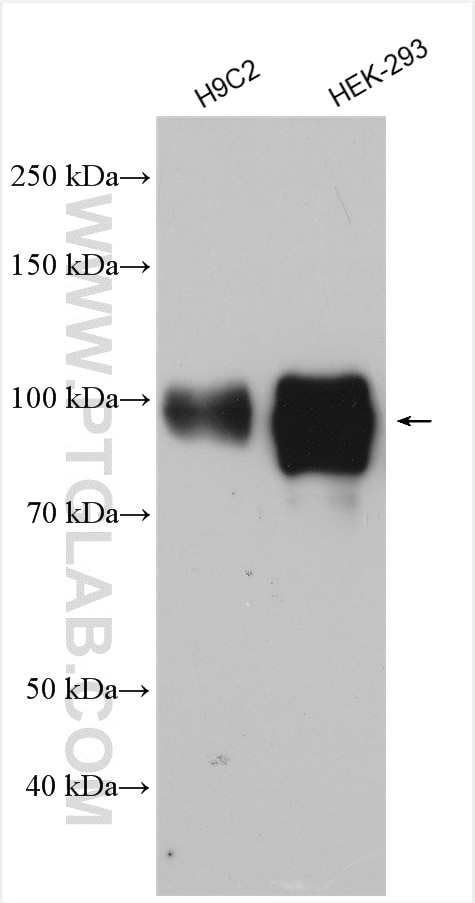
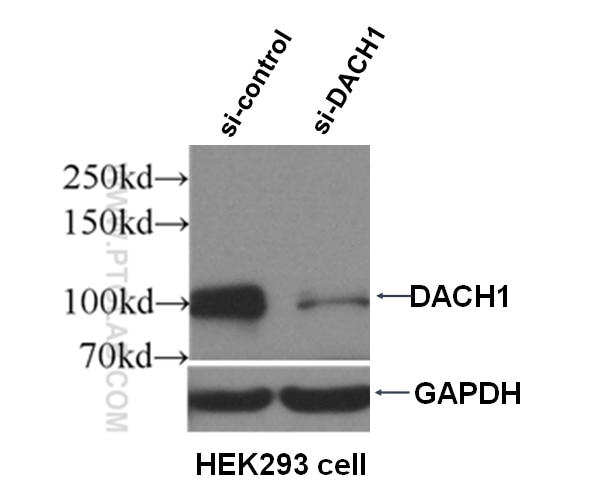
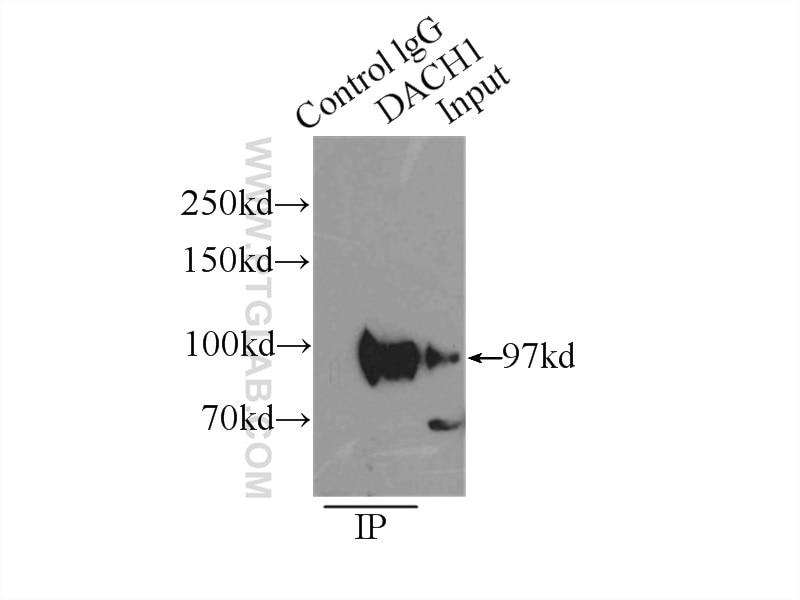
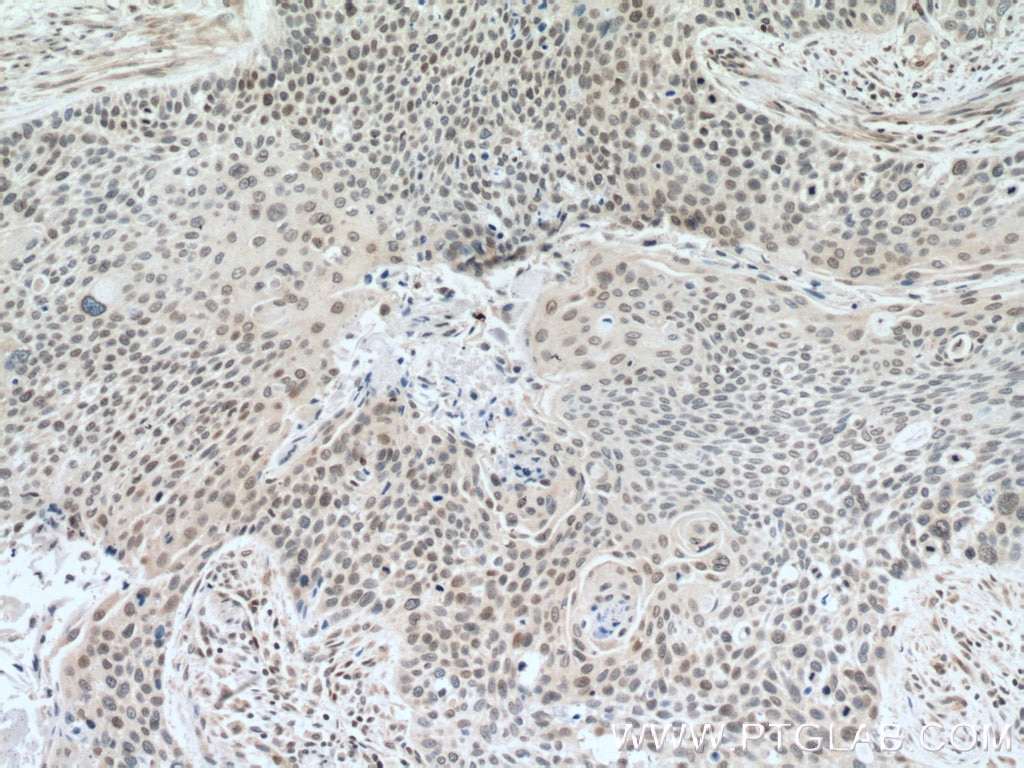
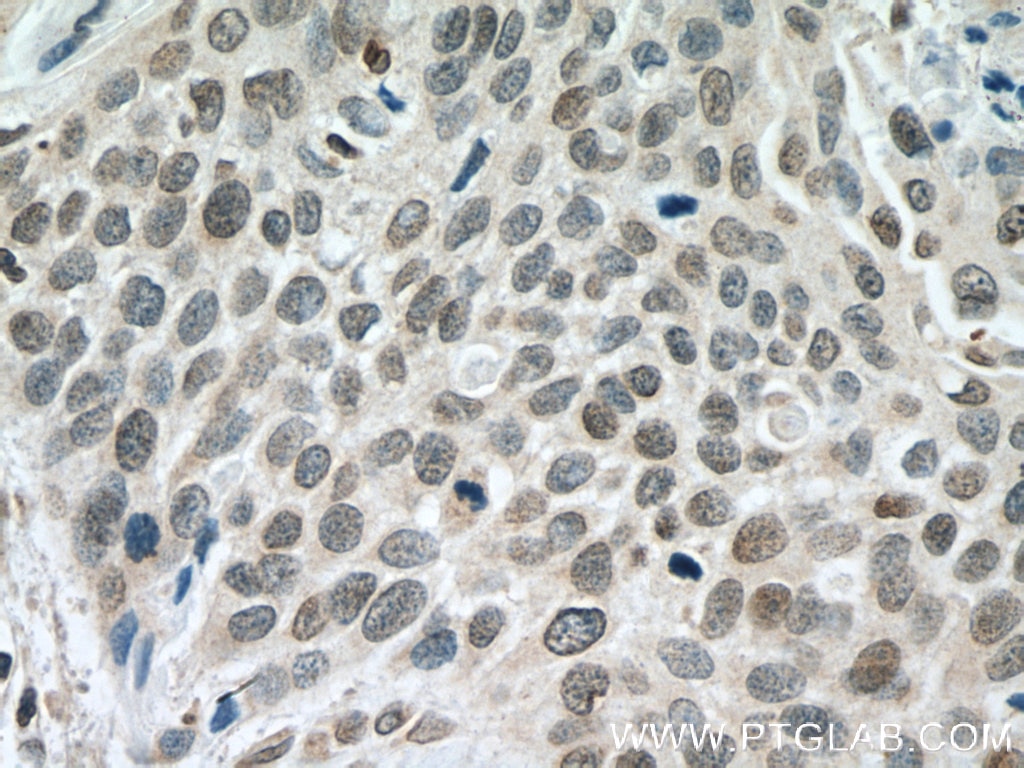
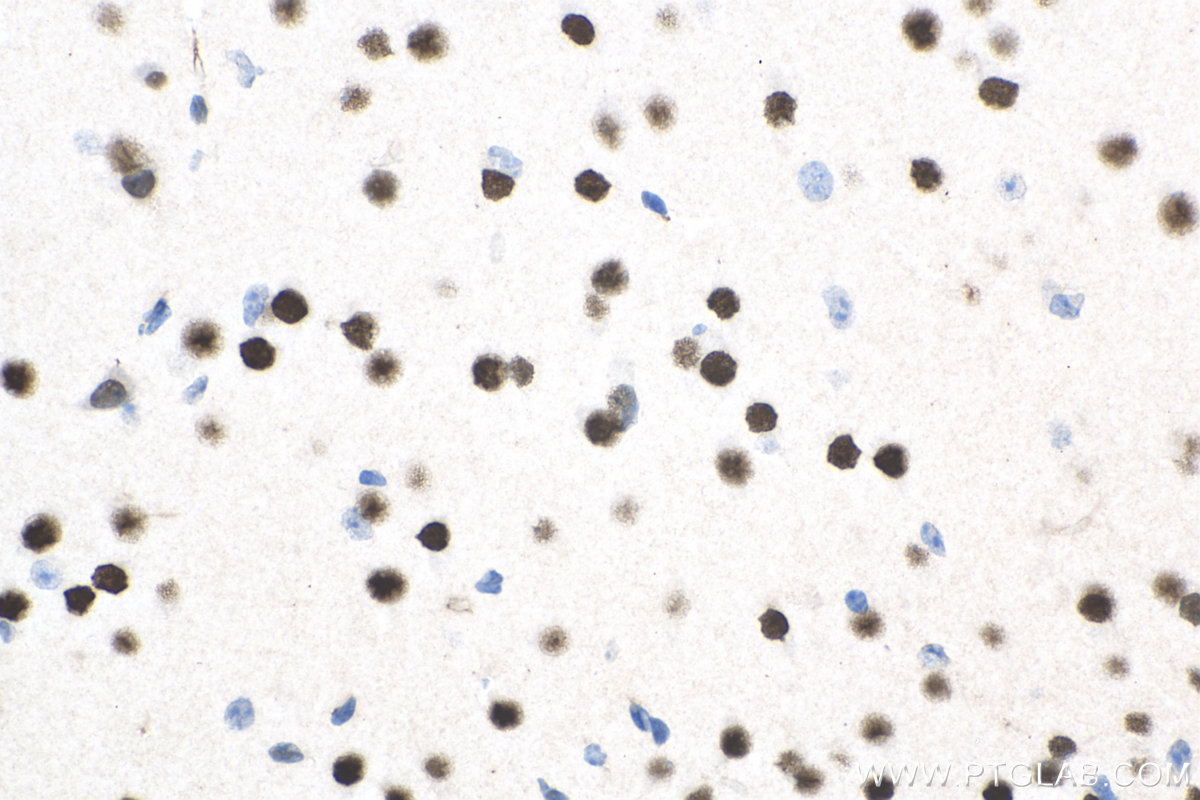
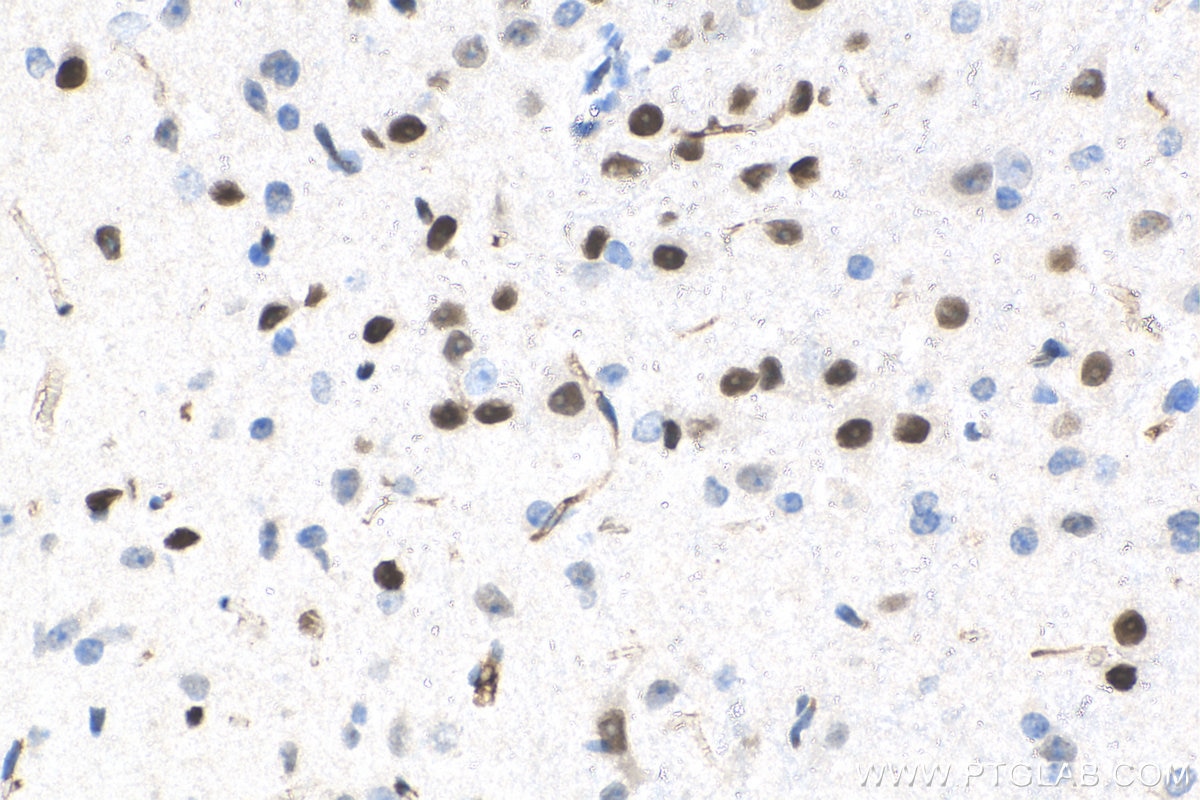

Geprüfte Anwendungen
Produktinformation
10914-1-PBS bindet in WB, IHC, IF/ICC, IP, Indirect ELISA DACH1 und zeigt Reaktivität mit human, Maus, Ratten
| Getestete Reaktivität | human, Maus, Ratte |
| Wirt / Isotyp | Kaninchen / IgG |
| Klonalität | Polyklonal |
| Typ | Antikörper |
| Immunogen | DACH1 fusion protein Ag1354 |
| Vollständiger Name | dachshund homolog 1 (Drosophila) |
| Berechnetes Molekulargewicht | 79 kDa |
| Beobachtetes Molekulargewicht | 97-110 kDa |
| GenBank-Zugangsnummer | BC021219 |
| Gene symbol | DACH1 |
| Gene ID (NCBI) | 1602 |
| Konjugation | Unkonjugiert |
| Form | Liquid |
| Reinigungsmethode | Antigen-Affinitätsreinigung |
| Lagerungspuffer | PBS only |
| Lagerungsbedingungen | Store at -80°C. 20ul Größen enthalten 0,1% BSA. |
Hintergrundinformationen
DACH1, a homologue of the Drosophila dachshund gene, is a key regulator of cell fate determination during eye, leg, and brain development in the fly. Through interacting with NCoR and Smad4, DACH1 is able to inhibit the transforming growth factor-beta (TGF-beta) signaling pathway. DACH1 can inhibit breast cancer cellular proliferation via cyclin D1, suggesting a possible role in tumor suppression. Additionally, DACH1 plays an important role in negative regulation of RANKL (Receptor activator of NF-kappaB ligand ) gene expression in marrow stromal/preosteoblast cells. Dach1 expression is enriched in rECs, which are associated with osteoprogenitors and bone-resorbing osteoclasts, and overexpression of DACH1 in postnatal mice induces a strong increase in arteries and type R capillaries, leading to local metabolic changes and enabling trabecular bone formation in normally highly hypoxic areas of the diaphysis (PMID: 39528700). Moreover, Loss of DACH1 expression might be involved in endometrial cancer progression. Four isoforms of DACH1 are produced by alternative splicing. This antibody is a rabbit polyclonal antibody raised against residues near the C terminus of human DACH1.


