DNAJC5 Polyklonaler Antikörper
DNAJC5 Polyklonal Antikörper für WB, IHC, IF/ICC, Indirect ELISA
Wirt / Isotyp
Kaninchen / IgG
Getestete Reaktivität
human, Maus, Ratte
Anwendung
WB, IHC, IF/ICC, Indirect ELISA
Konjugation
Unkonjugiert
Kat-Nr. : 32204-1-PBS
Synonyme
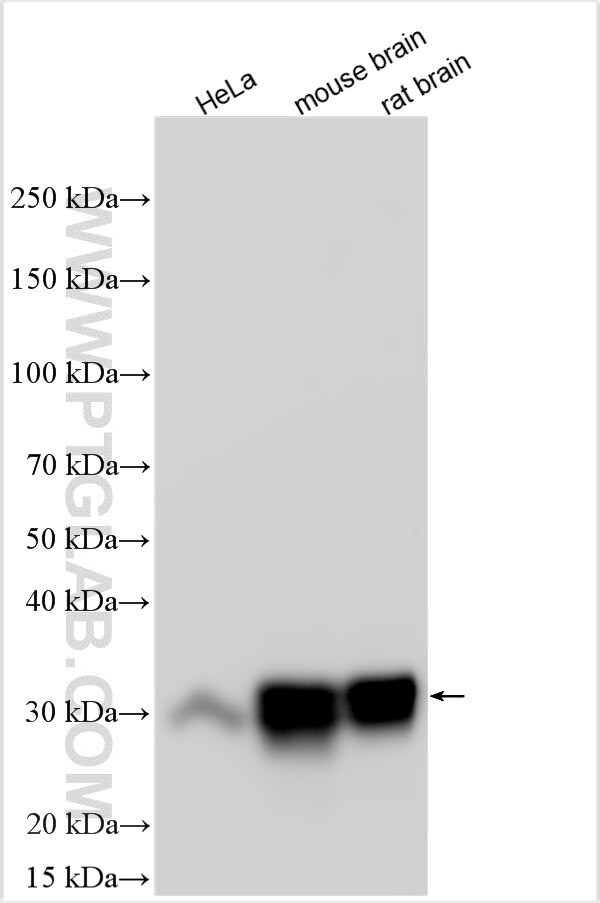
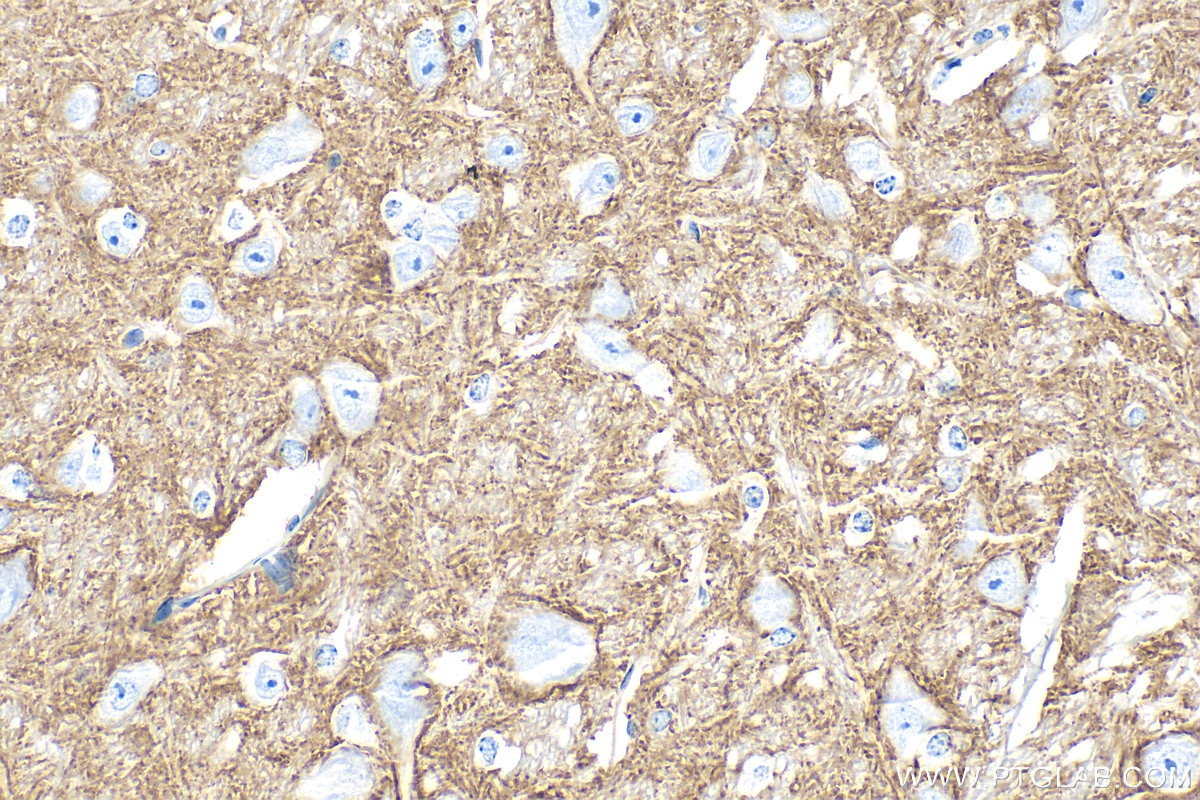
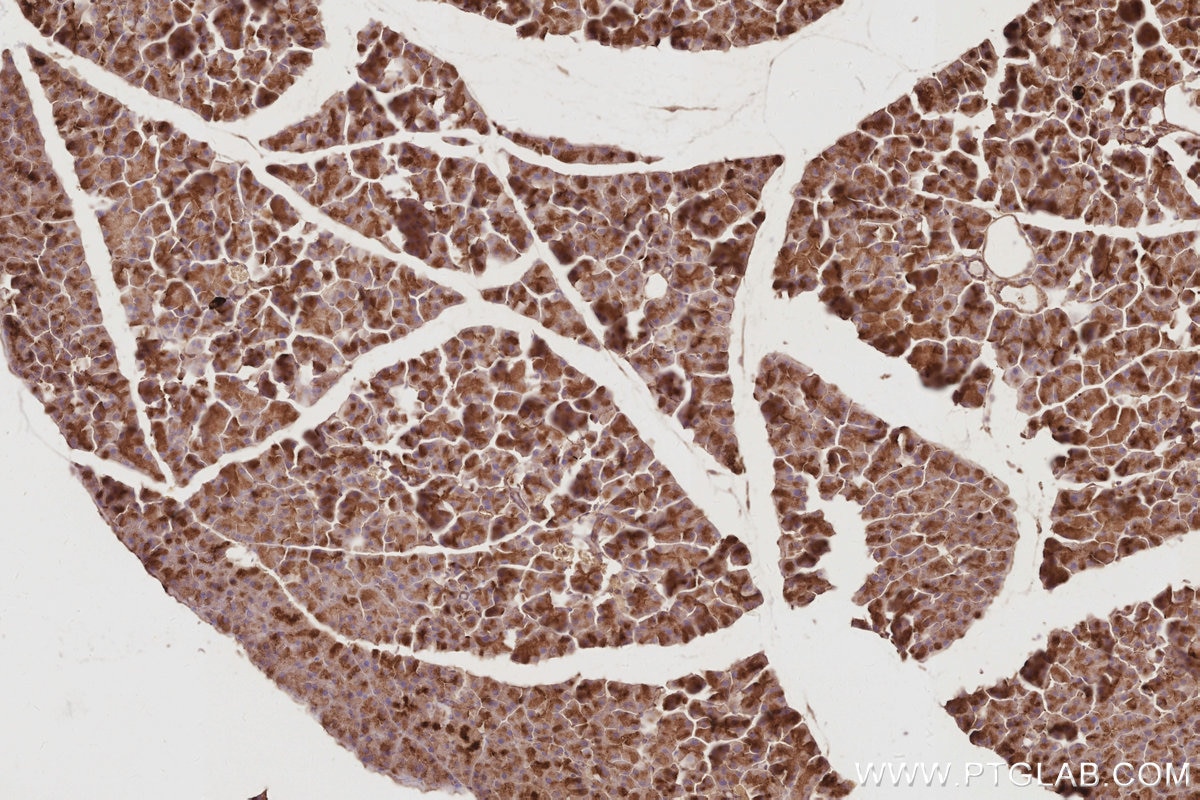
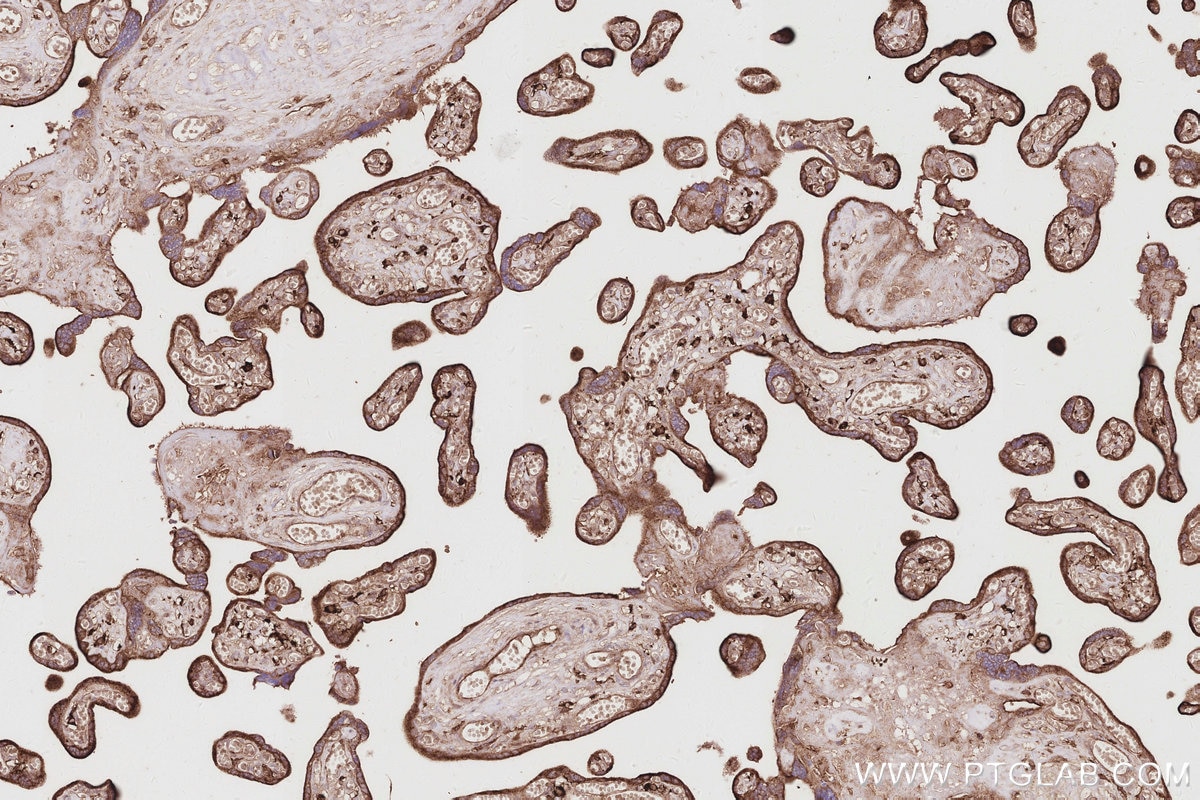
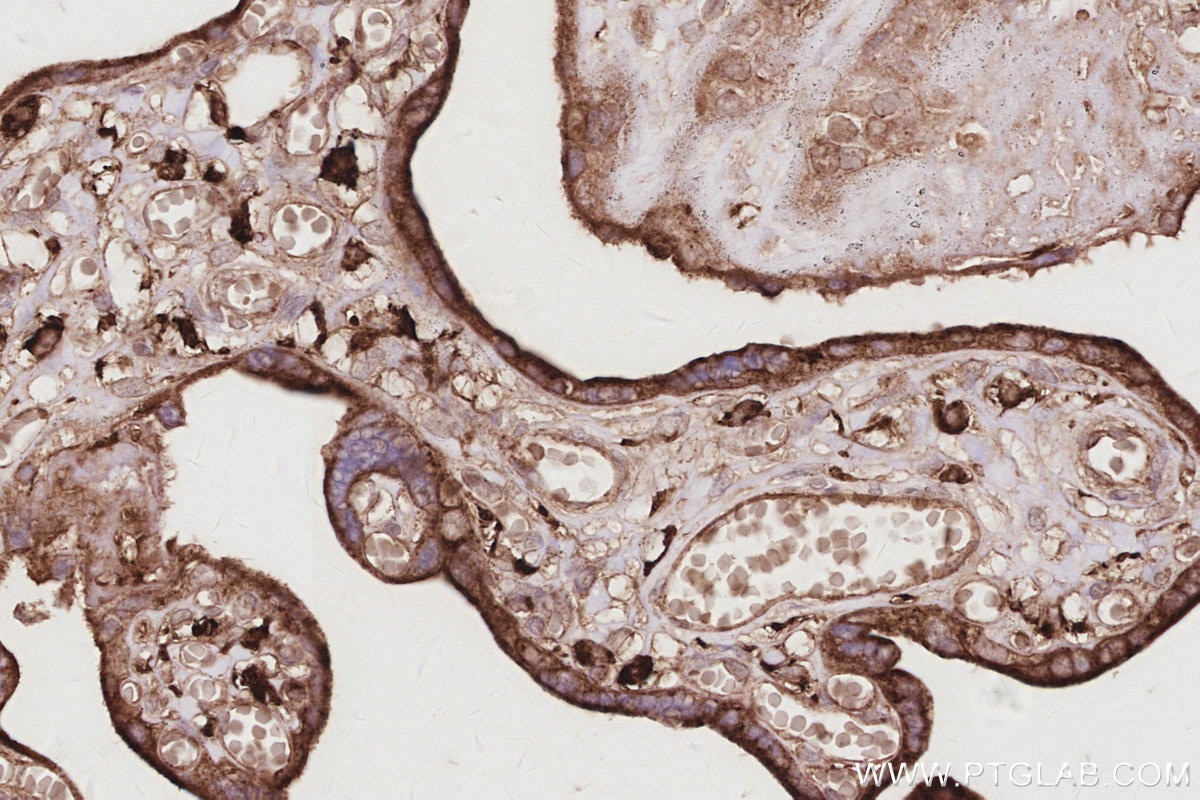
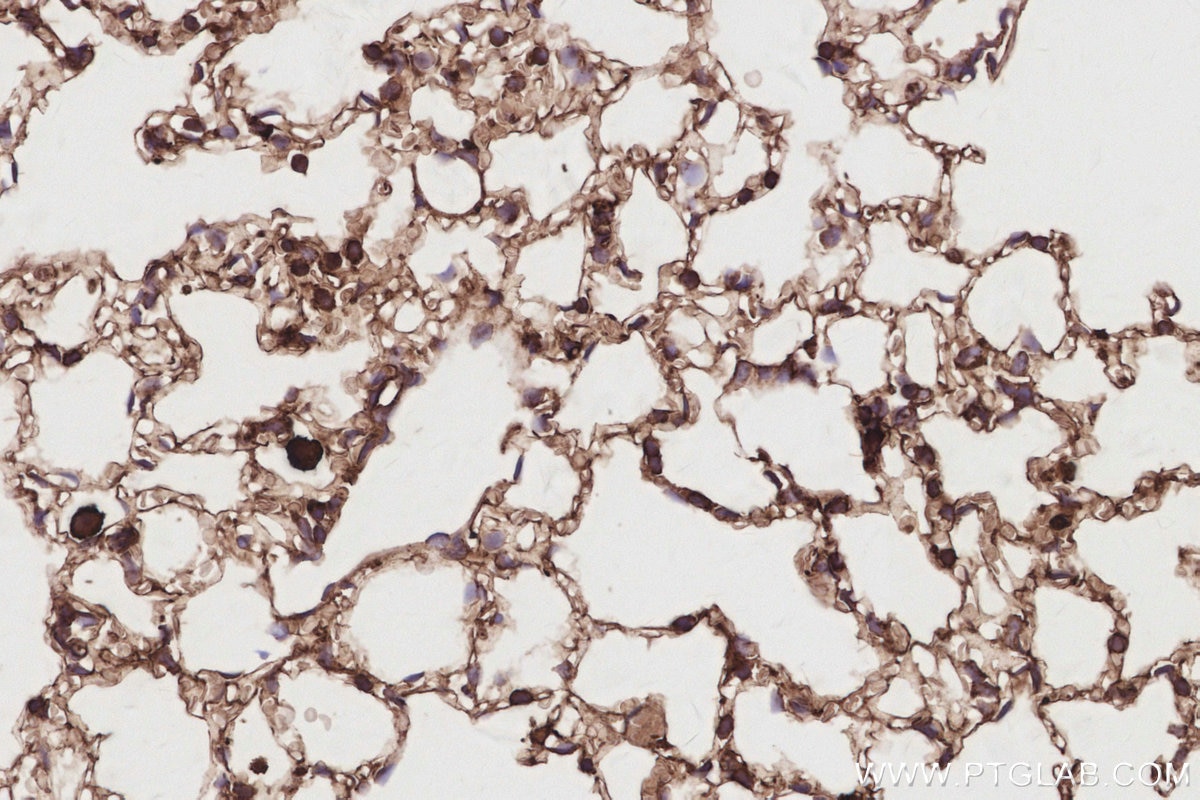
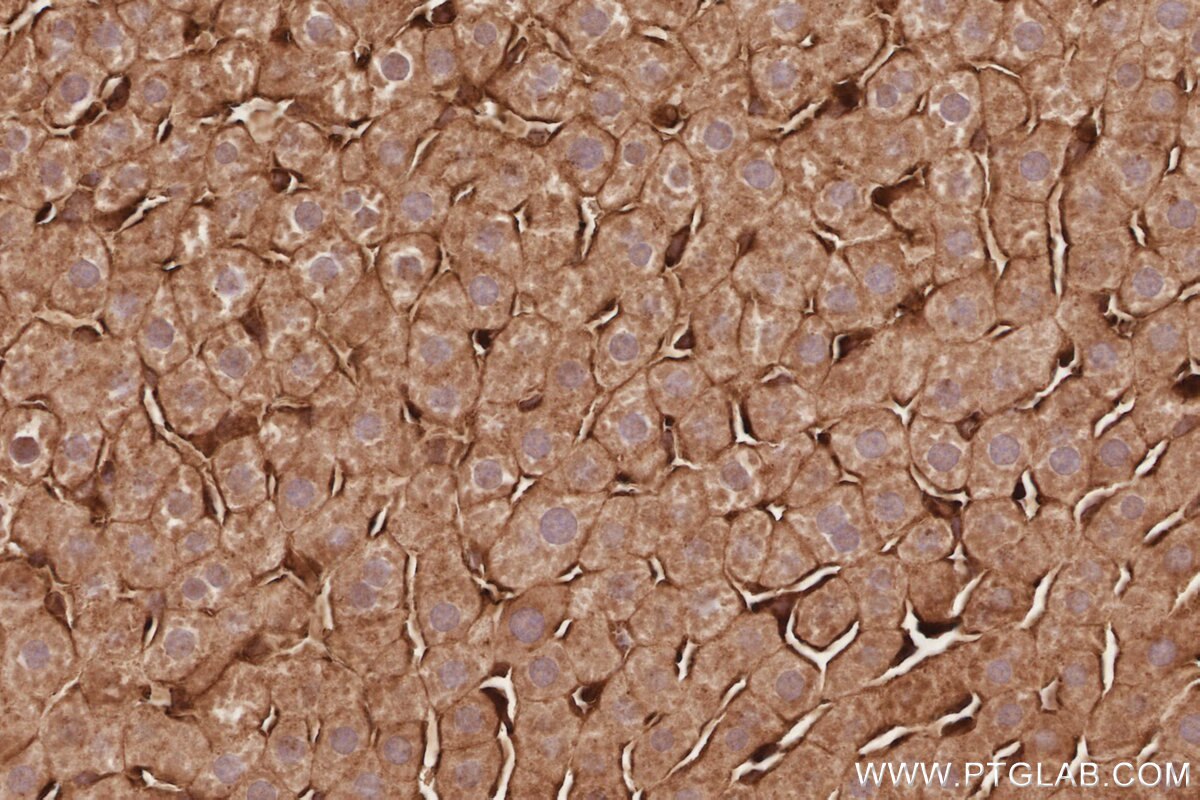
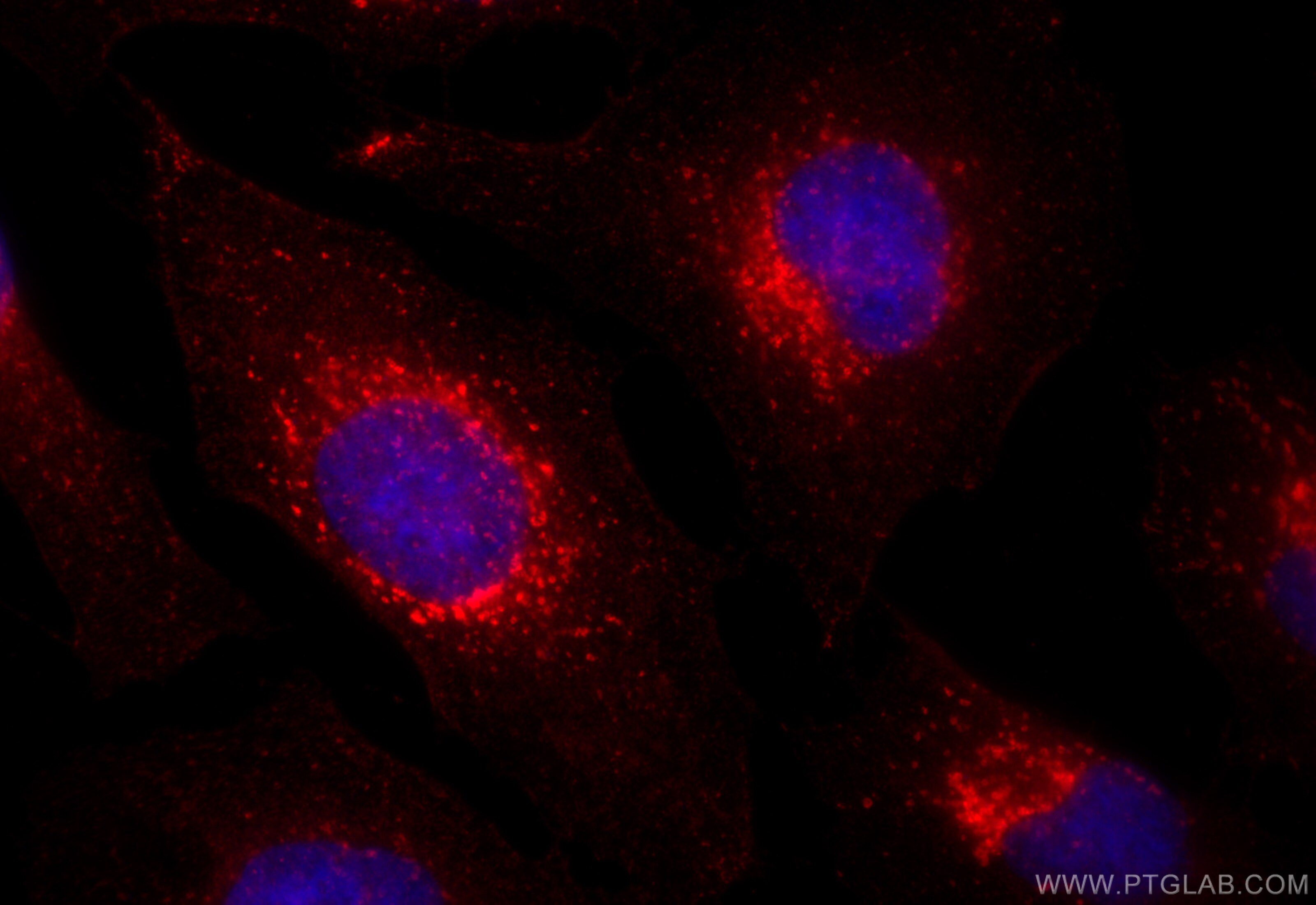
Geprüfte Anwendungen
Produktinformation
32204-1-PBS bindet in WB, IHC, IF/ICC, Indirect ELISA DNAJC5 und zeigt Reaktivität mit human, Maus, Ratten
| Getestete Reaktivität | human, Maus, Ratte |
| Wirt / Isotyp | Kaninchen / IgG |
| Klonalität | Polyklonal |
| Typ | Antikörper |
| Immunogen | DNAJC5 fusion protein Ag35443 |
| Vollständiger Name | DnaJ (Hsp40) homolog, subfamily C, member 5 |
| Berechnetes Molekulargewicht | 22kDa,198aa |
| Beobachtetes Molekulargewicht | 30 kDa |
| GenBank-Zugangsnummer | NM_025219.2 |
| Gene symbol | DNAJC5 |
| Gene ID (NCBI) | 80331 |
| Konjugation | Unkonjugiert |
| Form | Liquid |
| Reinigungsmethode | Antigen-Affinitätsreinigung |
| Lagerungspuffer | PBS only |
| Lagerungsbedingungen | Store at -80°C. 20ul Größen enthalten 0,1% BSA. |
Hintergrundinformationen
DNAJC5 (DnaJ homolog subfamily C member 5), also known as cysteine string protein α (CSPα), is a member of the HSP40 (DNAJ) family of proteins, as well as a co-chaperone of HSC70, and has been shown to control the extracellular release of many neurodegenerative disease proteins. DNAJC5 contains three structural domains - -a common N-terminal J structural domain conserved in DNAJ proteins, the cysteine string (CS) central structural domain, which is highly palmitoylated and anchors the protein to late endosomes, and an overall disordered C-terminal structural domain. Mutations in DNAJC5 have been strongly implicated in the development of human diseases such as neuronal waxy lipofuscinosis, cystic fibrosis, Huntington's disease and Parkinson's disease.


