- Featured Product
- KD/KO Validated
DOCK8 Polyklonaler Antikörper
DOCK8 Polyklonal Antikörper für WB, IHC, Indirect ELISA
Wirt / Isotyp
Kaninchen / IgG
Getestete Reaktivität
human, Maus, Ratte
Anwendung
WB, IHC, Indirect ELISA
Konjugation
Unkonjugiert
Kat-Nr. : 11622-1-PBS
Synonyme
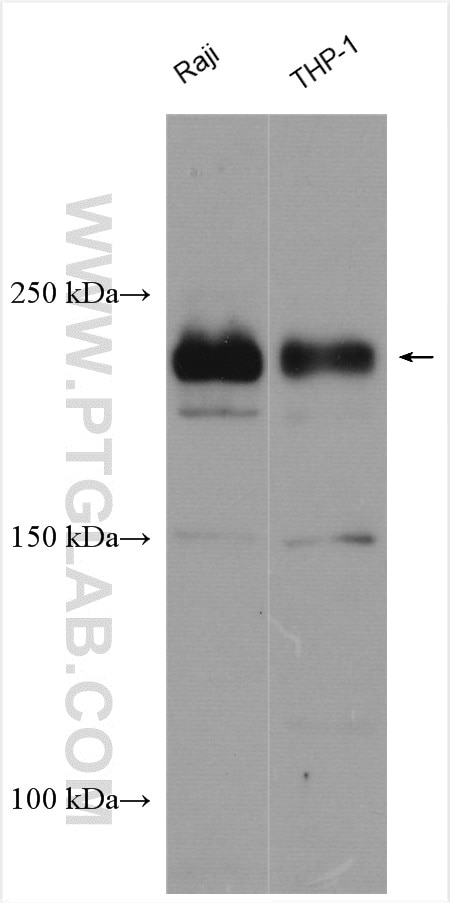
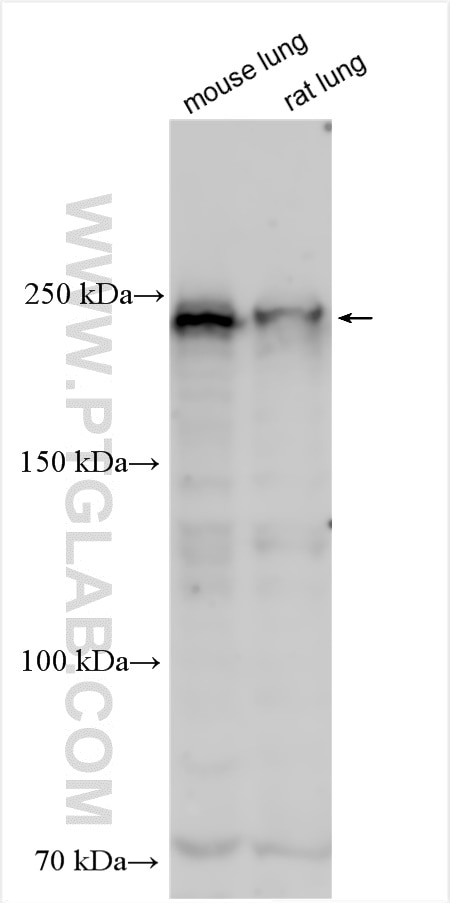
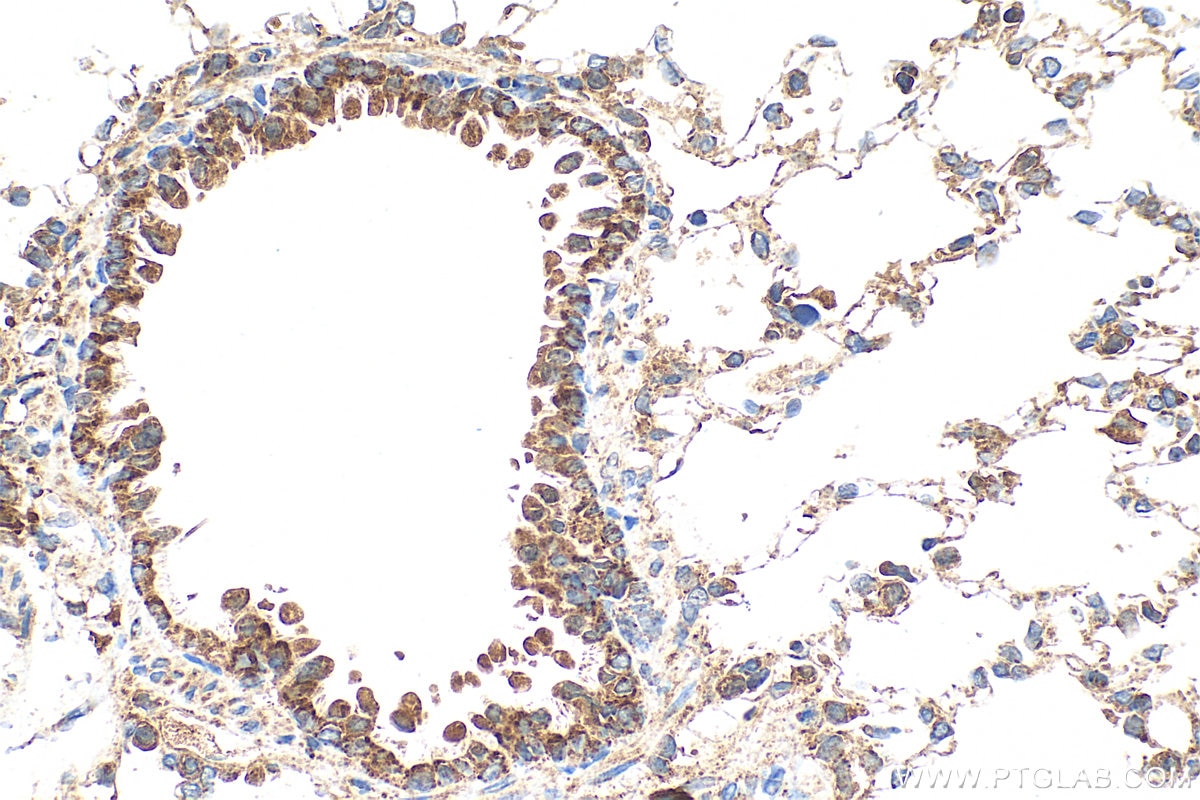
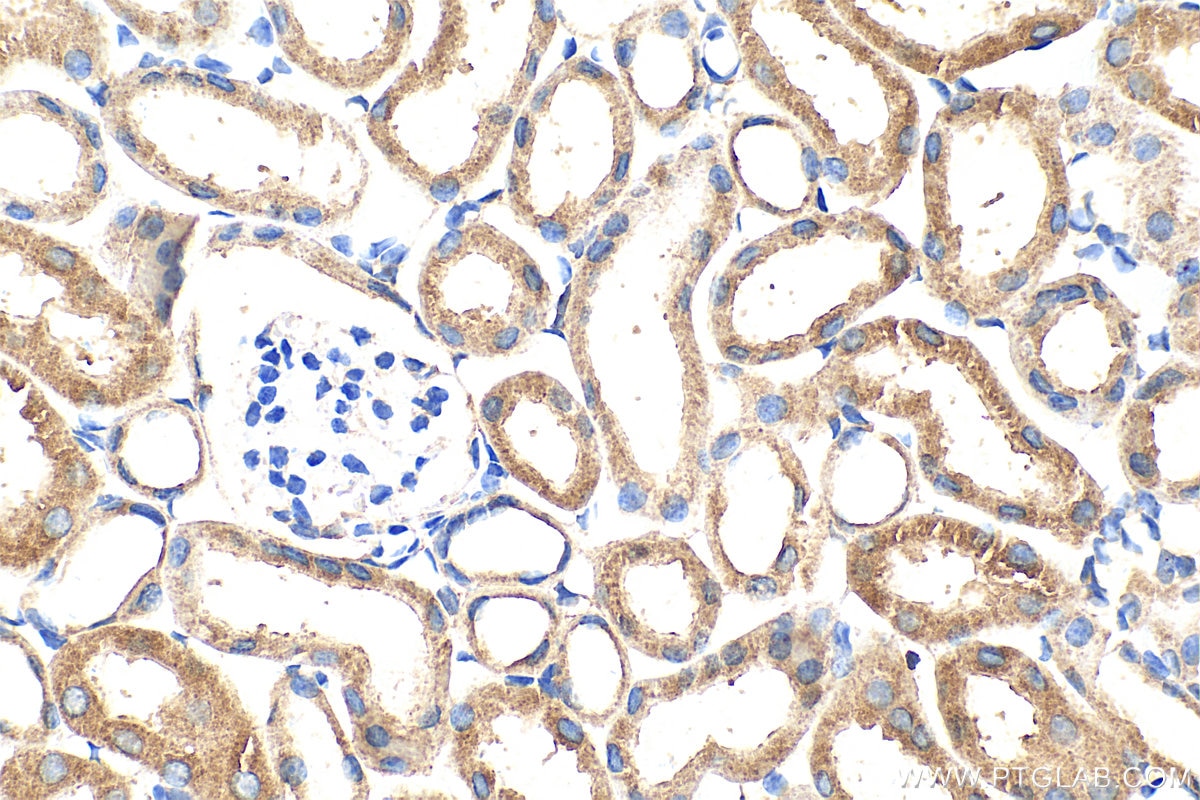
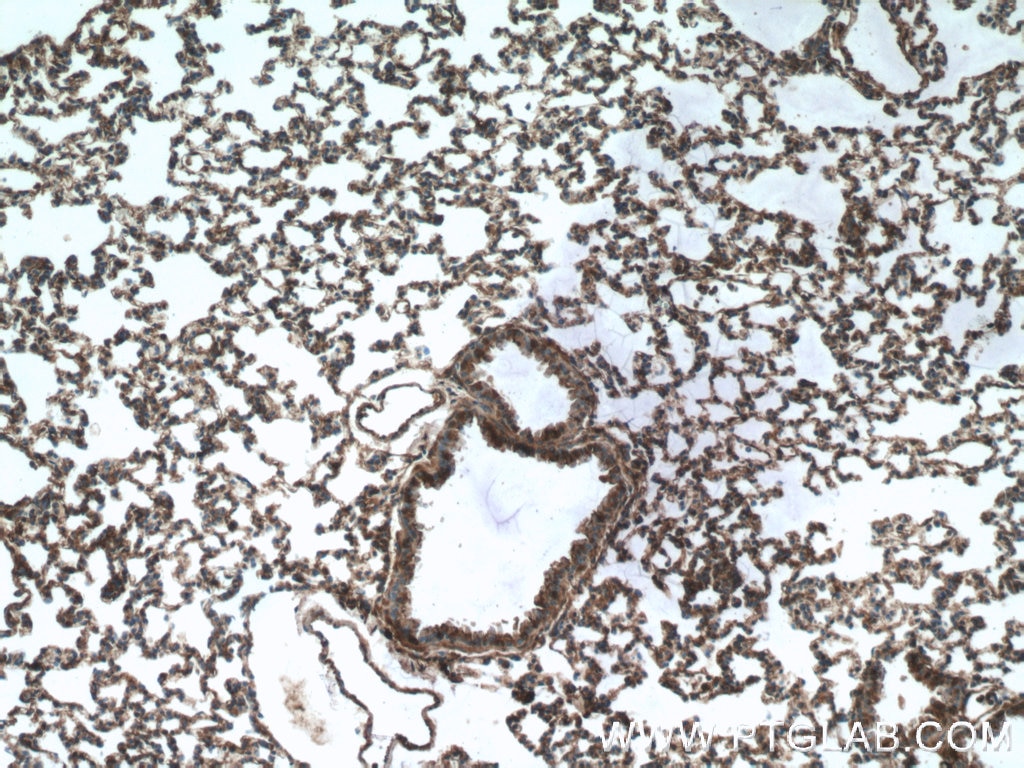
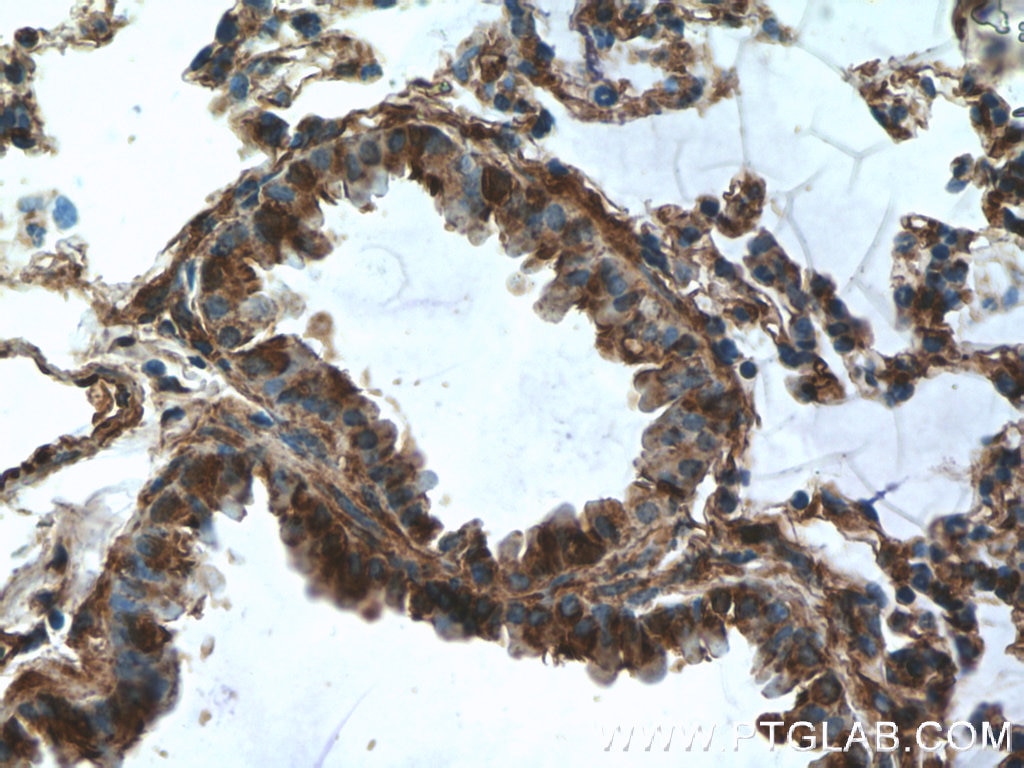
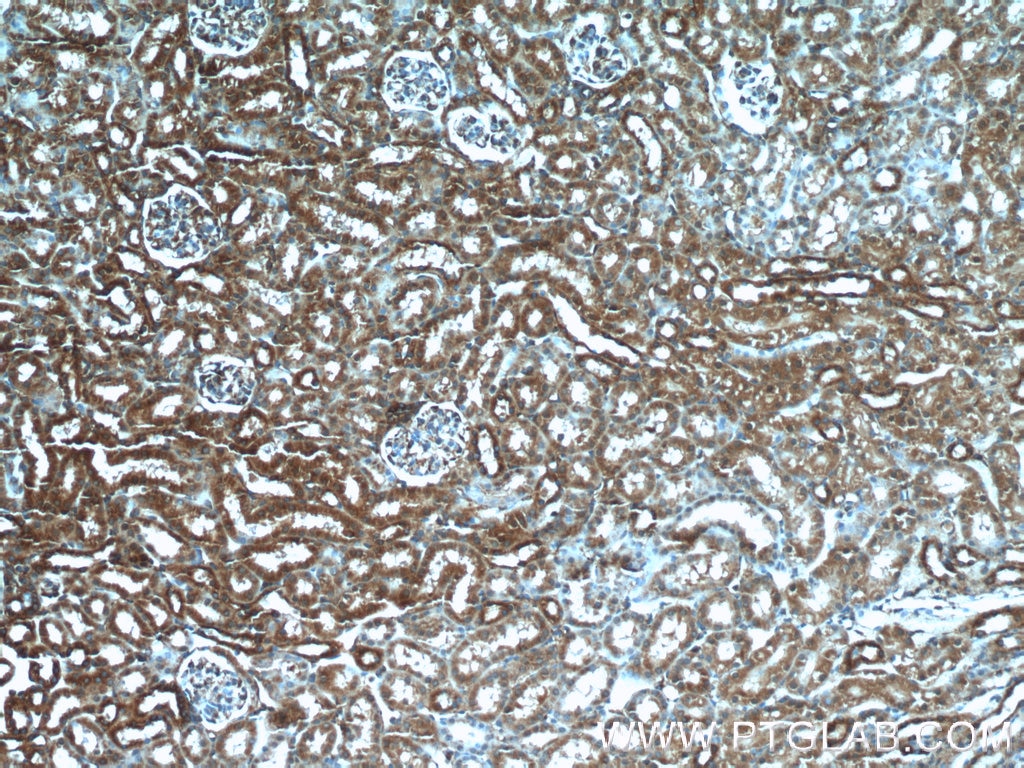
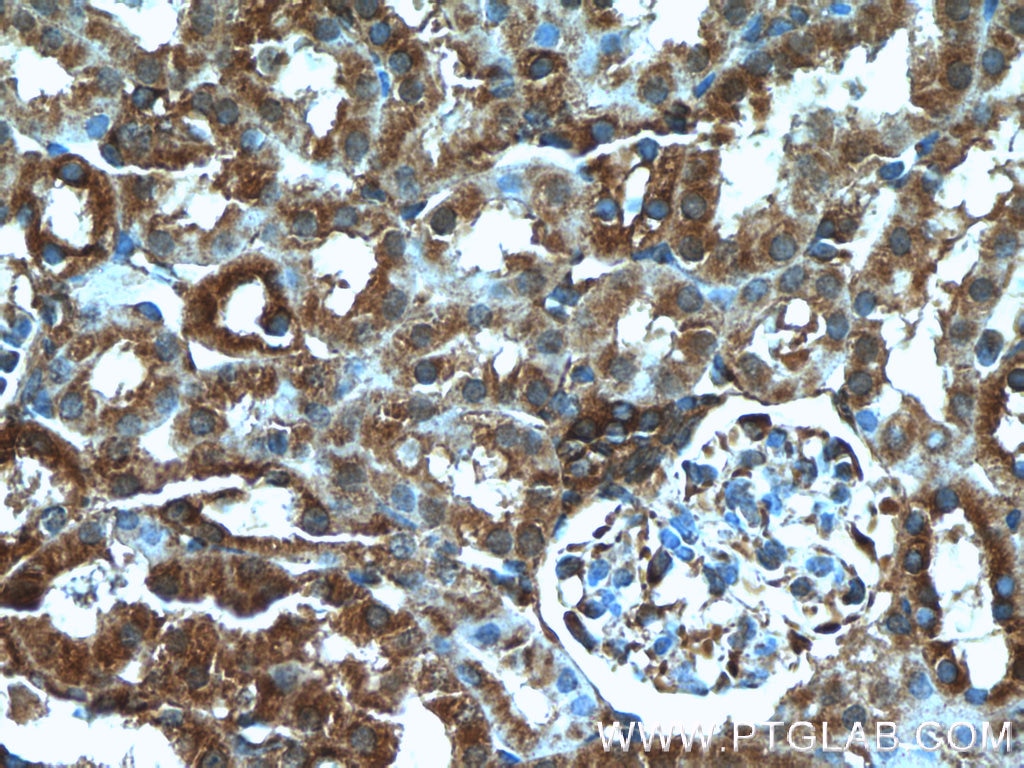
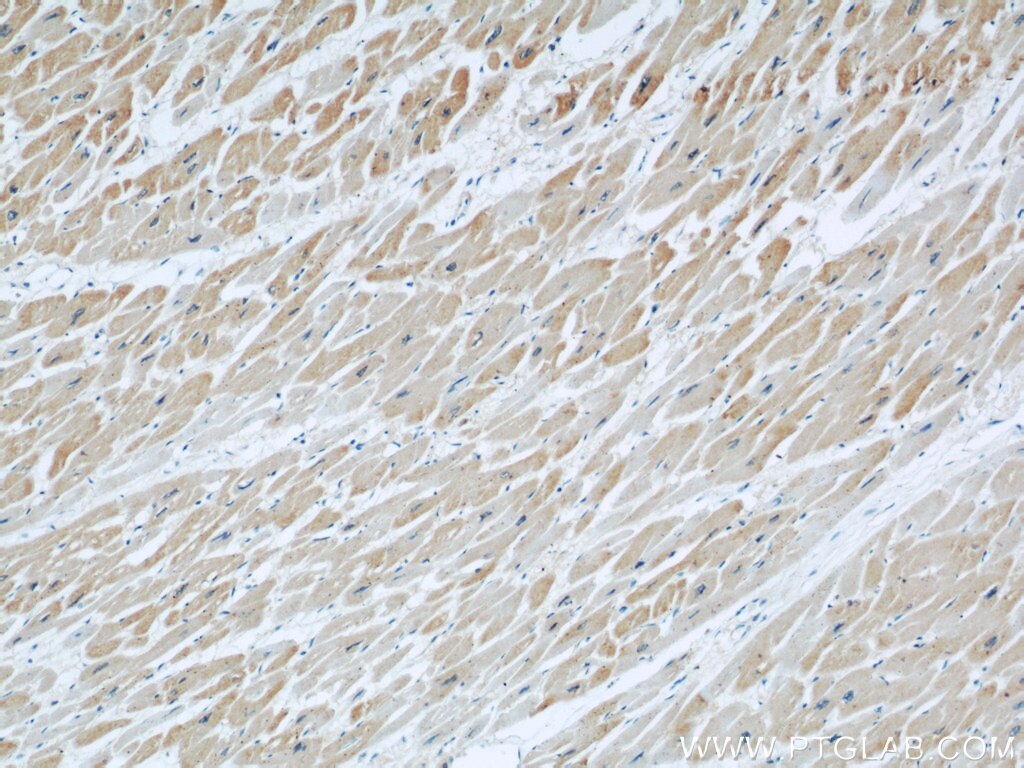
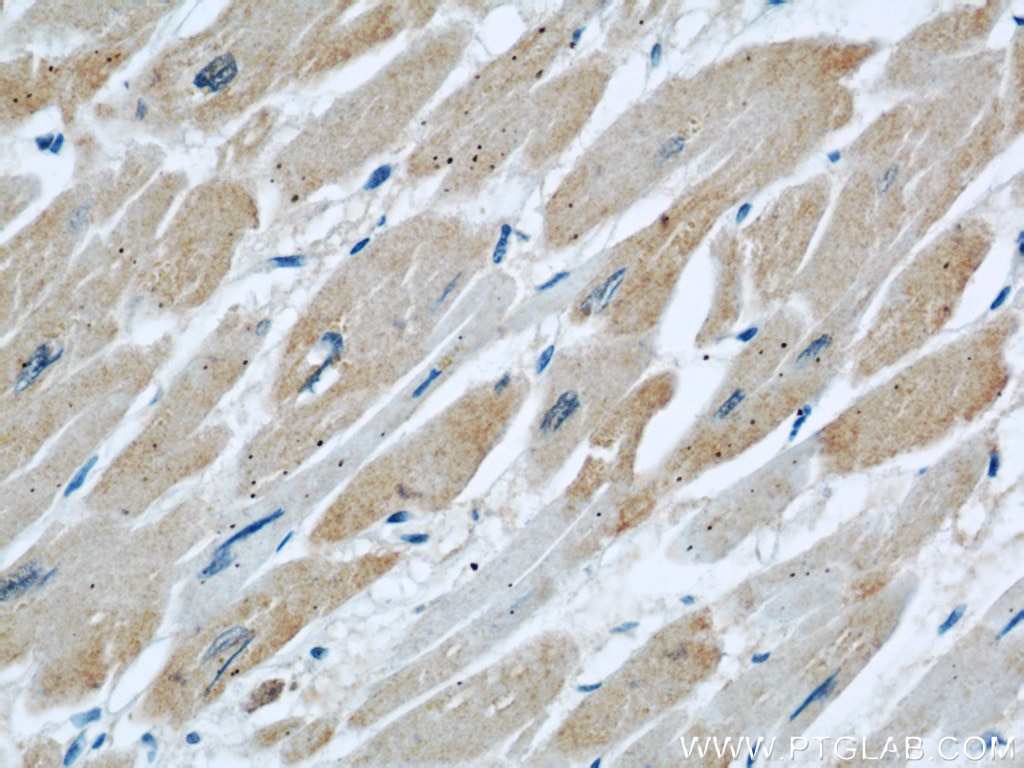
Geprüfte Anwendungen
Produktinformation
11622-1-PBS bindet in WB, IHC, Indirect ELISA DOCK8 und zeigt Reaktivität mit human, Maus, Ratten
| Getestete Reaktivität | human, Maus, Ratte |
| Wirt / Isotyp | Kaninchen / IgG |
| Klonalität | Polyklonal |
| Typ | Antikörper |
| Immunogen | DOCK8 fusion protein Ag2040 |
| Vollständiger Name | dedicator of cytokinesis 8 |
| Berechnetes Molekulargewicht | 2031 aa, 231 kDa |
| Beobachtetes Molekulargewicht | 230-239 kDa |
| GenBank-Zugangsnummer | BC019102 |
| Gene symbol | DOCK8 |
| Gene ID (NCBI) | 81704 |
| Konjugation | Unkonjugiert |
| Form | Liquid |
| Reinigungsmethode | Antigen-Affinitätsreinigung |
| Lagerungspuffer | PBS only |
| Lagerungsbedingungen | Store at -80°C. 20ul Größen enthalten 0,1% BSA. |
Hintergrundinformationen
Background
Dedicator of Cytokinesis 8 (DOCK8) is a protein that regulates the actin cytoskeleton, with particular importance in immune cells and a key role in innate and adaptive immune responses.
What is the molecular weight of DOCK8?
231 kDa. DOCK8 is a protein composed of 2031 amino acids and is a guanine nucleotide exchange factor (GEF).
What is the function of DOCK8?
DOCK8 is a member of the DOCK family of proteins, which have a unique DRH2 domain enabling them to act as GEFs and so controlling a range of cellular processes in various signaling pathways (PMID: 12432077). The specific target of DOCK8 is Cell division control protein 42 homolog (Cdc42), a small GTPase that is involved in regulation of the cell cycle and forms a complex. DOCK8 also acts as a scaffold molecule in this complex that initiates actin polymerization via the Wiskott-Aldrich Syndrome protein (WASp) (PubMed: 28028151, PubMed: 22461490).
What diseases are associated with DOCK8?
The role of DOCK8 in immunity was first identified with the study of DOCK8-deficient patients who presented with combined immunodeficiency (PMID: 19776401; PMID: 20004785). The subsequent study of DOCK8 in immune cells such as T cells, natural killer (NK) cells, and B cells has revealed how it regulates their normal function. This includes the regulation of immune synapse formation, immune cell trafficking, regulation of dendritic cell polarization, and cytokine production (PMID: 28366940).
DOCK8 deficiency is caused by a number of different mutations in the gene. It leads to the autosomal recessive form of the immunodeficiency disease Hyper-IgE syndrome, or Job's syndrome. The symptoms of DOCK8 deficiency include eczema, high levels of serum IgE, hypereosinophilia, and recurrent respiratory and skin infections as a result of impaired immune cell function.


