- Featured Product
- KD/KO Validated
Dystroglycan Polyklonaler Antikörper
Dystroglycan Polyklonal Antikörper für WB, IHC, IF/ICC, FC (Intra), IP, ELISA
Wirt / Isotyp
Kaninchen / IgG
Getestete Reaktivität
human, Maus, Ratte
Anwendung
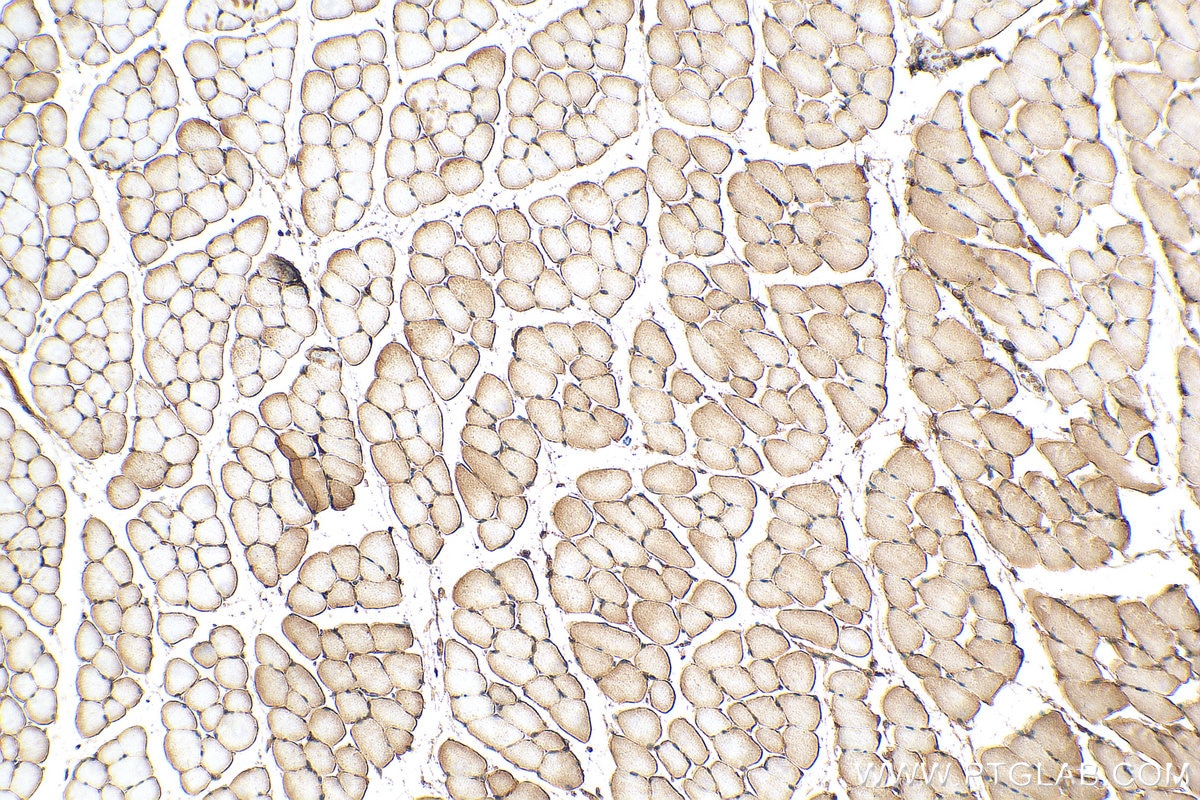
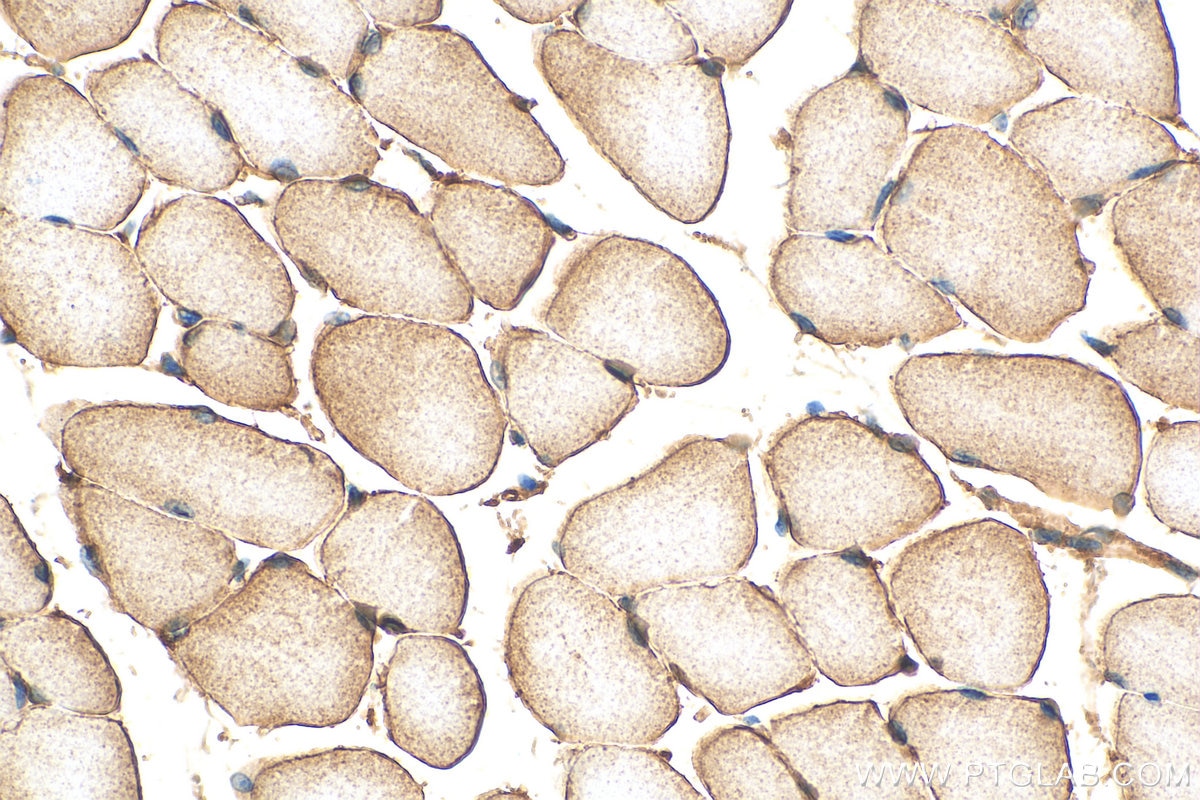
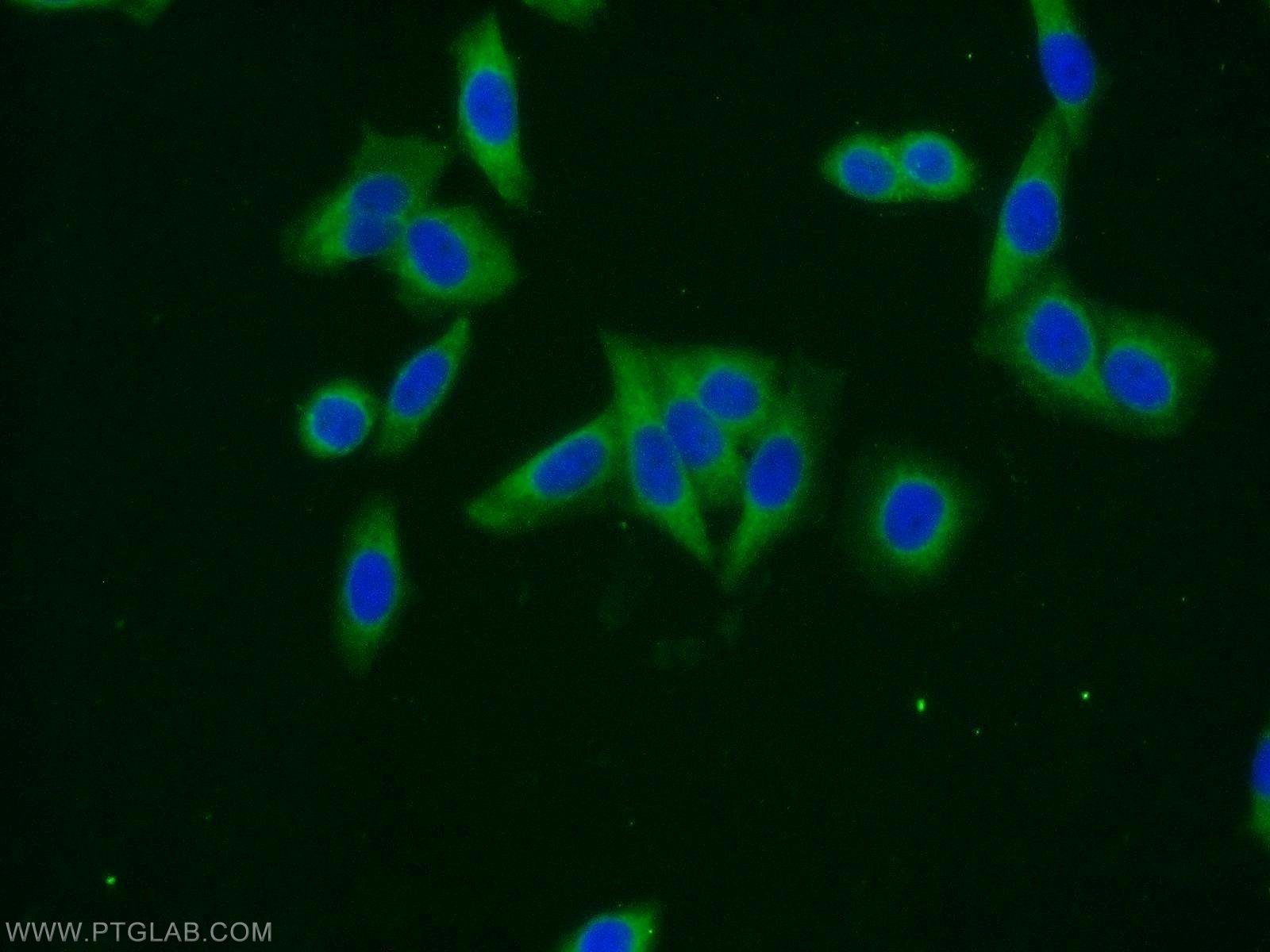
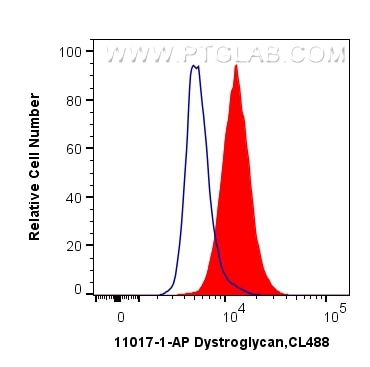
WB, IHC, IF/ICC, FC (Intra), IP, ELISA
Konjugation
Unkonjugiert
Kat-Nr. : 11017-1-PBS
Synonyme
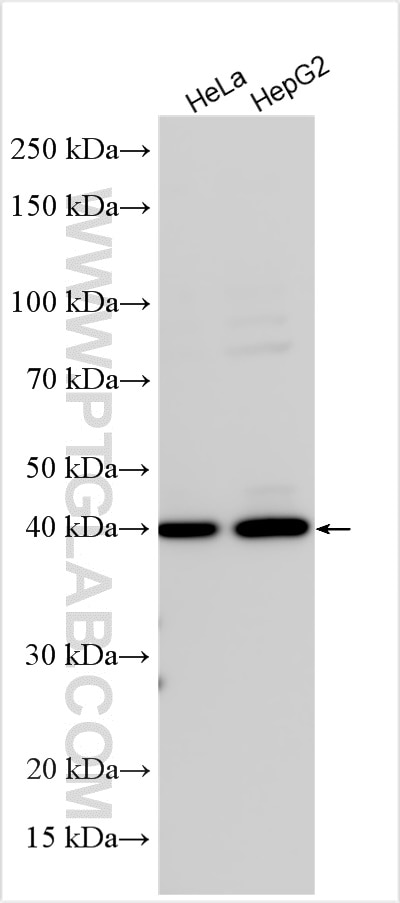
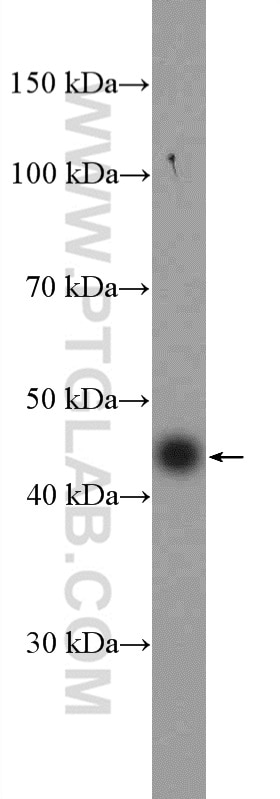
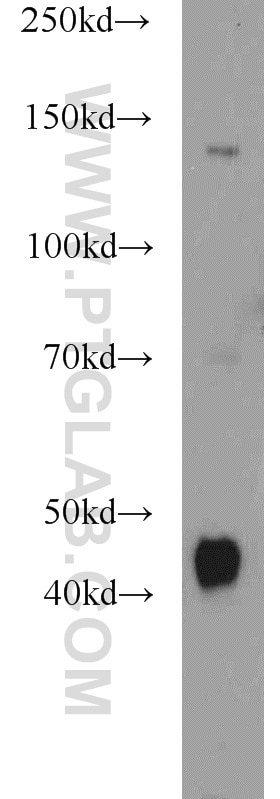
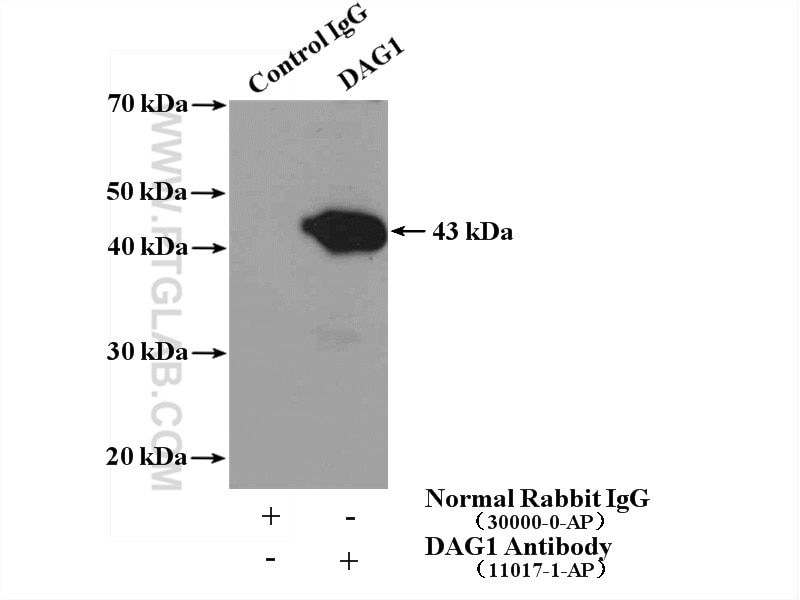
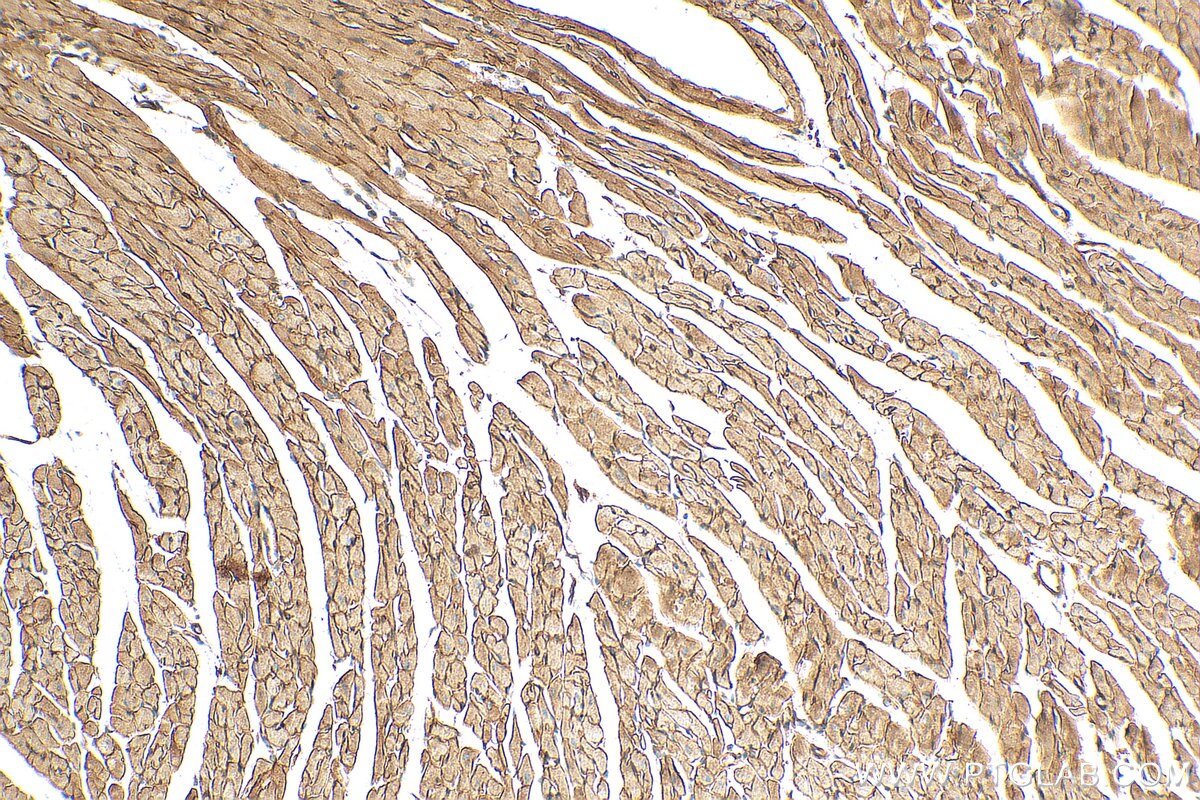
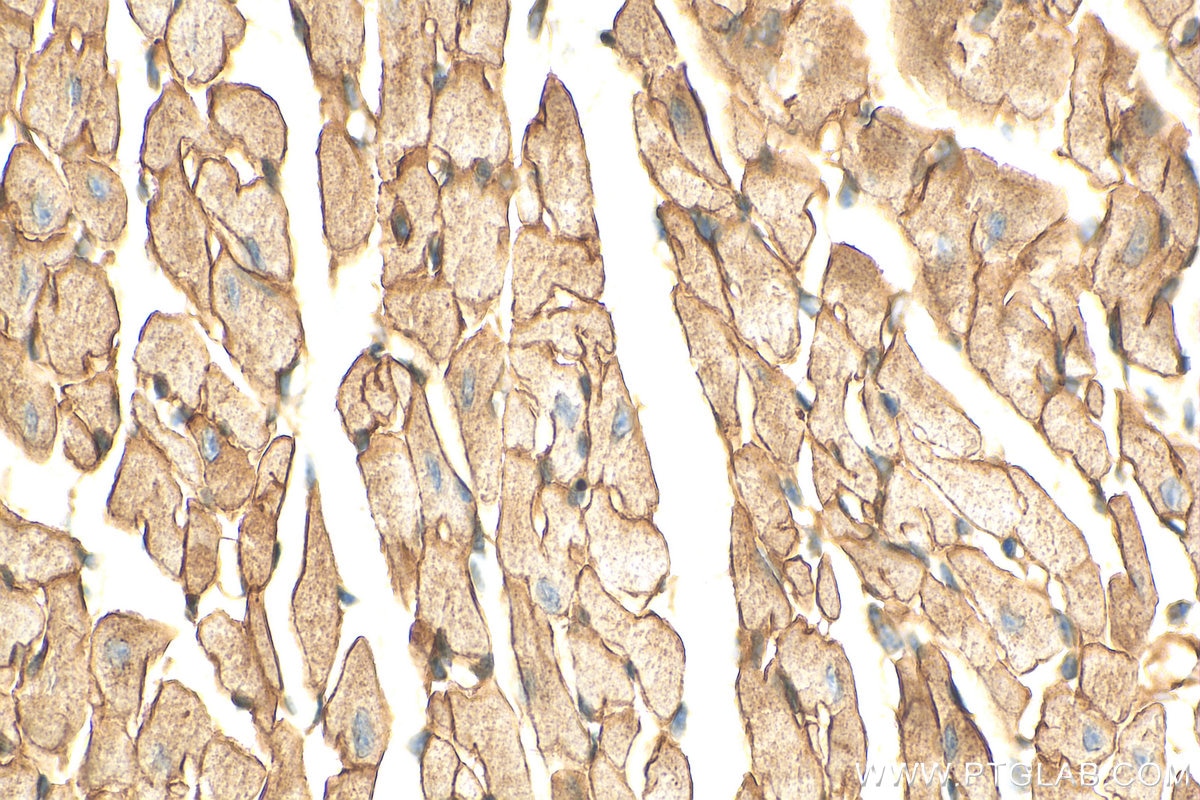
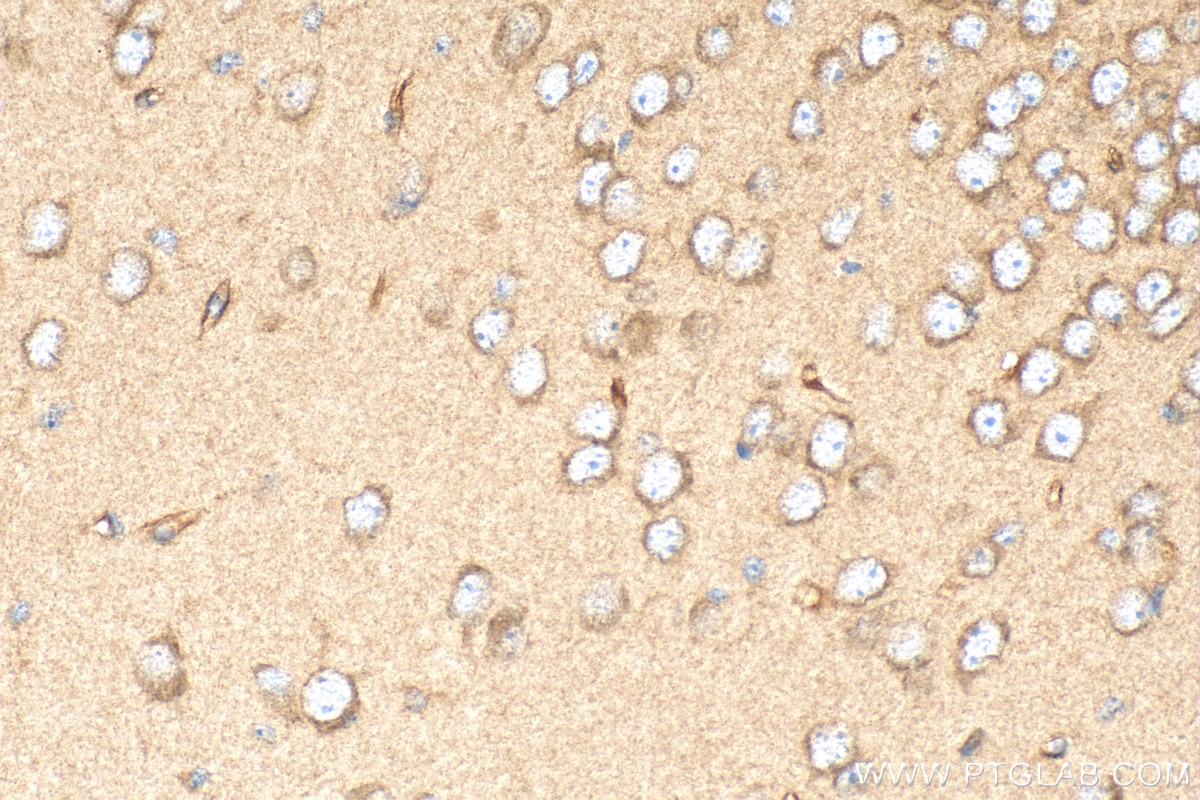
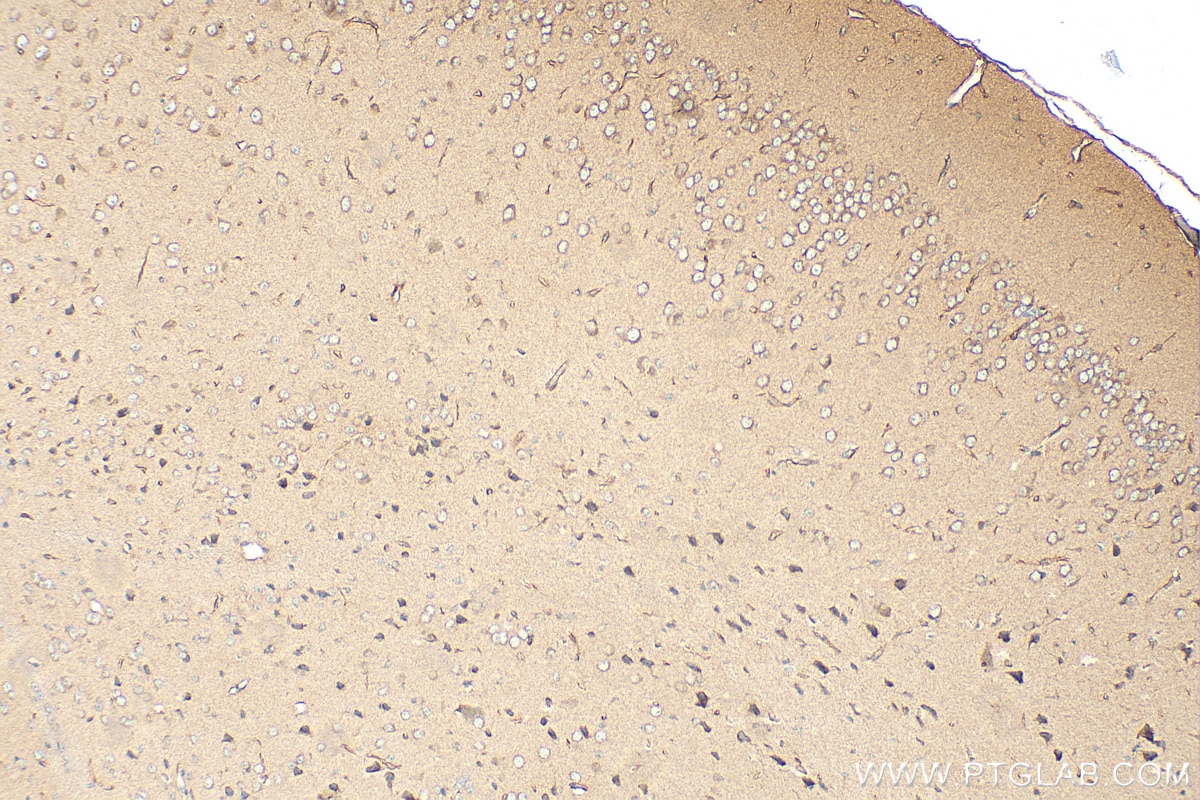
Geprüfte Anwendungen
Produktinformation
11017-1-PBS bindet in WB, IHC, IF/ICC, FC (Intra), IP, ELISA Dystroglycan und zeigt Reaktivität mit human, Maus, Ratten
| Getestete Reaktivität | human, Maus, Ratte |
| Wirt / Isotyp | Kaninchen / IgG |
| Klonalität | Polyklonal |
| Typ | Antikörper |
| Immunogen | Dystroglycan fusion protein Ag1456 |
| Vollständiger Name | dystroglycan 1 (dystrophin-associated glycoprotein 1) |
| Berechnetes Molekulargewicht | 97 kDa |
| Beobachtetes Molekulargewicht | 43 kDa |
| GenBank-Zugangsnummer | BC012740 |
| Gene symbol | Dystroglycan |
| Gene ID (NCBI) | 1605 |
| Konjugation | Unkonjugiert |
| Form | Liquid |
| Reinigungsmethode | Antigen-Affinitätsreinigung |
| Lagerungspuffer | PBS only |
| Lagerungsbedingungen | Store at -80°C. 20ul Größen enthalten 0,1% BSA. |
Hintergrundinformationen
Dystroglycan, also known as DAG1 or DG, was originally isolated from skeletal muscle as an integral membrane component of the dystrophin-glycoprotein complex (DGC). In addition to skeletal muscle, dystroglycan is strongly expressed in heart and smooth muscle, as well as many non-muscle tissues including brain and peripheral nerve (PMID: 12556455). The dystroglycan is involved in a number of processes including laminin and basement membrane assembly, sarcolemmal stability, cell survival, peripheral nerve myelination, nodal structure, cell migration, and epithelial polarization. Dystroglycan consists of two subunits (alpha and beta), which are translated from a single mRNA as a propeptide that is proteolytically cleaved into two noncovalently associated proteins (PMID: 16410545). Alpha-dystroglycan is a 156-kDa extracellular peripheral glycoprotein, while beta-dystroglycan is a 43-kDa transmembrane protein (PMID: 9858474). The 43-kDa beta-dystroglycan can be cleaved into a ~30-kDa form (PMID: 14678802; 18458097; 17255331).


