E-cadherin Rekombinanter Antikörper
E-cadherin Rekombinant Antikörper für WB, IHC, IF-P, Cytometric bead array, Sandwich ELISA, Indirect ELISA, Sample test
Wirt / Isotyp
Kaninchen / IgG
Getestete Reaktivität
human, Maus, Ratte
Anwendung
WB, IHC, IF-P, Cytometric bead array, Sandwich ELISA, Indirect ELISA, Sample test
Konjugation
Unkonjugiert
CloneNo.
242018D3
Kat-Nr. : 84646-3-PBS
Synonyme
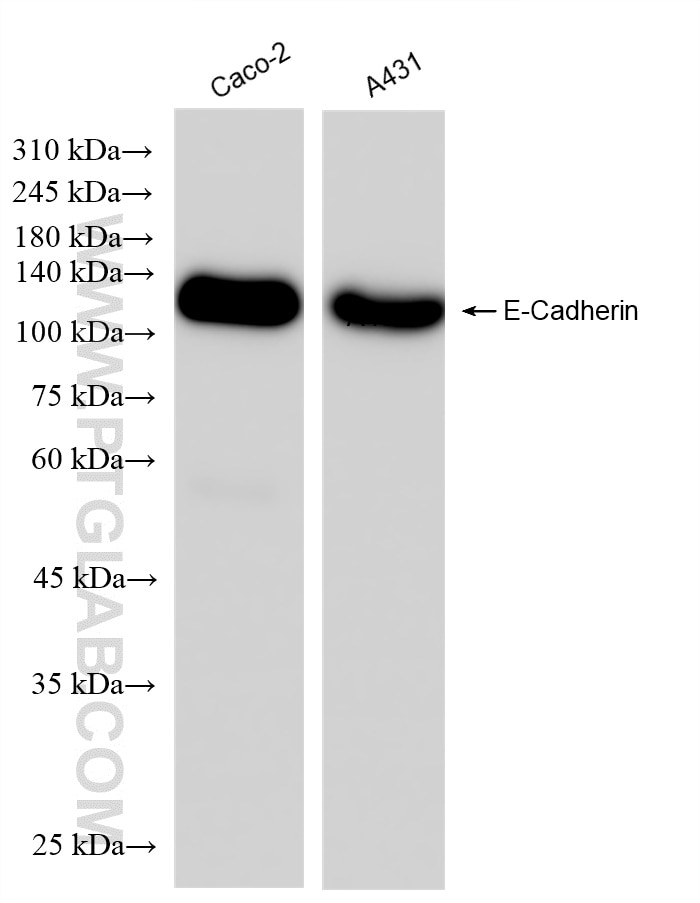
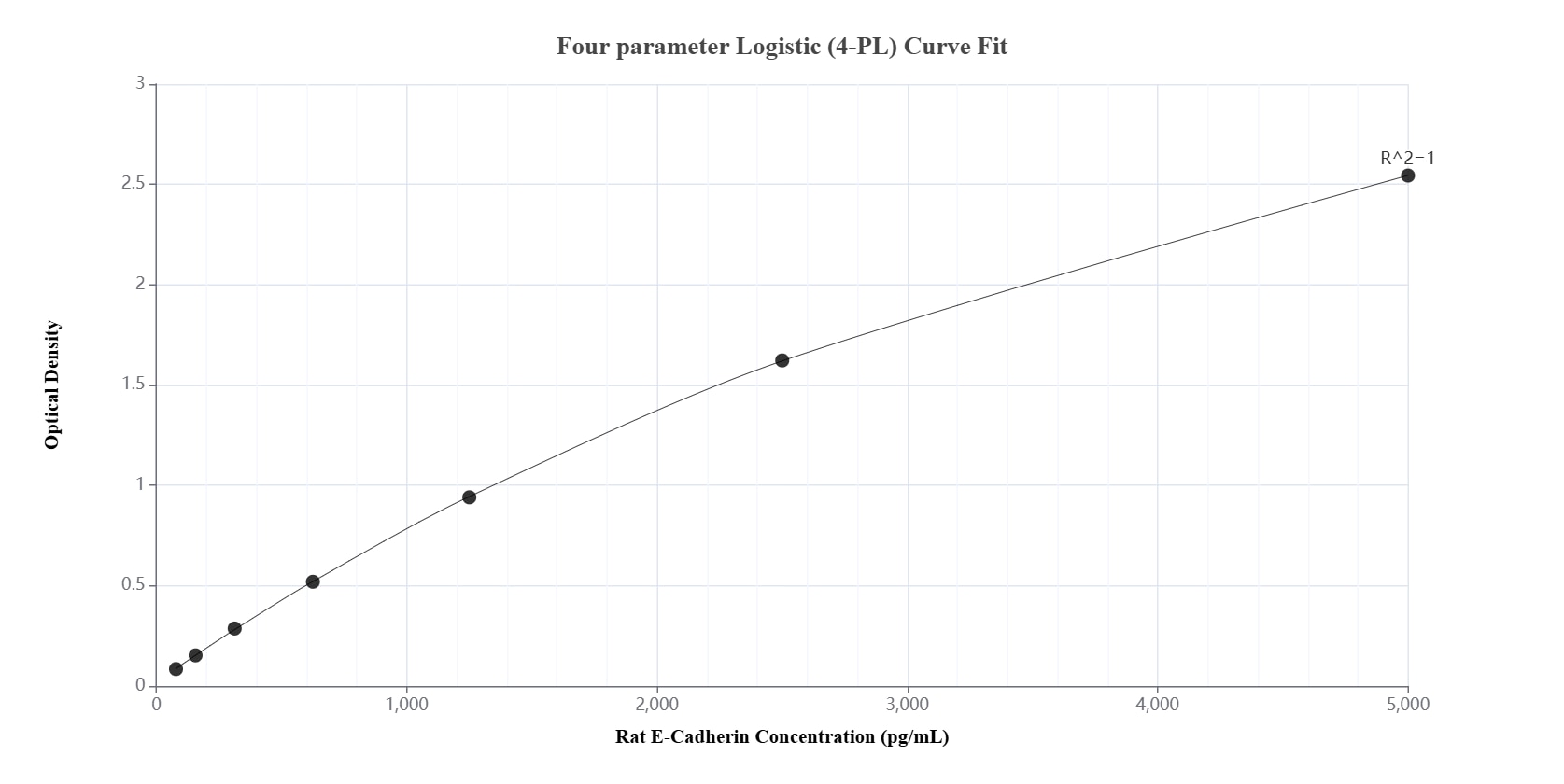
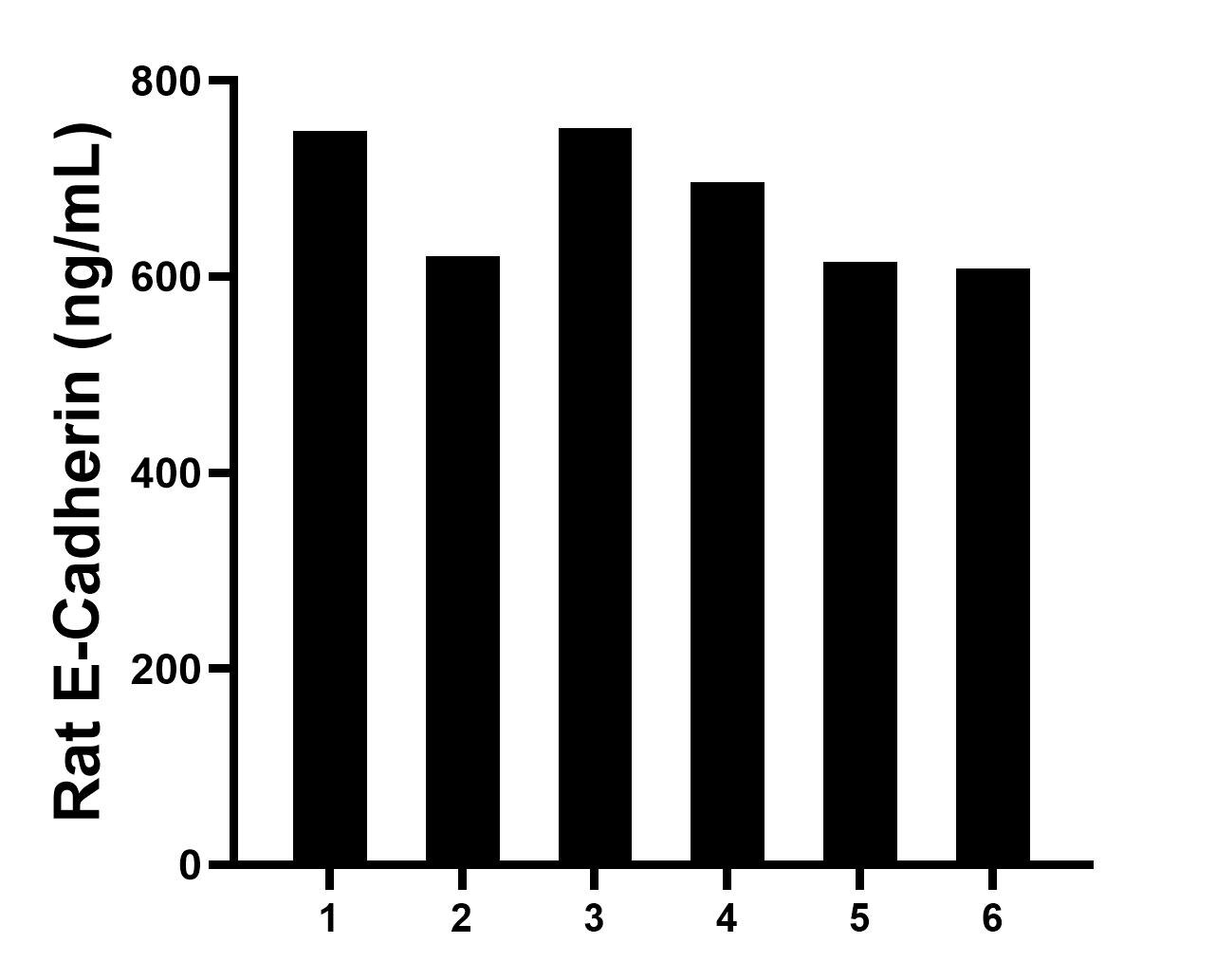
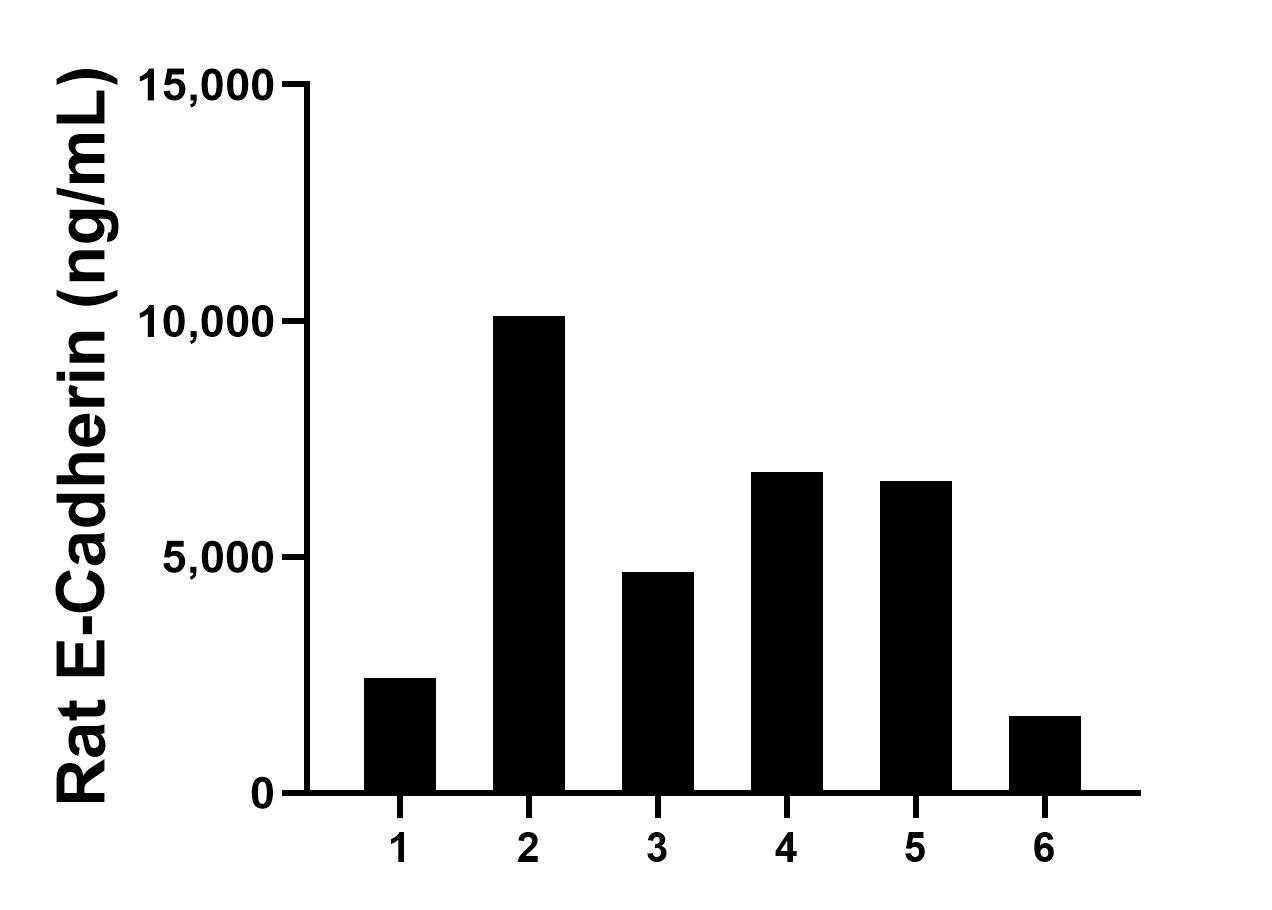
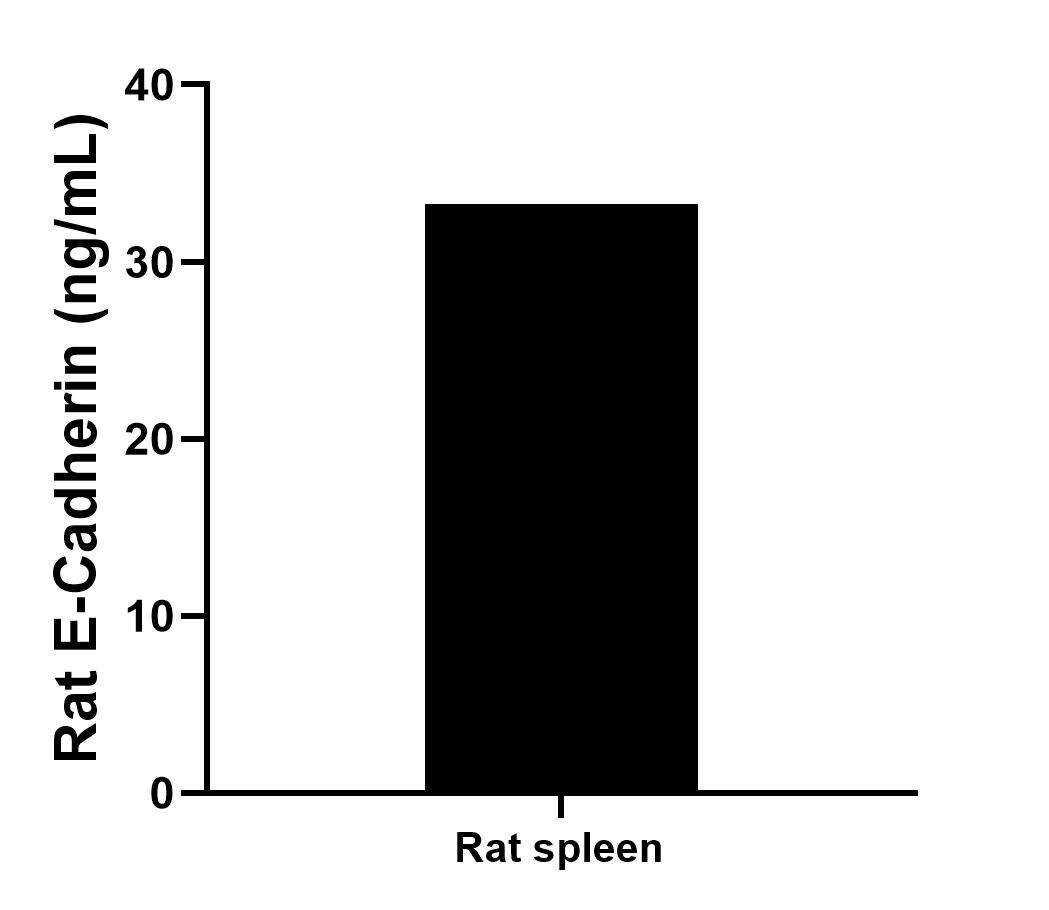
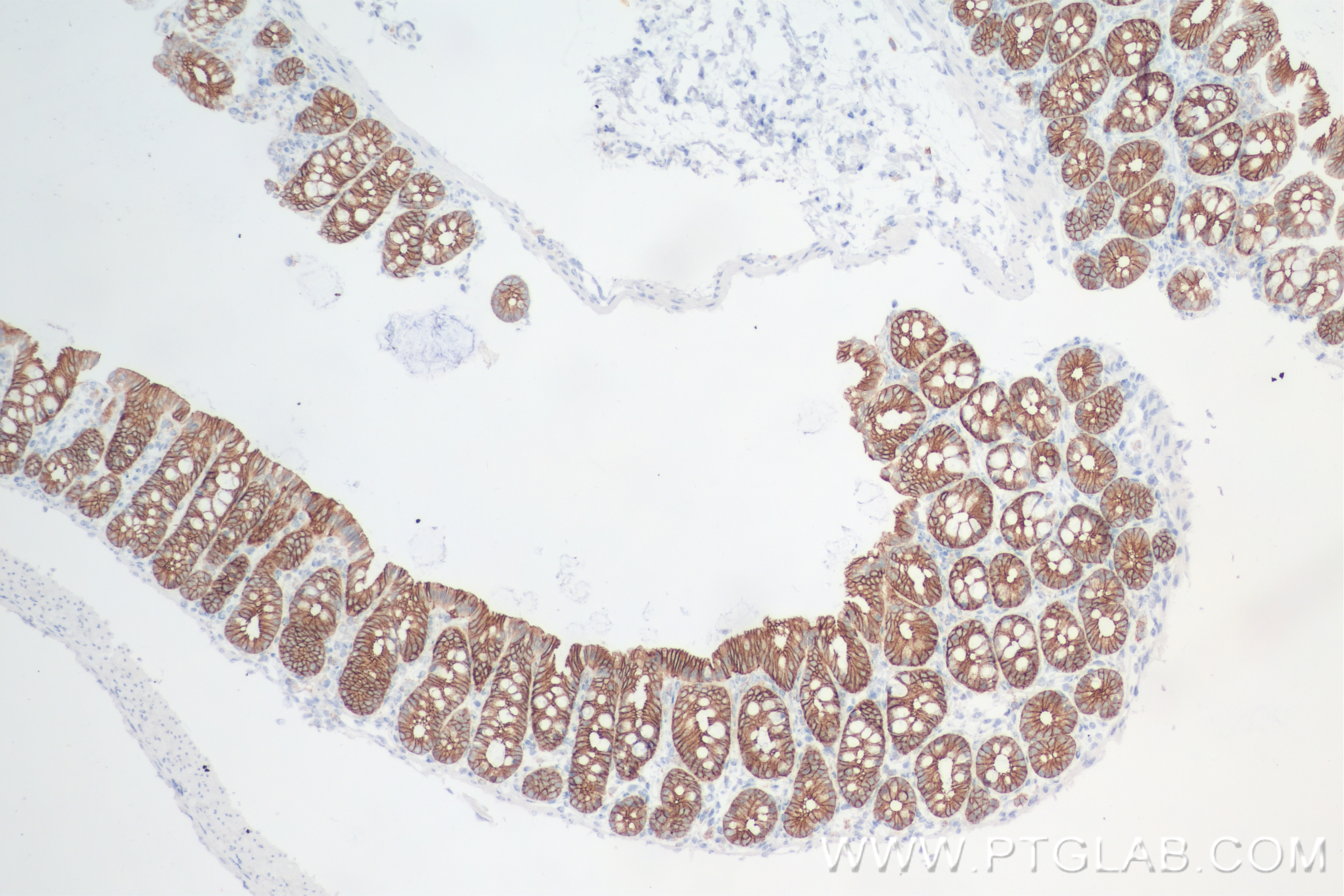
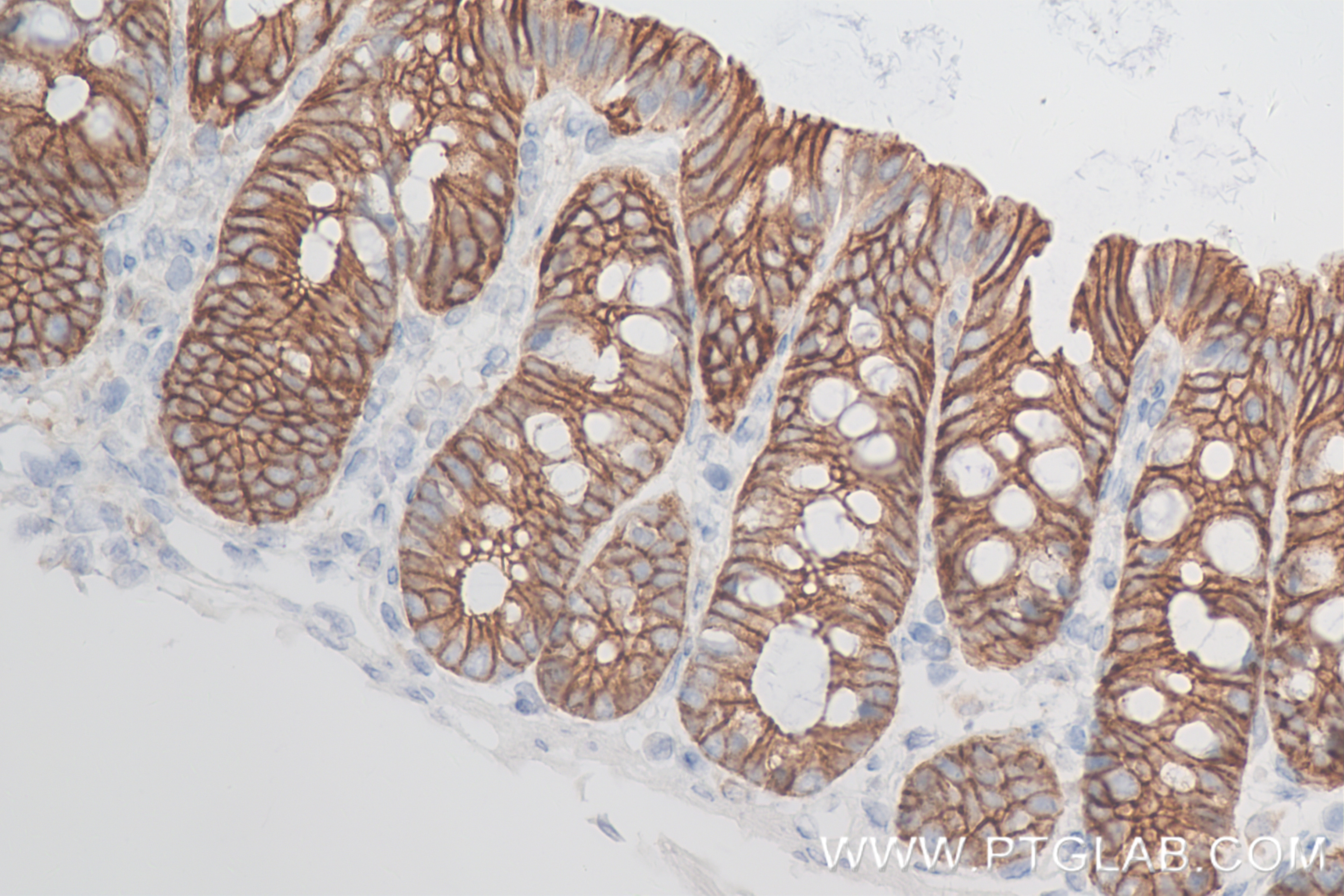
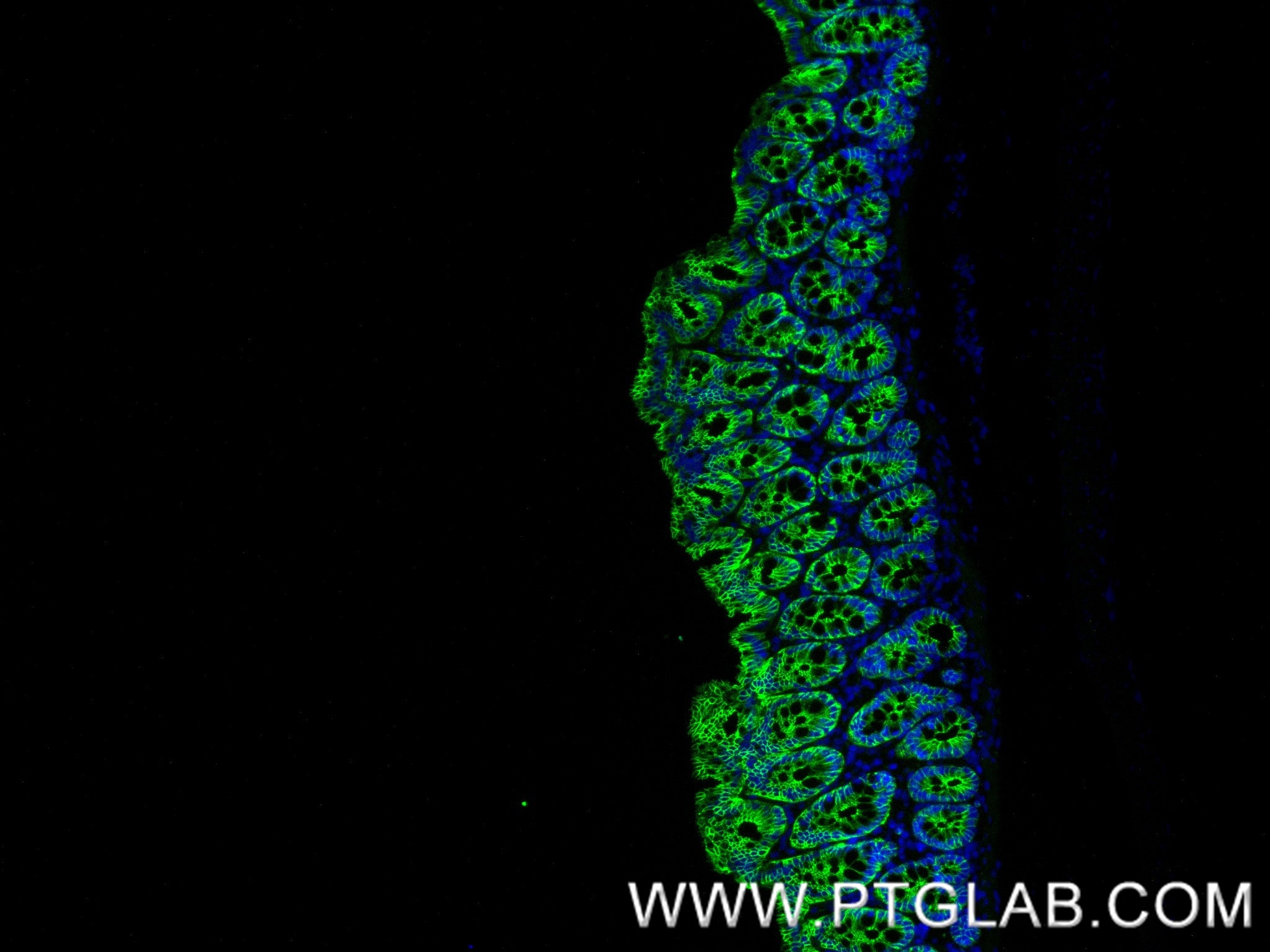
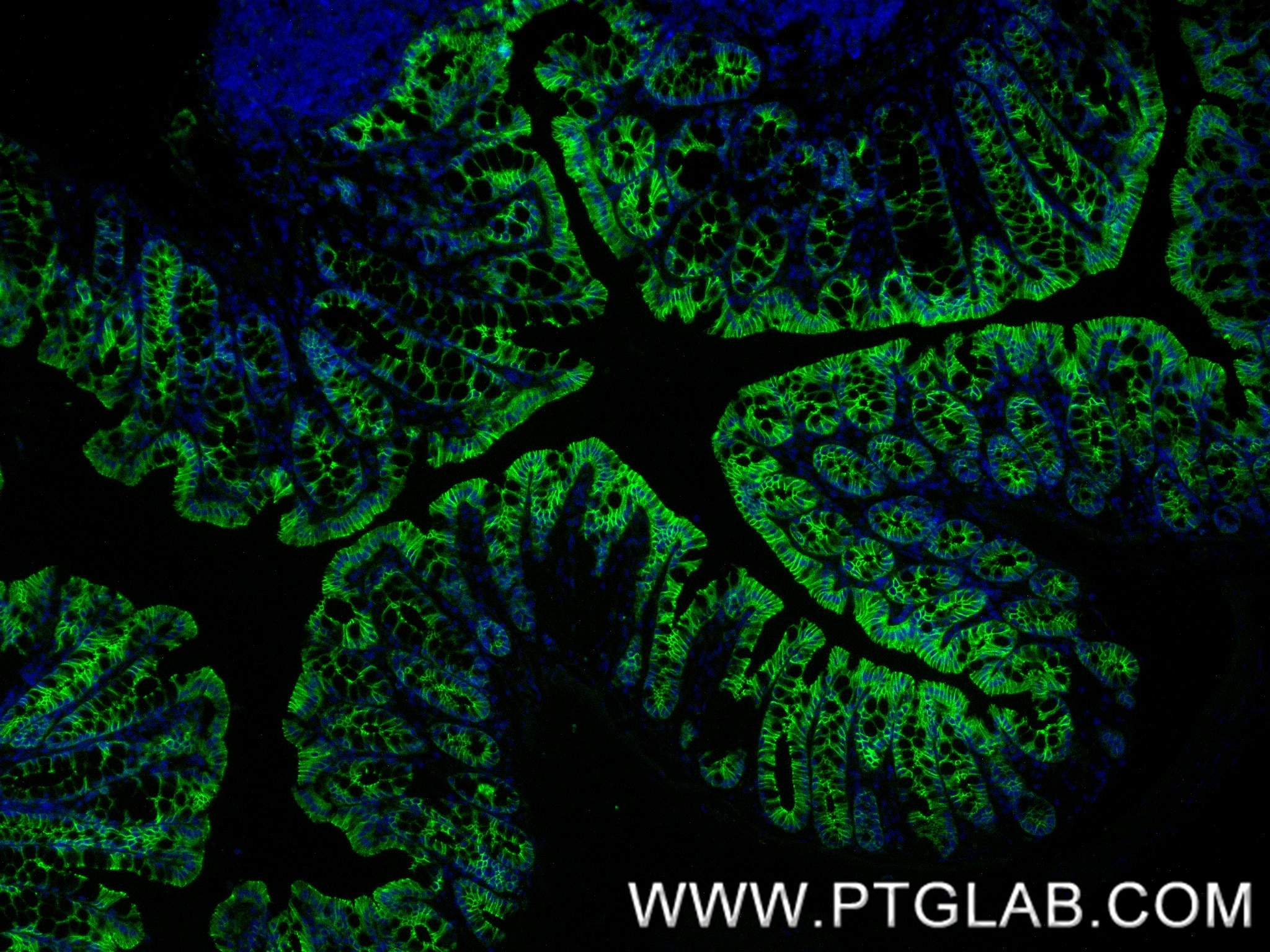
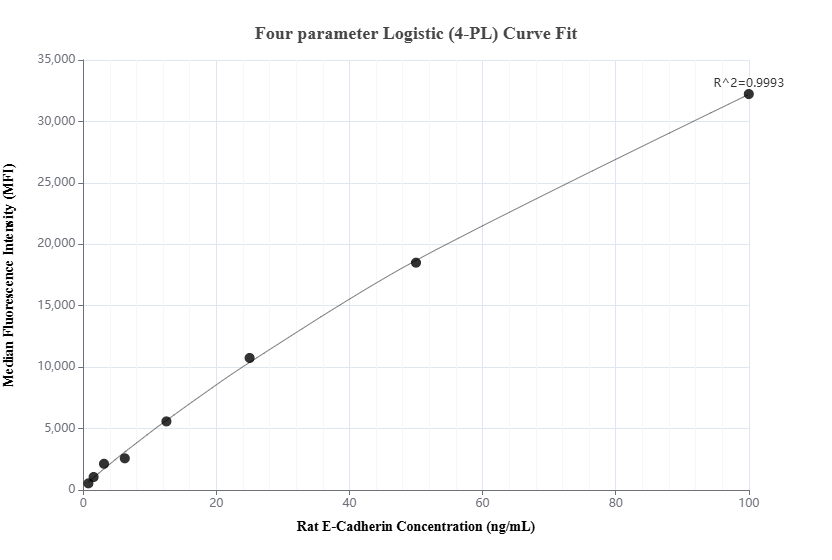
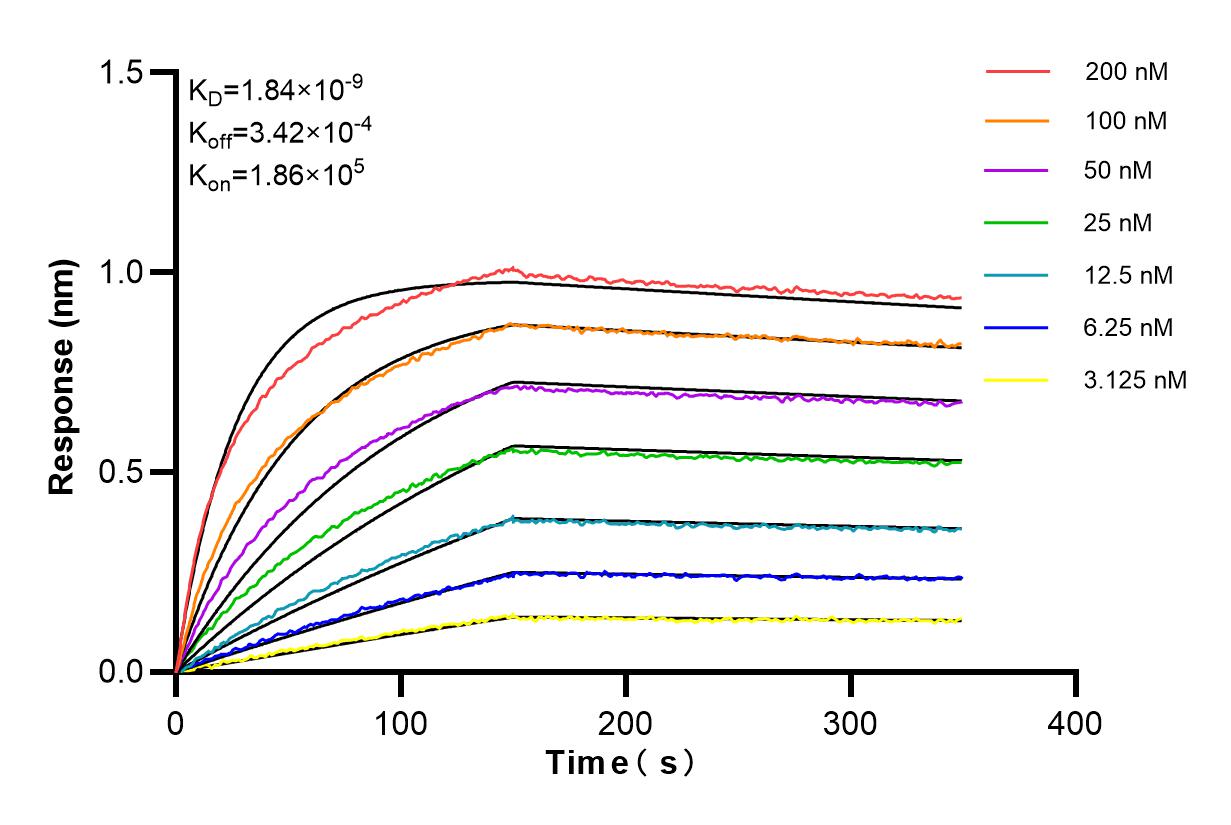
Geprüfte Anwendungen
Produktinformation
84646-3-PBS bindet in WB, IHC, IF-P, Cytometric bead array, Sandwich ELISA, Indirect ELISA, Sample test E-cadherin und zeigt Reaktivität mit human, Maus, Ratten
| Getestete Reaktivität | human, Maus, Ratte |
| Wirt / Isotyp | Kaninchen / IgG |
| Klonalität | Rekombinant |
| Typ | Antikörper |
| Immunogen | E-cadherin fusion protein Eg1229 |
| Vollständiger Name | cadherin 1 |
| Berechnetes Molekulargewicht | 99 kDa |
| Beobachtetes Molekulargewicht | 125 kDa |
| GenBank-Zugangsnummer | NM_031334.1 |
| Gene symbol | Cdh1 |
| Gene ID (NCBI) | 83502 |
| Konjugation | Unkonjugiert |
| Form | Liquid |
| Reinigungsmethode | Protein-A-Reinigung |
| Lagerungspuffer | PBS only |
| Lagerungsbedingungen | Store at -80°C. 20ul Größen enthalten 0,1% BSA. |
Hintergrundinformationen
Cadherins are a family of transmembrane glycoproteins that mediate calcium-dependent cell-cell adhesion and play an important role in the maintenance of normal tissue architecture. E-cadherin (epithelial cadherin), also known as CDH1 (cadherin 1) or CAM 120/80, is a classical member of the cadherin superfamily which also include N-, P-, R-, and B-cadherins. E-cadherin is expressed on the cell surface in most epithelial tissues. The extracellular region of E-cadherin establishes calcium-dependent homophilic trans binding, providing specific interaction with adjacent cells, while the cytoplasmic domain is connected to the actin cytoskeleton through the interaction with p120-, α-, β-, and γ-catenin (plakoglobin). E-cadherin is important in the maintenance of the epithelial integrity, and is involved in mechanisms regulating proliferation, differentiation, and survival of epithelial cell. E-cadherin may also play a role in tumorigenesis. It is considered to be an invasion suppressor protein and its loss is an indicator of high tumor aggressiveness.


