- Featured Product
- KD/KO Validated
FGFR3 Monoklonaler Antikörper
FGFR3 Monoklonal Antikörper für WB, IF/ICC, Cytometric bead array, Indirect ELISA
Wirt / Isotyp
Maus / IgG1
Getestete Reaktivität
human
Anwendung
WB, IF/ICC, Cytometric bead array, Indirect ELISA
Konjugation
Unkonjugiert
CloneNo.
1F3G1
Kat-Nr. : 66954-1-PBS
Synonyme
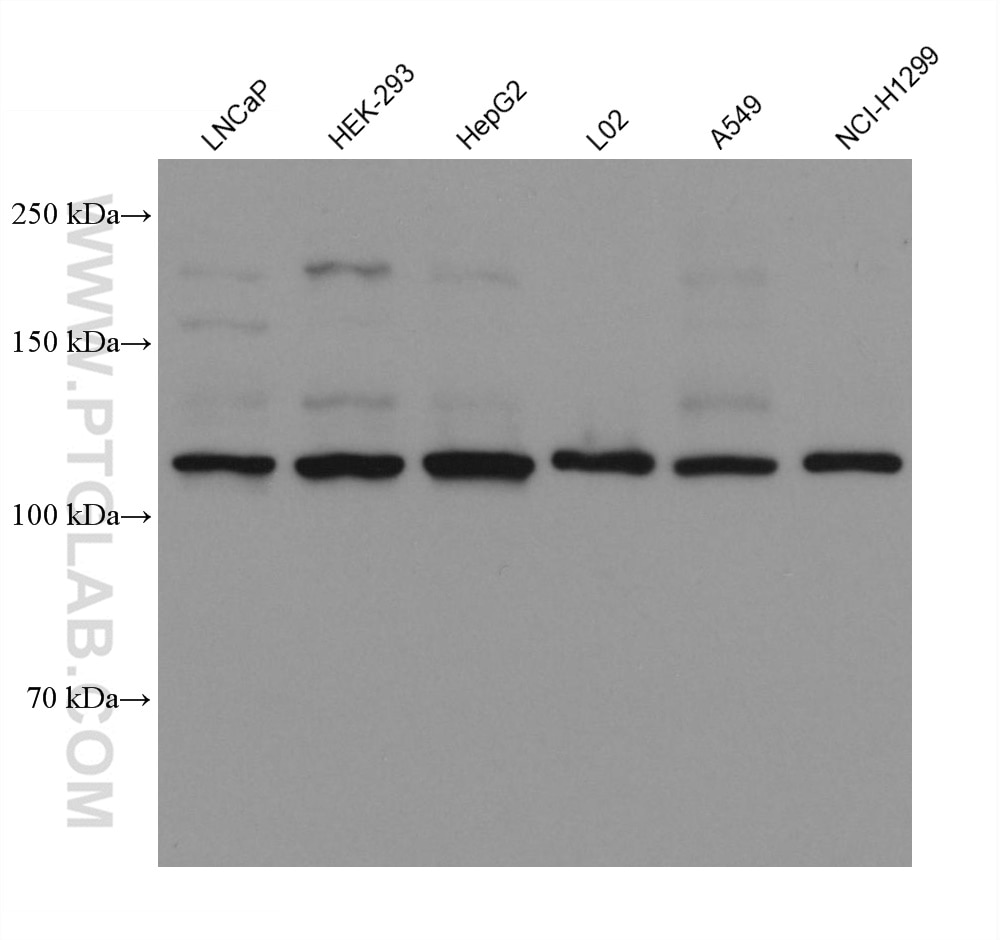
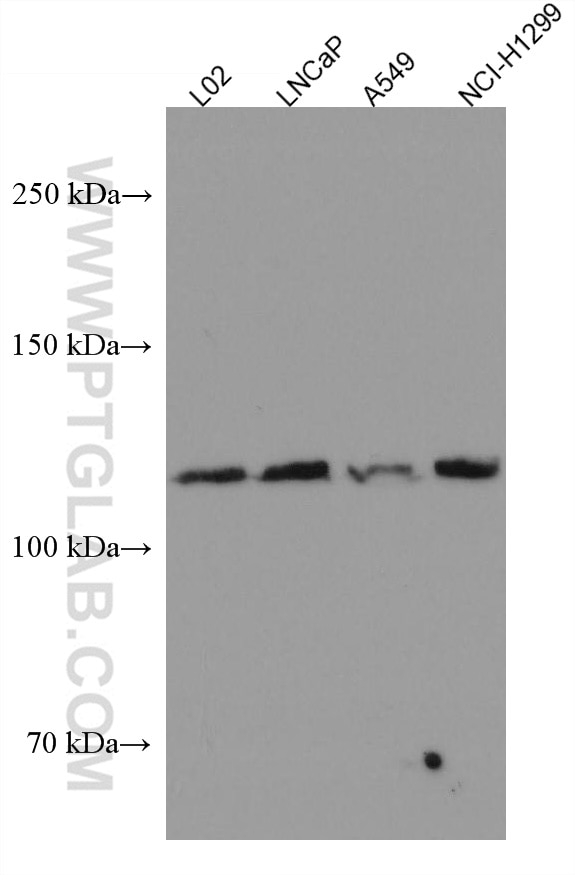
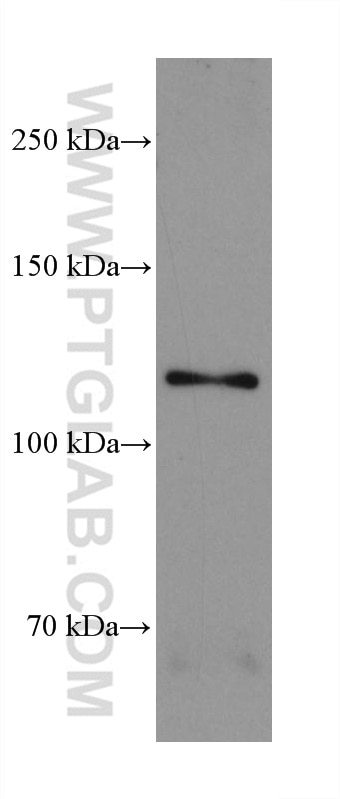
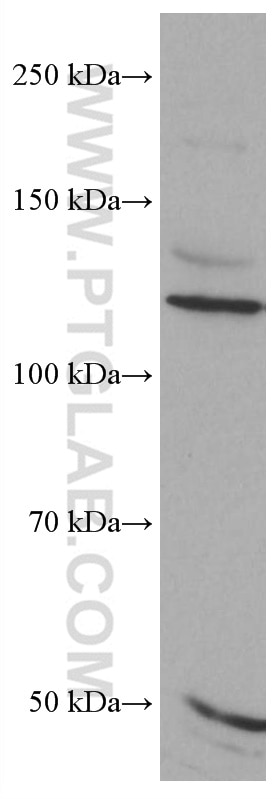
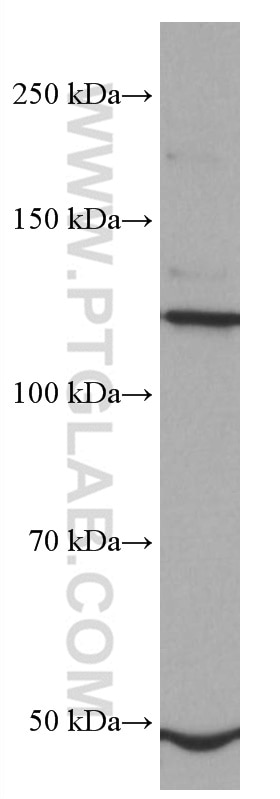
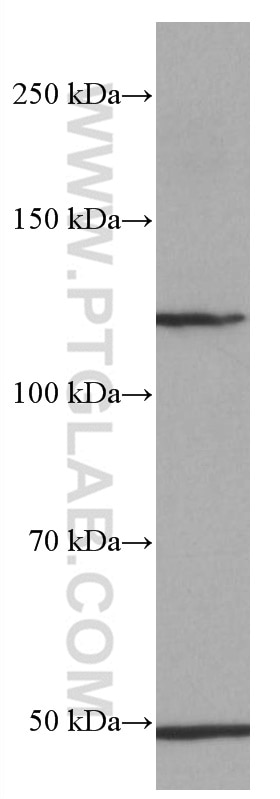
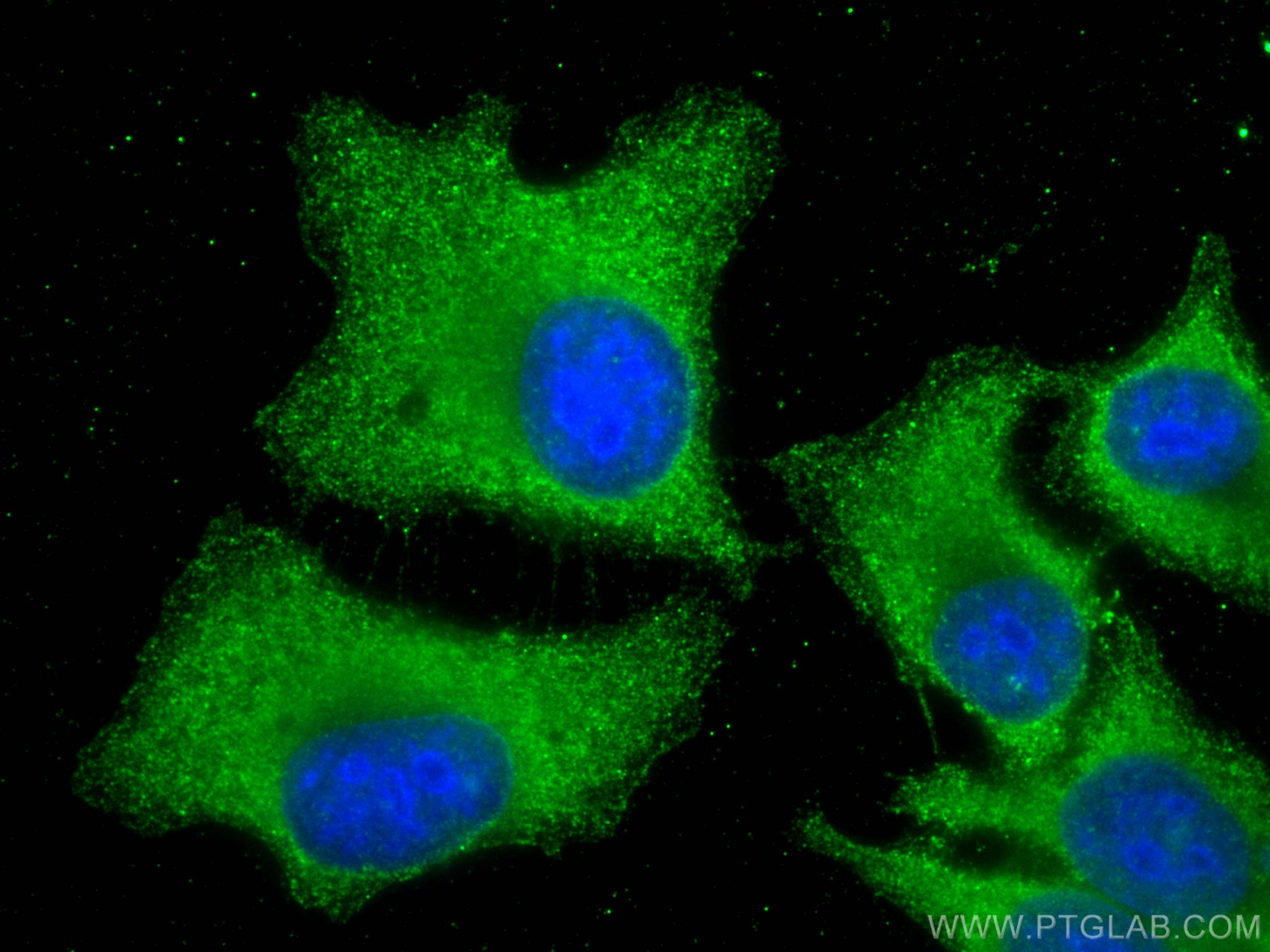
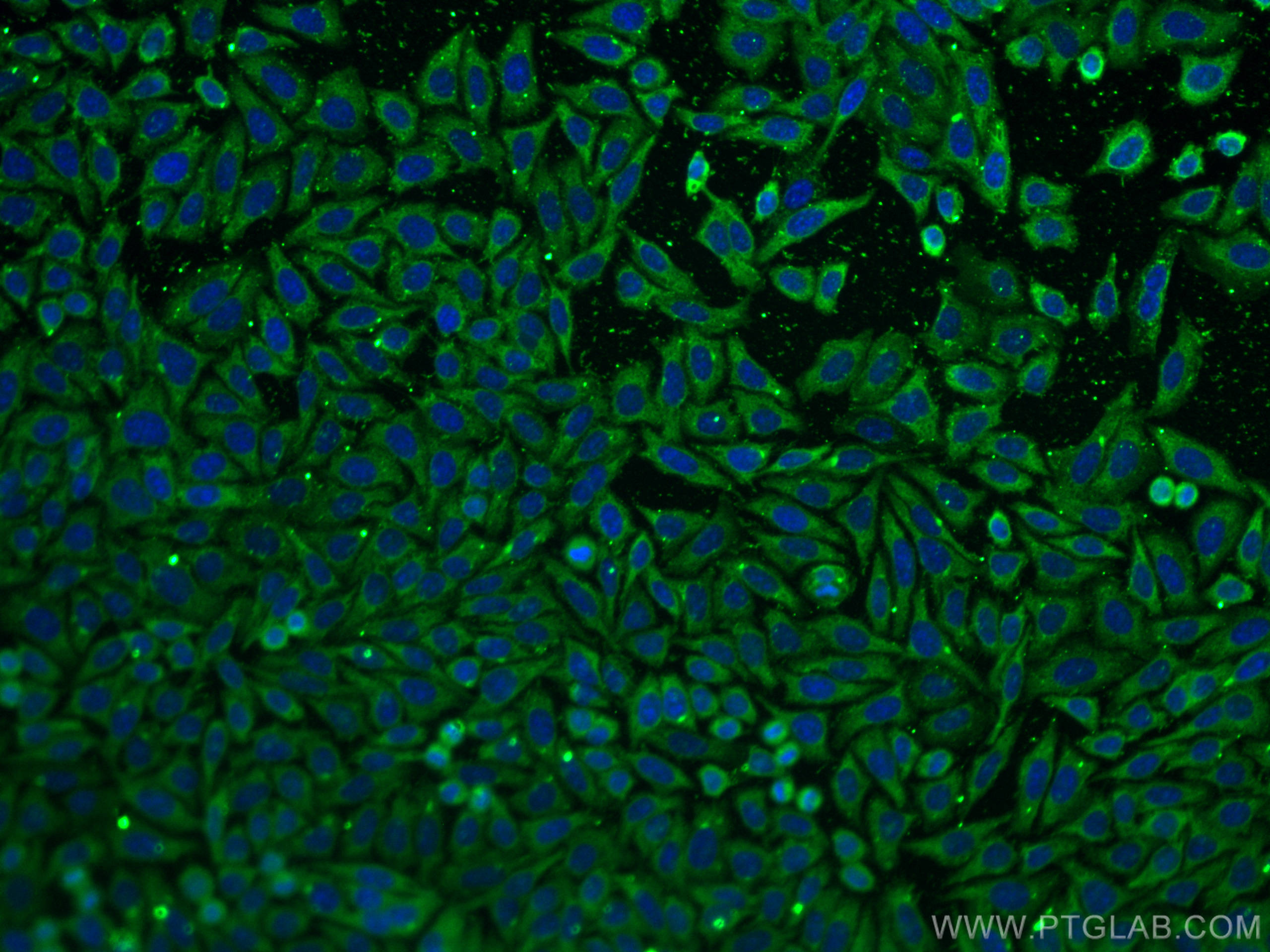
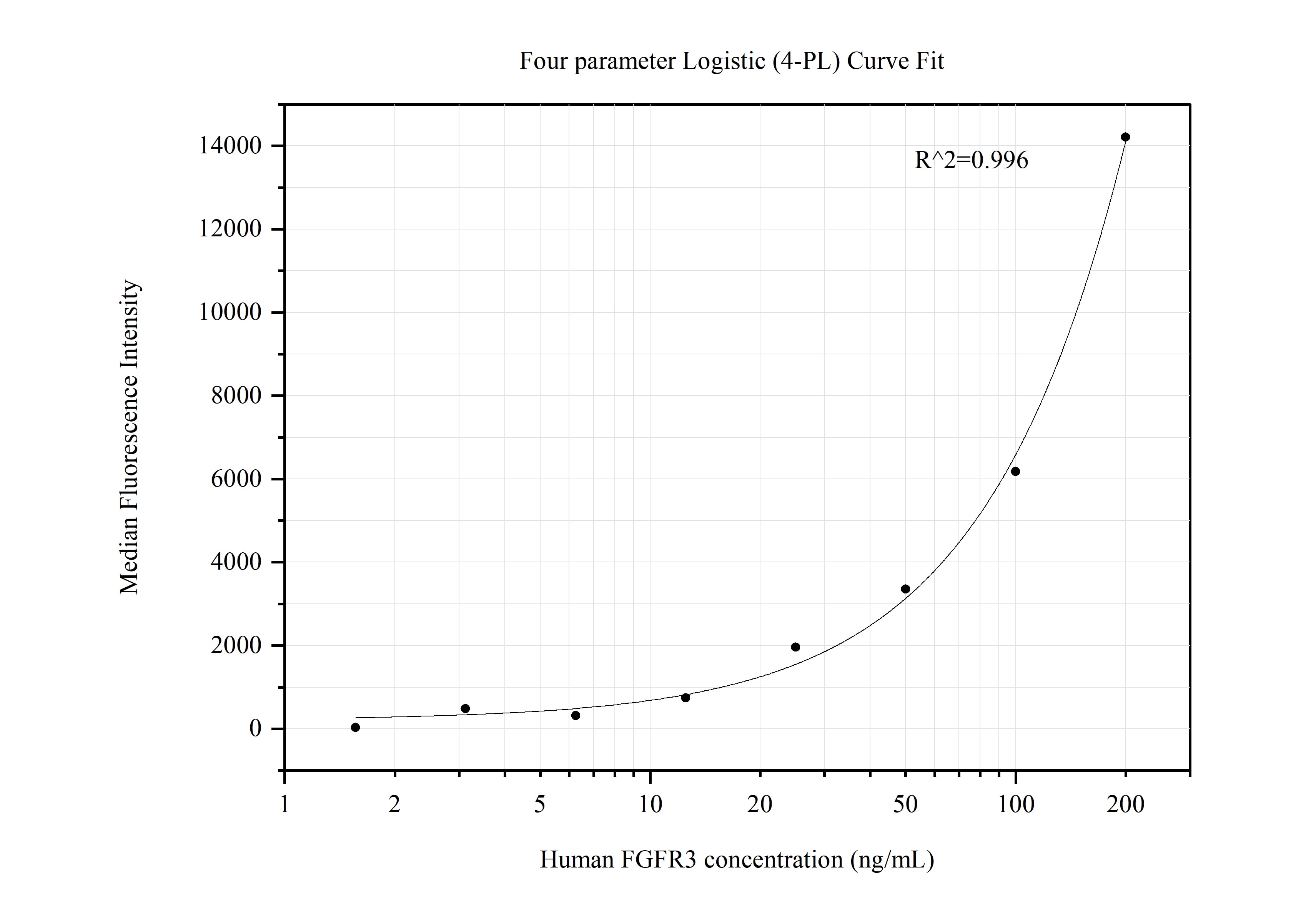
Geprüfte Anwendungen
Produktinformation
66954-1-PBS bindet in WB, IF/ICC, Cytometric bead array, Indirect ELISA FGFR3 und zeigt Reaktivität mit human
| Getestete Reaktivität | human |
| Wirt / Isotyp | Maus / IgG1 |
| Klonalität | Monoklonal |
| Typ | Antikörper |
| Immunogen | FGFR3 fusion protein Ag26290 |
| Vollständiger Name | fibroblast growth factor receptor 3 |
| Berechnetes Molekulargewicht | 87 kDa |
| Beobachtetes Molekulargewicht | 125-135 kDa |
| GenBank-Zugangsnummer | NM_000142 |
| Gene symbol | FGFR3 |
| Gene ID (NCBI) | 2261 |
| Konjugation | Unkonjugiert |
| Form | Liquid |
| Reinigungsmethode | Protein-G-Reinigung |
| Lagerungspuffer | PBS only |
| Lagerungsbedingungen | Store at -80°C. 20ul Größen enthalten 0,1% BSA. |
Hintergrundinformationen
Fibroblast growth factors (FGFs) are polypeptide growth factors involved in a variety of activities including mitogenesis, angiogenesis, and wound healing (PMID: 1847508). The human FGF receptor family, a subfamily of receptor tyrosine kinases (RTKs), comprises of four family members-FGFR1, FGFR2, FGFR3, and FGFR4 (PMID: 23900974). Each receptor contains an extracellular domain with either two or three immunoglobulin-like domains, a transmembrane domain, and a cytoplasmic tyrosine kinase domain. FGFR3 binds acidic and basic fibroblast GH and plays a role in bone development and maintenance. Mutations in the FGFR3 gene lead to craniosynostosis and multiple types of skeletal dysplasia. Due to frequent mutations in certain cancers, the FGFR3 gene has also been associated with tumor progression.


