FRY Polyklonaler Antikörper
FRY Polyklonal Antikörper für WB, IHC, IF/ICC, ELISA
Wirt / Isotyp
Kaninchen / IgG
Getestete Reaktivität
human
Anwendung
WB, IHC, IF/ICC, ELISA
Konjugation
Unkonjugiert
Kat-Nr. : 32075-1-AP
Synonyme
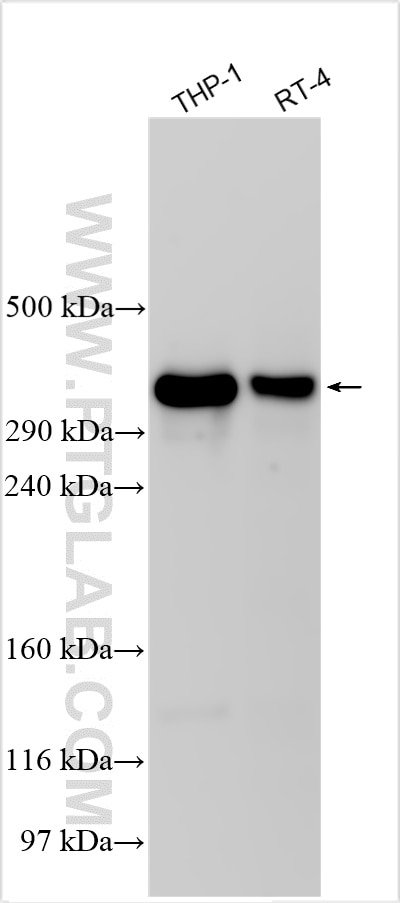
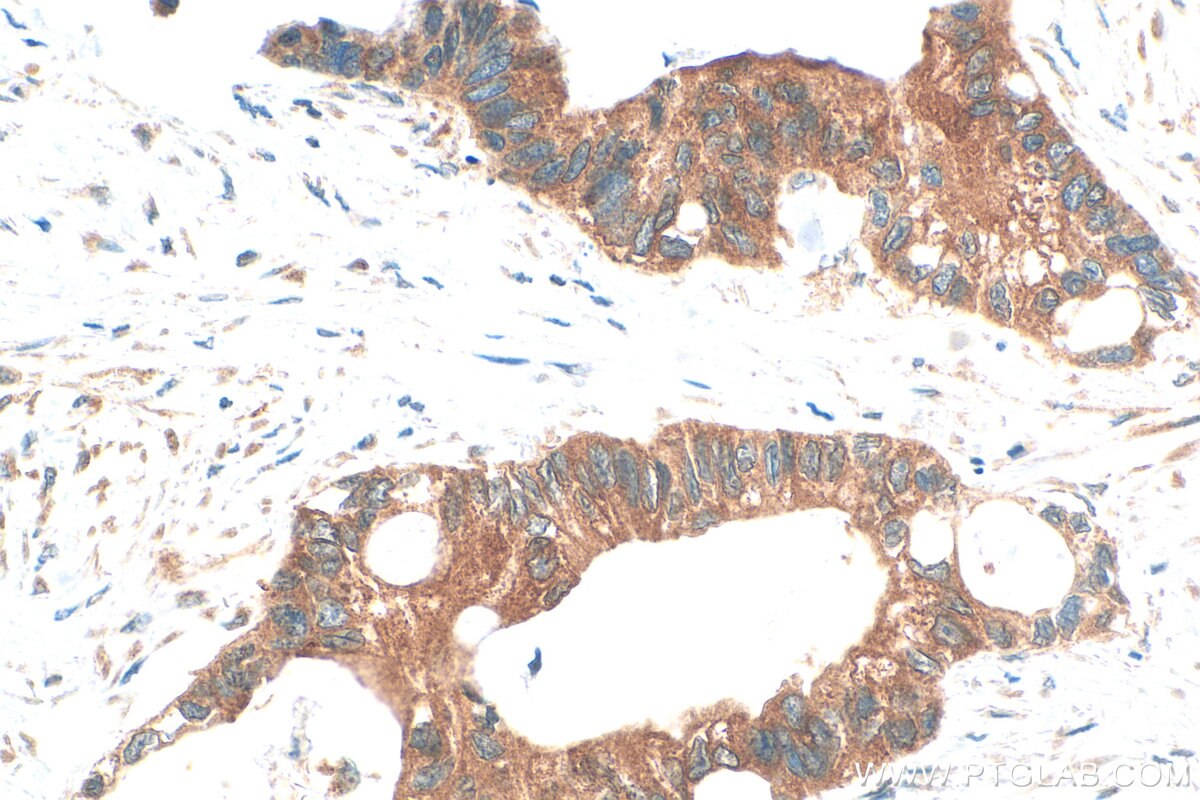
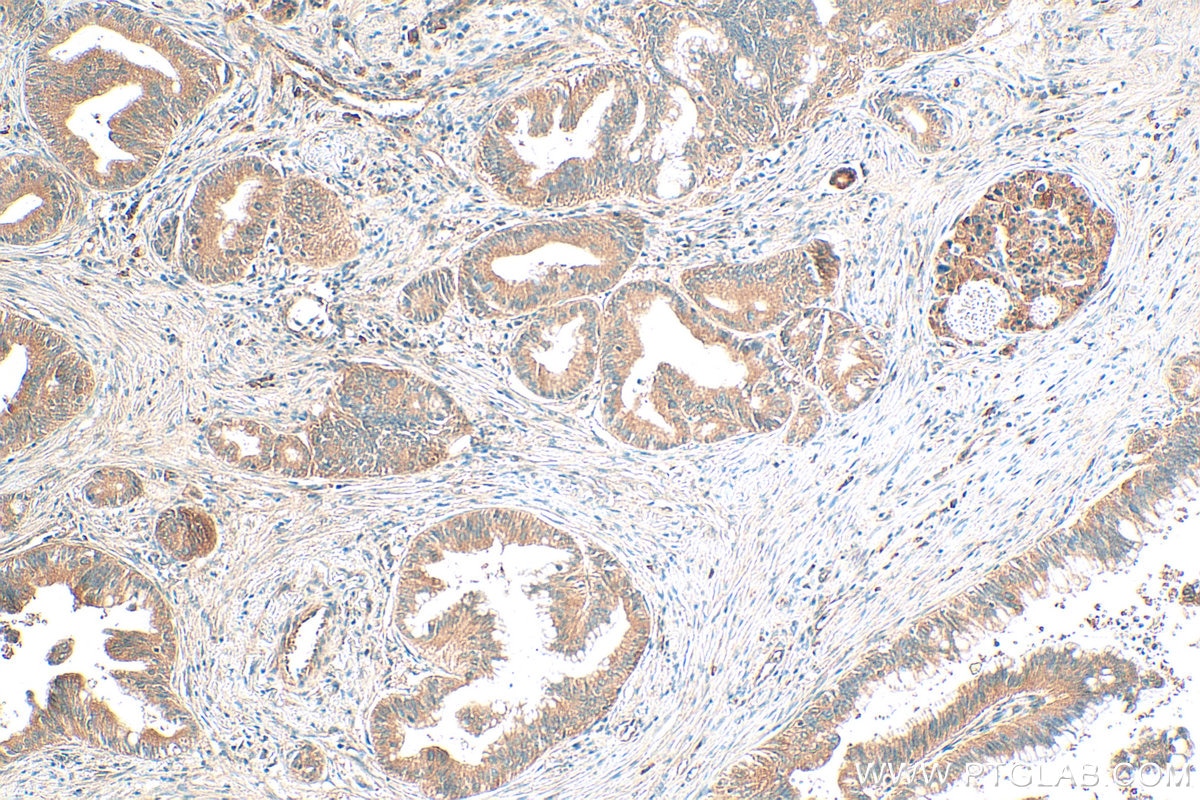
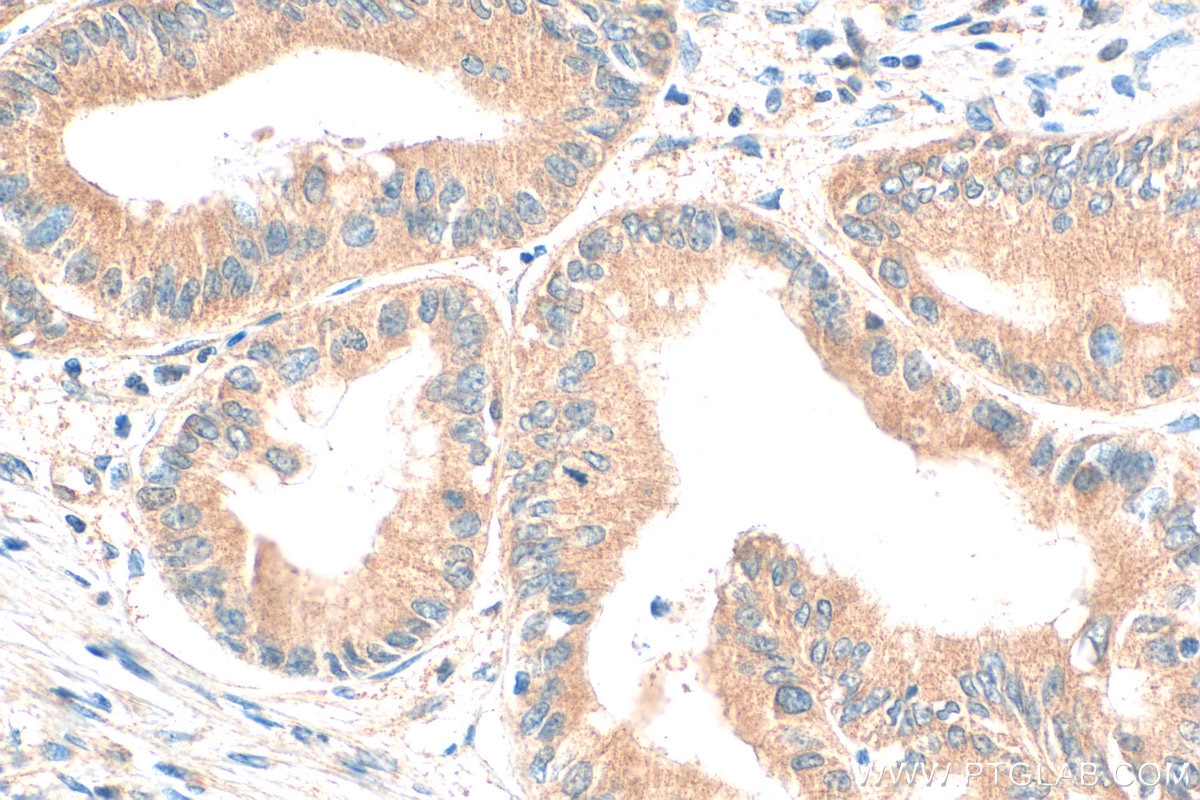
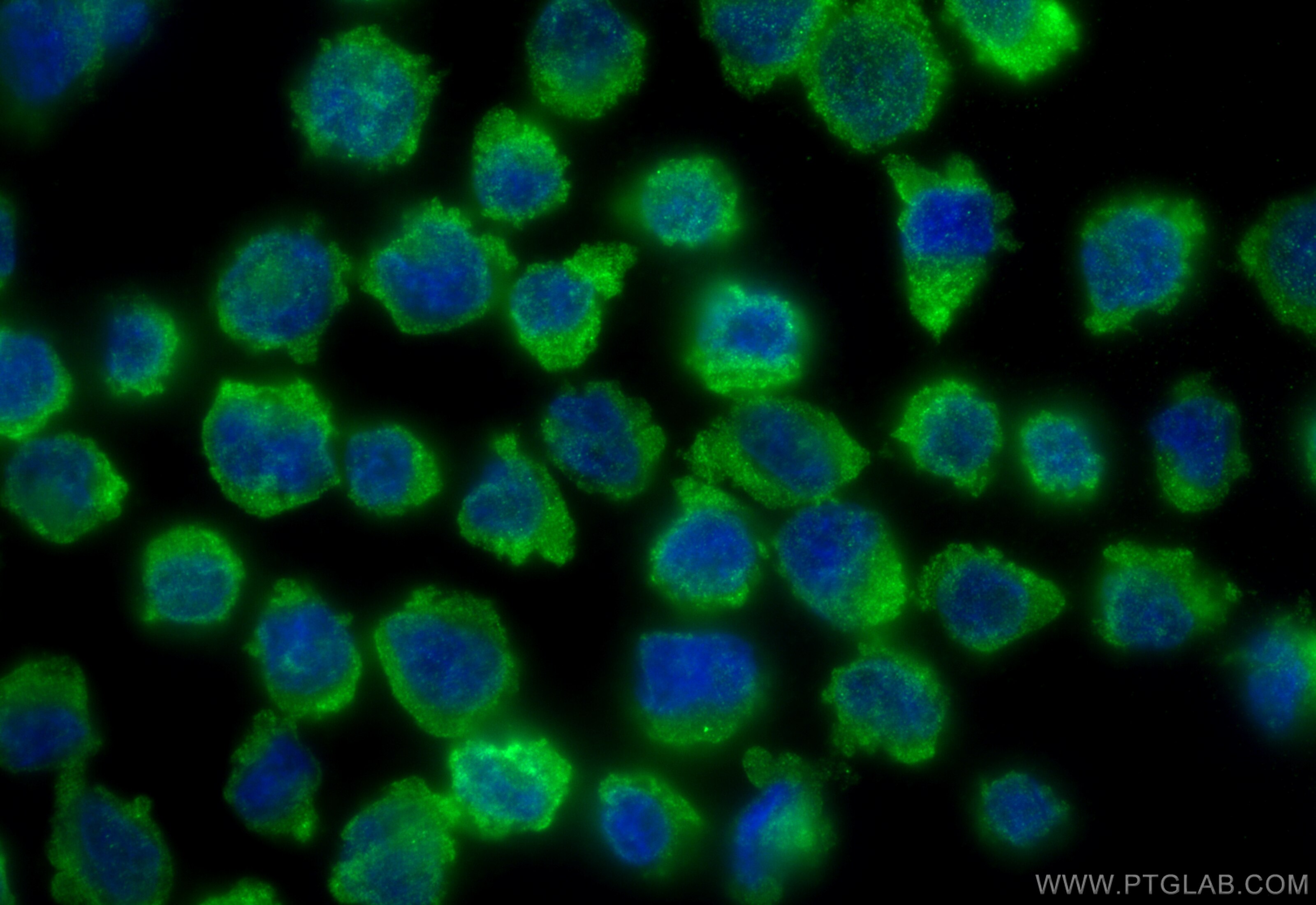
Geprüfte Anwendungen
| Erfolgreiche Detektion in WB | THP-1-Zellen, RT-4 cells |
| Erfolgreiche Detektion in IHC | humanes Pankreaskarzinomgewebe, humanes Urothelkarzinomgewebe Hinweis: Antigendemaskierung mit TE-Puffer pH 9,0 empfohlen. (*) Wahlweise kann die Antigendemaskierung auch mit Citratpuffer pH 6,0 erfolgen. |
| Erfolgreiche Detektion in IF/ICC | THP-1-Zellen |
Empfohlene Verdünnung
| Anwendung | Verdünnung |
|---|---|
| Western Blot (WB) | WB : 1:500-1:3000 |
| Immunhistochemie (IHC) | IHC : 1:150-1:600 |
| Immunfluoreszenz (IF)/ICC | IF/ICC : 1:200-1:800 |
| It is recommended that this reagent should be titrated in each testing system to obtain optimal results. | |
| Sample-dependent, check data in validation data gallery | |
Produktinformation
32075-1-AP bindet in WB, IHC, IF/ICC, ELISA FRY und zeigt Reaktivität mit human
| Getestete Reaktivität | human |
| Wirt / Isotyp | Kaninchen / IgG |
| Klonalität | Polyklonal |
| Typ | Antikörper |
| Immunogen | FRY fusion protein Ag34959 |
| Vollständiger Name | furry homolog (Drosophila) |
| Berechnetes Molekulargewicht | 339 kDa |
| Beobachtetes Molekulargewicht | 340 kDa |
| GenBank-Zugangsnummer | NM_023037 |
| Gene symbol | FRY |
| Gene ID (NCBI) | 10129 |
| Konjugation | Unkonjugiert |
| Form | Liquid |
| Reinigungsmethode | Antigen-Affinitätsreinigung |
| Lagerungspuffer | PBS with 0.02% sodium azide and 50% glycerol |
| Lagerungsbedingungen | Bei -20°C lagern. Nach dem Versand ein Jahr lang stabil Aliquotieren ist bei -20oC Lagerung nicht notwendig. 20ul Größen enthalten 0,1% BSA. |
Hintergrundinformationen
The FRY gene encodes a protein involved in cell cycle regulation and DNA damage response. It plays a crucial role in the G2/M checkpoint, ensuring cells complete DNA repair before entering mitosis by activating the ATR-CHK1 signaling pathway. FRY is expressed in various tissues, including brain, liver, and testis, with notable expression in Sertoli and spermatogonial cells. Aberrant FRY function is associated with multiple diseases, such as cancer and neurodegenerative disorders. In cancer cells, FRY expression can influence proliferation and survival. Understanding FRY's role in cell cycle control and genome stability is vital for elucidating disease mechanisms and developing targeted therapies.
Protokolle
| PRODUKTSPEZIFISCHE PROTOKOLLE | |
|---|---|
| WB protocol for FRY antibody 32075-1-AP | Protokoll herunterladen |
| IHC protocol for FRY antibody 32075-1-AP | Protokoll herunterladenl |
| IF protocol for FRY antibody 32075-1-AP | Protokoll herunterladen |
| STANDARD-PROTOKOLLE | |
|---|---|
| Klicken Sie hier, um unsere Standardprotokolle anzuzeigen |

