HEPACAM Polyklonaler Antikörper
HEPACAM Polyklonal Antikörper für WB, IHC, IF/ICC, IP, Indirect ELISA
Wirt / Isotyp
Kaninchen / IgG
Getestete Reaktivität
human, Maus, Ratte
Anwendung
WB, IHC, IF/ICC, IP, Indirect ELISA
Konjugation
Unkonjugiert
Kat-Nr. : 18177-1-PBS
Synonyme
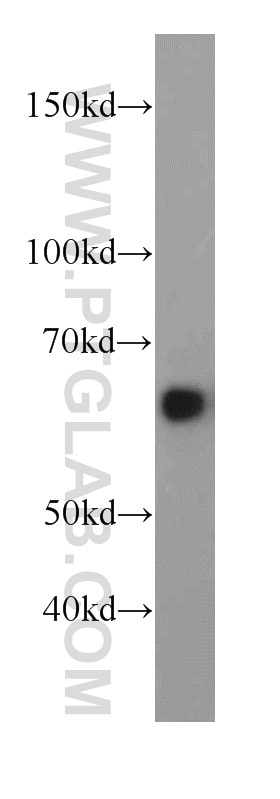
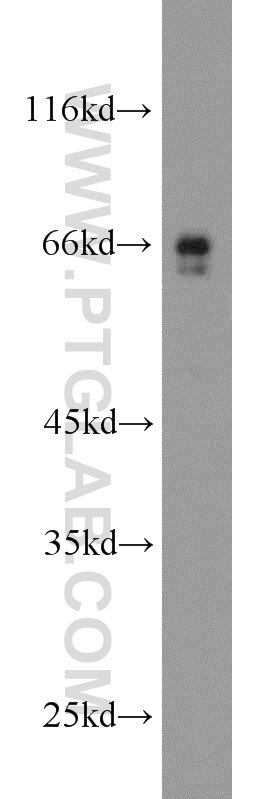
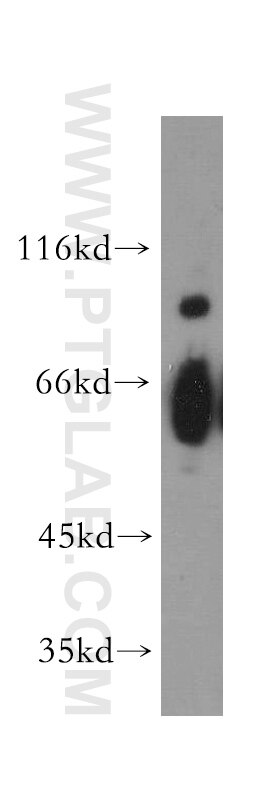
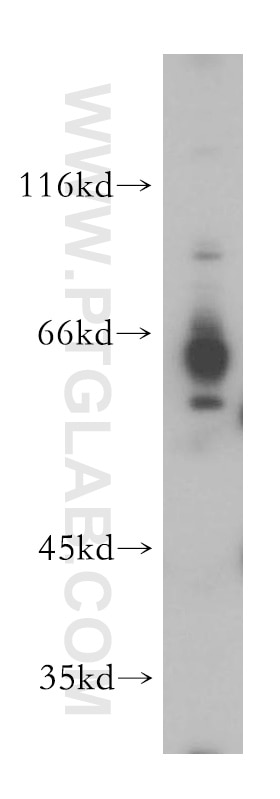
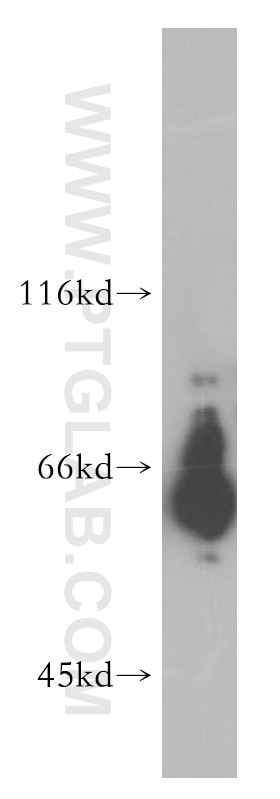
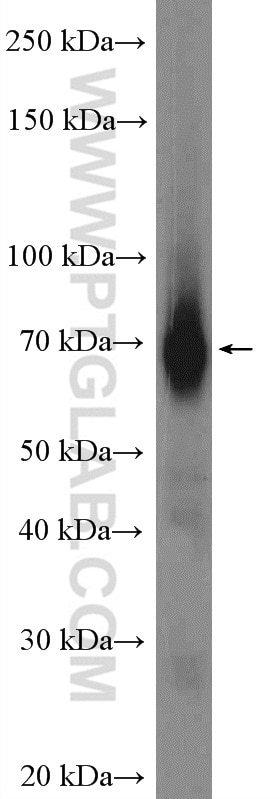
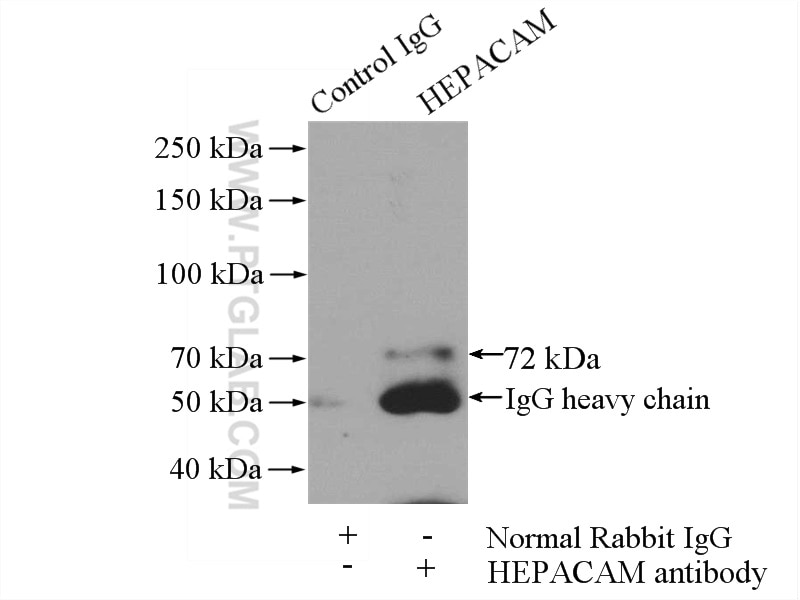
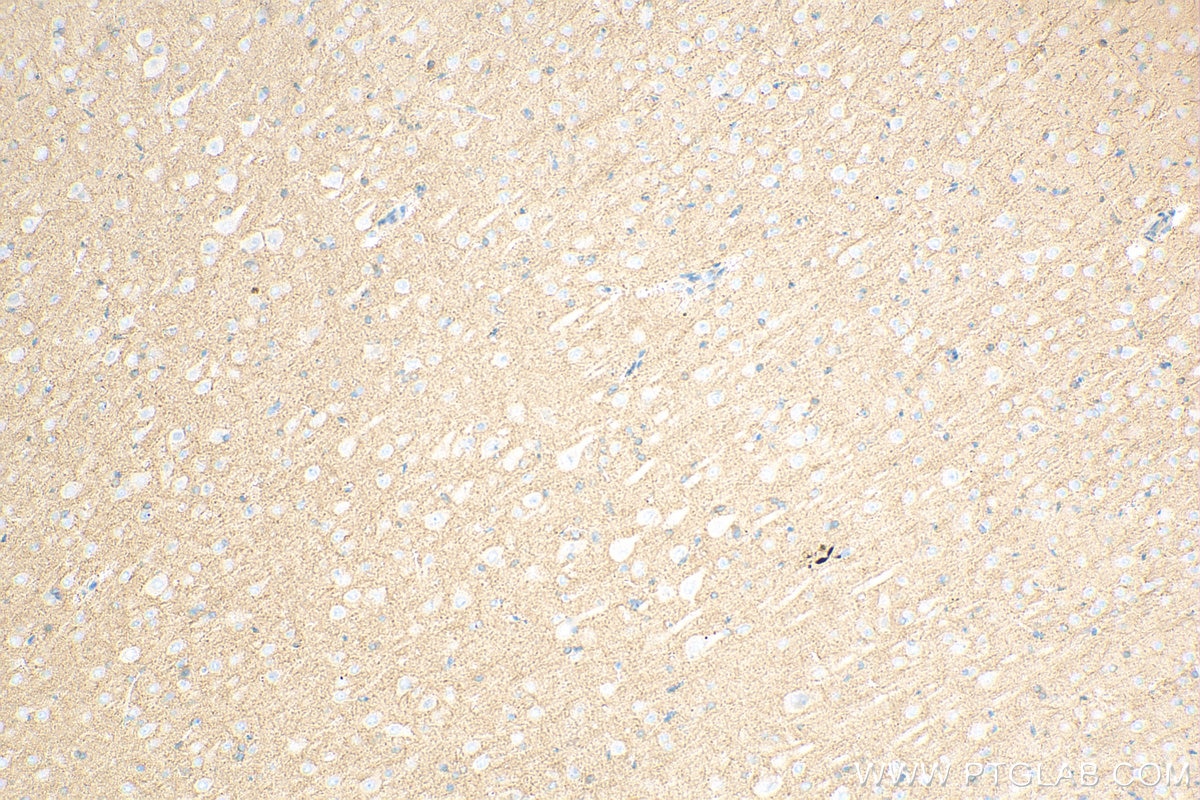
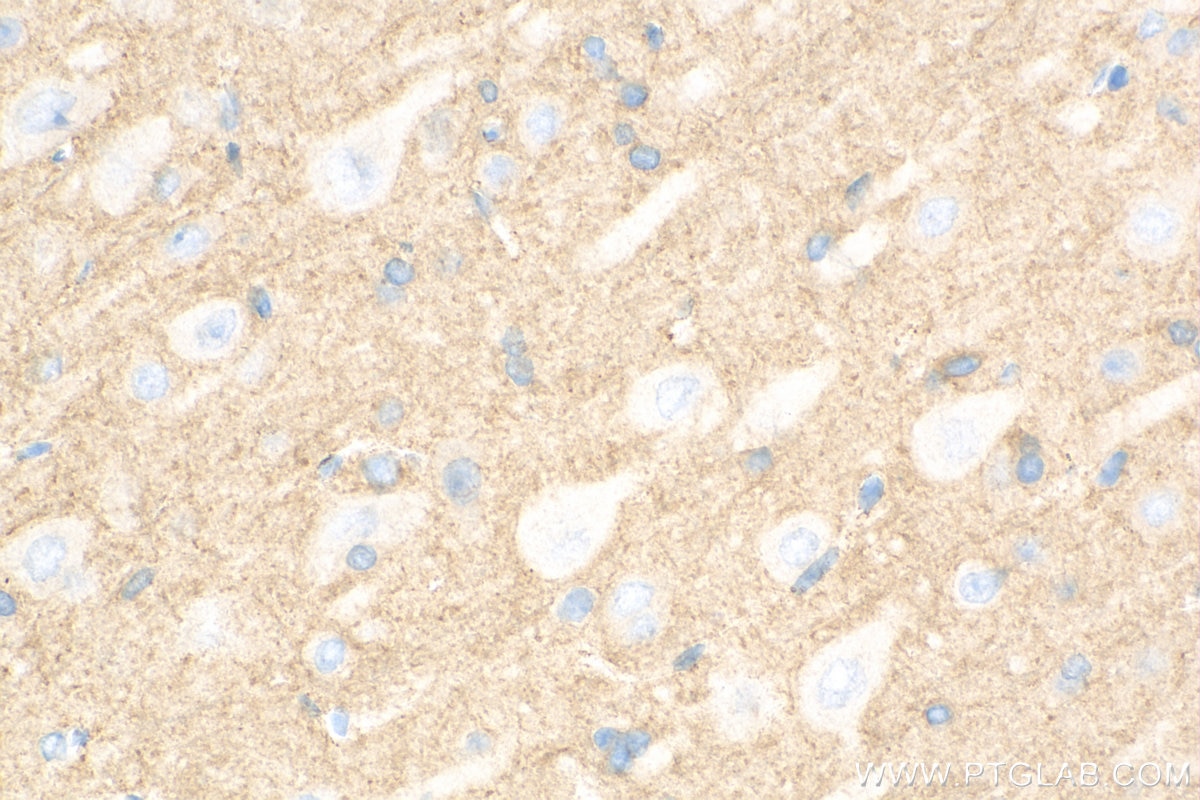
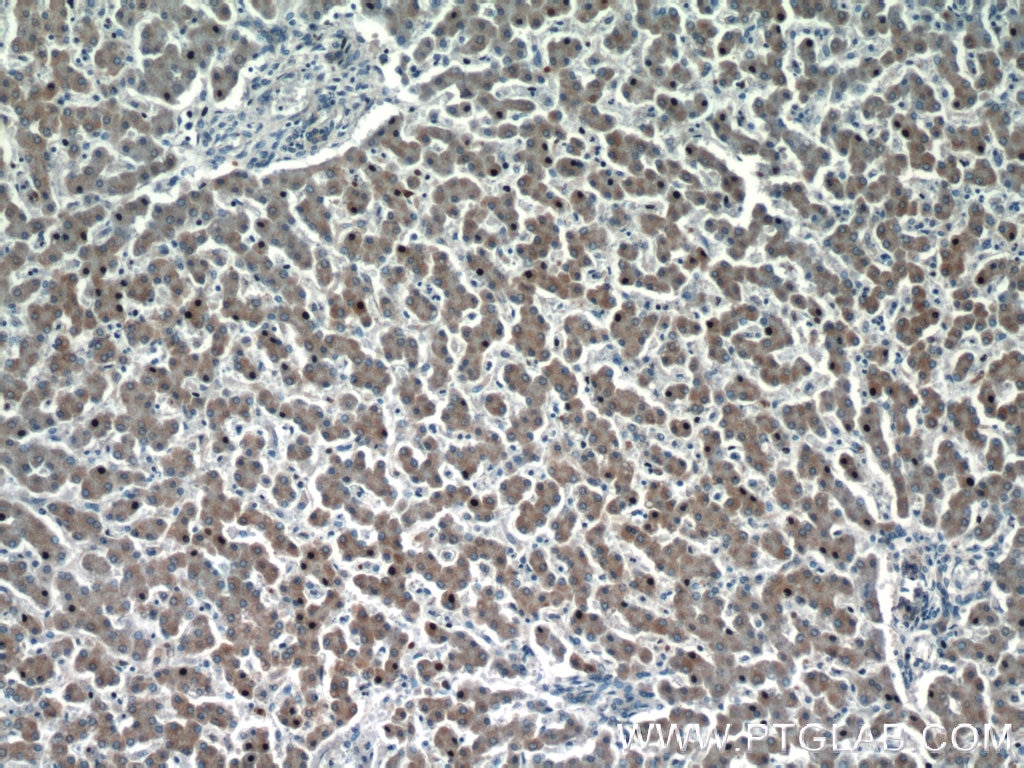
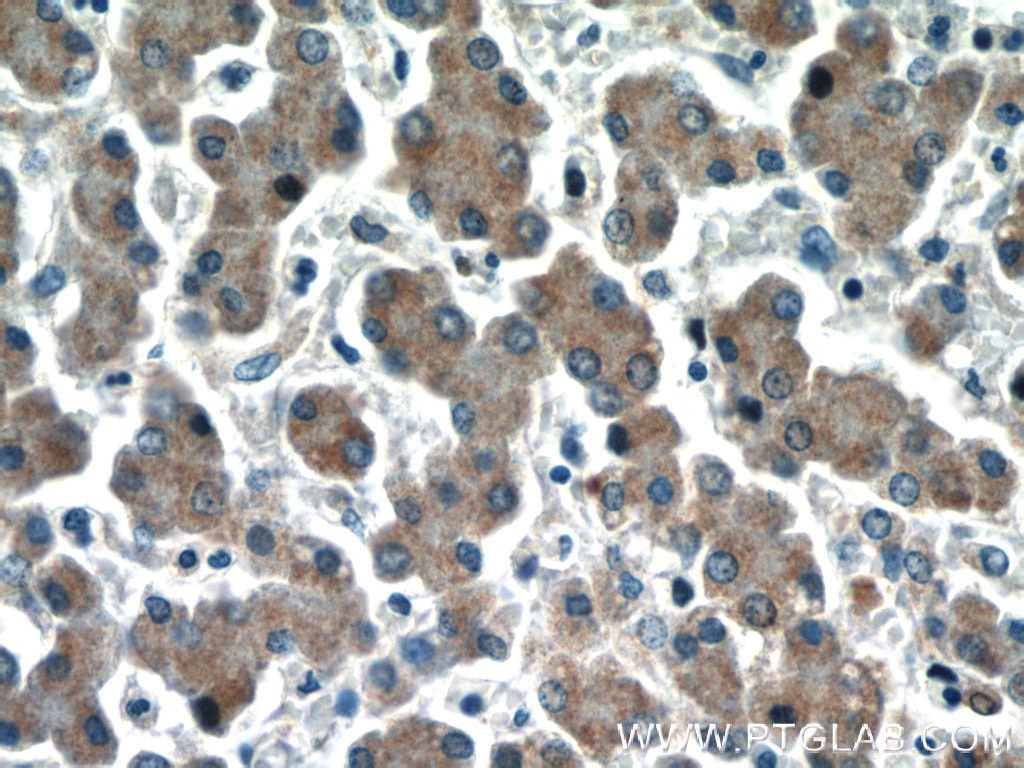
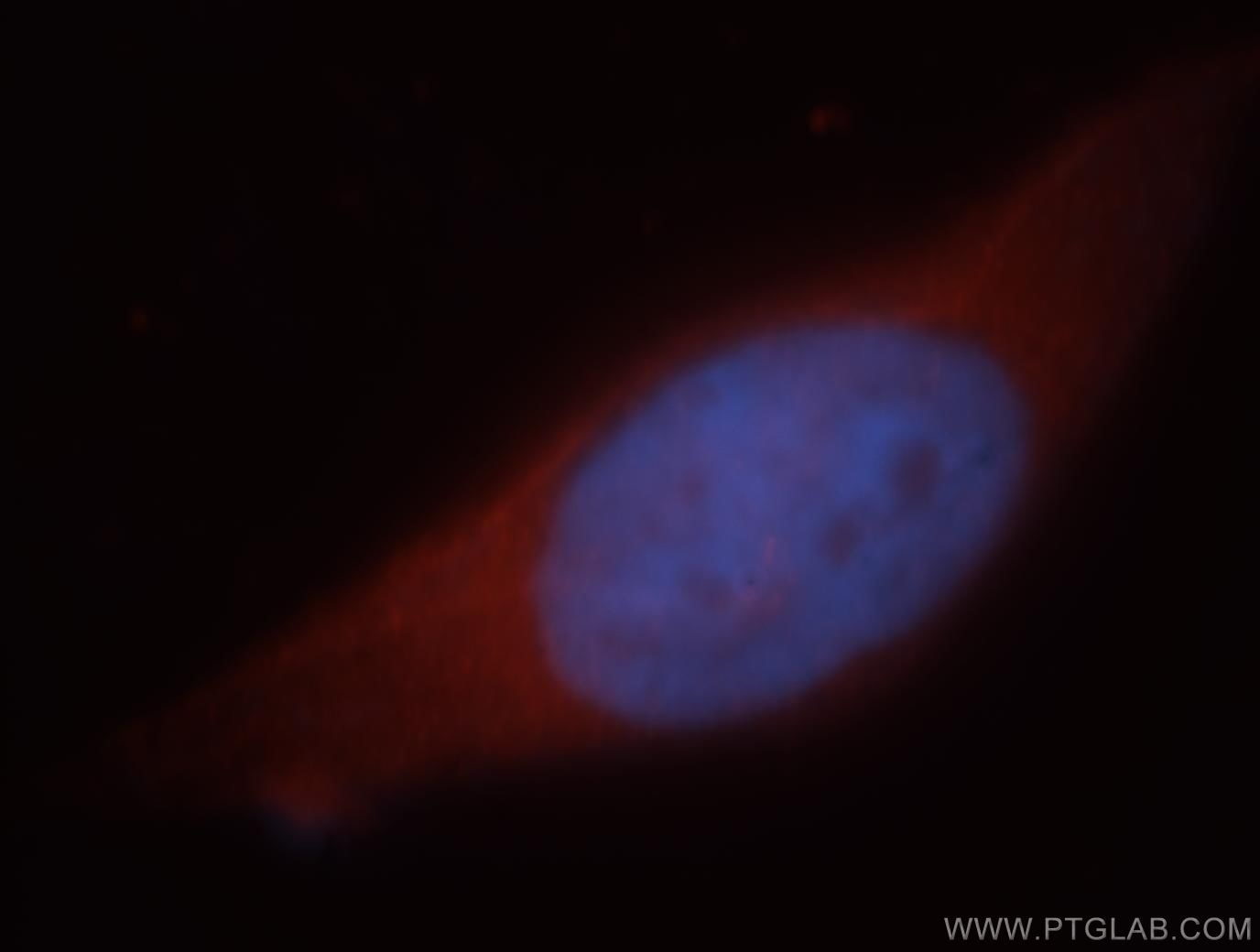
Geprüfte Anwendungen
Produktinformation
18177-1-PBS bindet in WB, IHC, IF/ICC, IP, Indirect ELISA HEPACAM und zeigt Reaktivität mit human, Maus, Ratten
| Getestete Reaktivität | human, Maus, Ratte |
| Wirt / Isotyp | Kaninchen / IgG |
| Klonalität | Polyklonal |
| Typ | Antikörper |
| Immunogen | HEPACAM fusion protein Ag12870 |
| Vollständiger Name | hepatocyte cell adhesion molecule |
| Berechnetes Molekulargewicht | 416 aa, 46 kDa |
| Beobachtetes Molekulargewicht | 46-72 kDa |
| GenBank-Zugangsnummer | BC104831 |
| Gene symbol | HEPACAM |
| Gene ID (NCBI) | 220296 |
| Konjugation | Unkonjugiert |
| Form | Liquid |
| Reinigungsmethode | Antigen-Affinitätsreinigung |
| Lagerungspuffer | PBS only |
| Lagerungsbedingungen | Store at -80°C. 20ul Größen enthalten 0,1% BSA. |
Hintergrundinformationen
HepaCAM (hepatocyte cell adhesion molecule), also known as GlialCAM, is a single-pass type I membrane glycoprotein of 416 amino acids. It displays a typical structure of immunoglobulin (Ig)-like adhesion molecules including two extracellular Ig-like domains, a transmembrane segment, and a cytoplasmic tail. It has been shown that hepaCAM forms a cis-homodimer on the cell surface, and modulates cell-matrix interaction. It is predominantly expressed in the CNS glial cells. Defects in HEPACAM gene are the cause of megalencephalic leukoencephalopathy with subcortical cysts type 2A (MLC2A). HEPACAM has also been suggested as a tumor suppressor gene.


