IDUA Rekombinanter Antikörper
IDUA Rekombinant Antikörper für WB, Sandwich ELISA, Indirect ELISA
Wirt / Isotyp
Kaninchen / IgG
Getestete Reaktivität
human, Maus, Ratte
Anwendung
WB, Sandwich ELISA, Indirect ELISA
Konjugation
Unkonjugiert
CloneNo.
251274F3
Kat-Nr. : 86499-1-PBS
Synonyme
Geprüfte Anwendungen
Produktinformation
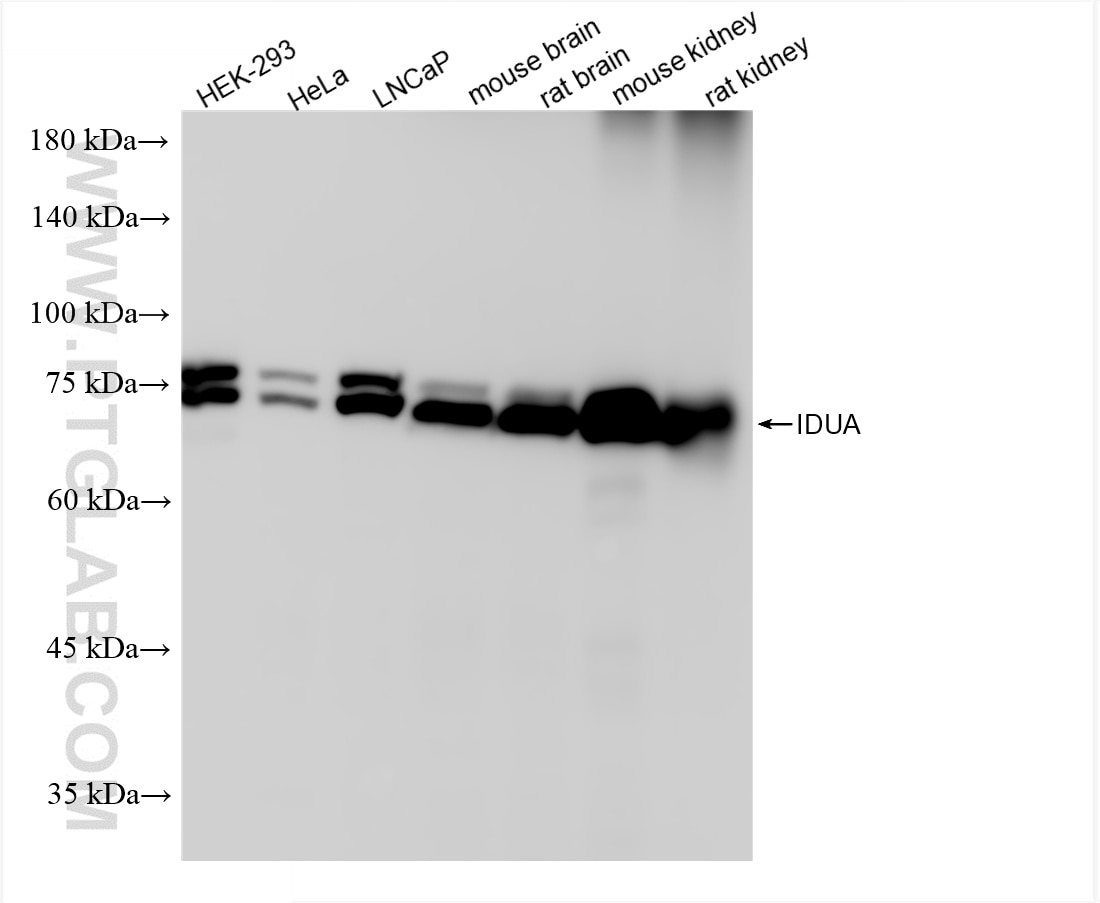
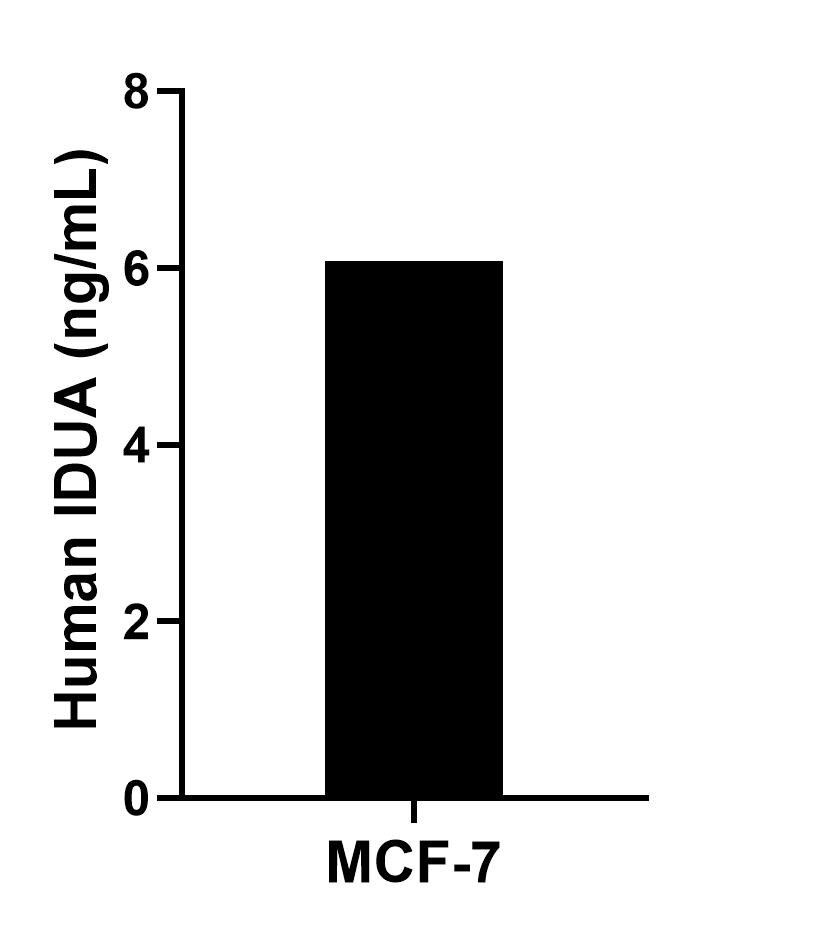
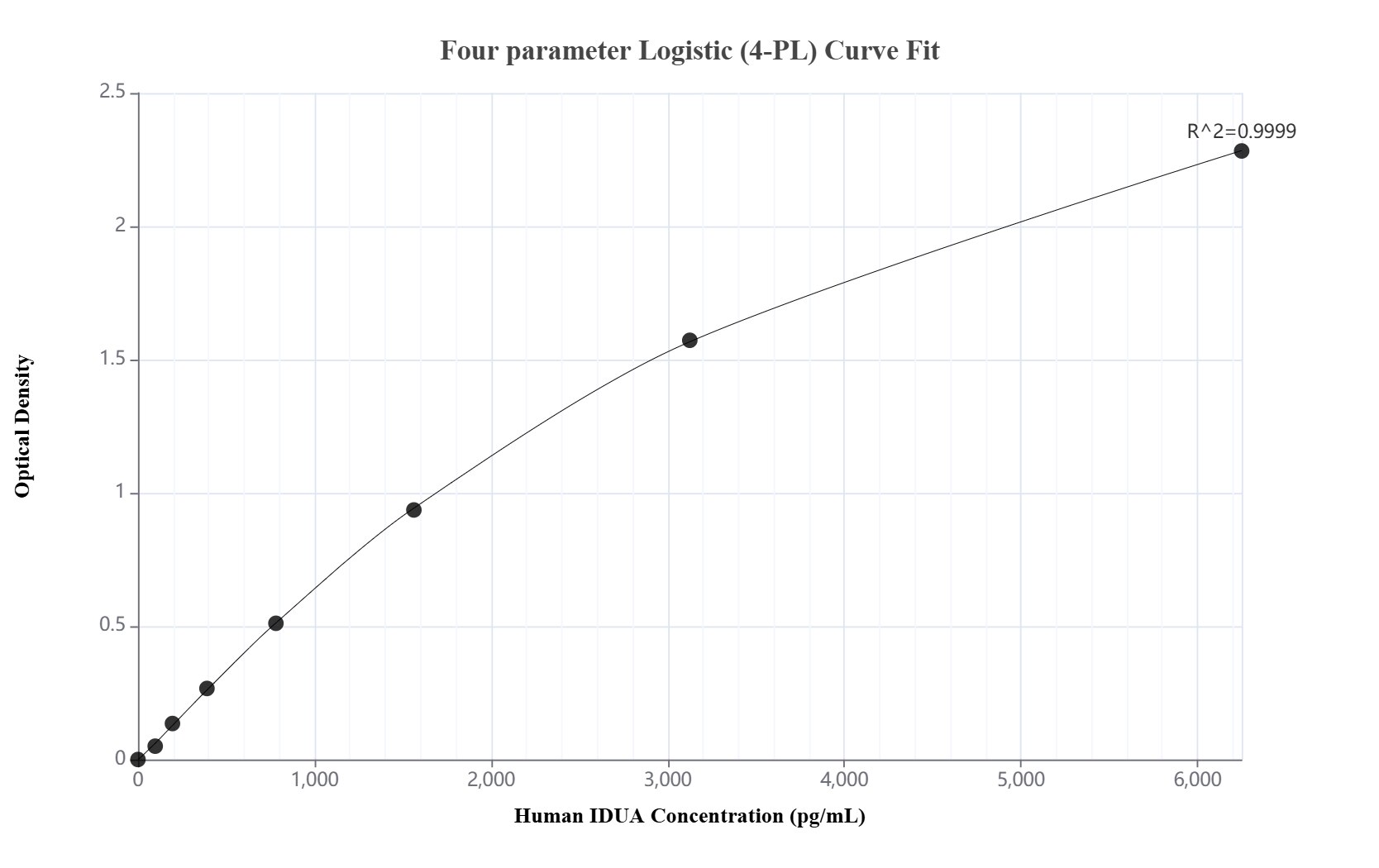
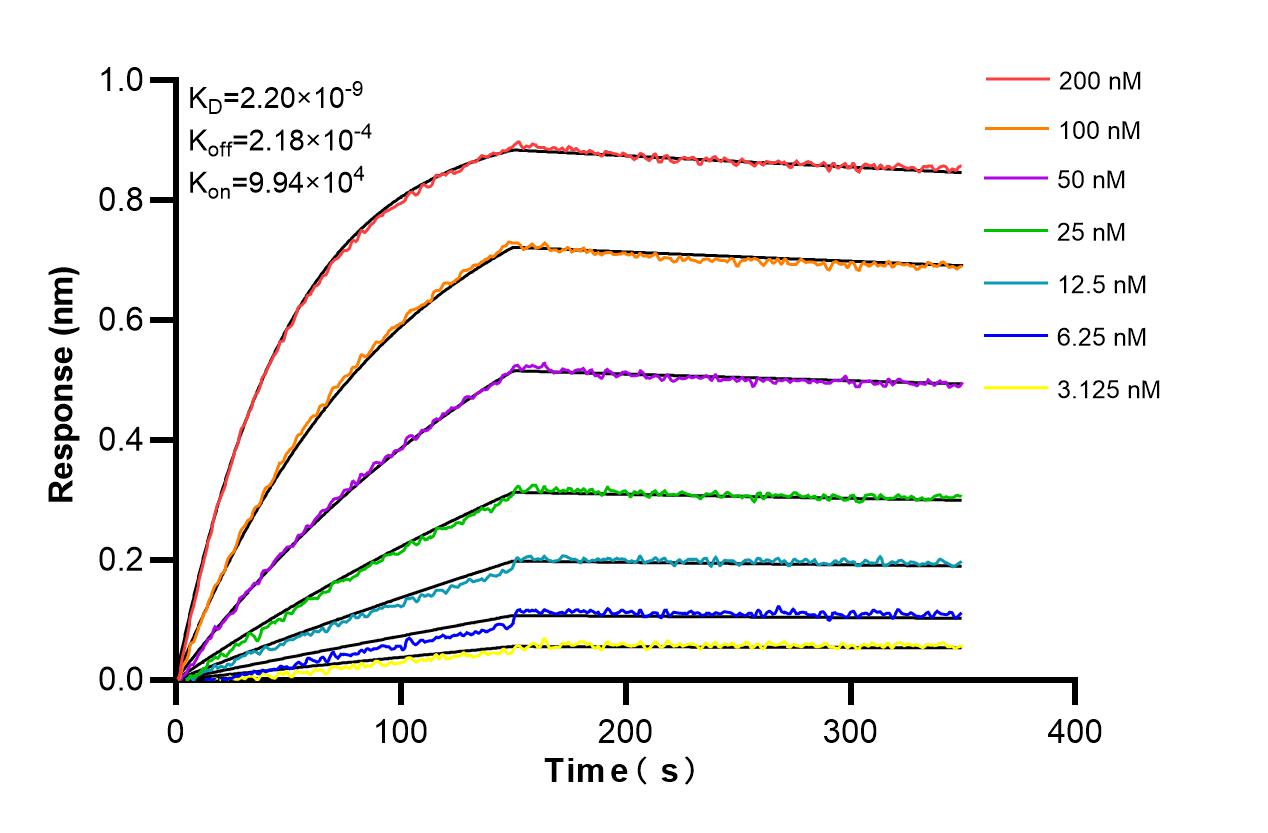
86499-1-PBS bindet in WB, Sandwich ELISA, Indirect ELISA IDUA und zeigt Reaktivität mit human, Maus, Ratten
| Getestete Reaktivität | human, Maus, Ratte |
| Wirt / Isotyp | Kaninchen / IgG |
| Klonalität | Rekombinant |
| Typ | Antikörper |
| Immunogen | IDUA fusion protein Ag30658 |
| Vollständiger Name | iduronidase, alpha-L- |
| Berechnetes Molekulargewicht | 73 kDa |
| Beobachtetes Molekulargewicht | 73-75 kDa |
| GenBank-Zugangsnummer | NM_000203 |
| Gene symbol | IDUA |
| Gene ID (NCBI) | 3425 |
| Konjugation | Unkonjugiert |
| Form | Liquid |
| Reinigungsmethode | Protein-A-Reinigung |
| Lagerungspuffer | PBS only |
| Lagerungsbedingungen | Store at -80°C. 20ul Größen enthalten 0,1% BSA. |
Hintergrundinformationen
Iduronidase (L-iduronidase, alpha-L-iduronidase, laronidase) is an enzyme with the systematic name glycosaminoglycan alpha-L-iduronohydrolase. This enzyme catalyzes the hydrolysis of unsulfated alpha-L-iduronosidic linkages in dermatan sulfate. It is a glycoprotein enzyme found in the lysosomes of cells. It is involved in the degeneration of glycosaminoglycans such as dermatan sulfate and heparan sulfate. The enzyme acts by hydrolyzing the terminal alpha-L-iduronic acid residues of these molecules, degrading them (PMID: 4993544,30407). A deficiency in the IDUA protein is associated with mucopolysaccharidoses (MPS). MPS, a type of lysosomal storage disease, is typed I through VII. In this syndrome, glycosaminoglycans accumulate in the lysosomes and cause substantial disease in many different tissues of the body. IDUA mutations result in the MPS 1 phenotype, which is inherited in an autosomal recessive fashion. The defective alpha-L-iduronidase results in an accumulation of heparan and dermatan sulfate within phagocytes, endothelium, smooth muscle cells, neurons, and fibroblasts. Prenatal diagnosis of this enzyme deficiency is possible (PMID:8242073).


