- Featured Product
- KD/KO Validated
MN1 Polyklonaler Antikörper
MN1 Polyklonal Antikörper für WB, IHC, Indirect ELISA
Wirt / Isotyp
Kaninchen / IgG
Getestete Reaktivität
human
Anwendung
WB, IHC, Indirect ELISA
Konjugation
Unkonjugiert
Kat-Nr. : 24697-1-PBS
Synonyme
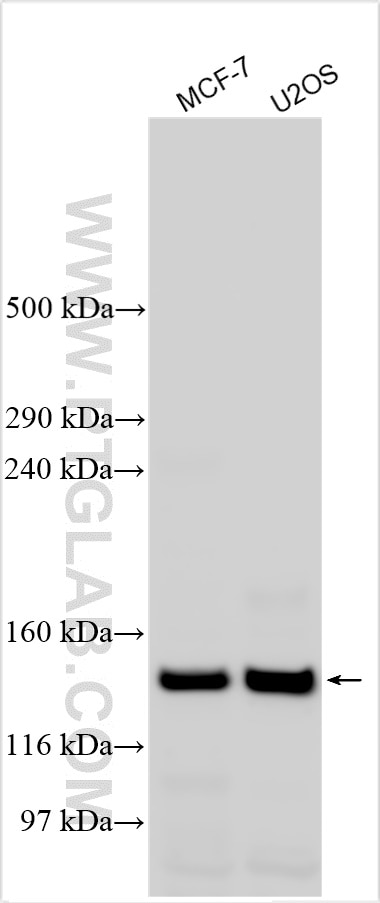
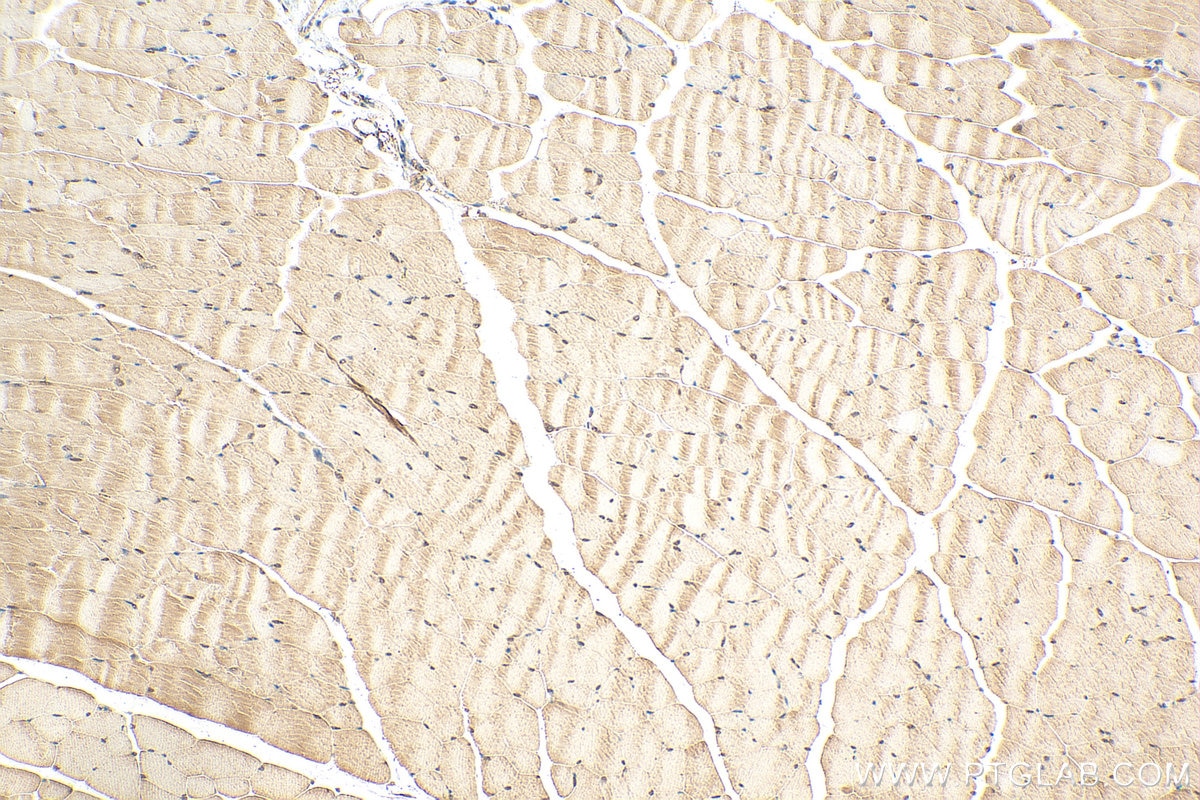

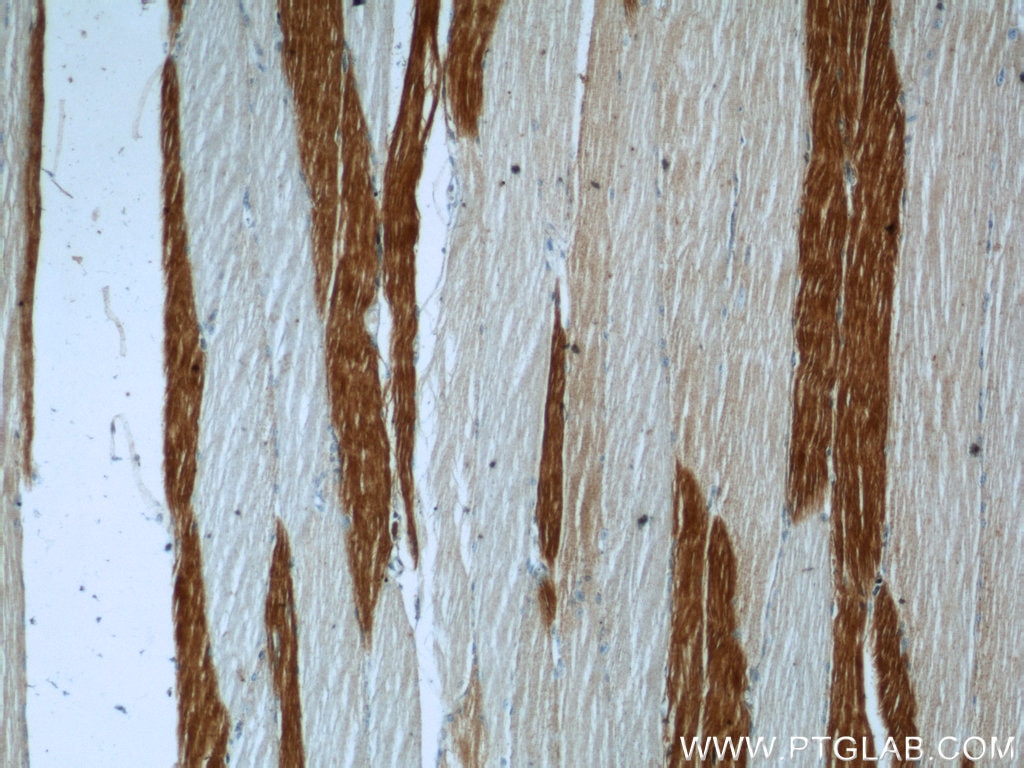
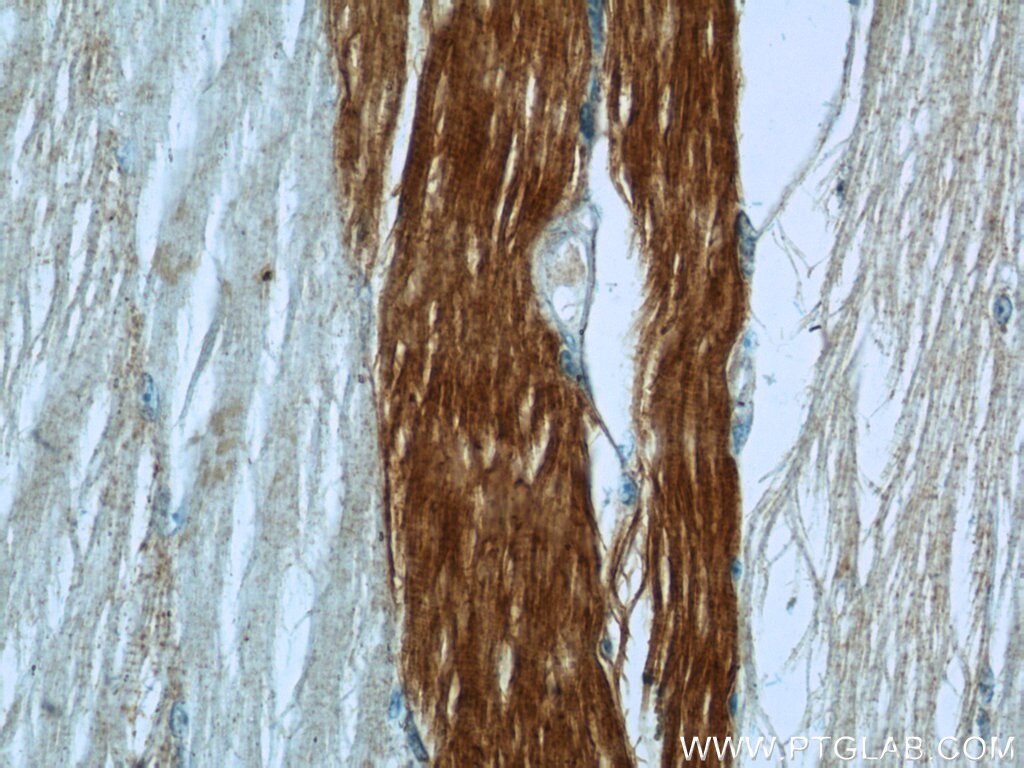
Geprüfte Anwendungen
Produktinformation
24697-1-PBS bindet in WB, IHC, Indirect ELISA MN1 und zeigt Reaktivität mit human
| Getestete Reaktivität | human |
| Wirt / Isotyp | Kaninchen / IgG |
| Klonalität | Polyklonal |
| Typ | Antikörper |
| Immunogen | MN1 fusion protein Ag20344 |
| Vollständiger Name | meningioma (disrupted in balanced translocation) 1 |
| Berechnetes Molekulargewicht | 1320 aa, 136 kDa |
| Beobachtetes Molekulargewicht | 136 kDa |
| GenBank-Zugangsnummer | BC156879 |
| Gene symbol | MN1 |
| Gene ID (NCBI) | 4330 |
| Konjugation | Unkonjugiert |
| Form | Liquid |
| Reinigungsmethode | Antigen-Affinitätsreinigung |
| Lagerungspuffer | PBS only |
| Lagerungsbedingungen | Store at -80°C. 20ul Größen enthalten 0,1% BSA. |
Hintergrundinformationen
MN1 (Transcriptional activator MN1), which is mainly located in nucleus. Highest expression is observed in fetal brain and skeletal muscle, and adult skeletal muscle. MN1 protein can interact with Brg1/Brm related factor (BAF) complex containing Smarca4/Brg1 and stabilize it on chromatin, thus maintaining the expression of hematopoietic progenitor cell-like genes. Under normal physiological conditions, MN1 protein is mainly expressed in granulocyte monocyte progenitor cells (GMP) in hematopoietic system, which plays an important role in the development and function of hematopoietic cells, and it is involved in regulating cell proliferation, differentiation, apoptosis and embryonic development. MN1 protein is related to many diseases, especially in leukemia (PMID: 23049943). MN1 gene rearrangements such as t(12; 22)(p13; Q11) can produce MN1-TEL fusion protein, which combines the transcriptional activation domain of MN1 and the DNA binding domain of TEL(ETV6), and can stably occupy the TEL recognition sequence, hindering the combination of normal transcription regulatory factors, thus leading to leukemia. Overexpression of MN1 gene has also been proved to be one of the signs of poor prognosis in patients with acute myeloid leukemia (AML), and its expression level is high in AML patients with normal karyotype. The molecular weight of MN1 is 136 kDa.


