

Tested Applications
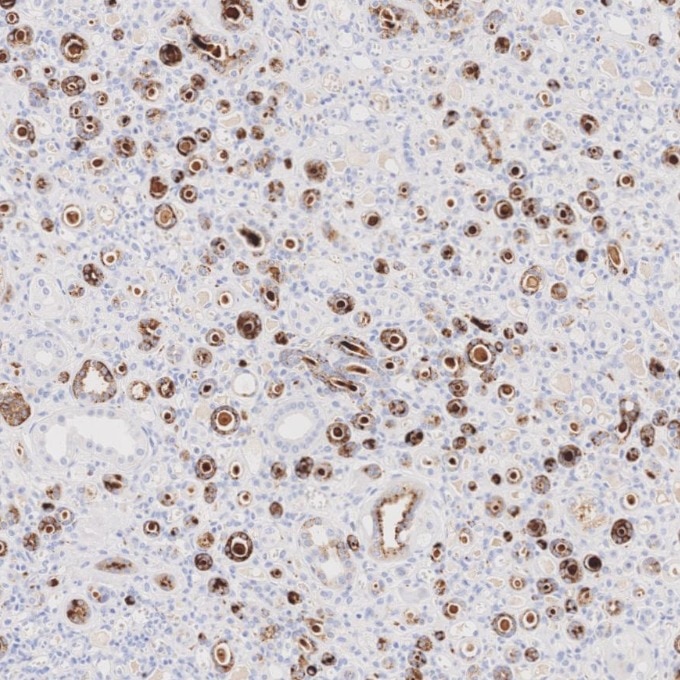
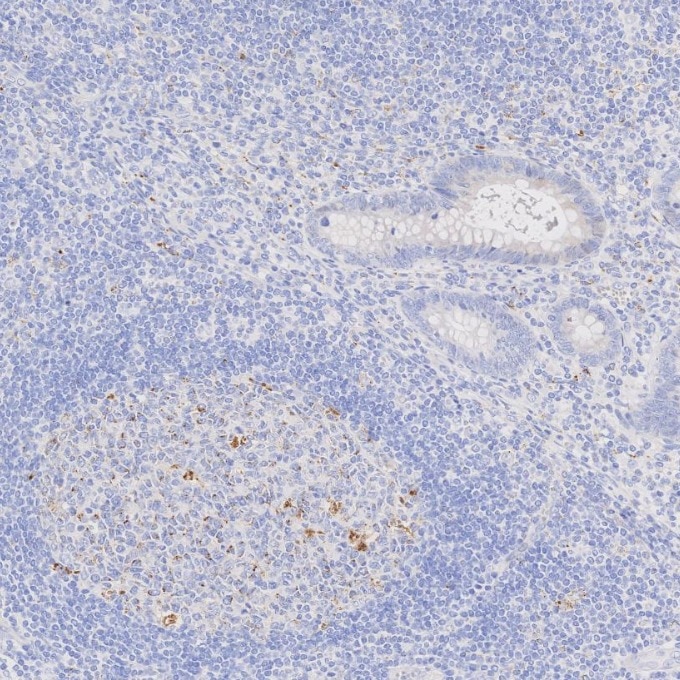
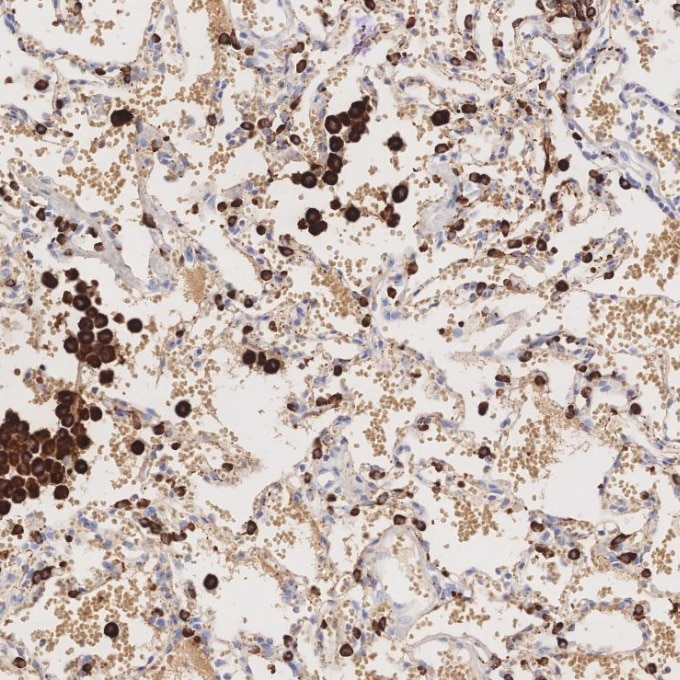
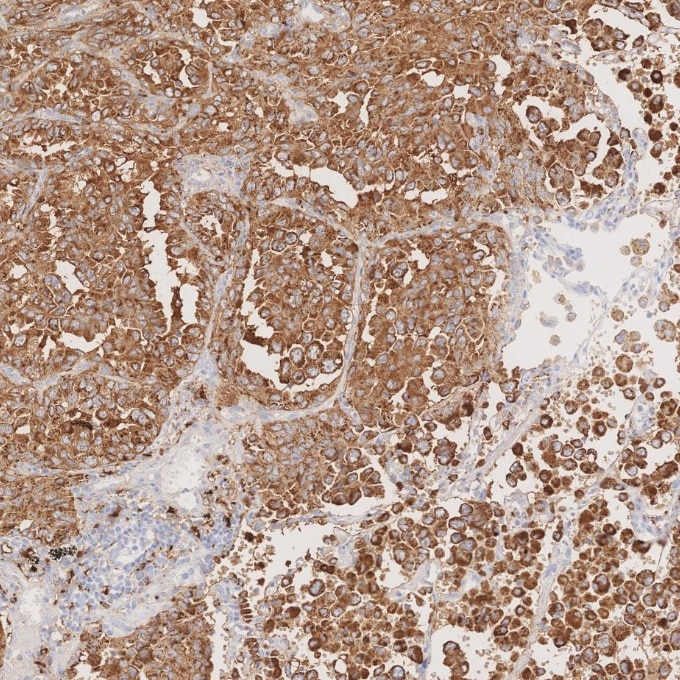
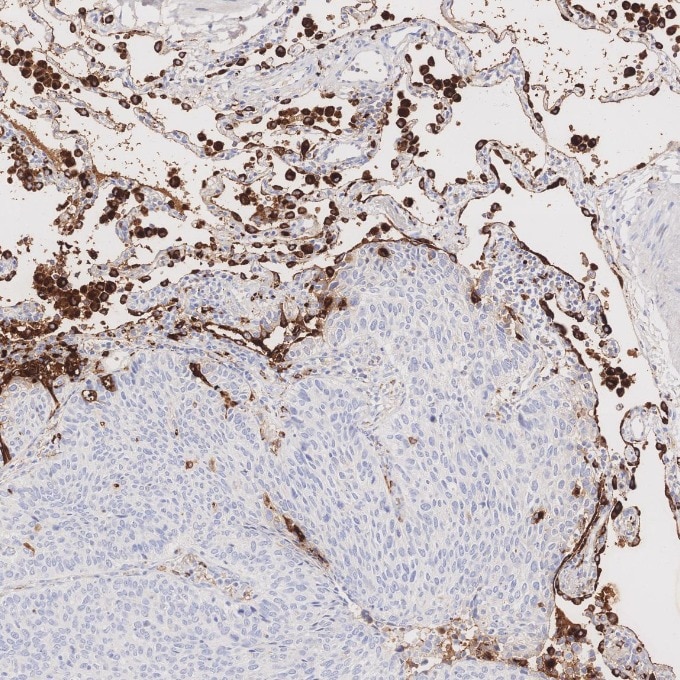
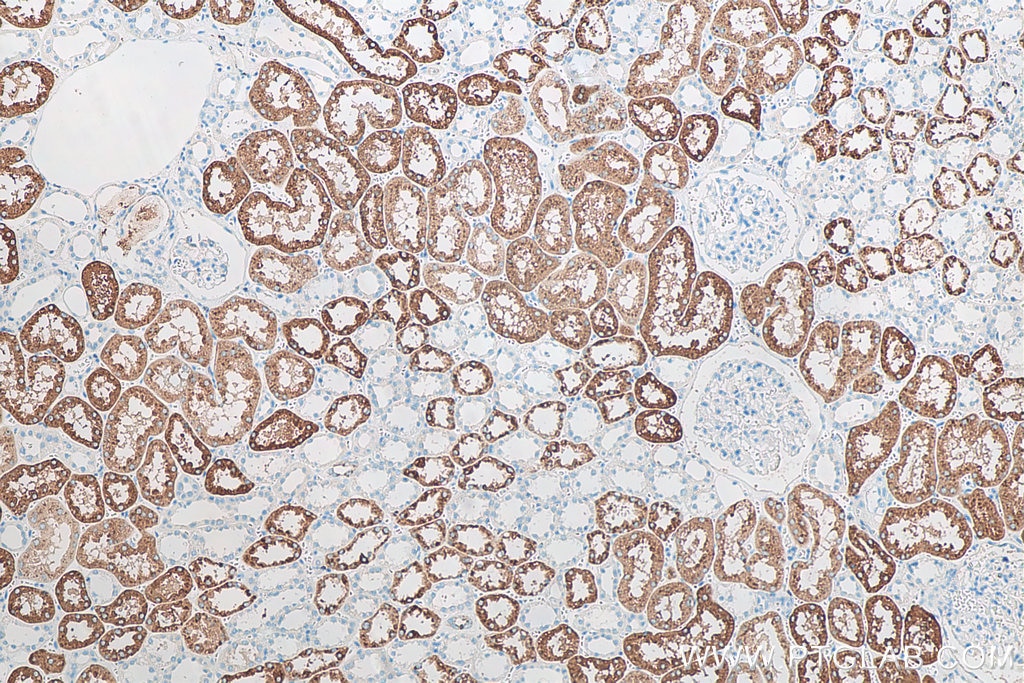
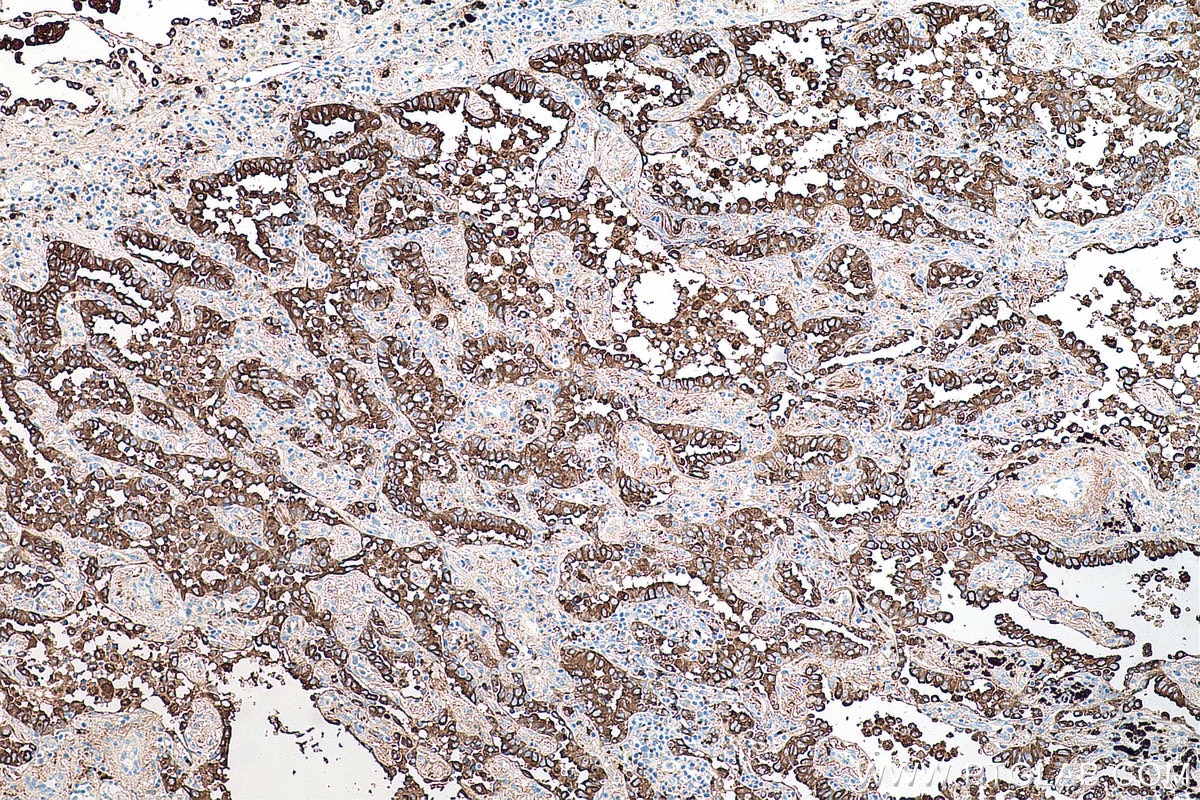
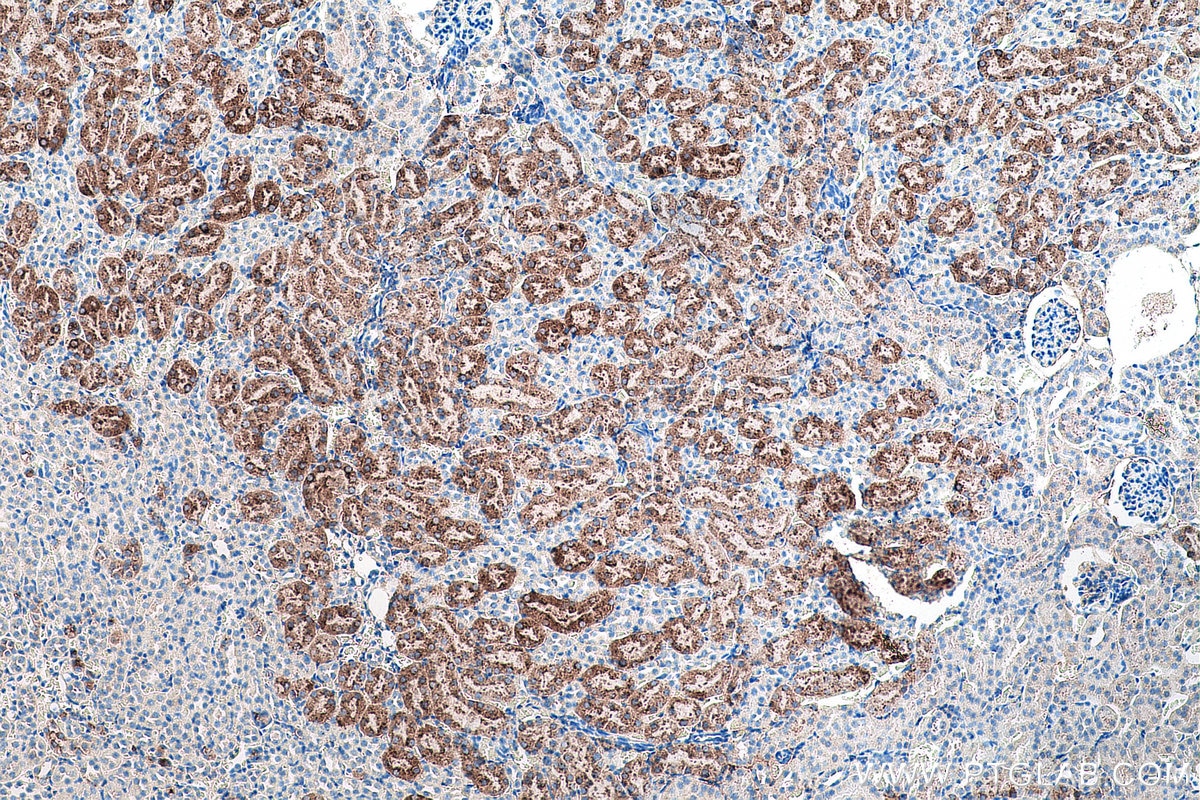
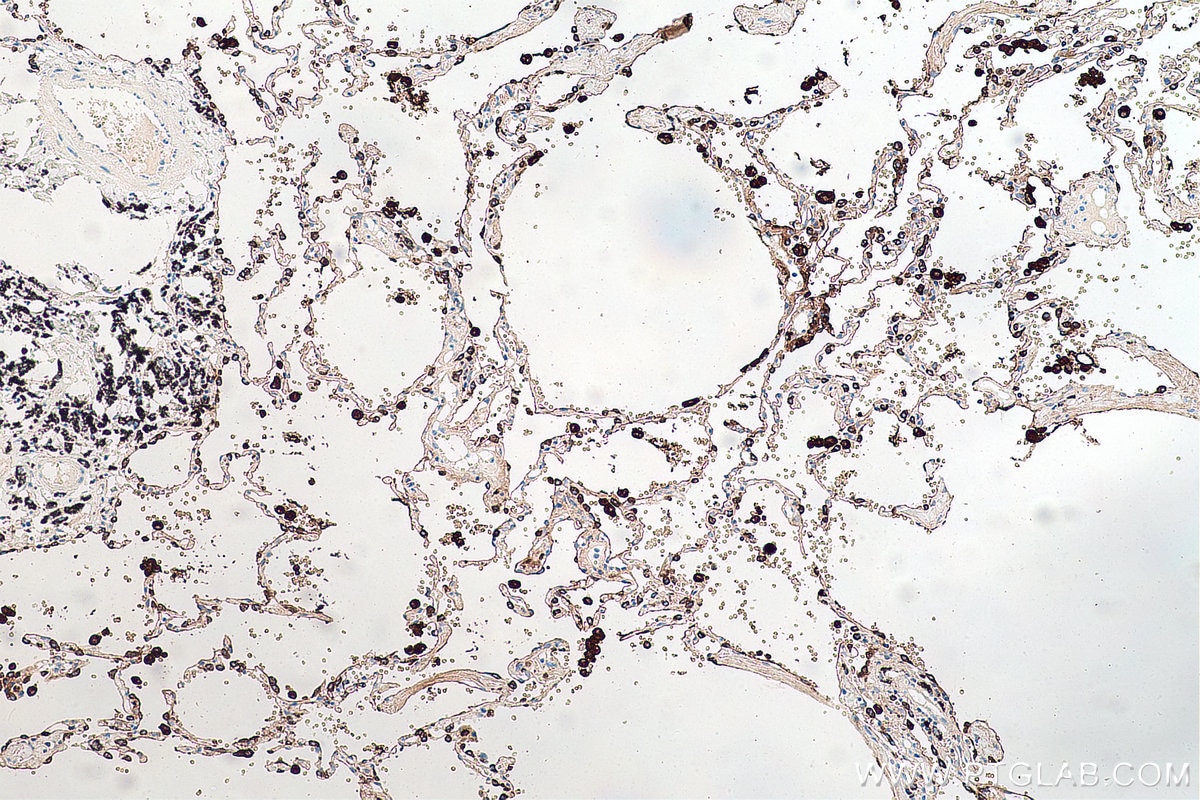
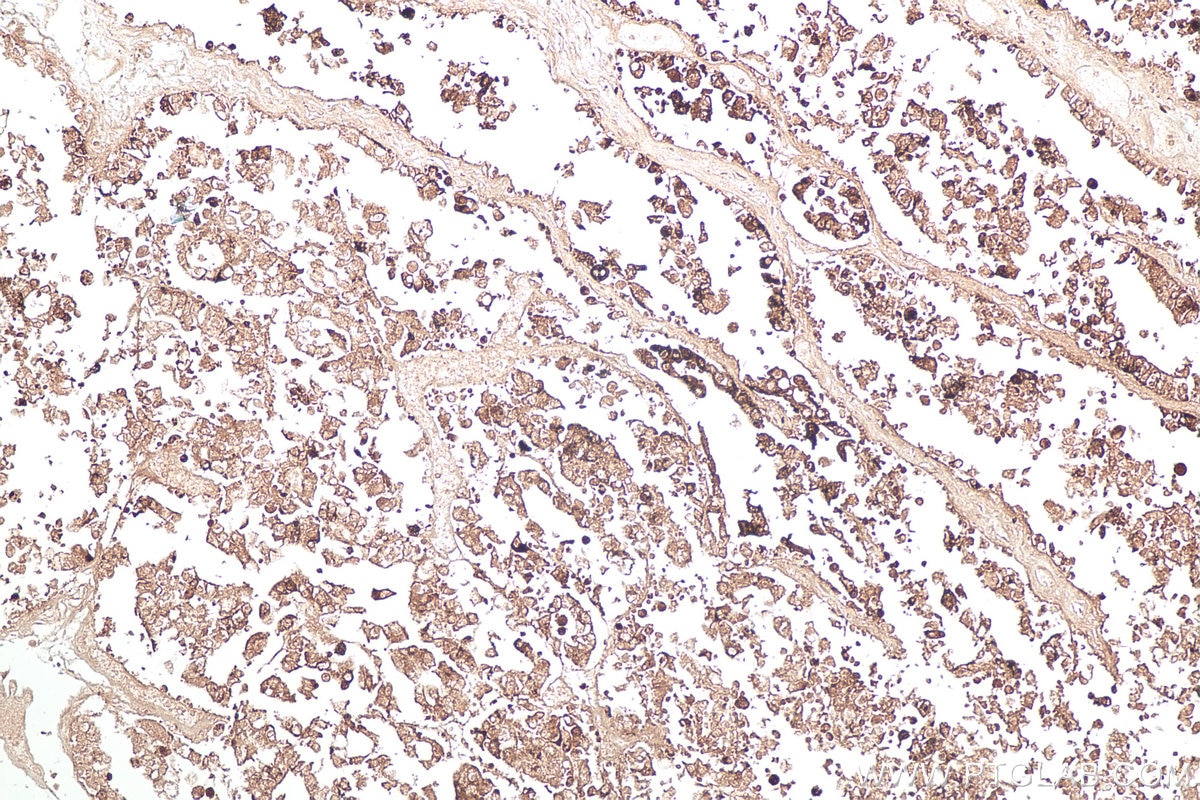
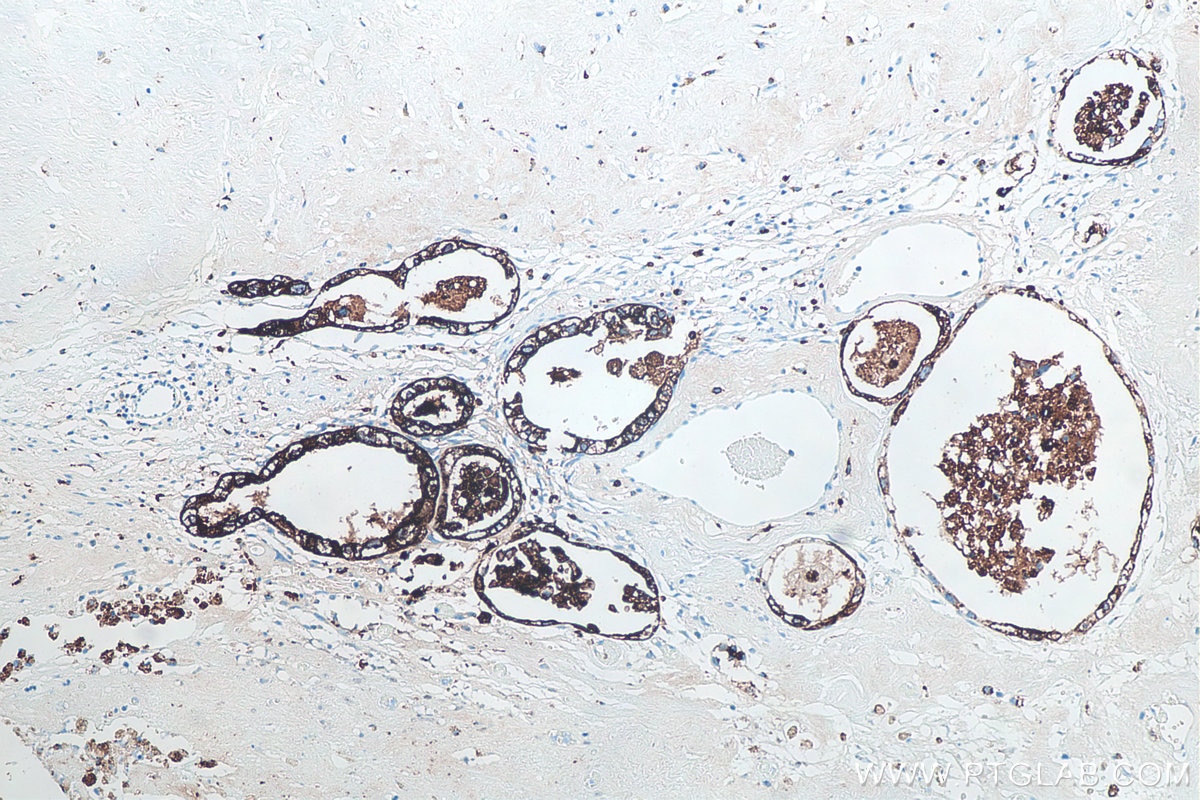
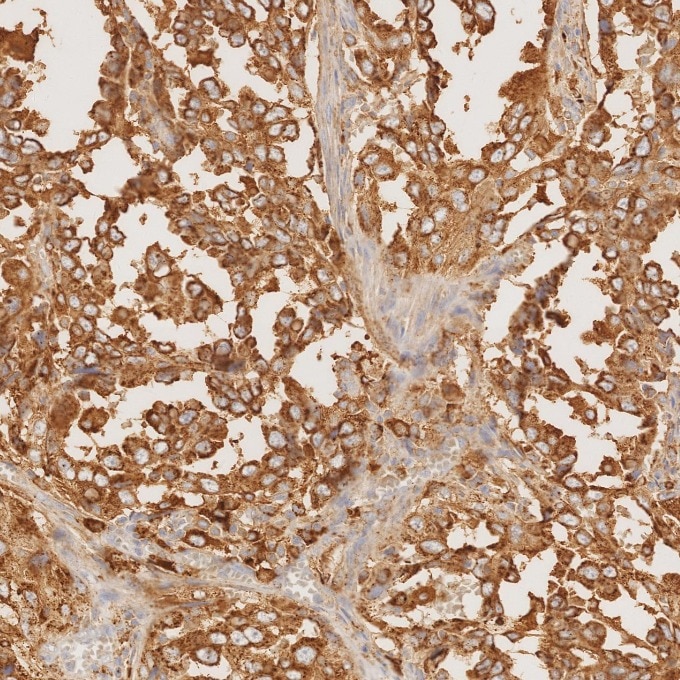
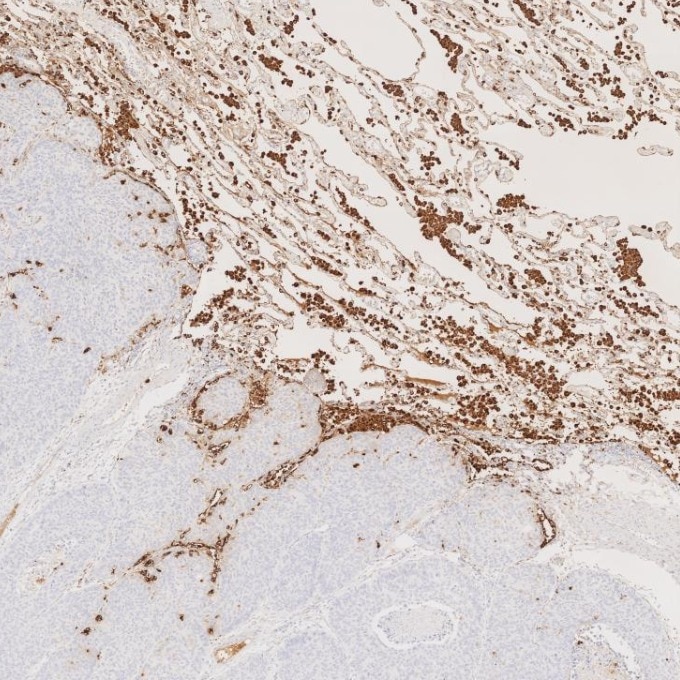
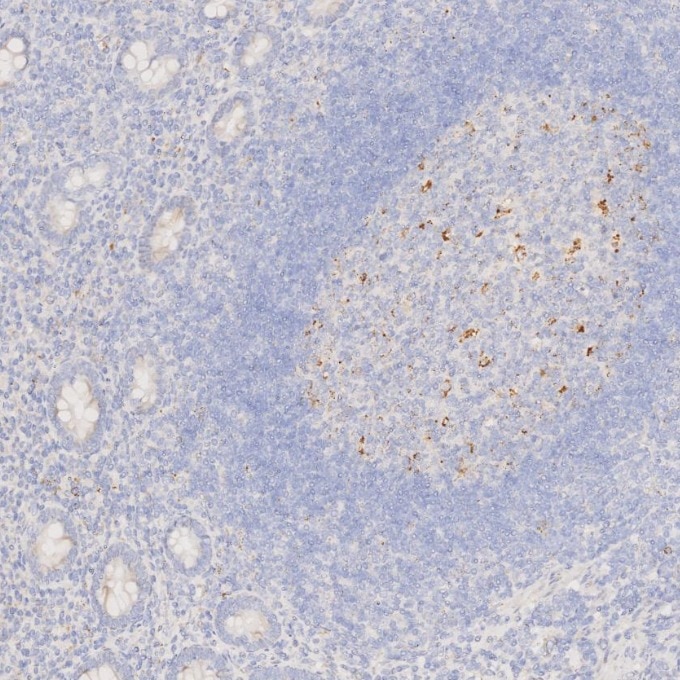
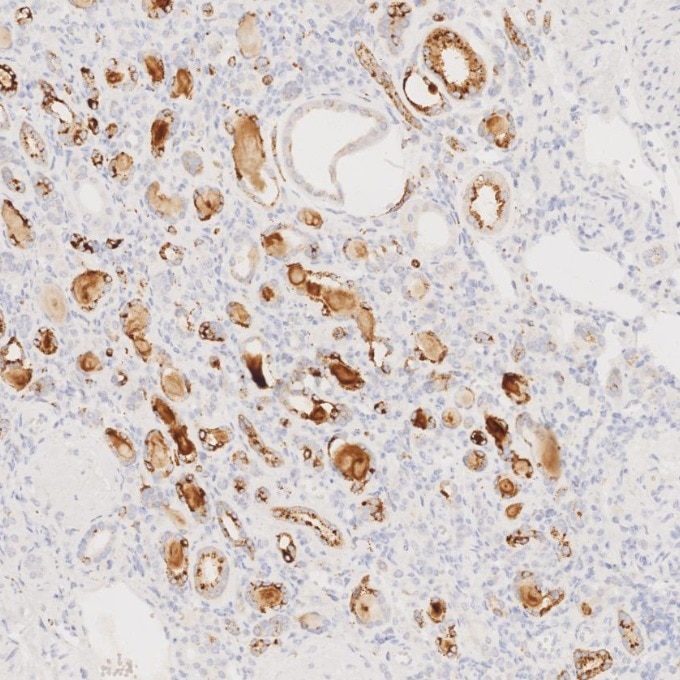
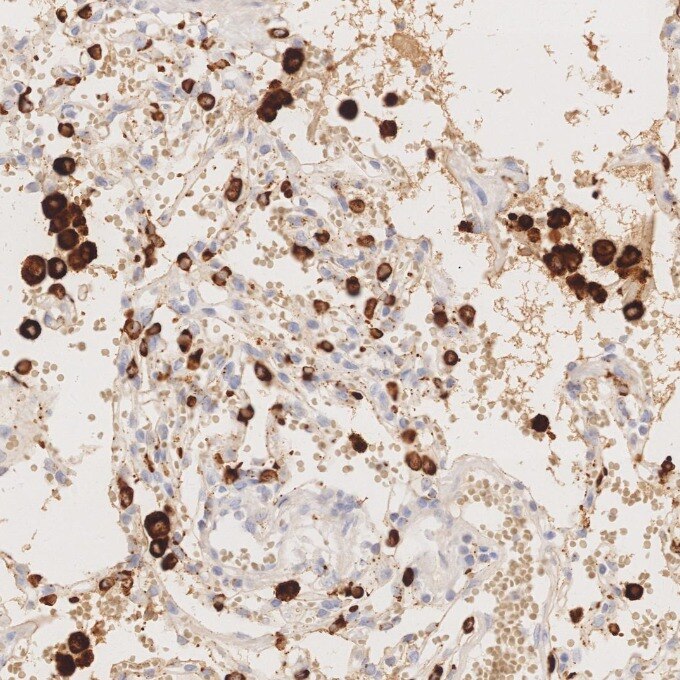
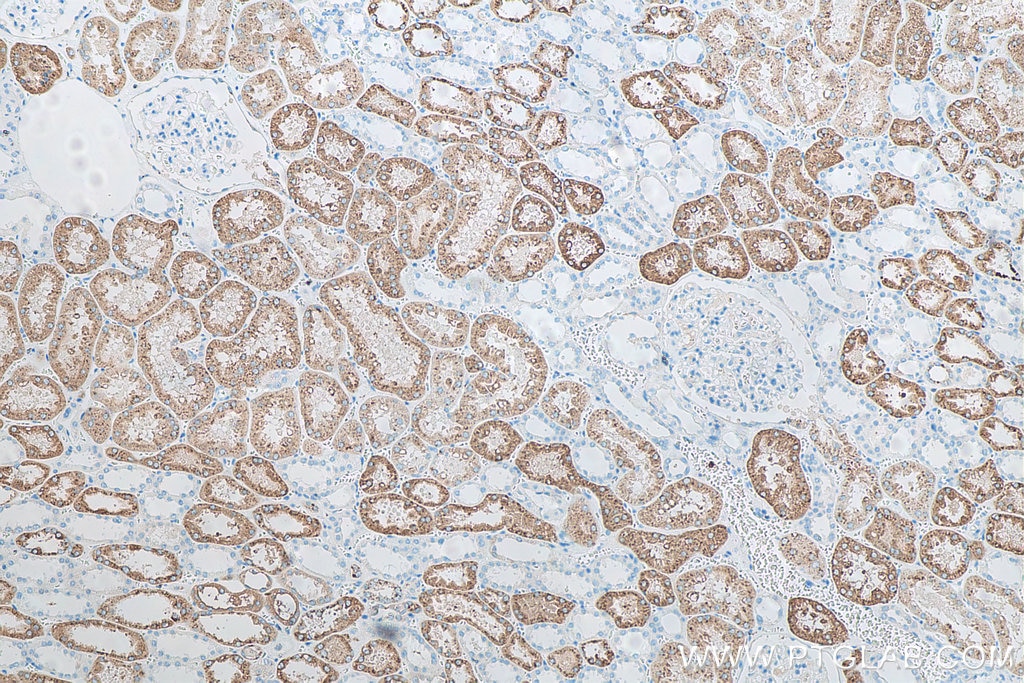
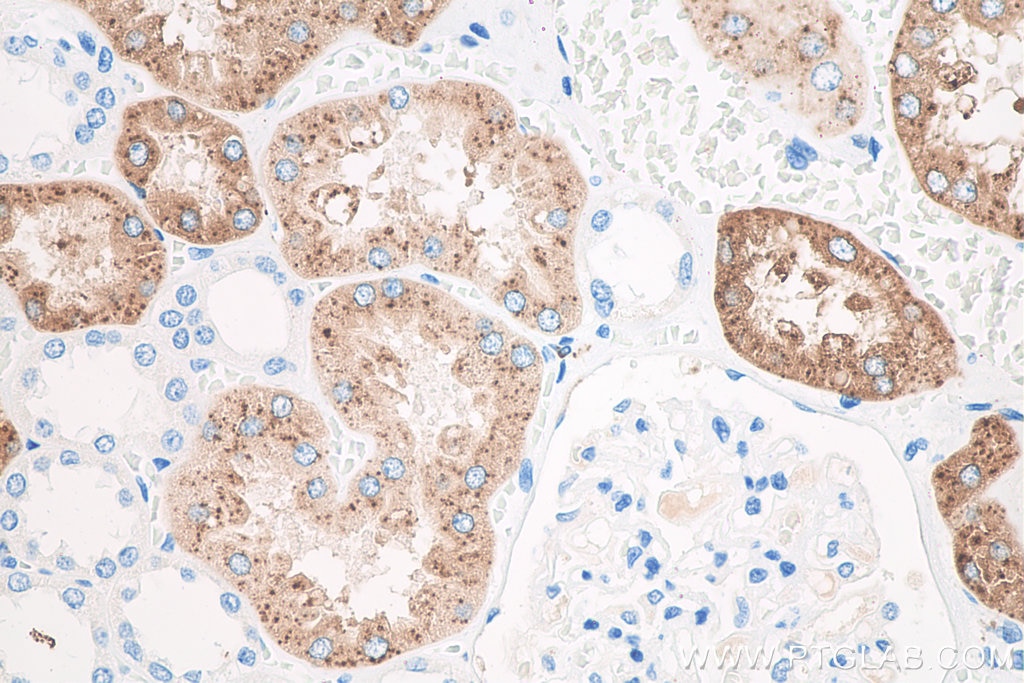
| Positive IHC-Autostainer detected in | human lung cancer tissue, human lung tissue, human appendicitis tissue, human kidney tissue |
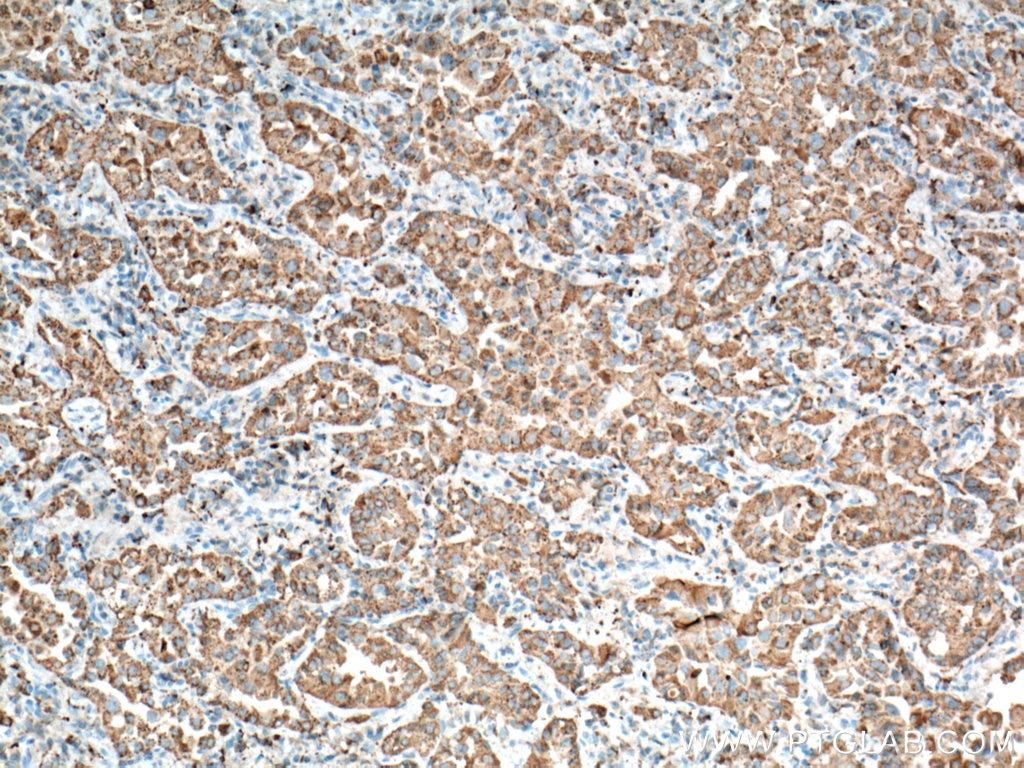
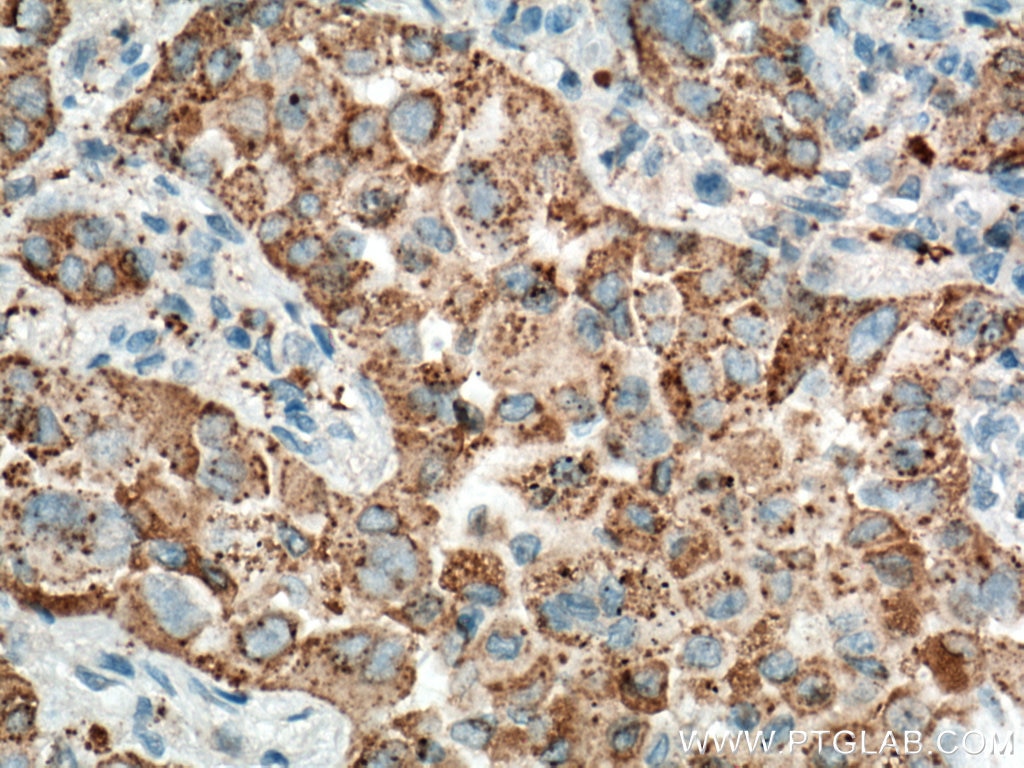
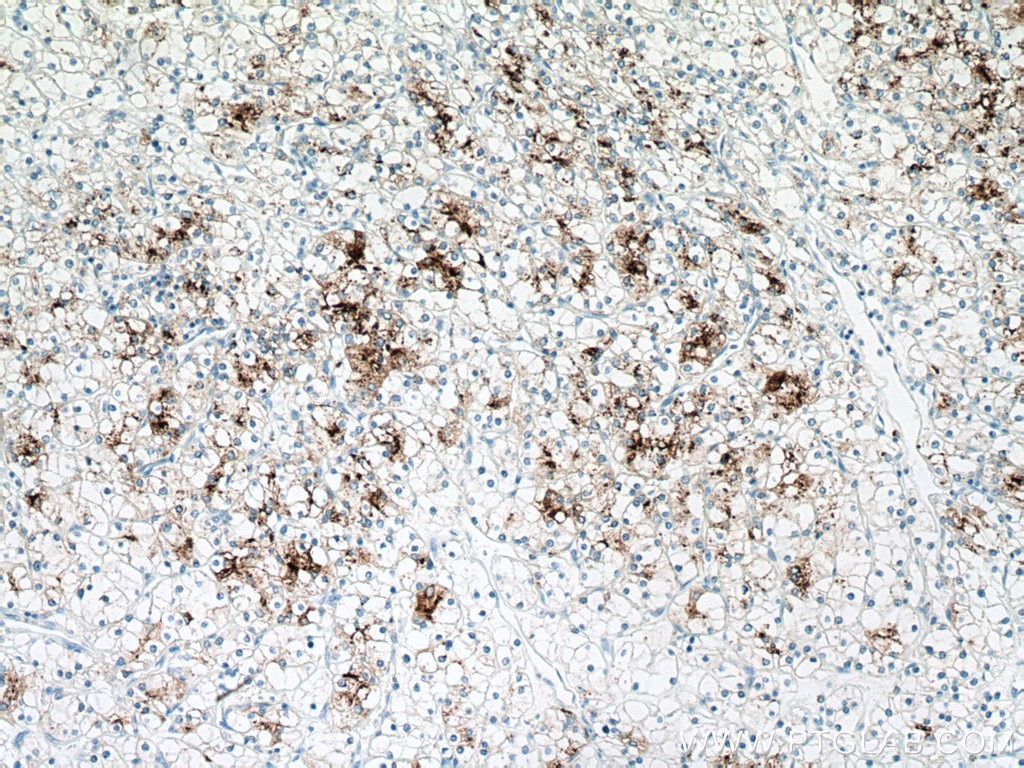
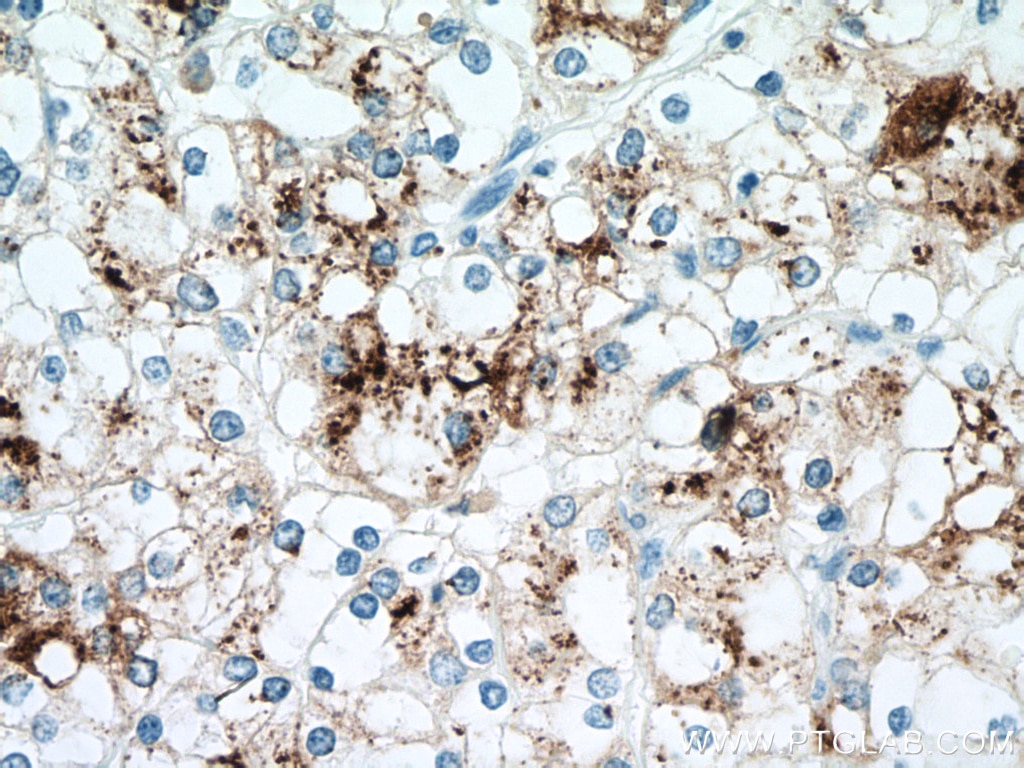
| Positive IHC detected in | human lung cancer tissue, human ovary tumor tissue, human kidney tissue, mouse kidney tissue, human appendicitis tissue, human lung tissue, human renal cell carcinoma tissue Note: suggested antigen retrieval with TE buffer pH 9.0; (*) Alternatively, antigen retrieval may be performed with citrate buffer pH 6.0 |
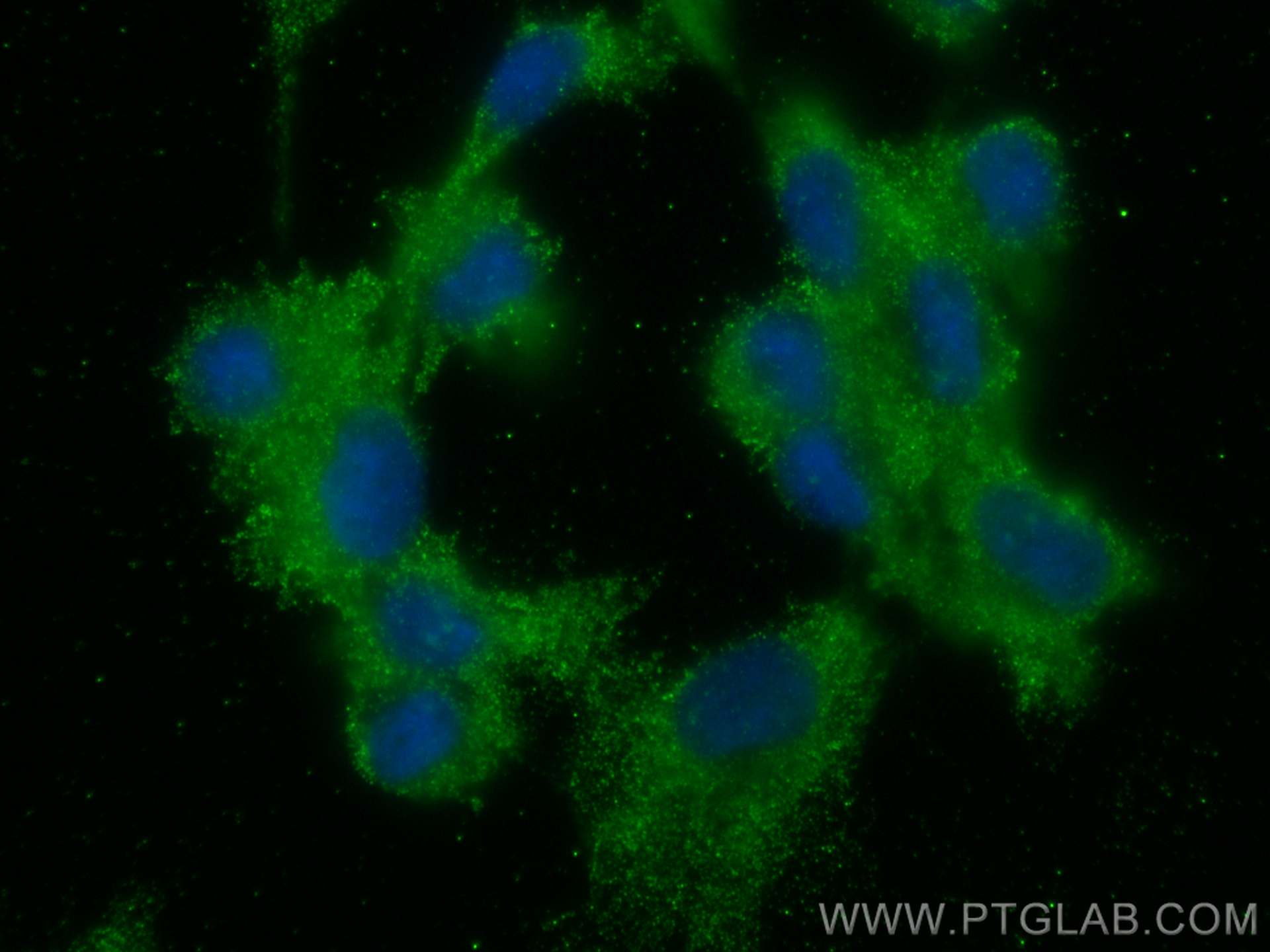
| Positive IF/ICC detected in | HUVEC cells |
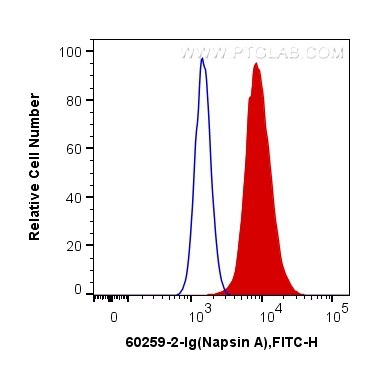
| Positive FC (Intra) detected in | A549 cells |
Recommended dilution
| Application | Dilution |
|---|---|
| Immunohistochemistry (IHC)-AUTOSTAINER | IHC-AUTOSTAINER : 1:5000-1:20000 |
| Immunohistochemistry (IHC) | IHC : 1:10000-1:60000 |
| Immunofluorescence (IF)/ICC | IF/ICC : 1:200-1:800 |
| Flow Cytometry (FC) (INTRA) | FC (INTRA) : 0.20 ug per 10^6 cells in a 100 µl suspension |
| It is recommended that this reagent should be titrated in each testing system to obtain optimal results. | |
| Sample-dependent, Check data in validation data gallery. | |
Product Information
60259-2-Ig targets Napsin A in IHC, IHC-Autostainer, IF/ICC, FC (Intra), ELISA applications and shows reactivity with human samples.
| Tested Reactivity | human |
| Cited Reactivity | human |
| Host / Isotype | Mouse / IgG1 |
| Class | Monoclonal |
| Type | Antibody |
| Immunogen |
CatNo: Ag9721 Product name: Recombinant human NAPSA protein Source: e coli.-derived, PET28a Tag: 6*His Domain: 1-420 aa of BC017842 Sequence: MSPPPLLQPLLLLLPLLNVEPSGATLIRIPLHRVQPGRRTLNLLRGWREPAELPKLGAPSPGDKPIFVPLSNYRDVQYFGEIGLGTPPQNFTVAFDTGSSNLWVPSRRCHFFSVPCWLHHRFDPKASSSFQANGTKFAIQYGTGRVDGILSEDKLTIGGIKGASVIFGEALWEPSLVFAFAHFDGILGLGFPILSVEGVRPPMDVLVEQGLLDKPVFSFYLNRDPEEPDGGELVLGGSDPAHYIPPLTFVPVTVPAYWQIHMERVKVGPGLTLCAKGCAAILDTGTSLITGPTEEIRALHAAIGGIPLLAGEYIILCSEIPKLPAVSFLLGGVWFNLTAHDYVIQTTRNGVRLCLSGFQALDVPPPAGPFWILGDVFLGTYVAVFDRGDMKSSARVGLARARTRGADLGWGETAQAQFPG Predict reactive species |
| Full Name | napsin A aspartic peptidase |
| Calculated Molecular Weight | 420 aa, 45 kDa |
| GenBank Accession Number | BC017842 |
| Gene Symbol | Napsin A |
| Gene ID (NCBI) | 9476 |
| RRID | AB_2881381 |
| Conjugate | Unconjugated |
| Form | Liquid |
| Purification Method | Protein G purification |
| UNIPROT ID | O96009 |
| Storage Buffer | PBS with 0.02% sodium azide and 50% glycerol, pH 7.3. |
| Storage Conditions | Store at -20°C. Stable for one year after shipment. Aliquoting is unnecessary for -20oC storage. 20ul sizes contain 0.1% BSA. |
Background Information
Napsin is found in two isoforms, napsin A and B, with highly homologous nucleotide sequences (91.2%). Napsin A appears to be a functional proteinase, predominantly expressed in lung and kidney. Napsin B is transcribed exclusively in cells related to the immune system and lacks an in-frame stop codon and is believed to be a pseudogene.(PMID:12698189). Napsin A is superior to TTF-1 in distinguishing primary lung ACA from other carcinomas (except kidney), particularly primary lung small cell carcinoma, and primary thyroid carcinoma.(PMID:22288963).
Protocols
| Product Specific Protocols | |
|---|---|
| FC protocol for Napsin A antibody 60259-2-Ig | Download protocol |
| IF protocol for Napsin A antibody 60259-2-Ig | Download protocol |
| IHC protocol for Napsin A antibody 60259-2-Ig | Download protocol |
| Standard Protocols | |
|---|---|
| Click here to view our Standard Protocols |
Publications
What published studies show
The Napsin A Monoclonal antibody (1H7F2), catalog number 60259-2-Ig, has 6 citations. These appear in Drug Resist Updat, Nat Commun, Acta Biomater, Biomater Res, Br J Cancer, and Respir Res. The associated research fields span ovarian cancer organoids, tumor immune escape, cancer stem cell biology, endometrial cancer invasion, and lung adenocarcinoma progression, with applications primarily in IHC and IF.
| Species | Application | Title |
|---|---|---|
Drug Resist Updat Patient-derived ovarian cancer organoids as platforms for predicting platinum resistance and screening tumor stem cell inhibitors. | ||
Nat Commun Cancer cell-expressed BTNL2 facilitates tumour immune escape via engagement with IL-17A-producing γδ T cells. | ||
Acta Biomater Biomechanical profiles and molecular regulation of clinical cancer stem cells and tumor cells: Implications for tumorigenicity and metastasis of lung cancer. | ||
Biomater Res Engineered Endometrial Clear Cell Cancer-on-a-Chip Reveals Early Invasion-Metastasis Cascade of Cancer Cells | ||
Br J Cancer Novel transcription factor zinc finger 514 suppresses lung adenocarcinoma progression and enhances cisplatin sensitivity via transcriptional repression of COL1A1. | ||
Respir Res CALU promotes lung adenocarcinoma progression by enhancing cell proliferation, migration and invasion |

























