NRAS Rekombinanter Antikörper
NRAS Rekombinant Antikörper für WB, IHC, Indirect ELISA
Wirt / Isotyp
Kaninchen / IgG
Getestete Reaktivität
human, Maus, Ratte
Anwendung
WB, IHC, Indirect ELISA
Konjugation
Unkonjugiert
CloneNo.
242810G11
Kat-Nr. : 83815-2-PBS
Synonyme
Geprüfte Anwendungen
Produktinformation
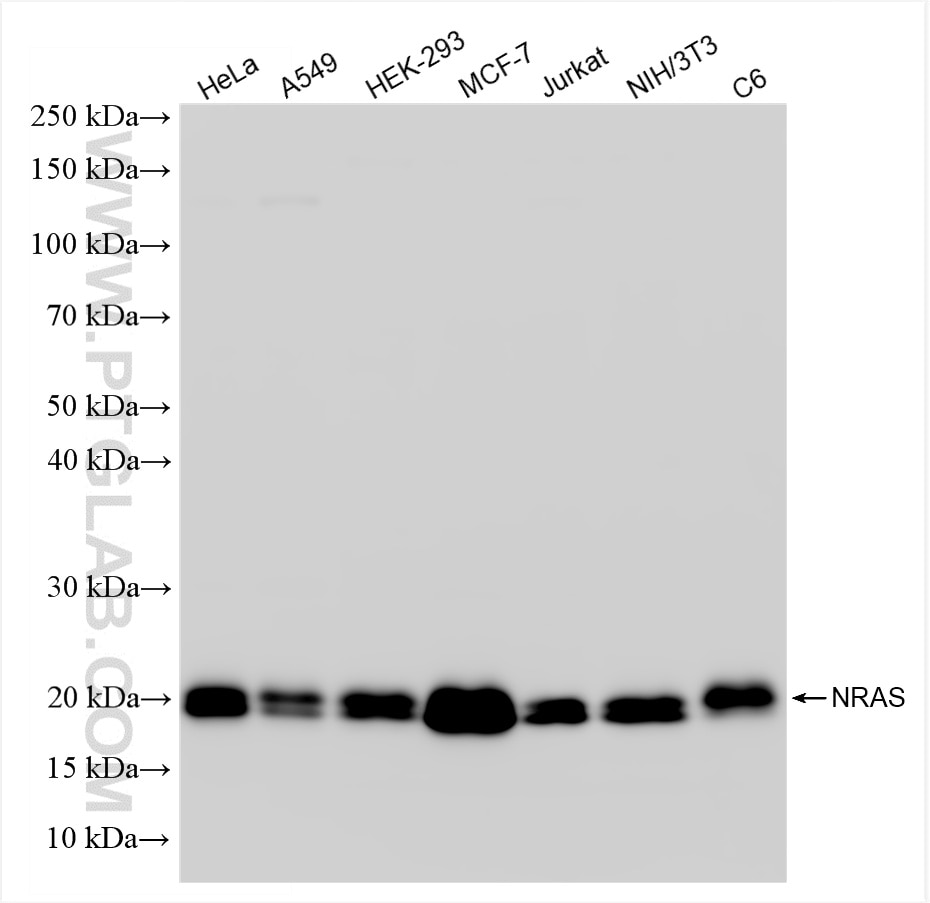
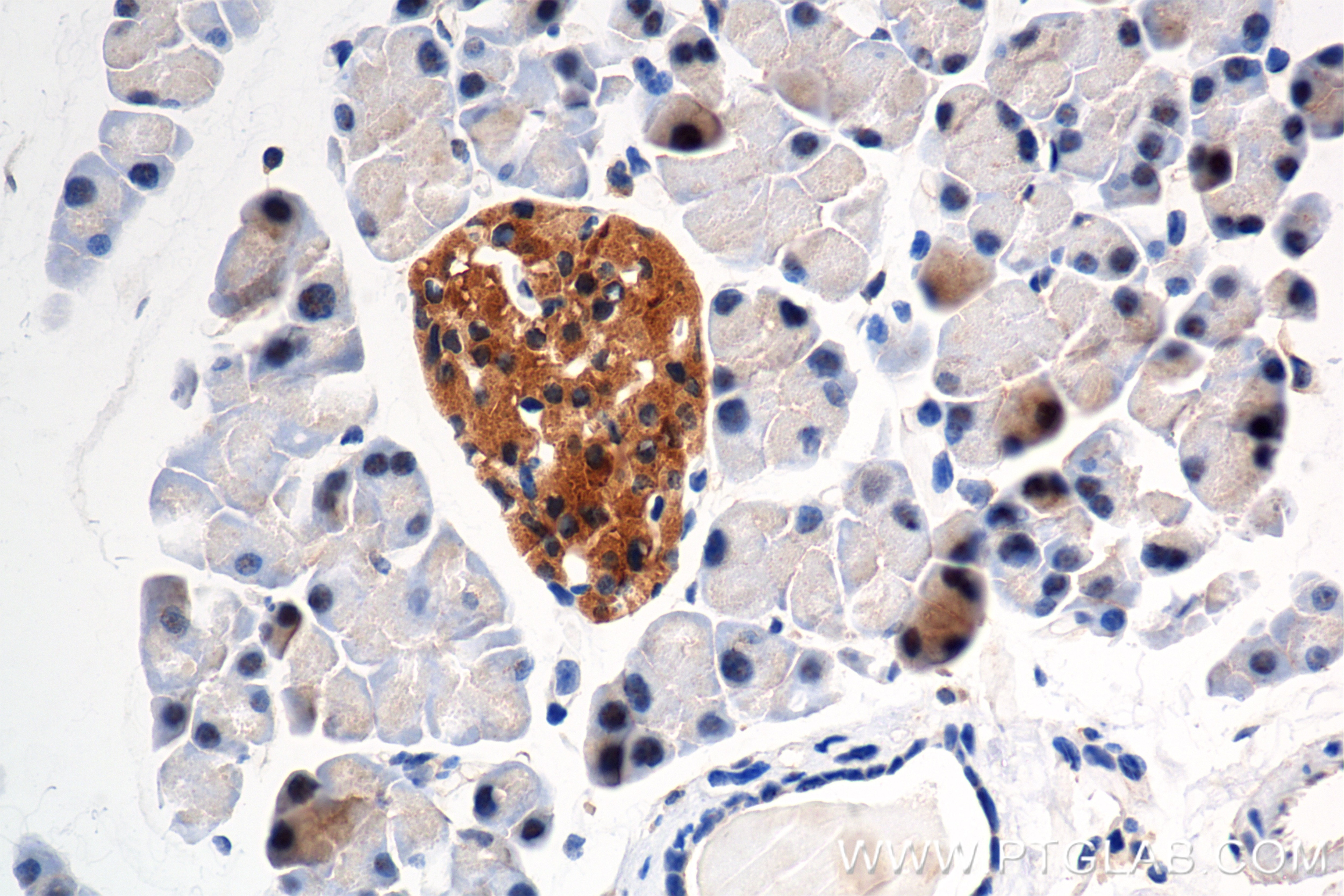
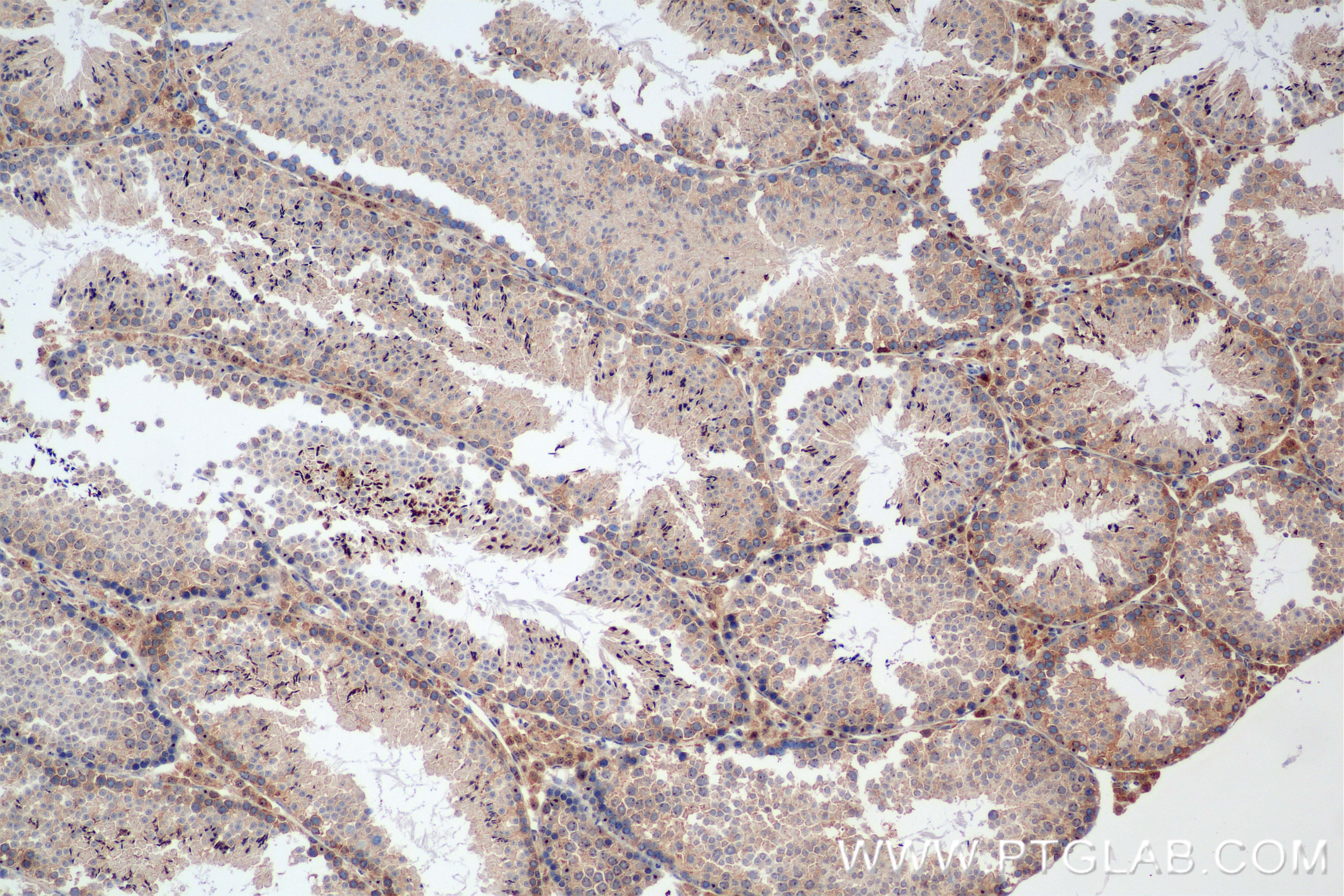
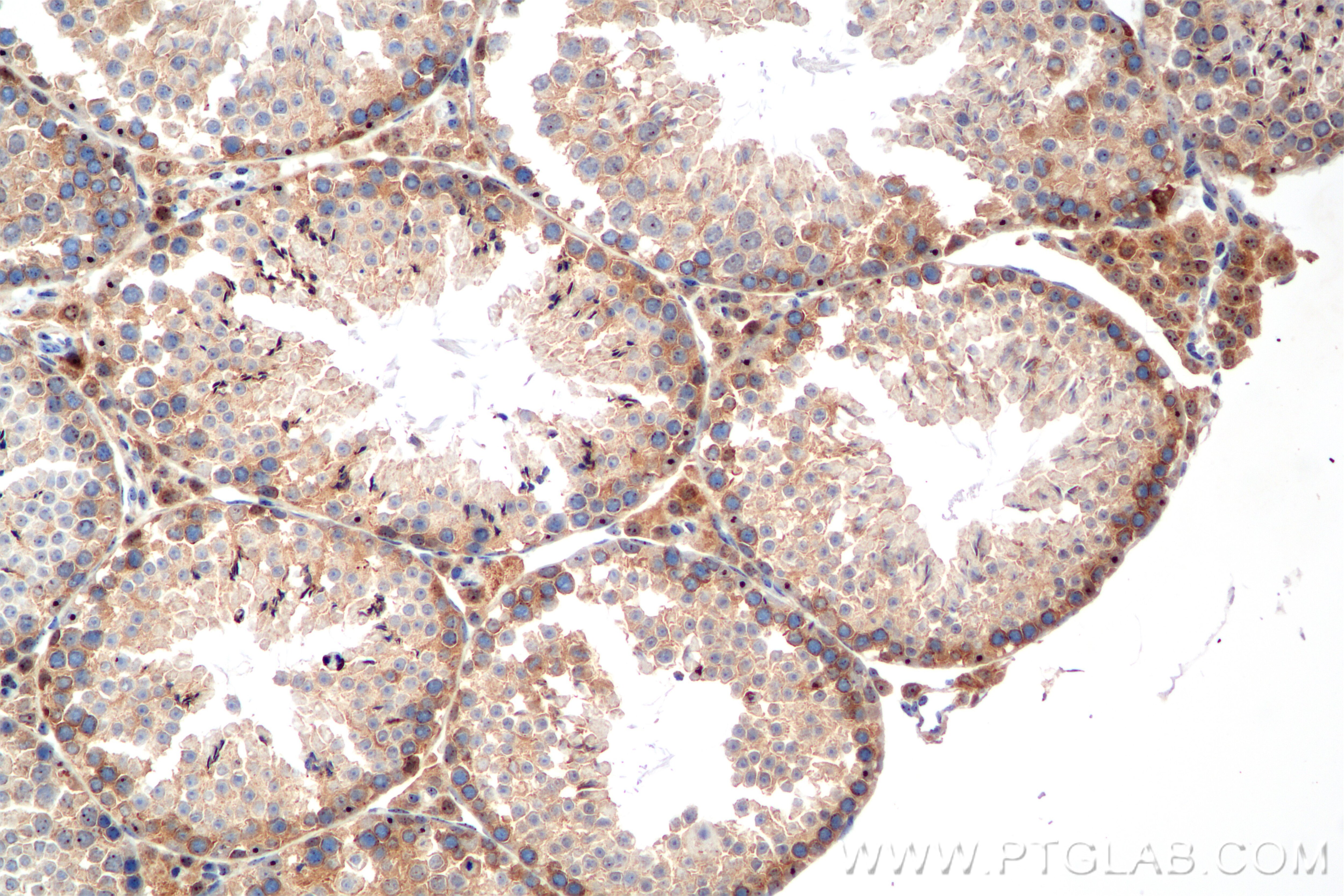
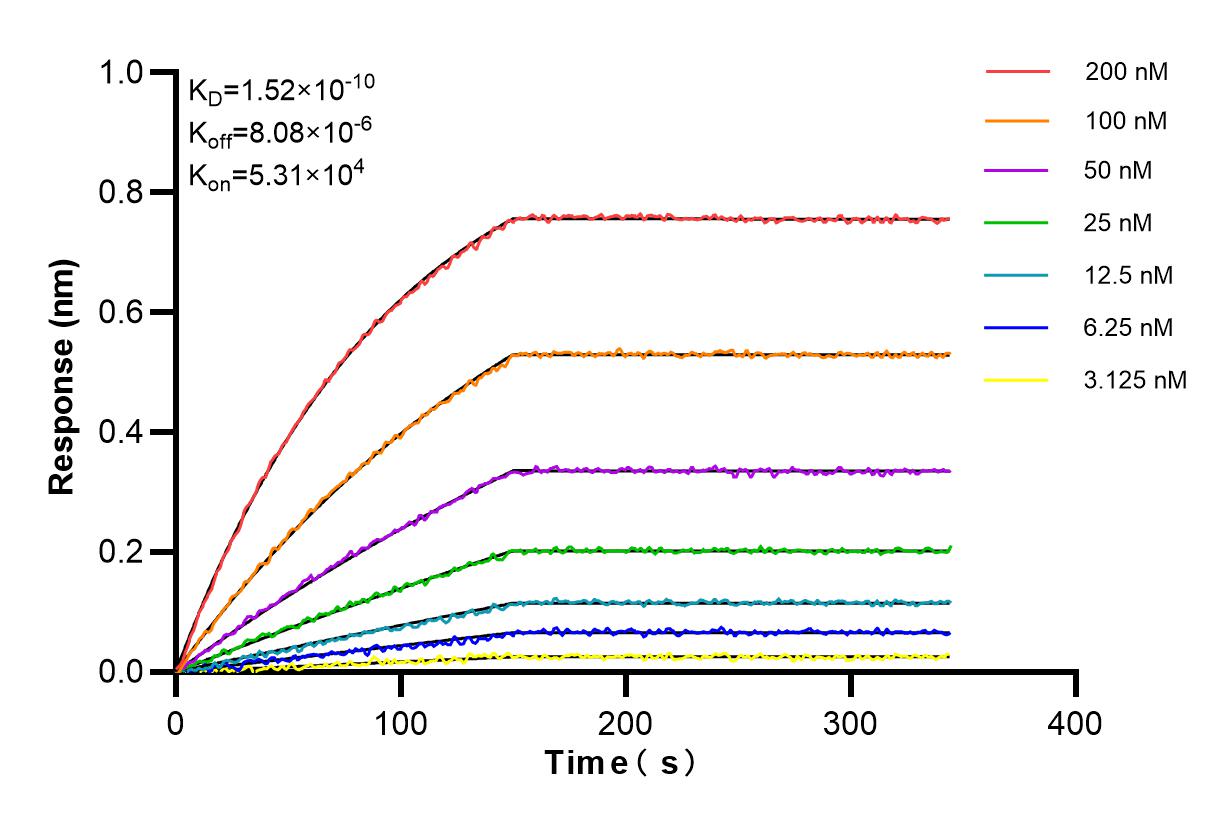
83815-2-PBS bindet in WB, IHC, Indirect ELISA NRAS und zeigt Reaktivität mit human, Maus, Ratten
| Getestete Reaktivität | human, Maus, Ratte |
| Wirt / Isotyp | Kaninchen / IgG |
| Klonalität | Rekombinant |
| Typ | Antikörper |
| Immunogen | NRAS fusion protein Ag1081 |
| Vollständiger Name | neuroblastoma RAS viral (v-ras) oncogene homolog |
| Berechnetes Molekulargewicht | 21 kDa |
| Beobachtetes Molekulargewicht | 21 kDa |
| GenBank-Zugangsnummer | BC005219 |
| Gene symbol | NRAS |
| Gene ID (NCBI) | 4893 |
| Konjugation | Unkonjugiert |
| Form | Liquid |
| Reinigungsmethode | Protein-A-Reinigung |
| Lagerungspuffer | PBS only |
| Lagerungsbedingungen | Store at -80°C. 20ul Größen enthalten 0,1% BSA. |
Hintergrundinformationen
NRAS, also named as N-ras and NRAS1, is neuroblastoma RAS viral (v-ras) oncogene homolog from the mammalian ras gene family and it is a member of the small GTPase superfamily. RAS proteins are involved in signal transduction pathways, and bind GDP/GTP and possess intrinsic GTPase activity. It is mapped on chromosome 1, and it is activated in HL60, a promyelocytic leukemia line. Defects in NRAS are a cause of juvenile myelomonocytic leukemia (JMML). NRAS is one member of RAS gene family of oncoproteins, which is commonly mutated in melanoma and hematopoietic cancers via mapped on chromosome 1 (PMID: 2327491, PMID: 26990546). NRAS mediates activation of both mitogen-activated protein kinase (MAPK) and PI3K/AKT/MYC signaling (PMID: 17297468). NRAS induced classical MAPK signaling leads to cyclin D1 expression and cell cycle dysregulation and promotion of prosurvival pathways (PMID:7970723,PMID: 18246127). In addition, NRAS effectively prevents Glycogen Synthase Kinase3 (GSK3)-mediated phosphorylation of MYC via PI3K/AKT, which results in enhanced activity of endogenous MYC protein (PMID: 17297468). Mutational NRAS causes Ras-GTP to be in a state of continuous activation, which results in malignant proliferation and metastasis (PMID: 24985059).


