Nucleoside phosphorylase Rekombinanter Antikörper
Nucleoside phosphorylase Rekombinant Antikörper für WB, IF/ICC, Sandwich ELISA, Indirect ELISA
Wirt / Isotyp
Kaninchen / IgG
Getestete Reaktivität
human, Maus, Ratte
Anwendung
WB, IF/ICC, Sandwich ELISA, Indirect ELISA
Konjugation
Unkonjugiert
CloneNo.
251603E11
Kat-Nr. : 86651-1-PBS
Synonyme
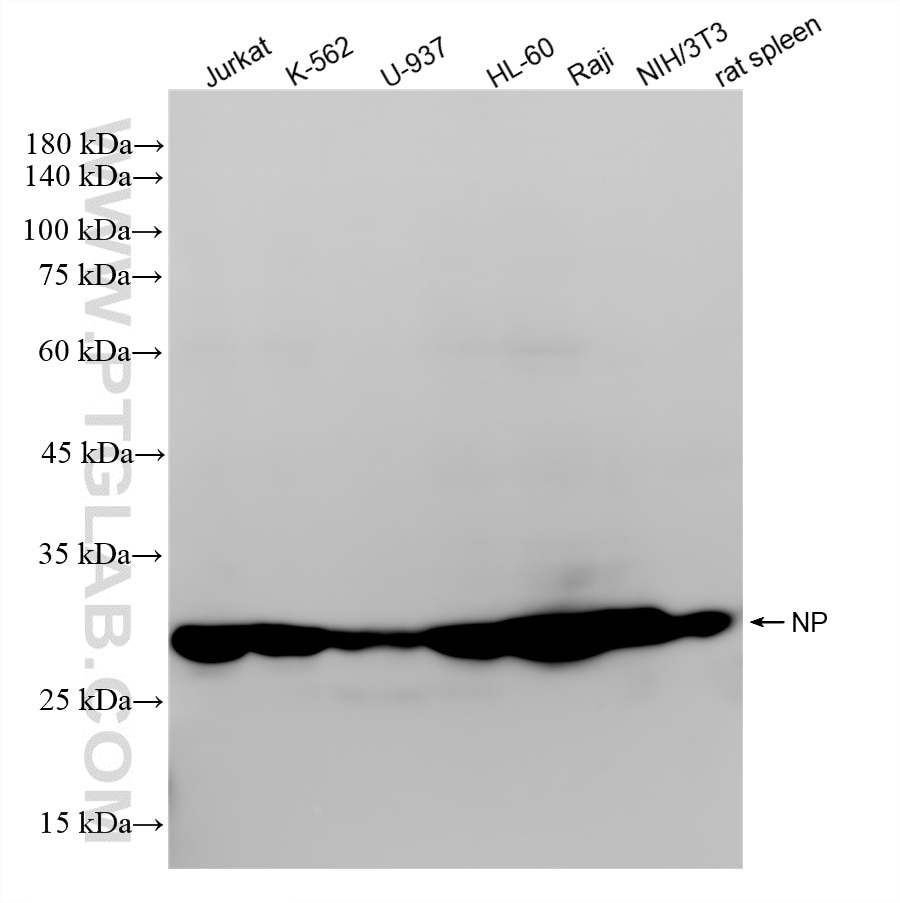
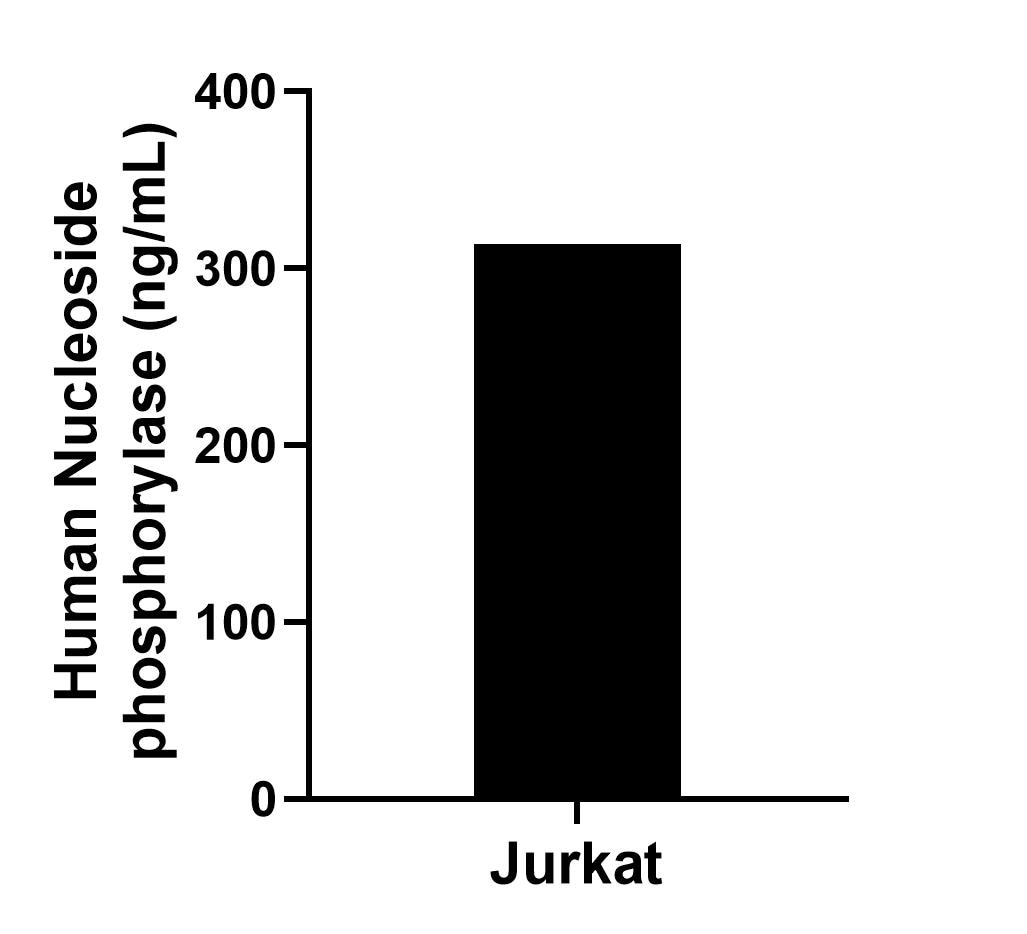
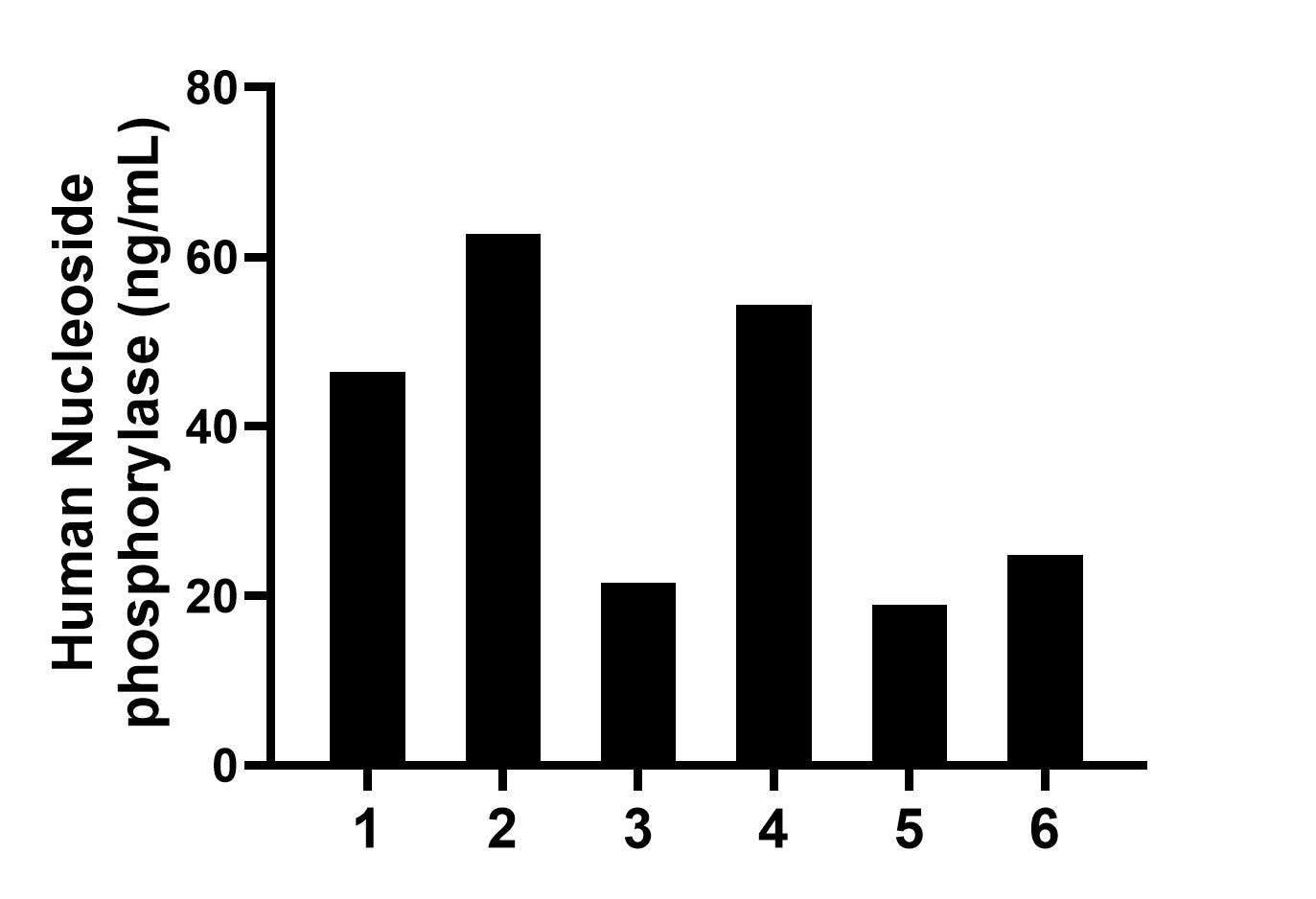
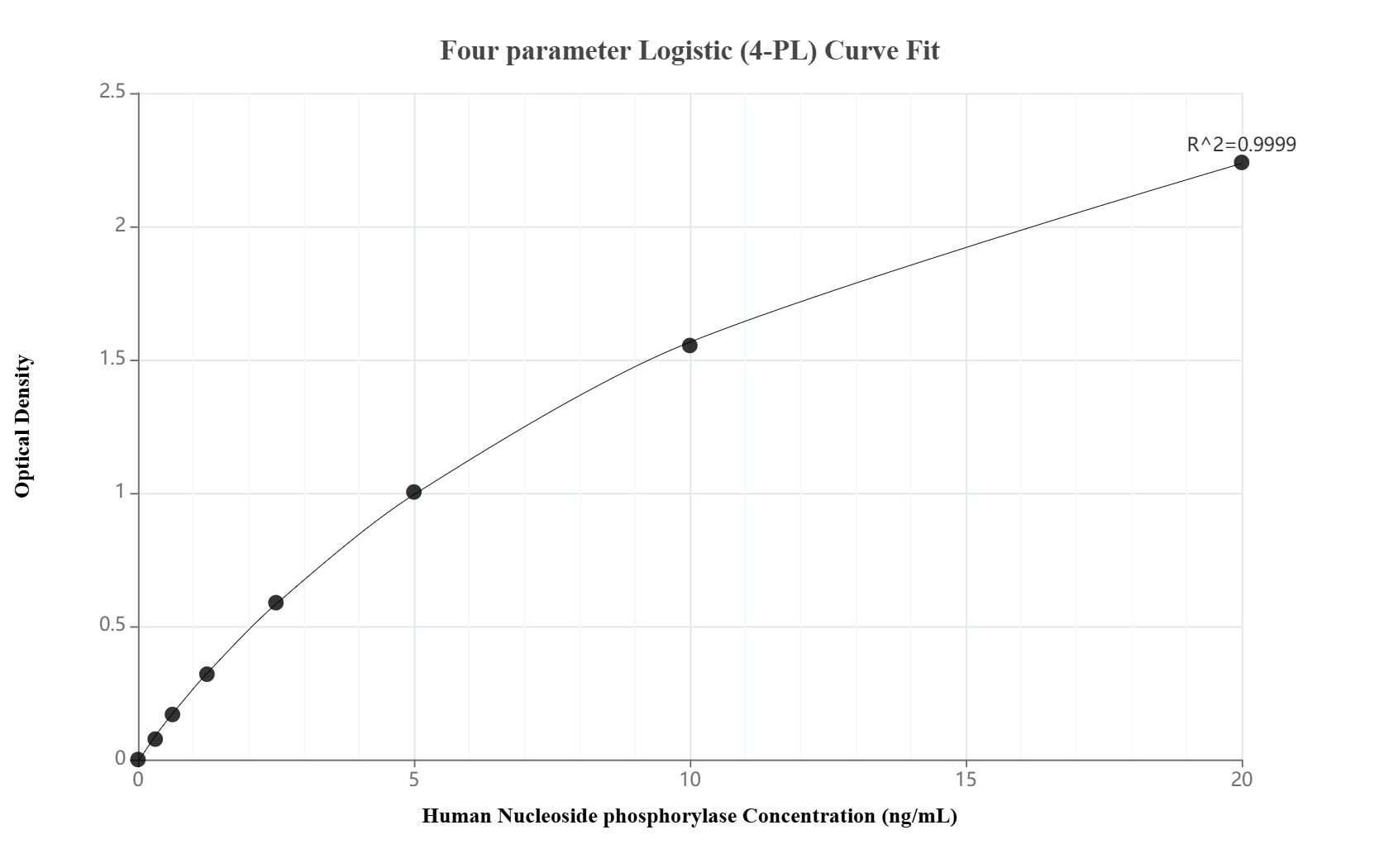
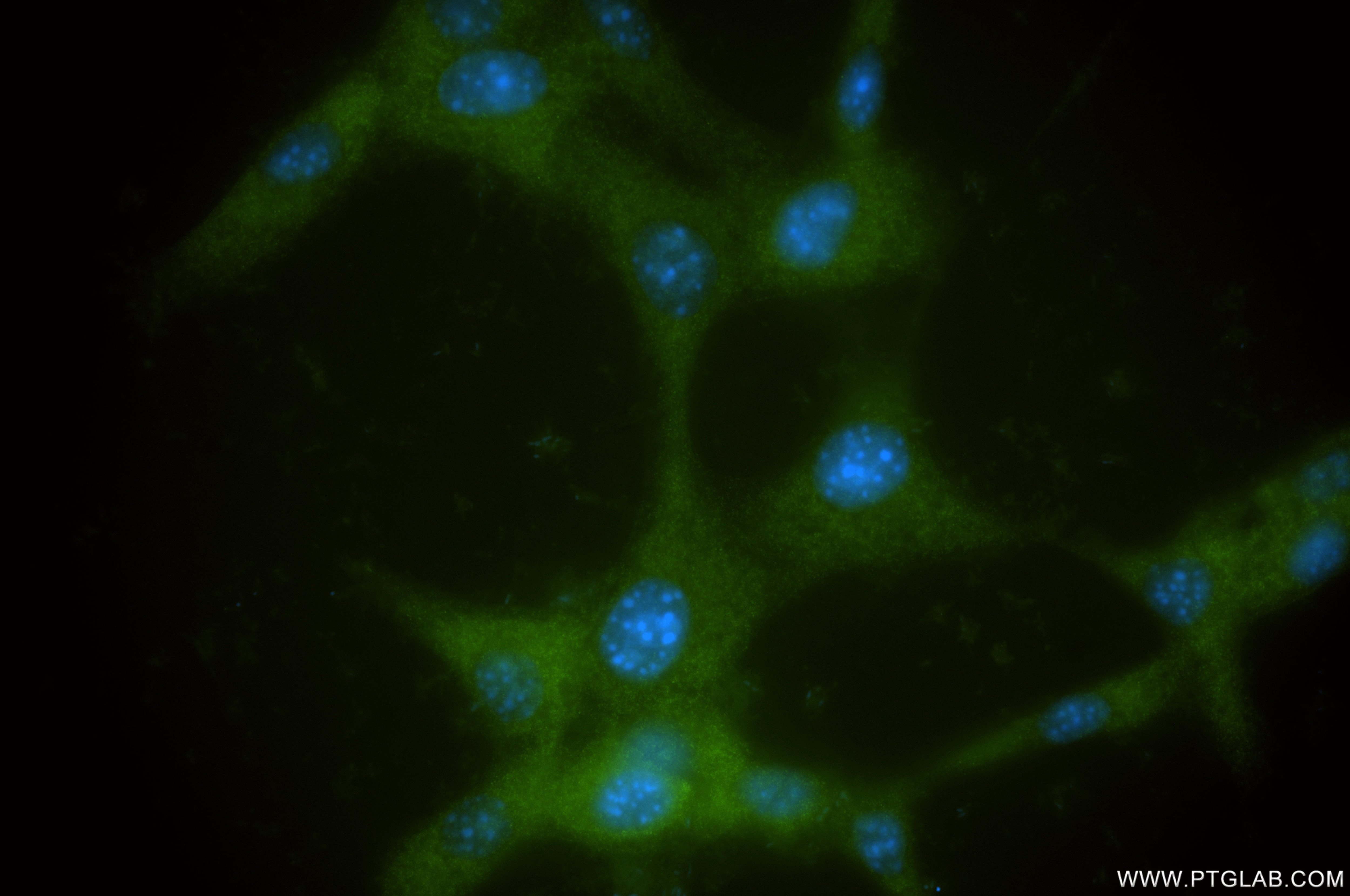
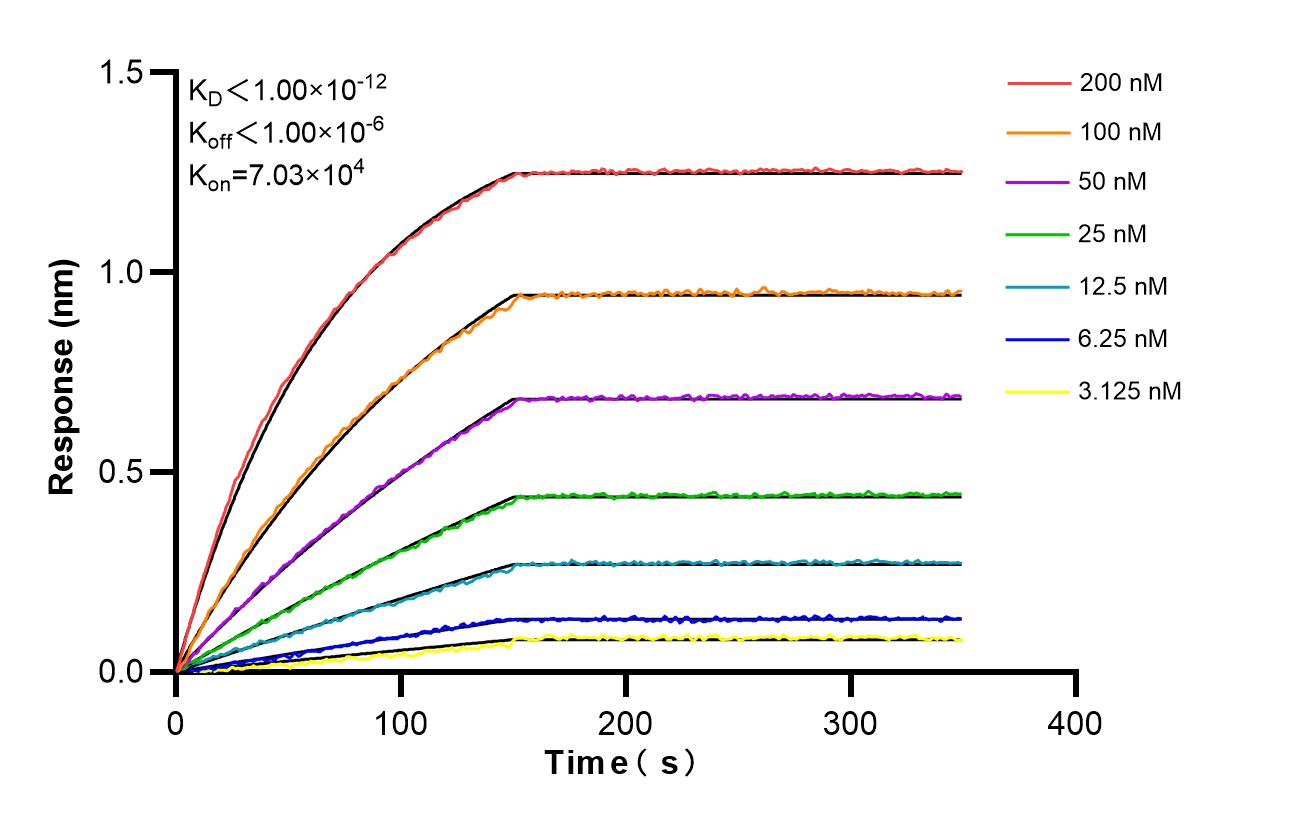
Geprüfte Anwendungen
Produktinformation
86651-1-PBS bindet in WB, IF/ICC, Sandwich ELISA, Indirect ELISA Nucleoside phosphorylase und zeigt Reaktivität mit human, Maus, Ratten
| Getestete Reaktivität | human, Maus, Ratte |
| Wirt / Isotyp | Kaninchen / IgG |
| Klonalität | Rekombinant |
| Typ | Antikörper |
| Immunogen | Nucleoside phosphorylase fusion protein Ag12507 |
| Vollständiger Name | nucleoside phosphorylase |
| Berechnetes Molekulargewicht | 289 aa, 32 kDa |
| Beobachtetes Molekulargewicht | 32 kDa |
| GenBank-Zugangsnummer | BC106074 |
| Gene symbol | Purine nucleoside phosphorylase |
| Gene ID (NCBI) | 4860 |
| Konjugation | Unkonjugiert |
| Form | Liquid |
| Reinigungsmethode | Protein-A-Reinigung |
| Lagerungspuffer | PBS only |
| Lagerungsbedingungen | Store at -80°C. 20ul Größen enthalten 0,1% BSA. |
Hintergrundinformationen
Purine nucleoside phosphorylases (PNP) is a ubiquitous enzyme of purine metabolism that functions in the salvage pathway, including even those of protozoan parasites, thus enabling the cells to utilize purine bases recovered from metabolized purine ribo- and deoxyribonucleosides to synthesize purine nucleotides (PMID: 11337031, 23332162). PNP deficiency in humans leads to an impairment of T-cell function, usually with no apparent effects on B-cell function. hPNP is widely distributed in various tissues and cells of the human body, with the highest activity in kidney, peripheral lymphocytes and granulocytes (PMID: 38701712).


