OLIG2 Polyklonaler Antikörper
OLIG2 Polyklonal Antikörper für WB, IHC, IF-P, IF-Fro, IP, ELISA
Wirt / Isotyp
Kaninchen / IgG
Getestete Reaktivität
human, Maus, Ratte
Anwendung
WB, IHC, IF-P, IF-Fro, IP, ELISA
Konjugation
Unkonjugiert
Kat-Nr. : 13999-1-PBS
Synonyme
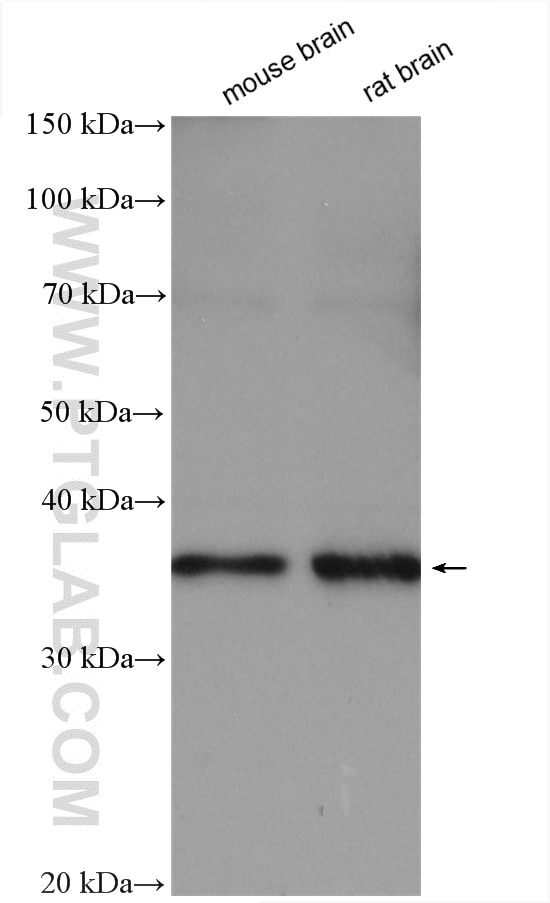
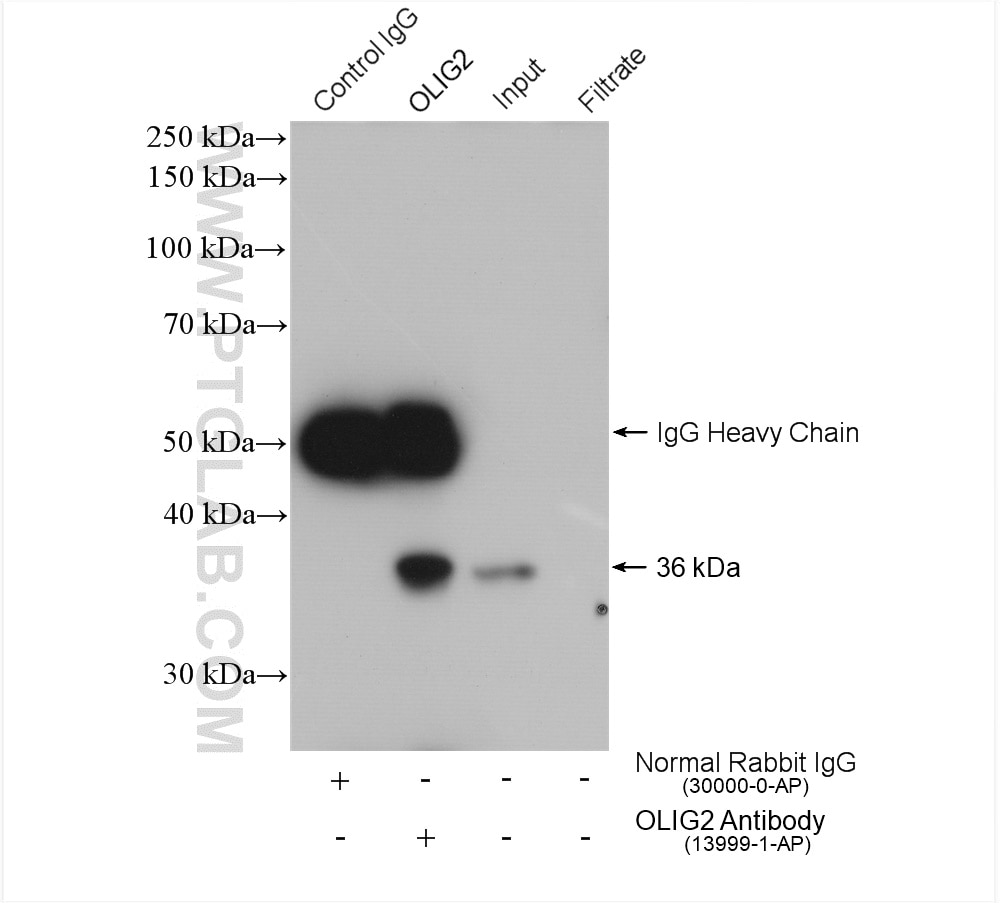
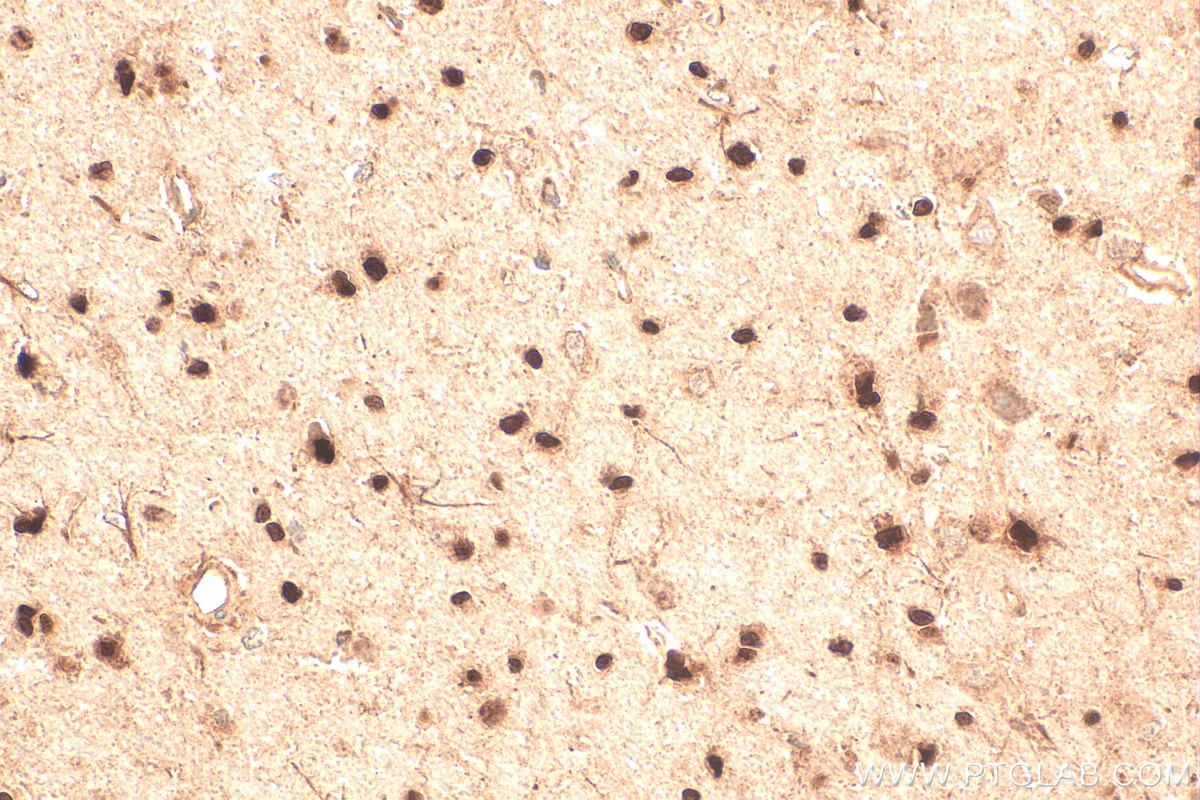
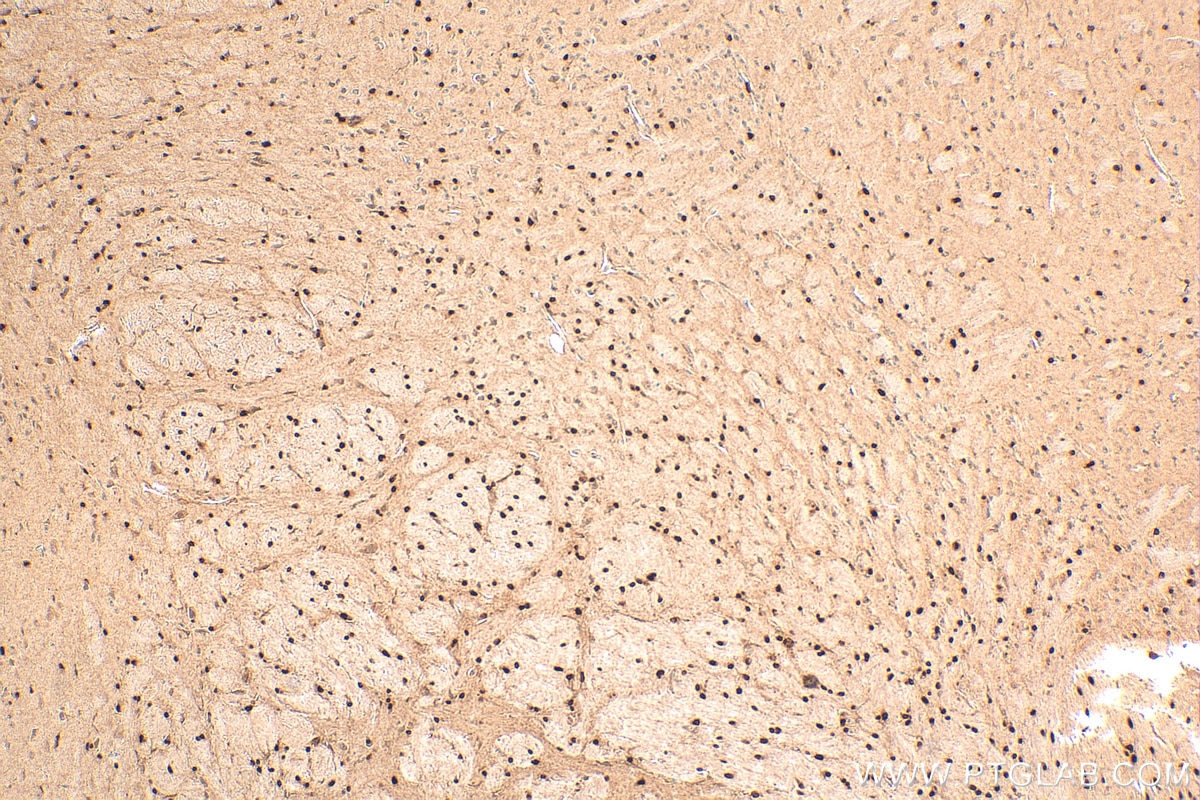
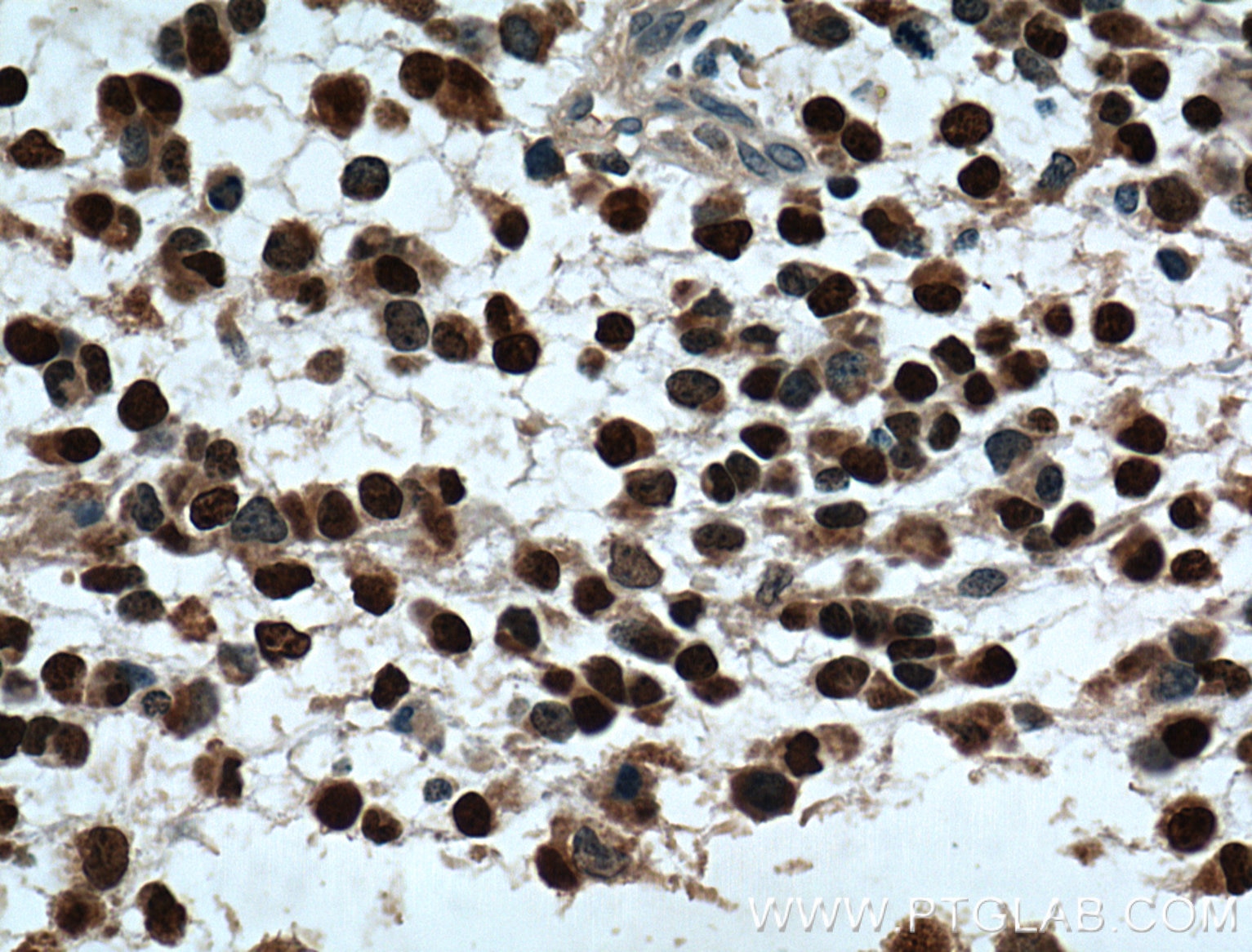
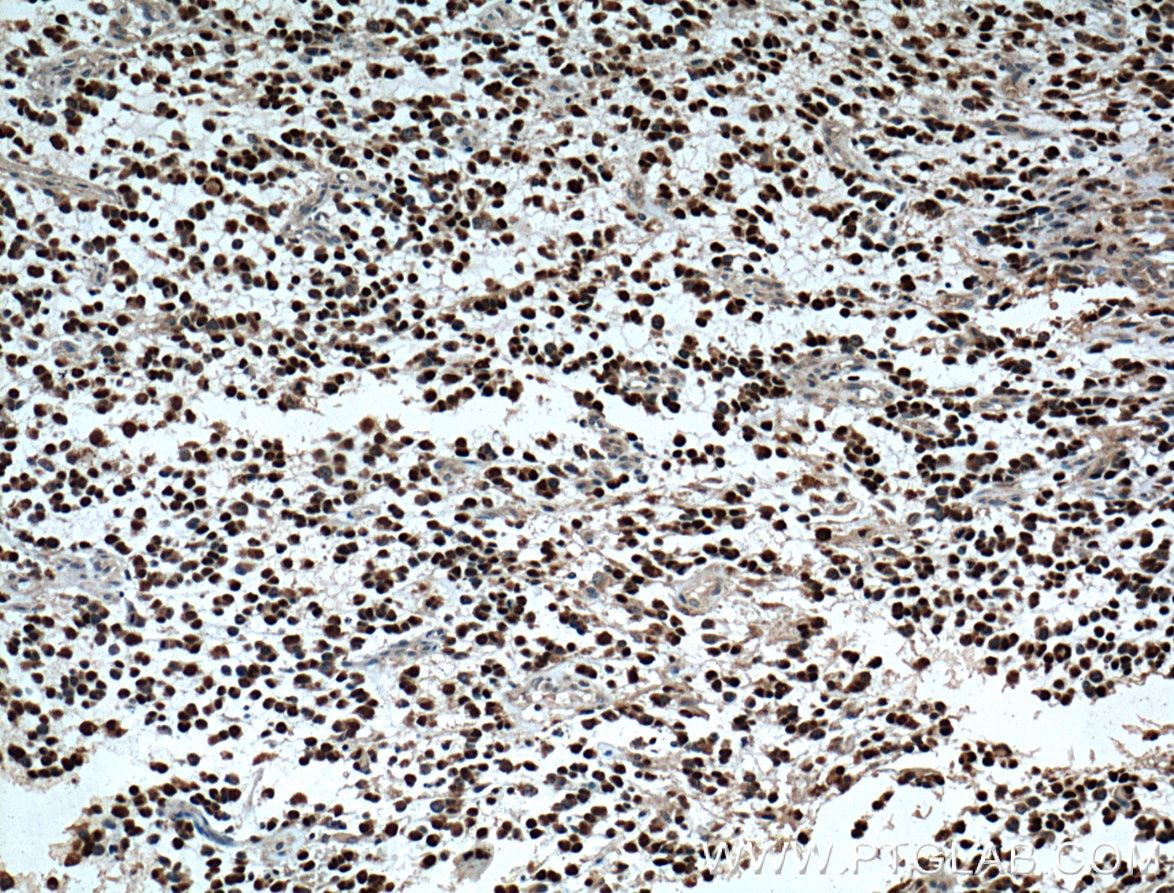
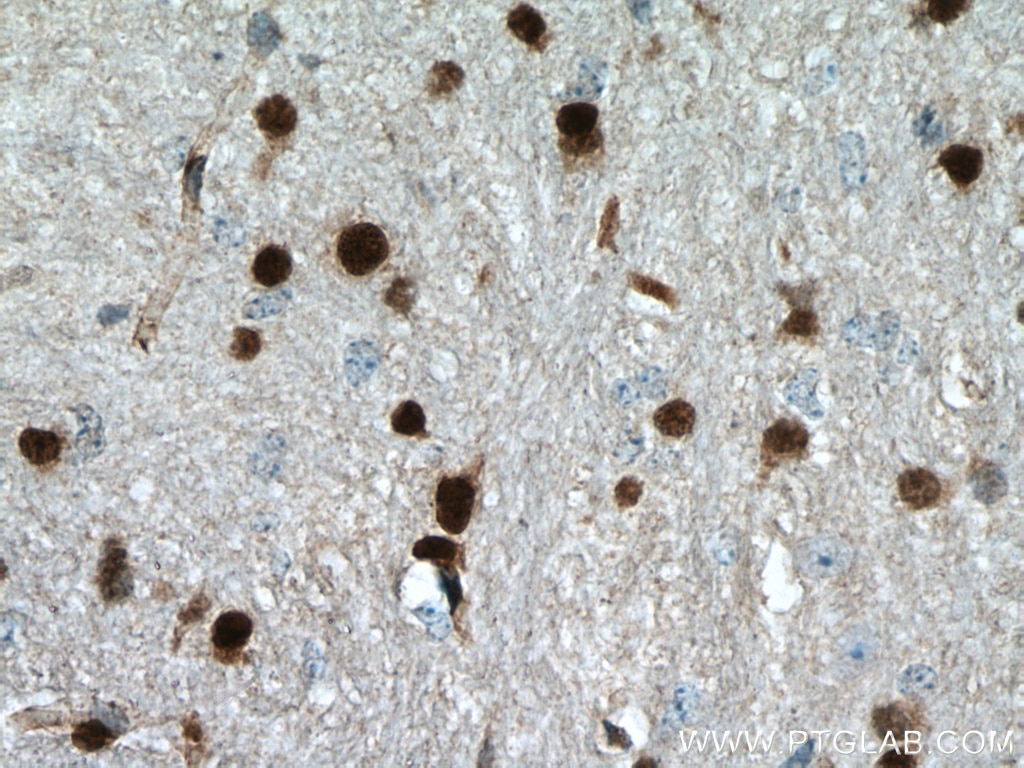
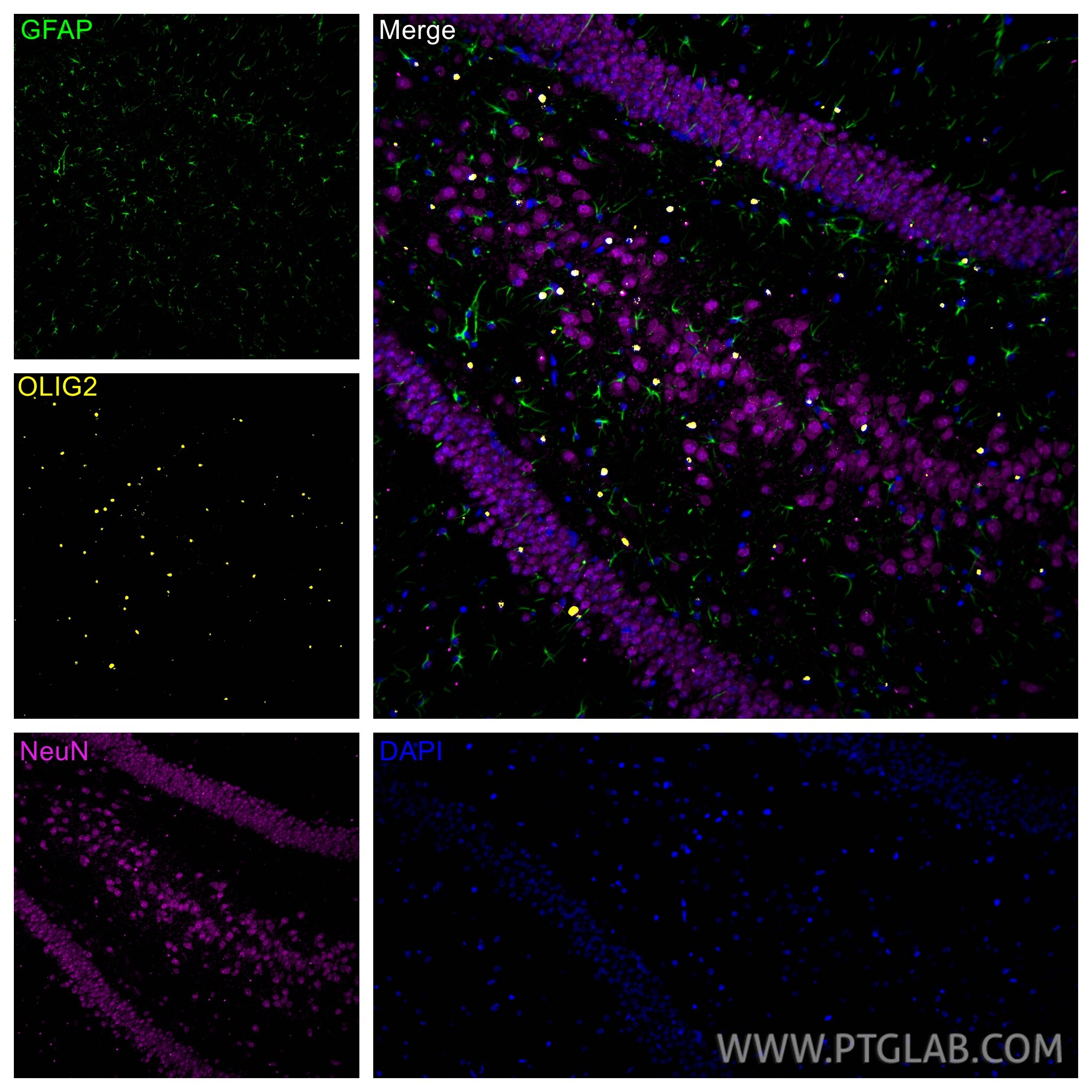
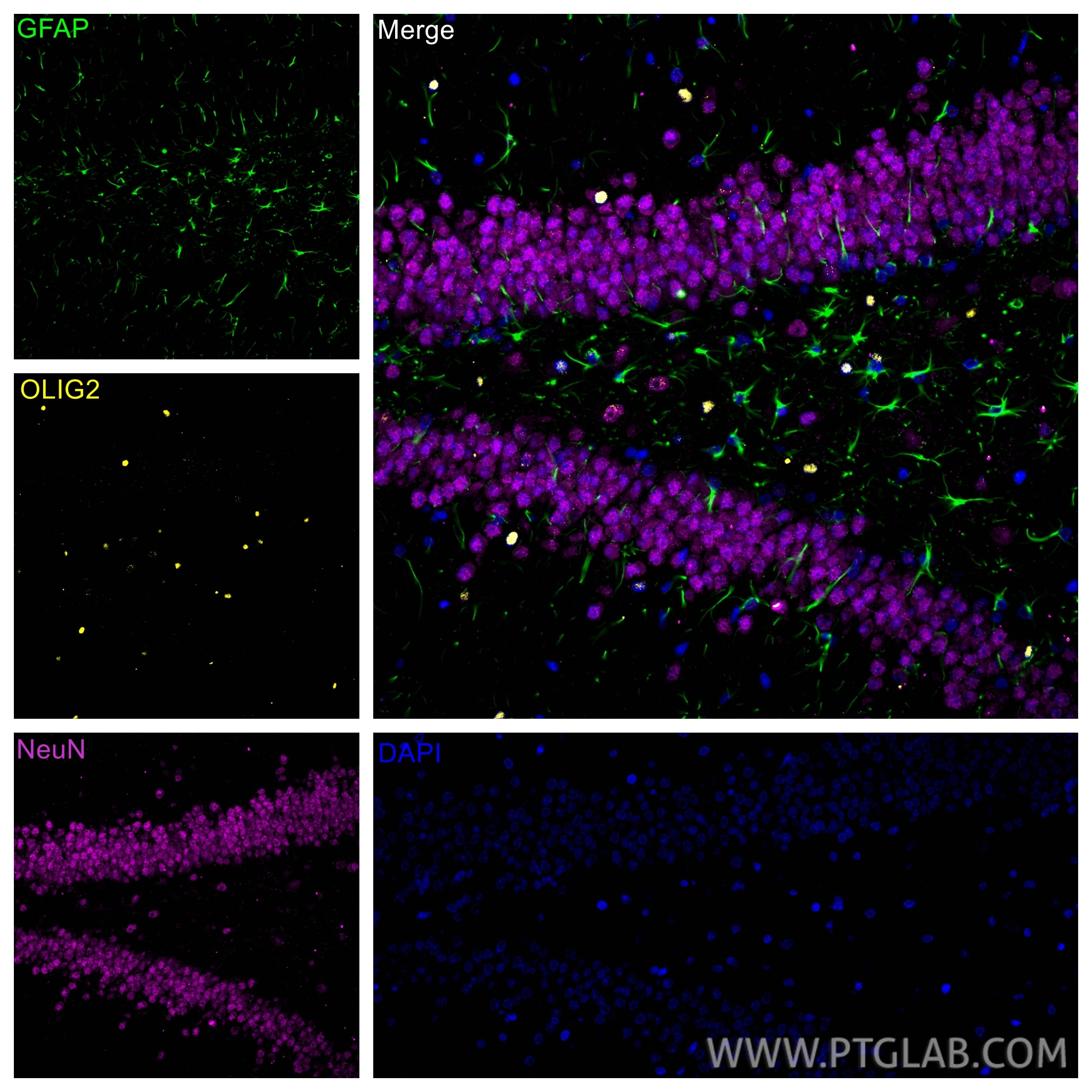
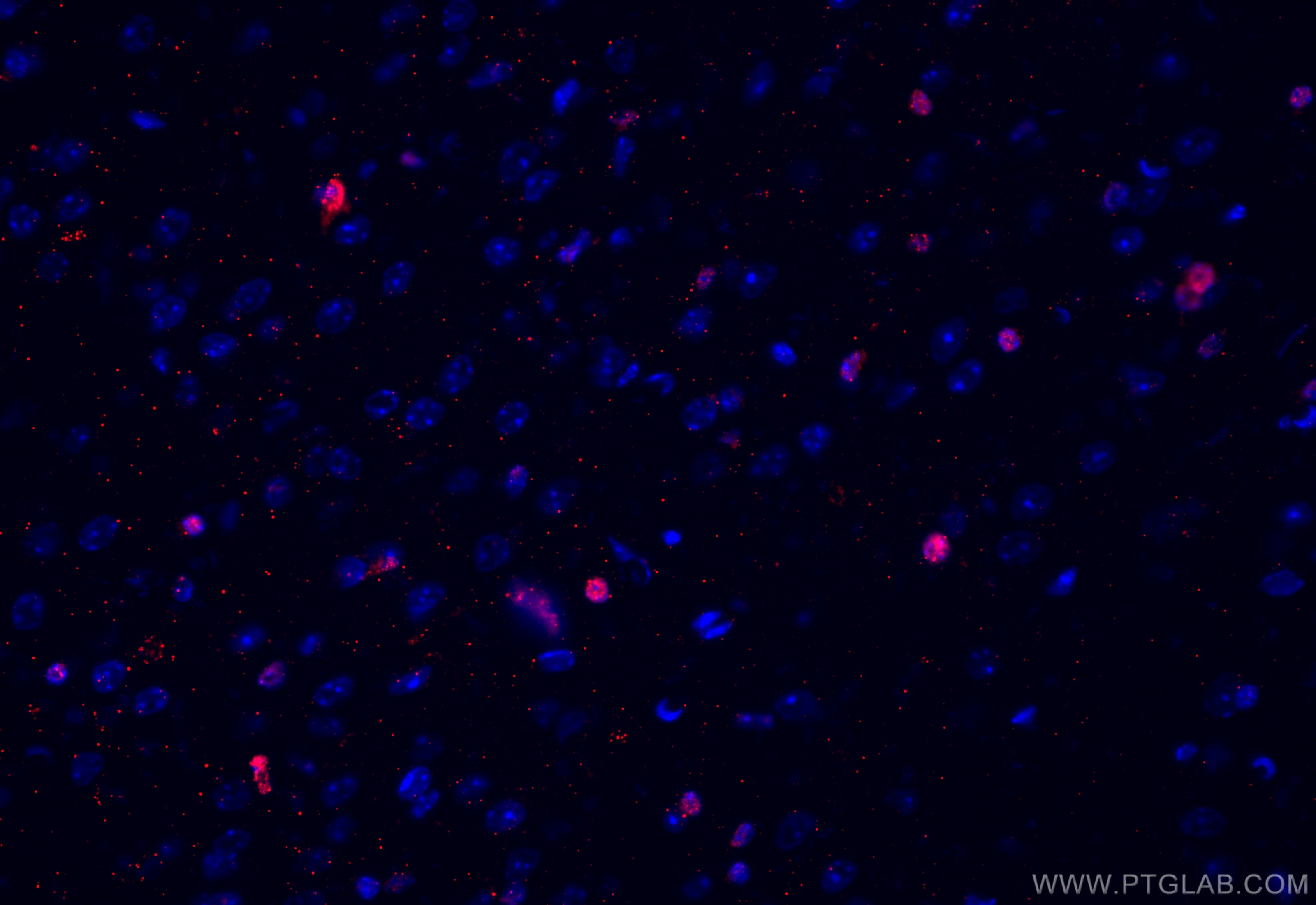
Geprüfte Anwendungen
Produktinformation
13999-1-PBS bindet in WB, IHC, IF-P, IF-Fro, IP, ELISA OLIG2 und zeigt Reaktivität mit human, Maus, Ratten
| Getestete Reaktivität | human, Maus, Ratte |
| Wirt / Isotyp | Kaninchen / IgG |
| Klonalität | Polyklonal |
| Typ | Antikörper |
| Immunogen | OLIG2 fusion protein Ag5089 |
| Vollständiger Name | oligodendrocyte lineage transcription factor 2 |
| Berechnetes Molekulargewicht | 32 kDa |
| Beobachtetes Molekulargewicht | 32-36 kDa |
| GenBank-Zugangsnummer | BC047511 |
| Gene symbol | OLIG2 |
| Gene ID (NCBI) | 10215 |
| Konjugation | Unkonjugiert |
| Form | Liquid |
| Reinigungsmethode | Antigen-Affinitätsreinigung |
| Lagerungspuffer | PBS only |
| Lagerungsbedingungen | Store at -80°C. 20ul Größen enthalten 0,1% BSA. |
Hintergrundinformationen
What is the specificity of Olig2?
Oligodendrocyte transcription factor 2 (OLIG2) is expressed by cells found in the central nervous system (CNS) called oligodendrocyte precursor cells (OPCs), which form the myelin sheaths wrapping the axons of neurons in the brain and spinal cord. OPCs differentiate into oligodendrocytes that form the myelin, providing metabolic support and saltatory conduction. OLIG2 is expressed broadly throughout their development to OPCs. This protein can be used to identify many cells of the oligodendrocyte lineage. It is found mostly in the nucleoplasm but also in the cytoplasm.
What is the function of OLIG2?
The basic helix-loop-helix structure of OLIG2 allows it to function as a transcription factor, determining cell fate in the development of neural tissue, where it is located at the pMN domain in the embryonic spinal cord. Expression of OLIG2 causes neural precursors to develop into oligodendrocytes or into motor neurons and expression is then maintained postnatally. OLIG2 co-operates with other factors to cause this differentiation from precursors, although overexpression alone can cause differentiation to the oligodendrocyte lineage.1 The continued expression of OLIG2 in OPCs indicates an ongoing role in the maintenance of their stemness.
What is the involvement of OLIG2 in disease?
The expression of OLIG2 in glioblastoma, the most common type of malignant brain tumor in adults, is well characterized, where the pathological function is an extension of the normal function. Stem-like cells that propagate the tumor growth have been shown to be OLIG2-expressing, and are one of the key transcription factors involved in the re-programming of differentiated cells of the tumor to stem-like cells.2 OLIG2 has also been associated with demyelinating diseases like multiple sclerosis (MS), as OPCs have been shown to be involved in the process of remyelination.3
1. Liu, Z. et al. Induction of oligodendrocyte differentiation by Olig2 and Sox10: Evidence for reciprocal interactions and dosage-dependent mechanisms. Dev. Biol. 302, 683-693 (2007).
2. Wegener, A. et al. Gain of Olig2 function in oligodendrocyte progenitors promotes remyelination. Brain 138, 120-35 (2015).
3. Ettle, B., Schlachetzki, J. C. M. & Winkler, J. Oligodendroglia and Myelin in Neurodegenerative Diseases: More Than Just Bystanders? Mol. Neurobiol. 53, 3046-3062 (2016).


