- Featured Product
- KD/KO Validated
PBXIP1 Polyklonaler Antikörper
PBXIP1 Polyklonal Antikörper für WB, IHC, IF/ICC, IP, Indirect ELISA
Wirt / Isotyp
Kaninchen / IgG
Getestete Reaktivität
human
Anwendung
WB, IHC, IF/ICC, IP, Indirect ELISA
Konjugation
Unkonjugiert
Kat-Nr. : 12102-1-PBS
Synonyme
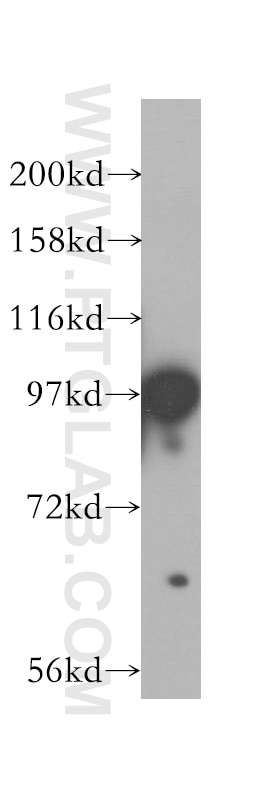
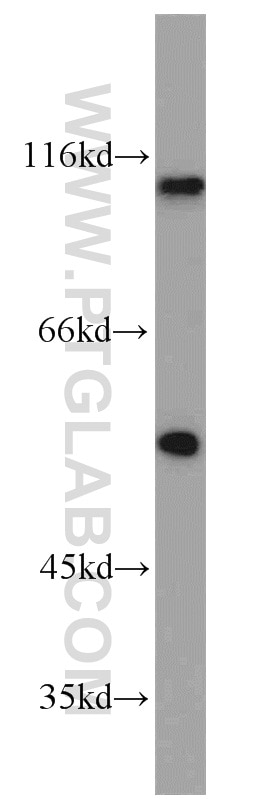
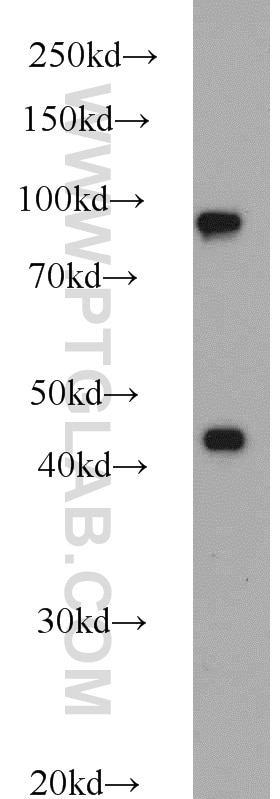
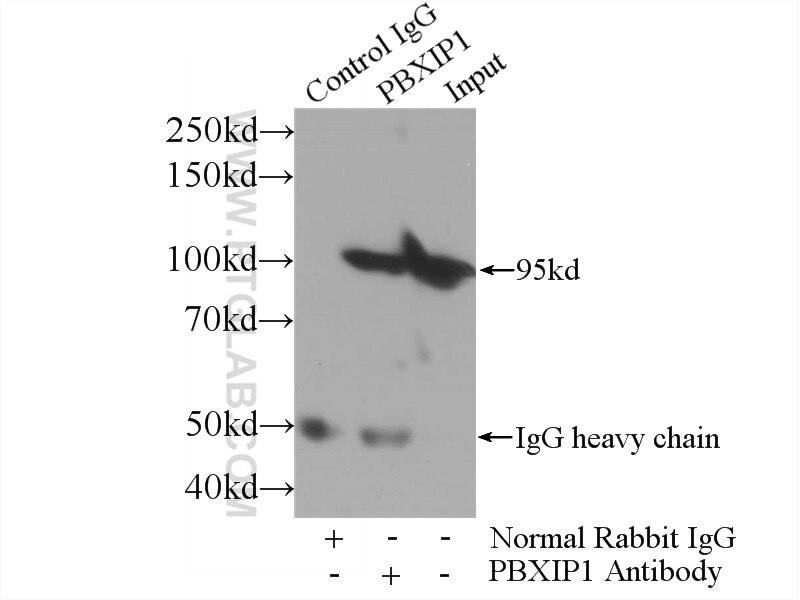
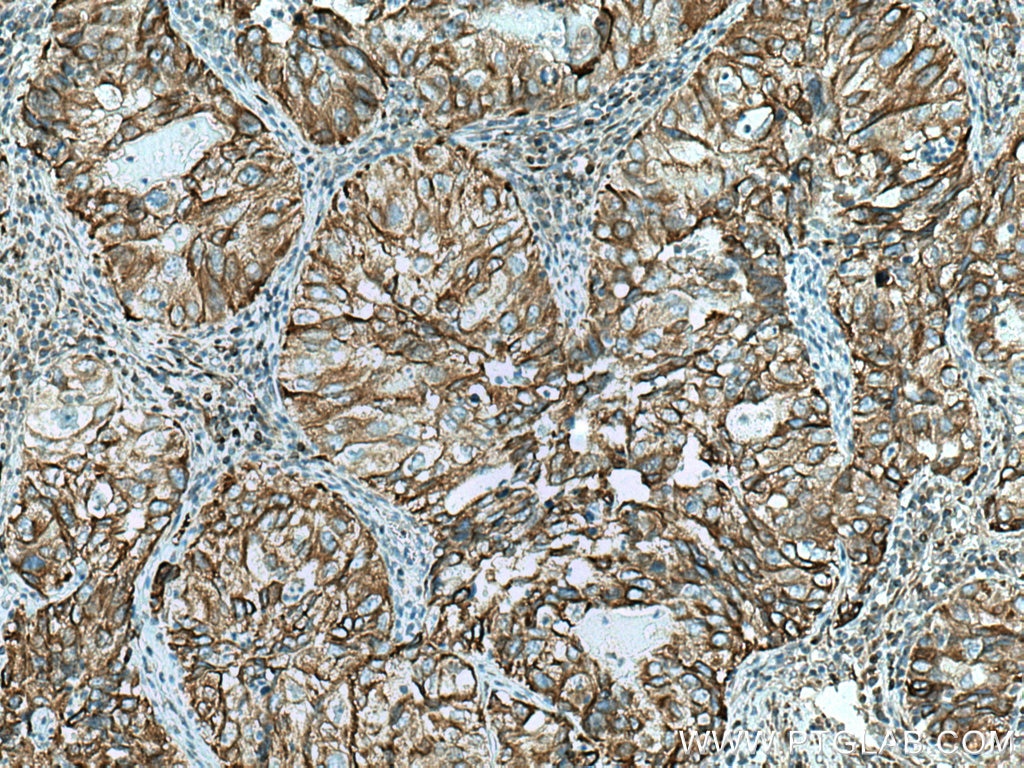
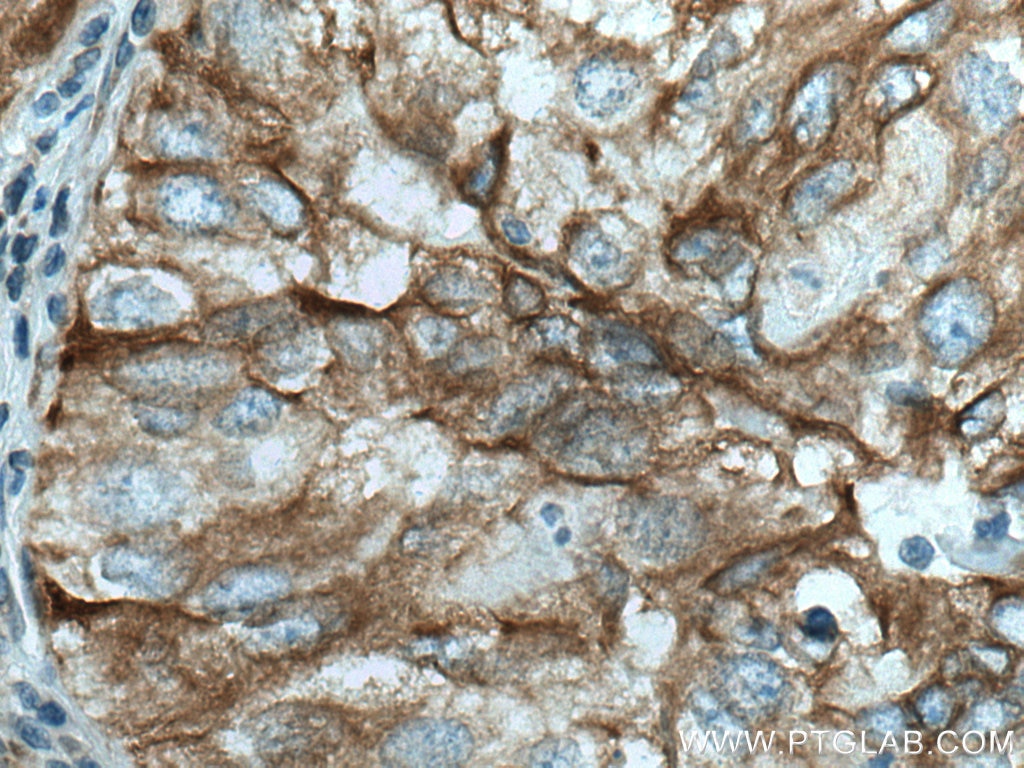
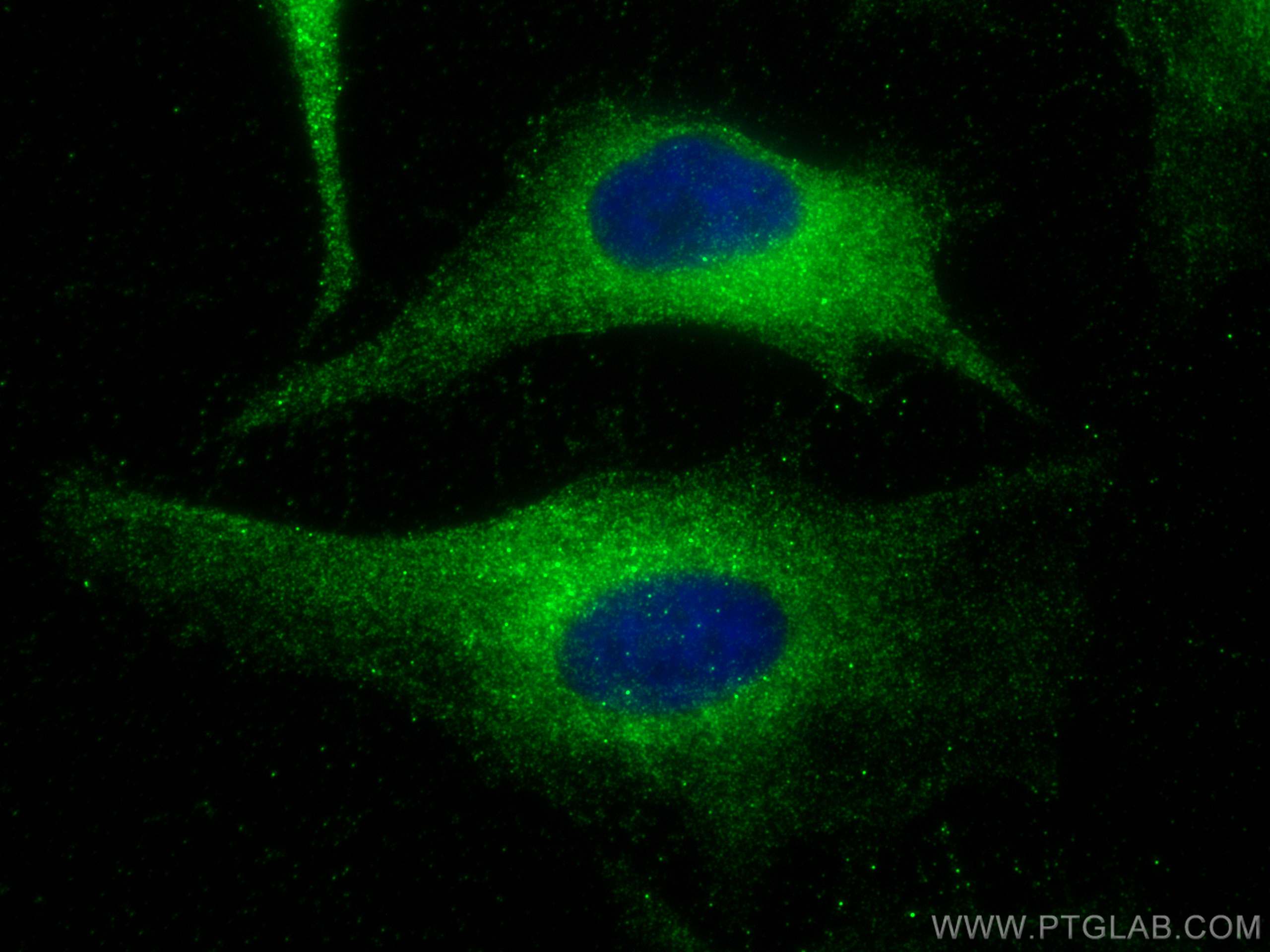
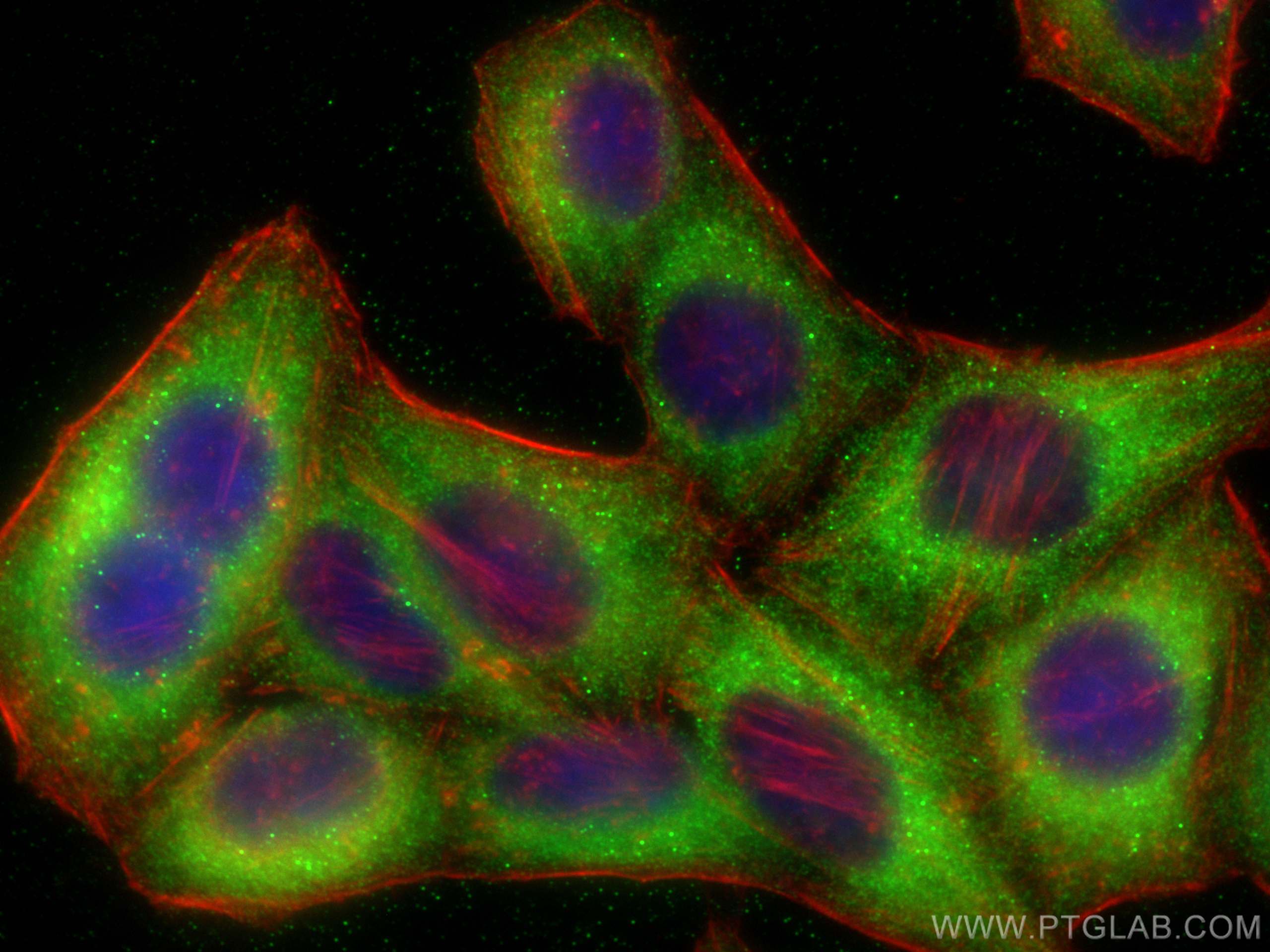
Geprüfte Anwendungen
Produktinformation
12102-1-PBS bindet in WB, IHC, IF/ICC, IP, Indirect ELISA PBXIP1 und zeigt Reaktivität mit human
| Getestete Reaktivität | human |
| Wirt / Isotyp | Kaninchen / IgG |
| Klonalität | Polyklonal |
| Typ | Antikörper |
| Immunogen | PBXIP1 fusion protein Ag2746 |
| Vollständiger Name | pre-B-cell leukemia homeobox interacting protein 1 |
| Berechnetes Molekulargewicht | 731 aa, 81 kDa |
| Beobachtetes Molekulargewicht | 95-100 kDa |
| GenBank-Zugangsnummer | BC016852 |
| Gene symbol | PBXIP1 |
| Gene ID (NCBI) | 57326 |
| Konjugation | Unkonjugiert |
| Form | Liquid |
| Reinigungsmethode | Antigen-Affinitätsreinigung |
| Lagerungspuffer | PBS only |
| Lagerungsbedingungen | Store at -80°C. 20ul Größen enthalten 0,1% BSA. |
Hintergrundinformationen
PBXIP1 (pre-B-cell leukemia transcription factor-interacting protein 1), also known as HPIP (hematopoietic PBX-interacting protein), is a regulator of pre-B-cell leukemia transcription factors (BPXs) function. PBXIP1 is a nucleo-cytoplasmic shuttling protein, mainly localized in the cytosol and in small amounts in the nucleus (PMID: 10825160). It interacts with PBX1 as well as PBX2 and PBX3. PBXIP1 inhibits the ability of PBX-HOX heterodimers to bind to target sequences and strongly inhibits the transactivation activity of E2A-PBX. PBXIP1 is also reported to be a microtubule-binding protein, which regulates estrogen receptor functions and plays a role in cancer development and progression (PMID: 17043237; 18302941; 23321675). The predicted PBXIP1 protein has a calculated molecular mass of 81 kDa. This polyclonal antibody raised against 1-300aa of human PBXIP1 recognizes endogenous PBXIP1 with an apparent molecular weight of 95-100 kDa. The slow migration of PBXIP1 possibly results from either post-translational modifications or intrinsic SDS-resistant folding of the protein (PMID: 10825160; 17043237).


