PELP1 Monoklonaler Antikörper
PELP1 Monoklonal Antikörper für WB, IHC, IF-P, IF-Fro, FC (Intra), Indirect ELISA
Wirt / Isotyp
Maus / IgG2b
Getestete Reaktivität
human
Anwendung
WB, IHC, IF-P, IF-Fro, FC (Intra), Indirect ELISA
Konjugation
Unkonjugiert
CloneNo.
1B11E4
Kat-Nr. : 67050-1-PBS
Synonyme
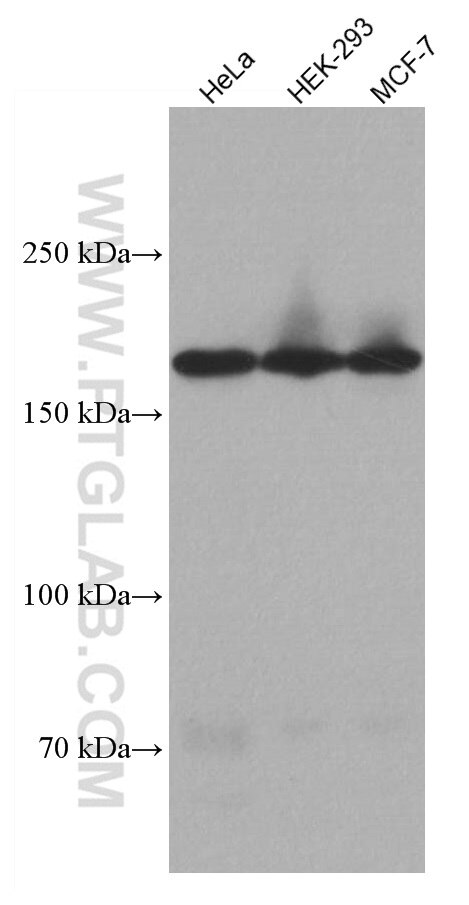
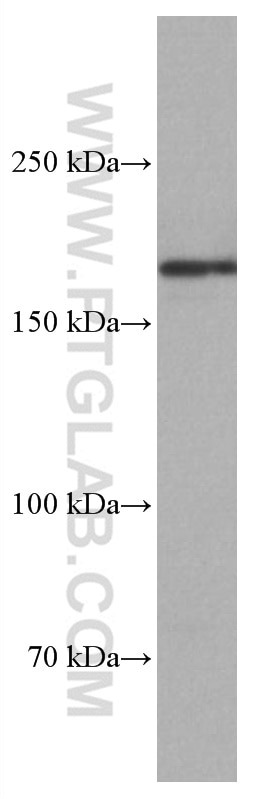
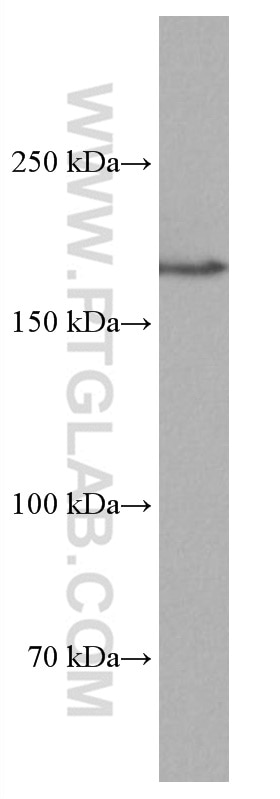
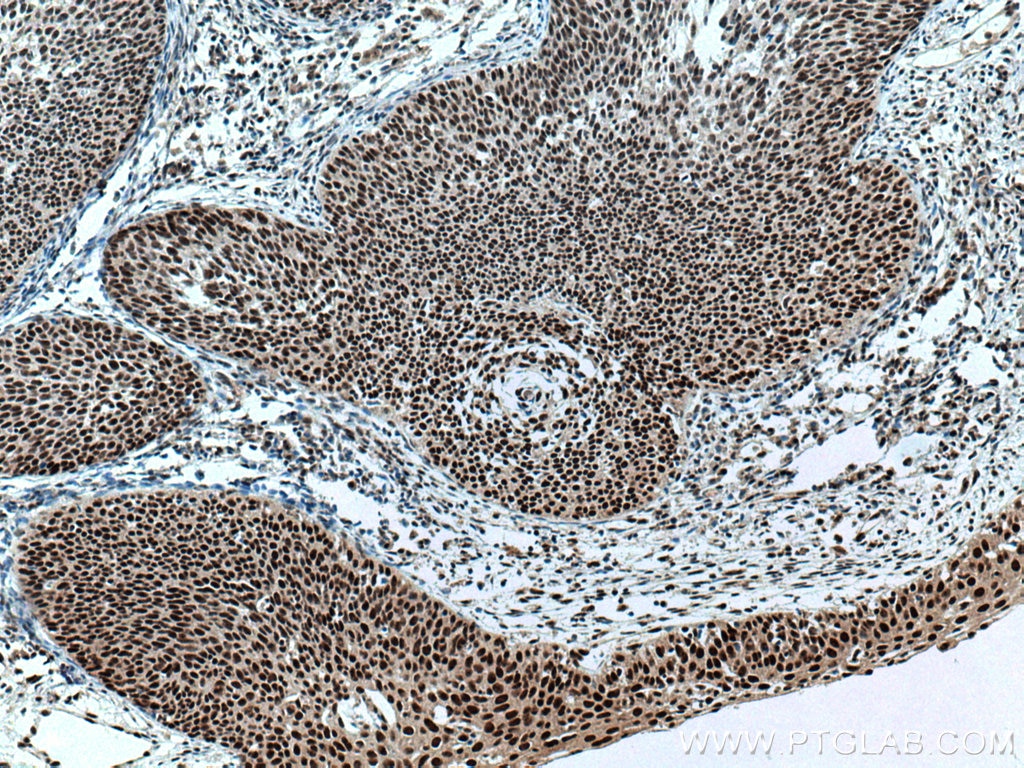
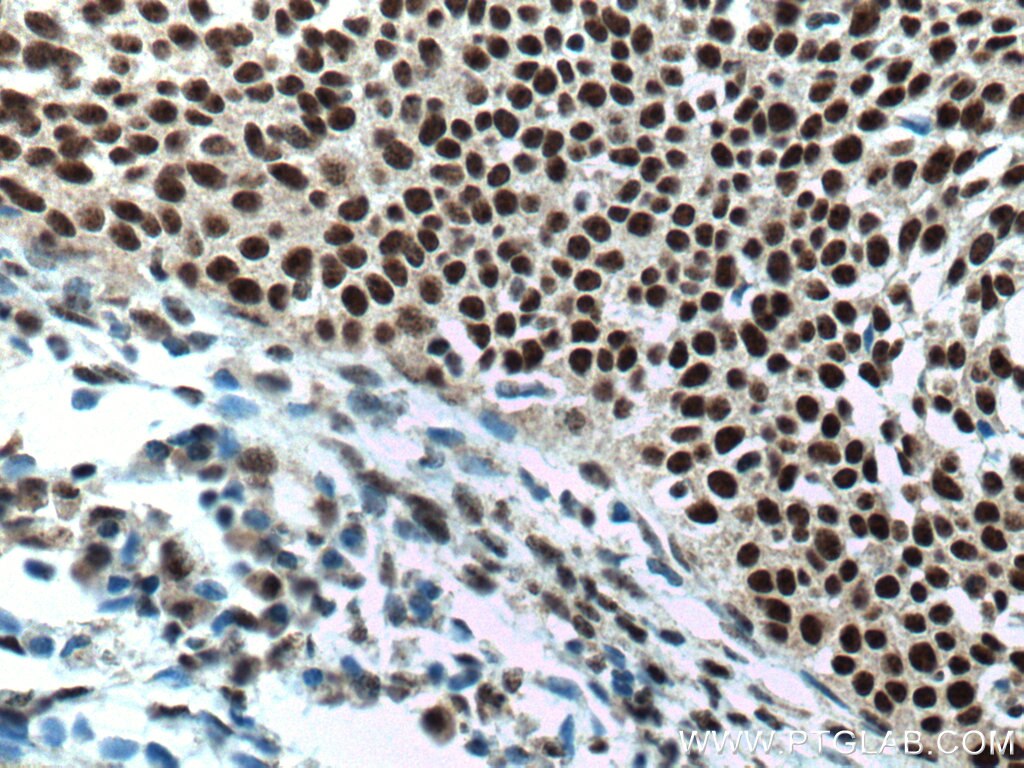
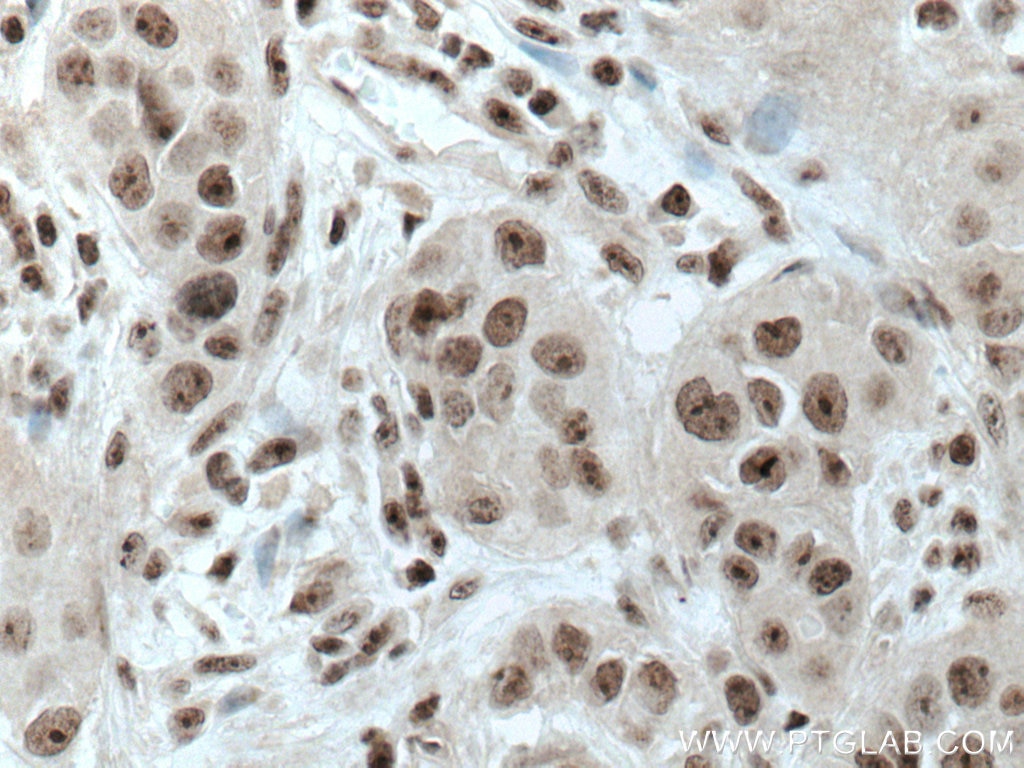
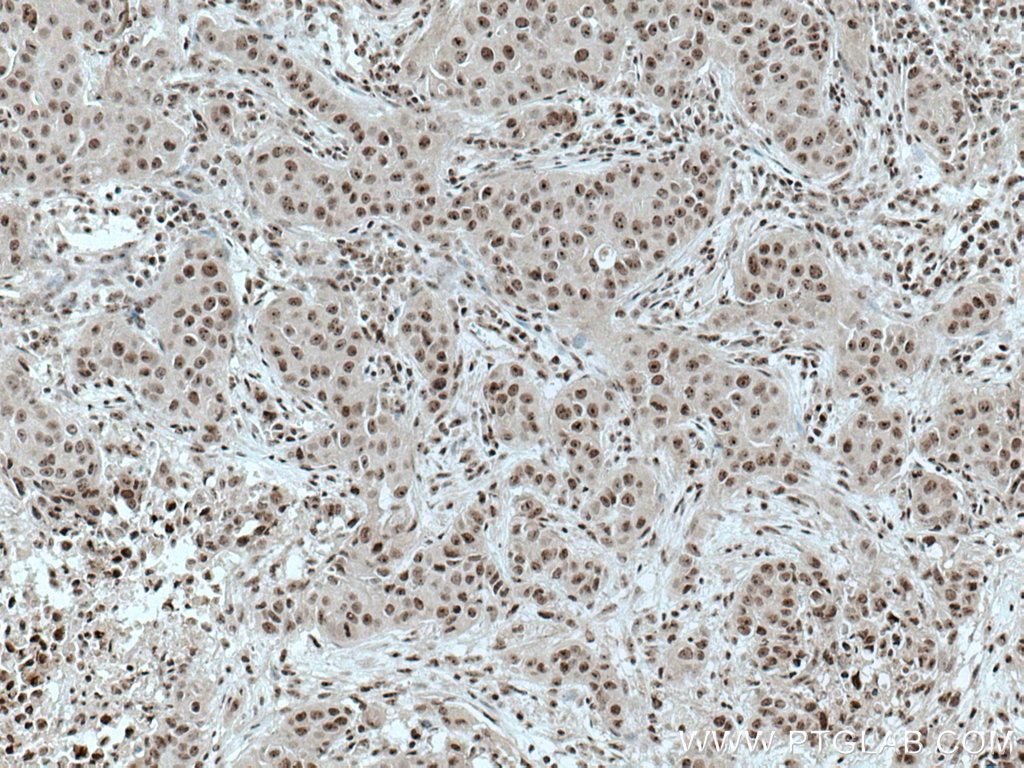
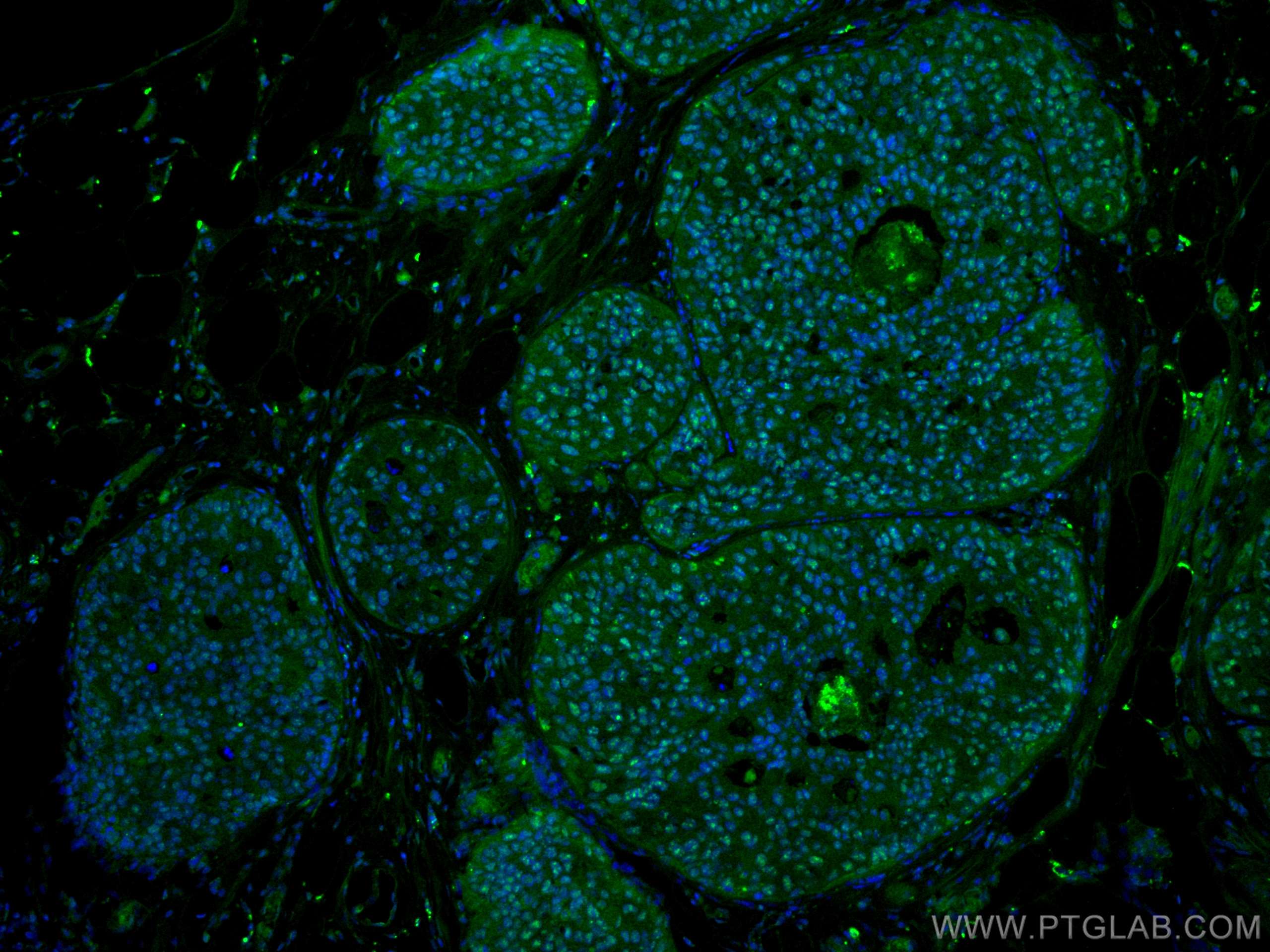
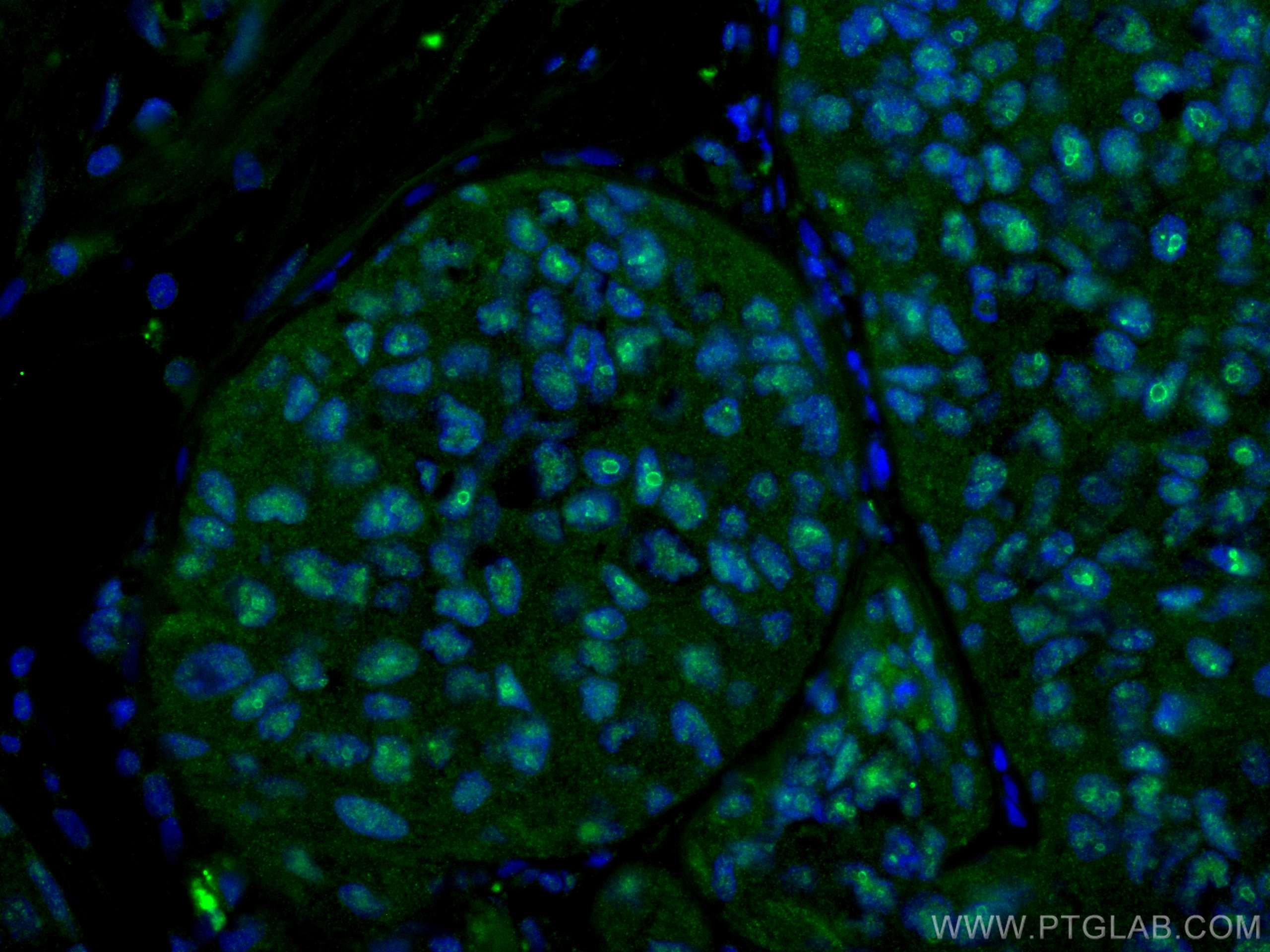
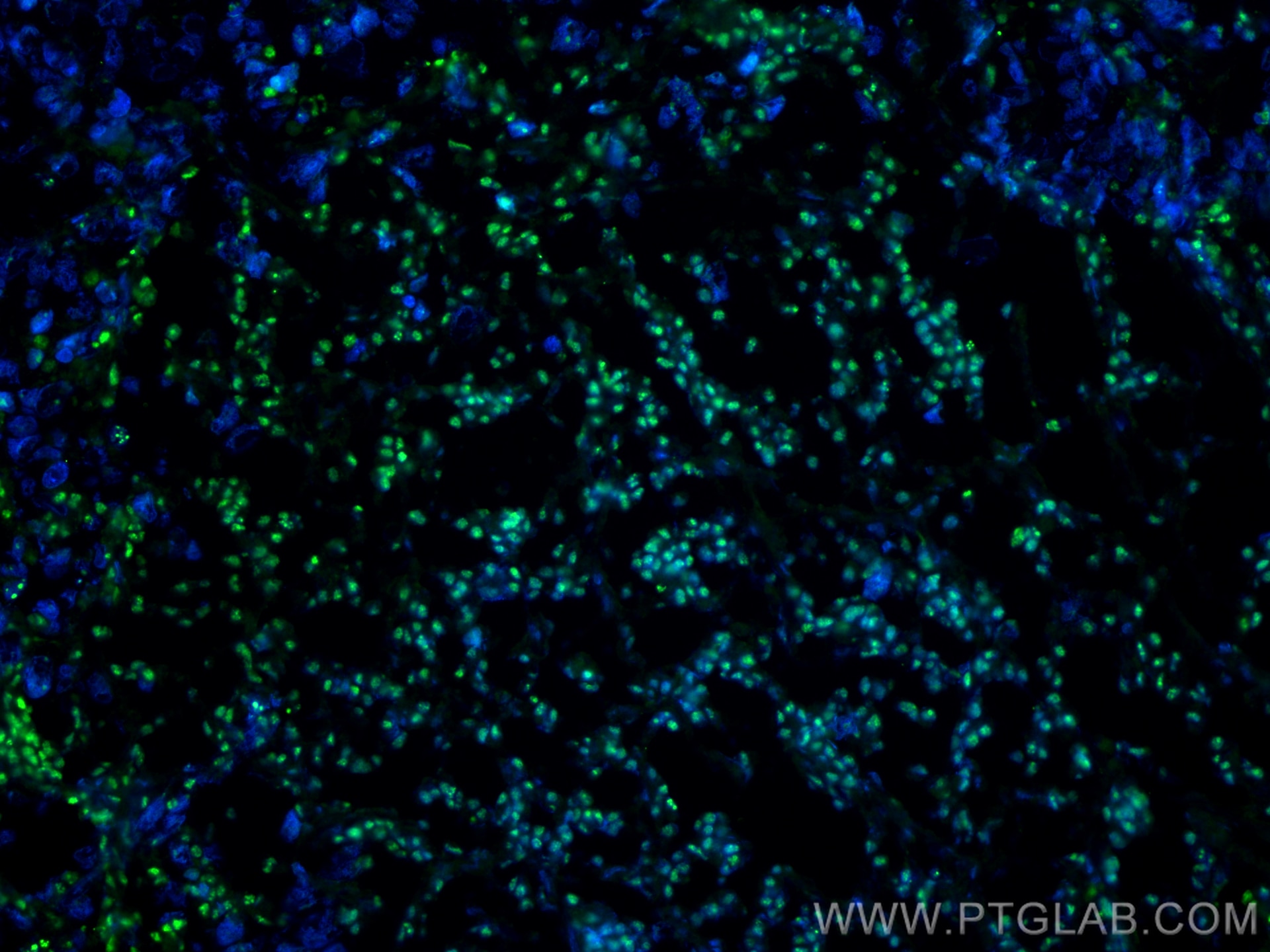
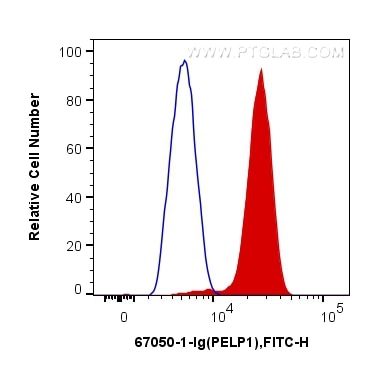
Geprüfte Anwendungen
Produktinformation
67050-1-PBS bindet in WB, IHC, IF-P, IF-Fro, FC (Intra), Indirect ELISA PELP1 und zeigt Reaktivität mit human
| Getestete Reaktivität | human |
| Wirt / Isotyp | Maus / IgG2b |
| Klonalität | Monoklonal |
| Typ | Antikörper |
| Immunogen | PELP1 fusion protein Ag25729 |
| Vollständiger Name | proline, glutamate and leucine rich protein 1 |
| Berechnetes Molekulargewicht | 1130 aa, 120 kDa |
| Beobachtetes Molekulargewicht | 160 kDa |
| GenBank-Zugangsnummer | BC069058 |
| Gene symbol | PELP1 |
| Gene ID (NCBI) | 27043 |
| Konjugation | Unkonjugiert |
| Form | Liquid |
| Reinigungsmethode | Protein-A-Reinigung |
| Lagerungspuffer | PBS only |
| Lagerungsbedingungen | Store at -80°C. 20ul Größen enthalten 0,1% BSA. |
Hintergrundinformationen
PELP1 was first identified as a 160 kDa protein in a screen for Src homology 2 (SH2) domain-binding proteins. PELP1 is overexpressed in 60-80% of breast tumors and plays important roles in both ER genomic and non-genomic signaling. In vivo, PELP1 subcellular localization is primarily nuclear in normal breast tissue, but it is localized to the cytoplasm in about 40% of invasive breast tumors. In the nucleus, PELP1 interacts with a number of transcription factors. The proto-oncogenic functions of PELP1 involve different cellular processes including epigenetic modifications leading to ER transactivation and breast cancer progression. Furthermore, PELP1 activates kinase cascades in the cytoplasm such as MAPK activation via c-Src and PI3K signaling.


