PLCG1 Rekombinanter Antikörper
PLCG1 Rekombinant Antikörper für WB, IHC, IF/ICC, ELISA
Wirt / Isotyp
Kaninchen / IgG
Getestete Reaktivität
human
Anwendung
WB, IHC, IF/ICC, ELISA
Konjugation
Unkonjugiert
CloneNo.
242529A11
Kat-Nr. : 84941-1-RR
Synonyme
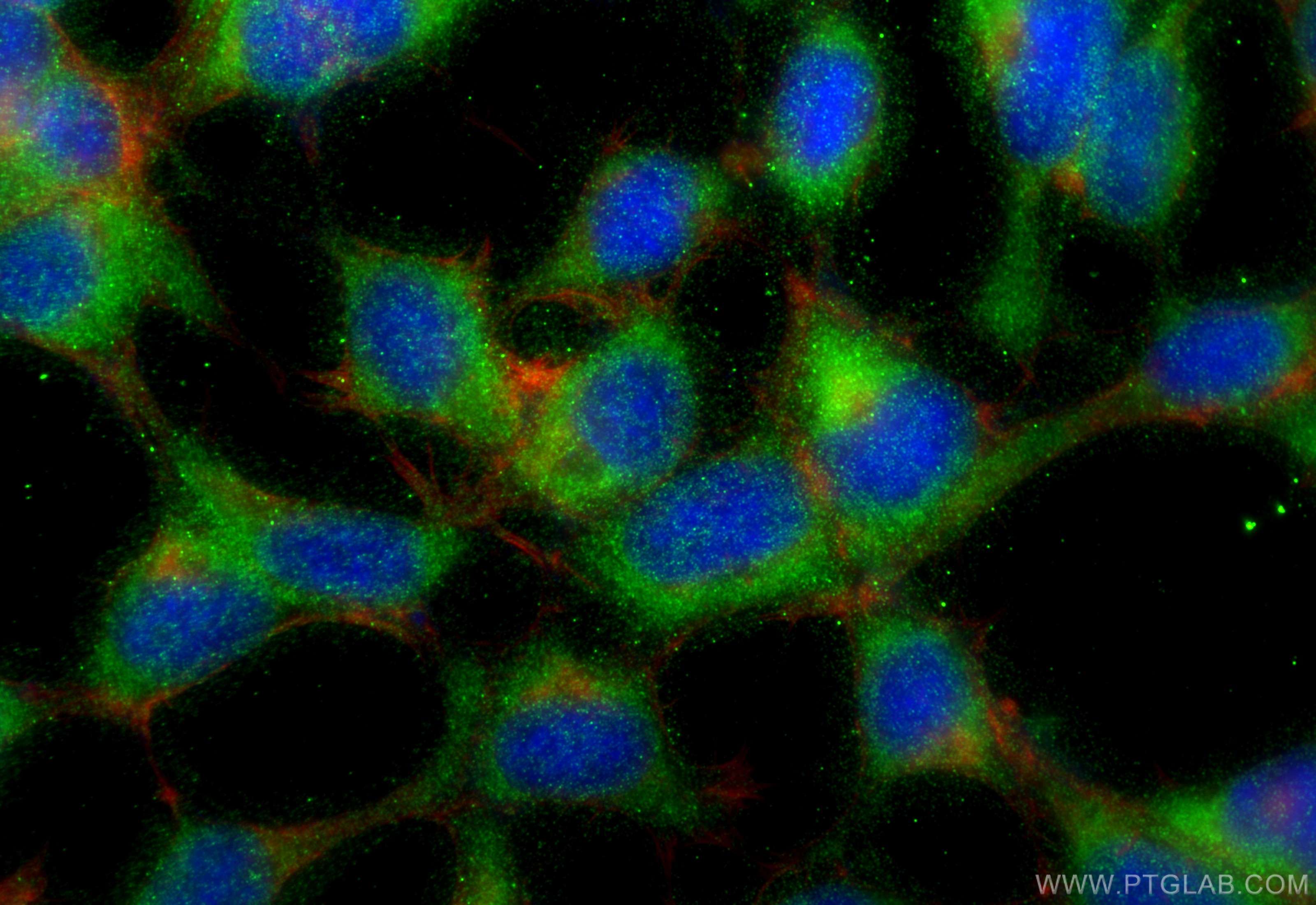
Geprüfte Anwendungen
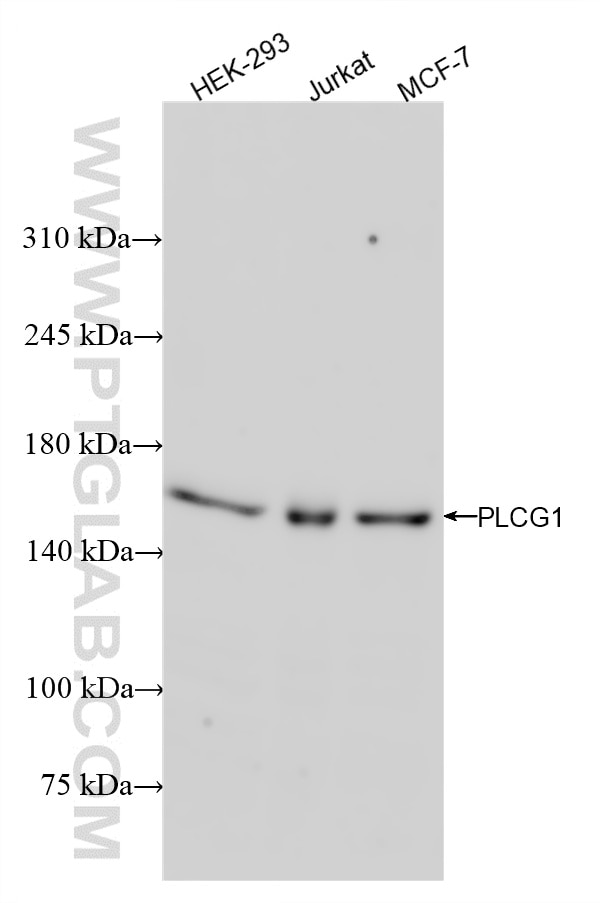
| Erfolgreiche Detektion in WB | HEK-293-Zellen, Jurkat-Zellen, MCF-7-Zellen |
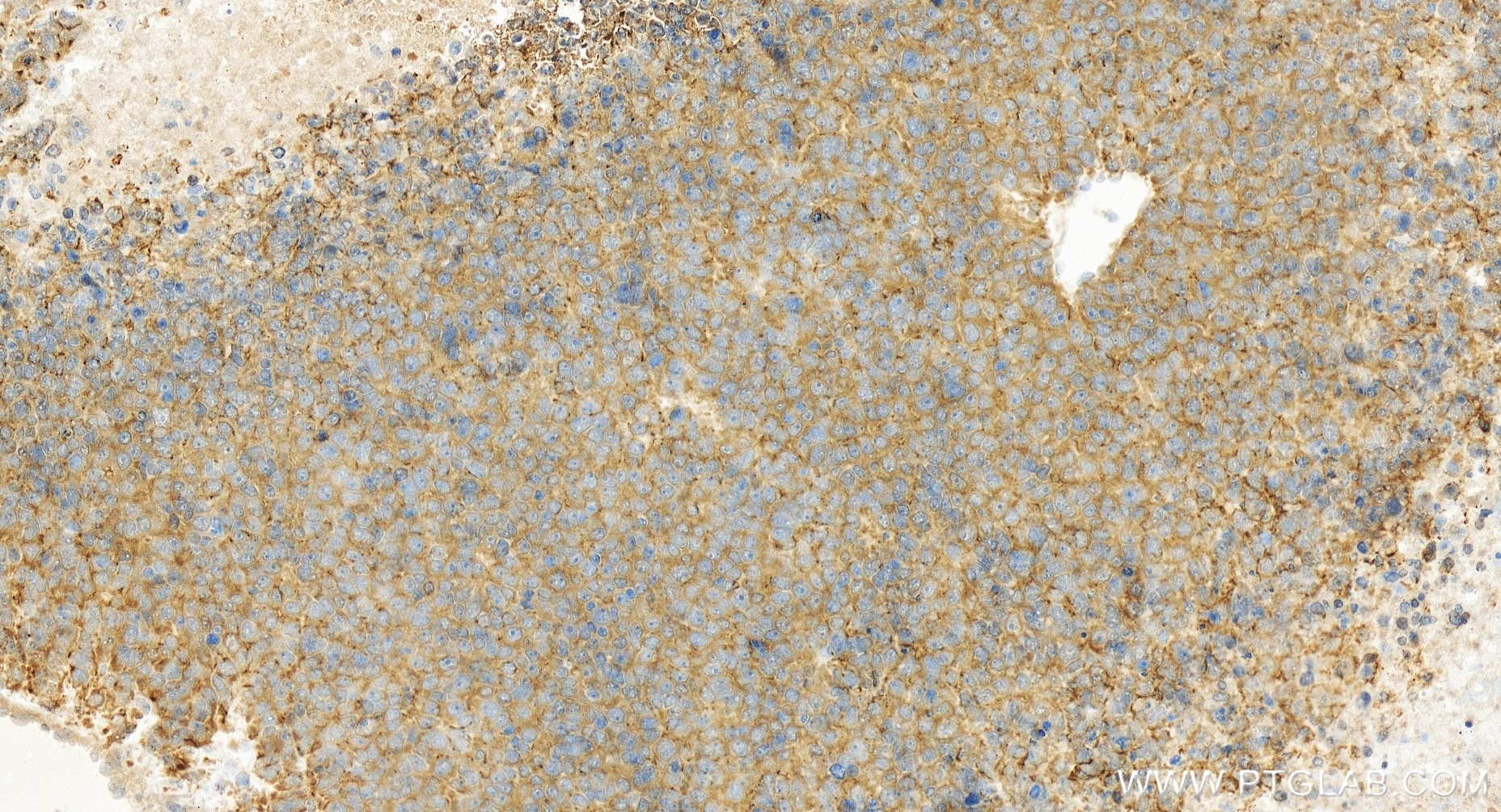
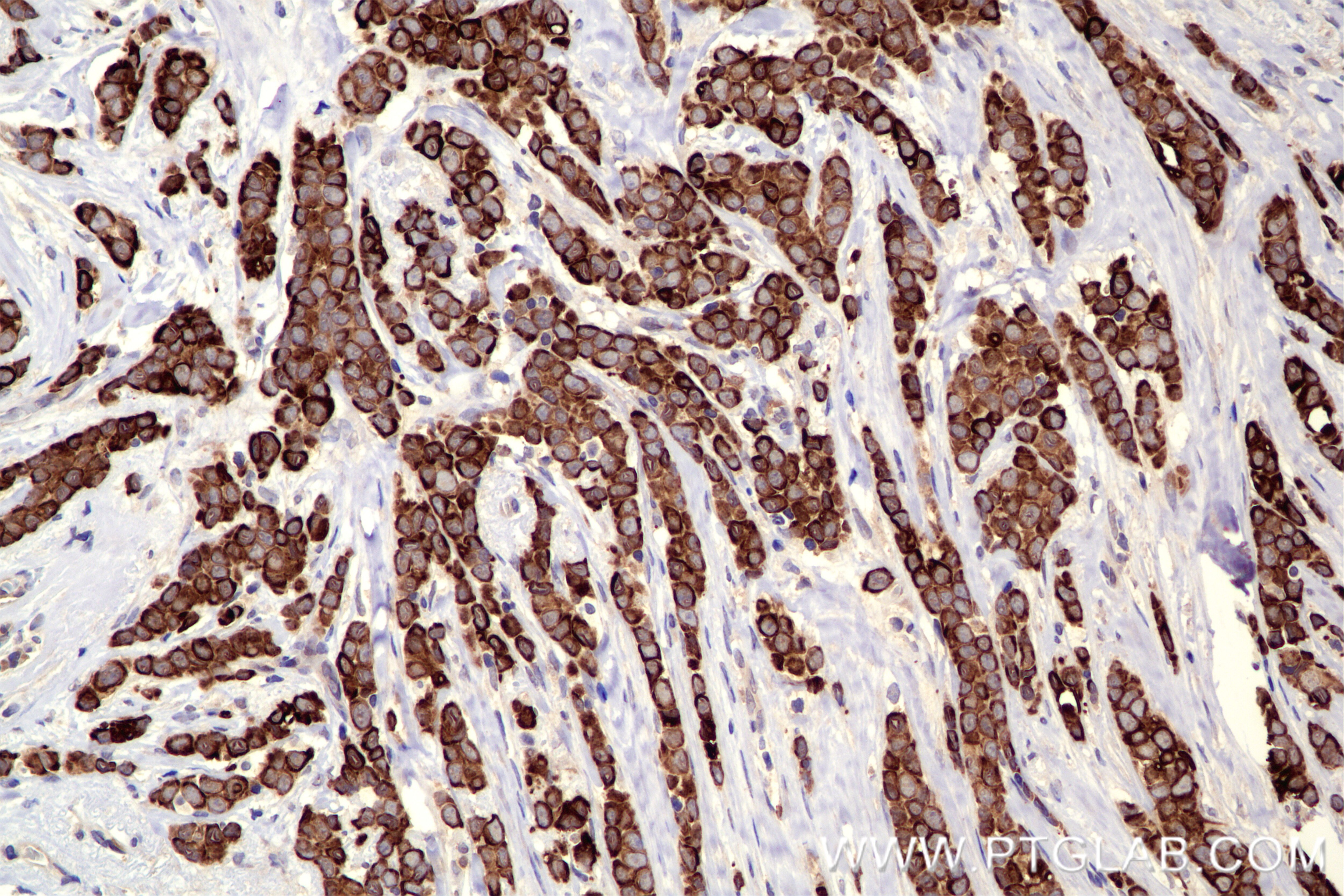
| Erfolgreiche Detektion in IHC | humanes Mammakarzinomgewebe, humanes Leberkarzinomgewebe Hinweis: Antigendemaskierung mit TE-Puffer pH 9,0 empfohlen. (*) Wahlweise kann die Antigendemaskierung auch mit Citratpuffer pH 6,0 erfolgen. |
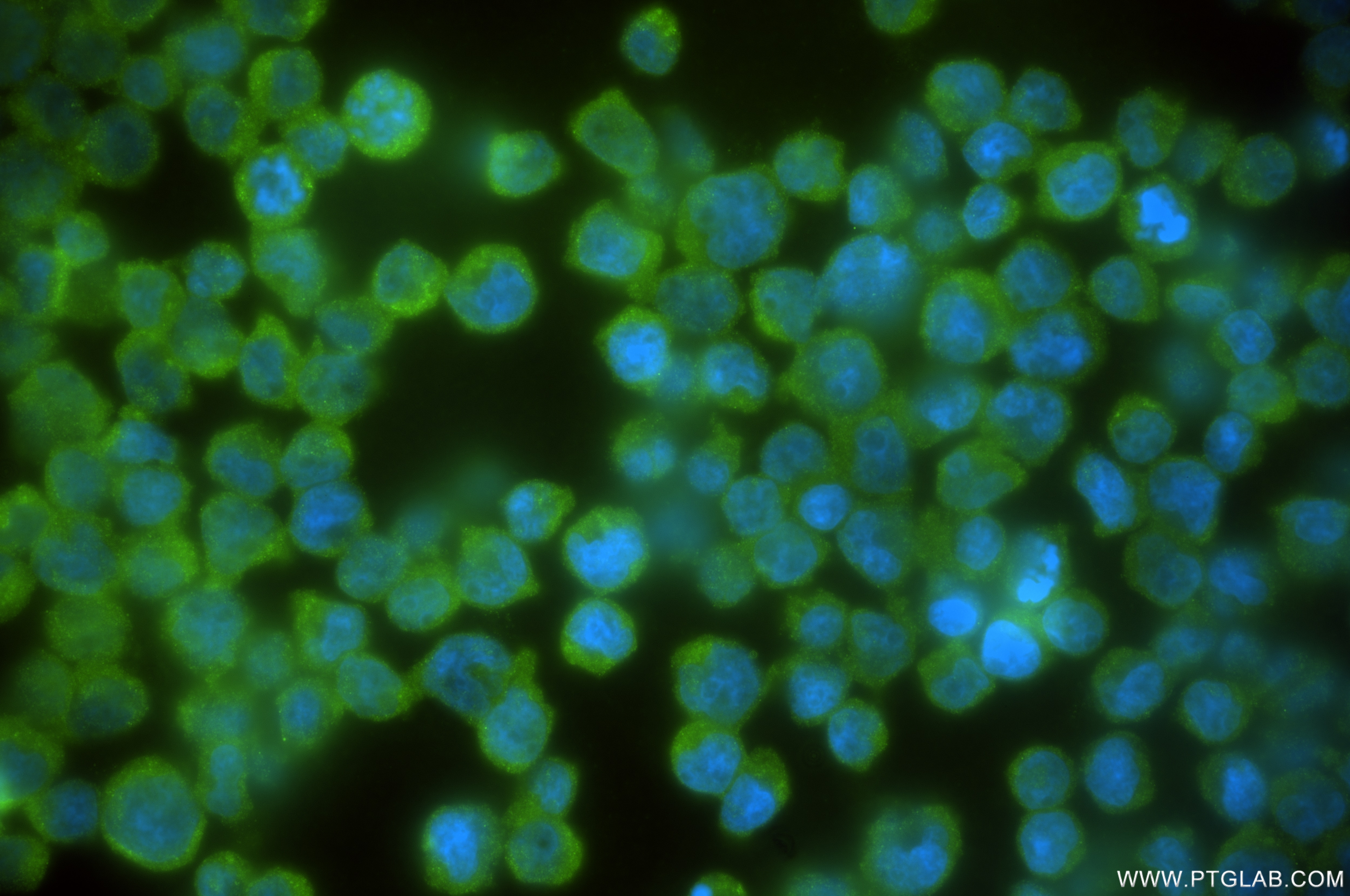
| Erfolgreiche Detektion in IF/ICC | Jurkat-Zellen, HEK-293-Zellen |
Empfohlene Verdünnung
| Anwendung | Verdünnung |
|---|---|
| Western Blot (WB) | WB : 1:1000-1:5000 |
| Immunhistochemie (IHC) | IHC : 1:250-1:1000 |
| Immunfluoreszenz (IF)/ICC | IF/ICC : 1:125-1:500 |
| It is recommended that this reagent should be titrated in each testing system to obtain optimal results. | |
| Sample-dependent, check data in validation data gallery | |
Produktinformation
84941-1-RR bindet in WB, IHC, IF/ICC, ELISA PLCG1 und zeigt Reaktivität mit human
| Getestete Reaktivität | human |
| Wirt / Isotyp | Kaninchen / IgG |
| Klonalität | Rekombinant |
| Typ | Antikörper |
| Immunogen | PLCG1 fusion protein Ag27218 |
| Vollständiger Name | phospholipase C, gamma 1 |
| Berechnetes Molekulargewicht | 149 kDa |
| Gene symbol | PLCG1 |
| Gene ID (NCBI) | 5335 |
| Konjugation | Unkonjugiert |
| Form | Liquid |
| Reinigungsmethode | Protein-A-Reinigung |
| Lagerungspuffer | PBS with 0.02% sodium azide and 50% glycerol |
| Lagerungsbedingungen | Bei -20°C lagern. Nach dem Versand ein Jahr lang stabil Aliquotieren ist bei -20oC Lagerung nicht notwendig. 20ul Größen enthalten 0,1% BSA. |
Hintergrundinformationen
Phosphoinositide phospholipase C-gamma-1 (PLCG1) which belongs to the phosphoinositide-specific phospholipase C (PLC) family, is activated by many extracellular stimuli including hormones, neurotransmitters, and growth factors and modulates several cellular and physiological functions necessary for tumorigeneses such as cell survival, migration, invasion, and angiogenesis by generating inositol 1,4,5-triphosphate (IP3) and diacylglycerol (DAG) via hydrolysis of phosphatidylinositol 4,5-biphosphate (PIP2) (PMID: 9242915). Phosphorylation is one of the key mechanisms that regulate the activity of PLC. PLCγ is activated by both receptor and non-receptor tyrosine kinases (PMID: 2472218). PLCγ forms a complex with EGF and PDGF receptors, which leads to the phosphorylation of PLCγ at Tyr771, 783, and 1248 (PMID: 1708307). It has also been shown that PKA-mediated phosphorylation at Ser1248 is inhibitory to PLCγ1 tyrosine phosphorylation and phospholipase activity in CD3-treated Jurkat cells (PMID: 1370476), suggesting that Ser1248 may be an allosteric regulator of PLCγ1 activity.
Protokolle
| PRODUKTSPEZIFISCHE PROTOKOLLE | |
|---|---|
| WB protocol for PLCG1 antibody 84941-1-RR | Protokoll herunterladen |
| IHC protocol for PLCG1 antibody 84941-1-RR | Protokoll herunterladenl |
| IF protocol for PLCG1 antibody 84941-1-RR | Protokoll herunterladen |
| STANDARD-PROTOKOLLE | |
|---|---|
| Klicken Sie hier, um unsere Standardprotokolle anzuzeigen |

