PTGDS Polyklonaler Antikörper
PTGDS Polyklonal Antikörper für WB, IHC, IP, Indirect ELISA
Wirt / Isotyp
Kaninchen / IgG
Getestete Reaktivität
human, Maus
Anwendung
WB, IHC, IP, Indirect ELISA
Konjugation
Unkonjugiert
Kat-Nr. : 10754-2-PBS
Synonyme
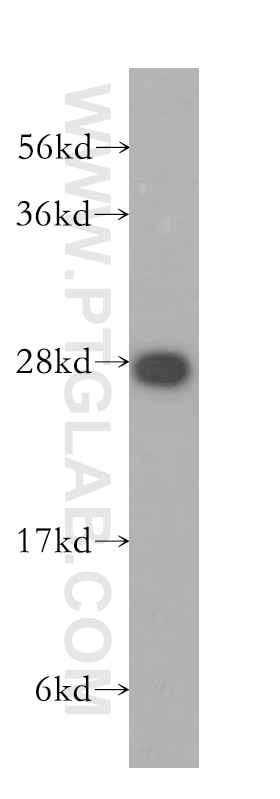
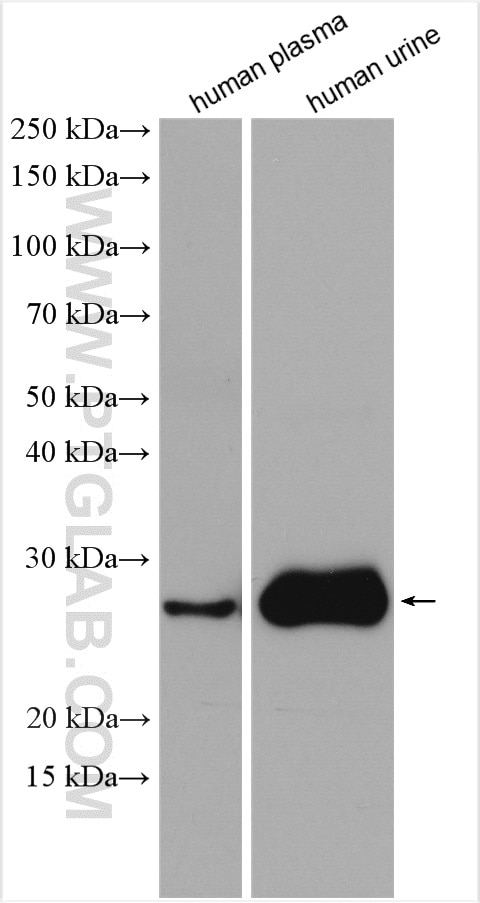
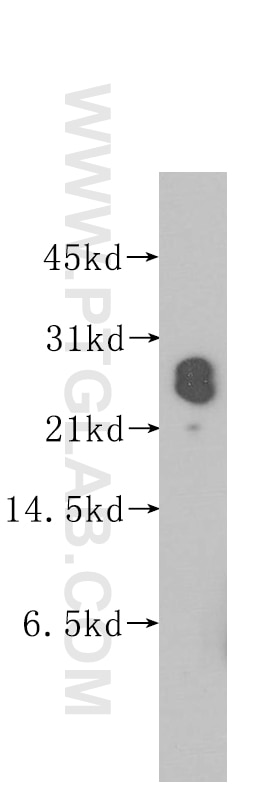
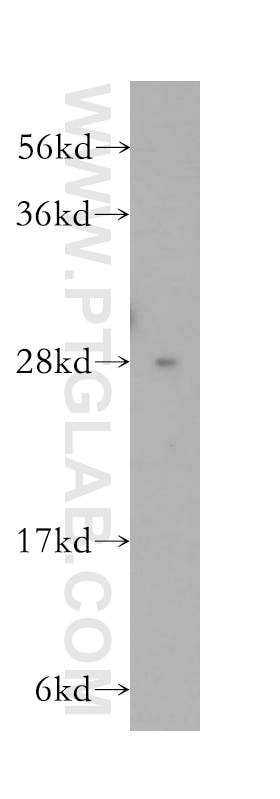
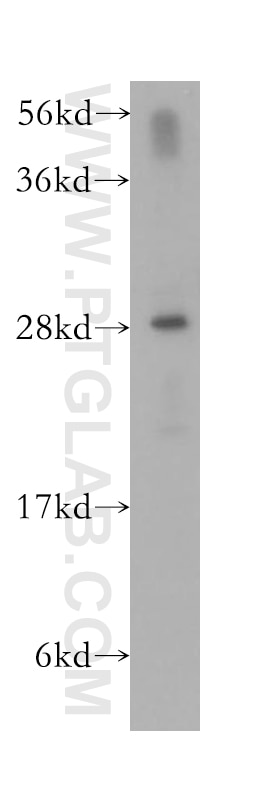
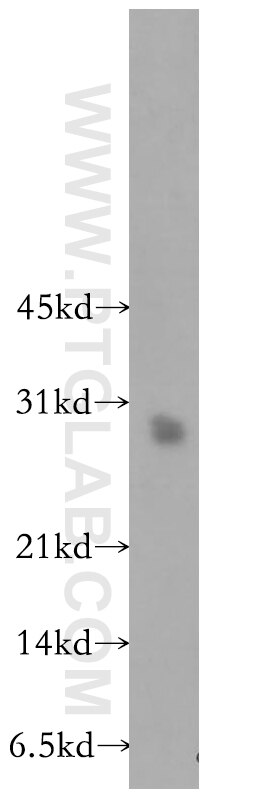
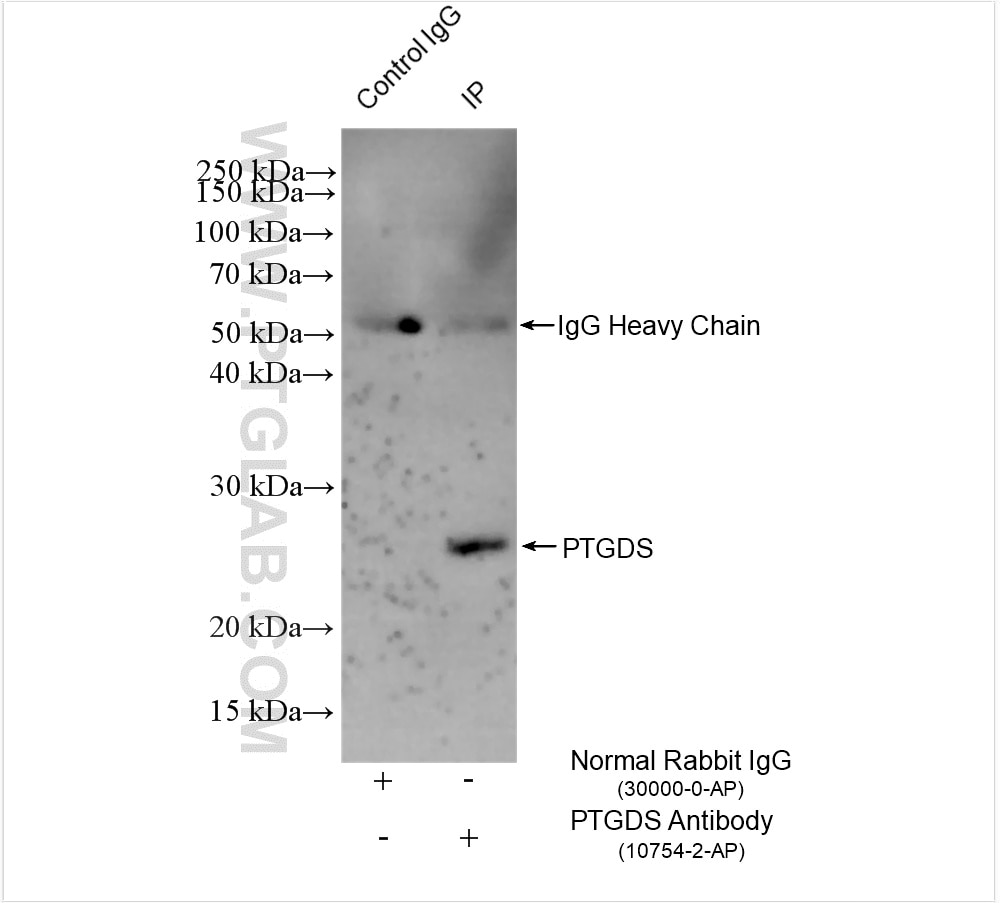
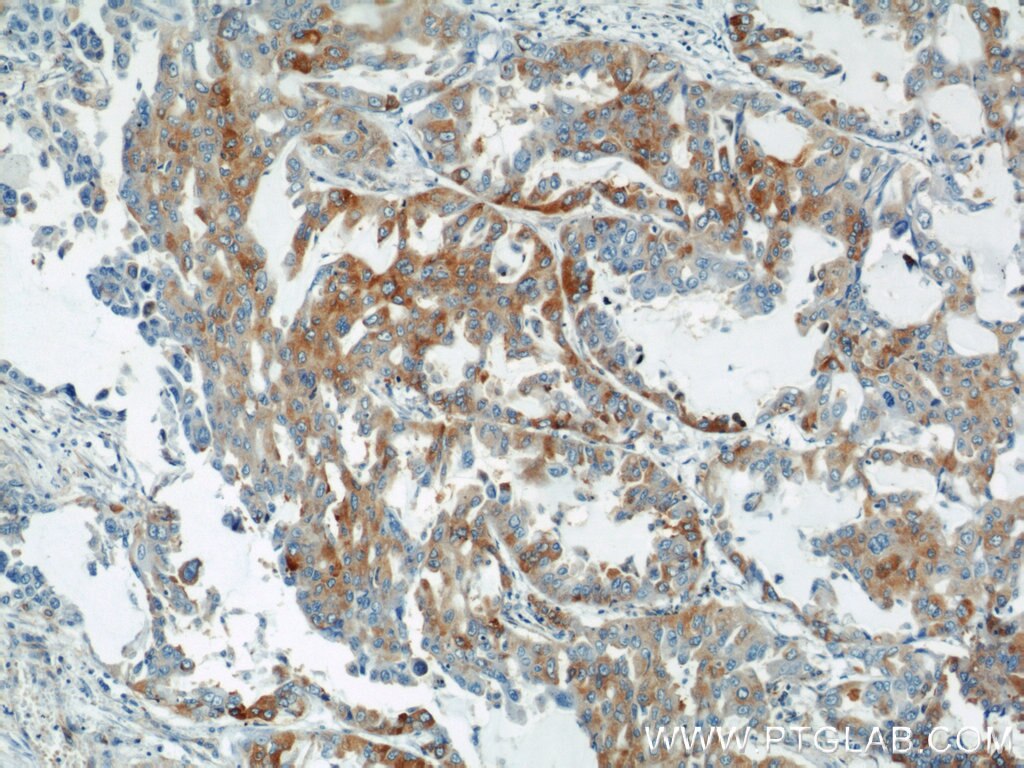
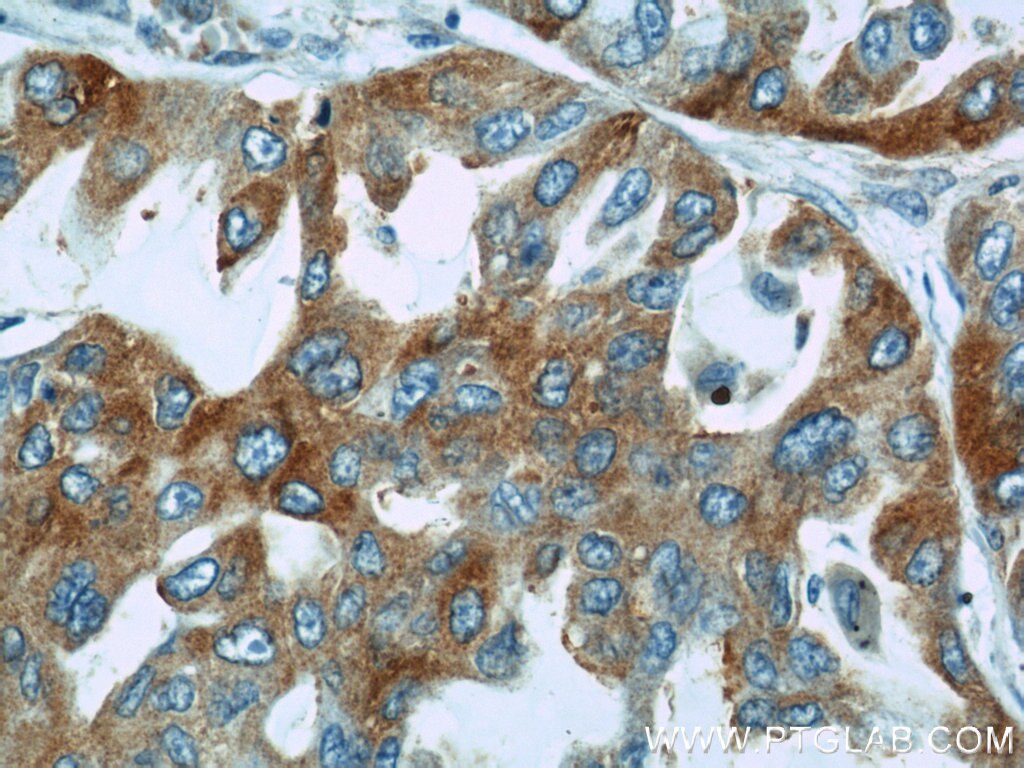
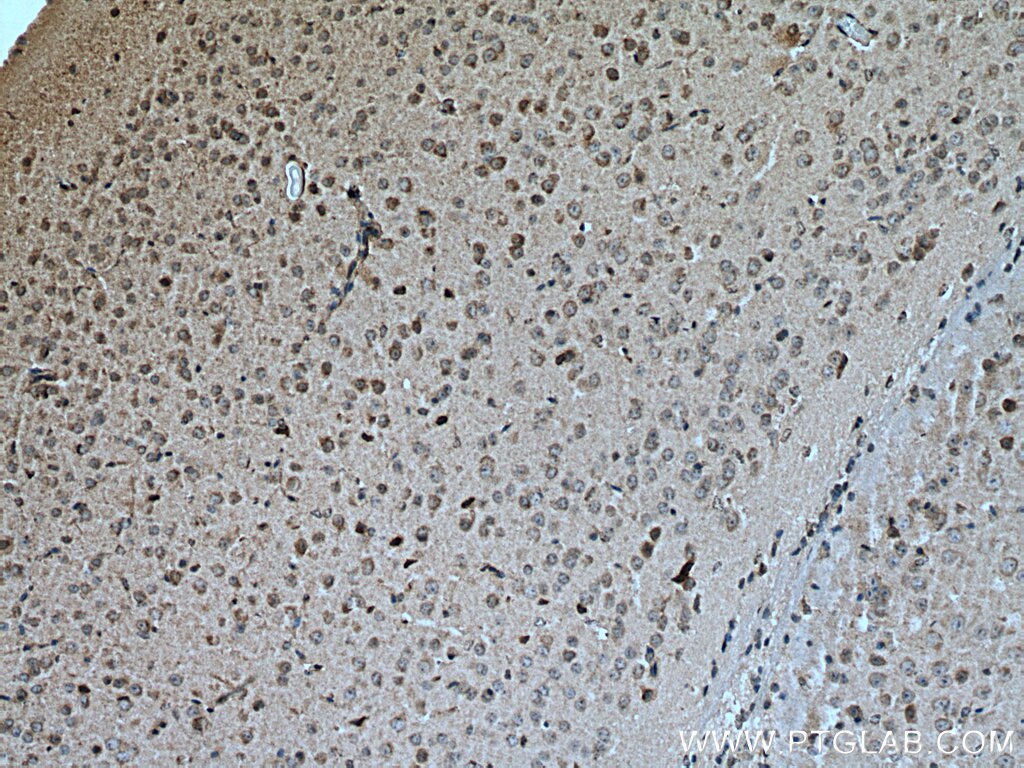
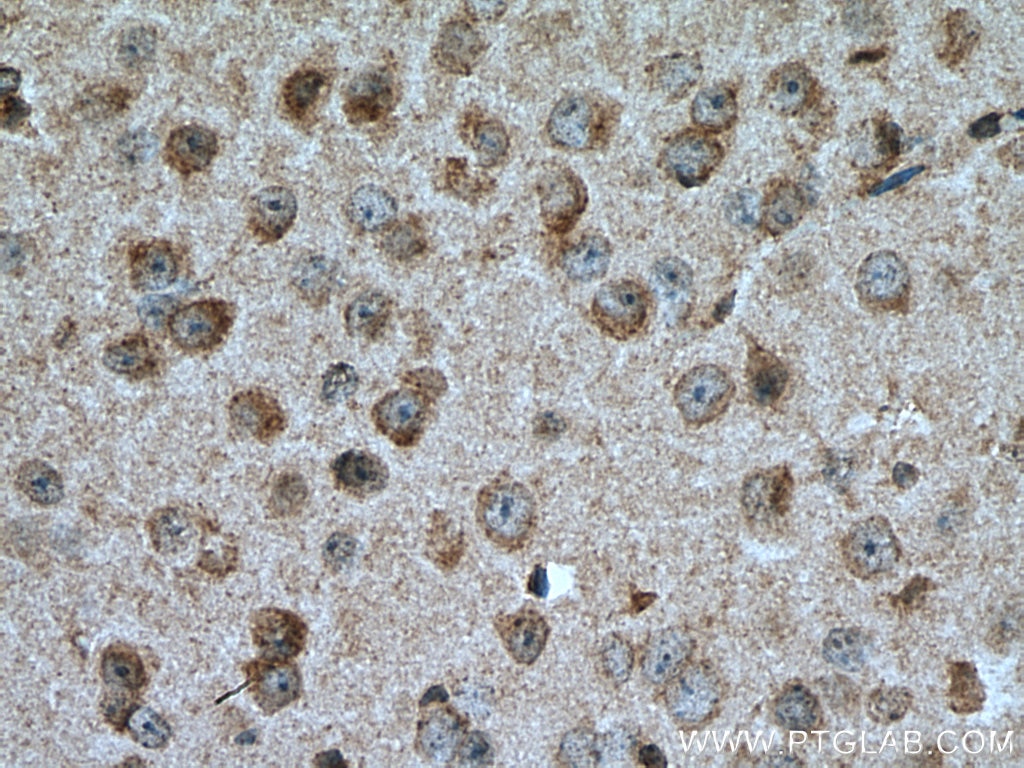
Geprüfte Anwendungen
Produktinformation
10754-2-PBS bindet in WB, IHC, IP, Indirect ELISA PTGDS und zeigt Reaktivität mit human, Maus
| Getestete Reaktivität | human, Maus |
| Wirt / Isotyp | Kaninchen / IgG |
| Klonalität | Polyklonal |
| Typ | Antikörper |
| Immunogen | PTGDS fusion protein Ag1163 |
| Vollständiger Name | prostaglandin D2 synthase 21kDa (brain) |
| Berechnetes Molekulargewicht | 21 kDa |
| Beobachtetes Molekulargewicht | 28 kDa |
| GenBank-Zugangsnummer | BC005939 |
| Gene symbol | PTGDS |
| Gene ID (NCBI) | 5730 |
| Konjugation | Unkonjugiert |
| Form | Liquid |
| Reinigungsmethode | Antigen-Affinitätsreinigung |
| Lagerungspuffer | PBS only |
| Lagerungsbedingungen | Store at -80°C. 20ul Größen enthalten 0,1% BSA. |
Hintergrundinformationen
Glycoprotein prostaglandin D2 synthase (PTGDS), also known as L-PGDS, PGDS, and LPGDS, is a member of the lipocalin superfamily and plays dual roles in prostaglandins metabolism and lipid transport (PMID: 34743203). PTGD2 functions as a neuromodulator as well as a trophic factor in the central nervous system. PTGD2 is also involved in smooth muscle contraction/relaxation and is a potent inhibitor of platelet aggregation. PTGDS is abundantly expressed in the brain and heart and has also been found in testis, prostate, kidney, spleen and leukocytes. It can be found as a collection of monomeric glycoforms with molecular weights in the 27-34 kDa range (PMID: 32430846).


