RHOB Rekombinanter Antikörper
RHOB Rekombinant Antikörper für WB, Indirect ELISA
Wirt / Isotyp
Kaninchen / IgG
Getestete Reaktivität
human, Maus, Ratte
Anwendung
WB, Indirect ELISA
Konjugation
Unkonjugiert
CloneNo.
251662A8
Kat-Nr. : 86663-3-PBS
Synonyme
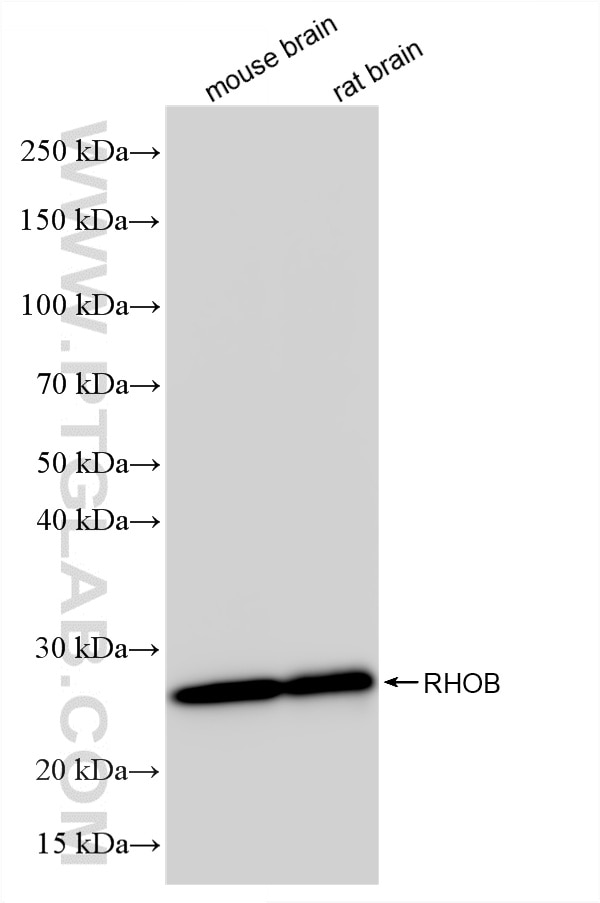
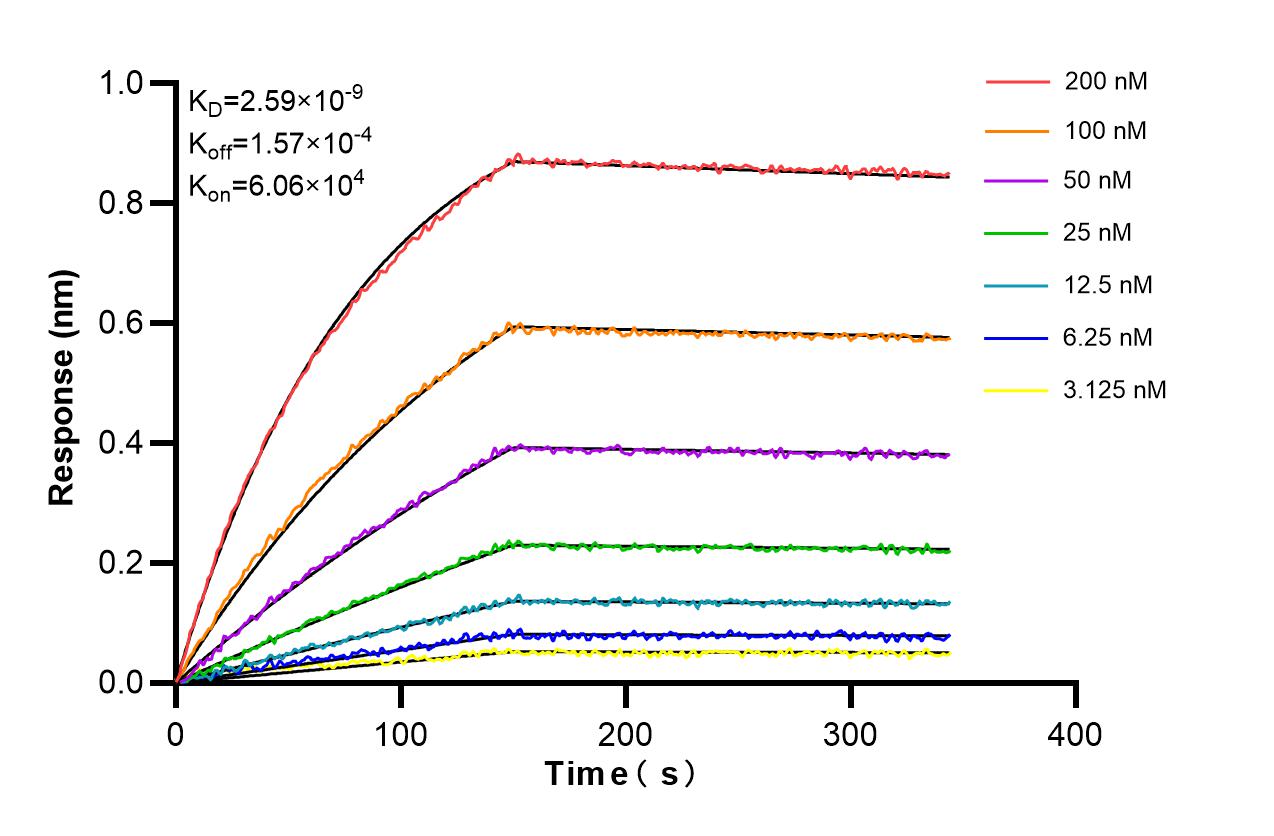
Geprüfte Anwendungen
Produktinformation
86663-3-PBS bindet in WB, Indirect ELISA RHOB und zeigt Reaktivität mit human, Maus, Ratten
| Getestete Reaktivität | human, Maus, Ratte |
| Wirt / Isotyp | Kaninchen / IgG |
| Klonalität | Rekombinant |
| Typ | Antikörper |
| Immunogen | RHOB fusion protein Ag5593 |
| Vollständiger Name | ras homolog gene family, member B |
| Berechnetes Molekulargewicht | 22 kDa |
| Beobachtetes Molekulargewicht | 22-26 kDa |
| GenBank-Zugangsnummer | BC066954 |
| Gene symbol | RHOB |
| Gene ID (NCBI) | 388 |
| Konjugation | Unkonjugiert |
| Form | Liquid |
| Reinigungsmethode | Protein-A-Reinigung |
| Lagerungspuffer | PBS only |
| Lagerungsbedingungen | Store at -80°C. 20ul Größen enthalten 0,1% BSA. |
Hintergrundinformationen
Rho-related GTP-binding protein RhoB (RHOB) is also named ARH6, ARHB and Rho cDNA clone 6 (h6). RhoB was the first member of the Rho family to be implicated in endosomal trafficking. One study showed that RhoB localizes and activates its downstream target, serine/threonine kinase (PRK1), on endosomes, and acts through this signaling pathway to disrupt the trafficking of internalized EGF receptor from endosomes to a prelysosomal compartment (PMID: 29385717). RhoB is known to be part of the immediate early genetic response to epidermal growth factor, transforming growth factor β, Src activation, or genotoxic stress (PMID:9545335, PMID: 10679283). RhoB was shown to have potential implications for EGF signaling by targeting the activated EGF receptors to the lysosome, which represents an "off-switch" for mitogenic signals (PMID: 1050858). RhoB was also demonstrated to exert a negative regulatory influence on TGF-β-induced transcriptional activation (PMID:9545335). The activity of the RhoB promoter was stimulated by genotoxic treatments indicating its role in the cellular response to DNA damage (PMID:9388198).


