SLAMF7/CD319 Rekombinanter Antikörper
SLAMF7/CD319 Rekombinant Antikörper für WB, IHC, IF/ICC, Cytometric bead array, Indirect ELISA
Wirt / Isotyp
Kaninchen / IgG
Getestete Reaktivität
human
Anwendung
WB, IHC, IF/ICC, Cytometric bead array, Indirect ELISA
Konjugation
Unkonjugiert
CloneNo.
241320B6
Kat-Nr. : 84254-1-PBS
Synonyme
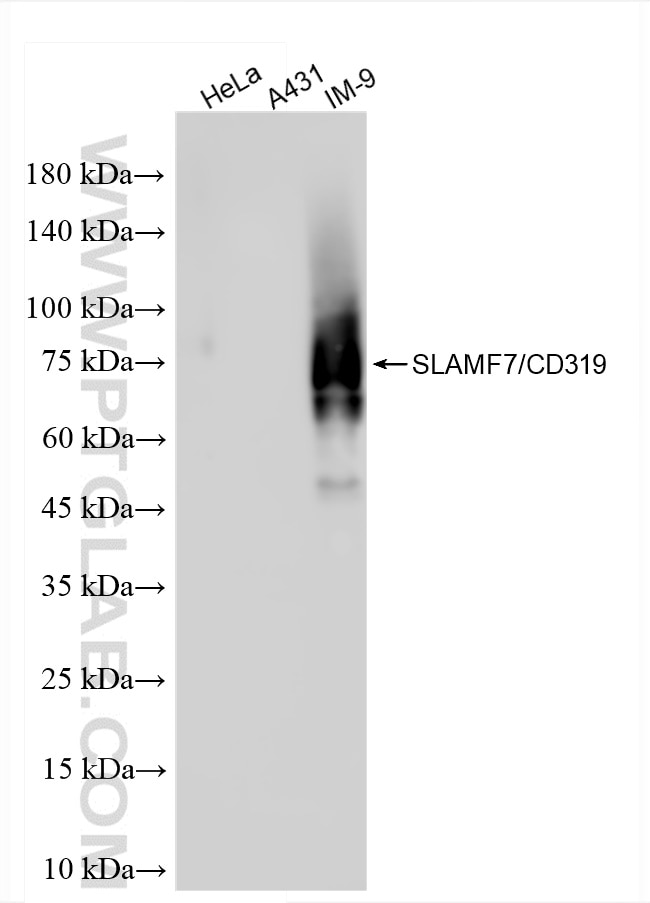
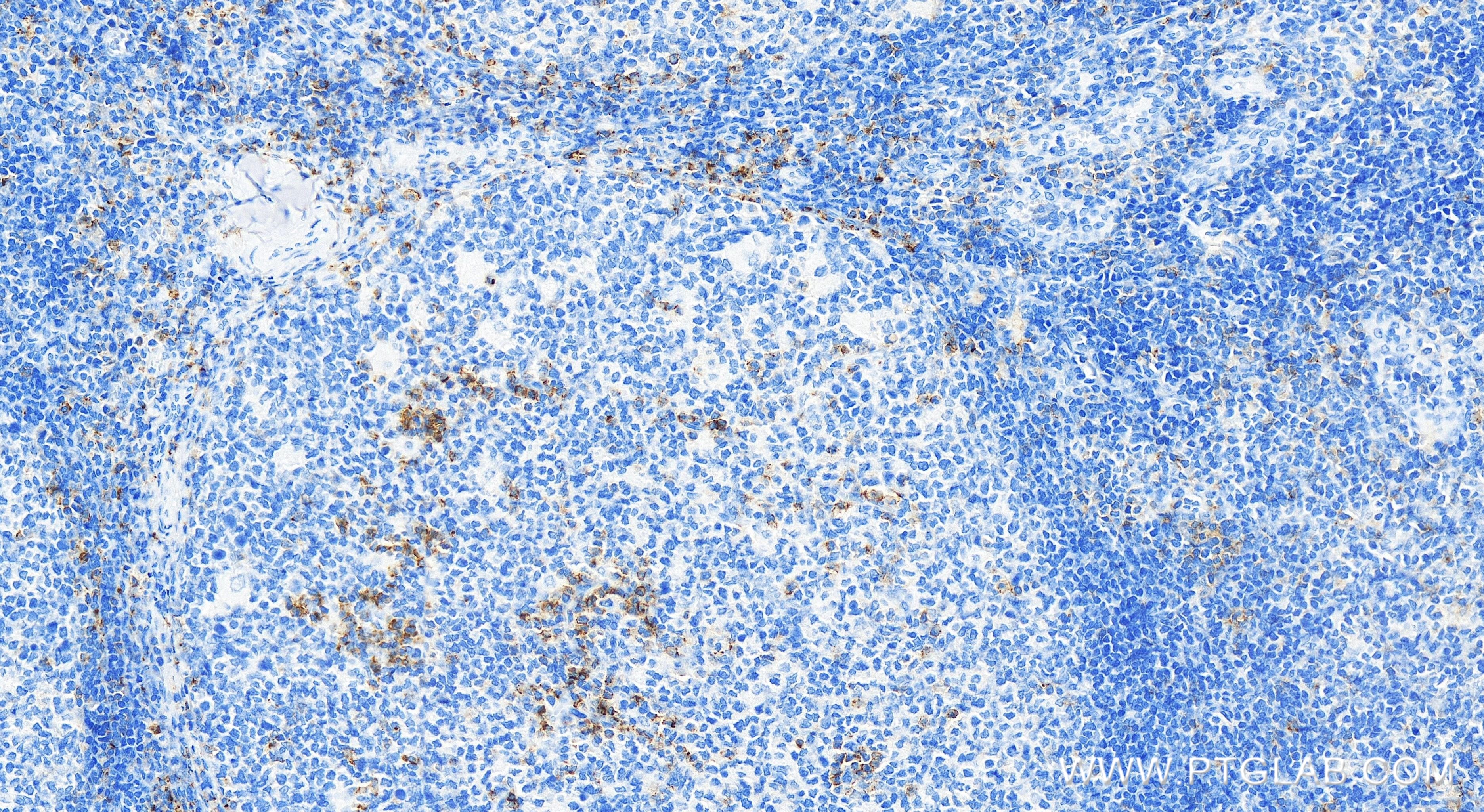
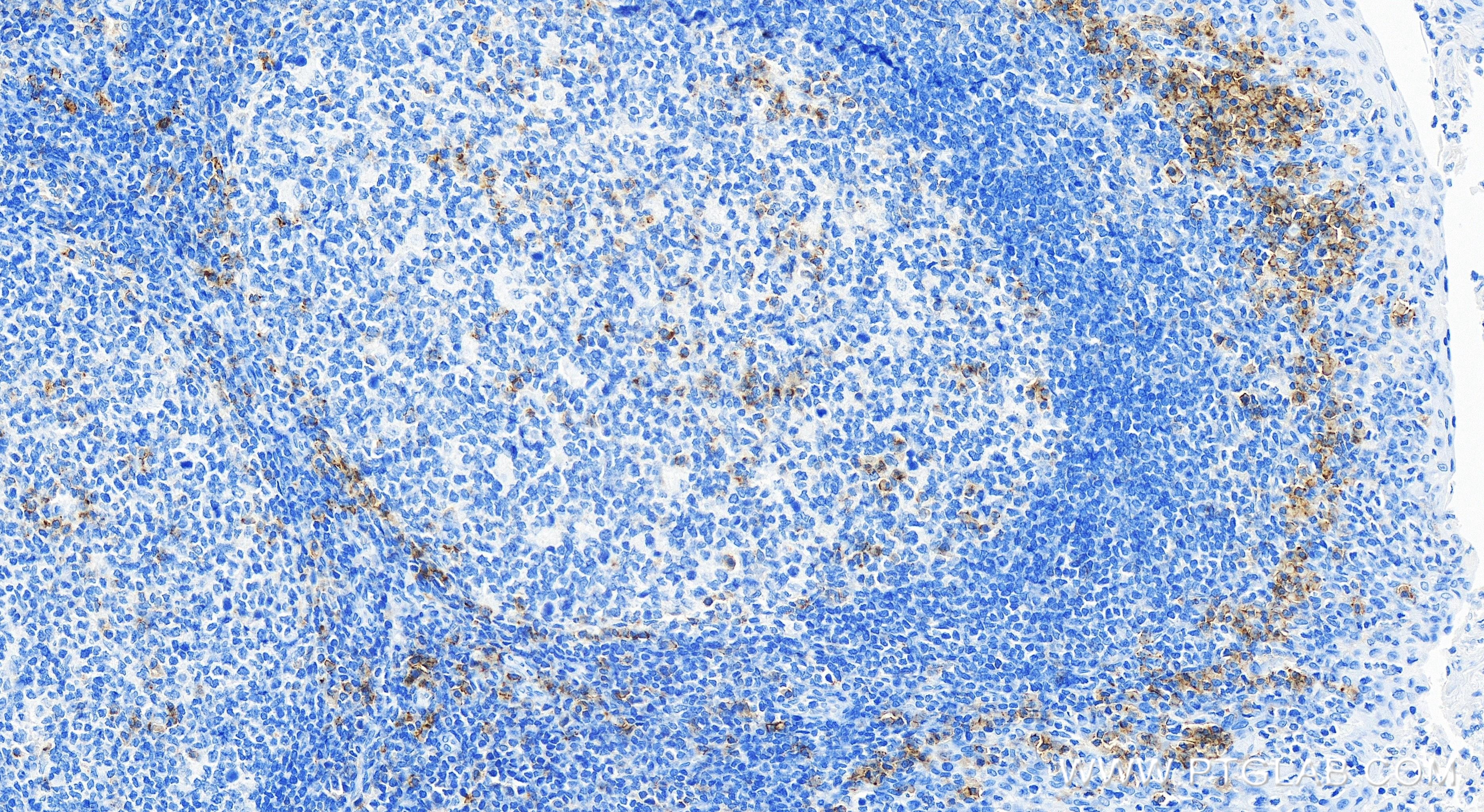
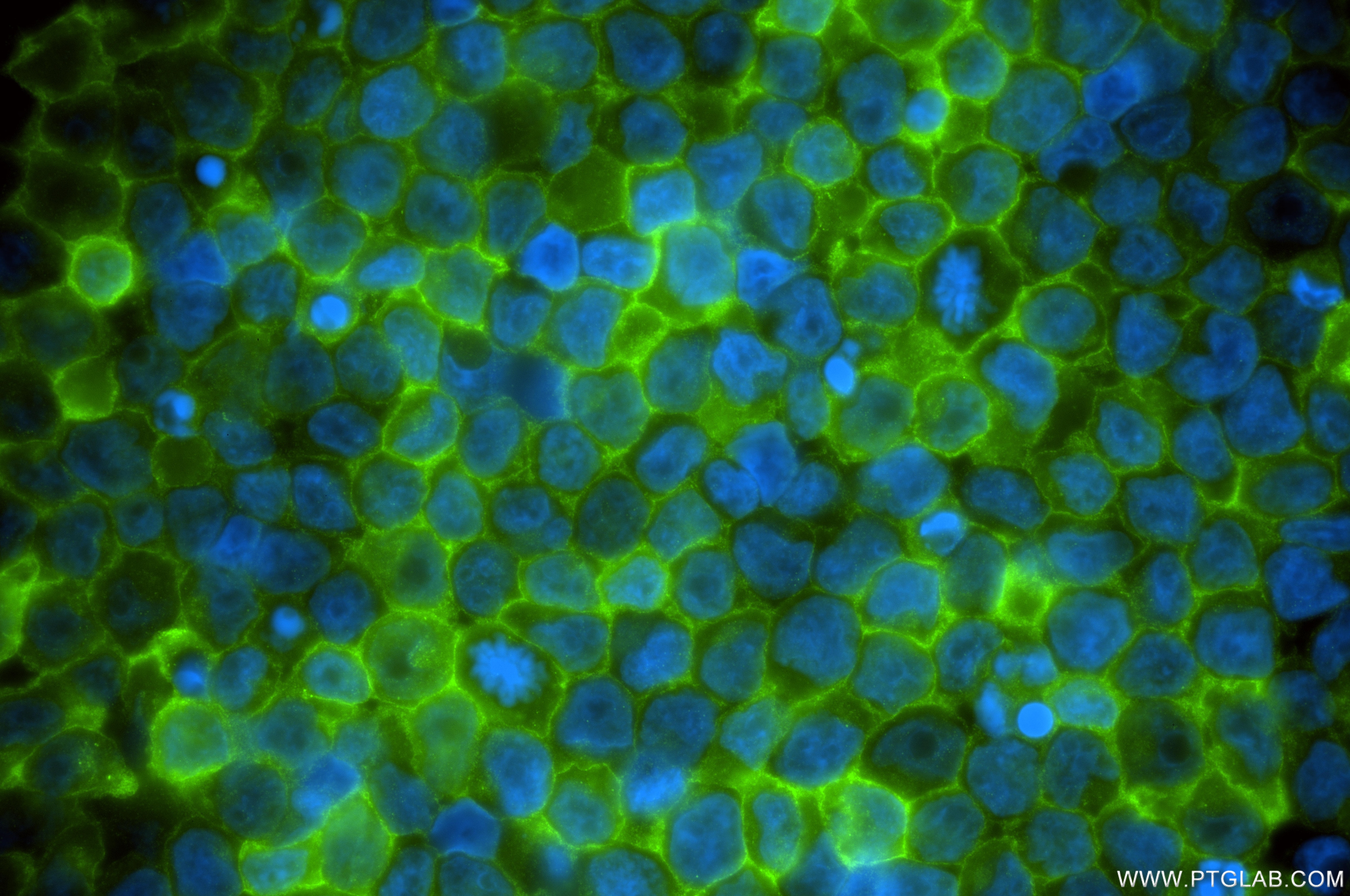
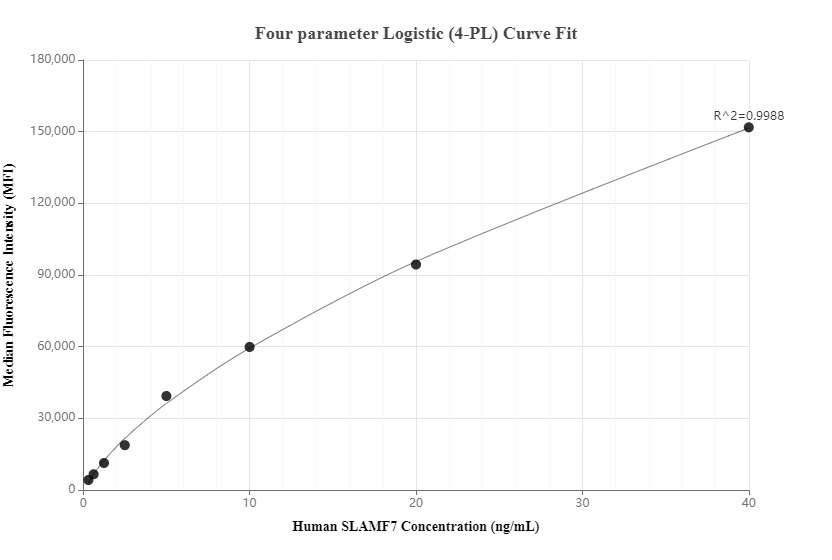
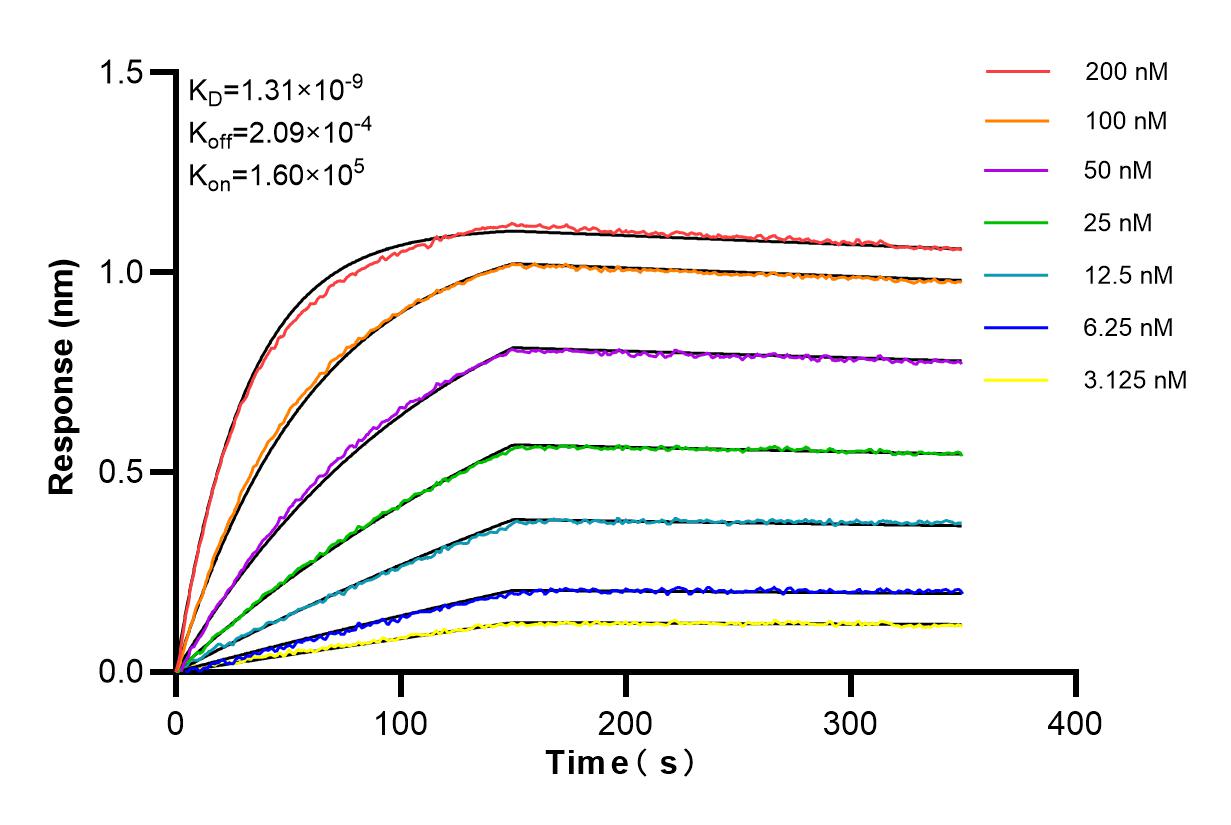
Geprüfte Anwendungen
Produktinformation
84254-1-PBS bindet in WB, IHC, IF/ICC, Cytometric bead array, Indirect ELISA SLAMF7/CD319 und zeigt Reaktivität mit human
| Getestete Reaktivität | human |
| Wirt / Isotyp | Kaninchen / IgG |
| Klonalität | Rekombinant |
| Typ | Antikörper |
| Immunogen | Rekombinantes Protein |
| Vollständiger Name | SLAM family member 7 |
| Berechnetes Molekulargewicht | 335 aa, 37 kDa |
| Beobachtetes Molekulargewicht | 75 kDa |
| GenBank-Zugangsnummer | BC027867 |
| Gene symbol | SLAMF7 |
| Gene ID (NCBI) | 57823 |
| Konjugation | Unkonjugiert |
| Form | Liquid |
| Reinigungsmethode | Protein-A-Reinigung |
| Lagerungspuffer | PBS only |
| Lagerungsbedingungen | Store at -80°C. 20ul Größen enthalten 0,1% BSA. |
Hintergrundinformationen
Signaling lymphocyte activation molecule (SLAM) family receptors is a group of type I transmembrane receptors belonging to the immunoglobulin superfamily (PMID: 37251372). The SLAM family contains nine members that contain an extracellular segment comprising two or four Ig-like domains (V-like variable and C2-like constant), a transmembrane region and a cytoplasmic tail (PMID: 29662641). They are involved in various physiological and pathological processes, including the regulation of immunological responses and the route of viral entry. SLAMF7, also known as CS1, CRACC or CD319, is expressed on NK cells, CD8+ T lymphocytes, B lymphocytes, and mature dendritic cells (PMID: 28861320). It exerts both activating and inhibitory effects depending on the expression status of SAP or EAT-2. SLAMF7 is overexpressed in multiple myeloma and makes it a target for immunotherapy (PMID: 28861320). The native molecular weight of SLAMF7 is 37 kDa and the apparent molecular mass shifts due to glycosylation (PMID: 11698418; 36381324).


