- Featured Product
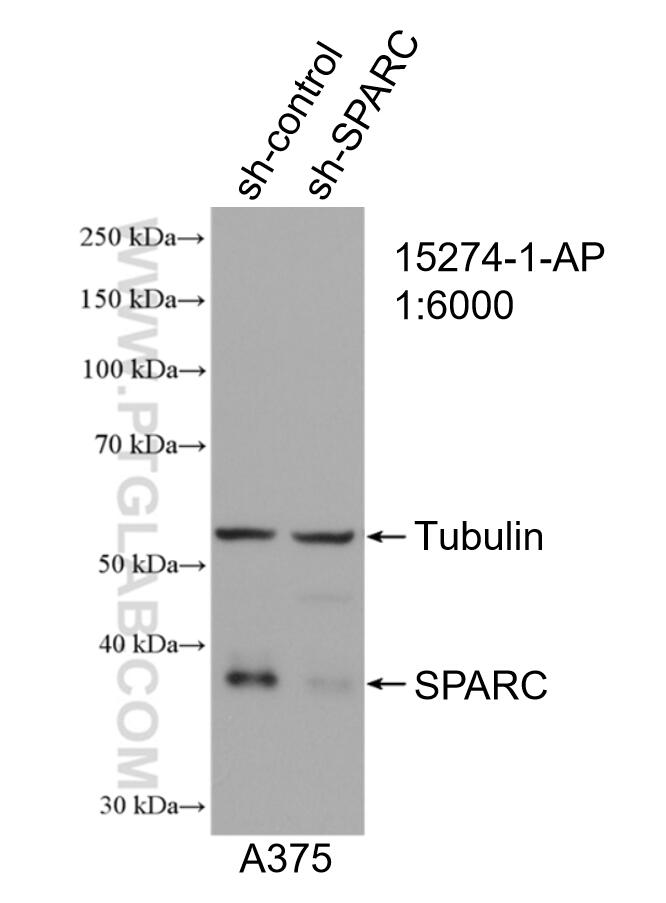
- KD/KO Validated
SPARC Polyklonaler Antikörper
SPARC Polyklonal Antikörper für WB, IHC, Indirect ELISA
Wirt / Isotyp
Kaninchen / IgG
Getestete Reaktivität
Hausschwein, human, Maus, Ratte
Anwendung
WB, IHC, Indirect ELISA
Konjugation
Unkonjugiert
Kat-Nr. : 15274-1-PBS
Synonyme
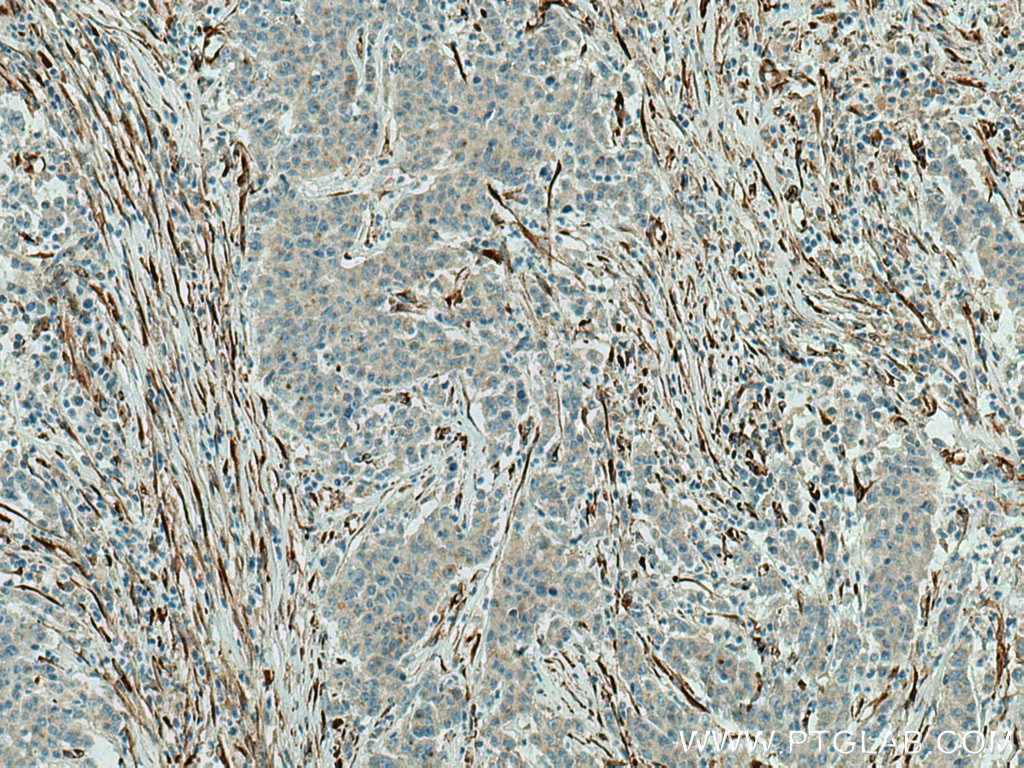
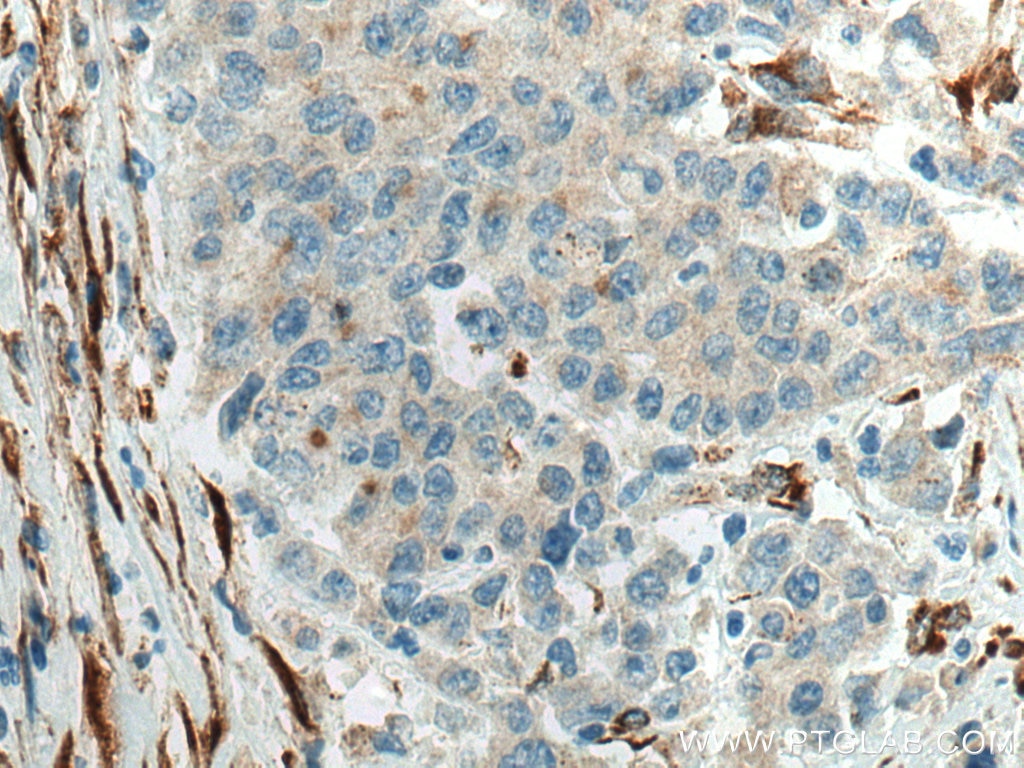
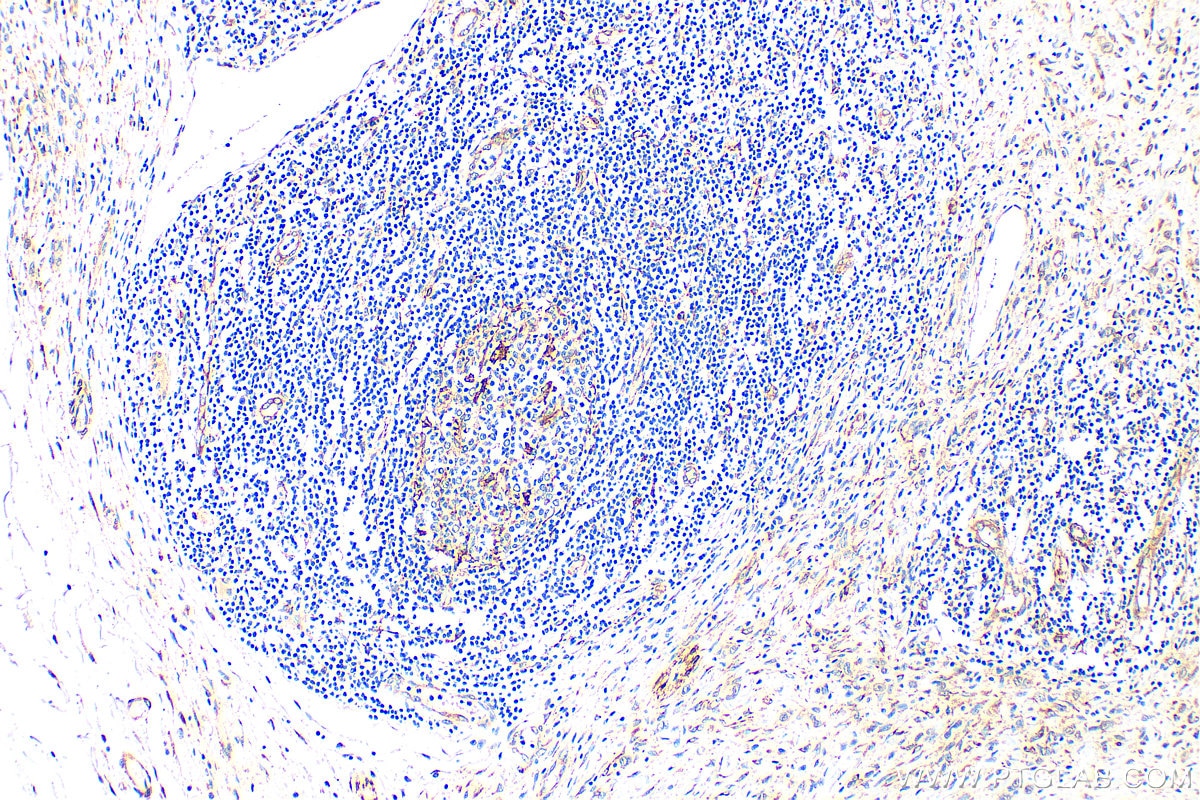
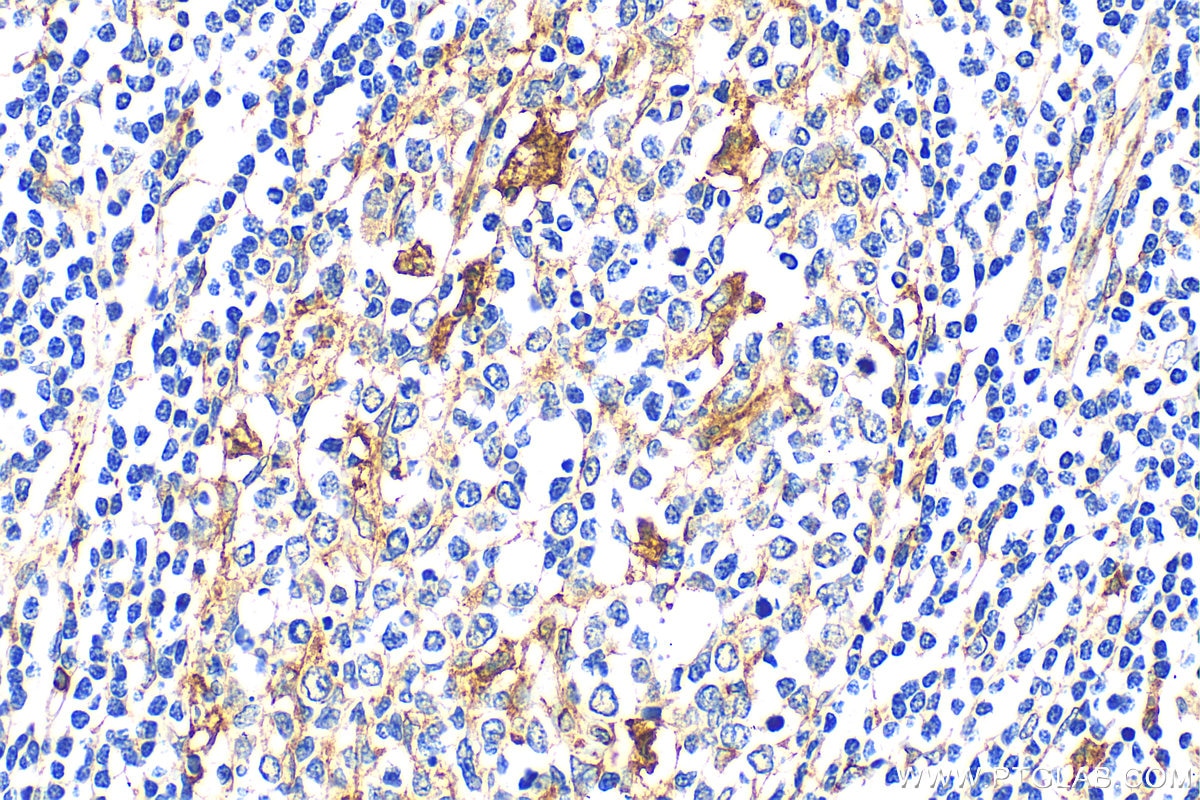
Geprüfte Anwendungen
Produktinformation
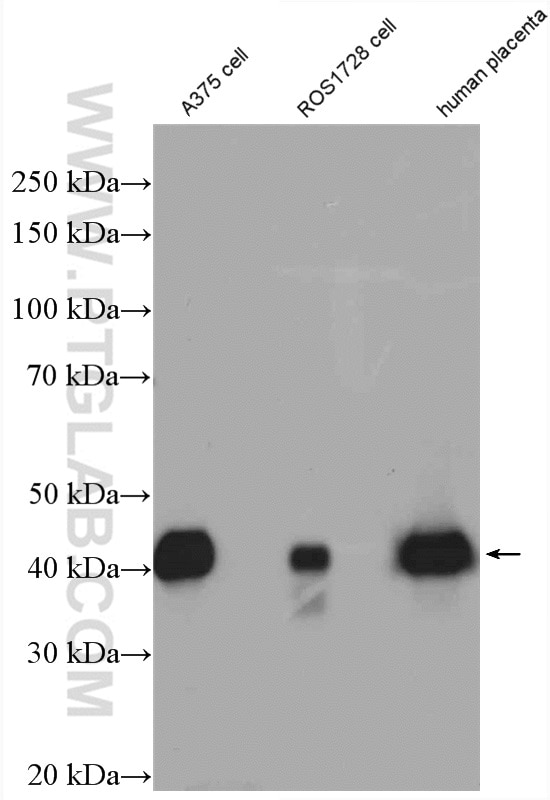
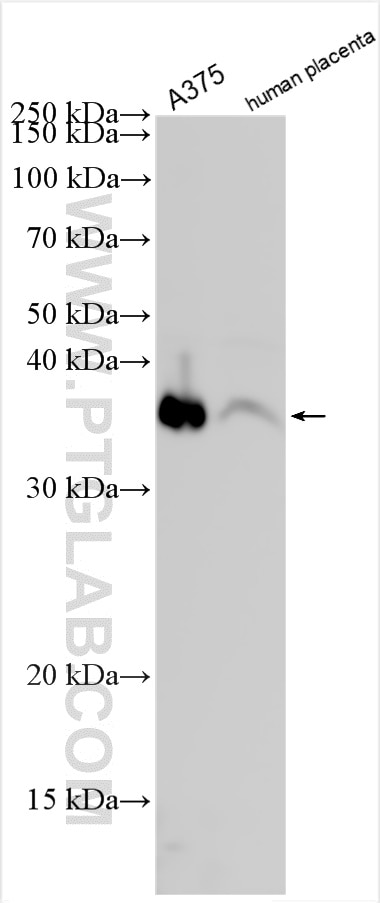
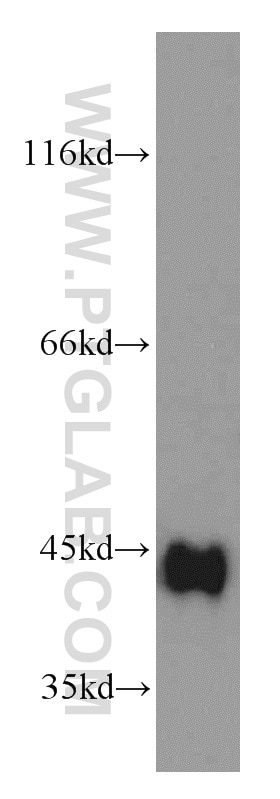
15274-1-PBS bindet in WB, IHC, Indirect ELISA SPARC und zeigt Reaktivität mit Hausschwein, human, Maus, Ratten
| Getestete Reaktivität | Hausschwein, human, Maus, Ratte |
| Wirt / Isotyp | Kaninchen / IgG |
| Klonalität | Polyklonal |
| Typ | Antikörper |
| Immunogen | SPARC fusion protein Ag7390 |
| Vollständiger Name | secreted protein, acidic, cysteine-rich (osteonectin) |
| Berechnetes Molekulargewicht | 35 kDa |
| Beobachtetes Molekulargewicht | 35-43 kDa |
| GenBank-Zugangsnummer | BC004974 |
| Gene symbol | SPARC |
| Gene ID (NCBI) | 6678 |
| Konjugation | Unkonjugiert |
| Form | Liquid |
| Reinigungsmethode | Antigen-Affinitätsreinigung |
| Lagerungspuffer | PBS only |
| Lagerungsbedingungen | Store at -80°C. 20ul Größen enthalten 0,1% BSA. |
Hintergrundinformationen
Secreted Protein Acidic And Cysteine Rich (SPARC), also known as osteonectin or basement-membrane protein 40 (BM-40), is a secreted protein essential in the calcification of bone.
What is the molecular weight of SPARC?
The calculated molecular mass of SPARC is 35 kDa. SPARC is a glycoprotein consisting of 303 amino acids in the cytoplasm and 286 amino acids after the signal sequence is cleaved in secretion.
Where is SPARC expressed?
Osteoblasts secrete SPARC during bone formation, with high levels found in immature bone compared to mature bone that is in homeostasis (PMID: 2440898). SPARC is also secreted in adult mineralized tissues that have high turnover, such as osteoid and dentin, by cells other than osteoblasts. This includes bone marrow progenitor cells and hypertrophic chondrocytes but also endothelial cells and fibroblasts.
Though previously described as being exclusively expressed in mineralized tissue, it is now understood that SPARC is more widely expressed and is associated with high levels of collagen deposition, found in the extracellular matrix (ECM) of a number of tissues.
What is the function of SPARC?
SPARC contains both a collagen-binding domain and a hydroxyapatite (HA) binding region, so is thought to enhance mineralization by binding both collagen and HA crystals, causing the release of calcium ions (PMID: 26851678).
SPARC can bind to a number of different ECM proteins, particularly collagen, and may even influence the assembly of these proteins (PMID: 19798598). It is known to regulate interactions between cells and the ECM, meaning it plays a role in many important processes such as cell migration and proliferation.
What diseases are associated with SPARC?
Overexpression of SPARC has been identified in a number of different types of cancers (PMID: 18849185), although its role may vary. For example, in neuroblastomas SPARC acts as a suppressor but in gliomas, it causes greater invasion of the tumor. Mutations in SPARC can also lead to Osteogenesis Imperfecta, also known as brittle bone disease (PMID: 26027498).


