- Featured Product
- KD/KO Validated
SQLE Monoklonaler Antikörper
SQLE Monoklonal Antikörper für WB, IF/ICC, Cytometric bead array, Indirect ELISA
Wirt / Isotyp
Maus / IgG2a
Getestete Reaktivität
Hausschwein, human, Ratte
Anwendung
WB, IF/ICC, Cytometric bead array, Indirect ELISA
Konjugation
Unkonjugiert
CloneNo.
1C9A2
Kat-Nr. : 67206-1-PBS
Synonyme
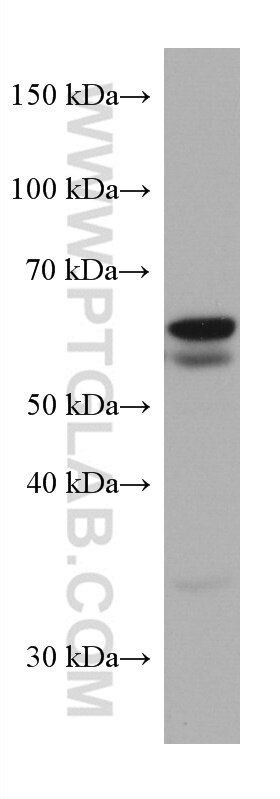
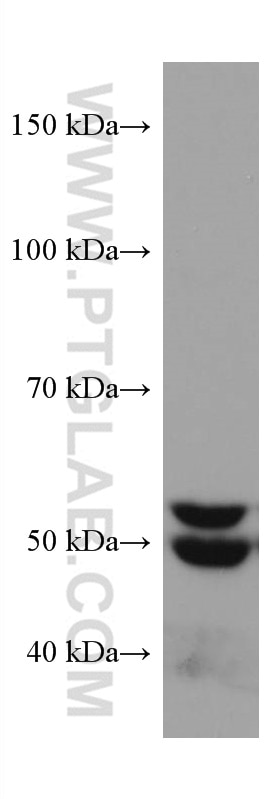
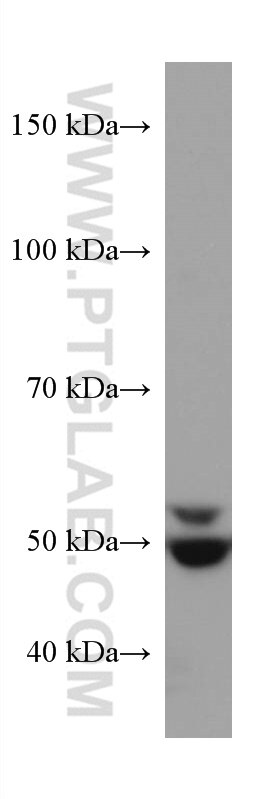
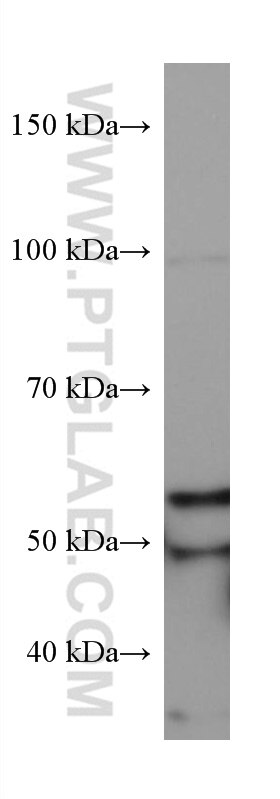
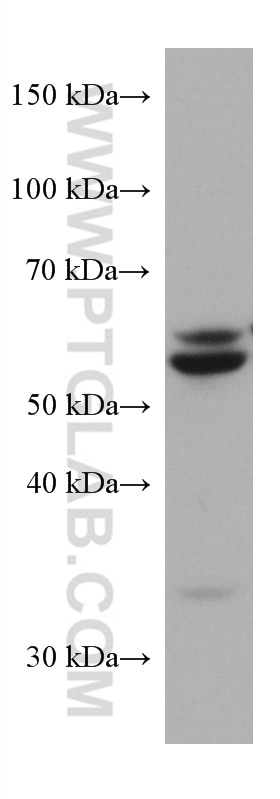
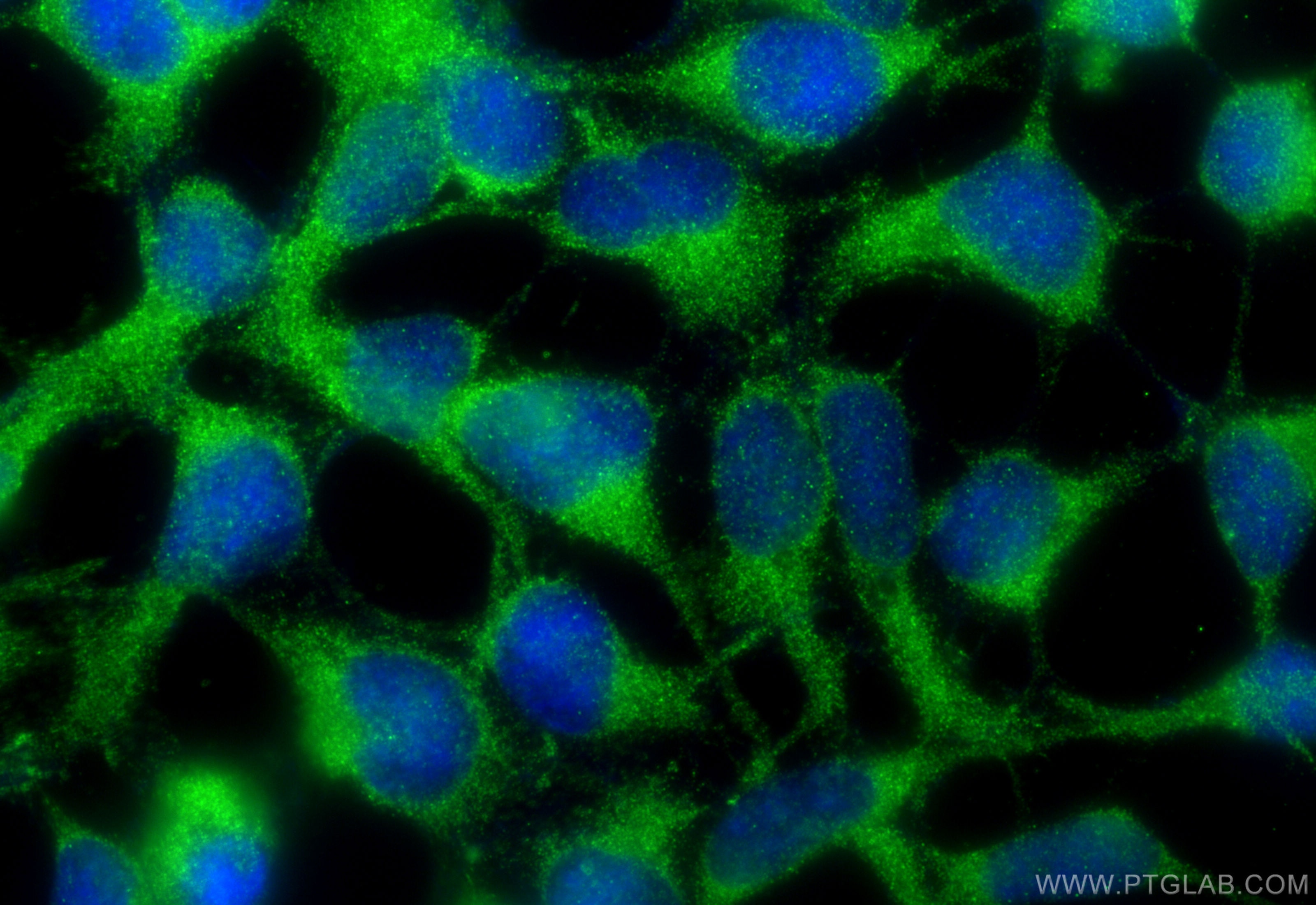
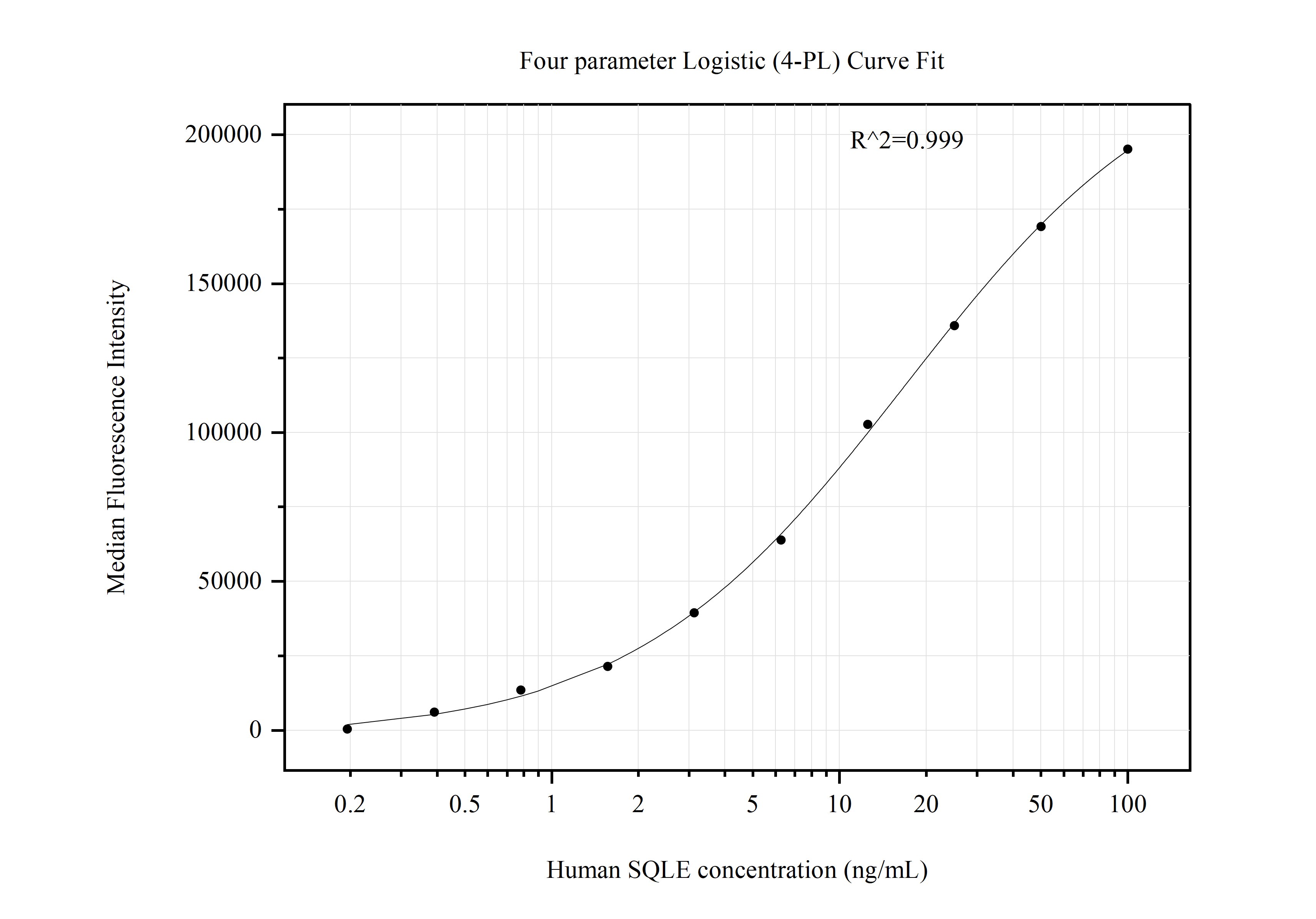
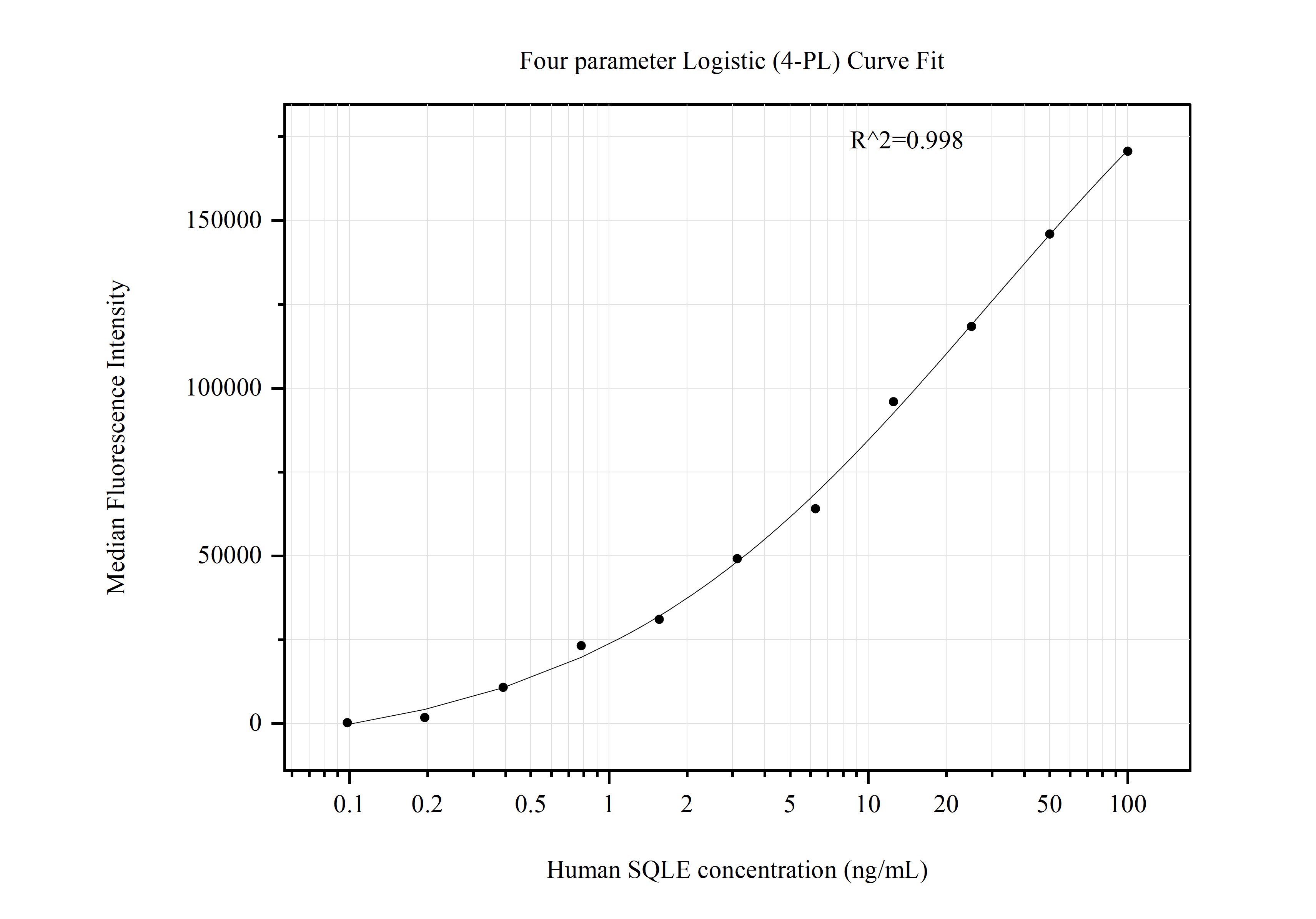
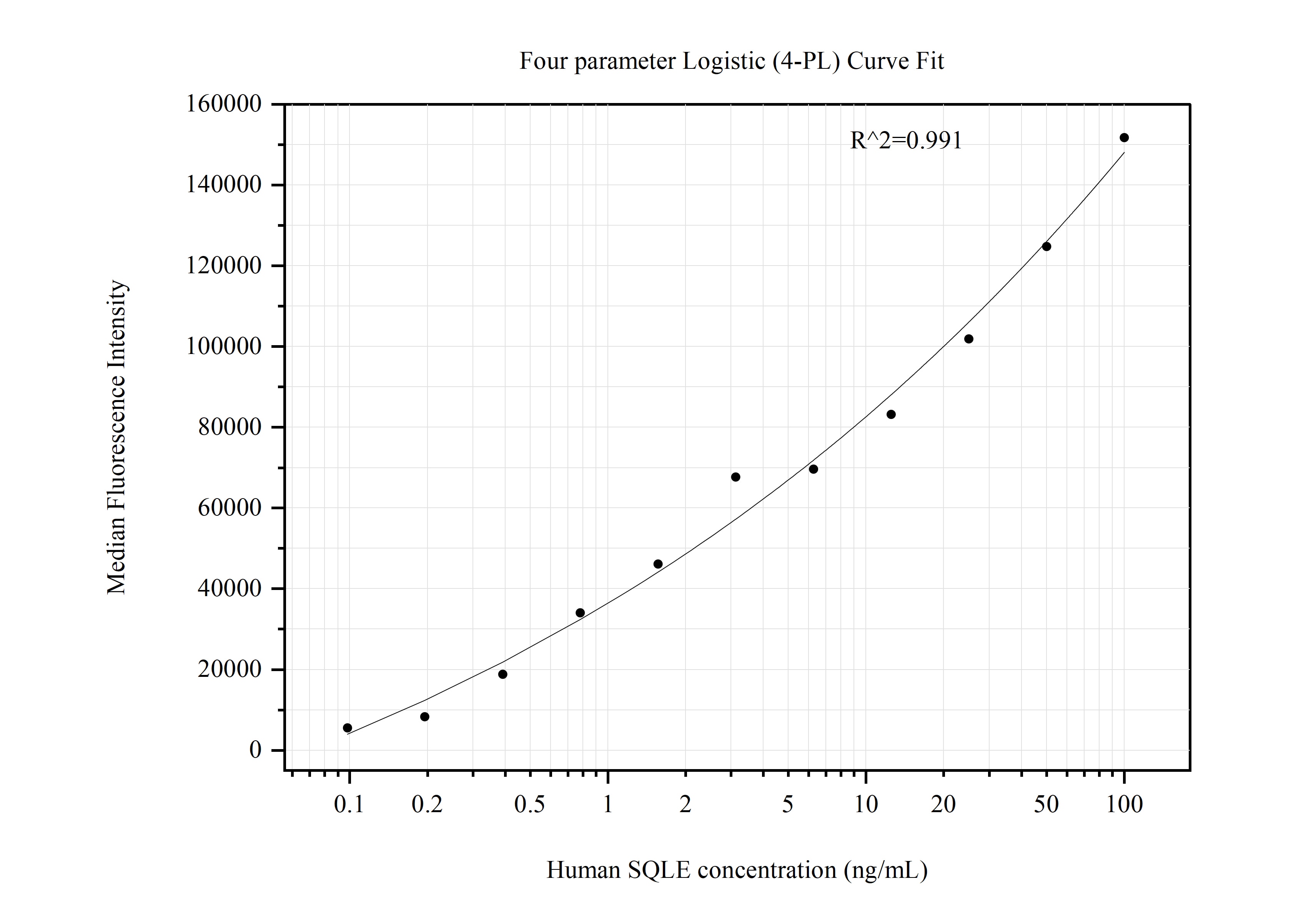
Geprüfte Anwendungen
Produktinformation
67206-1-PBS bindet in WB, IF/ICC, Cytometric bead array, Indirect ELISA SQLE und zeigt Reaktivität mit Hausschwein, human, Ratten
| Getestete Reaktivität | Hausschwein, human, Ratte |
| Wirt / Isotyp | Maus / IgG2a |
| Klonalität | Monoklonal |
| Typ | Antikörper |
| Immunogen | SQLE fusion protein Ag3266 |
| Vollständiger Name | squalene epoxidase |
| Berechnetes Molekulargewicht | 574 aa, 64 kDa |
| Beobachtetes Molekulargewicht | 50-64 kDa |
| GenBank-Zugangsnummer | BC017033 |
| Gene symbol | SQLE |
| Gene ID (NCBI) | 6713 |
| Konjugation | Unkonjugiert |
| Form | Liquid |
| Reinigungsmethode | Protein-A-Reinigung |
| Lagerungspuffer | PBS only |
| Lagerungsbedingungen | Store at -80°C. 20ul Größen enthalten 0,1% BSA. |
Hintergrundinformationen
SQLE, also named as ERG1, SE and SM, belongs to the squalene monooxygenase family. It catalyzes the first oxygenation step in cholesterol synthesis, acting on squalene before cyclization into the basic steroid structure. SQLE may serve as a flux-controlling enzyme beyond 3-hydroxy-3-methylglutaryl-coenzyme A reductase (HMGR, considered as rate limiting). It is also posttranslationally regulated by cholesterol-dependent proteasomal degradation. SQLE is subject to feedback regulation via cholesterol-induced degradation, which depends on its lipid-sensing N terminal regulatory domain. Truncation of SQLE occurs during its endoplasmic reticulum-associated degradation and requires the proteasome, which partially degrades the SQLE N-terminus and eliminates cholesterol-sensing elements within this region. The MW of SQLE is about 50-64 kDa. (PMID:21356516, PMID: 28972164)


