Hamartin/TSC1 Polyklonaler Antikörper
Hamartin/TSC1 Polyklonal Antikörper für WB, IHC, IF/ICC, ELISA
Wirt / Isotyp
Kaninchen / IgG
Getestete Reaktivität
human, Maus
Anwendung
WB, IHC, IF/ICC, IP, ELISA
Konjugation
Unkonjugiert
Kat-Nr. : 29906-1-AP
Synonyme
Geprüfte Anwendungen
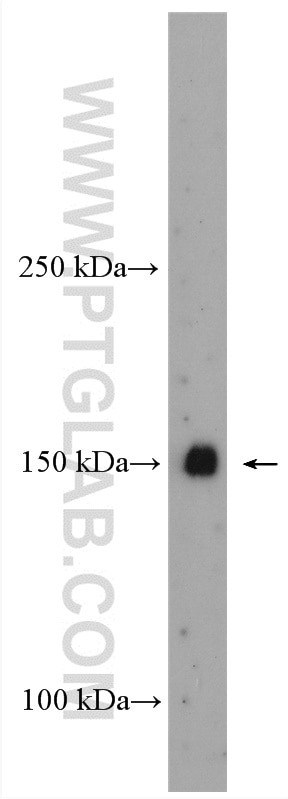
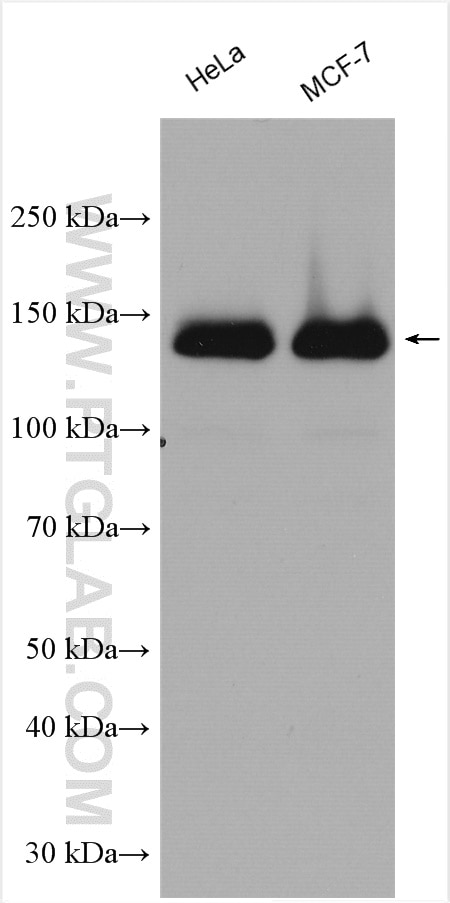
| Erfolgreiche Detektion in WB | HeLa-Zellen, MCF-7-Zellen, Mausnierengewebe |
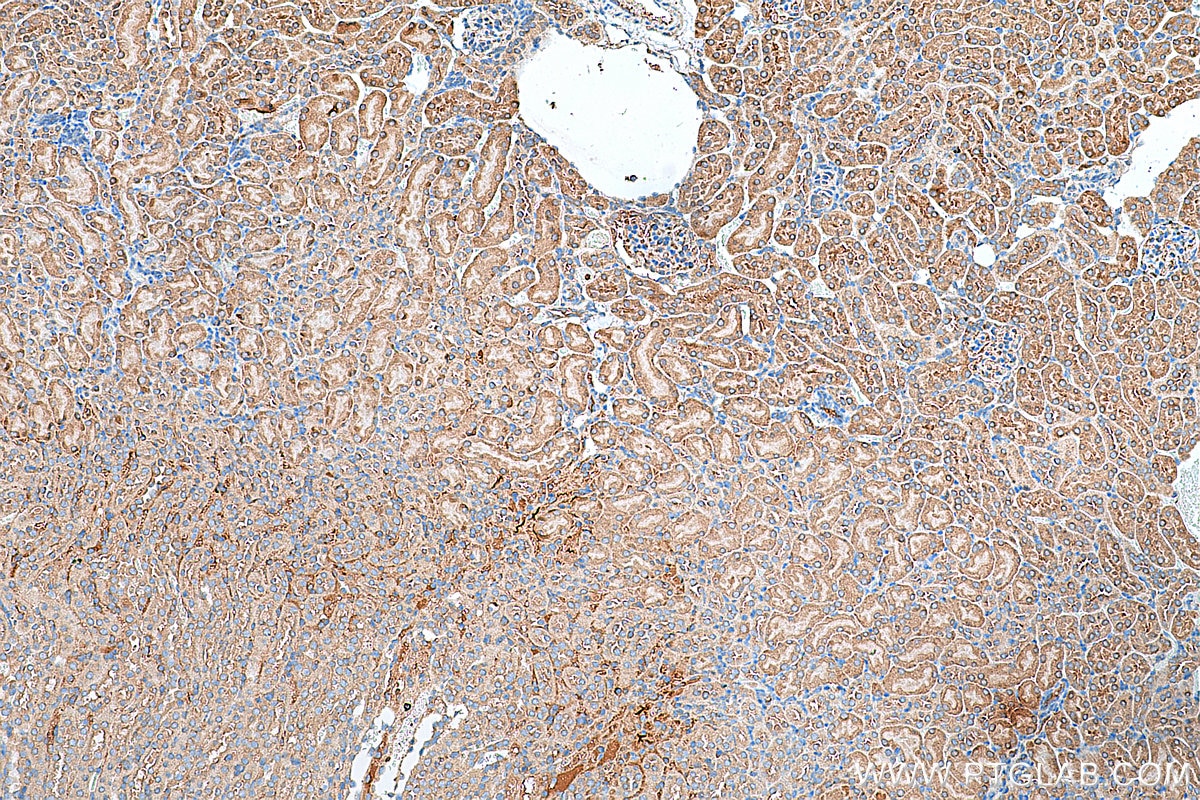
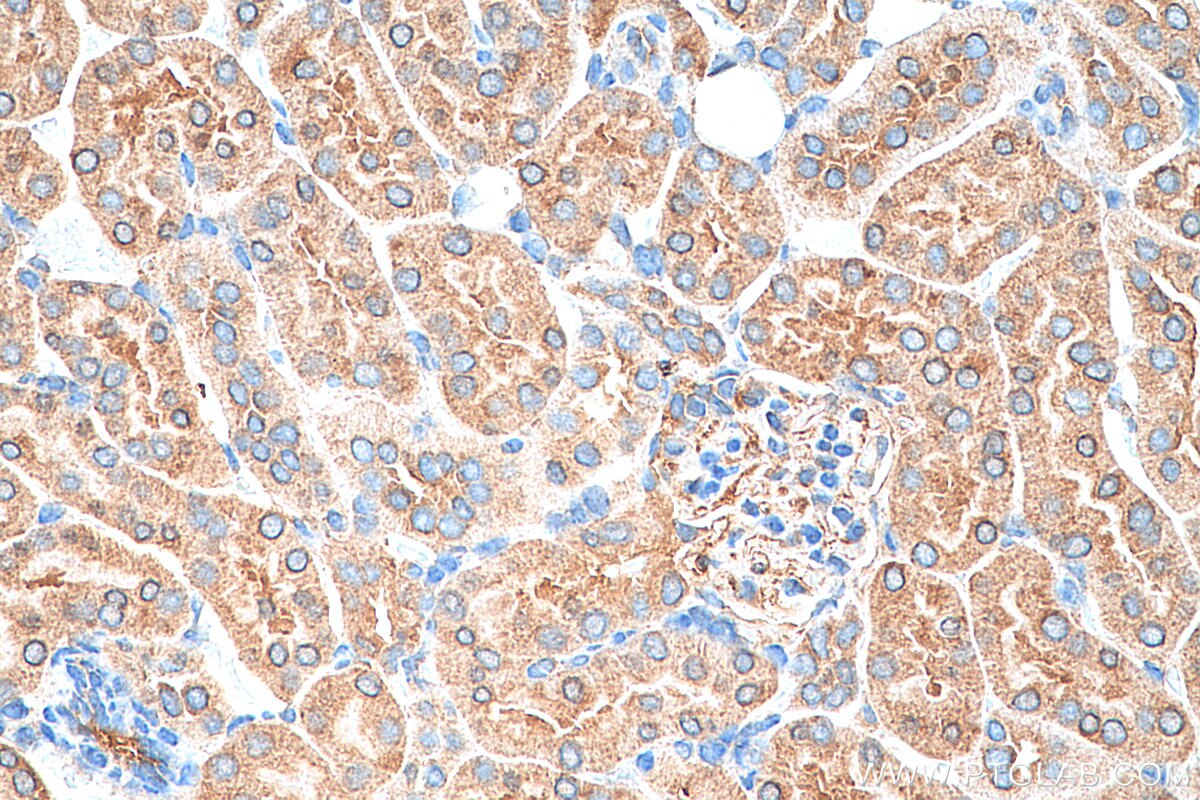
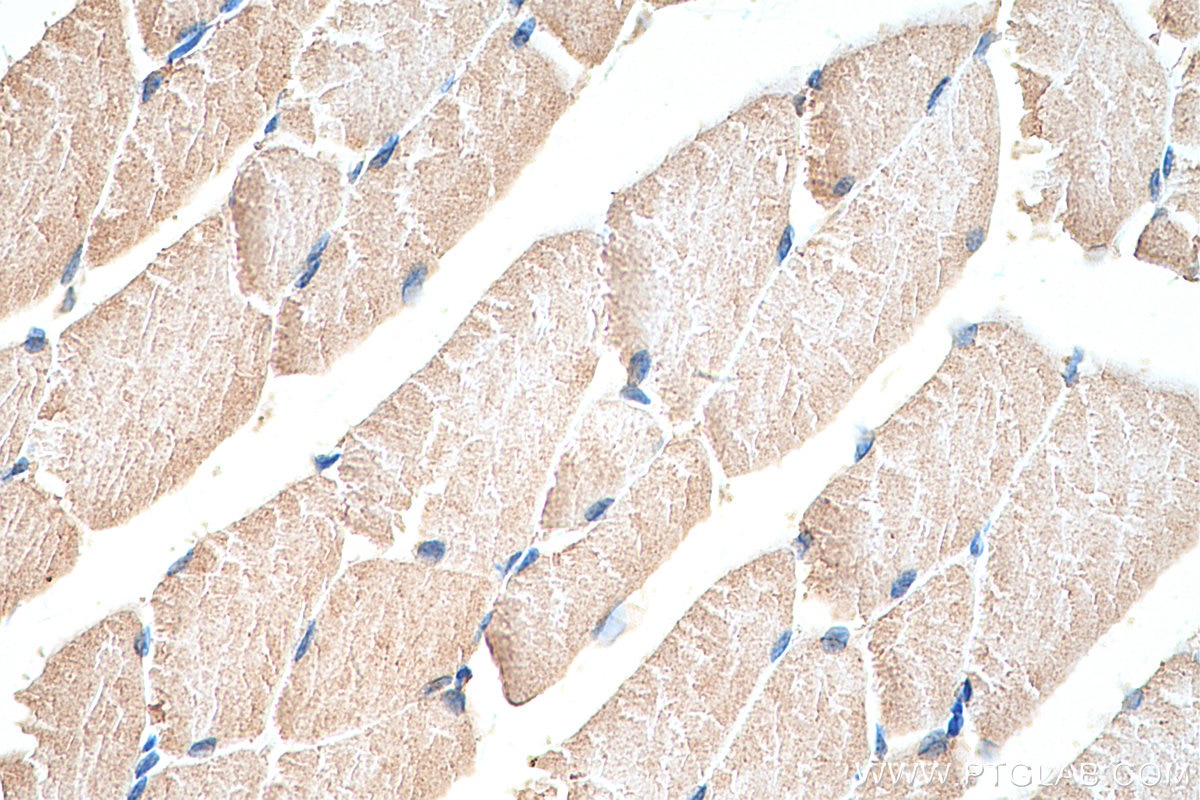
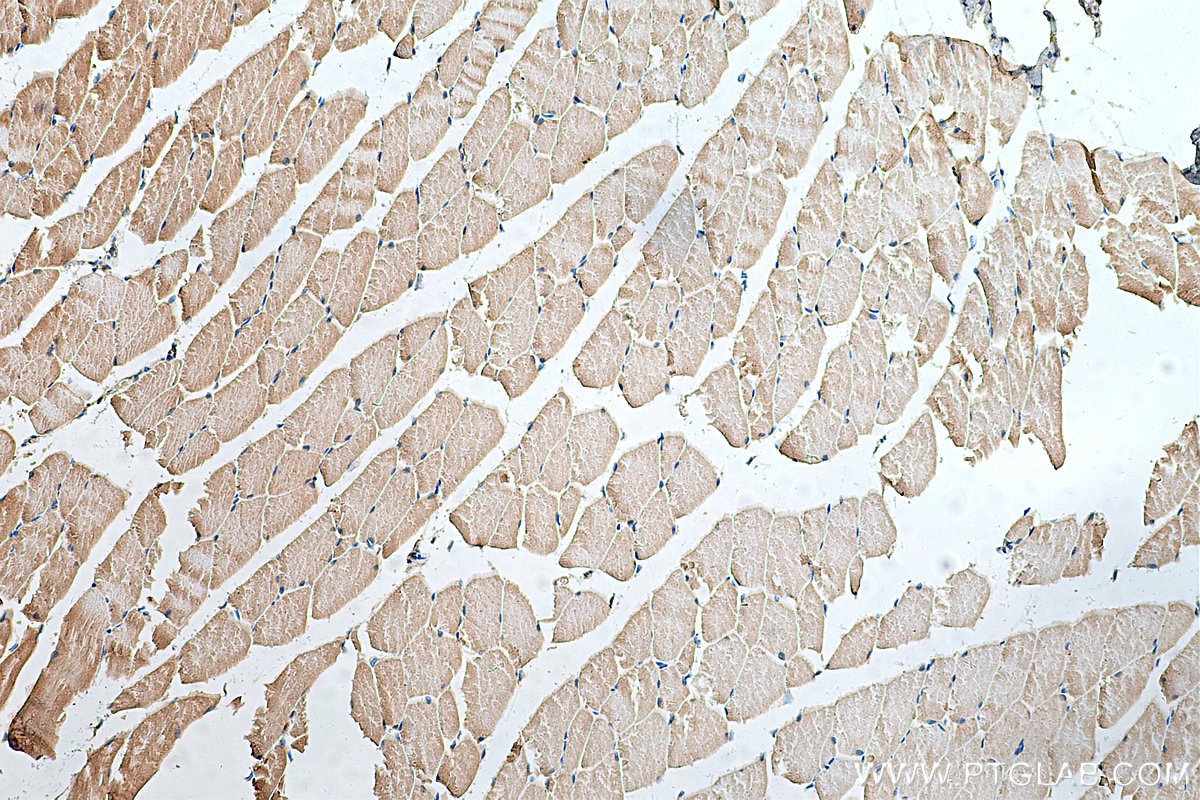
| Erfolgreiche Detektion in IHC | Mausnierengewebe, Maus-Skelettmuskelgewebe Hinweis: Antigendemaskierung mit TE-Puffer pH 9,0 empfohlen. (*) Wahlweise kann die Antigendemaskierung auch mit Citratpuffer pH 6,0 erfolgen. |
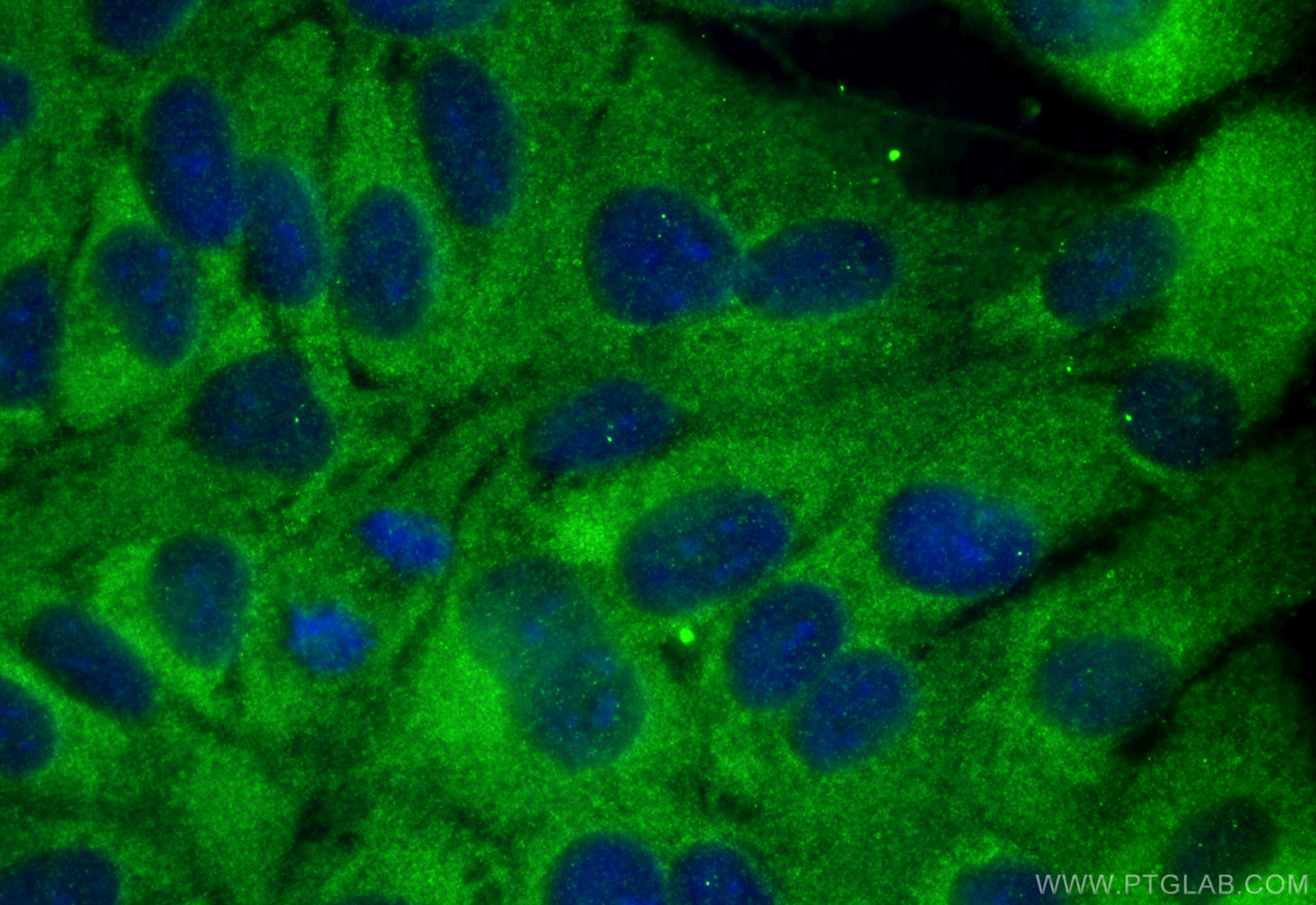
| Erfolgreiche Detektion in IF/ICC | hTERT-RPE1-Zellen |
Empfohlene Verdünnung
| Anwendung | Verdünnung |
|---|---|
| Western Blot (WB) | WB : 1:1000-1:6000 |
| Immunhistochemie (IHC) | IHC : 1:250-1:1000 |
| Immunfluoreszenz (IF)/ICC | IF/ICC : 1:50-1:500 |
| It is recommended that this reagent should be titrated in each testing system to obtain optimal results. | |
| Sample-dependent, check data in validation data gallery | |
Veröffentlichte Anwendungen
| WB | See 4 publications below |
| IHC | See 2 publications below |
| IF | See 1 publications below |
| IP | See 1 publications below |
Produktinformation
29906-1-AP bindet in WB, IHC, IF/ICC, IP, ELISA Hamartin/TSC1 und zeigt Reaktivität mit human, Maus
| Getestete Reaktivität | human, Maus |
| In Publikationen genannte Reaktivität | human, Maus |
| Wirt / Isotyp | Kaninchen / IgG |
| Klonalität | Polyklonal |
| Typ | Antikörper |
| Immunogen | Hamartin/TSC1 fusion protein Ag31621 |
| Vollständiger Name | tuberous sclerosis 1 |
| Berechnetes Molekulargewicht | 130KD |
| Beobachtetes Molekulargewicht | 140-145 kDa |
| GenBank-Zugangsnummer | NM_000368 |
| Gene symbol | Hamartin/TSC1 |
| Gene ID (NCBI) | 7248 |
| Konjugation | Unkonjugiert |
| Form | Liquid |
| Reinigungsmethode | Antigen-Affinitätsreinigung |
| Lagerungspuffer | PBS with 0.02% sodium azide and 50% glycerol |
| Lagerungsbedingungen | Bei -20°C lagern. Nach dem Versand ein Jahr lang stabil Aliquotieren ist bei -20oC Lagerung nicht notwendig. 20ul Größen enthalten 0,1% BSA. |
Hintergrundinformationen
TSC1, also named as hamartin, interacts with TSC2 to form a protein complex that inhibits the nutrient-mediated or growth factor-stimulated phosphorylation of S6K1 and EIF4EBP1 by negatively regulating mTORC1 signaling (PubMed: 12271141, PubMed: 28215400). It can recruit TSC2 to HSP90AA1 and stabilizes TSC2 by preventing the interaction between TSC2 and ubiquitin ligase HERC1 (PubMed: 16464865, PubMed: 29127155). The loss of TSC1/TSC2 in mouse neurons resulted in a block in oligodendrocyte hypomyelination in vivo (PubMed: 28183733).
Protokolle
| PRODUKTSPEZIFISCHE PROTOKOLLE | |
|---|---|
| WB protocol for Hamartin/TSC1 antibody 29906-1-AP | Protokoll herunterladen |
| IHC protocol for Hamartin/TSC1 antibody 29906-1-AP | Protokoll herunterladenl |
| IF protocol for Hamartin/TSC1 antibody 29906-1-AP | Protokoll herunterladen |
| STANDARD-PROTOKOLLE | |
|---|---|
| Klicken Sie hier, um unsere Standardprotokolle anzuzeigen |
Publikationen
| Species | Application | Title |
|---|---|---|
Genes Dis Naked cuticle homolog 2 controls the differentiation of osteoblasts and osteoclasts and ameliorates bone loss in ovariectomized mice | ||
Elife A cleaved METTL3 potentiates the METTL3-WTAP interaction and breast cancer progression | ||
Cell Signal METTL14-mediated N6-methyladenosine modification of TCP1 mRNA promotes acute myeloid leukemia progression | ||
Br J Cancer CDK4/6 inhibitors dephosphorylate RNF26 to stabilize TSC1 and increase the sensitivity of ccRCC to mTOR inhibitors |
Rezensionen
The reviews below have been submitted by verified Proteintech customers who received an incentive for providing their feedback.
FH Shivali (Verified Customer) (09-13-2025) | We are working on how negative regulators of mTOR complex affect translation and used this antibody to check TSC1 knockout cell lines. Worked well
|
FH Parijat (Verified Customer) (08-27-2025) | I used this antibody to confirm TSC2 knockout in both human (eHap1) and mouse (IMCD3) cells and it worked great. Although in Mouse there were few non-specific bands, it was much cleaner in Human cells.
|

