- Featured Product
- KD/KO Validated
YAP1 Polyklonaler Antikörper
YAP1 Polyklonal Antikörper für WB, IHC, IF/ICC, IF-P, IP, ELISA
Wirt / Isotyp
Kaninchen / IgG
Getestete Reaktivität
human, Maus, Ratte
Anwendung
WB, IHC, IF/ICC, IF-P, IP, ELISA
Konjugation
Unkonjugiert
Kat-Nr. : 13584-1-PBS
Synonyme
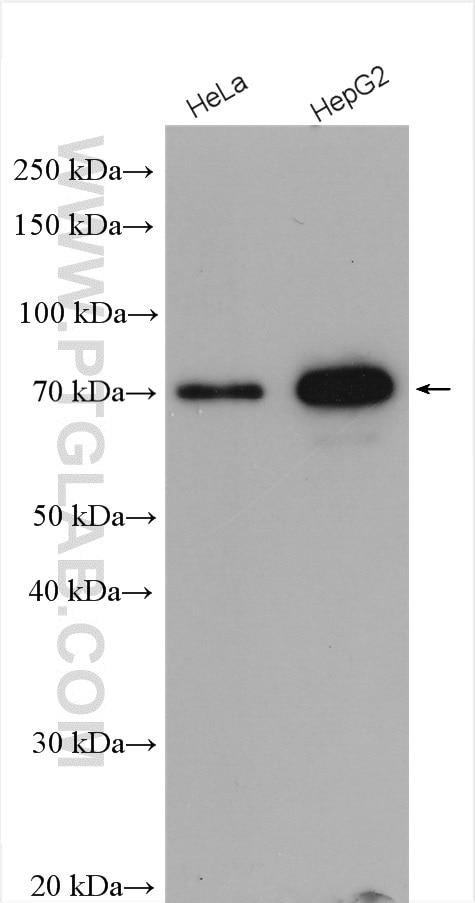
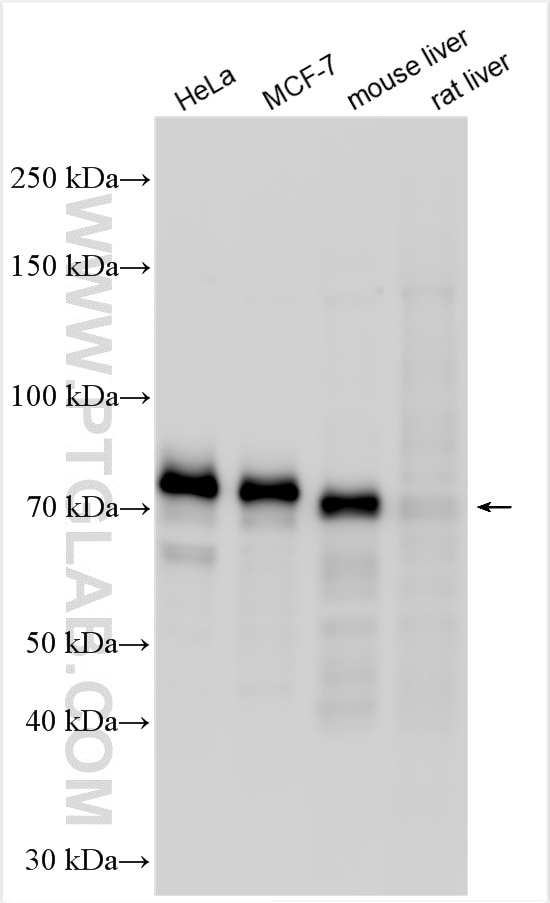
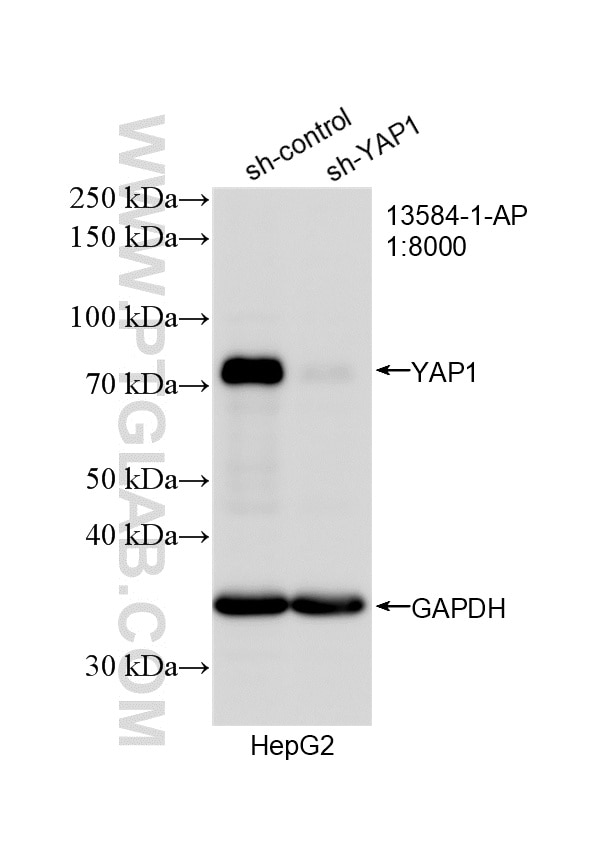
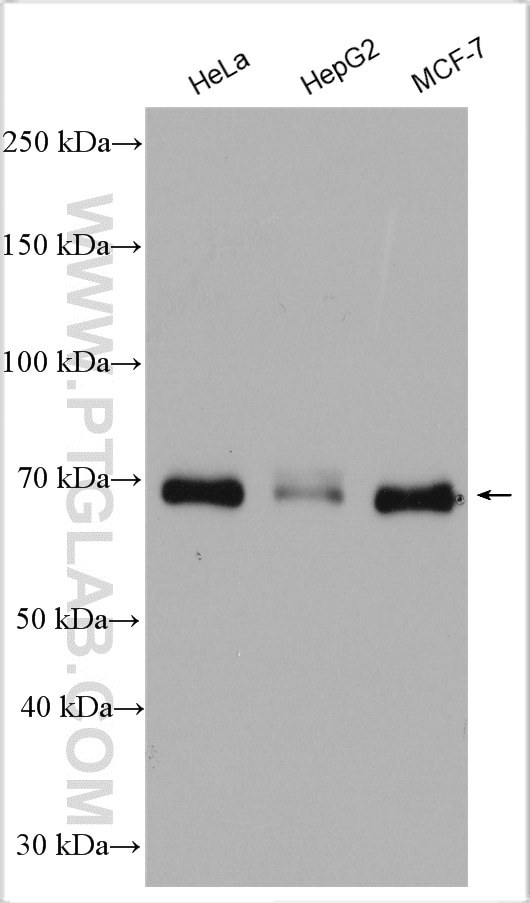
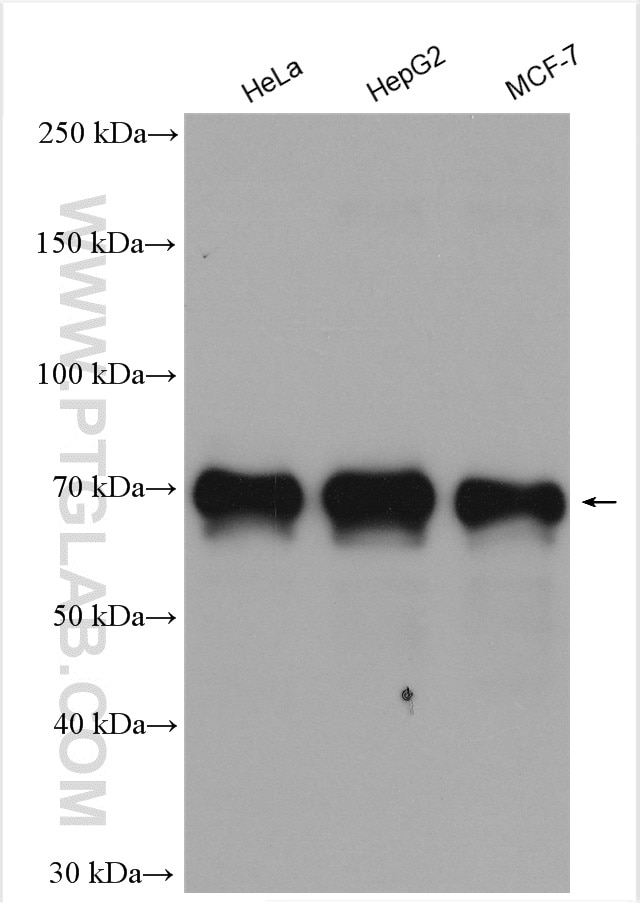
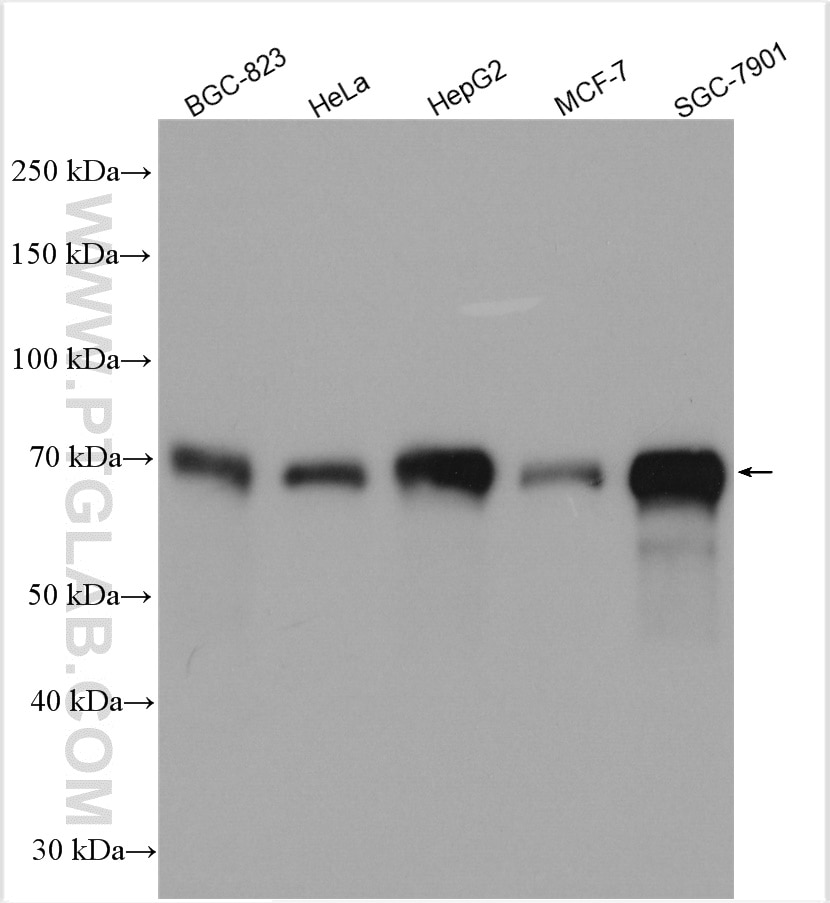
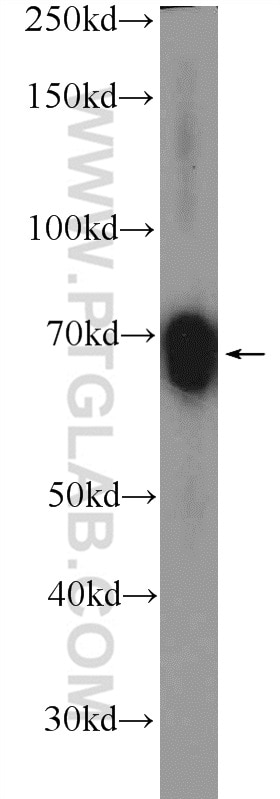
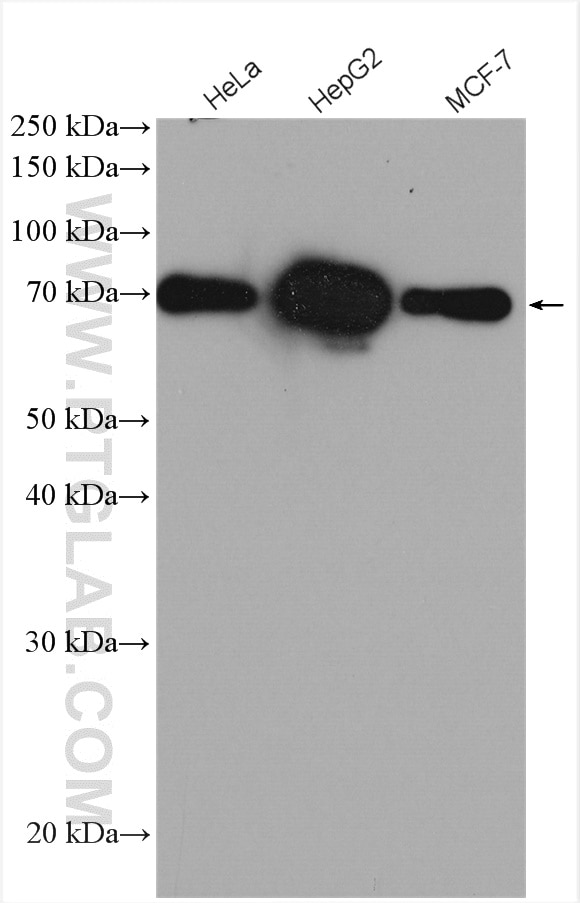
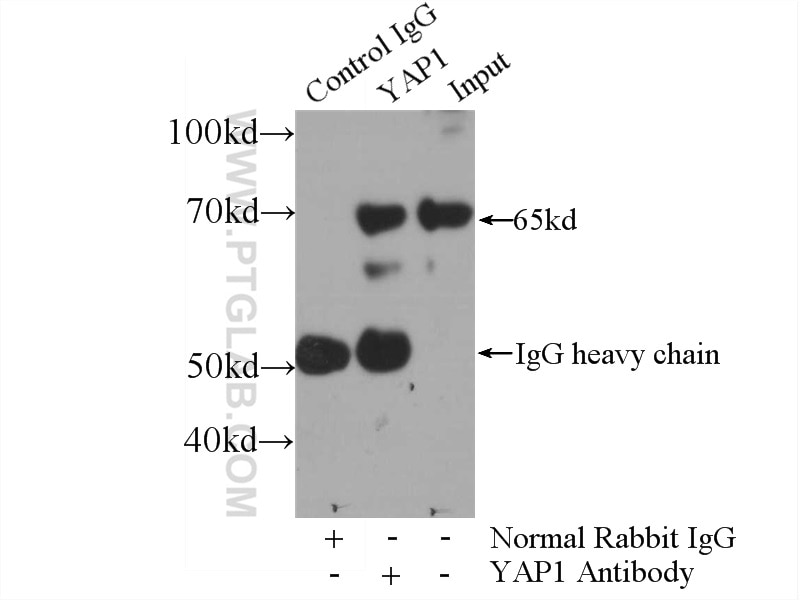
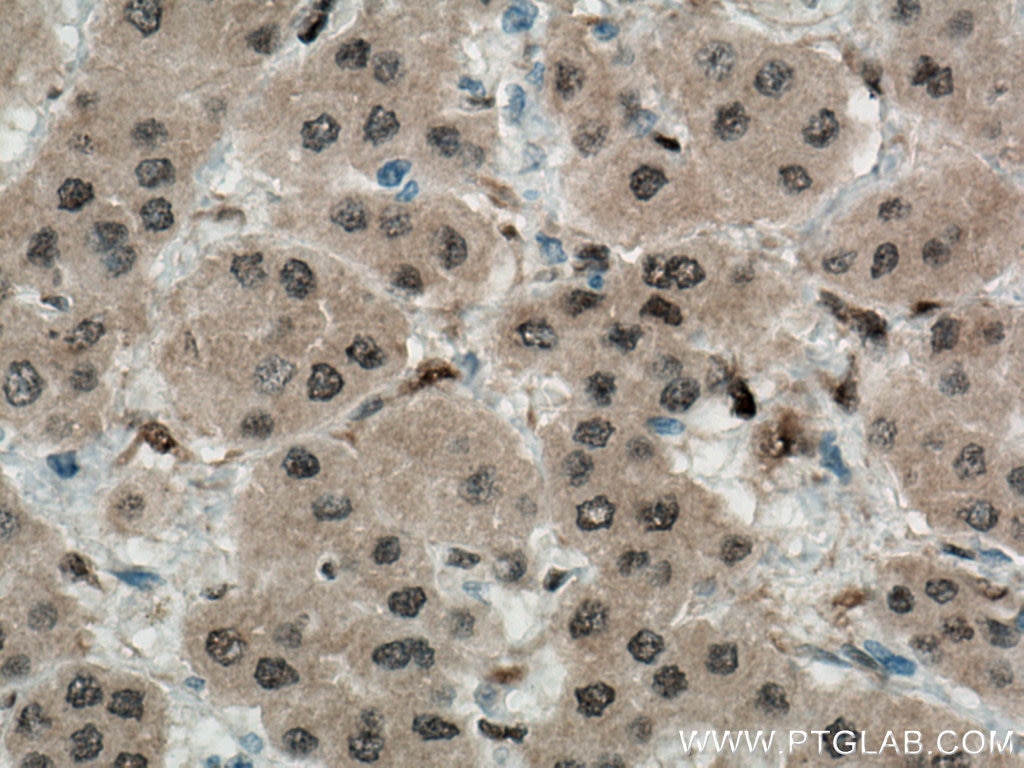
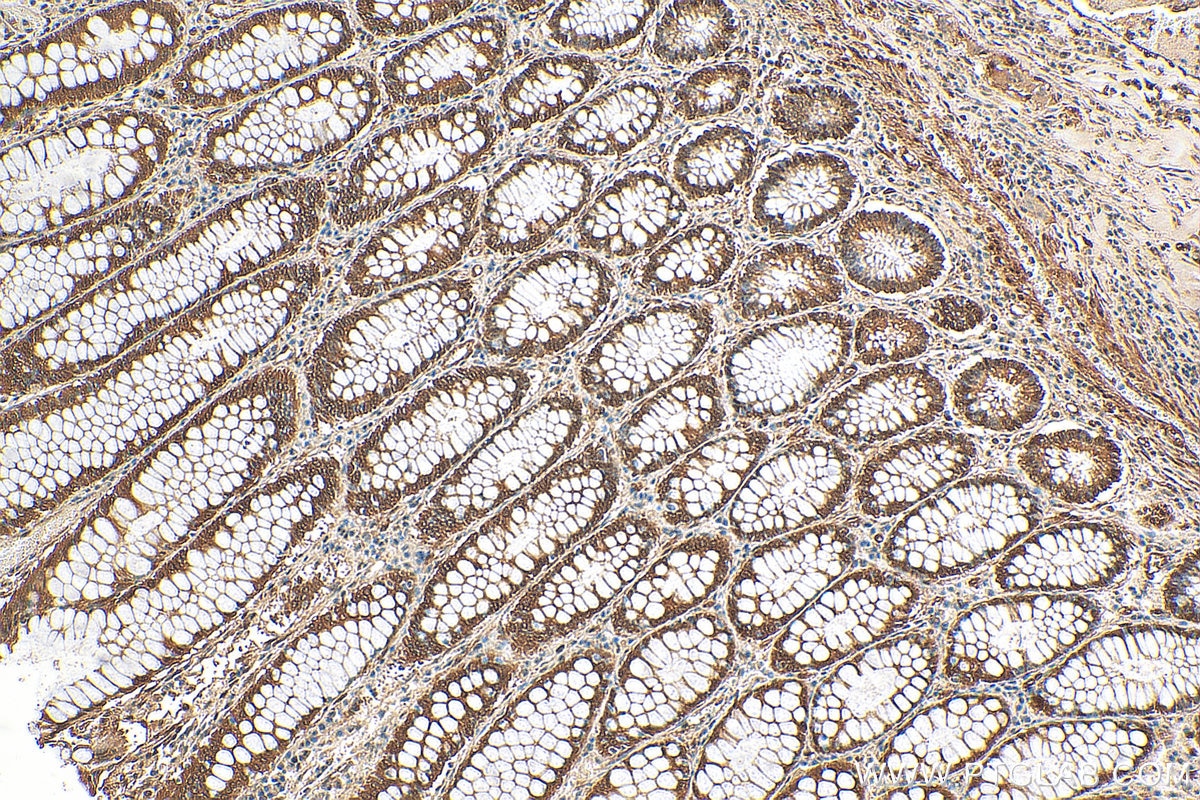
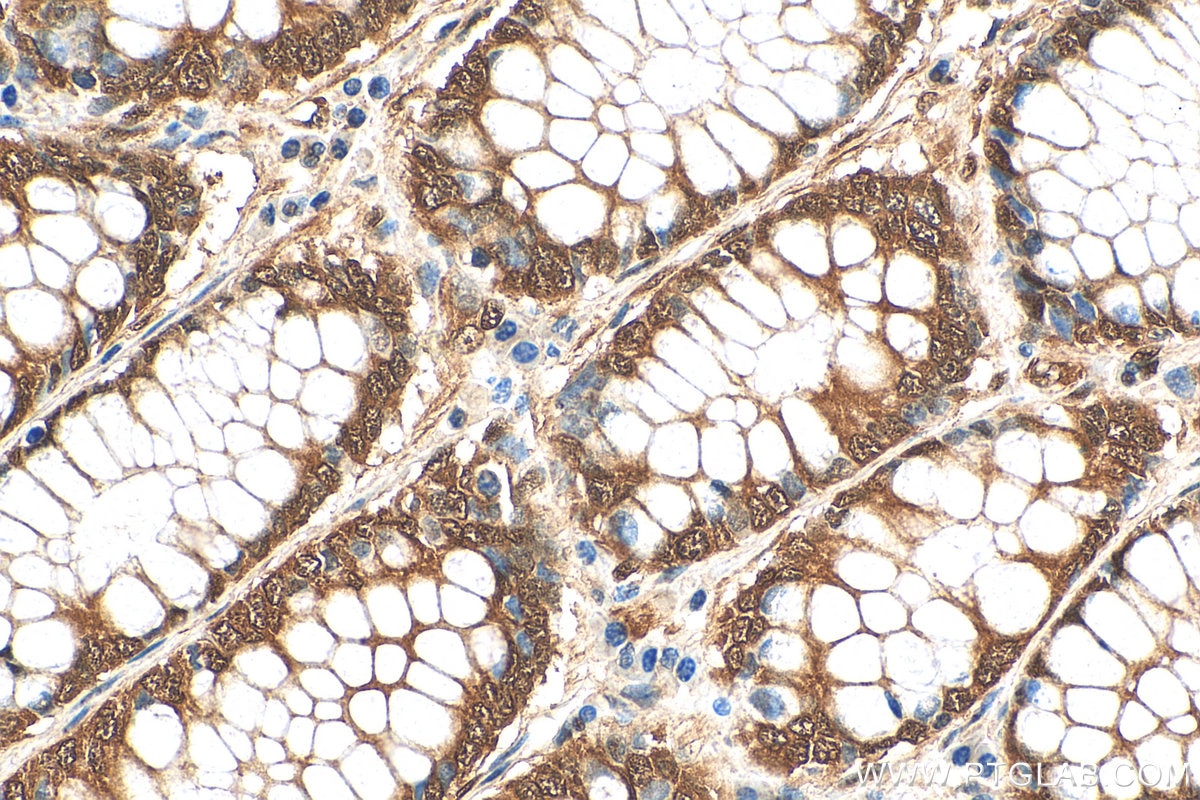
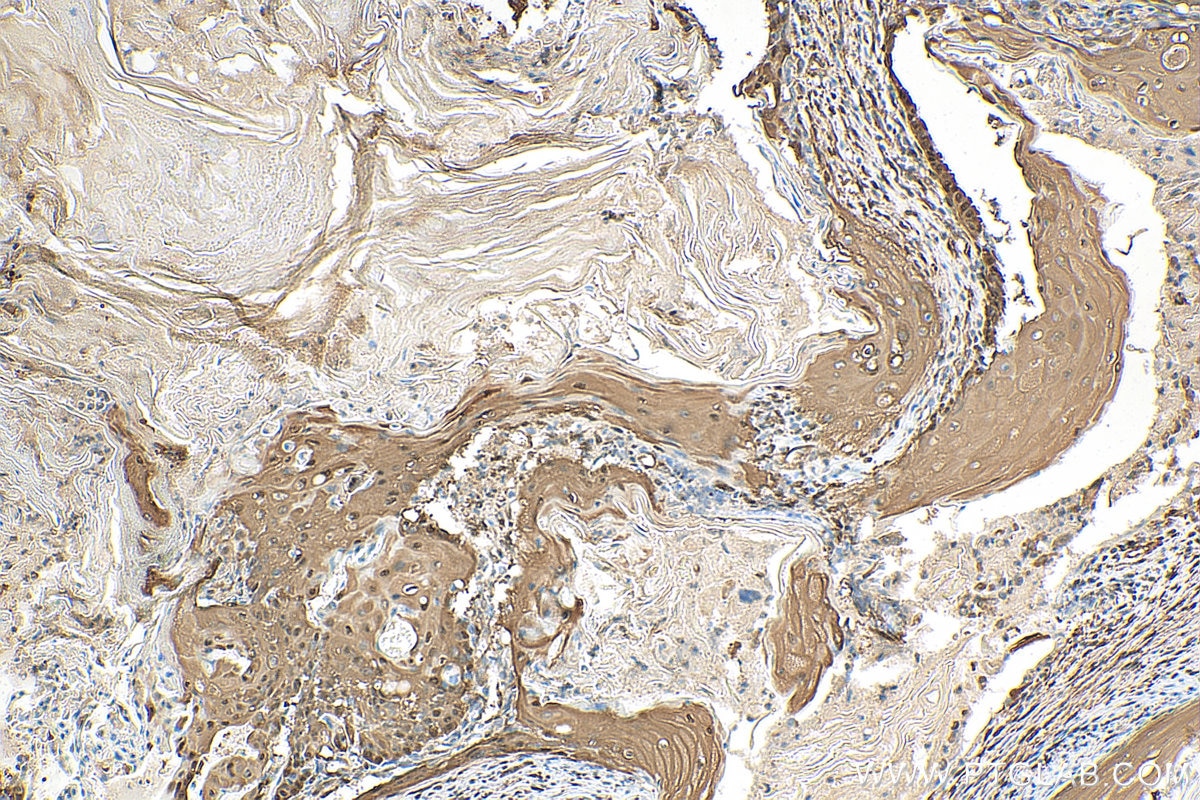
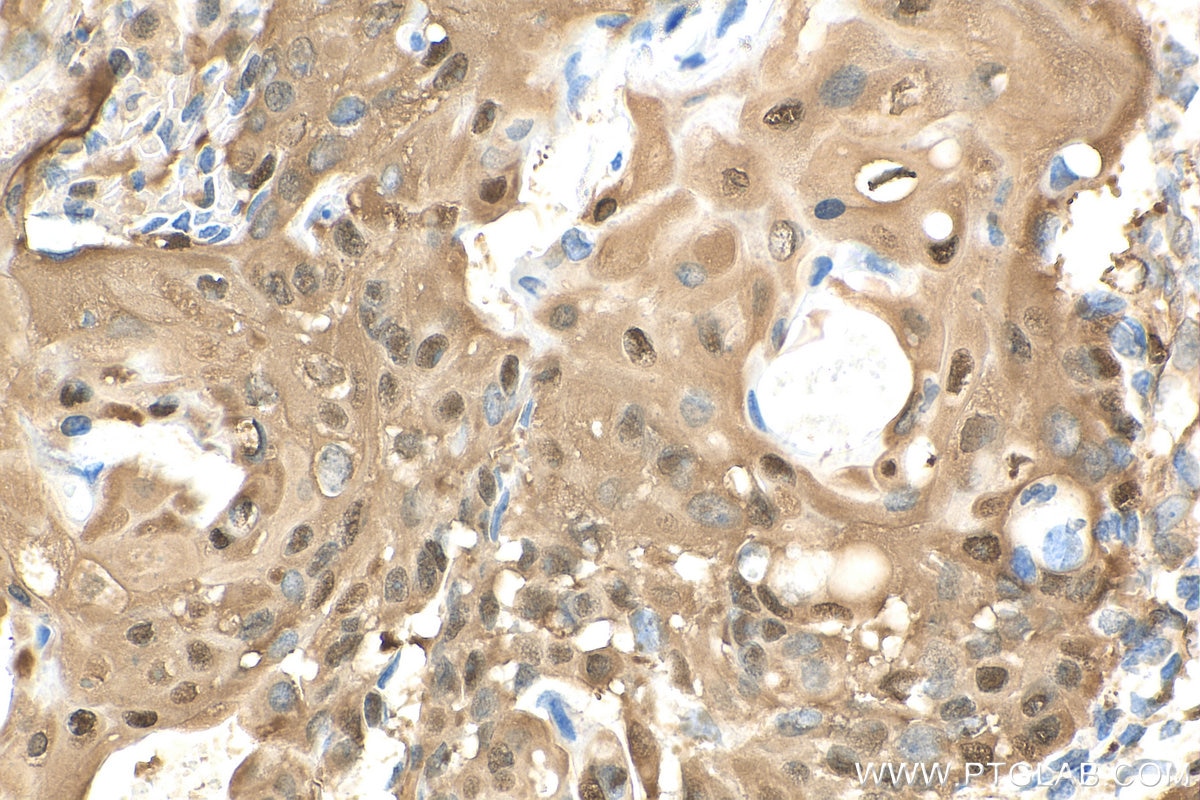
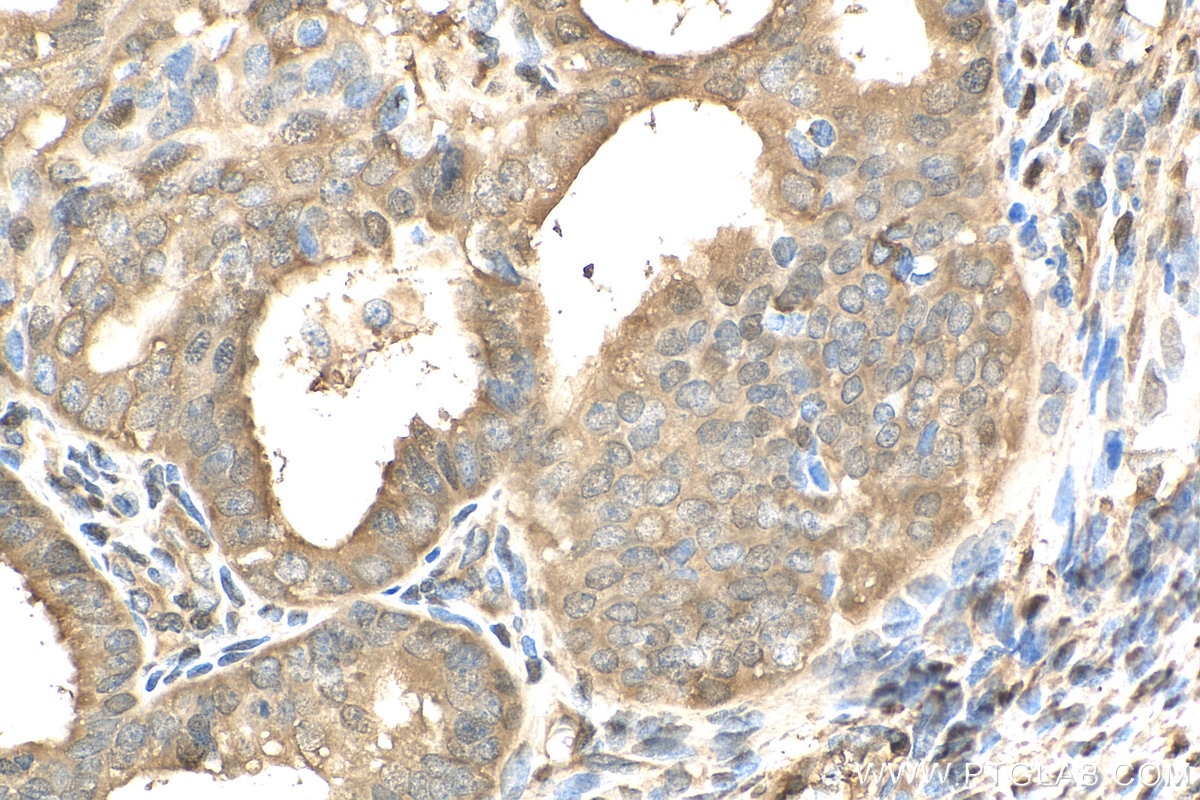
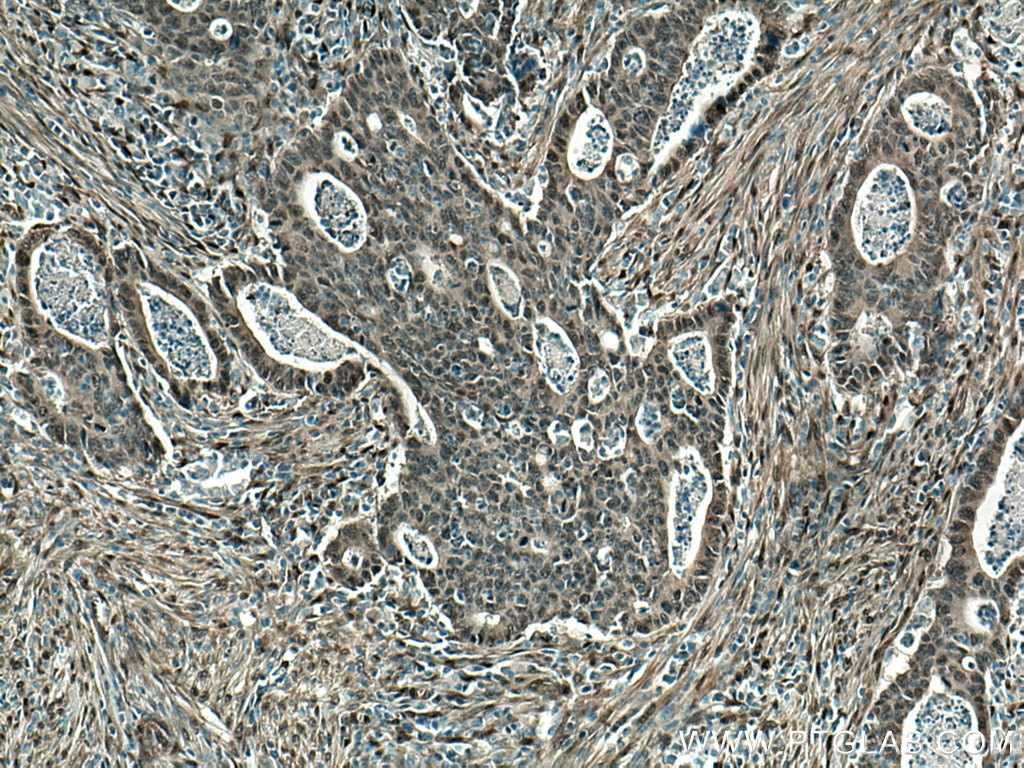
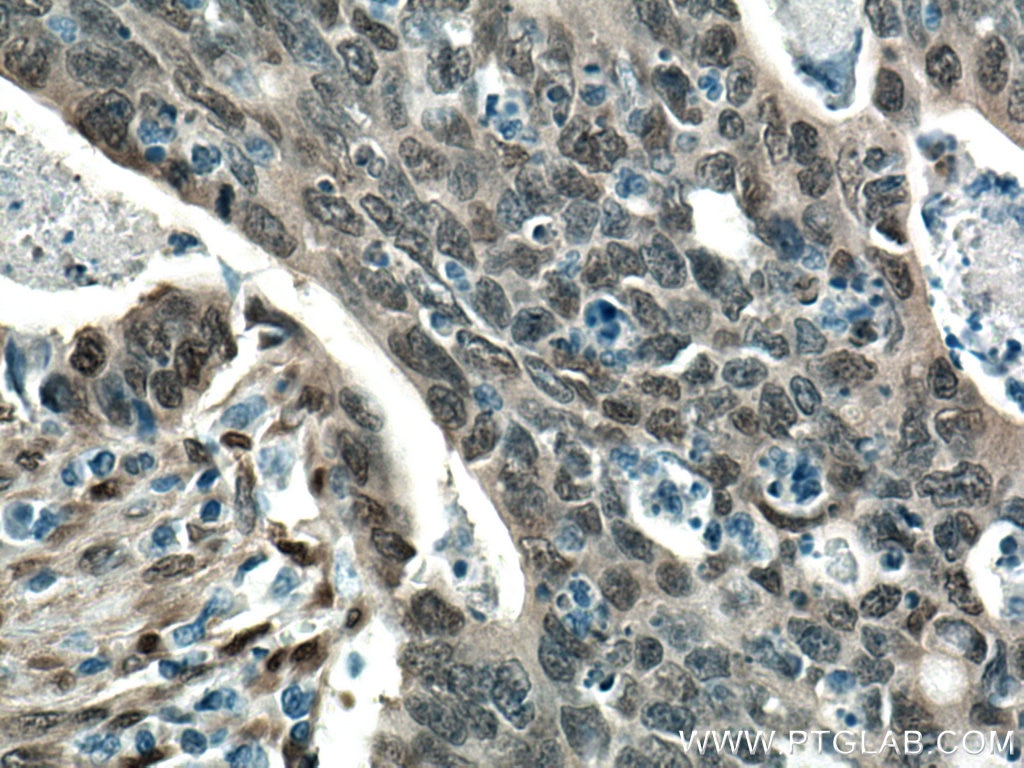
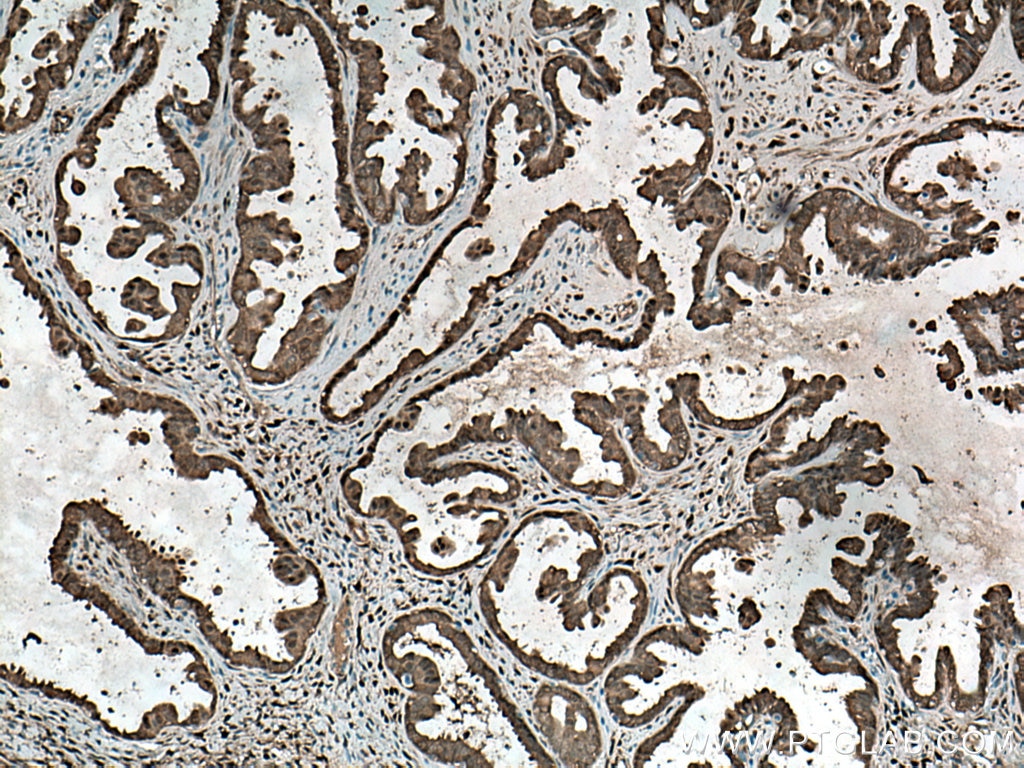
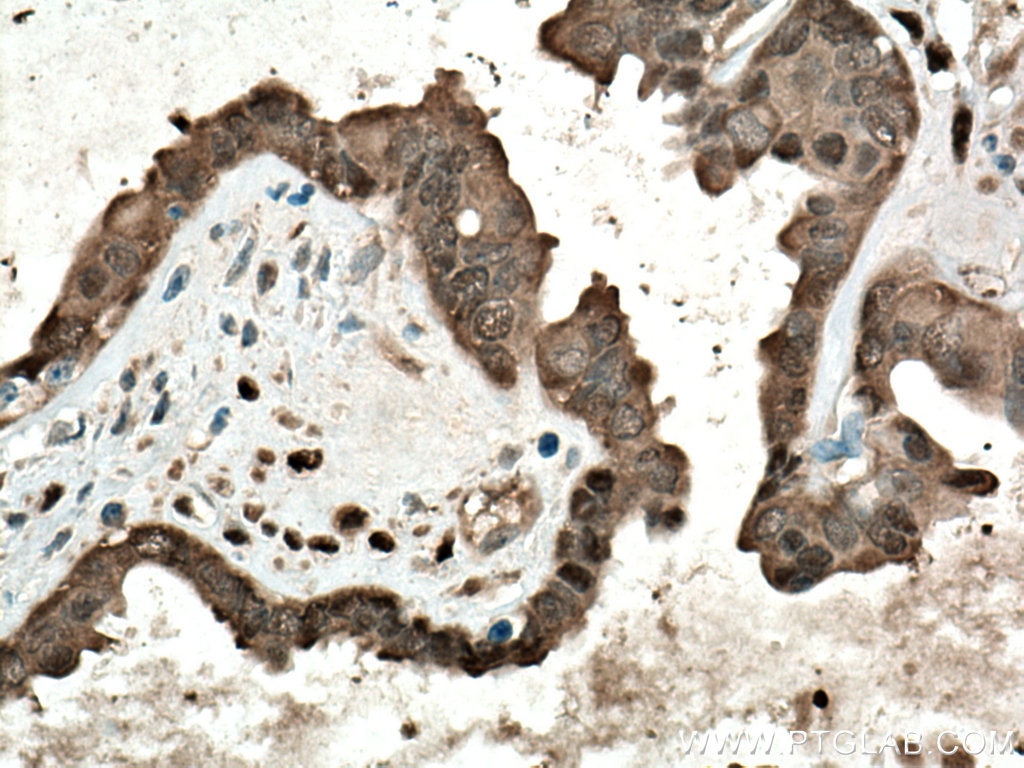
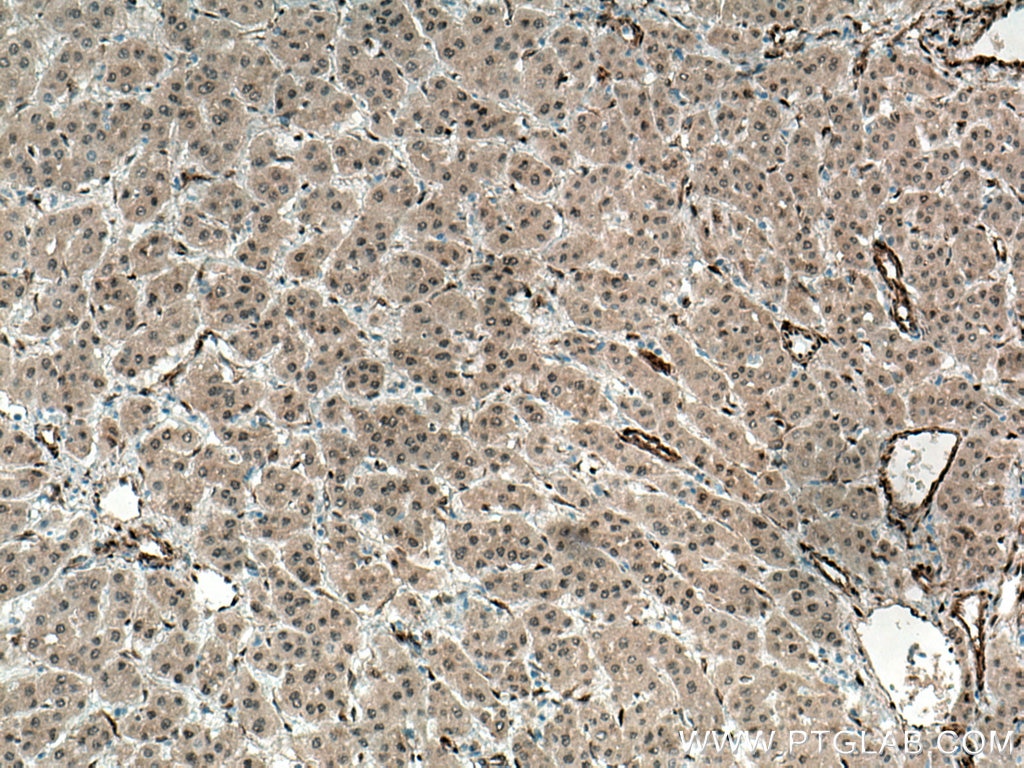
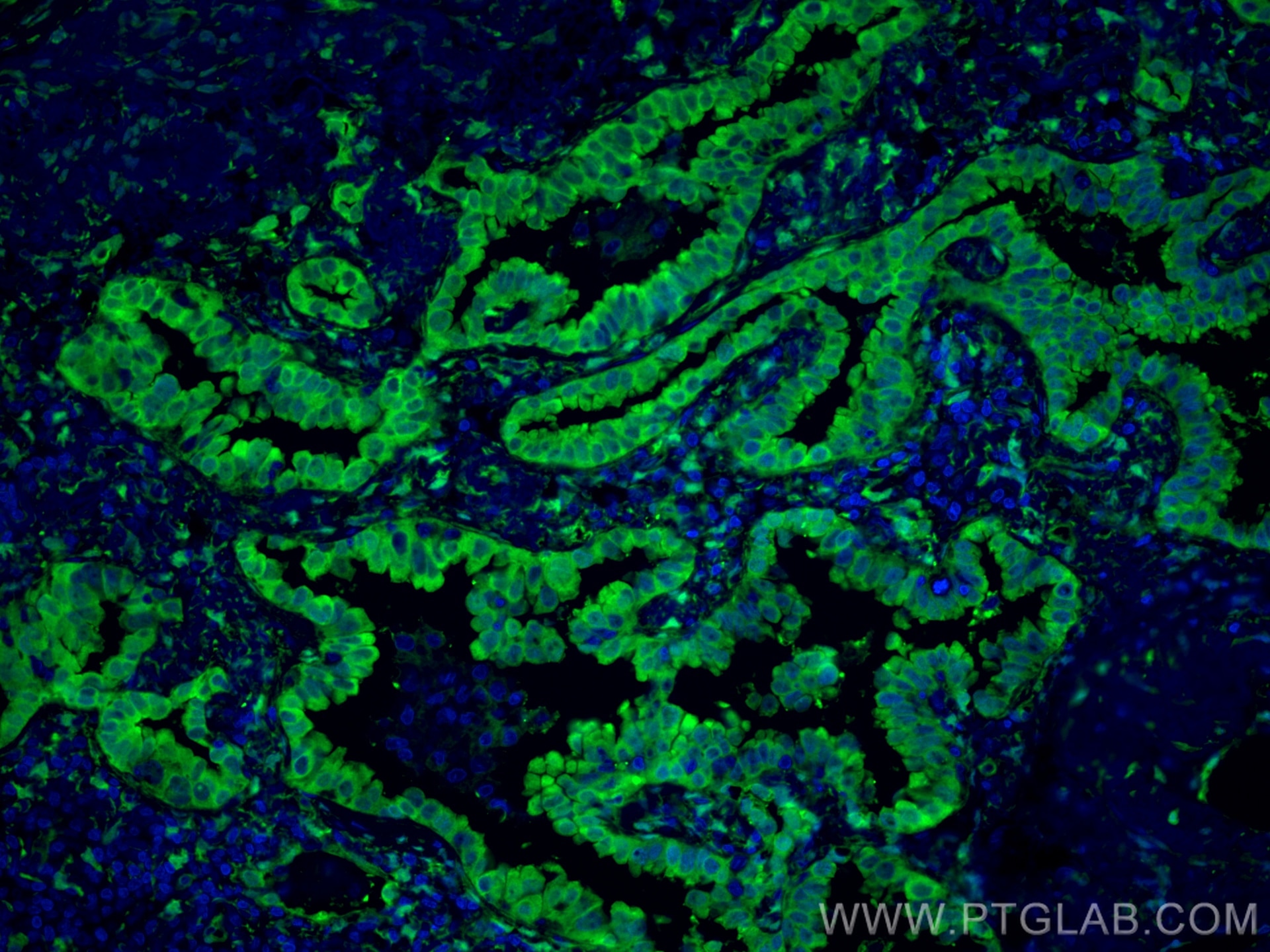
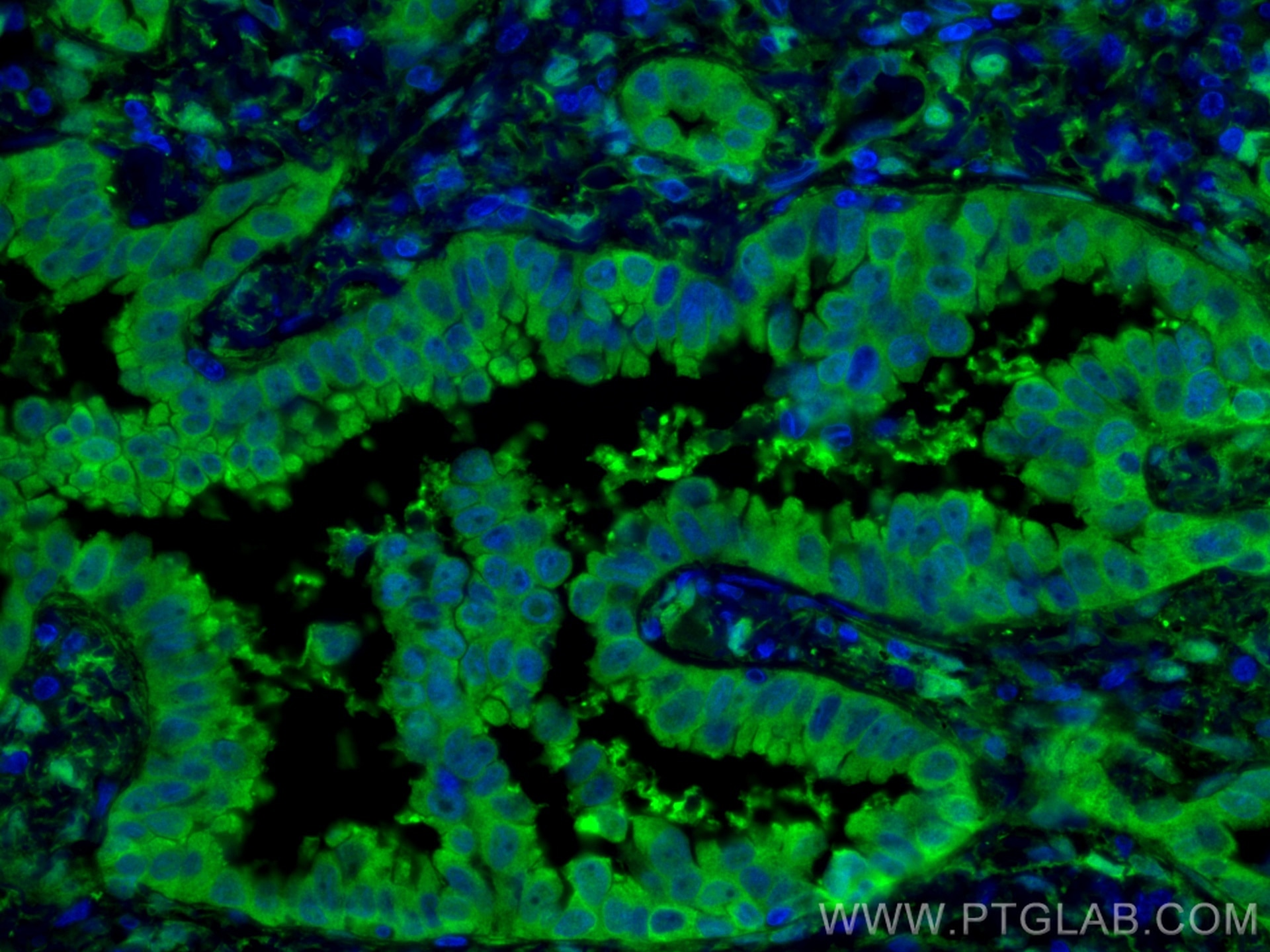
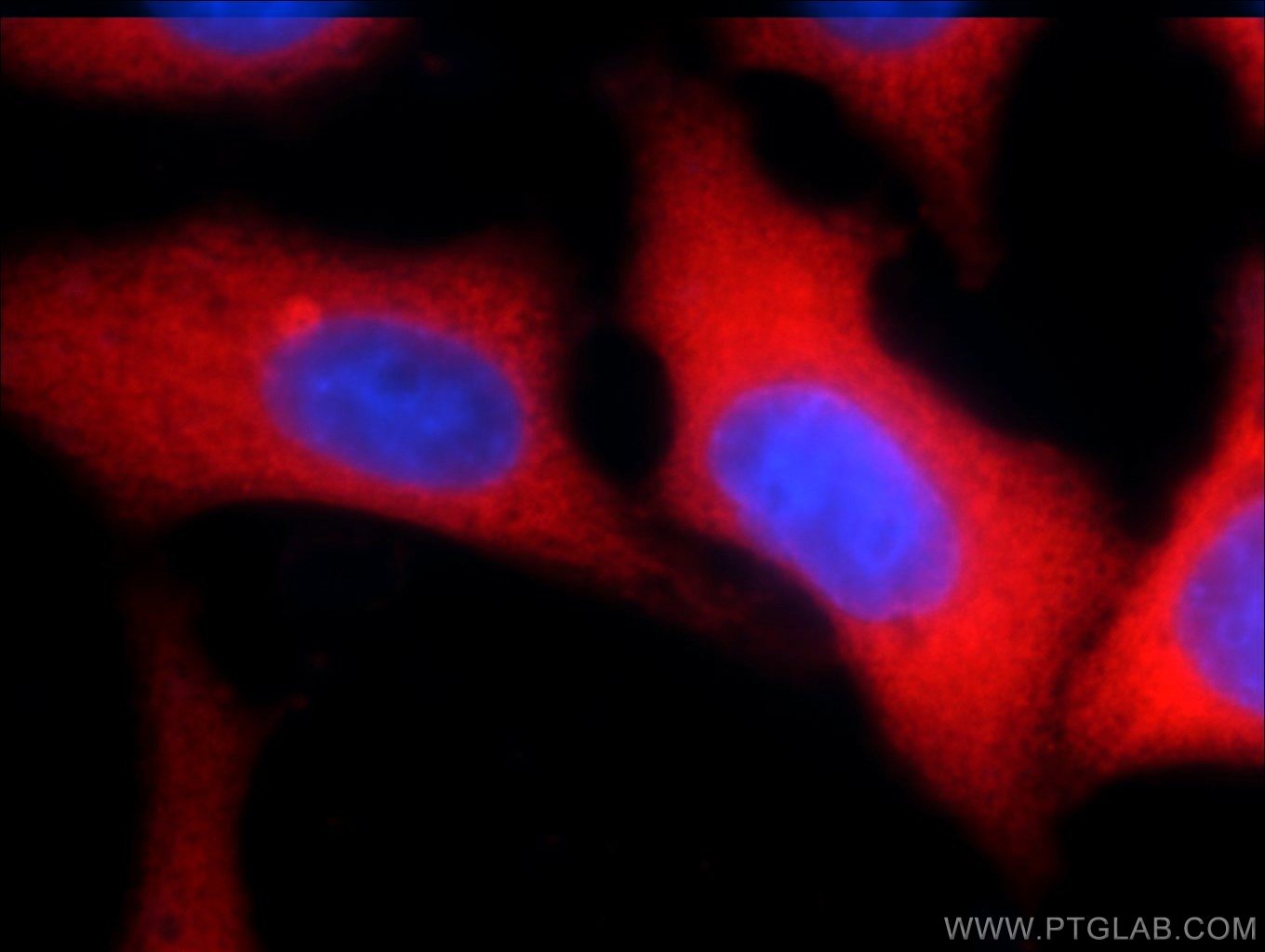
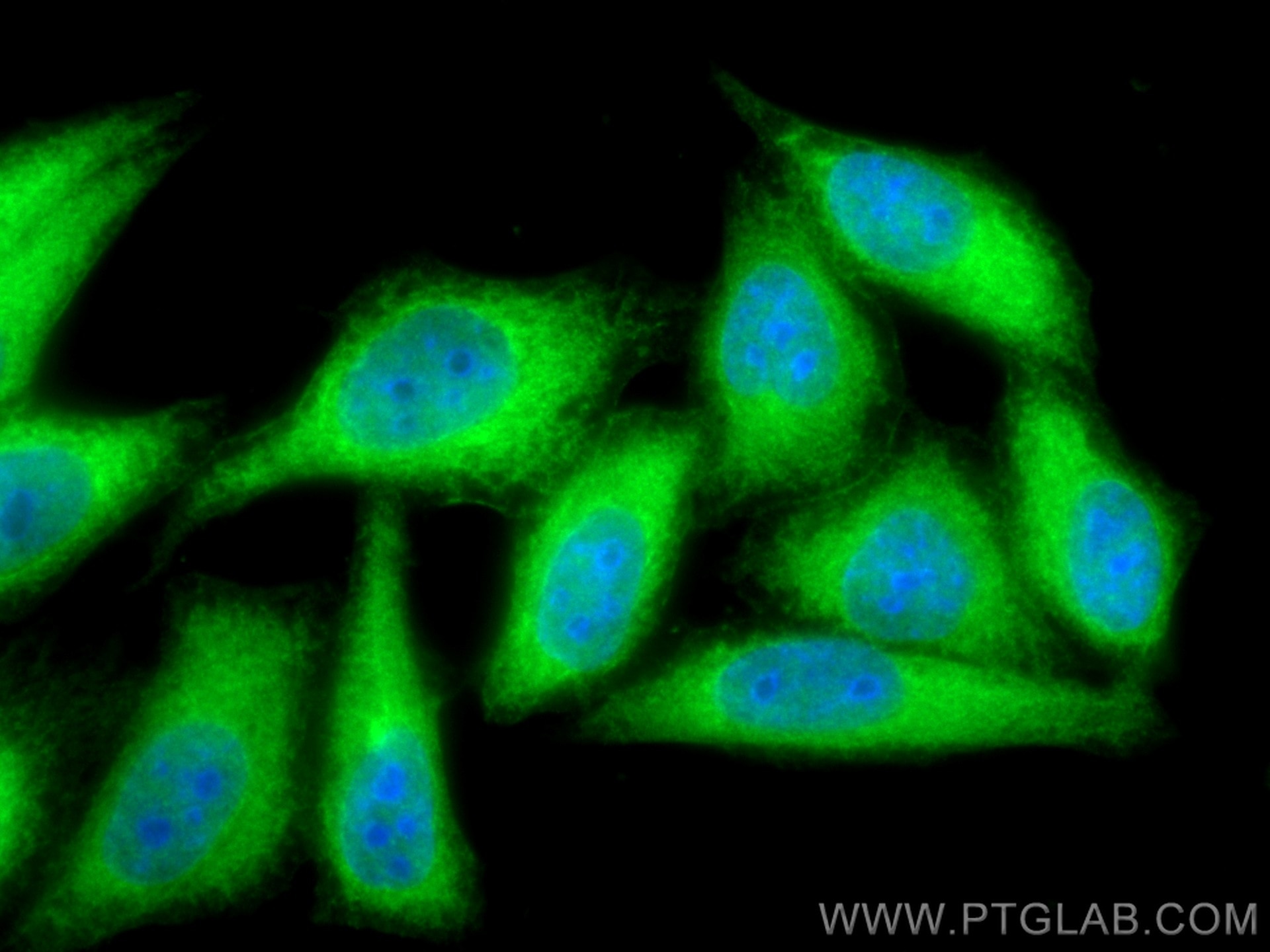
Geprüfte Anwendungen
Produktinformation
13584-1-PBS bindet in WB, IHC, IF/ICC, IF-P, IP, ELISA YAP1 und zeigt Reaktivität mit human, Maus, Ratten
| Getestete Reaktivität | human, Maus, Ratte |
| Wirt / Isotyp | Kaninchen / IgG |
| Klonalität | Polyklonal |
| Typ | Antikörper |
| Immunogen | YAP1 fusion protein Ag4510 |
| Vollständiger Name | Yes-associated protein 1, 65kDa |
| Berechnetes Molekulargewicht | 504 aa, 54 kDa |
| Beobachtetes Molekulargewicht | 65-75 kDa |
| GenBank-Zugangsnummer | BC038235 |
| Gene symbol | YAP1 |
| Gene ID (NCBI) | 10413 |
| Konjugation | Unkonjugiert |
| Form | Liquid |
| Reinigungsmethode | Antigen-Affinitätsreinigung |
| Lagerungspuffer | PBS only |
| Lagerungsbedingungen | Store at -80°C. 20ul Größen enthalten 0,1% BSA. |
Hintergrundinformationen
Yes-associated protein 1 (YAP1) is a transcriptional regulator which can act both as a coactivator and a corepressor and is the critical downstream regulatory target in the Hippo signaling pathway that plays a pivotal role in organ size control and tumor suppression by restricting proliferation and promoting apoptosis. The core of this pathway is composed of a kinase cascade wherein STK3/MST2 and STK4/MST1, in complex with its regulatory protein SAV1, phosphorylates and activates LATS1/2 in complex with its regulatory protein MOB1, which in turn phosphorylates and inactivates YAP1 oncoprotein and WWTR1/TAZ. Plays a key role to control cell proliferation in response to cell contact. Phosphorylation of YAP1 by LATS1/2 inhibits its translocation into the nucleus to regulate cellular genes important for cell proliferation, cell death, and cell migration. The presence of TEAD transcription factors are required for it to stimulate gene expression, cell growth, anchorage-independent growth, and epithelial mesenchymal transition (EMT) induction. Isoform 2 and isoform 3 can activate the C-terminal fragment (CTF) of ERBB4 (isoform 3).Increased expression seen in some liver and prostate cancers (PMID: 31613226, 32488048, 33520338). Isoforms lacking the transactivation domain found in striatal neurons of patients with Huntington disease (at protein level).It is actived by phosphorylation and degradated by ubiquitination (PMID: 20048001).This antibody is a rabbit polyclonal antibody. The calcualted molecular weight of YAP1 is 54 kDa, but routinely observed at 65-75 kDa by Western Blot (PMID: 28230103, 33264286, 36255405).


