- Phare
- Validé par KD/KO
Anticorps Monoclonal anti-Alpha-1-Antitrypsin
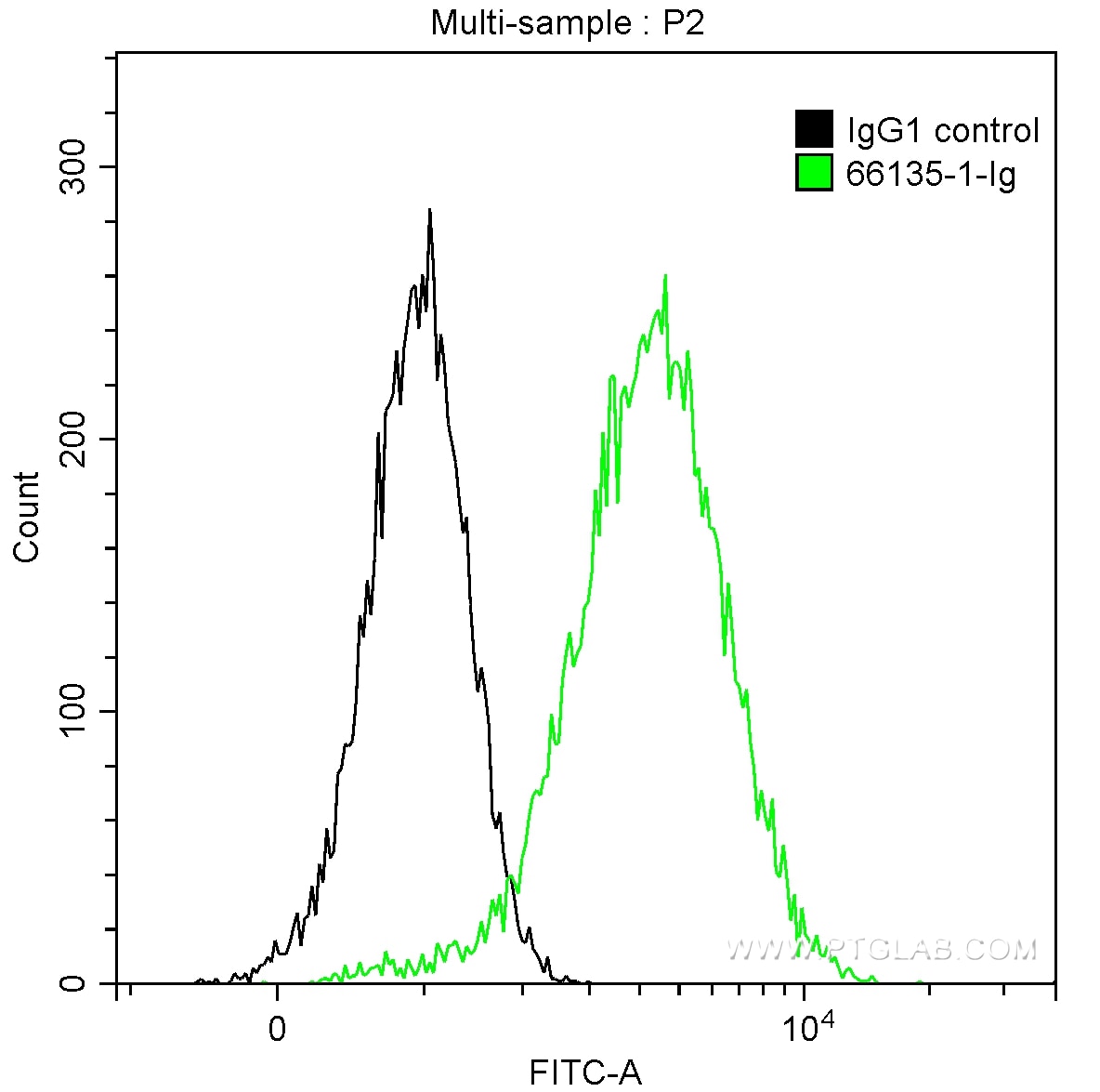
Alpha-1-Antitrypsin Monoclonal Antibody for WB, IHC, IF/ICC, FC (Intra), IP, ELISA
Hôte / Isotype
Mouse / IgG1
Réactivité testée
Humain, porc, rat, souris
Applications
WB, IHC, IF/ICC, FC (Intra), IP, ELISA
Conjugaison
Non conjugué
CloneNo.
1A9G6
N° de cat : 66135-1-PBS
Synonymes
Galerie de données de validation
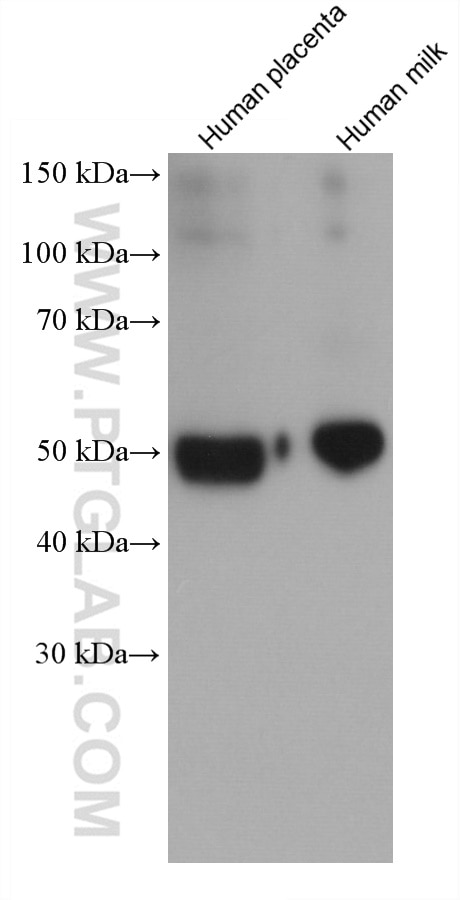
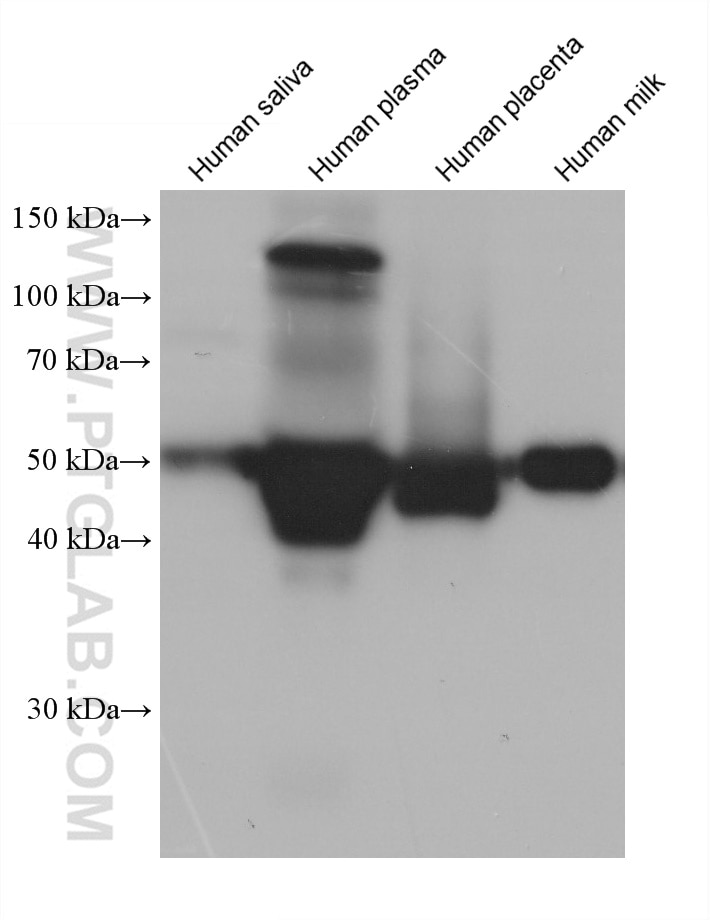
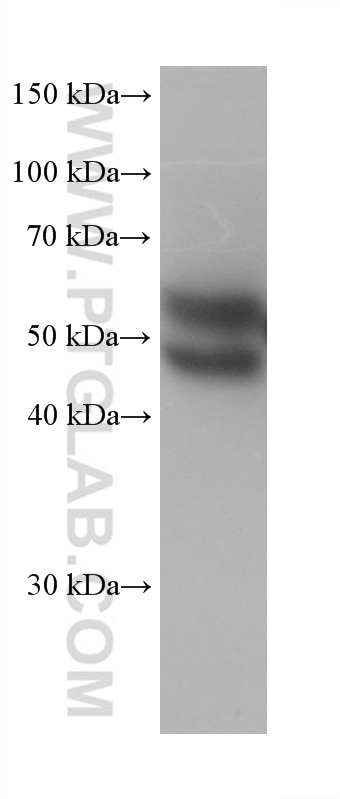
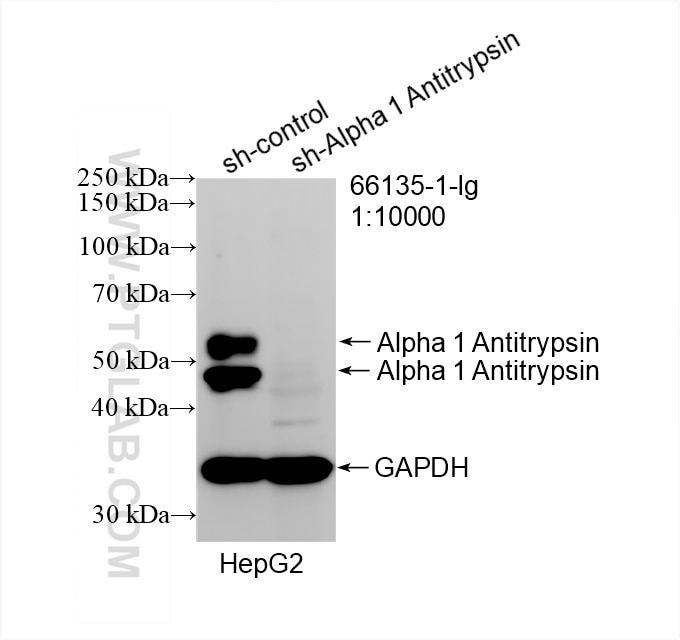
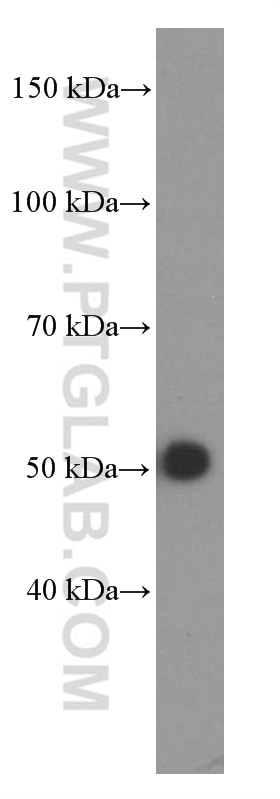
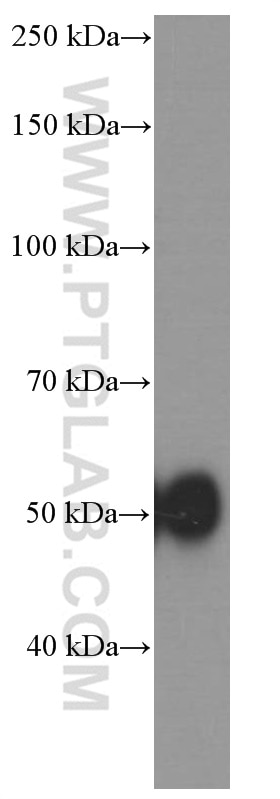
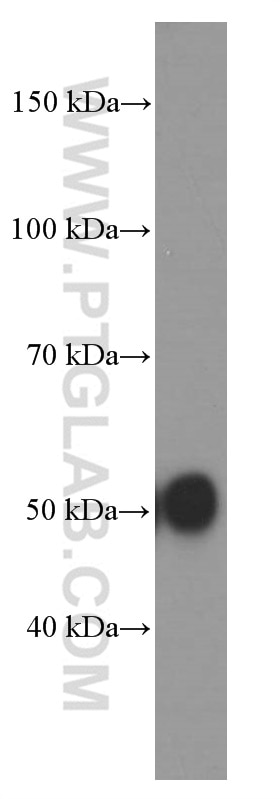
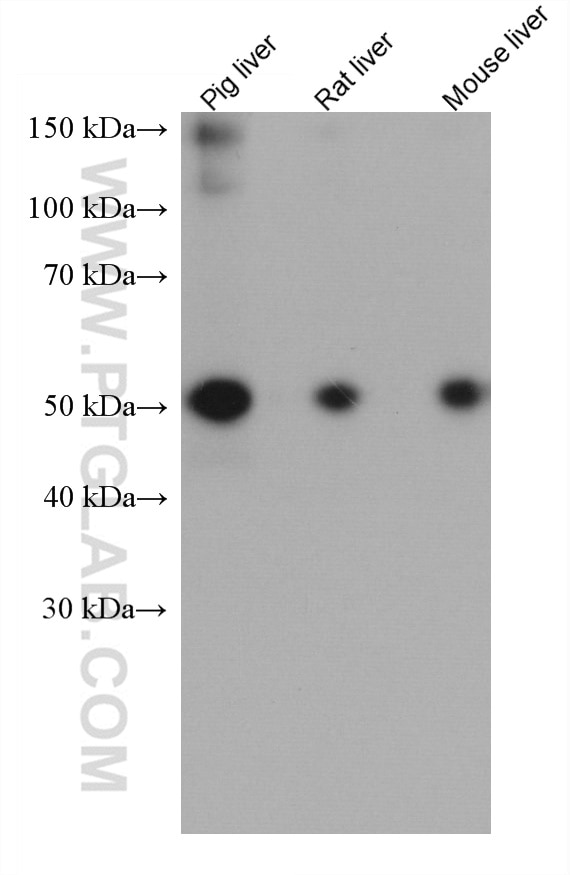
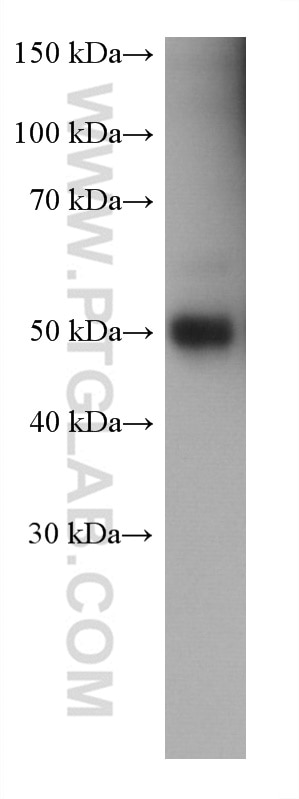
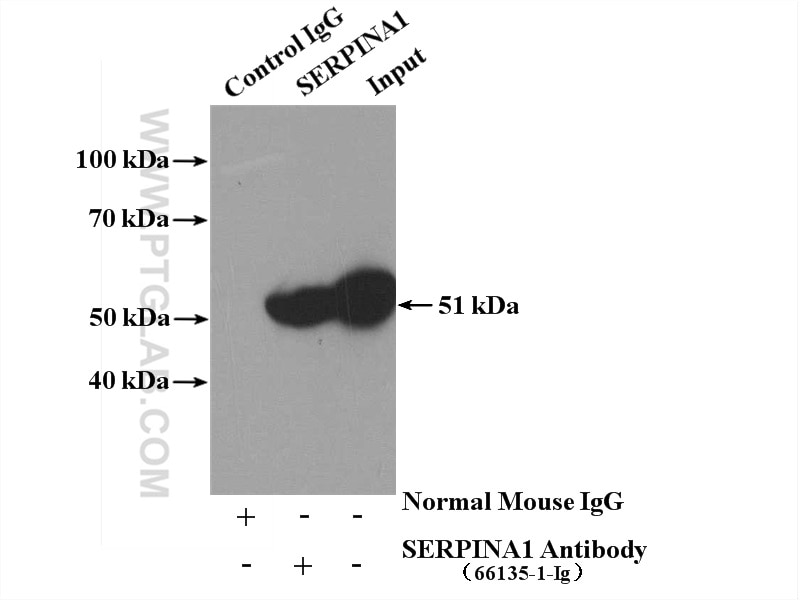
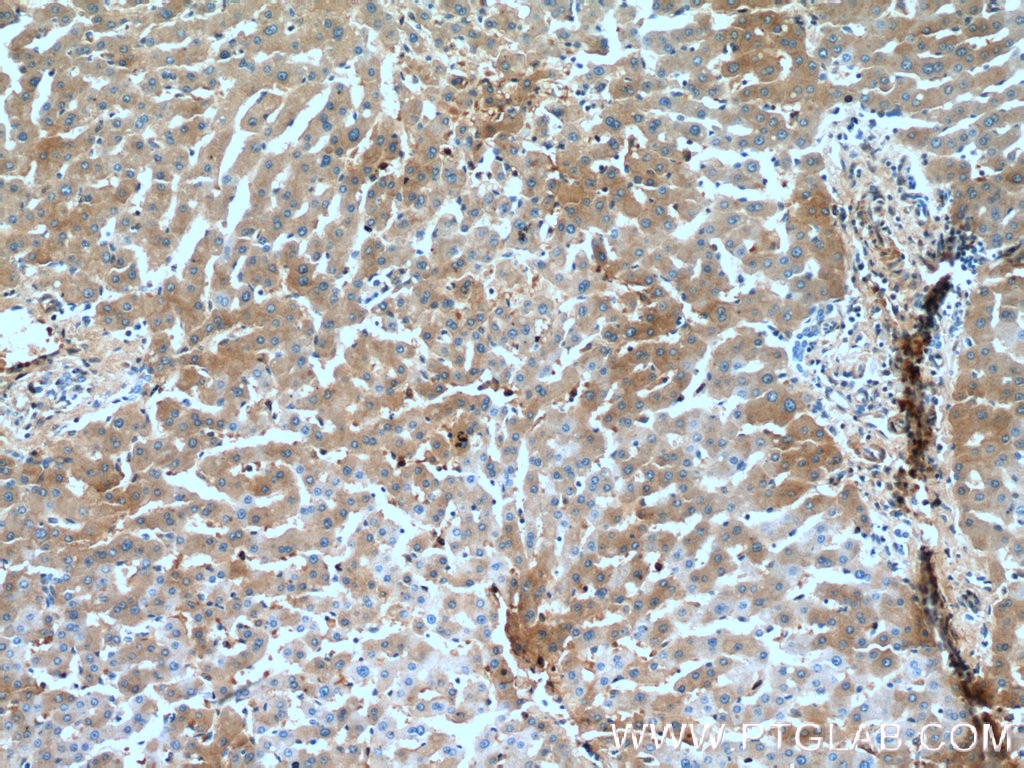
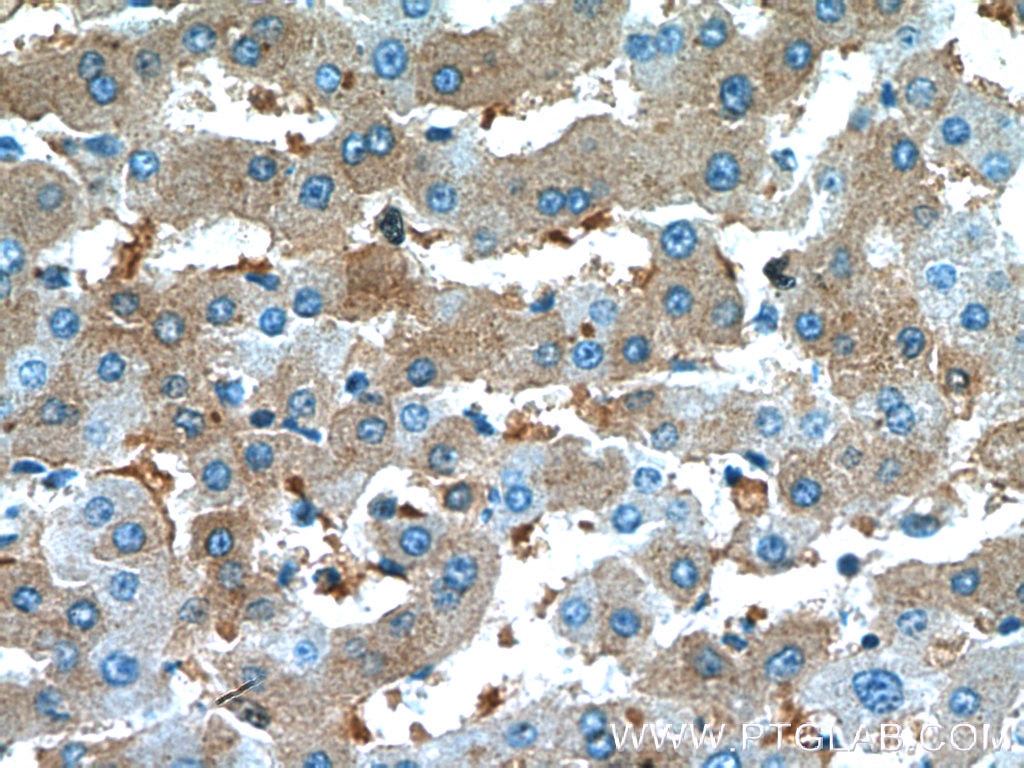
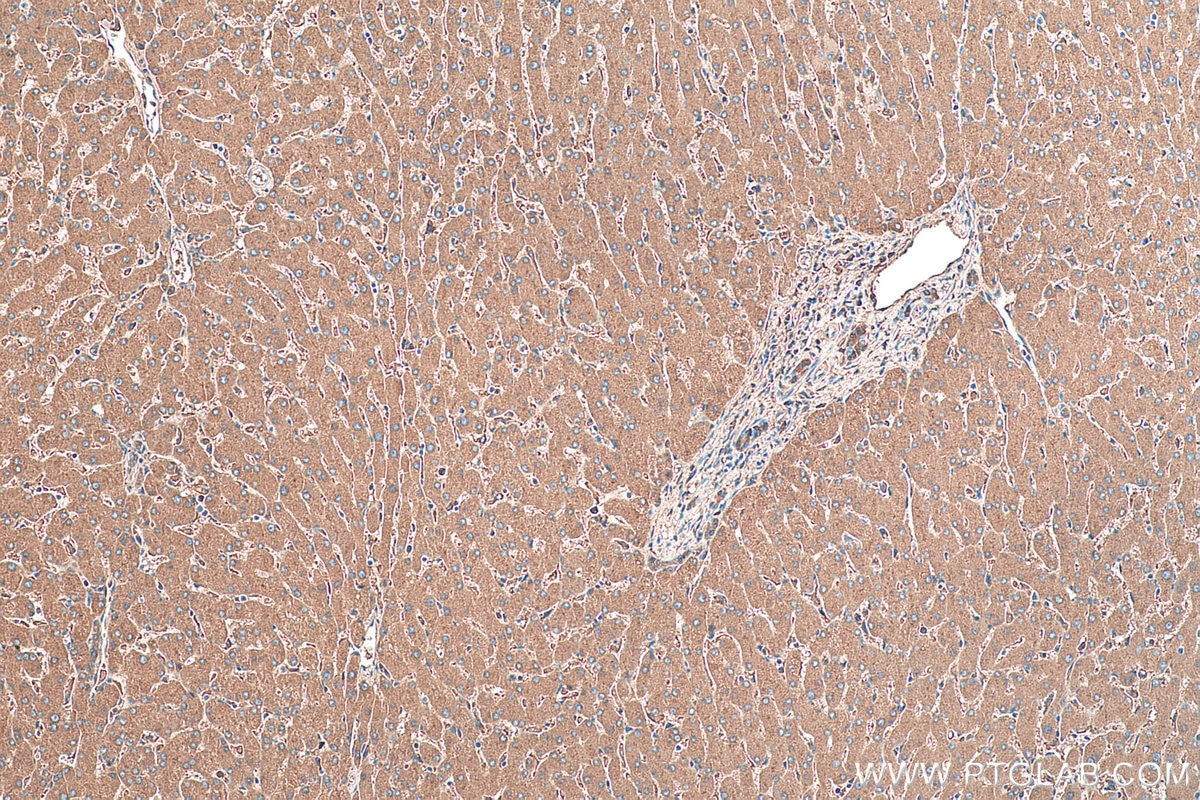
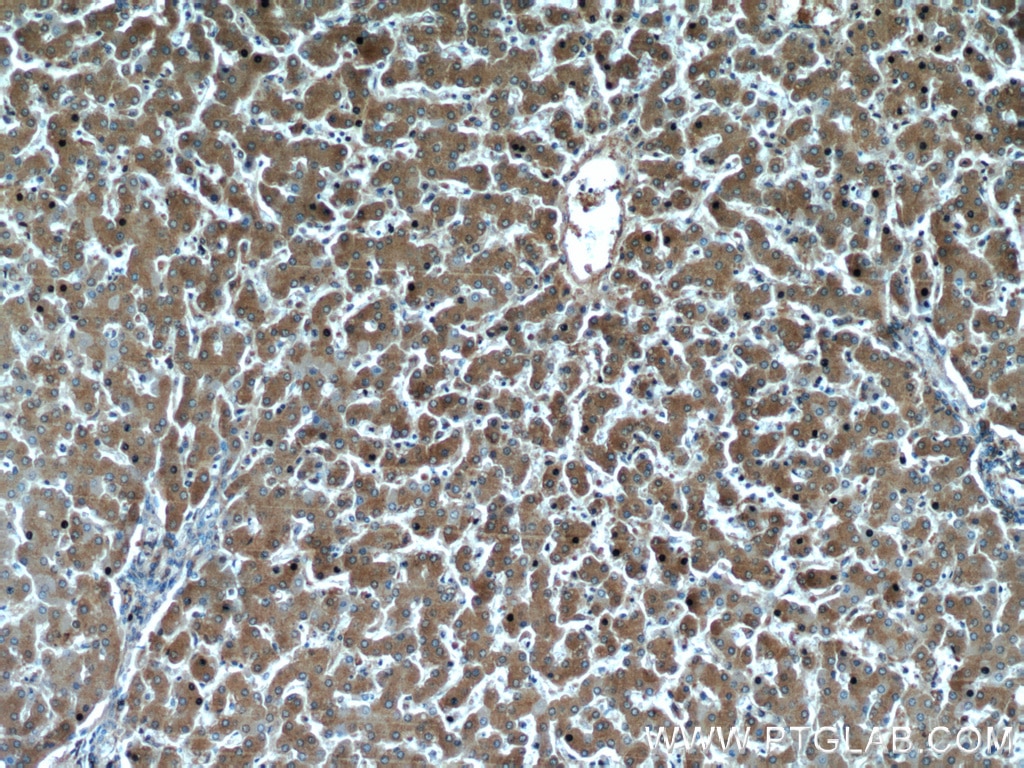
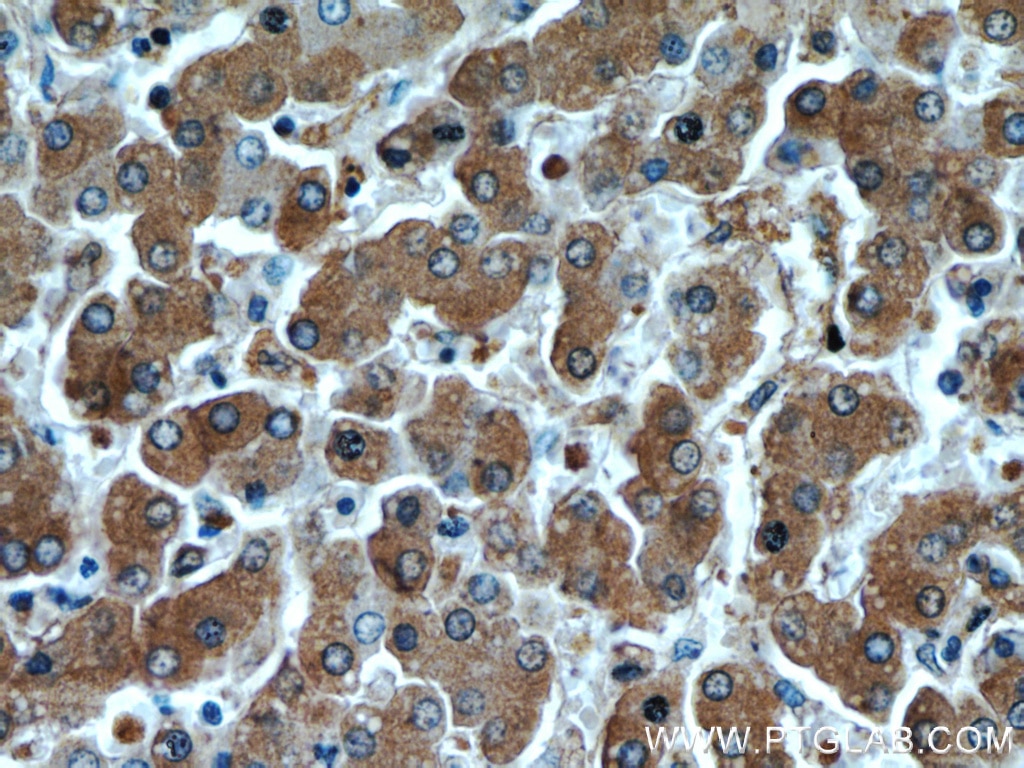
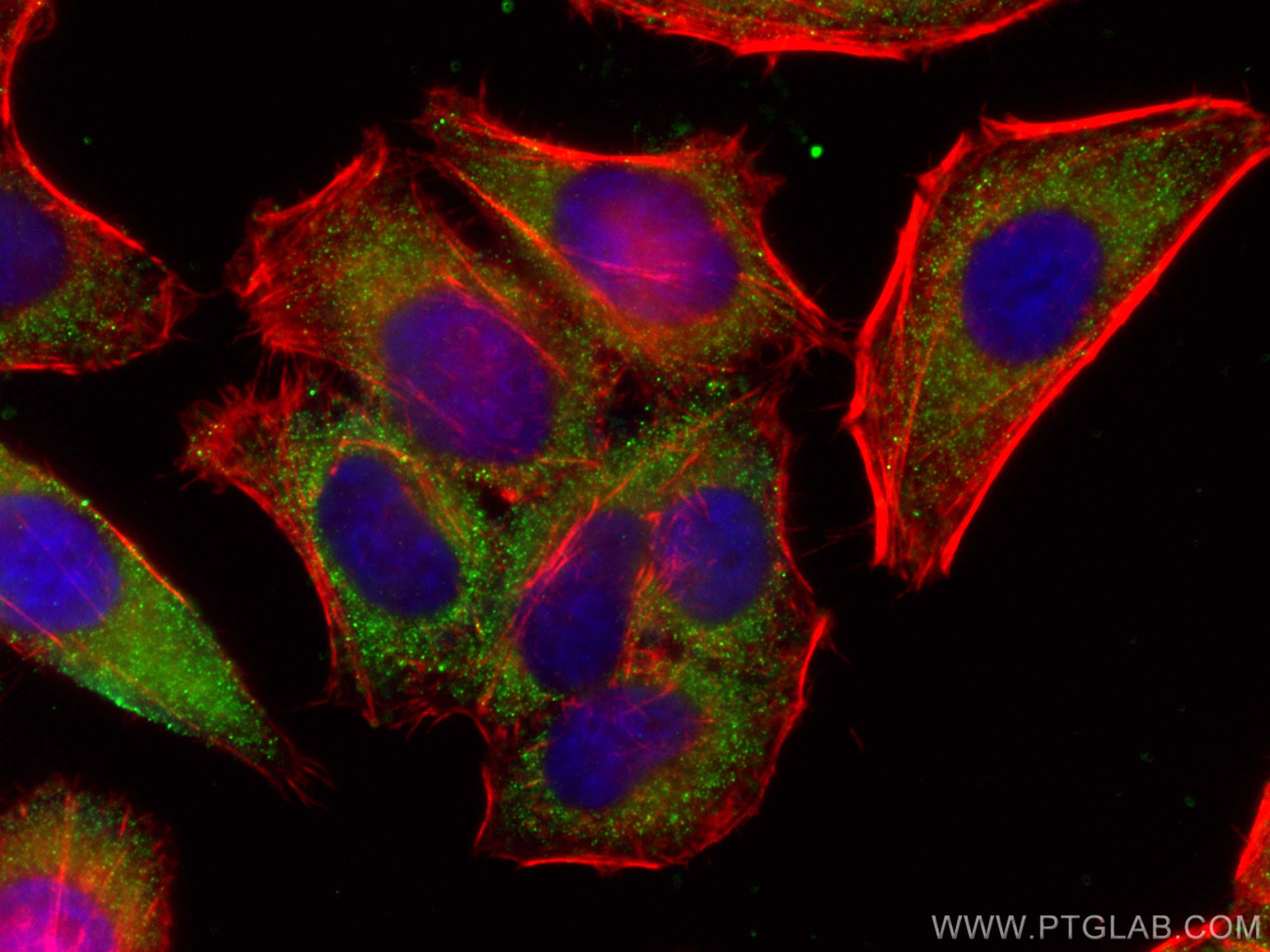
Informations sur le produit
66135-1-PBS cible Alpha-1-Antitrypsin dans les applications de WB, IHC, IF/ICC, FC (Intra), IP, ELISA et montre une réactivité avec des échantillons Humain, porc, rat, souris
| Réactivité | Humain, porc, rat, souris |
| Hôte / Isotype | Mouse / IgG1 |
| Clonalité | Monoclonal |
| Type | Anticorps |
| Immunogène | Alpha-1-Antitrypsin Protéine recombinante Ag9516 |
| Nom complet | serpin peptidase inhibitor, clade A (alpha-1 antiproteinase, antitrypsin), member 1 |
| Masse moléculaire calculée | 418 aa, 47 kDa |
| Poids moléculaire observé | 51 kDa |
| Numéro d’acquisition GenBank | BC015642 |
| Symbole du gène | Alpha 1-Antitrypsin |
| Identification du gène (NCBI) | 5265 |
| Conjugaison | Non conjugué |
| Forme | Liquide |
| Méthode de purification | Purification par protéine G |
| Tampon de stockage | PBS only |
| Conditions de stockage | Store at -80°C. 20ul contiennent 0,1% de BSA. |
Informations générales
SERPINA1 is the gene for a protein called alpha-1-antitrypsin (AAT), which is a serine protease inhibitor whose targets include elastase, plasmin, thrombin, trypsin, chymotrypsin, and plasminogen activator. AAT is a glycoprotein synthesized primarily by hepatocytes, with smaller amountssynthesized by intestinal epithelial cells, neutrophils, pulmonary alveolar cells and macrophages. AAT is the most abundant, endogenous serine protease inhibitor in blood circulation and it has been implicated in regulating vital fluid phase biological events such as blood coagulation, fibrinolysis, complement activation, apoptosis, reproduction, tumor progression and inflammatory response. The primary function of AAT is thought to be the inactivation of neutrophil elastase and other endogenous serine proteases. Defects in SERPINA1 can cause emphysema or liver disease.


