Anticorps Polyclonal de lapin anti-Alpha-1-microglobulin
Alpha-1-microglobulin Polyclonal Antibody for WB, IHC, Indirect ELISA
Hôte / Isotype
Lapin / IgG
Réactivité testée
Humain
Applications
WB, IHC, Indirect ELISA
Conjugaison
Non conjugué
N° de cat : 26716-1-PBS
Synonymes
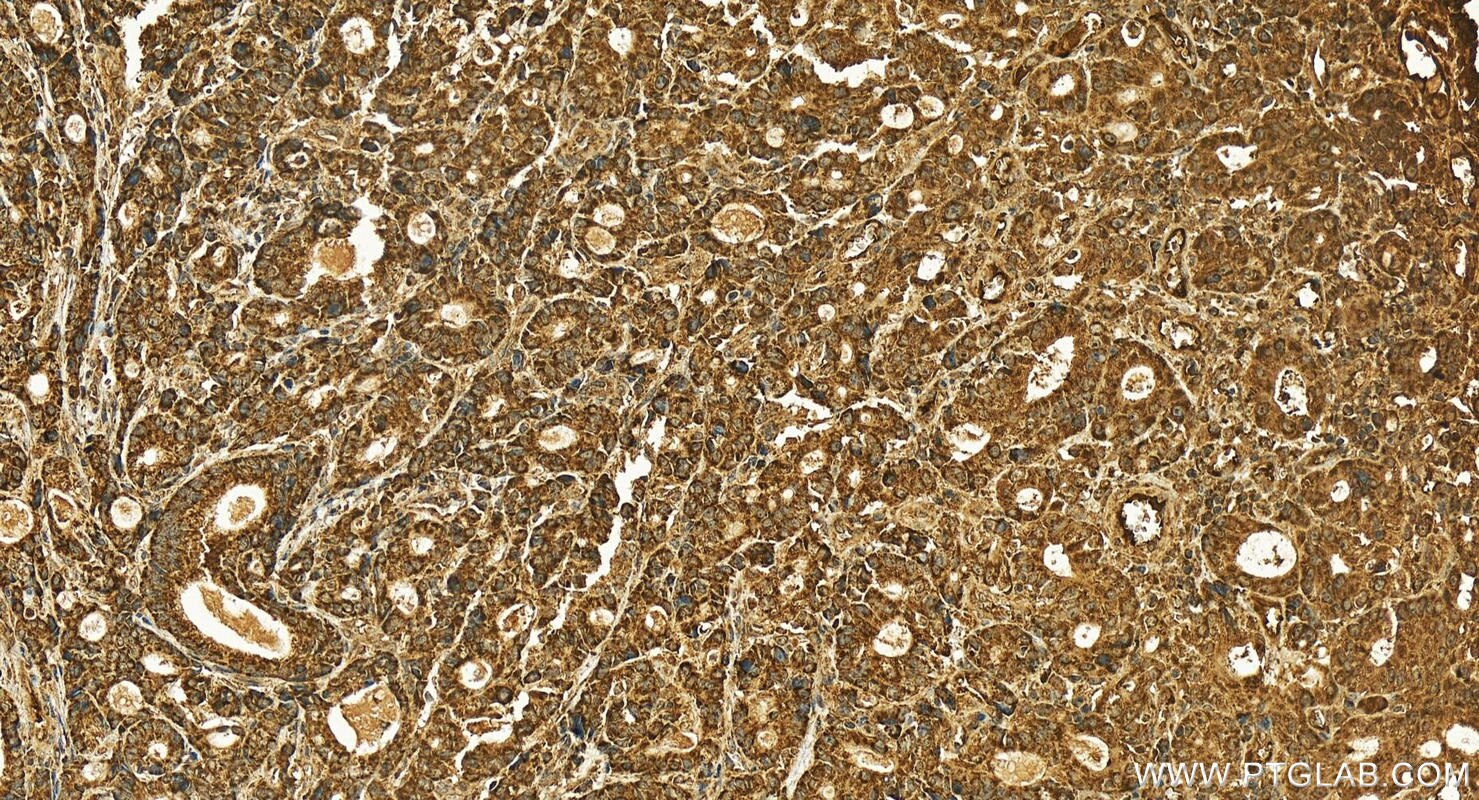
Galerie de données de validation
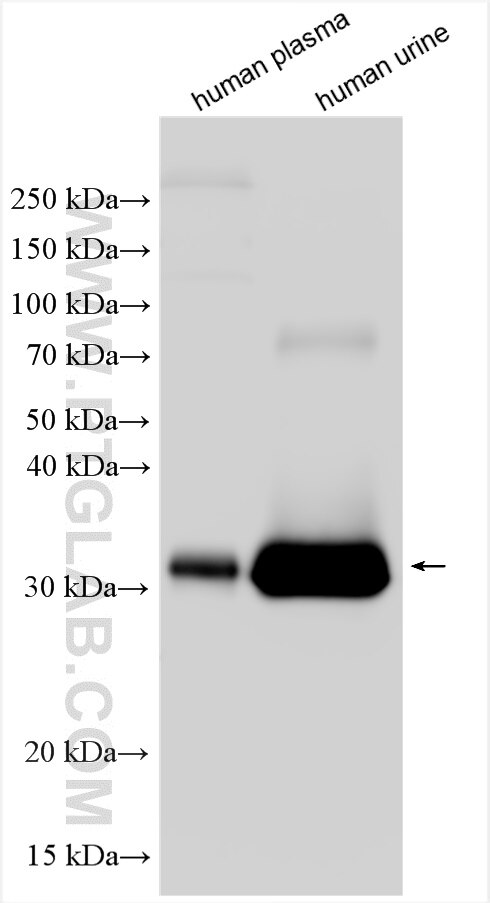
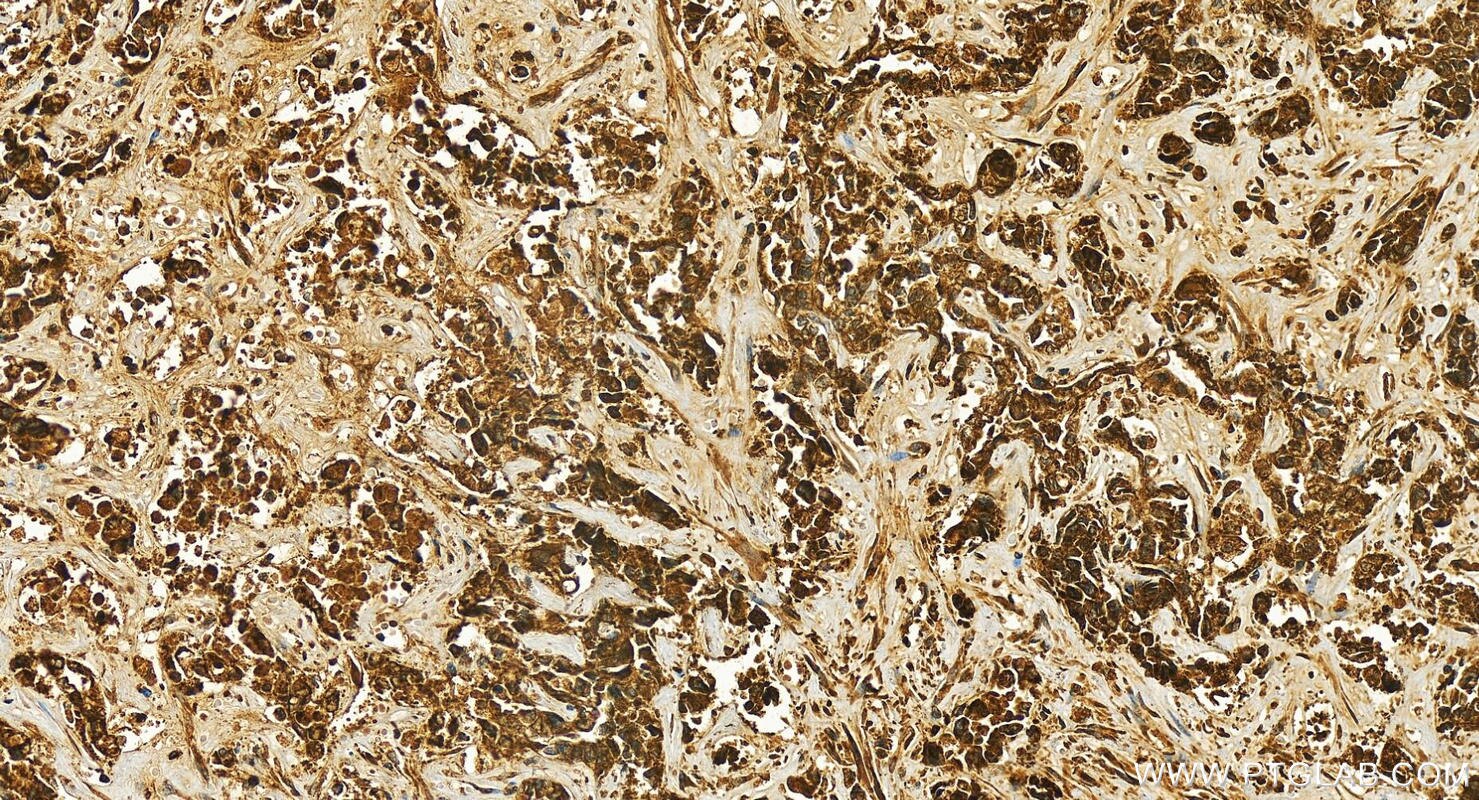
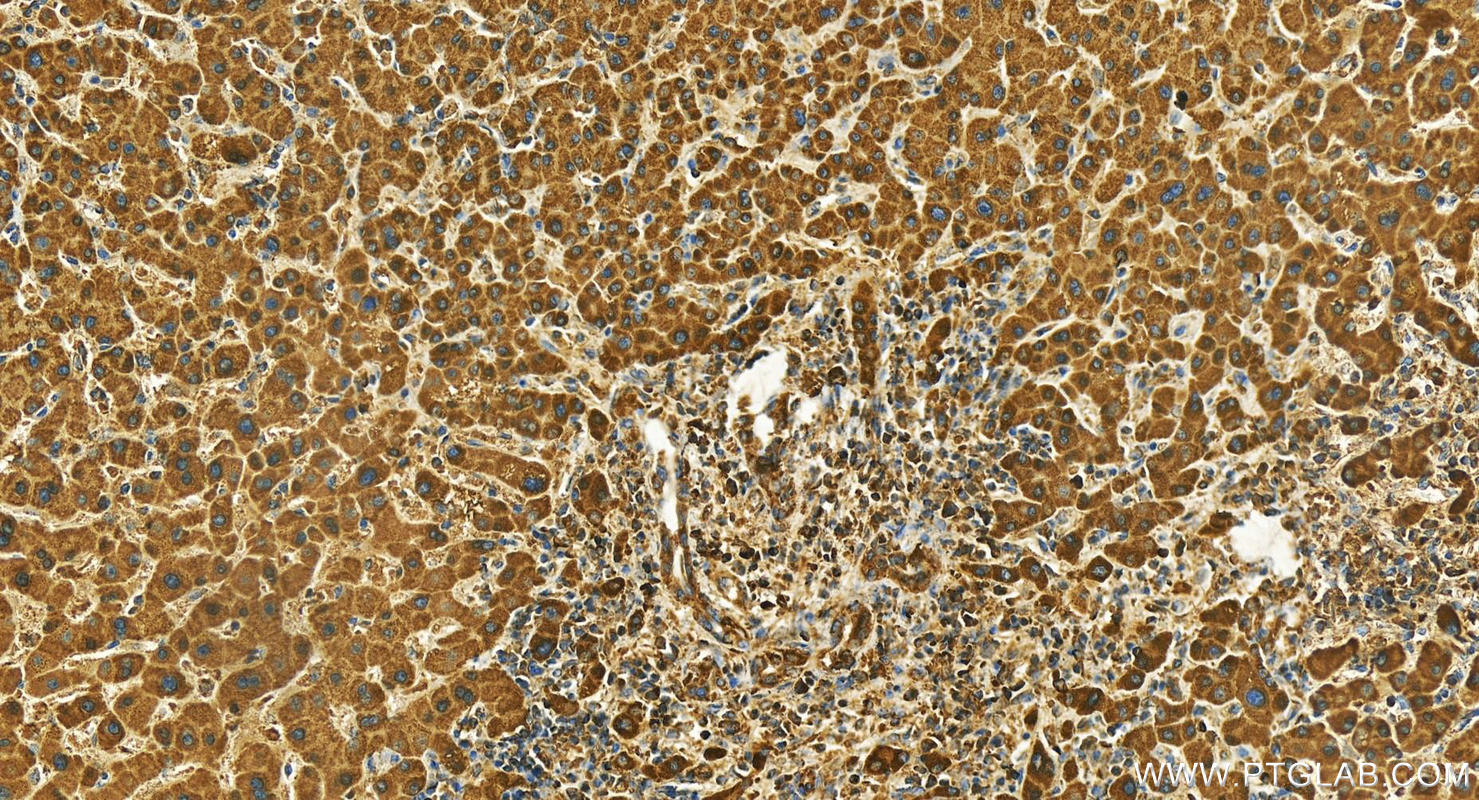
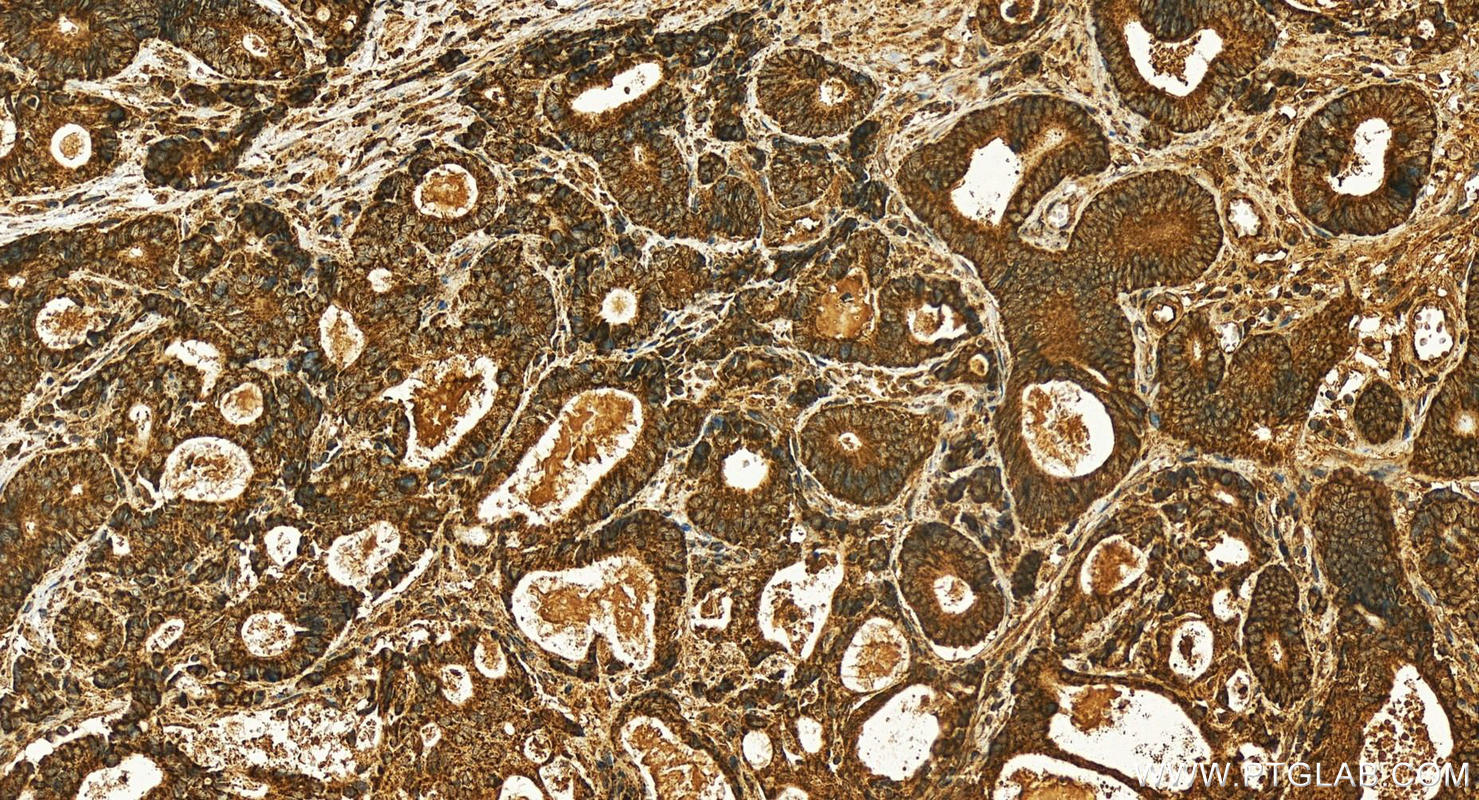
Informations sur le produit
26716-1-PBS cible Alpha-1-microglobulin dans les applications de WB, IHC, Indirect ELISA et montre une réactivité avec des échantillons Humain
| Réactivité | Humain |
| Hôte / Isotype | Lapin / IgG |
| Clonalité | Polyclonal |
| Type | Anticorps |
| Immunogène | Alpha-1-microglobulin Protéine recombinante Ag25239 |
| Nom complet | alpha-1-microglobulin/bikunin precursor |
| Masse moléculaire calculée | 352 aa, 39 kDa |
| Poids moléculaire observé | 30 kDa |
| Numéro d’acquisition GenBank | BC041593 |
| Symbole du gène | Alpha 1 microglobulin |
| Identification du gène (NCBI) | 259 |
| Conjugaison | Non conjugué |
| Forme | Liquide |
| Méthode de purification | Purification par affinité contre l'antigène |
| Tampon de stockage | PBS only |
| Conditions de stockage | Store at -80°C. 20ul contiennent 0,1% de BSA. |
Informations générales
Alpha-1-microglobulin (A1M) is also named as Protein AMBP, Bikunin, Trypstatin and Inter-alpha-trypsin inhibitor light chain (ITI-LC). A1M belongs to the lipocalin protein family, a group of structural proteins with a similar one-domain fold that are found in bacteria, plants and animals (PMID: 2580349). A1M is recognized as a physiological antioxidant with powerful cell- and tissue-protective properties (PMID: 11877257). Whereas A1M is a heme and radical scavenger, and a reductase, bikunin is a structural component of extracellular matrix and has protease inhibitor and anti-inflammatory properties (PMID: 27988357). In humans, the majority of A1M is synthesized in the liver, but smaller quantities are also expressed in most other cells in the body. In the blood, equal quantities of two forms of A1M can be found: a free monomeric form and a covalent high-molecular weight complex bound to immunoglobulin A, albumin and prothrombin (PMID: 6196366, PMID: 9183005). Endogenous A1M has also been described to be localized ubiquitously in the dermal and epidermal layers of skin, and in syncytiothrophoblasts, monocytes/macrophages, vascular endothelium and extracellular matrix of placental tissue and extracellular matrix (PMID: 22096585,PMID: 21356557). Alpha 1 microglobulin, also known as HI30, is a 27-30 kDa glycoprotein, present in various body fluids. It belongs to the lipocalin superfamily of hydrophobic ligand-binding proteins forming an internal ligand-binding pocket. The protein acts as a mediator of bacterial adhesion to polymer surfaces and is involved in inhibiting renal lithogenesis.


