Anticorps Polyclonal de lapin anti-ABHD18
ABHD18 Polyclonal Antibody for WB, IHC, IF/ICC, Indirect ELISA
Hôte / Isotype
Lapin / IgG
Réactivité testée
Humain, souris
Applications
WB, IHC, IF/ICC, Indirect ELISA
Conjugaison
Non conjugué
N° de cat : 25036-1-PBS
Synonymes
Galerie de données de validation
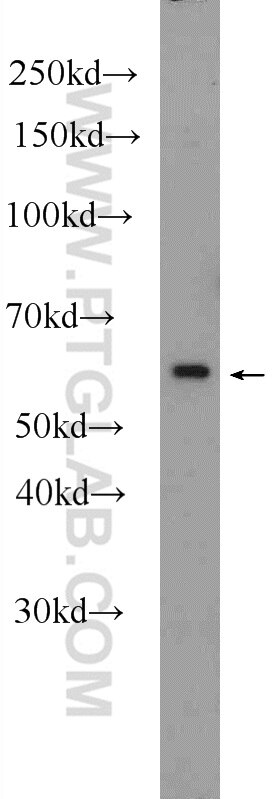
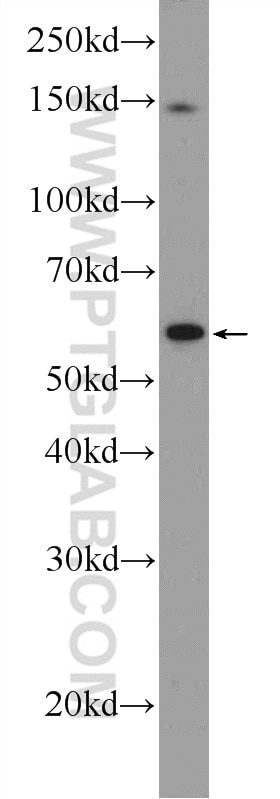
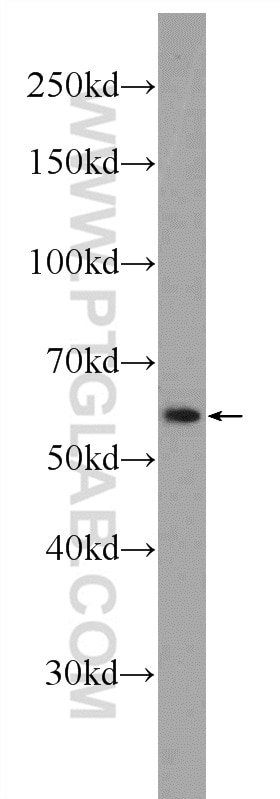
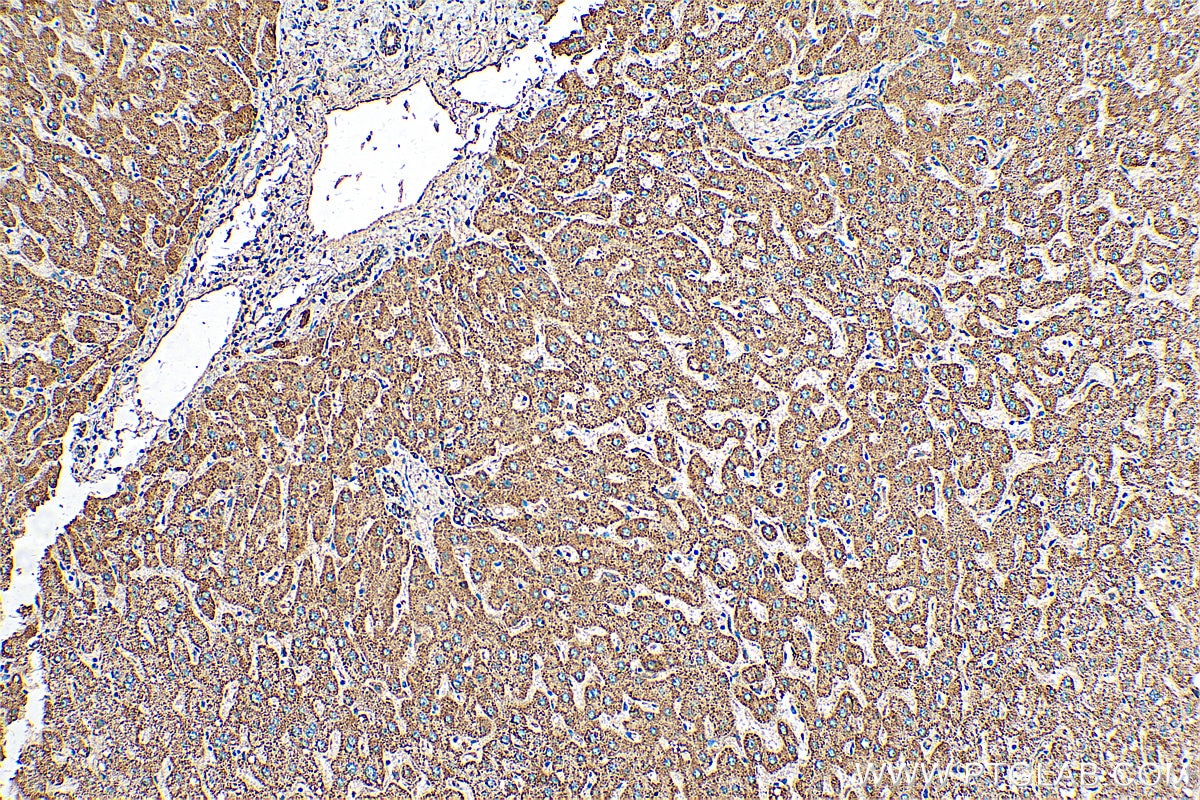
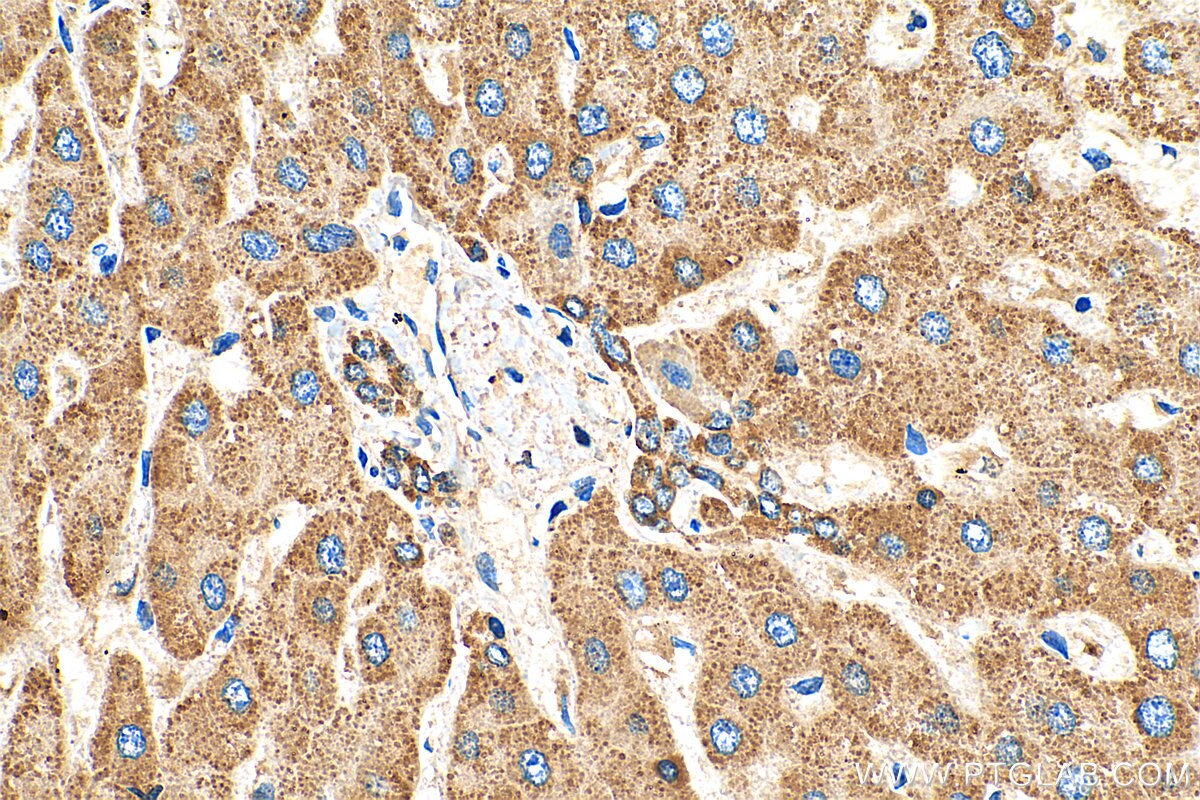
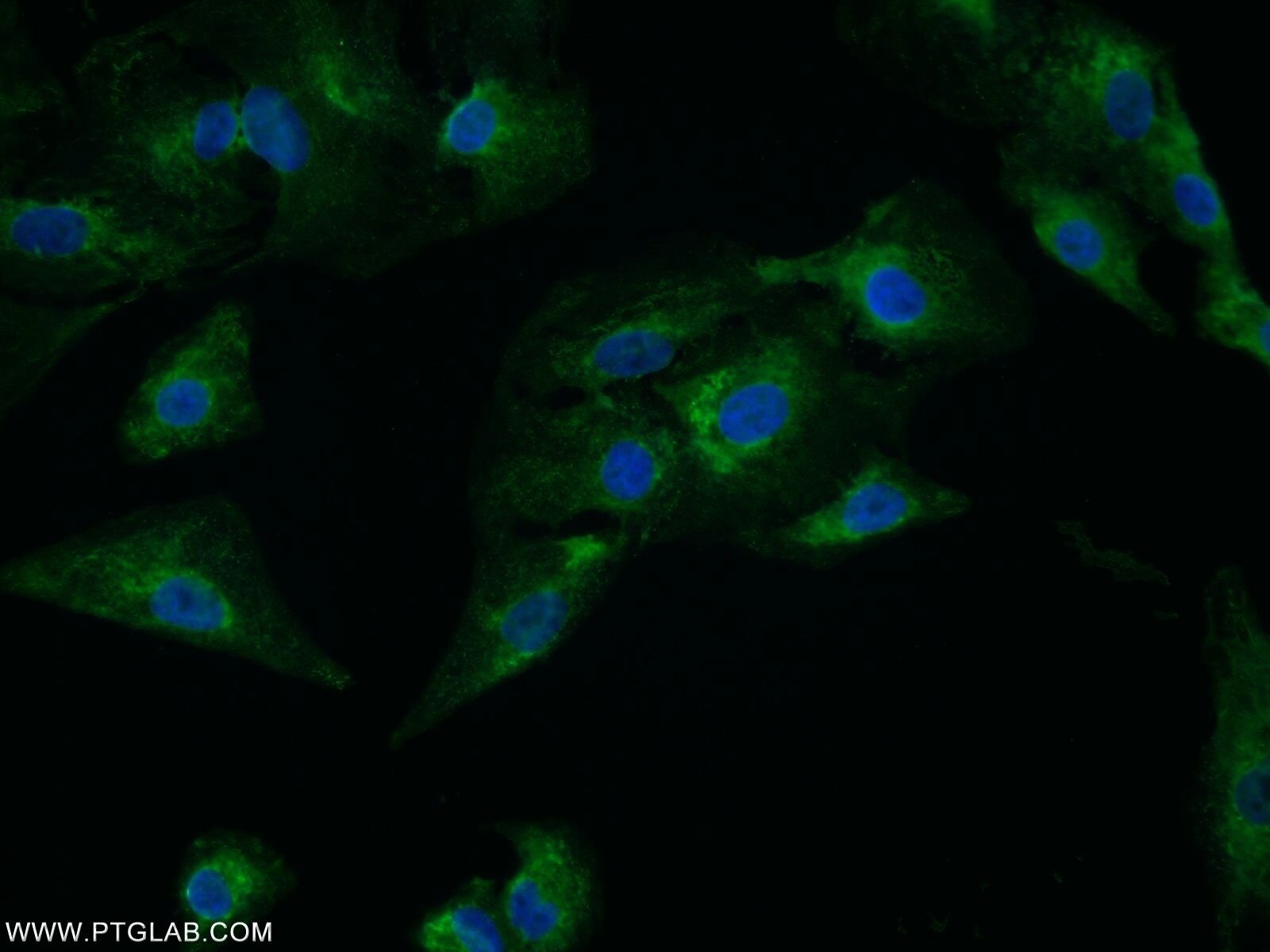
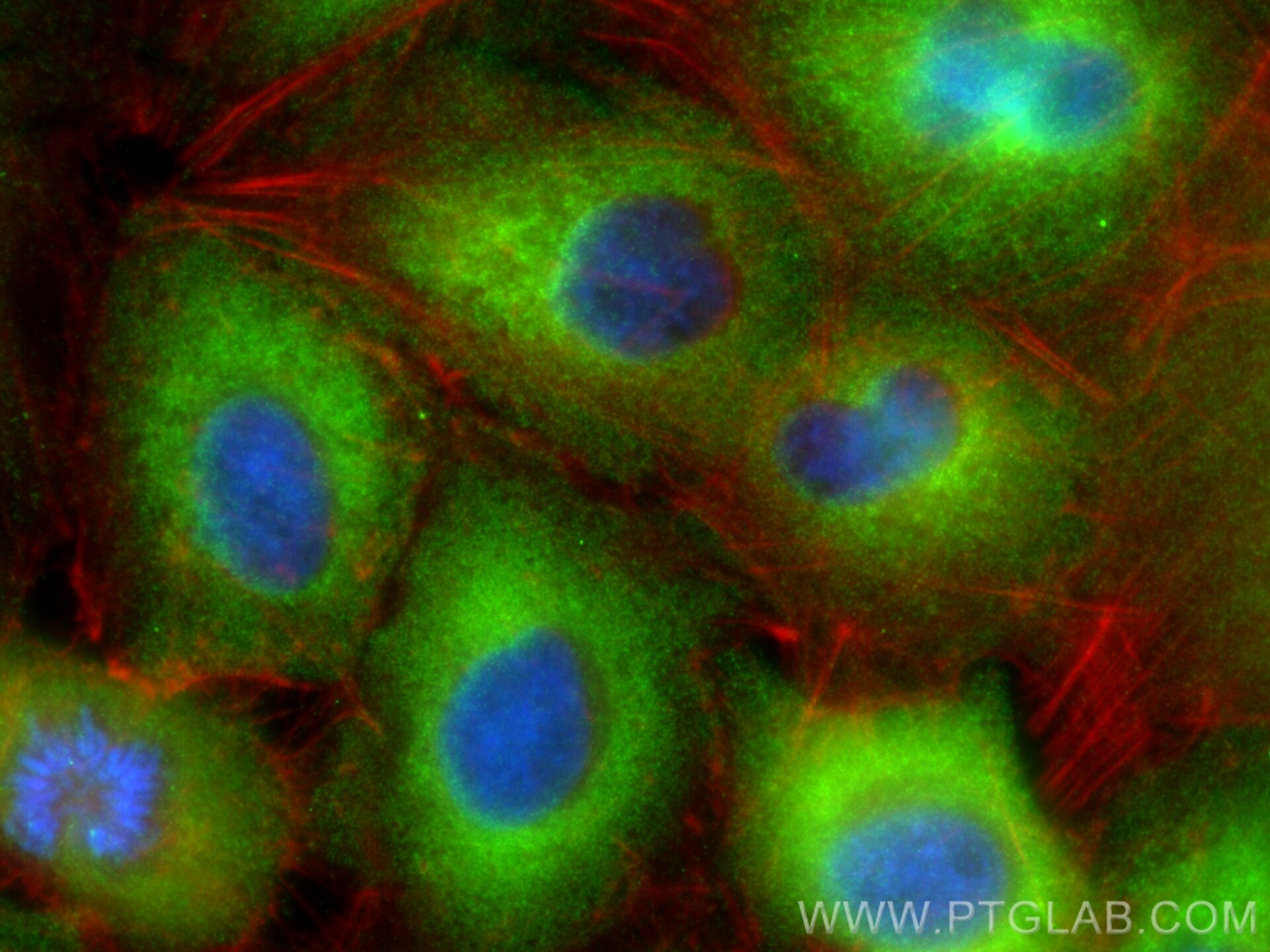
Informations sur le produit
25036-1-PBS cible ABHD18 dans les applications de WB, IHC, IF/ICC, Indirect ELISA et montre une réactivité avec des échantillons Humain, souris
| Réactivité | Humain, souris |
| Hôte / Isotype | Lapin / IgG |
| Clonalité | Polyclonal |
| Type | Anticorps |
| Immunogène | ABHD18 Protéine recombinante Ag19120 |
| Nom complet | chromosome 4 open reading frame 29 |
| Masse moléculaire calculée | 414 aa, 47 kDa |
| Poids moléculaire observé | 60 kDa |
| Numéro d’acquisition GenBank | BC128143 |
| Symbole du gène | C4orf29 |
| Identification du gène (NCBI) | 80167 |
| Conjugaison | Non conjugué |
| Forme | Liquide |
| Méthode de purification | Purification par affinité contre l'antigène |
| Tampon de stockage | PBS only |
| Conditions de stockage | Store at -80°C. 20ul contiennent 0,1% de BSA. |
Informations générales
ABHD18 (α/β hydrolase domain-containing protein 18) is a transmembrane protein in mammals whose function has not yet been fully elucidated. It belongs to the large α/β hydrolase superfamily, whose members typically possess hydrolase activity and are involved in a variety of metabolic reactions. The ABHD18 protein is localized on the lysosomal membrane and may participate in intracellular lipid metabolism or signal transduction processes. Recent studies have shown that ABHD18 is the key enzyme in human cells that catalyzes the deacylation of cardiolipin to MLCL. The loss of ABHD18 function can significantly alleviate mitochondrial supercomplex defects, energy metabolism disorders, and cardiomyopathy phenotypes caused by TAZ deficiency, even achieving a "genetic suppression" effect in mice and patient cells. This not only reveals ABHD18 as a core node in the cardiolipin remodeling pathway but also provides an entirely new therapeutic approach for mitochondrial diseases such as Barth syndrome.


