Anticorps Monoclonal anti-CD163
CD163 Monoclonal Antibody for WB, IHC, IF-P, IP, ELISA
Hôte / Isotype
Mouse / IgG1
Réactivité testée
Humain et plus (2)
Applications
WB, IHC, IF-P, IP, ELISA
Conjugaison
Non conjugué
CloneNo.
2G7A5
N° de cat : 68218-1-Ig
Synonymes
Galerie de données de validation
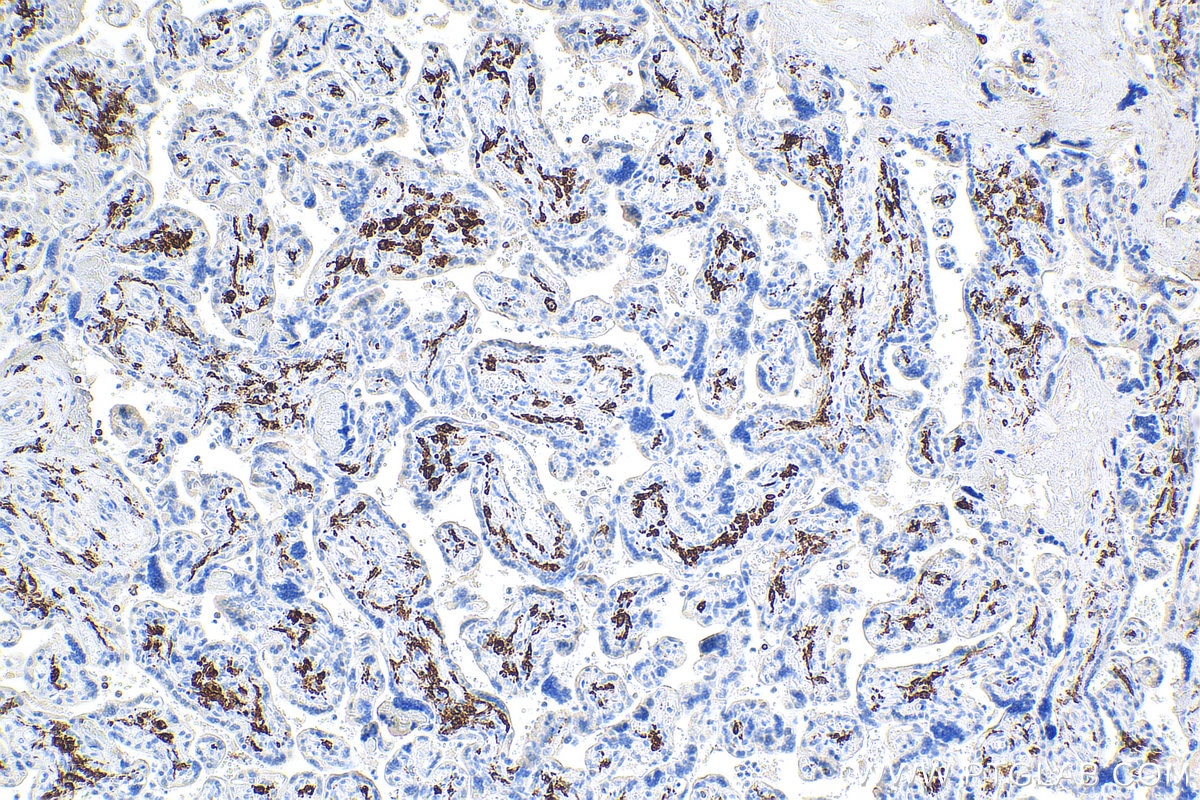
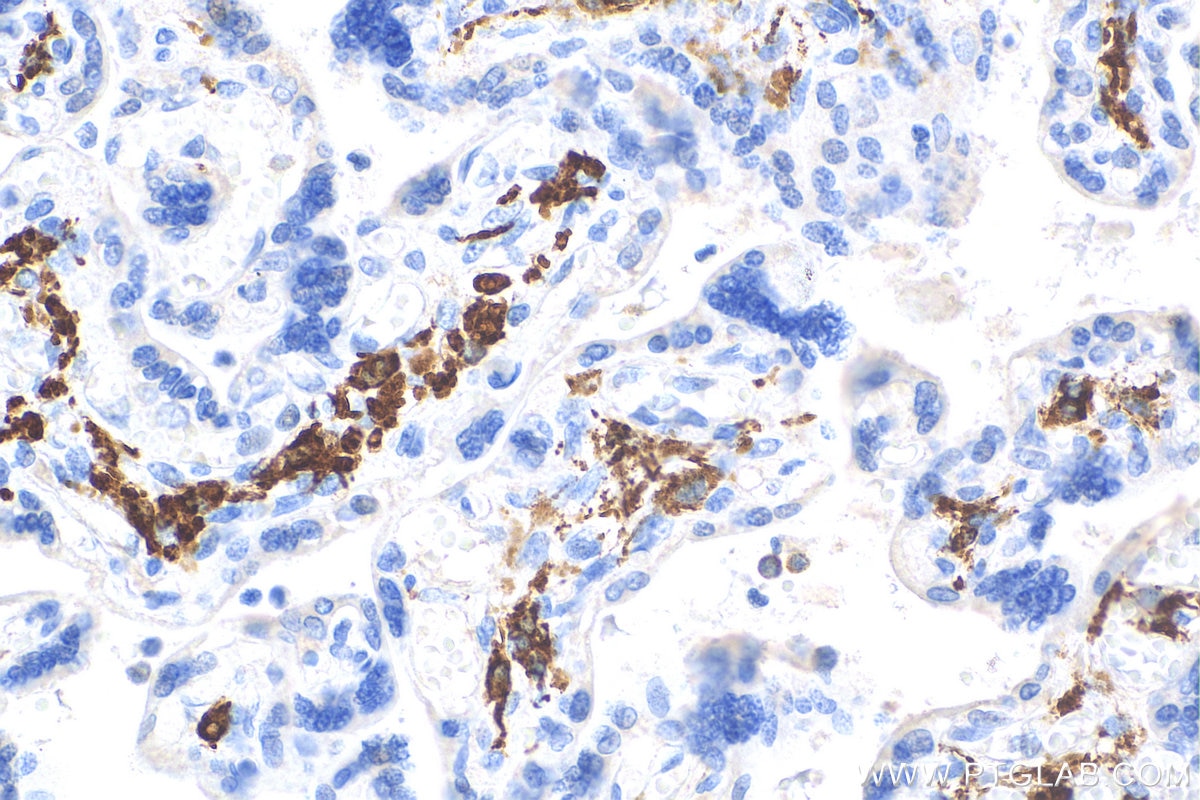
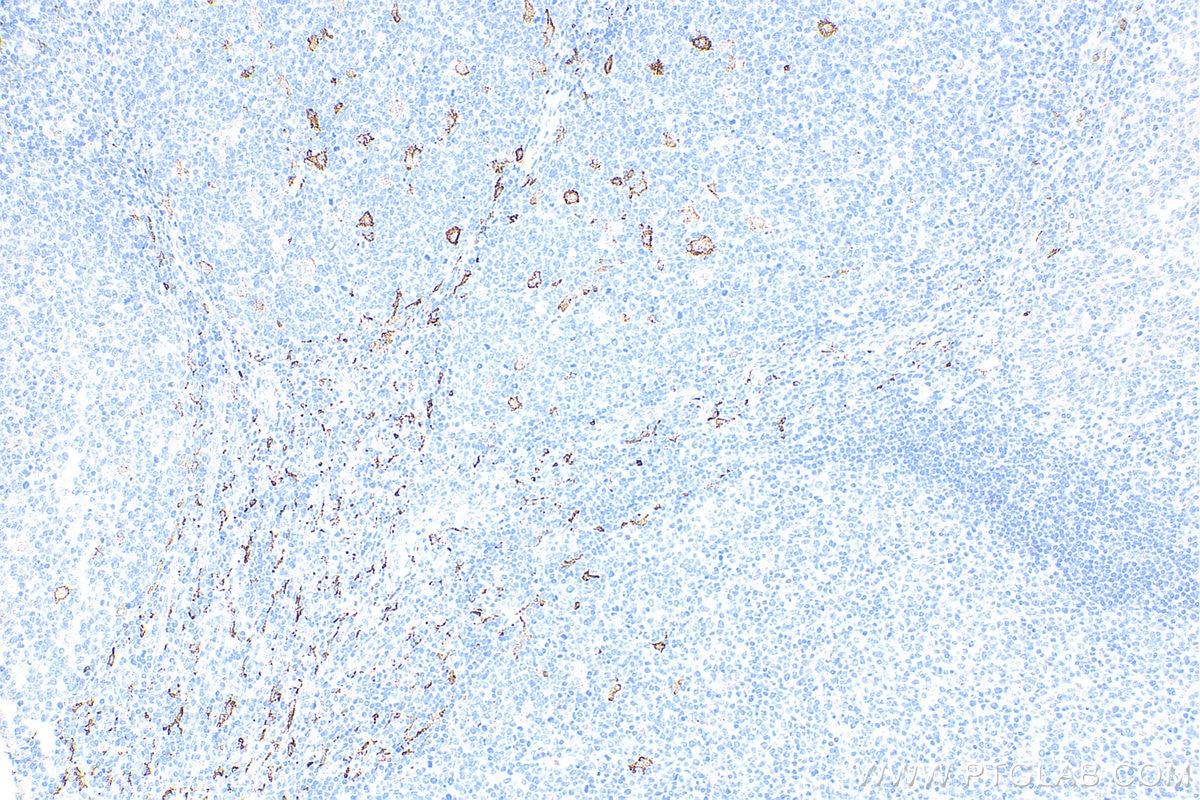
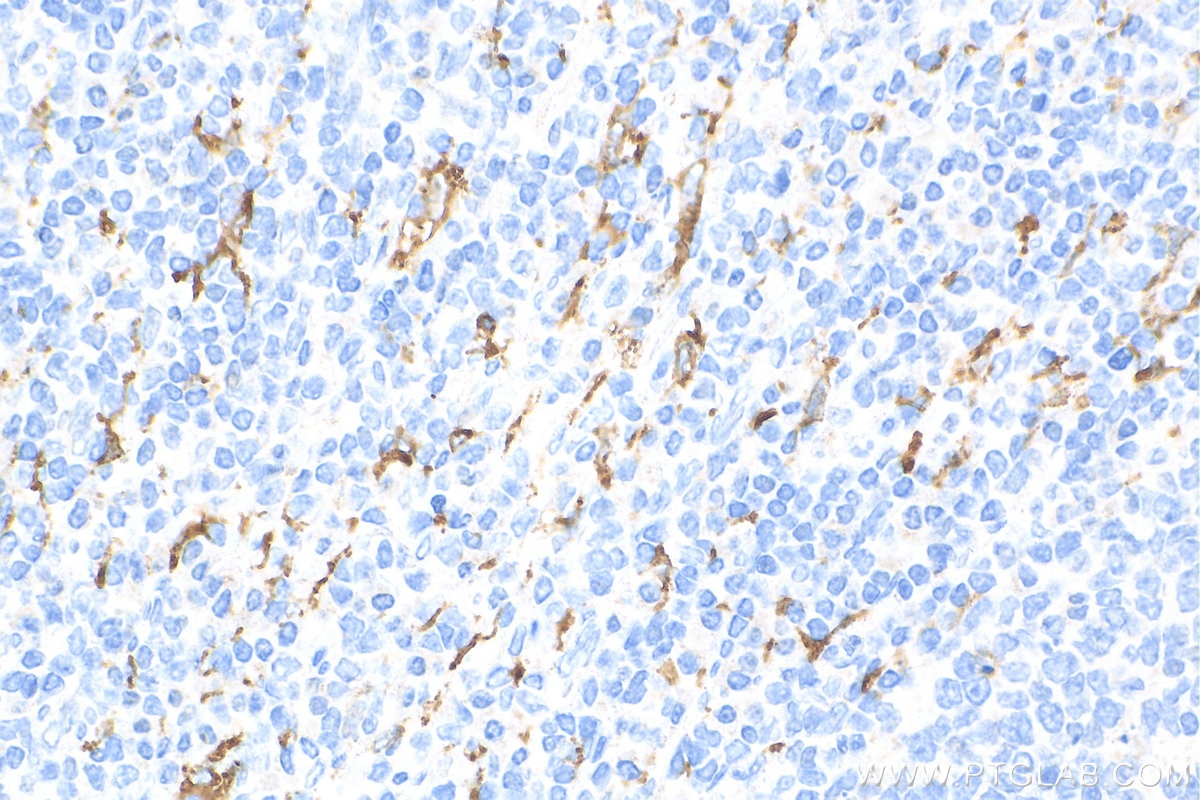
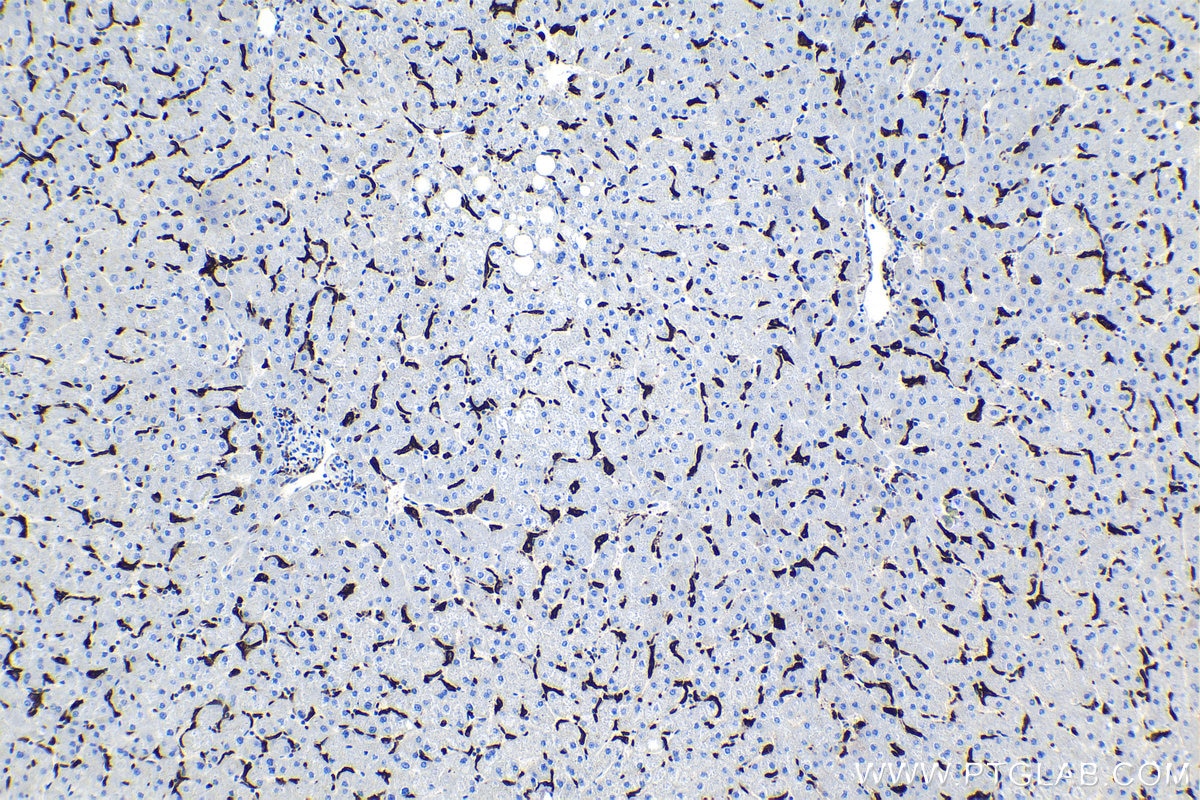
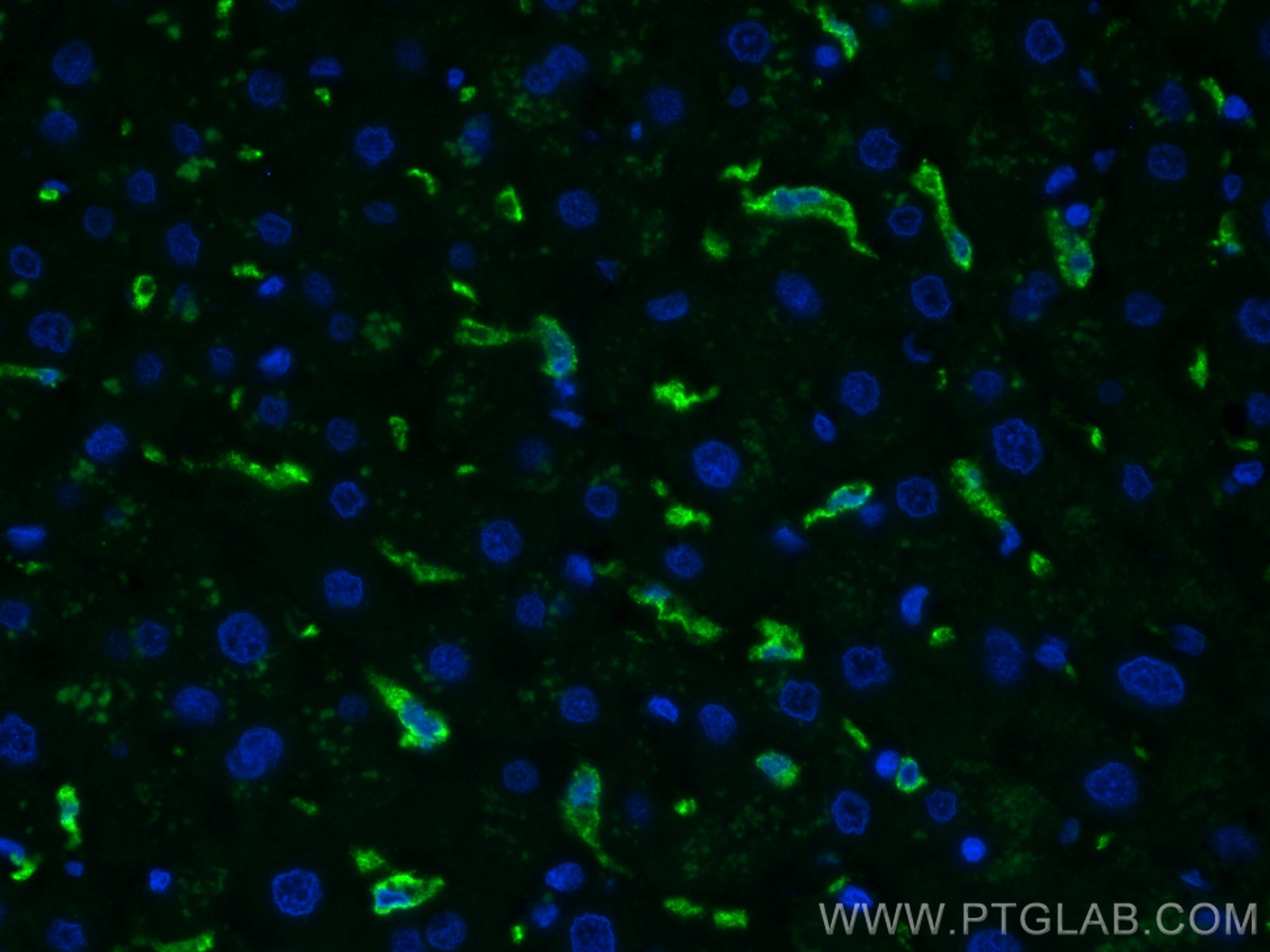
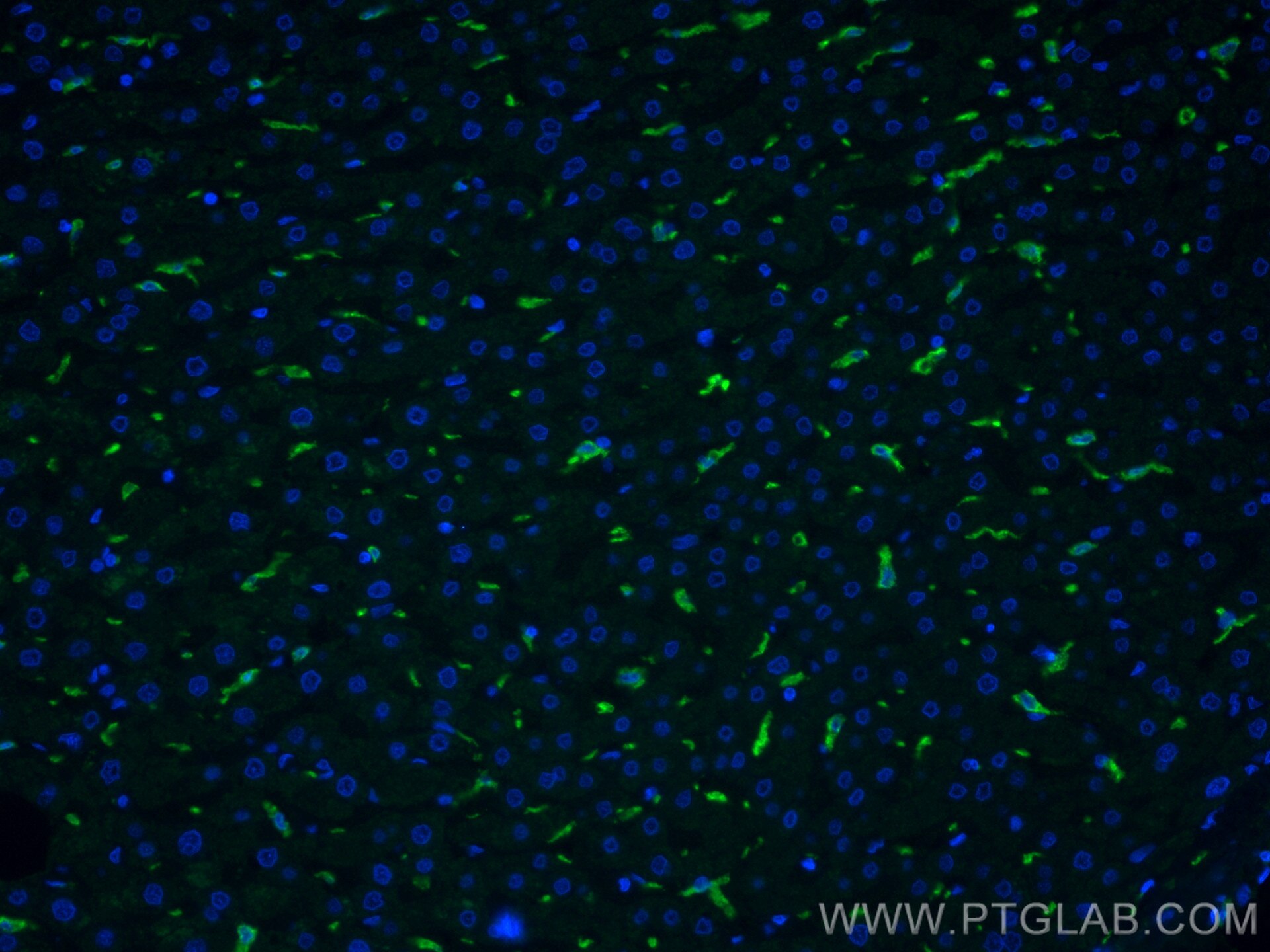
Applications testées
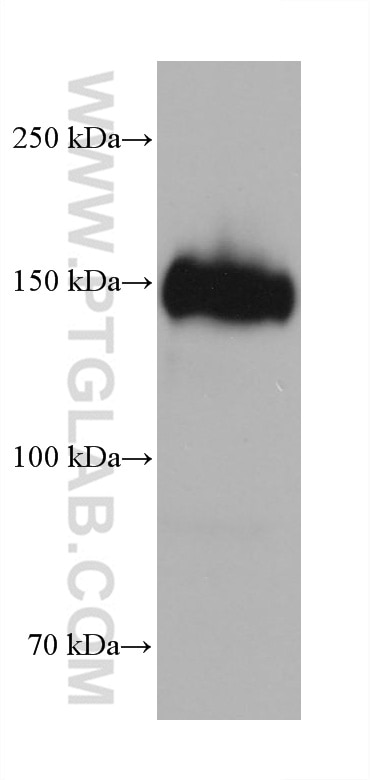
| Résultats positifs en WB | tissu placentaire humain, |
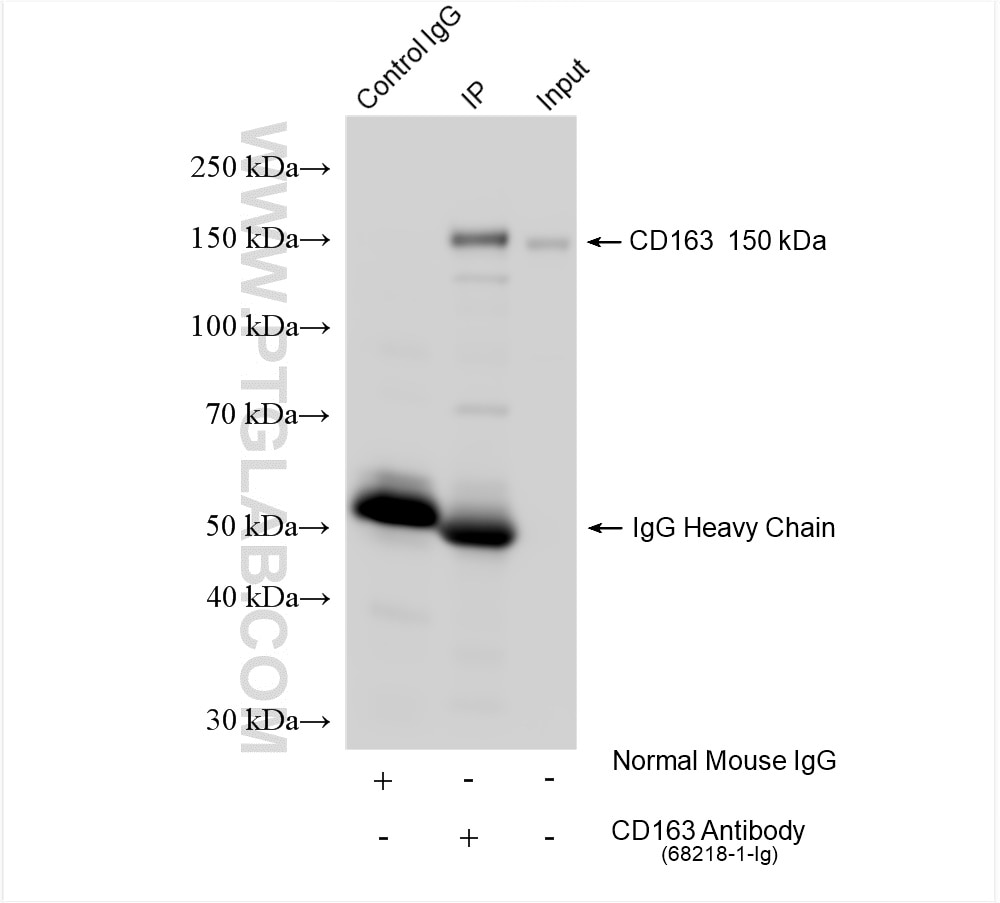
| Résultats positifs en IP | tissu placentaire humain, |
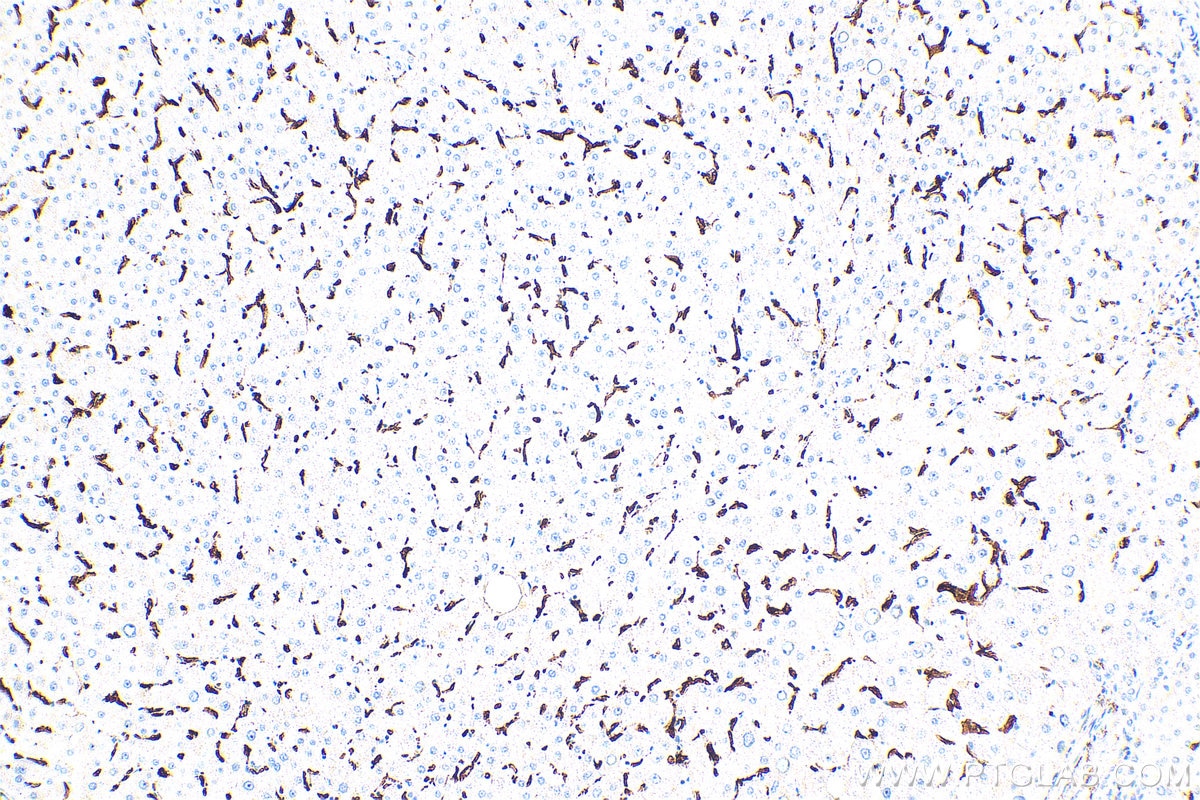
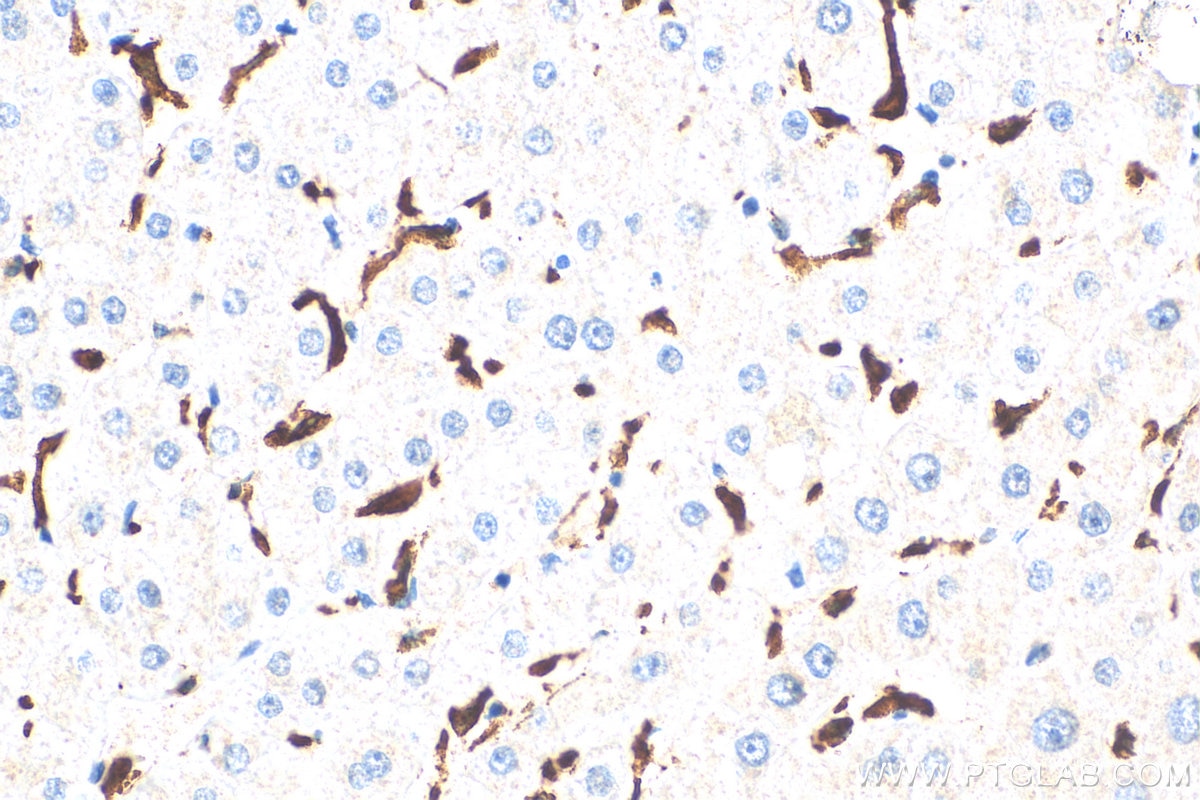
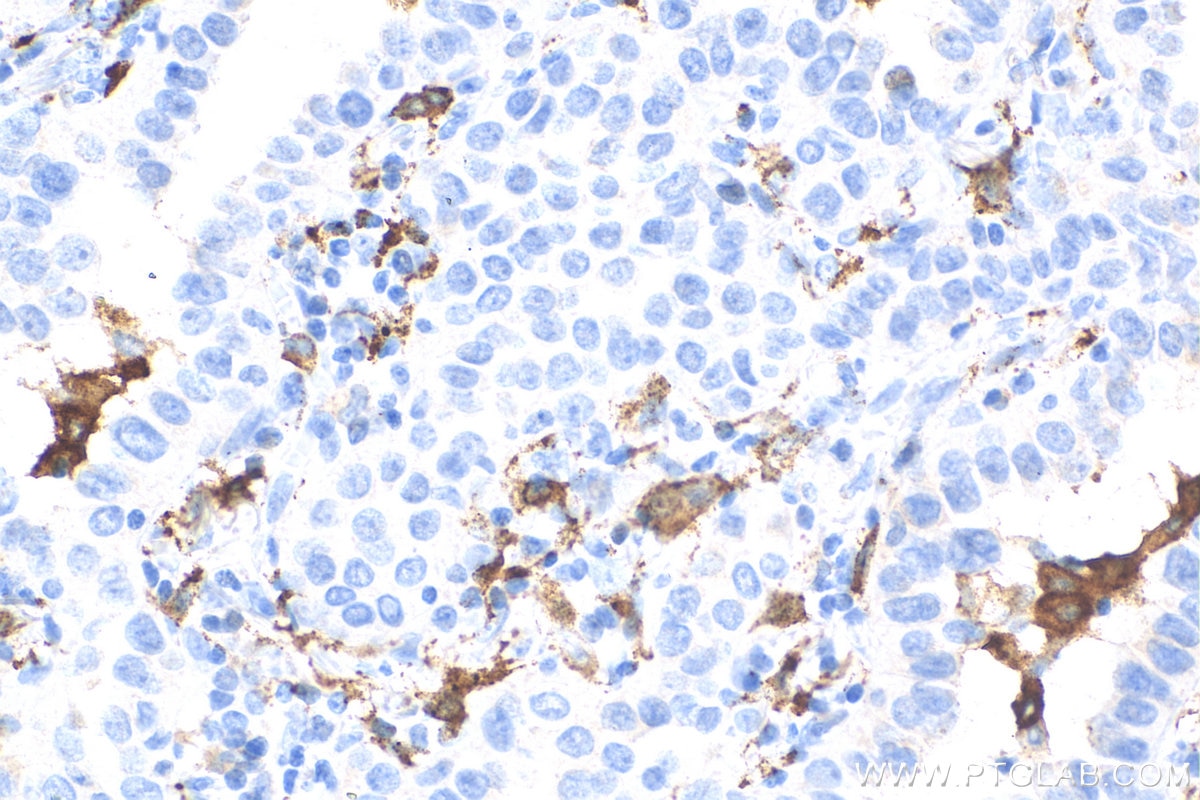
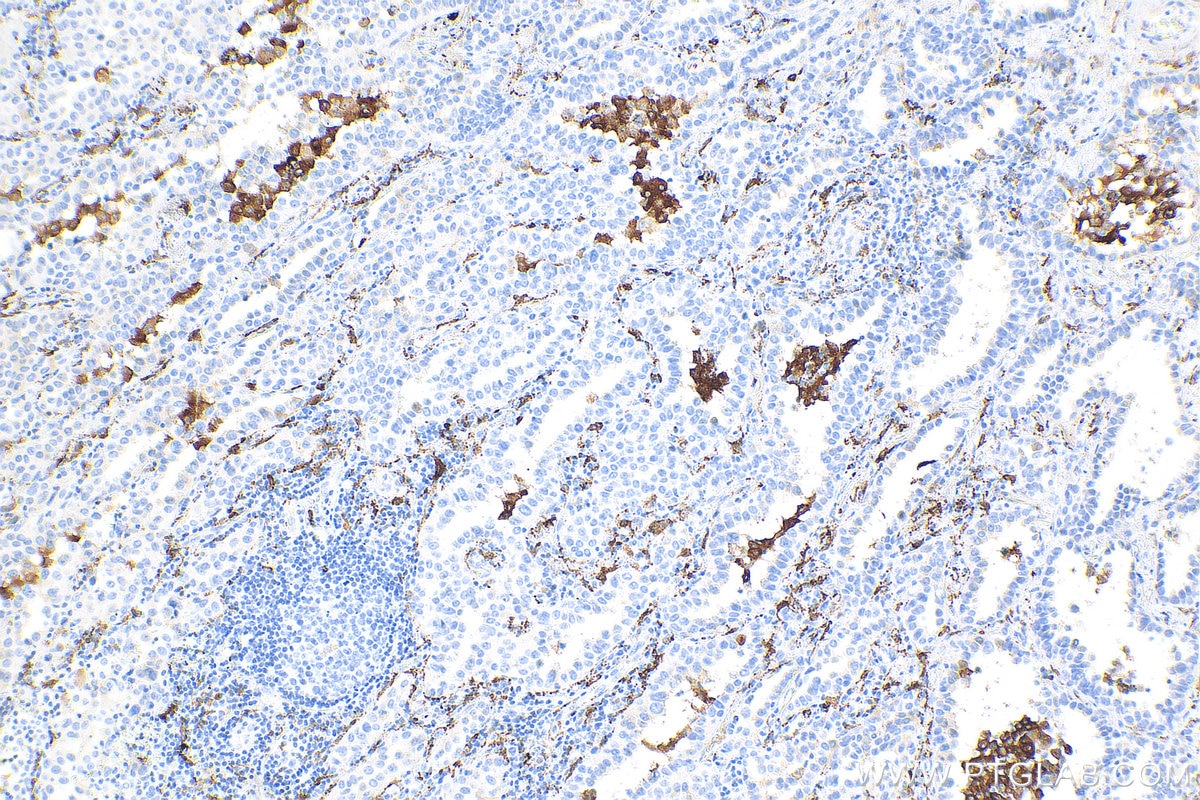
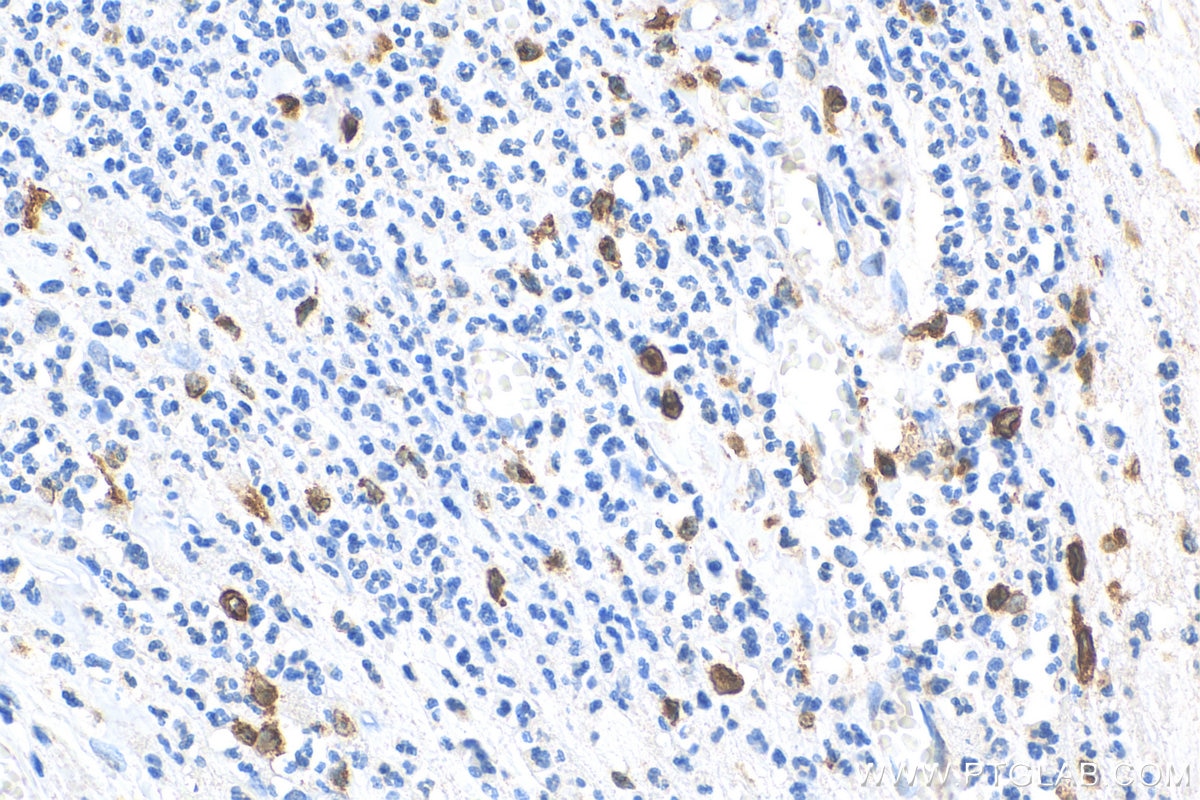
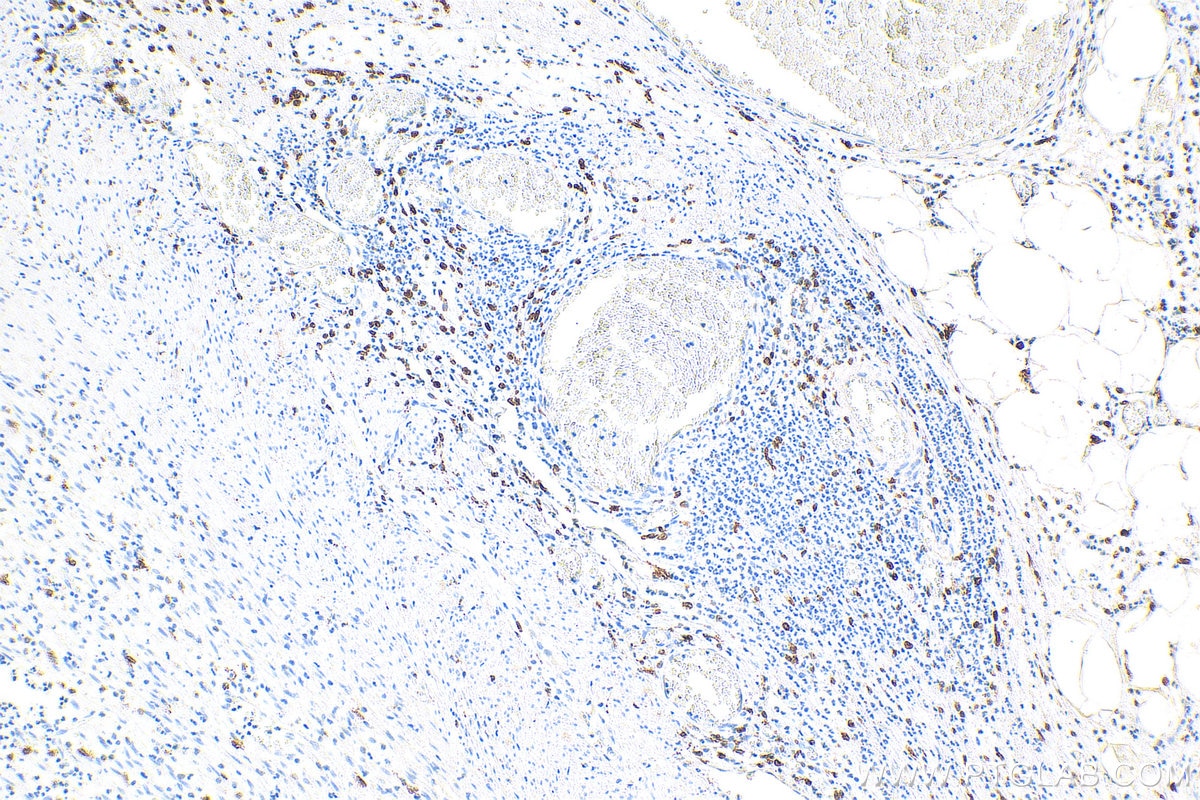
| Résultats positifs en IHC | tissu hépatique humain, tissu d'amygdalite humain, tissu d'appendicite humain, tissu de cancer du poumon humain, tissu placentaire humain il est suggéré de démasquer l'antigène avec un tampon de TE buffer pH 9.0; (*) À défaut, 'le démasquage de l'antigène peut être 'effectué avec un tampon citrate pH 6,0. |
| Résultats positifs en IF-P | tissu hépatique humain, |
Dilution recommandée
| Application | Dilution |
|---|---|
| Western Blot (WB) | WB : 1:5000-1:50000 |
| Immunoprécipitation (IP) | IP : 0.5-4.0 ug for 1.0-3.0 mg of total protein lysate |
| Immunohistochimie (IHC) | IHC : 1:2500-1:10000 |
| Immunofluorescence (IF)-P | IF-P : 1:200-1:800 |
| It is recommended that this reagent should be titrated in each testing system to obtain optimal results. | |
| Sample-dependent, check data in validation data gallery | |
Applications publiées
| WB | See 3 publications below |
| IHC | See 2 publications below |
| IF | See 7 publications below |
Informations sur le produit
68218-1-Ig cible CD163 dans les applications de WB, IHC, IF-P, IP, ELISA et montre une réactivité avec des échantillons Humain
| Réactivité | Humain |
| Réactivité citée | Humain, Lapin, souris |
| Hôte / Isotype | Mouse / IgG1 |
| Clonalité | Monoclonal |
| Type | Anticorps |
| Immunogène | CD163 Protéine recombinante Ag26721 |
| Nom complet | CD163 molecule |
| Masse moléculaire calculée | 1156 aa, 125 kDa |
| Poids moléculaire observé | 145-150 kDa |
| Numéro d’acquisition GenBank | BC051281 |
| Symbole du gène | CD163 |
| Identification du gène (NCBI) | 9332 |
| Conjugaison | Non conjugué |
| Forme | Liquide |
| Méthode de purification | Purification par protéine G |
| Tampon de stockage | PBS with 0.02% sodium azide and 50% glycerol |
| Conditions de stockage | Stocker à -20°C. Stable pendant un an après l'expédition. L'aliquotage n'est pas nécessaire pour le stockage à -20oC Les 20ul contiennent 0,1% de BSA. |
Informations générales
CD163 is a transmembrane protein which belongs to the scavenger receptor cysteine-rich (SRCR) superfamily. This protein is a scavenger receptor for the hemoglobin-haptoglobin complex and is a marker for monocytes and macrophages. Soluble CD163 (sCD163), as a result of ectodomain shedding during inflammatory activation of macrophages, circulates in blood and has been suggested as a plasma/serum marker for macrophage activity.
Protocole
| Product Specific Protocols | |
|---|---|
| WB protocol for CD163 antibody 68218-1-Ig | Download protocol |
| IHC protocol for CD163 antibody 68218-1-Ig | Download protocol |
| IF protocol for CD163 antibody 68218-1-Ig | Download protocol |
| IP protocol for CD163 antibody 68218-1-Ig | Download protocol |
| Standard Protocols | |
|---|---|
| Click here to view our Standard Protocols |
Publications
| Species | Application | Title |
|---|---|---|
Cancer Immunol Immunother A comprehensive pan-cancer analysis of prognostic value and potential clinical implications of FTH1 in cancer immunotherapy | ||
iScience Independent prognostic value of CLDN6 in bladder cancer based on M2 macrophages related signature | ||
Biomaterials Multilayered hydrogel scaffold construct with native tissue matched elastic modulus: A regenerative microenvironment for urethral scar-free healing | ||
Am J Cancer Res STAC3 as a poor prognostic biomarker in renal clear cell carcinoma: relationship with immune infiltration | ||
Int J Biol Sci Tumor-associated macrophages drive heterogenetic CD10High cancer stem cells to implement tumor-associated neutrophils reprogramming in oral squamous cell carcinoma | ||
J Exp Clin Cancer Res MMP28 recruits M2-type tumor-associated macrophages through MAPK/JNK signaling pathway-dependent cytokine secretion to promote the malignant progression of pancreatic cancer |

